

Free Alsace Travel Guide & Mobile App
Explore Alsace with free travel guides. Discover regional history, expert tips, proposed trips, and audio guides on web or mobile app.


Explore Alsace through Strasbourg’s heritage, Colmar’s canals, vineyard villages, Vosges landscapes and a distinctive Franco-German food culture.
Read more about Alsace
When is the best time to visit Alsace?
Best: July–September · 21–25°C| Month | High (°C) | Rainfall (mm) |
|---|---|---|
| January | 4 | 45 |
| February | 6 | 40 |
| March | 11 | 45 |
| April | 15 | 50 |
| May | 19 | 65 |
| June | 22 | 70 |
| July (best) | 25 | 65 |
| August (best) | 24 | 60 |
| September (best) | 21 | 50 |
| October | 16 | 45 |
| November | 10 | 50 |
| December | 5 | 55 |
Getting to and around Alsace
How to get there
Transportation
Top city travel guides in Alsace
The cities of Alsace, and the easiest places to base yourself.
-

-

-


Swipe for more cities
Destinations in Alsace
Resorts, valleys and scenic spots worth a trip of their own.
-

-


Swipe for more destinations
Best attractions in Alsace
Alsace offers an unusually varied concentration of attractions within a relatively compact area. Strasbourg’s Grande Île presents a dense historic environment of canals, medieval houses and monumental civic buildings, while the European institutions add a modern international dimension. Colmar’s museums include the Musée Unterlinden, and Sélestat’s Humanist Library provides insight into the region’s intellectual history. Mulhouse is especially strong in industrial and technical heritage, with major collections devoted to cars, trains and printed textiles. Along the foothills, the Alsace Wine Route links vineyard villages such as Obernai, Barr, Ribeauvillé, Riquewihr and Kaysersberg with tasting rooms, churches and fortified remains. The Château du Haut-Koenigsbourg presents a restored medieval fortress above the plain, while the Ecomusée d’Alsace at Ungersheim explores rural buildings and customs. West of the vineyards, the Vosges provide forest walks, ridge trails, lakes and winter recreation, and the southern Sundgau offers quieter cycling and countryside excursions.
-
Amusement park
Europa-Park
Experience Europe in a day at Germany's largest theme park, with thrilling rides, captivating shows, and immersive themed areas.
-
Castle
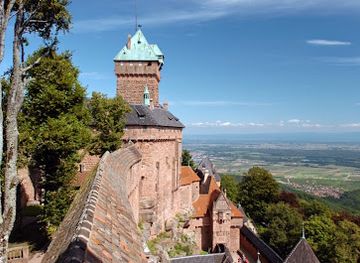
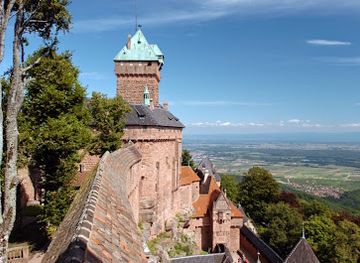
Château du Haut-Kœnigsbourg
Explore the majestic Château du Haut-Kœnigsbourg, a beautifully restored medieval fortress offering panoramic views of Alsace and a captivating journey through centuries of history.
-
Catholic cathedral
Freiburg Cathedral
Discover Freiburg Cathedral, a stunning Gothic masterpiece with a soaring spire, rich history, and panoramic city views, nestled in the heart of Freiburg's vibrant Old Town.
-
Thermal baths
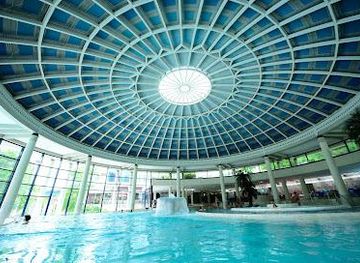
Caracalla Spa
Experience the rejuvenating thermal waters of Baden-Baden at the modern Caracalla Spa, a haven of relaxation and wellness steeped in Roman history.


Best landmarks in Alsace
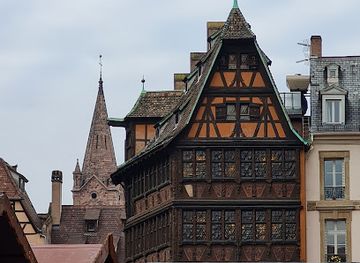
Strasbourg Cathedral is Alsace’s most recognisable architectural landmark, its pink Vosges sandstone and medieval astronomical clock dominating the historic centre. Around it, the Grande Île contains the Maison Kammerzell, riverside quarters and the timber-framed streets of Petite France. In Colmar, the old town’s canal-side buildings and the Koïfhus reflect the commercial importance of the medieval city, while the former Dominican church now houses an important art collection. Above the central plain, the Château du Haut-Koenigsbourg occupies a dramatic ridge position and evokes the region’s medieval and nineteenth-century heritage. Neuf-Brisach, designed by Vauban as a fortified town, is a landmark of military town planning in the Upper Rhine. The Vosges themselves form Alsace’s western natural backdrop, with the Grand Ballon and open crest landscapes offering broad views over the vineyards and Rhine plain. Mulhouse’s industrial buildings and railway infrastructure add a different, modern layer to the region’s visual identity.
-
Cathedral
Cathédrale Notre-Dame-de-Strasbourg
Experience the grandeur of Gothic architecture at Strasbourg's iconic cathedral, a historical and artistic masterpiece in the heart of Alsace.
-
Historical landmark
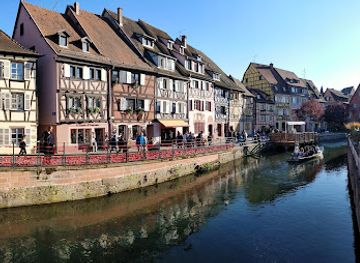
La Petite Venise
Discover the enchanting canals and colorful architecture of La Petite Venise, a must-see historical district in the heart of Colmar, France.
-
Castle
Château du Haut-Kœnigsbourg
Explore a majestic medieval fortress with stunning views of the Alsace region; a symbol of centuries of European history.
-
City park
Parc de l'Orangerie
Strasbourg's oldest park, a blend of nature, history, and recreation in the heart of the city, perfect for families and nature lovers.

Explore Alsace on the map
Plan your trip on one map. See where the top cities, national parks and sights are, and book hotels and experiences in a few clicks.
Best hotels in Alsace
Best restaurants in Alsace
Alsatian dining combines Rhine-region ingredients with French culinary technique. Traditional winstubs and village inns serve dishes such as choucroute garnie, baeckeoffe, spaetzle, munster cheese and tarte flambée, while bakeries sell kougelhopf and other regional pastries. Tarte flambée is particularly associated with the northern and central parts of Alsace, although it is widely available throughout the region. Vineyard villages provide opportunities to taste dry and aromatic wines including riesling, gewurztraminer, pinot gris and pinot noir, as well as crémant d’Alsace. Strasbourg, Colmar and Mulhouse have the broadest range of contemporary restaurants, cafés and international cuisines; smaller towns tend to focus on seasonal menus, local produce and established regional cooking. Markets are useful for discovering cheeses, charcuterie, bread, fruit and vineyard products, while rural domaines may offer tastings alongside simple food by arrangement.
-
French
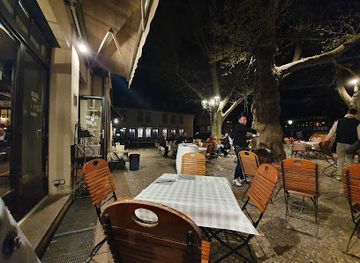
La Corde à Linge
Experience the rich flavors of Alsace at La Corde à Linge, where tradition meets contemporary cuisine in the heart of Strasbourg.
-
Food court
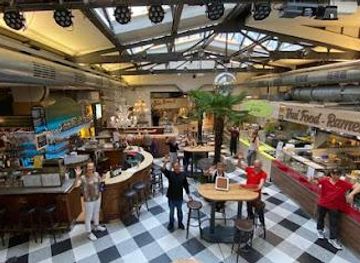
Markthalle
Freiburg's beating culinary heart: 19 stalls fusing global street food with Baden classics in a historic hall alive with spice scents, live music, and endless discovery.
-
Restaurant
Kloster Allerheiligen
Romantic Schwarzwald ruins cascading over wild waterfalls: hike to 12th-century monastic splendor amid misty gorges and timeless forest serenity.
-
Fine Dining
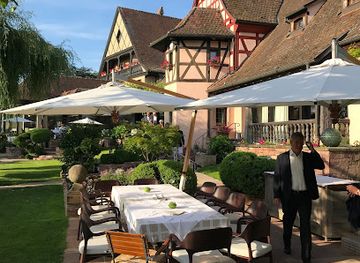
Auberge de l'Ill
Experience the pinnacle of French gastronomy at Auberge de l'Ill, where every dish is a masterpiece in the heart of Alsace.

Best bars in Alsace
Evening life in Alsace is led by cafés, wine bars, traditional brasseries and pubs rather than a region-wide club scene. Strasbourg has the greatest concentration of late-opening venues, particularly around the central districts and student areas, with cocktail bars, live music and cultural programming alongside restaurants. Colmar offers a quieter mix of wine-focused bars, cafés and hotel lounges, while Mulhouse has a more urban evening scene with independent bars, music venues and restaurants. In vineyard towns, evenings generally centre on winstubs, seasonal events and local wine rather than nightclubs. Breweries and distilleries provide opportunities to explore regional drinks, but visitors should plan transport carefully after tastings, especially in rural areas where late public services are limited.
-
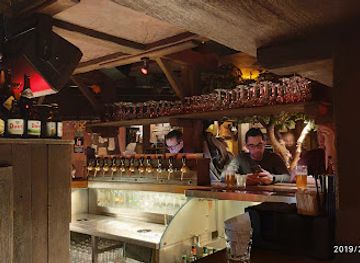
Bar
Les Berthom
Experience the vibrant atmosphere and local charm at Les Berthom, a top-rated bar in Strasbourg with an extensive drink selection.
-
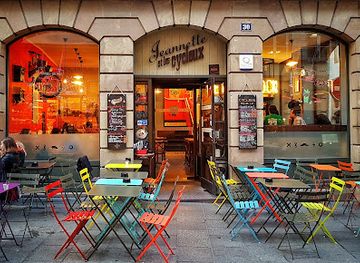
Cocktail bar
Jeannette and the Cycleux
Experience the vibrant cocktail culture at Jeannette and the Cycleux, where innovative drinks and a lively atmosphere create unforgettable moments in Strasbourg.
-
Pub
The 3 Monkeys
Discover the lively atmosphere and delicious menu at The 3 Monkeys Pub in Colmar, where local culture meets exceptional dining.
-
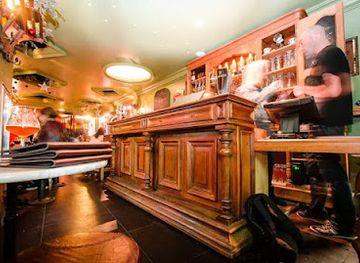
Bar
Le Grincheux
Discover the vibrant atmosphere of Le Grincheux, a charming bar and café in Strasbourg, perfect for relaxation and local flavors.

Best nightclubs in Alsace
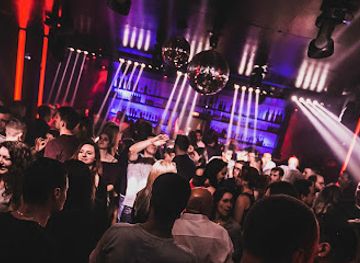
Evening life in Alsace is led by cafés, wine bars, traditional brasseries and pubs rather than a region-wide club scene. Strasbourg has the greatest concentration of late-opening venues, particularly around the central districts and student areas, with cocktail bars, live music and cultural programming alongside restaurants. Colmar offers a quieter mix of wine-focused bars, cafés and hotel lounges, while Mulhouse has a more urban evening scene with independent bars, music venues and restaurants. In vineyard towns, evenings generally centre on winstubs, seasonal events and local wine rather than nightclubs. Breweries and distilleries provide opportunities to explore regional drinks, but visitors should plan transport carefully after tastings, especially in rural areas where late public services are limited.
-
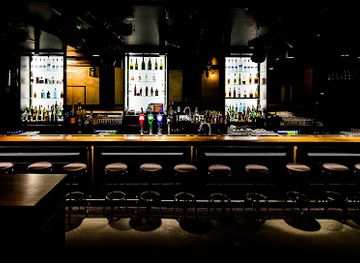
Night club
The Café des Anges
Dive into the vibrant nightlife of Strasbourg at Café des Anges, where music and dancing create unforgettable memories.
-
Disco club
LE MANHATTAN
Unleash your energy at Le Manhattan, Haguenau's top disco club, where unforgettable nights of music and dance await.
-
Disco club
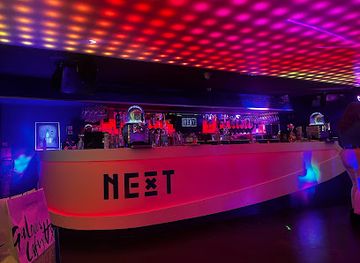
Discothèque NEXT CLUB Strasbourg
Discover the electrifying nightlife at NEXT CLUB Strasbourg, a premier disco club featuring vibrant music, ambiance, and an unforgettable atmosphere.
-
Disco club
R Club
Discover the vibrant nightlife at R Club in Strasbourg, where music and dance create an unforgettable experience in the heart of the city.

Best shops in Alsace
Shopping in Alsace ranges from Strasbourg’s established commercial streets and department stores to the independent boutiques, galleries and food shops of Colmar’s historic centre. Mulhouse has a more urban retail mix, with everyday shopping, design-related businesses and markets reflecting its industrial and cross-border character. Smaller wine towns are useful for locally made ceramics, textiles, craftwork, books and gallery pieces, although opening arrangements can be limited outside the main visitor season. Regional food is one of the most practical souvenirs: look for Alsatian wines, crémant, munster, gingerbread, kougelhopf, mustard, preserves and carefully packaged bakery goods. Christmas markets offer seasonal decorations and gifts, but prices and quality vary, so established producers’ shops and recognised market stalls are preferable for speciality purchases. Check customs and airline restrictions before carrying wine, cheese or other perishable items home.
-
Outlet mall
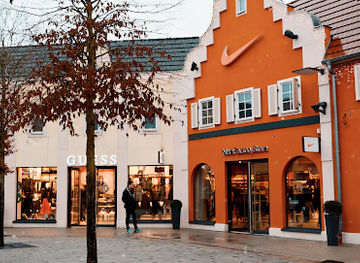
Roppenheim The Style Outlets
Discover unbeatable deals and a vibrant shopping atmosphere at Roppenheim The Style Outlets, your ultimate shopping destination in France.
-
Shopping mall
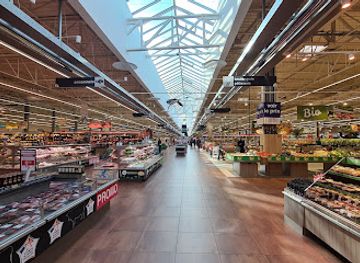
Centre Commercial Shop'in Houssen
Discover an incredible shopping experience at Centre Commercial Shop'in Houssen in Houssen, France, where style meets convenience and culinary delights await.
-
Shopping mall
Shopping Promenade - Coeur Alsace
Discover a vibrant shopping experience at Shopping Promenade - Coeur Alsace, featuring diverse stores, family-friendly entertainment, and delightful dining options.
-
 Gourmet grocery store
Le Palais Du Pain D'épices
Experience the sweet heritage of Alsace at Le Palais Du Pain D'épices, a gourmet grocery store and bakery specializing in exquisite gingerbread.
Get your free copy of our complete guide to Alsace, delivered straight to you.
Everything on this page, from attractions and restaurants to essentials and local phrases, in one PDF you can read offline, print or share.
Already have an account? Sign in
Your Alsace guide is ready.
We'll send it to · Not you? Sign out

Getting your guide ready…
We are putting together a fresh copy of the Alsace guide. This can take up to a minute.
This can take a few moments. If your browser asks, choose Allow so the download can start. You'll find the guide in your Downloads folder.
Nothing happened? Download it again
Sorry, the guide is taking longer than usual. Please try again in a minute, or get it by email instead.
Alsace essentials
Currency and Payment
Safety
Emergency Situations
Do's and Don'ts
Local Tips
From Eve
Local phrases worth knowing
You don't need to get them perfect. A few words go a long way, and locals appreciate the effort.
Basics
| English | Local | Say it |
|---|---|---|
| Hello | Salut | [sa-lu] |
| Goodbye | Au revoir | [o ruh-vwar] |
| Yes | Oui | [wee] |
| No | Non | [non] |
| Please/You're welcome | S'il vous plaît | [seel voo pleh] |
| Thank you | Merci | [mehr-see] |
| Excuse me/Sorry | Excusez-moi | [ex-kew-zay mwah] |
| How are you? | Comment ça va? | [koh-mohn sah vah] |
| Fine. And you? | Bien. Et vous? | [byan. eh voo] |
| Do you speak English? | Parlez-vous anglais? | [par-lay voo ahn-glay] |
| I don't understand | Je ne comprends pas | [zhuh nuh kohm-prahn pah] |
Eating & Drinking
| English | Local | Say it |
|---|---|---|
| I'd like to see the menu, please | Je voudrais voir le menu, s'il vous plaît | [zhuh voo-dray vwar luh meh-nu, seel voo pleh] |
| I don't eat meat | Je ne mange pas de viande | [zhuh nuh mahnzh pah duh vyahnd] |
| Cheers! | Santé! | [sahn-tay] |
| I would like to pay, please | Je voudrais payer, s'il vous plaît | [zhuh voo-dray pay-ay, seel voo pleh] |
Emergencies
| English | Local | Say it |
|---|---|---|
| Help! | Au secours! | [o suh-koor] |
| Go away! | Allez-vous en! | [ah-lay voo zahn] |
| Call the Police! | Appelez la police! | [ah-peh-lay lah po-lees] |
| Call a doctor! | Appelez un docteur! | [ah-peh-lay uhn dohk-teur] |
| I'm lost | Je suis perdu | [zhuh swee pair-due] |
| I'm ill | Je suis malade | [zhuh swee mah-lahd] |
Shopping
| English | Local | Say it |
|---|---|---|
| I'd like to buy... | Je voudrais acheter... | [zhuh voo-dray ah-she-tay] |
| I'm just looking | Je regarde juste | [zhuh ruh-gard zhoost] |
| How much is it? | C'est combien? | [say kohm-byen] |
| That's too expensive | C'est trop cher | [say troh shair] |
| Can you lower the price? | Pouvez-vous baisser le prix? | [poo-vay voo beh-say luh pree] |
Time & Numbers
| English | Local | Say it |
|---|---|---|
| What time is it? | Quelle heure est-il? | [kel uhr eh-teel] |
| It's one o'clock | Il est une heure | [eel eh ewn uhr] |
| Half past (10) | Dix heures et demie | [dees uhr eh duh-mee] |
| Morning | Matin | [mah-tan] |
| Afternoon | Après-midi | [ah-preh-mee-dee] |
| Evening | Soir | [swahr] |
| Yesterday | Hier | [ee-air] |
| Today | Aujourd'hui | [oh-zhoor-dwee] |
| Tomorrow | Demain | [duh-mahn] |
| 1 | Un | [uhn] |
| 2 | Deux | [duhr] |
| 3 | Trois | [trwah] |
| 4 | Quatre | [ka-truh] |
| 5 | Cinq | [sank] |
| 6 | Six | [sees] |
| 7 | Sept | [set] |
| 8 | Huit | [weet] |
| 9 | Neuf | [nuhf] |
| 10 | Dix | [dees] |
Transport & Directions
| English | Local | Say it |
|---|---|---|
| Where's a/the...? | Où est un/une...? | [oo eh uhn/oon] |
| What's the address? | Quelle est l'adresse? | [kel eh lah-dress] |
| Can you show me (on the map)? | Pouvez-vous me montrer (sur la carte)? | [poo-vay voo muh mohn-tray (sur lah kart)] |
| When's the next (bus)? | Quand est le prochain (bus)? | [kahn eh luh pro-shen (boos)] |
| A ticket (to ....) | Un billet (pour ....) | [uhn bee-yay (poor ....)] |
History of Alsace
Roman Argentoratum and the Rhine Frontier
The Roman settlement of Argentoratum developed on the site of present-day Strasbourg as a military and commercial centre on the Rhine frontier. Roads, bridges and river traffic connected the settlement with other parts of Roman Gaul and the wider imperial network. Archaeological remains found in Strasbourg and elsewhere across the Rhine plain testify to a landscape of forts, farms, workshops and trading communities. Roman influence did not erase earlier Celtic settlement, but it introduced administrative systems and infrastructure that helped shape the region’s later urban geography.
Medieval Cities, Bishoprics and the Decapolis
During the Middle Ages, Strasbourg grew as an important trading city and ecclesiastical centre, while towns across Alsace developed under a mixture of imperial, episcopal and aristocratic authority. The Alsatian Decapolis, formed in the fourteenth century, linked ten imperial cities in a defensive and political association within the Holy Roman Empire. Fortifications, guild institutions, churches and market rights helped towns such as Colmar, Sélestat and Haguenau prosper. Much of the region’s timber-framed architecture and historic street planning has roots in this period.
Humanism and the Printing Age
Strasbourg became a significant centre of late-medieval and Renaissance scholarship, printing and religious debate. Its location between German-speaking lands and the French world encouraged the circulation of books, ideas and artists. The city was associated with reformers, printers and humanists, while Sélestat’s former Latin school preserves evidence of the educational culture that flourished in the region. The Reformation gained substantial support in parts of Alsace, although religious patterns remained mixed and Catholic institutions continued to shape many towns and villages.
French Incorporation and the Seventeenth Century
The political map of Alsace changed during the seventeenth century, particularly after the Thirty Years’ War. The treaties associated with the Peace of Westphalia in 1648 transferred important rights and territories to the French Crown, while Strasbourg remained outside direct French rule until its capitulation in 1681. Louis XIV’s government strengthened frontier defences, and Vauban’s planned town of Neuf-Brisach later became a major example of military urbanism. The region retained many of its established legal, religious and linguistic practices within the French state.
Industrialisation in Mulhouse and the Rhine Plain
From the eighteenth and nineteenth centuries, Mulhouse became one of continental Europe’s important textile-manufacturing centres. Cotton printing, engineering and chemical production transformed the city and attracted capital, workers and technical expertise. The surrounding Rhine plain also benefited from improved roads, canals and railways, connecting Alsace to French, German and Swiss markets. This industrial inheritance remains visible in Mulhouse’s museums and converted industrial areas, as well as in the region’s traditions of engineering, design and applied science.
Alsace-Lorraine Between France and Germany
After France’s defeat in the Franco-Prussian War, Alsace and part of Lorraine were annexed to the German Empire in 1871. Strasbourg was reshaped with a new imperial quarter, planned boulevards and public buildings beside the older city. Following the First World War, Alsace returned to France in 1918, bringing difficult questions about language, administration and identity. Nazi Germany annexed the region de facto during the Second World War, and the post-war period saw renewed integration into France alongside the continued survival of regional cultural traditions.
European Cooperation and Contemporary Alsace
Strasbourg’s location on a historic border became an asset in post-war European cooperation. The city hosts the European Parliament, the Council of Europe and the European Court of Human Rights, institutions that give Alsace an international political role distinct from its regional heritage. At the same time, wine production, tourism, cross-border commerce and advanced manufacturing have become important parts of the contemporary economy. Alsace today combines French civic institutions with a visible regional culture shaped by its Rhine geography and layered past.
Alsace in Photos
Browse through our photo collection highlighting the charm and character of the destination.
Neighbouring regions of Alsace
The closest regions to Alsace, if you have time for more than one.
-

-

-

-

-


Swipe for more regions
Explore more

Explore more of France
Explore France: A land of romance, history, and unparalleled beauty, from the iconic streets of Paris to the serene landscapes of Provence and the luxury of the French Riviera.
Explore France