Background

Lochnagar Crater: A Somber Echo of the Somme

Witness the immense Lochnagar Crater, a poignant World War I memorial in the Somme, marking the devastating Battle of the Somme and honoring the soldiers' sacrifices.

4.7

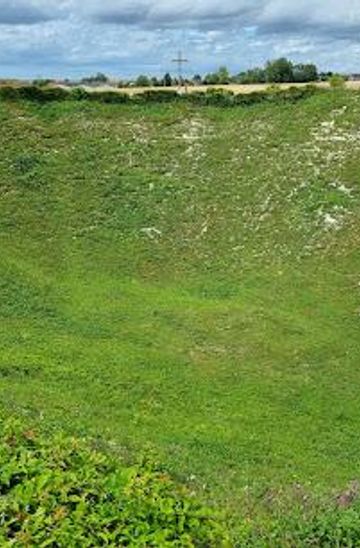
The Lochnagar Crater, a massive man-made depression near the village of La Boisselle, France, stands as a stark reminder of the brutal Battle of the Somme. Created on July 1, 1916, when the British detonated a massive underground mine beneath German lines, the crater is a tangible testament to the devastating power of war. Today, it serves as a poignant memorial, drawing visitors from around the world to reflect on the sacrifices made during World War I. The site offers a sobering glimpse into the past, inviting contemplation and remembrance amidst the tranquil landscape of the Somme. Managed by the Lochnagar Crater Foundation, the grounds are open to the public, providing a space for quiet reflection and historical understanding. The sheer scale of the crater, combined with the serene atmosphere, creates a powerful and unforgettable experience for all who visit, solidifying its place as a significant landmark of remembrance.

A brief summary to Lochnagar Crater WW1

  • Rte de la Grande Mine, Ovillers-la-Boisselle, 80300, FR
  • Visit website
  • Monday 12 am-12 am
  • Tuesday 12 am-12 am
  • Wednesday 12 am-12 am
  • Thursday 12 am-12 am
  • Friday 12 am-12 am
  • Saturday 12 am-12 am
  • Sunday 10:15 am-12 am

Local tips

  • Arrive early, especially on weekends or during peak season, to avoid crowds and secure parking.
  • Wear comfortable shoes, as the ground around the crater can be uneven and require some walking.
  • Take time to read the information panels around the site to fully understand the history and significance of the crater.
  • Consider attending the annual remembrance service on July 1st for a deeply moving experience.
  • Bring a camera to capture the scale of the crater and the surrounding landscape, but remember to be respectful of the site as a memorial.
widget icon

Getting There

  • Driving

    From the D929 between Albert and Bapaume, turn south at La Boisselle following signs for 'La Grande Mine'. The crater is a short distance down this road. Parking is available near the entrance to the site, though it can be limited during peak times or special events. During busy periods, consider parking in La Boisselle and walking to the crater to avoid congestion. Note that the road leading to the crater is a no-through road.

  • Taxi/Ride-Share

    From Albert, a taxi or ride-share to Lochnagar Crater will take approximately 15 minutes. Expect to pay around €20-€25 for the trip. Be sure to arrange a return journey in advance, as ride-share availability in the area may be limited.

Unlock the Best of Lochnagar Crater WW1

Buy tickets

    No tickets available

Book tours with entry

    No tours available

Book tours without entry

    No tours available

Discover more about Lochnagar Crater WW1

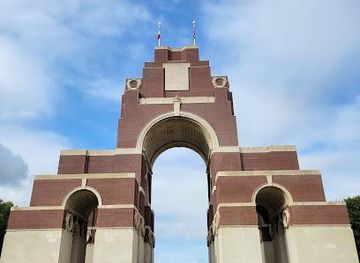
Lochnagar Crater, located near the village of Ovillers-la-Boisselle in the Somme region of France, is a profound and haunting reminder of the First World War. This immense crater, the largest man-made mine crater on the Western Front, was created on the opening day of the Battle of the Somme, July 1, 1916, when the British Army detonated a massive underground mine beneath a German strongpoint known as Schwabenhöhe. The Lochnagar mine was one of 19 mines placed beneath the German lines on the British sector of the Somme front, designed to create a breach in the enemy defenses and facilitate the infantry advance. The task of digging and planting these mines fell to the Tunnelling Companies of the Royal Engineers, who worked tirelessly and often in perilous conditions to undermine the German positions. The Lochnagar mine was named after Lochnagar Street, the trench from which the gallery was driven. The Lochnagar mine consisted of two separate charges, totaling 60,000 pounds (27,215 kg) of ammonal explosives. These charges were placed in chambers at the end of a tunnel that had been dug over several months, starting in late 1915, from the British front lines to a point directly beneath the German position. The explosion, set off at 7:28 a.m., two minutes before the start of the main assault, was intended to destroy the German defenses and create a significant psychological impact on the enemy. The resulting explosion was colossal. It created a crater approximately 300 feet (91 meters) in diameter and 90 feet (27 meters) deep. The blast obliterated the German trenches and dugouts, and the shockwave was felt miles away. The noise of the explosion was said to be heard in London. Despite the devastation caused by the mine, the attack in this sector on July 1 was not successful, and the British forces suffered heavy casualties. Today, Lochnagar Crater stands as a preserved memorial, a testament to the immense scale of the conflict and the sacrifices made by the soldiers who fought and died on the Somme. In 1978, Richard Dunning purchased the land to ensure the crater could be maintained suitably as a memorial. The site is managed by the Lochnagar Crater Foundation, a non-profit organization dedicated to preserving the crater and promoting remembrance. Visitors to Lochnagar Crater can walk around the rim of the crater and reflect on the events that took place there. A large wooden cross, constructed from timbers from a deconsecrated church near Durham, England, stands near the edge of the crater, serving as a focal point for remembrance. Memorial benches are placed around the site in memory of those men who were in action attacking with the 34th Division at La Boisselle village and Lochnagar Crater area on 1st July 1916. The site is open to the public free of charge during daylight hours, and visitors are encouraged to treat the site with respect and dignity. Each year on July 1st, a remembrance service is held at the crater at 7:28 a.m., the exact time of the explosion, to commemorate the anniversary of the Battle of the Somme. The service is attended by veterans, families of the fallen, and people from around the world who come to pay their respects. Lochnagar Crater is more than just a physical landmark; it is a place of profound historical and emotional significance. It serves as a reminder of the horrors of war and the importance of peace. The crater's sheer size and the stories it holds create a powerful and moving experience for all who visit. The surrounding area of Ovillers-la-Boisselle also bears the scars of war, with numerous other memorials, cemeteries, and battlefields nearby. Visitors can explore the Somme Museum in Albert, the Thiepval Memorial to the Missing, and the Newfoundland Memorial Park at Beaumont-Hamel to gain a deeper understanding of the Battle of the Somme and its impact on the region. Visiting Lochnagar Crater is a deeply moving experience that offers a unique opportunity to connect with history and to pay tribute to the soldiers who fought and died on the Somme. The site's preservation as a memorial ensures that the sacrifices made during the First World War will never be forgotten. The Lochnagar Crater Foundation relies on donations to maintain the site and continue its work in promoting remembrance and education. Visitors are encouraged to support the foundation through donations or by purchasing souvenirs from the on-site shop. Whether you are a history enthusiast, a student of the First World War, or simply someone seeking a place for quiet reflection, Lochnagar Crater is a must-see destination on the Somme. Its powerful atmosphere and historical significance will leave a lasting impression on all who visit. The crater is a place of remembrance. A veteran of 1st July recalled seeing bodies rolled into the crater after the battle had passed this place within the next few days of July. Some of those remains may have been recovered at a later date, but without doubt there are remains of Germans and British casualties missing in action at this place who still lie in and around the crater. Lochnagar Crater stands as a solemn testament to the past, inviting visitors to connect with history in a meaningful way and to remember the human cost of war.

Popular Experiences near Lochnagar Crater WW1

Popular Hotels near Lochnagar Crater WW1

Select Currency