The Caves of Naours: A Subterranean Journey Through Time
Discover the hidden city beneath Naours: a centuries-old network of caves revealing tales of refuge, resilience, and poignant World War I history, just a short trip from Amiens.
Delve into the heart of Picardy and unearth the secrets of the Caves of Naours, an extraordinary underground city sculpted from the region's chalky landscape. This vast network of tunnels and chambers, dating back to the 3rd century, served as a refuge for centuries, sheltering villagers from invasions and offering a safe haven during times of conflict. Rediscovered in the late 19th century, the caves reveal a captivating blend of medieval ingenuity and poignant World War I history, with thousands of soldiers leaving their mark on the walls. Today, visitors can explore this remarkable site, wandering through the maze-like passages and immersing themselves in the stories etched in stone, a testament to human resilience and the enduring spirit of survival. The caves offer a unique and unforgettable experience, a journey through time and a glimpse into a hidden world beneath the serene village of Naours. Don't miss this opportunity to discover a truly remarkable historical site.
A brief summary to The caves of Naours
- 5 Rue des Carrières, Naours, 80260, FR
- +33322937178
- Visit website
- Monday 10 am-6:30 pm
- Tuesday 10 am-6:30 pm
- Wednesday 10 am-6:30 pm
- Thursday 10 am-6:30 pm
- Friday 10 am-6:30 pm
- Saturday 10 am-6:30 pm
- Sunday 10 am-6:30 pm
Local tips
- Dress warmly, as the temperature inside the caves remains a constant 9.5 degrees Celsius (49 degrees Fahrenheit) year-round.
- Allow at least 2-3 hours to fully explore the underground city and the surrounding park and museum.
- Combine your visit with a trip to nearby Amiens to see the stunning Amiens Cathedral and explore the city's charming canals.
- Check the opening hours in advance, especially if visiting during the off-season, as the site may have limited hours or be closed on certain days.
- Consider visiting on a weekday to avoid the larger crowds that can gather on weekends and during school holidays.

Getting There
-
Driving
If driving from Amiens, take the D933 north towards Doullens. The journey is approximately 15 km and takes about 20 minutes. Follow the signs for Naours and the 'Cité Souterraine'. There is ample free parking available at the site. Note that during peak season, the parking area can get busy, so arrive early. An alternative parking is available at the Naours stadium, a municipal car park near the caves.
-
Public Transport
From Amiens, take the Trans80 bus line to Naours. The bus departs from the Gare Routière (bus station) in Amiens and arrives at the Rue d'Amiens stop in Naours. The journey takes approximately 47 minutes. From the bus stop, it is a short walk to the Caves of Naours. A single bus ticket costs between €1 and €3. Check the Trans80 website for the most up-to-date schedule and fare information.
-
Taxi/Ride-Share
A taxi or ride-share from Amiens to Naours takes approximately 18 minutes and costs between €30 and €40. This is the fastest option, but also the most expensive. Taxis are readily available in Amiens, or you can use a ride-sharing app to book a ride.
Discover more about The caves of Naours
Iconic landmarks you can’t miss

Cimetière de La Madeleine d'Amiens
13.4 km
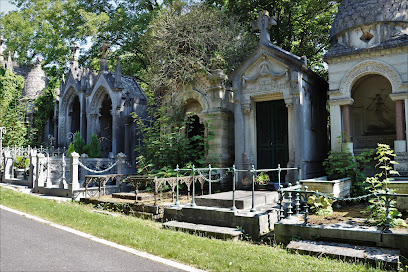
Explore the Cimetière de la Madeleine in Amiens: a romantic landscape cemetery with notable monuments and the final resting place of Jules Verne.
Nécropole nationale Saint-Pierre
14.3 km
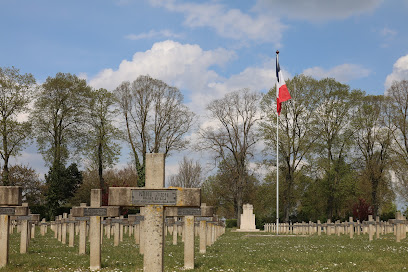
A solemn World War I cemetery near Amiens, holding the remains of French and Belgian soldiers who died in the battles of the Somme.
The Citadel of Amiens
14.5 km
Explore the Citadel of Amiens: Where history meets modern education in a stunning 17th-century fortress turned university campus.
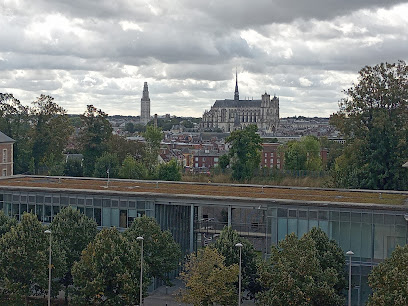
Fontaine Saint-Julien
14.9 km
Discover the Fontaine Saint-Julien in Amiens, a historic 18th-century fountain reflecting the city's architectural and cultural heritage.
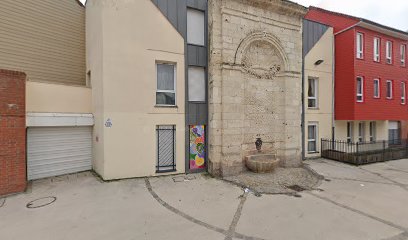
Moulin Passe-Avant
14.9 km
Explore the historic Moulin Passe-Avant in Amiens' charming Saint-Leu district, a testament to the city's rich industrial past.
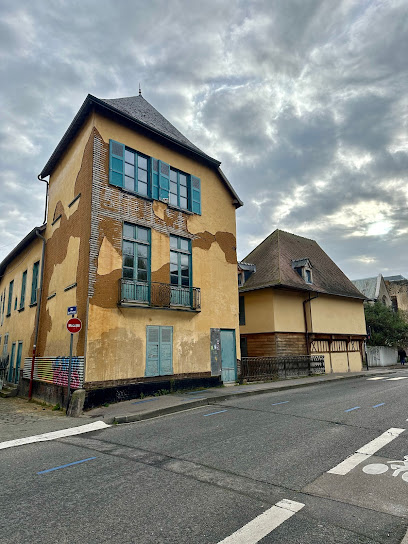
Enigmamiens
15.1 km
Discover Amiens' hidden gems with Enigmamiens: interactive treasure hunts blending tourism and adventure in the heart of the city.
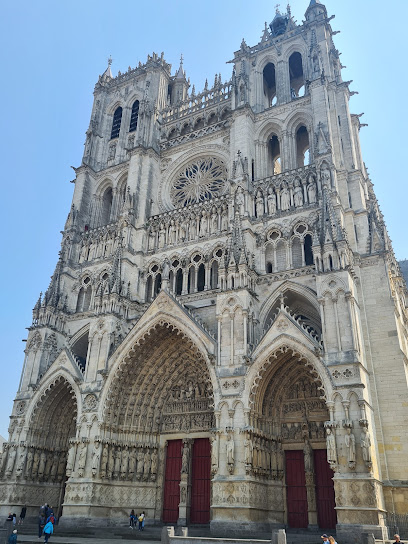
Ruins of Hotel Dieu Saint Jean
15.1 km
Discover the medieval history of Amiens at the evocative Ruins of the Hôtel-Dieu Saint-Jean, a 13th-century hospital site.
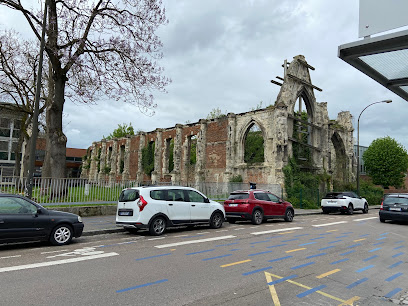
Mission Saint Leu
15.3 km
A modern Catholic mission in Amiens' historic Saint-Leu, offering a welcoming space for faith, community, and connection.
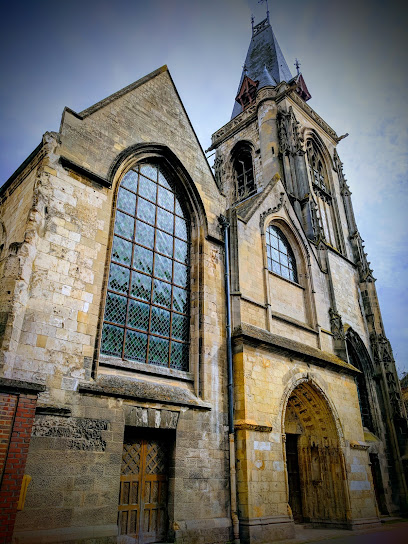
Vestiges du Couvent des Sœurs Grises d'Amiens
15.3 km
Explore the tranquil ruins of Amiens' Grey Sisters Convent, a testament to history and compassion in a peaceful garden setting.
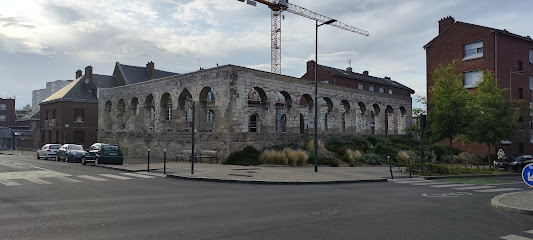
L'Arbre à Gargoilles
15.3 km
Explore the enchanting L'Arbre à Gargouilles, a historical landmark in Amiens, France, showcasing exquisite gargoyle sculptures and rich cultural heritage.
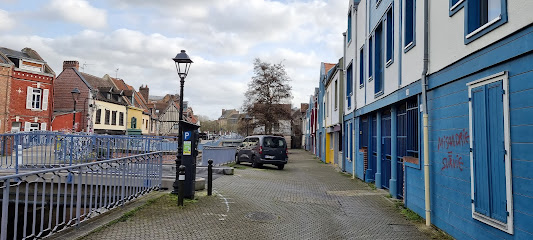
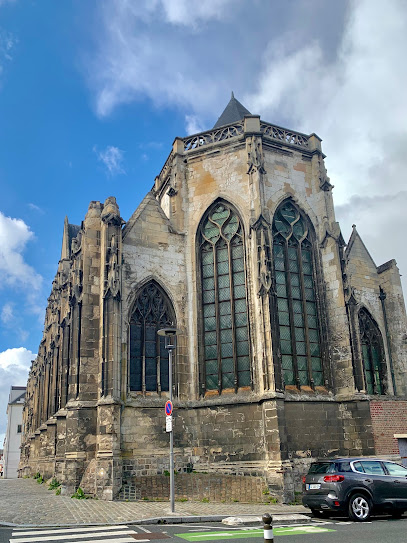
Église Saint-Germain d'Amiens
15.4 km
Discover Amiens' historic Église Saint-Germain, a 15th-century Gothic church with a unique leaning tower, reflecting the city's rich past.
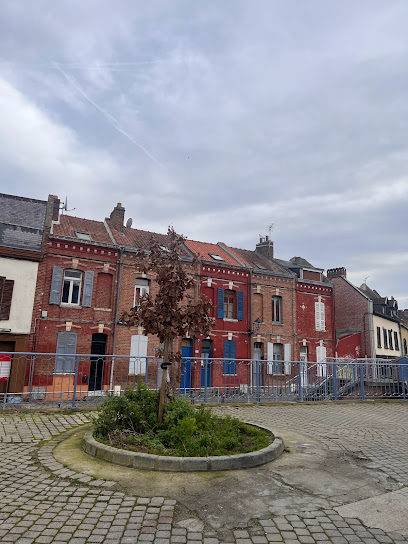
Quartier du quai Belu
15.4 km
Immerse yourself in the rich history and picturesque charm of Quartier du Quai Belu, a historical landmark in the heart of Amiens.
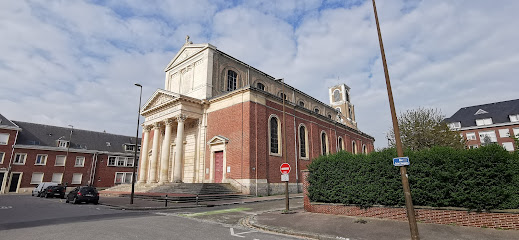
Église catholique Saint-Jacques d'Amiens
15.5 km
Discover the Église Saint-Jacques in Amiens: a blend of neo-classical architecture and modern art in a historic setting.
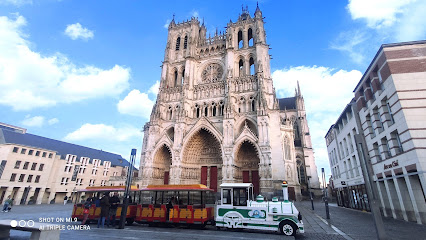
Office Amiens Métropole Tourist
15.5 km
Your essential first stop in Amiens for maps, brochures, local tips, and expert advice on exploring the Somme and Picardy region.
Le Logis du roy
15.8 km
Discover Le Logis du Roy in Amiens: A historic landmark with Flamboyant Gothic architecture, once home to royalty and key figures.
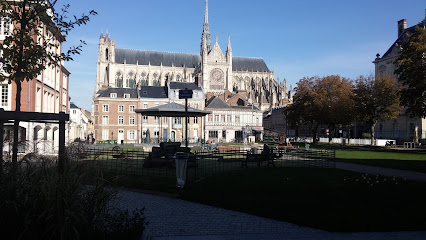
Unmissable attractions to see

Samara Arboretum
12.3 km
Step back in time at Samara Arboretum: Explore prehistoric dwellings, ancient crafts, and diverse botanical gardens in Picardy's captivating open-air museum.
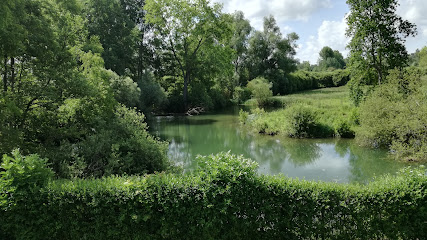
From Grand Marais Park
12.9 km
Escape to Amiens' Grand Marais Park: A revitalized green space offering recreation, tranquility, and stunning views along the Somme canal, perfect for all ages.
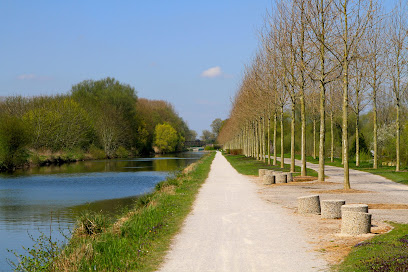
Tombe de Jules Verne
13.4 km
Pay homage to the father of science fiction at his final resting place in Amiens, where a striking monument celebrates the enduring legacy of Jules Verne's timeless adventures.
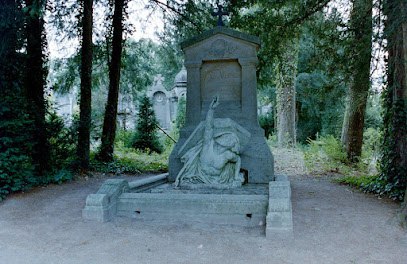
Square Paul Gauguin
13.9 km
Escape to the tranquility of Square Paul Gauguin in Amiens: a refreshing green space offering relaxation and a peaceful retreat in the heart of the city, currently undergoing exciting enhancements.
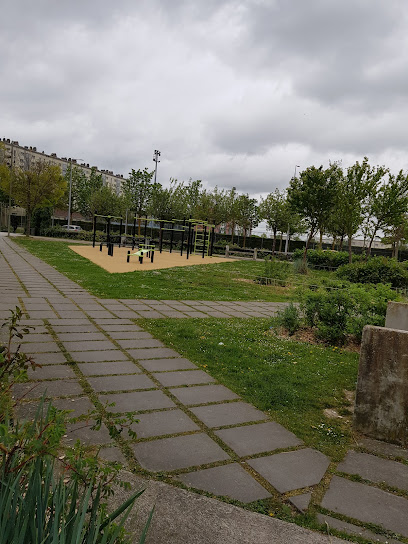
Visites guidées : L’ ouest d'Amiens & les bords de Somme
14.1 km
Explore the hidden gems of western Amiens and the Somme River with guided tours that blend history, nature, and culture for an unforgettable experience along the waterways.
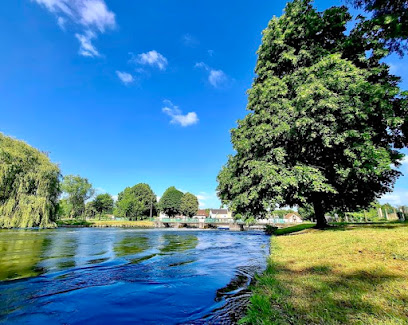
Galerie souterraine de La Citadelle
14.4 km
Uncover the secrets beneath Amiens at the Galerie Souterraine de la Citadelle, exploring historic tunnels that reveal the city's 17th-century military past and strategic importance.
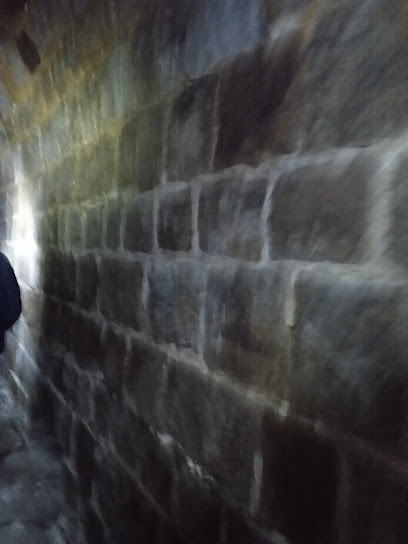
Ecluse n.17 d'Amiens
14.9 km
Discover tranquility at Ecluse n.17 d'Amiens: a charming canal lock offering scenic views, relaxation, and a glimpse into local nautical history.
Jardin des Plantes
14.9 km
Discover a tranquil botanical oasis in the heart of Amiens, explore diverse plant collections, and step back in time in one of France's oldest gardens, free for all to enjoy.
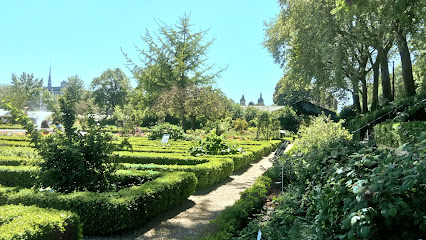
Zoo Amiens Métropole
15.0 km
Discover a world of wildlife in the heart of Amiens at Zoo Amiens Métropole, a leading conservation and education center.
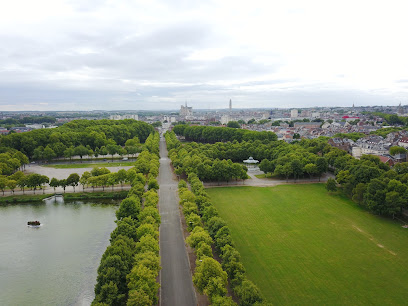
Parc de la Hotoie
15.0 km
Discover Amiens' oldest park, a 19-hectare green oasis with gardens, water features, and the Amiens Zoo, perfect for recreation, events, and a tranquil escape in the city center.
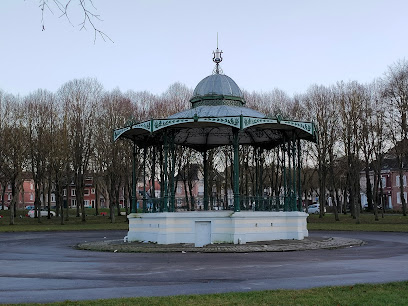
Saint-Leu
15.2 km
Experience the enchanting canals and vibrant culture of Saint-Leu, Amiens' historic neighborhood, perfect for exploration and relaxation.
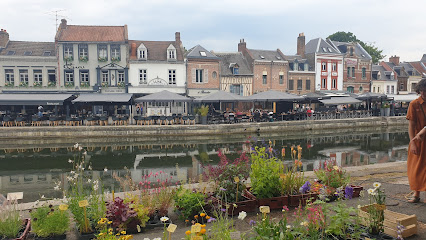
St. Pierre Park
15.2 km
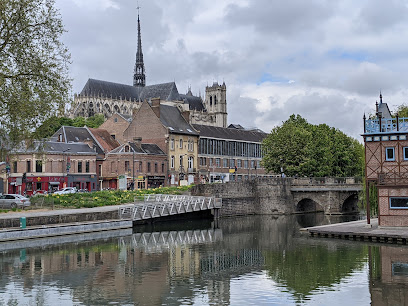
Discover Parc Saint-Pierre in Amiens: A revitalized urban oasis offering scenic beauty, recreational activities, and stunning views of the cathedral and Tour Perret, perfect for relaxation and fun.
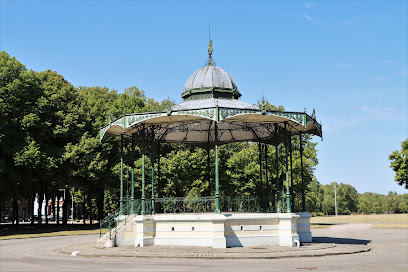
Kiosque du parc de la Hotoie
15.2 km
Discover the charm of Amiens at the Kiosque du Parc de la Hotoie, a historic landmark offering a tranquil escape within a lush green oasis, perfect for relaxation and community.
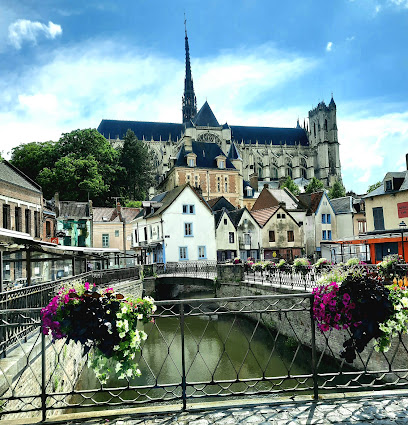
Saint-Leu Catholic Church at Amiens
15.3 km
Discover the historic Saint-Leu Catholic Church in Amiens, a stunning example of Gothic architecture and a serene place for reflection.
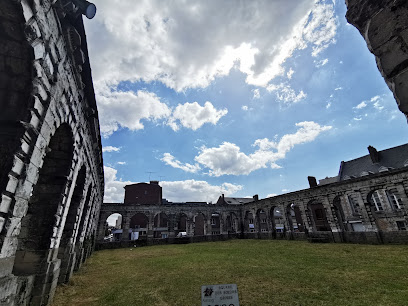
Square des Sœurs Grises
15.3 km
Discover a tranquil oasis in Amiens at the Square des Sœurs Grises, where history and nature intertwine to offer a serene escape and a glimpse into the city's rich past.
Essential places to dine

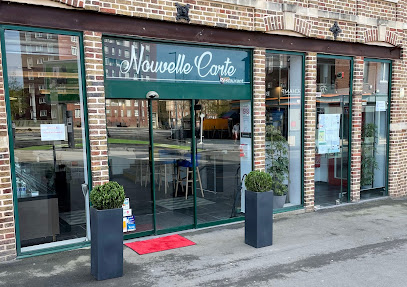
Nouvelle Carte
14.8 km
Experience authentic French cuisine at Nouvelle Carte in Amiens - where local flavors meet culinary artistry.
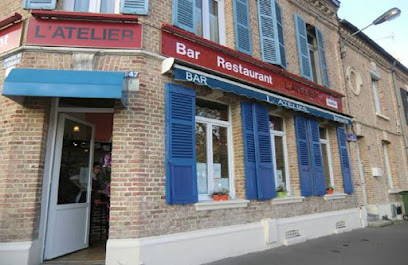
L'atelier
14.9 km
Discover the essence of French cuisine at L'atelier in Amiens, where every dish tells a story of tradition and flavor.
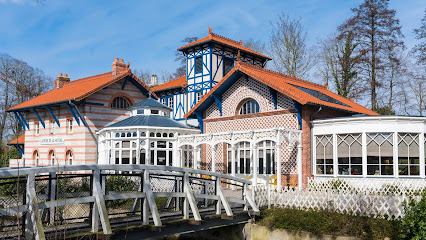
Le Pavillon Bleu
14.9 km
Experience exquisite French cuisine at Le Pavillon Bleu in Amiens - where tradition meets modern culinary artistry in a serene park setting.
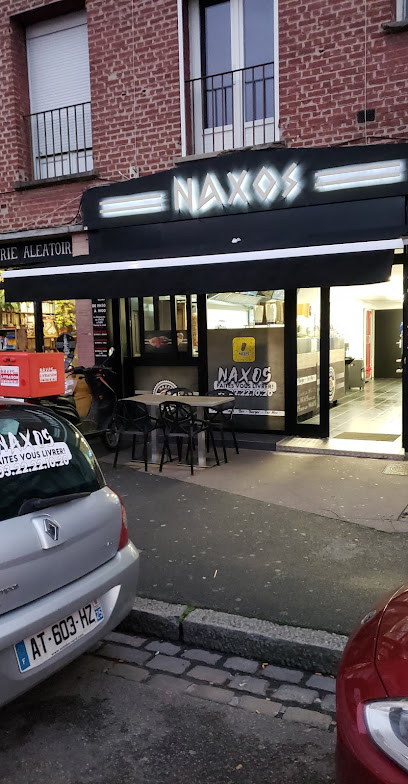
NAXOS
15.1 km
Experience the authentic flavors of Mediterranean cuisine at Naxos in Amiens—where every meal is a celebration of taste and tradition.
ONHA Vietnam Street-Food
15.3 km
Discover authentic Vietnamese street food at ONHA in Amiens – where every dish tells a story.
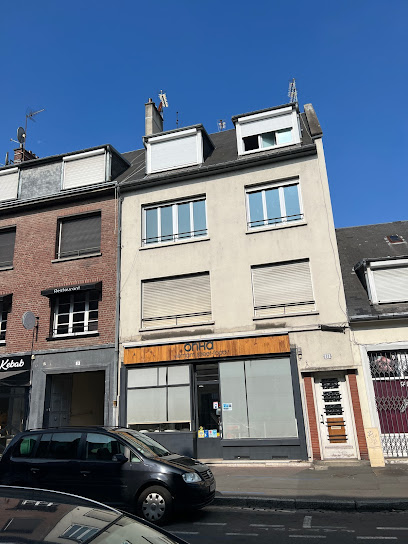
Restaurant Instinct Amiens
15.3 km
Experience exquisite French cuisine at Restaurant Instinct in Amiens – where every dish tells a story of flavor and tradition.
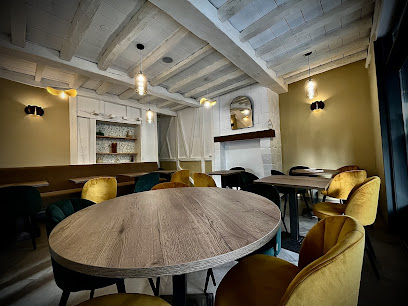
Le Dos D'Âne
15.4 km
Experience the authentic taste of France at Le Dos D'Âne in Amiens - where delicious crepes meet exceptional hospitality.
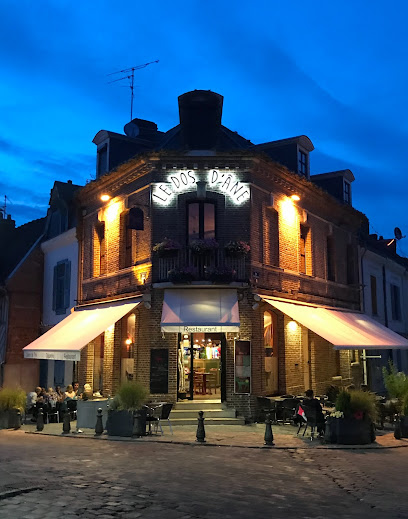
Le Lobby - Les Marissons
15.4 km
Indulge in exquisite cuisine and fine wines at Le Lobby - Les Marissons in Amiens for an unforgettable dining experience.
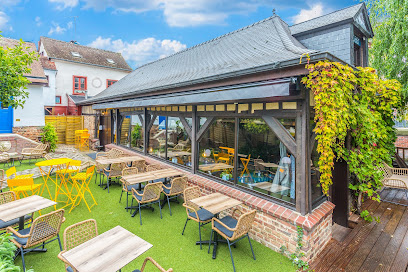
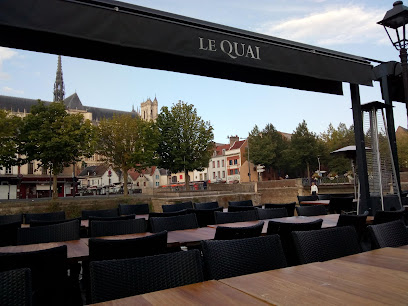
Le Quai
15.4 km
Experience authentic French cuisine at Le Quai in Amiens – where tradition meets taste by the riverside.
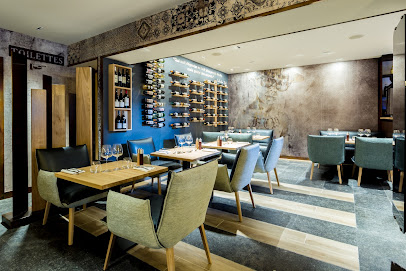
L'Echanson
15.4 km
Discover the exquisite flavors of French cuisine at L'Echanson in Amiens, where every meal tells a story.
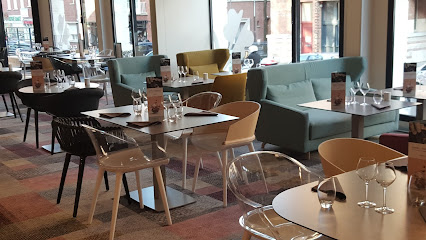
Le Baratin
15.4 km
Discover the essence of French cuisine at Le Baratin in Amiens, where traditional flavors meet warm hospitality.
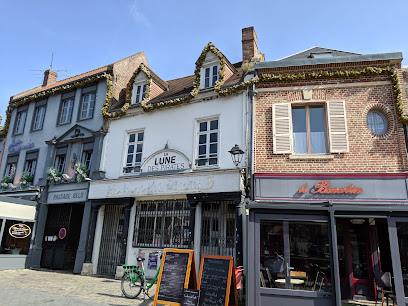
L'ENVIE
15.5 km
Discover L'ENVIE in Amiens: A charming restaurant offering exquisite French cuisine and delightful river views.
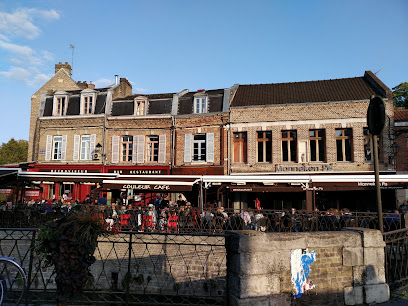
Restaurant Le 31
15.5 km
Experience the essence of French cuisine at Restaurant Le 31 in Amiens—where tradition meets modern dining.
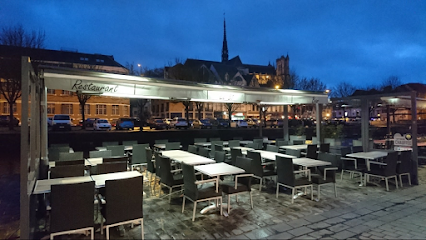
les Orfèvres
15.5 km
Discover exquisite French cuisine at Les Orfèvres in Amiens – where tradition meets innovation in every dish.
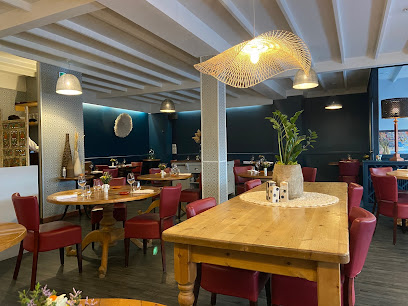
Le Port Saint Leu
15.5 km
Discover the essence of French cuisine at Le Port Saint Leu in Amiens - where every dish tells a story.
Markets, malls and hidden boutiques

Cultura
12.5 km
Explore Cultura in Amiens: A vibrant cultural hub for books, crafts, music, and games, perfect for finding unique gifts and souvenirs.
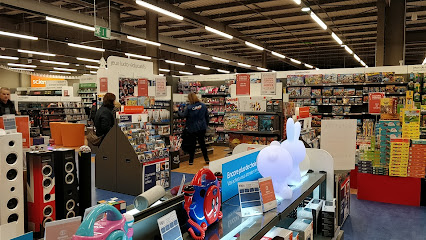
Shopping Promenade Coeur Picardie
12.5 km
Discover the vibrant Shopping Promenade Coeur Picardie in Amiens, where shopping, dining, and entertainment come together in a delightful experience.
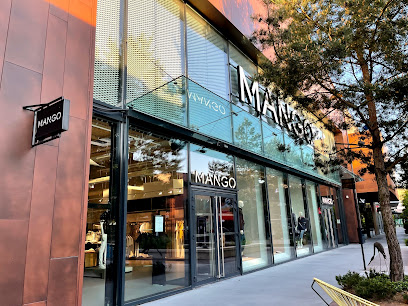
Design wave Studio
14.9 km
Discover unique fashion at Design Wave Studio in Amiens, where local artistry meets contemporary style in a charming boutique setting.
La petite Boutique de Saint-Leu
15.2 km
Explore La petite Boutique de Saint-Leu in Amiens for exquisite handicrafts that capture the essence of local artistry and culture.
casanier _ déco & cadeaux
15.4 km
Discover unique gifts and home decor at Casanier _ Déco & Cadeaux, a charming shop in Amiens, reflecting the essence of French craftsmanship.
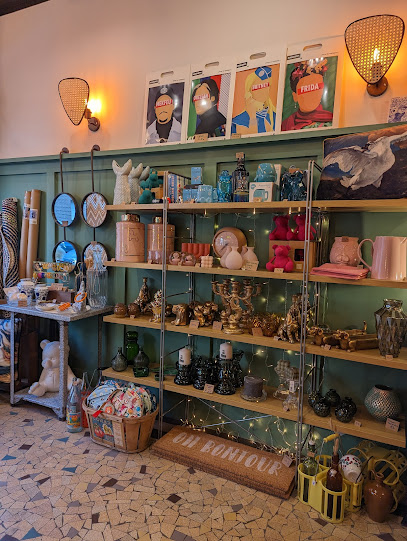
Skyclub Vintage
15.5 km
Explore timeless fashion at Skyclub Vintage in Amiens, where every piece tells a story and style is a journey through the past.
Aux Sept Nains
15.5 km
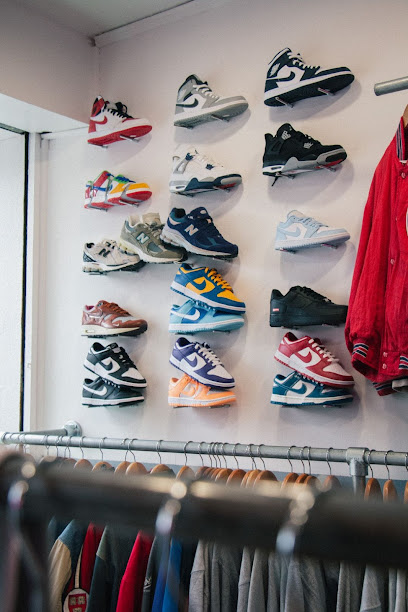
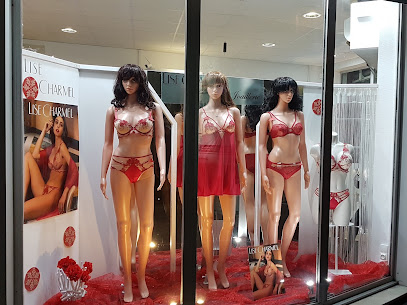
Explore the elegance of lingerie at Aux Sept Nains, a charming boutique in the heart of Amiens, perfect for every discerning shopper.
L'Atelier Amiénois
15.5 km
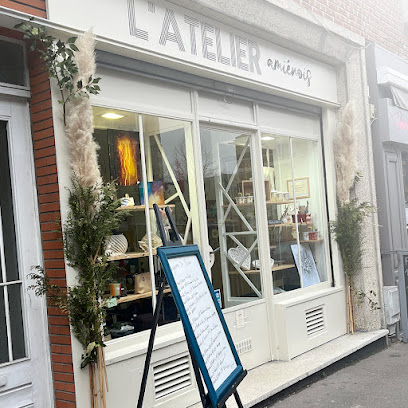
Explore L'Atelier Amiénois, a charming gift shop in Amiens, offering unique handicrafts and authentic home goods that capture the spirit of French craftsmanship.
Cannelle boutique by marybel
15.5 km
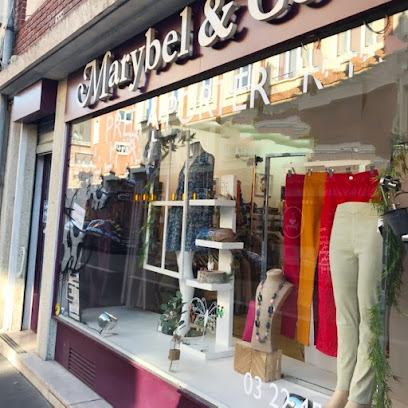
Explore Cannelle Boutique by Marybel in Amiens for a stunning selection of women's clothing and a unique shopping experience that blends style and charm.
Boutique Notre-Dame
15.5 km
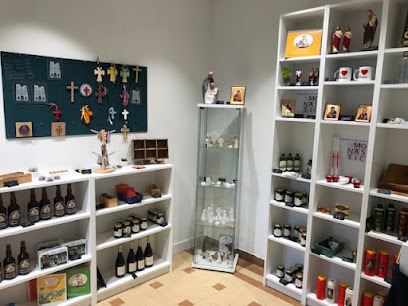
Explore Boutique Notre-Dame, a serene religious bookstore in Amiens offering a unique selection of spiritual texts and religious artifacts for all.
Le Diable Bouilli
15.5 km
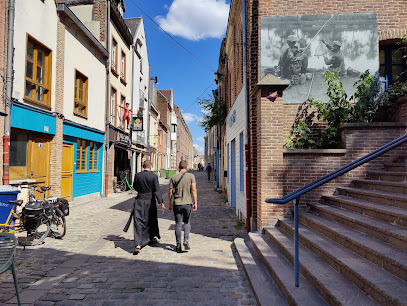
Uncover the charm of history at Le Diable Bouilli, Amiens' premier antique store, where every piece tells a unique story.
K And J
15.6 km
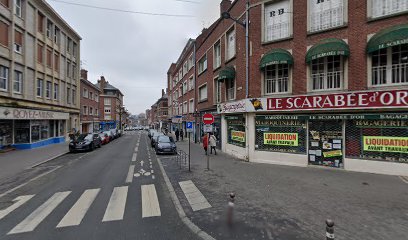
Discover stylish children's and men's clothing at K And J, a delightful shopping destination for families in the heart of Amiens.
L'Arc en Ciel Boutique des Pierres
15.6 km
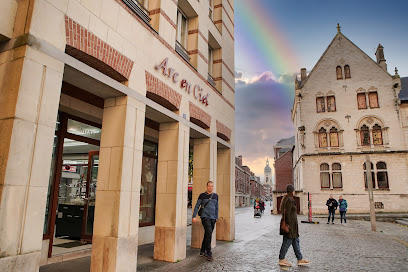
Explore the charm of L'Arc en Ciel Boutique des Pierres in Amiens, where unique gifts and home goods await every traveler.
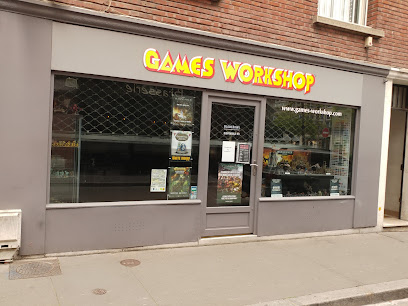
Warhammer
15.6 km
Discover the vibrant world of Warhammer in Amiens, where miniatures come to life and gaming culture thrives.
La Galerie
15.6 km
Explore La Galerie in Amiens for the latest men's fashion, combining style, quality, and local artistry in one exquisite shopping experience.
Essential bars & hidden hideouts

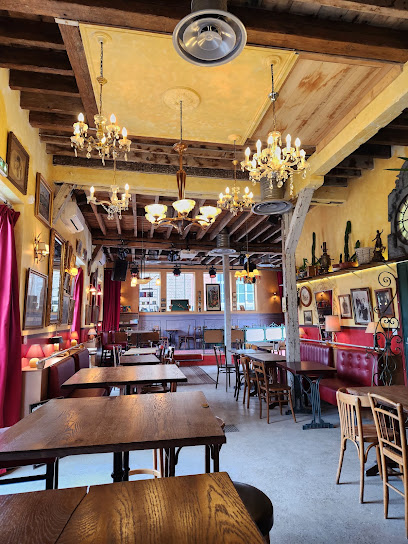
Brewpub La Filature
14.1 km
Discover the vibrant Brewpub La Filature in Amiens, where locally brewed beer meets delicious cuisine and live music for an unforgettable experience.
Le Longchamp
14.8 km
Experience the charm of Amiens at Le Longchamp, a bar tabac where locals gather to enjoy drinks and good company in a delightful atmosphere.
Delirium Café
15.1 km
Discover the vibrant nightlife of Amiens at Delirium Café, a bar renowned for its extensive beer selection and welcoming atmosphere.
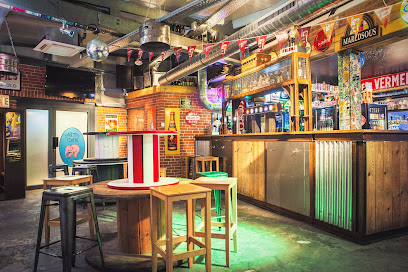
The 9 3/4
15.1 km
Discover The 9 3/4 in Amiens – a unique bar and café blending whimsical charm with local flavors for an unforgettable experience.
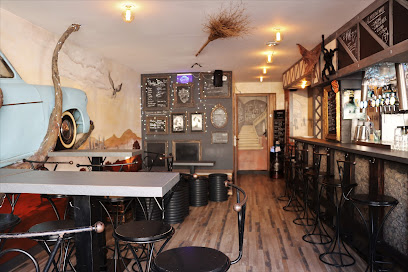
My Goodness
15.1 km
Discover My Goodness in Amiens - a vibrant bar offering a delightful atmosphere and an extensive drink menu perfect for unwinding after a day of exploration.
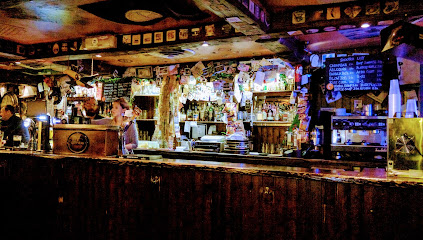
Esco Bar
15.1 km
Experience the lively ambiance of Esco Bar in Amiens, where cocktails meet local rum in a cozy and friendly setting.
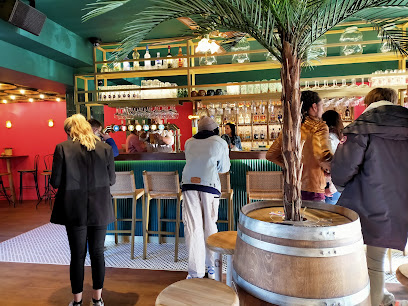
Les murets.shop
15.1 km
Discover the charm of Les Murets, a cozy bar in Amiens offering a delightful selection of drinks and a vibrant atmosphere for an unforgettable night.
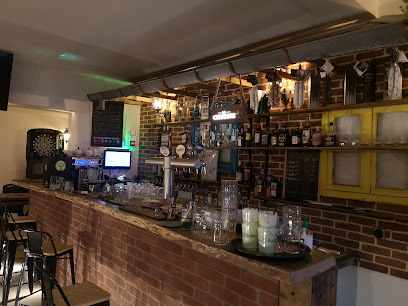
Taverne Electrik
15.2 km
Discover the vibrant nightlife of Amiens at Taverne Electrik, where local flavors and lively ambiance create unforgettable memories.
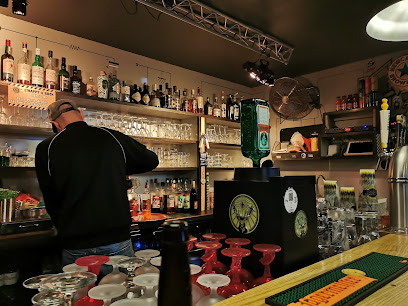
Les Enfants Terribles
15.2 km
Experience the vibrant nightlife of Amiens at Les Enfants Terribles, a bar that blends creativity, community, and a welcoming ambiance.
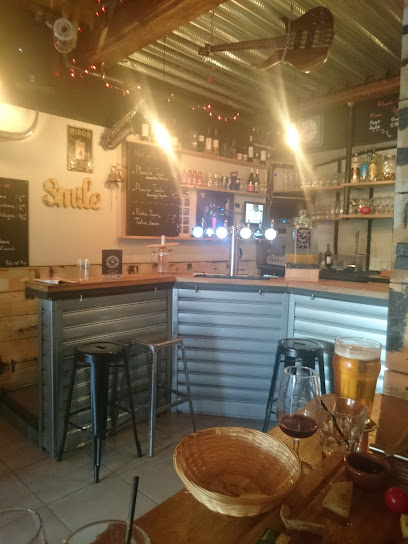
BackStage
15.2 km
Experience the vibrant nightlife of Amiens at BackStage, where creative cocktails and a welcoming atmosphere await every visitor.
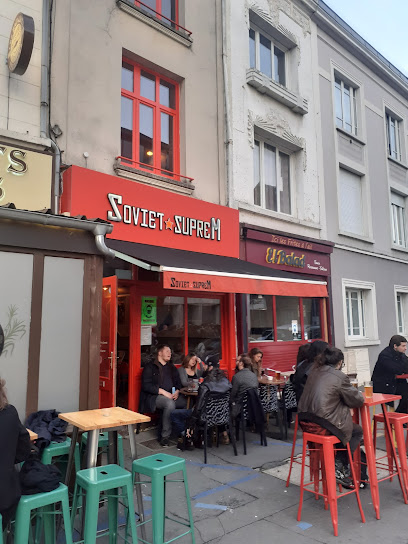
Network Bar
15.3 km
Experience the lively atmosphere and exceptional drinks at Network Bar, a must-visit spot for tourists in Amiens.
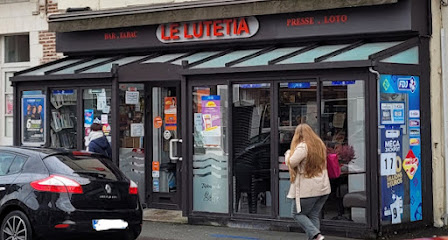
Le Lutétia
15.3 km
Experience the local ambiance at Le Lutétia, a cozy bar tabac in Amiens, offering delightful drinks and snacks in a welcoming atmosphere.
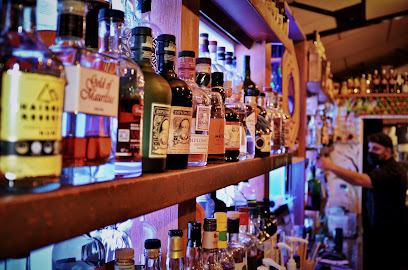
LE P.L.S
15.4 km
Discover the lively cocktail culture at Le P.L.S in Amiens, where expert drinks and a vibrant atmosphere await every night.
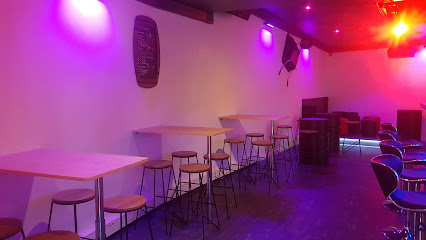
Le Red&White
15.4 km
Discover the vibrant nightlife at Le Red&White, Amiens' premier gay bar offering creative cocktails and a lively atmosphere.
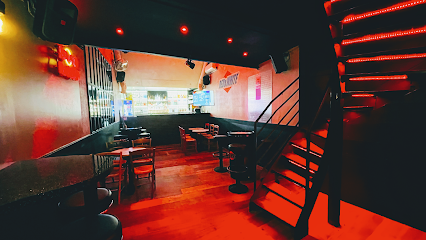
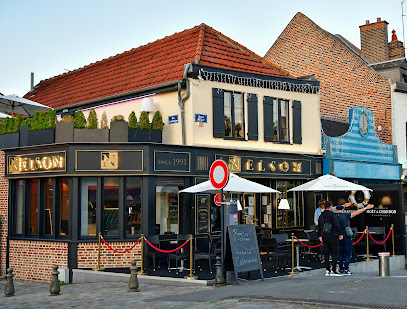
Le Nelson
15.4 km
Experience elegance and tranquility at Le Nelson, a premier lounge in Amiens, offering exquisite cocktails and stunning waterfront views.
Nightclubs & after hour spots

Le SALOON
15.3 km
Discover the vibrant nightlife of Amiens at Le SALOON, the ultimate disco club experience with great music and an electrifying atmosphere.
Le MOON
15.4 km
Experience the vibrant nightlife at Le MOON, Amiens' premier night club, where music and energy create unforgettable memories.
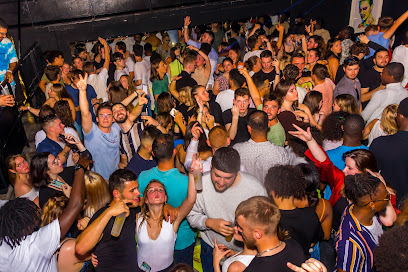
Le Cœur Samba
15.5 km
Discover the heartbeat of Amiens nightlife at Le Cœur Samba, a vibrant disco club where every night is a celebration of dance and music.
L’Annexe
15.5 km
Explore the vibrant nightlife of Amiens at L’Annexe, a premier night club where music and dance blend into an unforgettable experience.
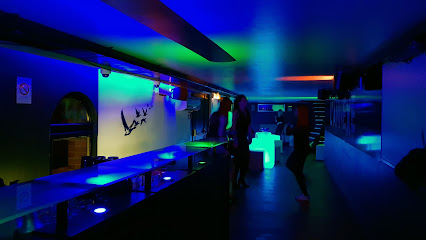
Musiques de Jazz et d'ailleurs
15.6 km
Experience the magic of jazz at the Amiens Jazz Festival, where music, culture, and community come together in a vibrant celebration.
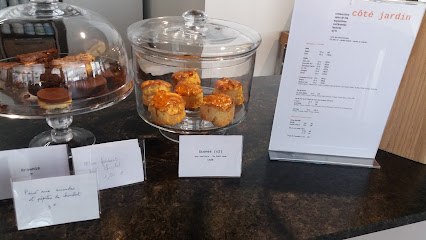
Le Pacha
15.7 km
Discover the lively atmosphere at Le Pacha, a premier bar in Amiens, perfect for unwinding with friends and enjoying a diverse drink selection.
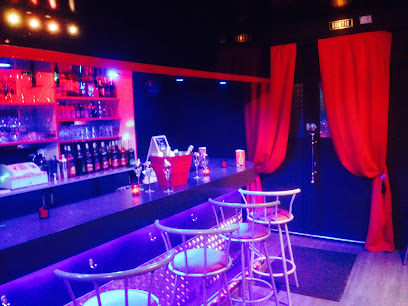
Le Gibus
45.7 km
Discover the lively nightlife at Le Gibus in Frettemeule, a vibrant disco club blending local charm with electrifying dance experiences.
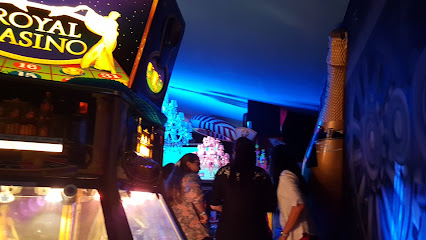
Le France
50.3 km
Experience the electrifying nightlife at Le France, Pendé's premier night club, where music and dancing come alive until dawn.
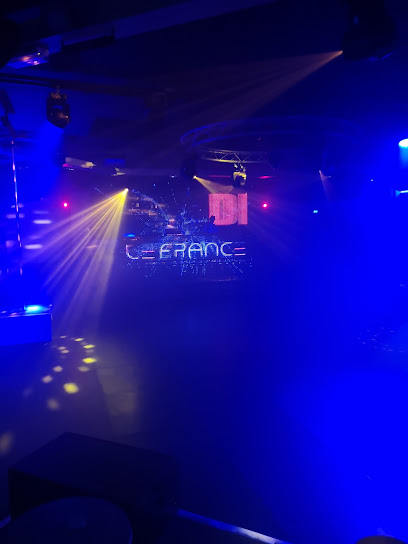
Underground
79.1 km
Immerse yourself in the electrifying nightlife of Underground, Compiègne's premier lounge and club, featuring top DJs and creative cocktails.
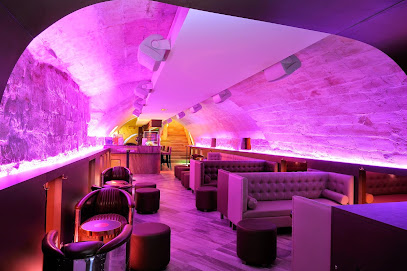
Le Quennezil
83.2 km
Discover the pulse of Compiègne's nightlife at Le Quennezil, a vibrant night club known for its energetic atmosphere and eclectic music.
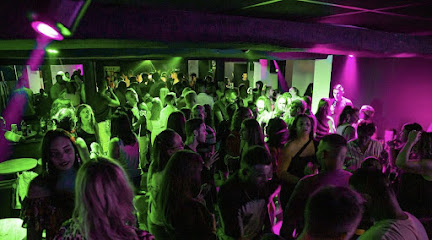
La Maison
85.1 km
Discover the electrifying nightlife of Lille at La Maison, a top-rated night club offering unforgettable experiences and vibrant entertainment.
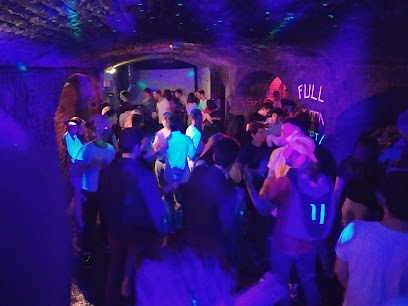
Le Palais Lounge
85.6 km
Discover the vibrant energy of Le Palais Lounge in Lille, where modern decor meets traditional hookah experiences for a memorable night out.
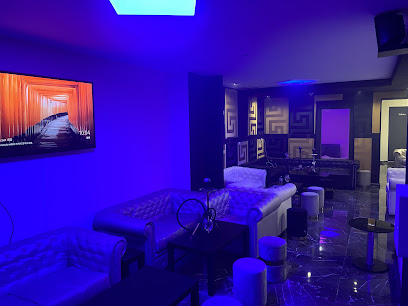
La Taniheire
85.7 km
Experience the vibrant nightlife at La Taniheire, Lille's top night club, where unforgettable moments and electrifying music await every visitor.
B-Floor
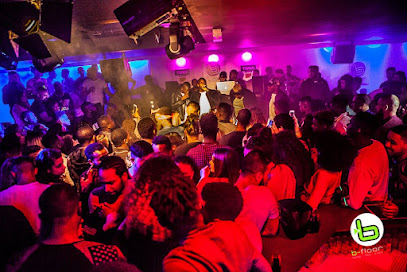
85.8 km
Experience Lille's nightlife at B-Floor, a lively night club offering eclectic music, vibrant crowds, and unforgettable moments.
Duke's Club
86.2 km
Experience the pulsating nightlife of Lille at Duke's Club, where music, dancing, and unforgettable memories await you.