Horloge Dewailly et Marie-sans-chemise: A Symbol of Amiens
Amiens' iconic clock tower featuring art nouveau design and a cheeky statue, a testament to the city's resilience and artistic spirit.
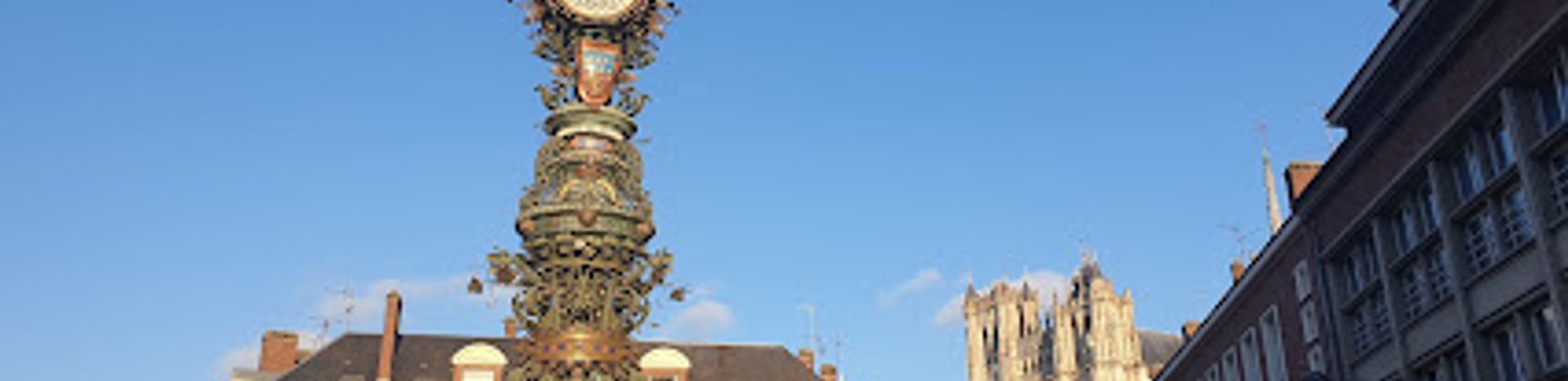
The Horloge Dewailly, affectionately known as 'Marie sans chemise' (Mary without a shirt), is a distinctive clock tower in Amiens, France, featuring a bronze statue of a partially undressed woman. A replica of the original that was damaged in WWII, it stands as a cherished symbol of the city's cultural heritage.
A brief summary to Horloge Dewailly et Marie-sans-chemise
- 9-11 Rue des Sergents, Amiens, 80000, FR
- Visit website
Local tips
- Take a stroll around the surrounding area to appreciate the local shops and charming streets.
- Visit at night to see the clock's dials illuminated, enhancing its beauty.
- Look closely at the statue; locals sometimes dress 'Marie sans chemise' in fashionable outfits.

Getting There
-
Walking
From the Amiens train station, walk straight onto Place Alphonse Fiquet, then turn right onto Boulevard de Belfort. Continue straight, then turn left onto Rue des Sergents. Walk for approximately 5 minutes; the Horloge Dewailly will be on your right. This is a free and straightforward walk.
-
Public Transport
From the Gare d'Amiens (train station), take any Ametis bus that stops near Place Gambetta. From Place Gambetta, walk along Rue des Sergents for a few minutes. The Horloge Dewailly will be on your left. A single Ametis bus ticket costs €1.40 and is valid for one hour.
Discover more about Horloge Dewailly et Marie-sans-chemise
Iconic landmarks you can’t miss

Le Logis du roy
0.1 km
Discover Le Logis du Roy in Amiens: A historic landmark with Flamboyant Gothic architecture, once home to royalty and key figures.
Square Jules Boquet
0.2 km
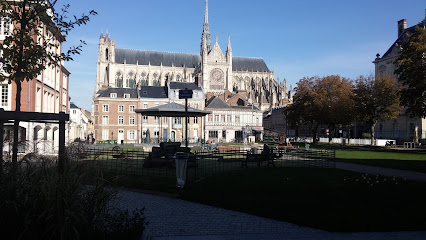
Amiens' charming city park with a Jules Verne-inspired playground, historical landmarks, and a relaxing atmosphere.
Office Amiens Métropole Tourist
0.2 km
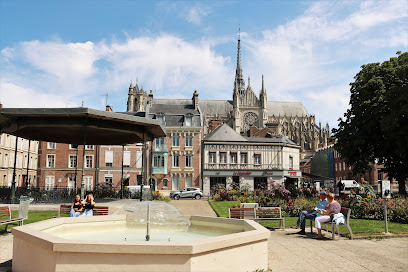
Your essential first stop in Amiens for maps, brochures, local tips, and expert advice on exploring the Somme and Picardy region.
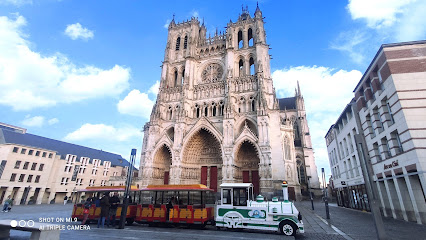
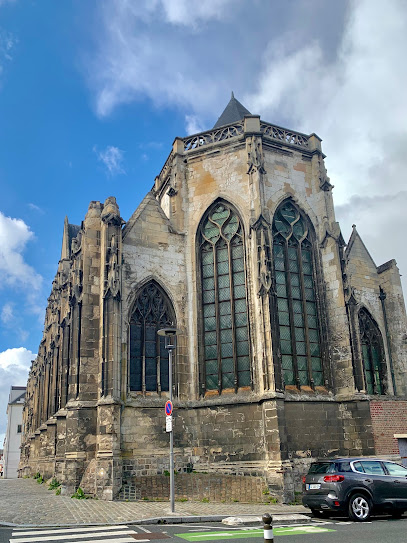
Église Saint-Germain d'Amiens
0.3 km
Discover Amiens' historic Église Saint-Germain, a 15th-century Gothic church with a unique leaning tower, reflecting the city's rich past.
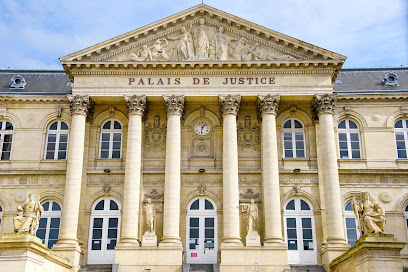
Courthouse
0.3 km
Discover the architectural grandeur and historical significance of the Courthouse of Amiens, a landmark of justice in the heart of the city.
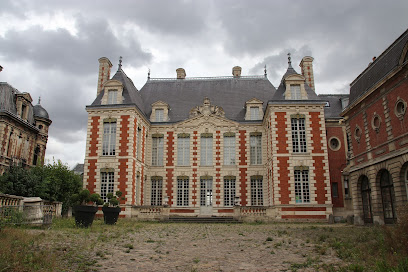
Hotel de Berny Museum
0.3 km
Explore Picardy's art and history in a Louis XIII mansion. Currently closed for renovations, but a treasure trove awaits!
Mission Saint Leu
0.4 km
A modern Catholic mission in Amiens' historic Saint-Leu, offering a welcoming space for faith, community, and connection.
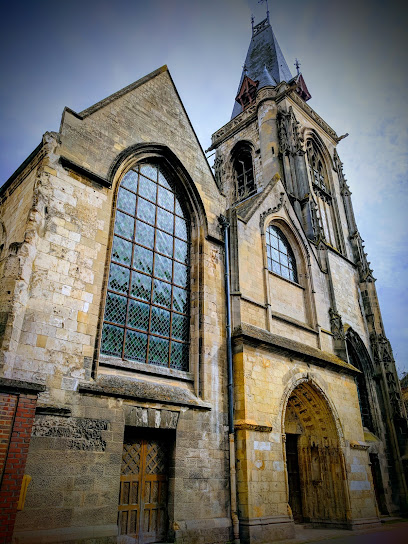
Statue du Général Leclerc
0.4 km
Amiens memorial honoring General Leclerc, a WWII hero, for his pivotal role in liberating France.
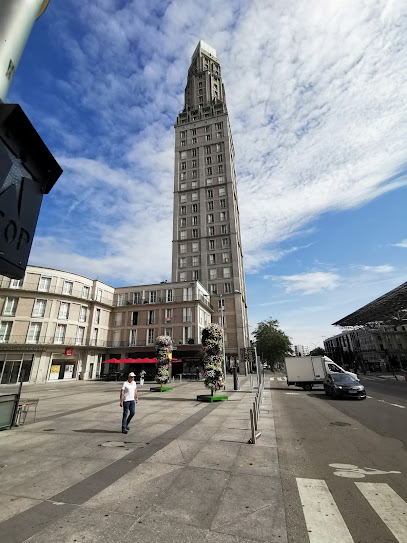
Vestiges du Couvent des Sœurs Grises d'Amiens
0.5 km
Explore the tranquil ruins of Amiens' Grey Sisters Convent, a testament to history and compassion in a peaceful garden setting.
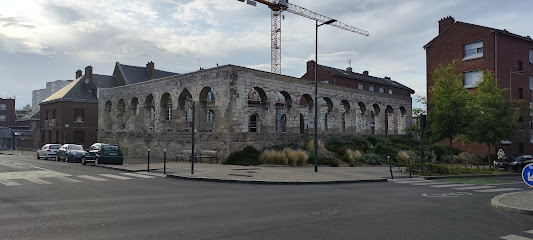
Quartier du quai Belu
0.5 km
Immerse yourself in the rich history and picturesque charm of Quartier du Quai Belu, a historical landmark in the heart of Amiens.
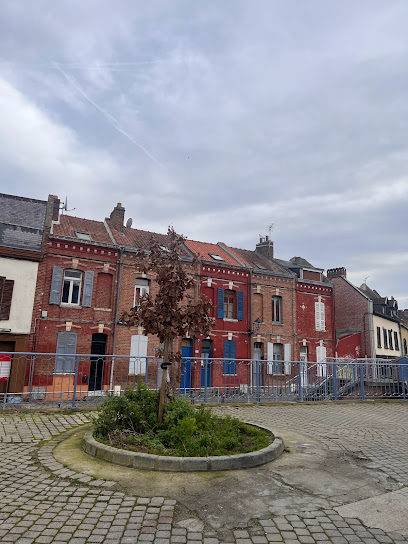
Église catholique Saint-Jacques d'Amiens
0.5 km
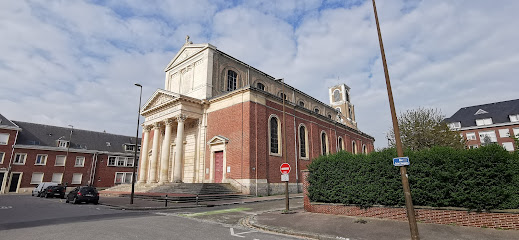
Discover the Église Saint-Jacques in Amiens: a blend of neo-classical architecture and modern art in a historic setting.
L'Arbre à Gargoilles
0.5 km
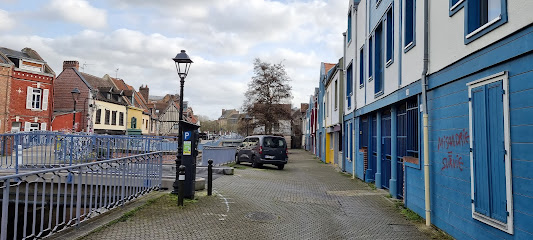
Explore the enchanting L'Arbre à Gargouilles, a historical landmark in Amiens, France, showcasing exquisite gargoyle sculptures and rich cultural heritage.
Ruins of Hotel Dieu Saint Jean
0.5 km
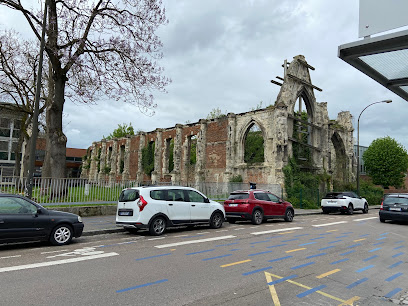
Discover the medieval history of Amiens at the evocative Ruins of the Hôtel-Dieu Saint-Jean, a 13th-century hospital site.
CAUE de la Somme
0.6 km
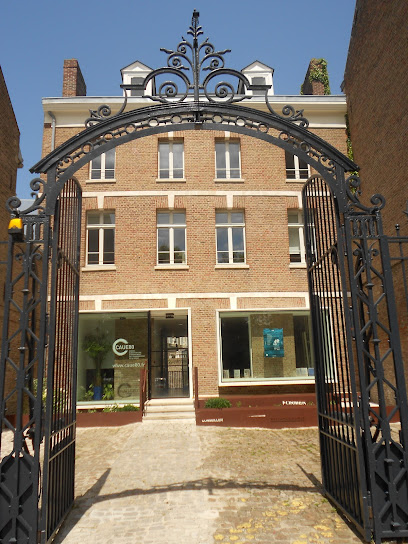
Explore the rich architectural heritage and innovative designs at CAUE de la Somme in Amiens, a must-visit for architecture lovers.
Picardy Regional Tourism Committee
0.6 km
Your starting point for exploring the rich history, culture, and natural beauty of the Hauts-de-France region from its central location in Amiens.
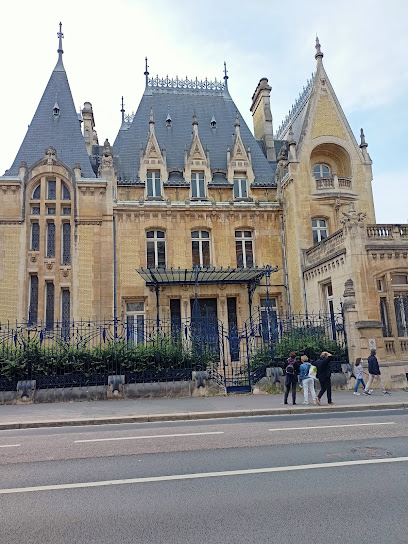
Unmissable attractions to see

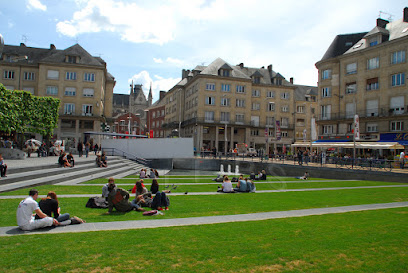
Place Gambetta
0.1 km
Experience the vibrant heart of Amiens at Place Gambetta, a historic square brimming with culture, cafes, and charm, perfectly situated for exploring the city's top attractions.
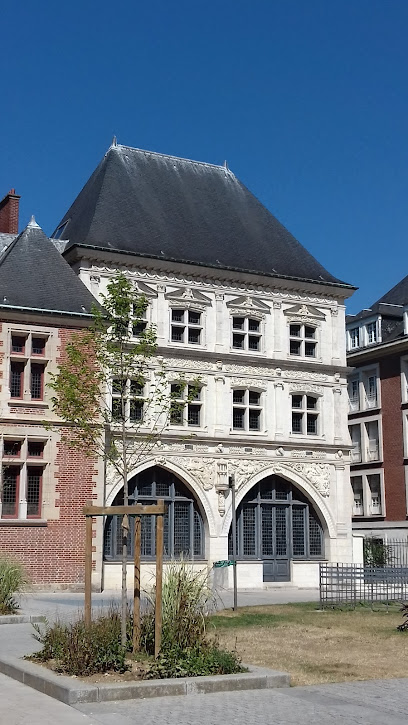
Maison du Sagittaire
0.1 km
A reconstructed 16th-century Renaissance facade in Amiens, featuring detailed carvings and a testament to the city's rich history.
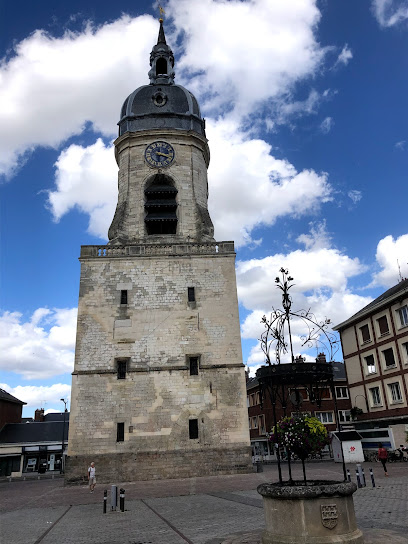
Beffroi d'Amiens
0.2 km
Discover Amiens' iconic belfry, a UNESCO-listed landmark symbolizing the city's rich history and civic pride. A must-see!
Cathédrale Notre-Dame d'Amiens
0.2 km
Experience the grandeur of France's largest Gothic cathedral, a UNESCO World Heritage site with stunning architecture and rich history.
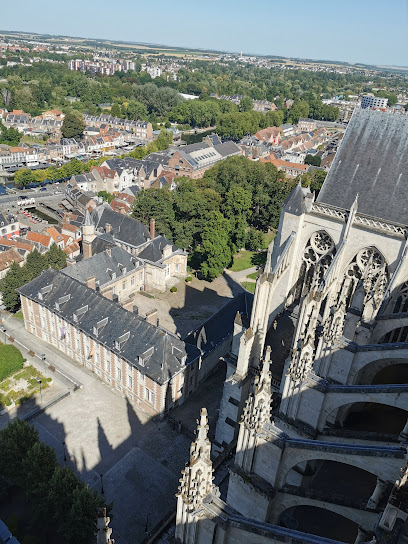
médiéval d'Amiens Garden
0.3 km
Discover a tranquil oasis in the heart of Amiens at the Jardin Médiéval, a meticulously recreated medieval garden offering a serene escape near the Notre-Dame Cathedral.
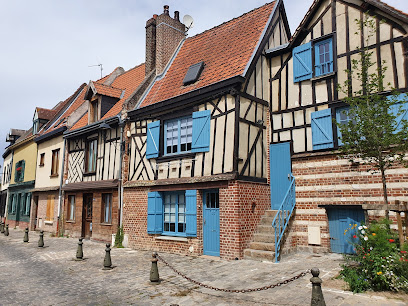
Statue de Pierre l'Ermite
0.3 km
Commemorating Peter the Hermit, the statue in Amiens stands as a tribute to a key figure in the First Crusade, located near the iconic cathedral.
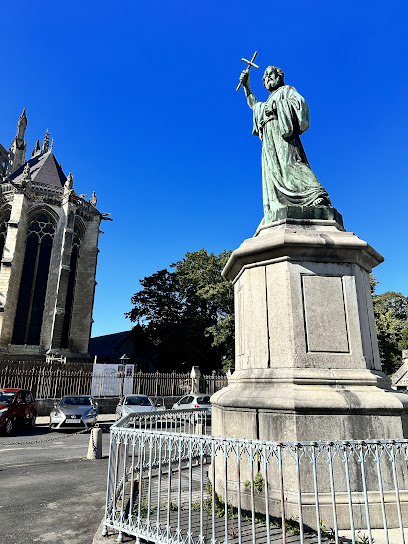
Parc de l'Evêché
0.4 km
Amiens' historic Parc de l'Evêché: a tranquil green space offering serene gardens, stunning cathedral views, and a peaceful escape in the city center.
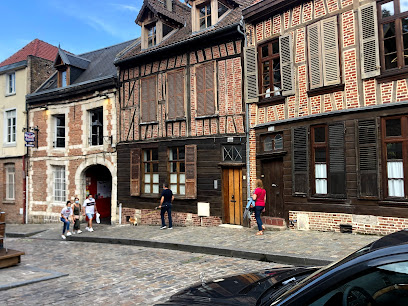
Saint-Leu Catholic Church at Amiens
0.4 km
Discover the historic Saint-Leu Catholic Church in Amiens, a stunning example of Gothic architecture and a serene place for reflection.
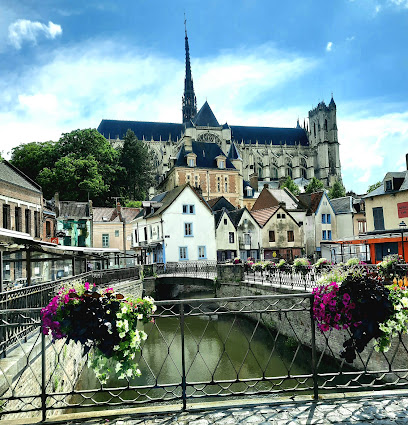
Les maisons de Saint -Leu
0.4 km
Discover the enchanting Les Maisons de Saint-Leu in Amiens, a picturesque quarter with canals, half-timbered houses, and a vibrant arts scene, steeped in medieval history.
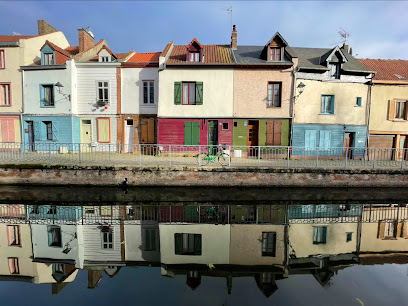
Square des Sœurs Grises
0.4 km
Discover a tranquil oasis in Amiens at the Square des Sœurs Grises, where history and nature intertwine to offer a serene escape and a glimpse into the city's rich past.
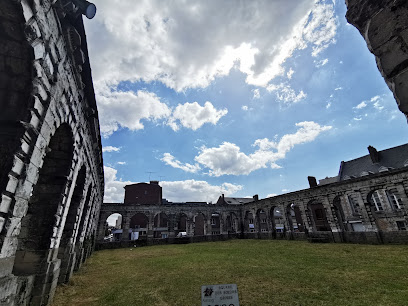
L'Homme sur sa bouée
0.5 km
Discover L'Homme sur sa bouée in Amiens, a captivating sculpture by Stephan Balkenhol, and explore the city's rich artistic heritage and charming Saint-Leu district.
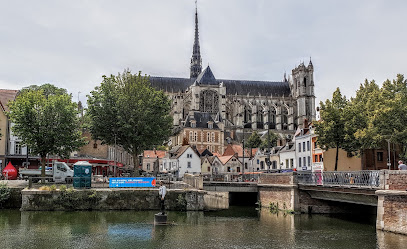
Musée De Picardie
0.5 km
Amiens' Musée de Picardie: Explore art from prehistory to the 20th century in a stunning Second Empire palace.
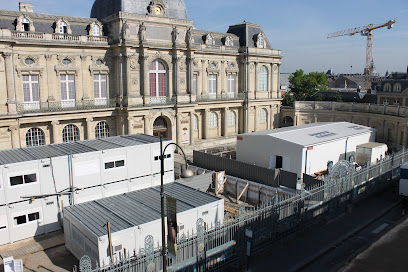
Parc René Goblet
0.5 km
Discover a tranquil oasis in the heart of Amiens at Parc René Goblet, a historic green space offering relaxation, recreation, and a glimpse into the city's soul.
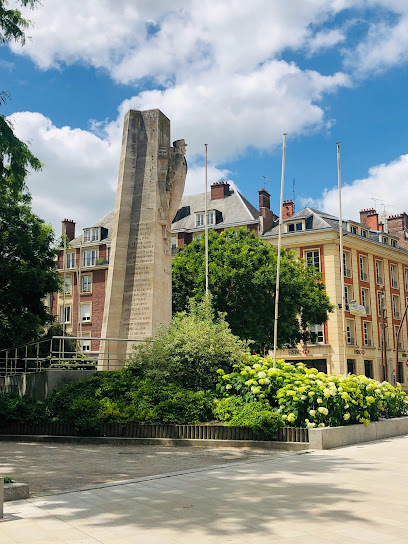
La fête sur l'eau
0.5 km
Experience the charm of Amiens at Place Parmentier, where the spirit of 'La fête sur l'eau' comes alive with markets, boat tours, and celebrations of the city's unique waterways and heritage.
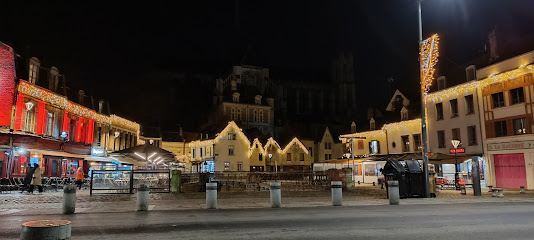
Place René Goblet
0.5 km
Discover Place René Goblet in Amiens: A serene square blending history, culture, and local life, offering a tranquil escape and a gateway to the city's treasures.

Essential places to dine

Brasserie de l'horloge
0.0 km
Experience the essence of French cuisine at Brasserie de l'Horloge in Amiens - where tradition meets taste in every dish.
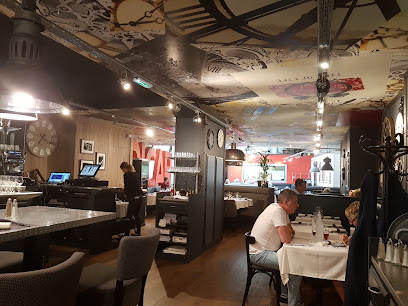
Stresa - Restaurant italien Amiens
0.0 km
Indulge in authentic Italian flavors at Stresa in Amiens, where every dish tells a story of culinary passion and tradition.
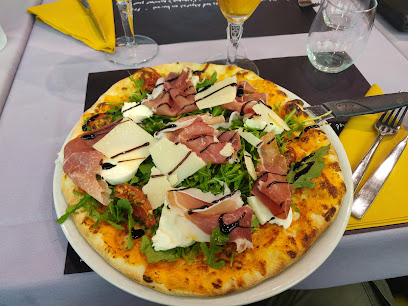
Crêperie La Mangeoire Amiens Centre
0.0 km
Experience authentic French crêpes at Crêperie La Mangeoire in Amiens Centre – where tradition meets taste.
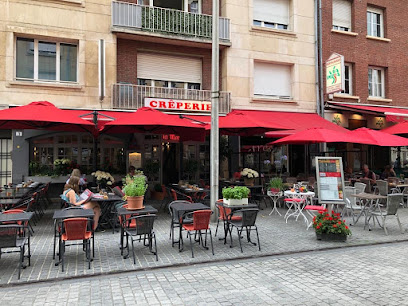
Le Buzz
0.1 km
Experience the best of local cuisine and craft beers at Le Buzz in Amiens—where every meal tells a story.
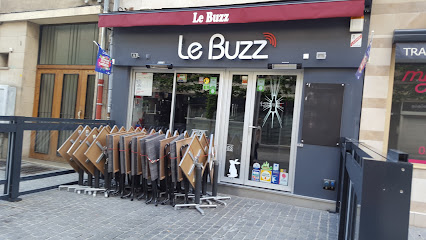
Ail des Ours
0.1 km
Experience the essence of French cuisine at Ail des Ours in Amiens - where every meal is a celebration of flavor and tradition.
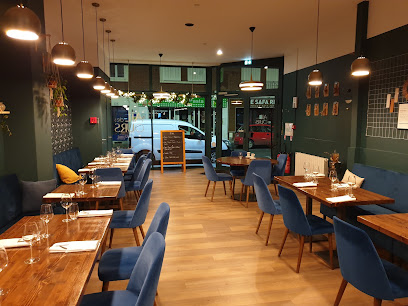
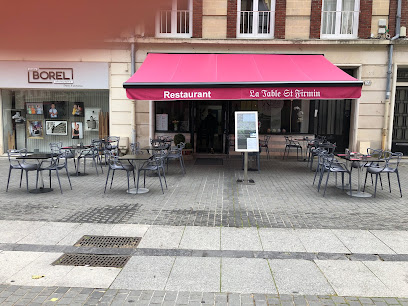
La Table Saint Firmin
0.1 km
Experience exceptional French cuisine at La Table Saint Firmin in Amiens, where local flavors meet culinary excellence.
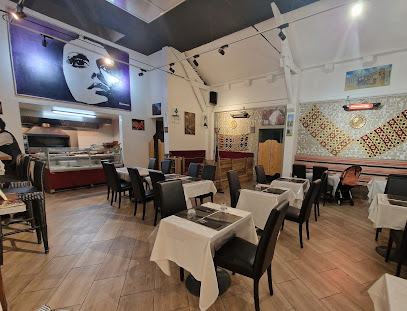
Restaurant Bagdad
0.1 km
Discover exquisite Middle Eastern cuisine at Restaurant Bagdad in Amiens – where tradition meets taste in an unforgettable dining experience.
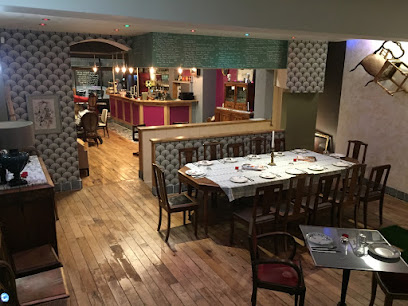
Querelle
0.1 km
Experience exquisite French cuisine at Querelle in Amiens—where every dish tells a story through flavor and artistry.
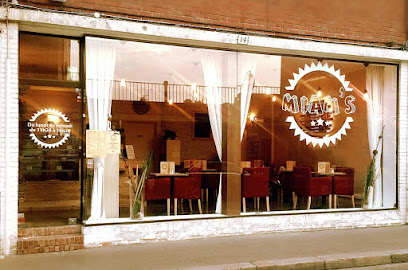
Miam's Amiens
0.2 km
Discover Miam's Amiens - A charming restaurant and tea house offering authentic French cuisine and exquisite teas in the heart of Amiens.
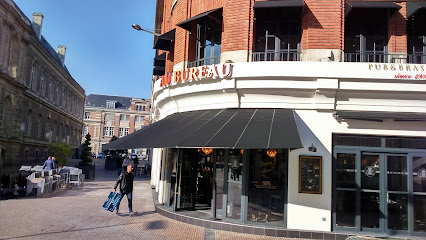
Au Bureau
0.2 km
Experience the vibrant culinary scene at Au Bureau in Amiens—where French flavors meet lively pub culture.
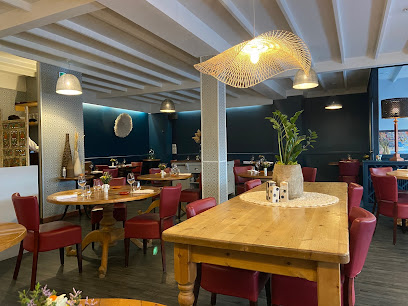
les Orfèvres
0.2 km
Discover exquisite French cuisine at Les Orfèvres in Amiens – where tradition meets innovation in every dish.
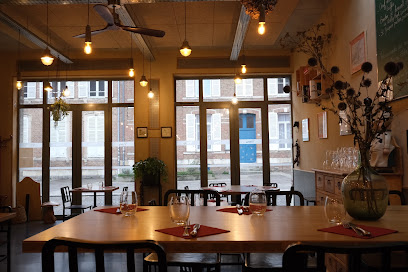
Bistrot La Peña
0.2 km
Discover authentic French flavors at Bistrot La Peña in Amiens – where every meal is a celebration of culinary tradition.
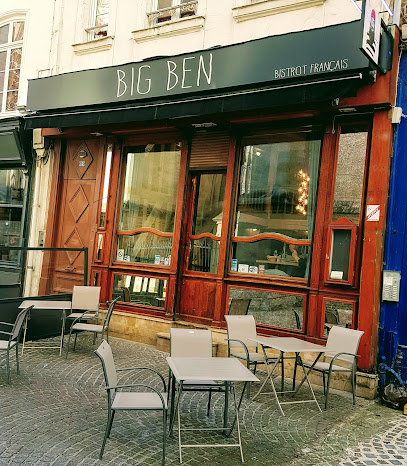
Big Ben
0.2 km
Discover the essence of French cuisine at Big Ben in Amiens – where every meal is a celebration of taste and tradition.
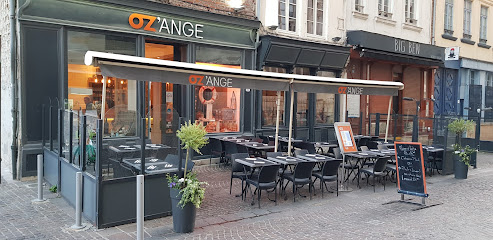
Oz'ange
0.2 km
Experience authentic Mediterranean cuisine at Oz'ange in Amiens—where every meal is a flavorful journey filled with warmth and tradition.
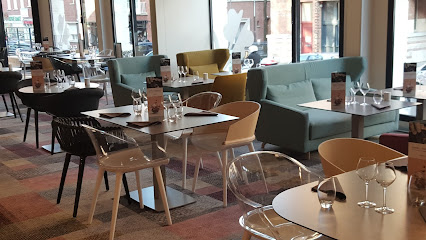
L'Echanson
0.2 km
Discover the exquisite flavors of French cuisine at L'Echanson in Amiens, where every meal tells a story.
Markets, malls and hidden boutiques

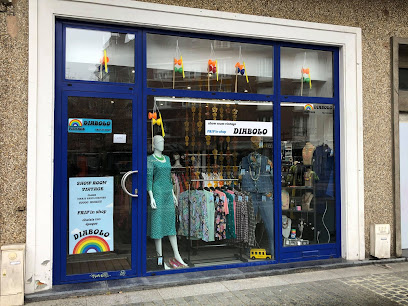
Diabolo Vintage
0.0 km
Explore the charm of vintage fashion at Diabolo Vintage in Amiens, the perfect spot for unique clothing and nostalgic treasures.
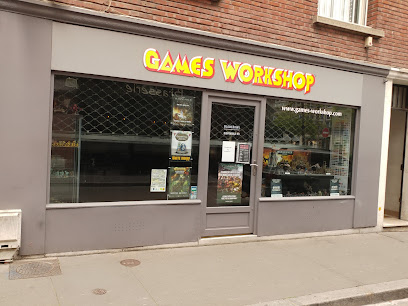
Warhammer
0.0 km
Discover the vibrant world of Warhammer in Amiens, where miniatures come to life and gaming culture thrives.
La Galerie
0.1 km
Explore La Galerie in Amiens for the latest men's fashion, combining style, quality, and local artistry in one exquisite shopping experience.
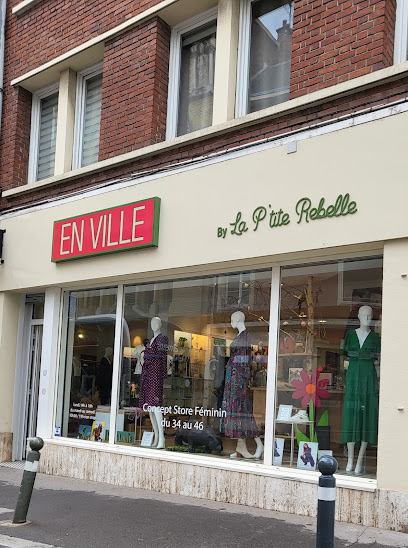
La P’tite Rebelle - Boutique de prêt à porter féminin à Amiens
0.1 km
Discover unique women's fashion, exquisite jewelry, and chic accessories at La P’tite Rebelle in Amiens, a boutique that redefines style and elegance.
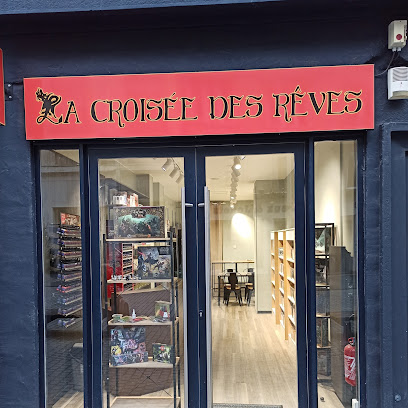
La croisée des rêves
0.1 km
Explore La croisée des rêves in Amiens for unique, handcrafted treasures that capture the essence of local artistry and creativity.
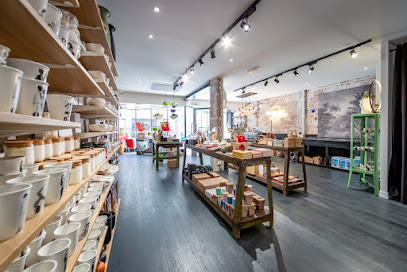
Wanderlust Concept Store
0.1 km
Discover unique gifts and locally sourced home goods at the Wanderlust Concept Store in Amiens, a must-visit for every traveler.
Martelle Book Store
0.1 km
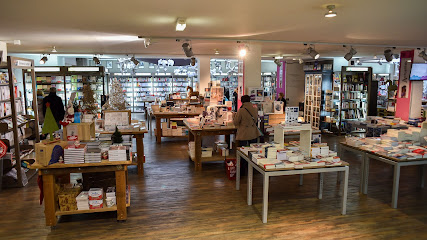
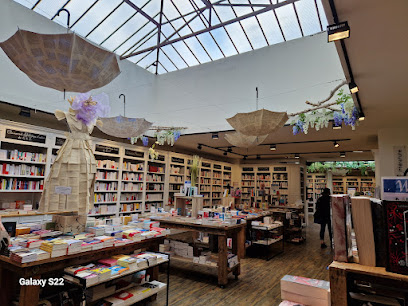
Discover Martelle Book Store in Amiens, a magical haven for book lovers featuring an extensive collection of literature, comics, games, and children's books.
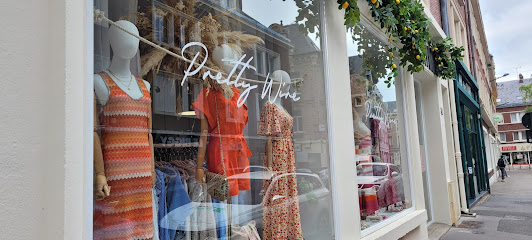
Pretty Wire Amiens
0.1 km
Discover unique fashion treasures at Pretty Wire Amiens, a local clothing store blending contemporary style with the essence of French culture.
K And J
0.1 km
Discover stylish children's and men's clothing at K And J, a delightful shopping destination for families in the heart of Amiens.
Une Fois Deux
0.1 km
Discover the charm of Une Fois Deux in Amiens, where quality footwear meets exceptional style and customer service.
Undiz
0.1 km
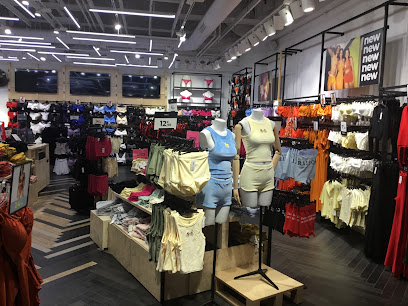
Discover trendy lingerie, swimwear, and accessories at Undiz in Amiens, where style and comfort come together for the modern shopper.
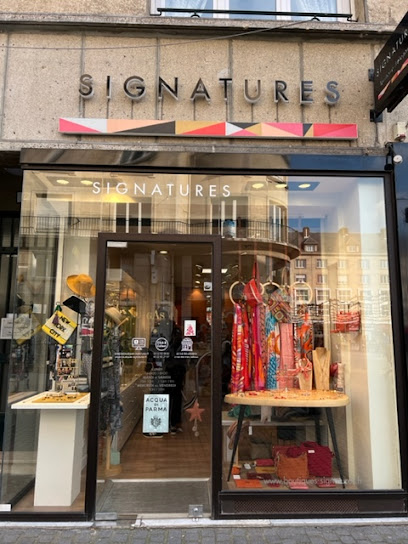
Signatures
0.1 km
Discover unique fashion accessories, exquisite jewelry, and enchanting perfumes at Signatures, the ultimate shopping destination in Amiens.
FAGUO - AMIENS
0.1 km
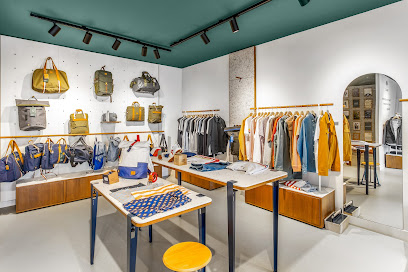
Discover sustainable men's fashion at FAGUO, a stylish clothing store in Amiens that merges contemporary designs with eco-friendly practices.
Ambiance & Styles LEGRIS | AMIENS
0.2 km
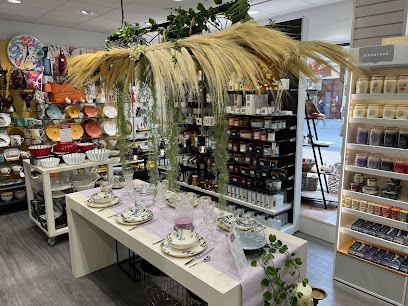
Explore Ambiance & Styles in Amiens for exquisite home decor and kitchen essentials that blend elegance with functionality.
Legris Ets
0.2 km
Explore Legris Ets in Amiens for unique gifts and local crafts that capture the spirit of the region, perfect for memorable souvenirs.
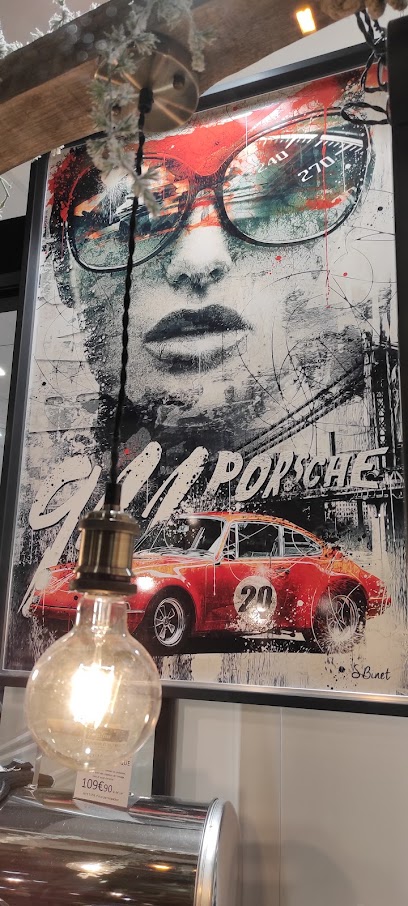
Essential bars & hidden hideouts

L'hexagone Amiens
0.1 km
Explore the exquisite flavors and warm ambiance of L'hexagone Amiens, a premier wine bar offering a delightful taste of French culture.
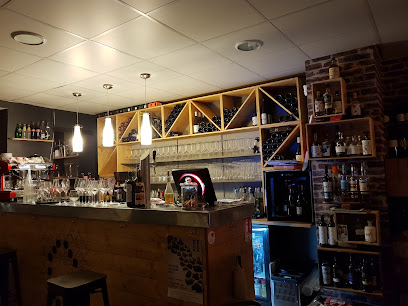
Bar du Midi
0.1 km
Discover Bar du Midi, Amiens' charming beer hall and coffee shop, offering a delightful range of brews and a welcoming atmosphere for all.
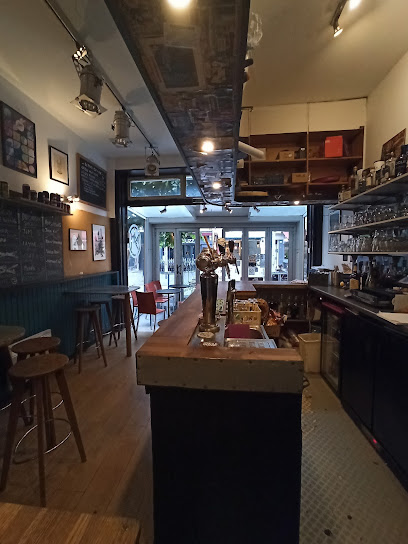
Point Bar
0.1 km
Experience the vibrant nightlife at Point Bar in Amiens, where great drinks and a friendly atmosphere await you.
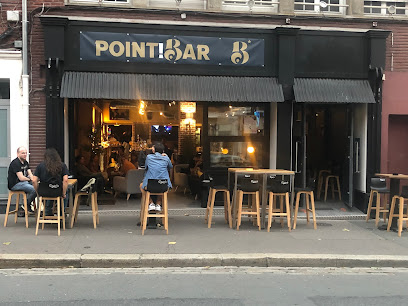
Le Charleston
0.2 km
Discover the charming Le Charleston in Amiens, where delightful cuisine meets a cozy atmosphere, perfect for unwinding after a day of exploration.
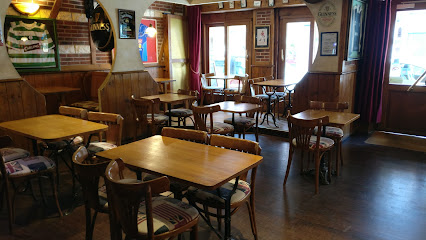
Bar Maxime
0.2 km
Experience the vibrant nightlife at Bar Maxime in Amiens, a must-visit for tourists seeking great drinks and local culture.
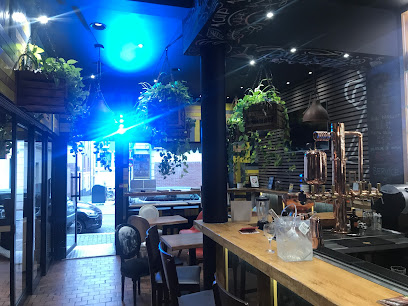
O Paradise
0.4 km
Experience a vibrant blend of halal cuisine, exotic cocktails, and shisha at O Paradise, the must-visit restaurant in Amiens.
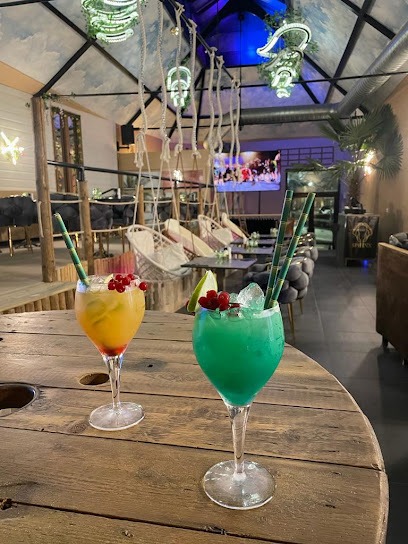
Les Dés Raisonnables
0.4 km
Discover the charm of Les Dés Raisonnables, a cozy bar in Amiens offering a delightful drink selection and a welcoming atmosphere for all.
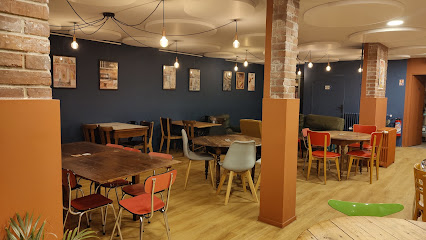
Street café
0.4 km
Experience the charm of Amiens at this delightful street café, where cozy ambiance meets delicious local flavors.
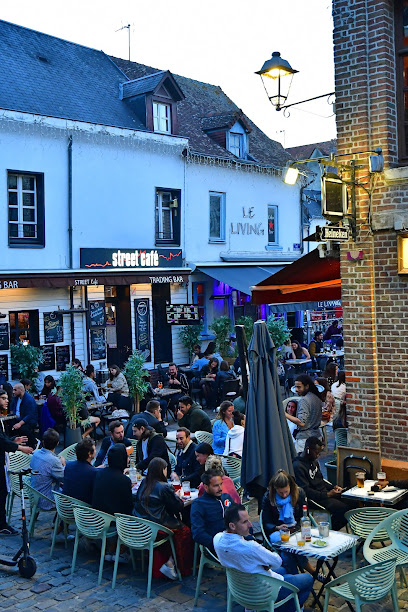
Network Bar
0.4 km
Experience the lively atmosphere and exceptional drinks at Network Bar, a must-visit spot for tourists in Amiens.
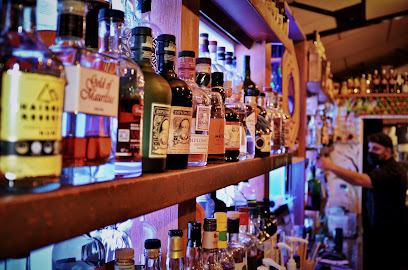
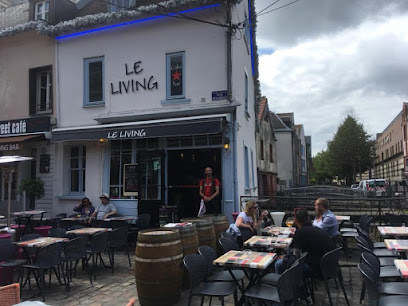
Le Living
0.4 km
Experience the lively atmosphere and diverse drink selection at Le Living, Amiens' premier bar for tourists and locals alike.
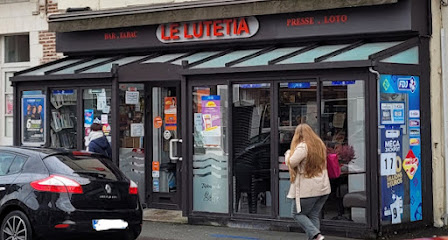
Le Lutétia
0.4 km
Experience the local ambiance at Le Lutétia, a cozy bar tabac in Amiens, offering delightful drinks and snacks in a welcoming atmosphere.
Baobar
0.4 km
Discover the lively Baobar in Amiens, where delicious food meets a vibrant atmosphere, perfect for an unforgettable night out.
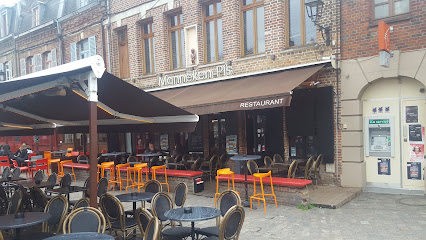
Le Bar à Pap'S
0.4 km
Experience vibrant karaoke nights at Le Bar à Pap'S in Amiens, the perfect blend of fun, music, and local culture.
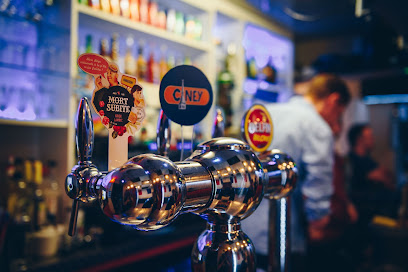
Couleur Café - Bar à Cocktails Rhumerie Saint Leu Amiens
0.4 km
Discover the vibrant Couleur Café in Saint Leu, Amiens - a cocktail bar where local flavors and creativity blend for an unforgettable night out.
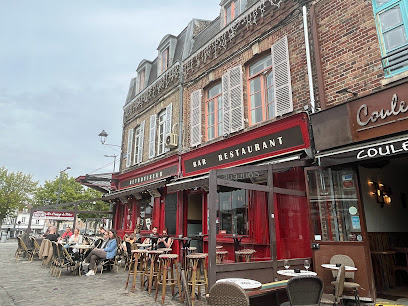
Le Rétro
0.4 km
Experience the best of local flavors and hospitality at Le Rétro, a charming bar and brasserie in the heart of Amiens, France.
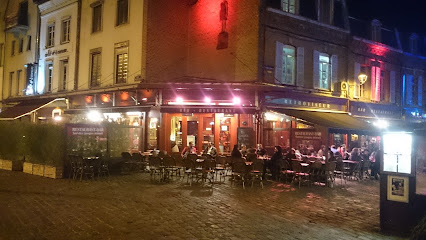
Nightclubs & after hour spots

Le Cœur Samba
0.2 km
Discover the heartbeat of Amiens nightlife at Le Cœur Samba, a vibrant disco club where every night is a celebration of dance and music.
Le MOON
0.3 km
Experience the vibrant nightlife at Le MOON, Amiens' premier night club, where music and energy create unforgettable memories.
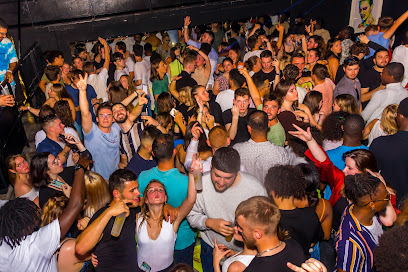
Le SALOON
0.3 km
Discover the vibrant nightlife of Amiens at Le SALOON, the ultimate disco club experience with great music and an electrifying atmosphere.
L’Annexe
0.4 km
Explore the vibrant nightlife of Amiens at L’Annexe, a premier night club where music and dance blend into an unforgettable experience.
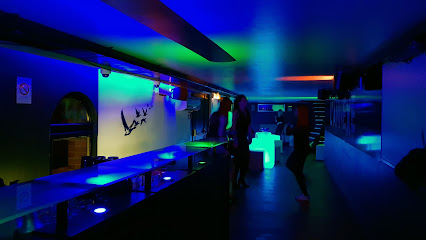
Musiques de Jazz et d'ailleurs
0.5 km
Experience the magic of jazz at the Amiens Jazz Festival, where music, culture, and community come together in a vibrant celebration.
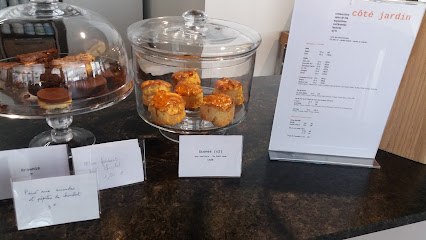
Le Pacha
0.9 km
Discover the lively atmosphere at Le Pacha, a premier bar in Amiens, perfect for unwinding with friends and enjoying a diverse drink selection.
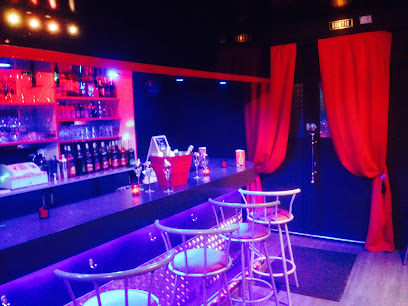
Le Gibus
48.2 km
Discover the lively nightlife at Le Gibus in Frettemeule, a vibrant disco club blending local charm with electrifying dance experiences.
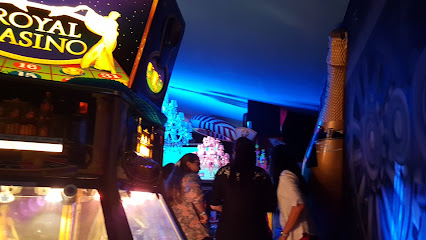
Le France
57.7 km
Experience the electrifying nightlife at Le France, Pendé's premier night club, where music and dancing come alive until dawn.
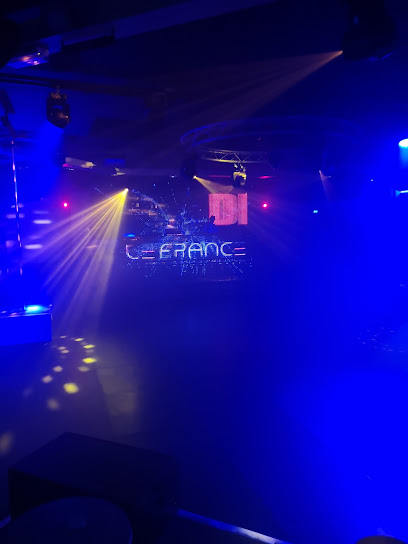
Underground
65.2 km
Immerse yourself in the electrifying nightlife of Underground, Compiègne's premier lounge and club, featuring top DJs and creative cocktails.
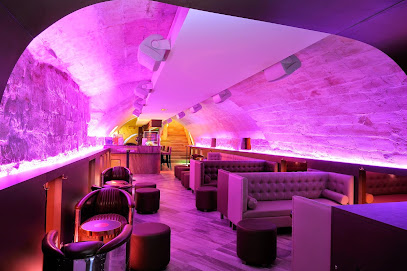
Le Quennezil
70.0 km
Discover the pulse of Compiègne's nightlife at Le Quennezil, a vibrant night club known for its energetic atmosphere and eclectic music.
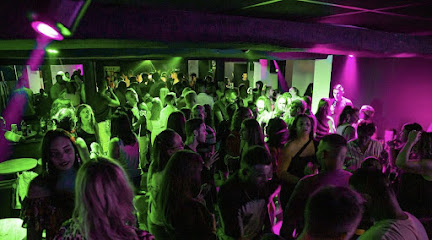
Vegas Club
85.3 km
Discover the excitement of Vegas Club, a premier disco in L'Isle-Adam offering exhilarating nightlife and unforgettable dance experiences.
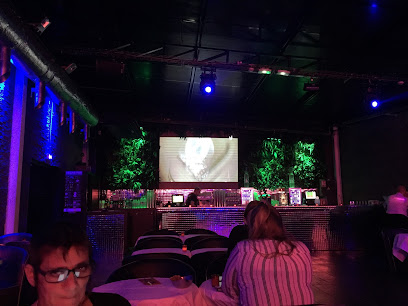
Le Loft - Soissons
94.0 km
Explore the vibrant nightlife of Soissons at Le Loft, a disco club offering unforgettable dance experiences and a lively atmosphere.
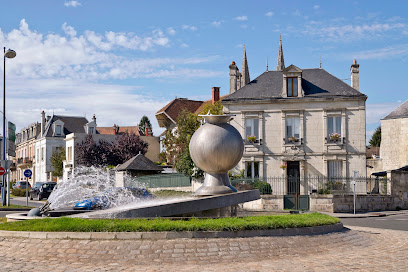
La Maison
96.9 km
Discover the electrifying nightlife of Lille at La Maison, a top-rated night club offering unforgettable experiences and vibrant entertainment.
Le Palais Lounge
97.4 km
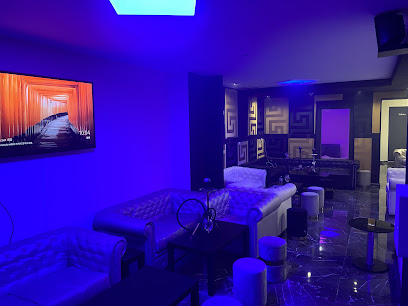
Discover the vibrant energy of Le Palais Lounge in Lille, where modern decor meets traditional hookah experiences for a memorable night out.
B-Floor
97.6 km
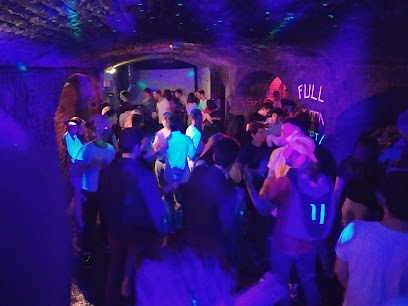
Experience Lille's nightlife at B-Floor, a lively night club offering eclectic music, vibrant crowds, and unforgettable moments.