Angers' Museum of Natural Sciences: A Journey Through the Natural World
Explore the wonders of the natural world at Angers' Museum of Natural Sciences, home to an impressive collection of specimens and engaging exhibits for all ages.
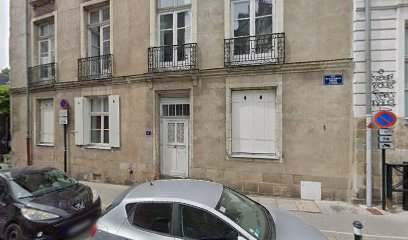
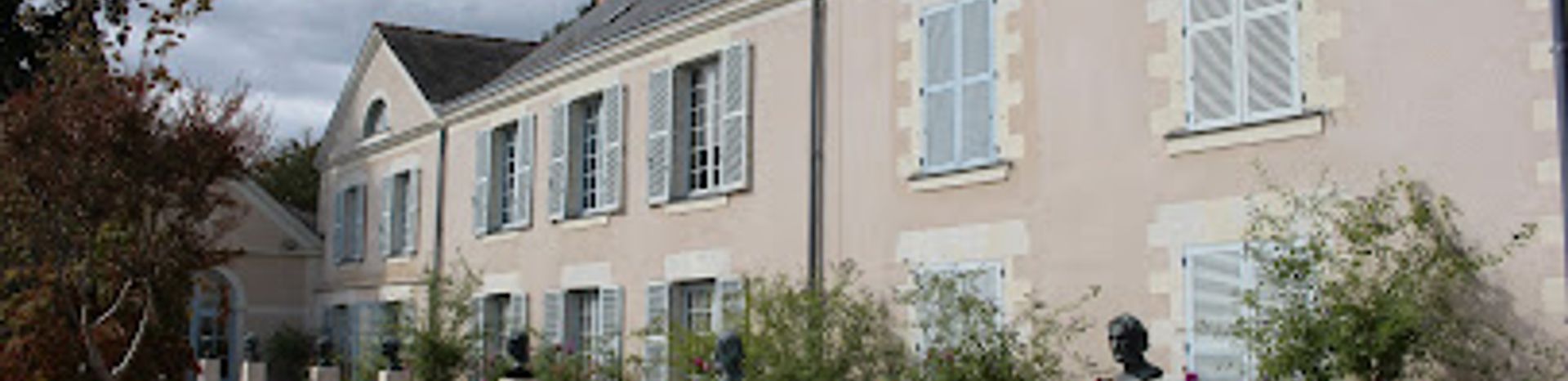
The Museum of Natural Sciences in Angers, established in 1801, invites visitors to explore the wonders of the natural world. Housed in two historic buildings connected by a charming French-style garden, the museum boasts an impressive collection of over 830,000 specimens. From taxidermied animals and fossils to minerals and botanical samples, the museum offers a comprehensive overview of Earth's history and biodiversity. Interactive exhibits and educational programs make it an engaging destination for all ages, while themed galleries, such as the Paleontology Room and the Rotunda, provide deeper insights into specific areas of natural history. A visit promises a captivating experience for anyone curious about the world around them. Don't miss the Arboretum Gaston-Allard, managed by the museum, for an extension of the botanical collections.
A brief summary to The Museum of Natural Science
- 43 Rue Jules Guitton, Angers, 49100, FR
- +33241054850
- Visit website
- Tuesday 10 am-6 pm
- Wednesday 10 am-6 pm
- Thursday 10 am-6 pm
- Friday 10 am-6 pm
- Saturday 10 am-6 pm
- Sunday 10 am-6 pm
Local tips
- Check the museum's website for temporary exhibitions and events to enhance your visit.
- Allow at least 2-3 hours to fully explore the museum's extensive collections.
- Visit the connecting French-style garden for a relaxing break between exhibits.
- Combine your visit with a trip to the Arboretum Gaston-Allard for a complete botanical experience.
- Take advantage of the interactive displays and educational programs, especially if visiting with children.

Getting There
-
Walking
From Place du Ralliement, a central square in Angers, walk southwest along Rue d'Alsace. Turn right onto Rue Jules Guitton. The museum will be on your left, a short distance down the street. The walk is approximately 5-10 minutes. Look for the distinctive buildings and the entrance to the French-style garden.
-
Public Transport
From the Angers-Saint-Laud train station, take tram line A towards La Roseraie. Get off at the Foch-Haras stop. From there, walk south on Boulevard Foch, then turn left onto Rue Louis de Romain. Turn right onto Rue Jules Guitton. The museum will be on your right. A single tram ticket costs €1.60 and is valid for one hour. Alternatively, a day pass costs €4.50.
-
Taxi/Ride-Share
A taxi or ride-share from the Angers-Saint-Laud train station to the museum will cost approximately €8-€12, depending on traffic. The journey typically takes 5-10 minutes. Direct the driver to 43 Rue Jules Guitton.
-
Driving
If driving, be aware that parking near the museum can be limited. There is street parking available, but it can be difficult to find a spot during peak hours. Several parking garages are within walking distance, including Parking Molière and Parking Ralliement. Expect to pay around €2-€3 per hour for parking in these garages.
Discover more about The Museum of Natural Science
Iconic landmarks you can’t miss

Jardin des plantes d'Angers
0.2 km
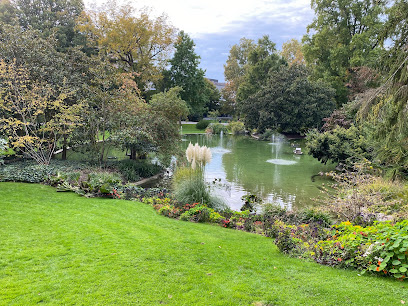
Discover Angers' enchanting Jardin des Plantes: a historic botanical garden offering a tranquil escape with diverse flora and charming landscapes.
Palais Episcopal
0.7 km
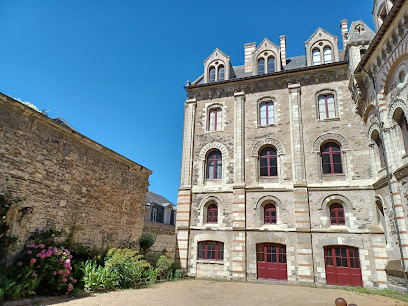
Explore Angers' Palais Episcopal: A historic palace showcasing centuries of religious and architectural heritage next to the Saint-Maurice Cathedral.
Place Sainte-Croix
0.7 km
Discover Angers' medieval heart at Place Sainte-Croix: history, architecture, and vibrant culture converge in this charming plaza.
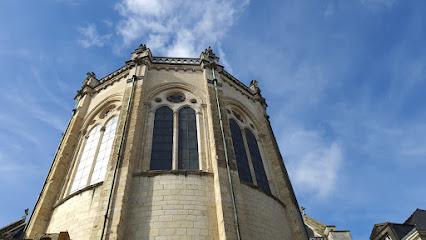
Logis Barrault
0.8 km
Explore Angers' oldest mansion, Logis Barrault, now a fine arts museum, showcasing centuries of art and history.
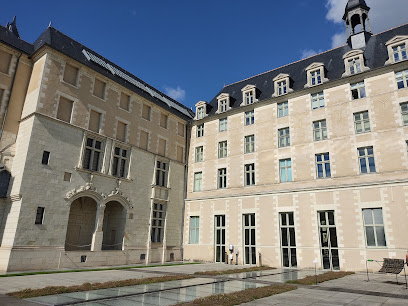
Abbaye Toussaint d'Angers
0.9 km
Discover the Abbaye Toussaint d'Angers: Where a historic abbey provides a stunning backdrop for the sculptures of David d'Angers.
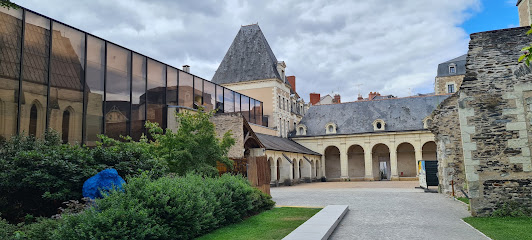
Cité médiévale
0.9 km
Step back in time and explore Angers' Cité Médiévale, a charming quarter of cobblestone streets and medieval architecture next to the Château d'Angers.
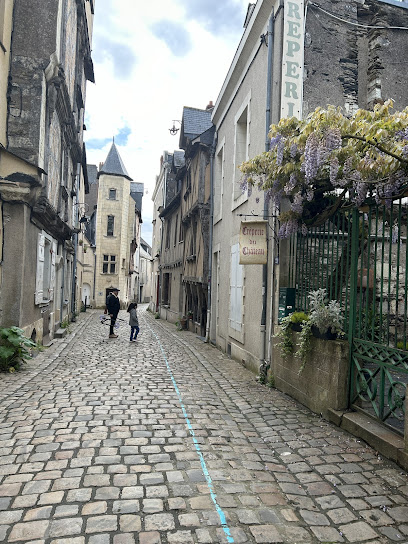
Ancienne ville d'Angers, Angers
0.9 km
Discover the enchanting Ancienne Ville of Angers: a historical treasure trove with medieval streets, architectural gems, and captivating cultural experiences.
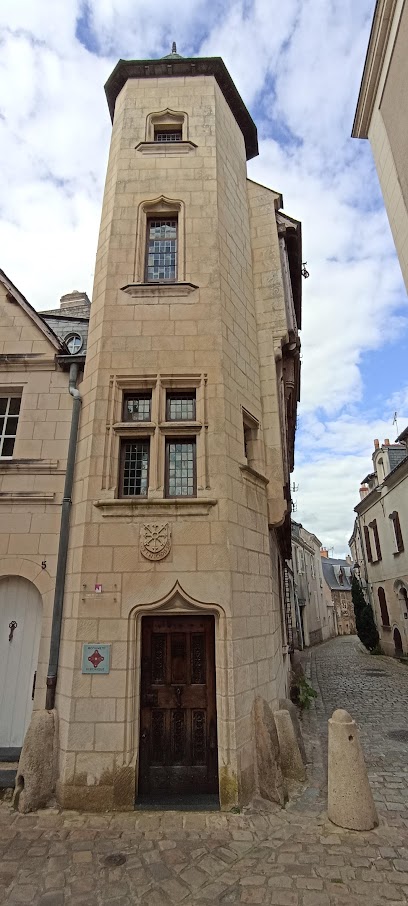
Office de Tourisme - Destination Angers
1.0 km
Your gateway to exploring Angers and the Loire Valley: expert advice, guided tours, local products, and essential visitor services.
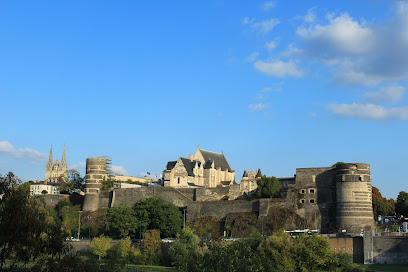
Made In Angers
1.0 km
Explore Angers like a local with Made In Angers, your premier sightseeing tour agency for immersive cultural experiences and historical adventures.
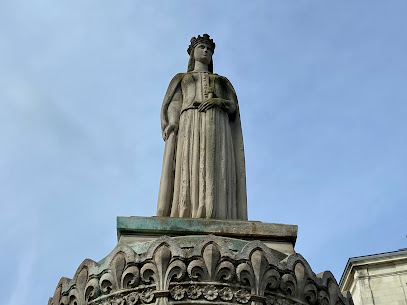
Marguerite d'Anjou Statue De Paul Belmondo
1.1 km
A tribute to Queen Margaret of Anjou, this statue by Paul Belmondo stands in Angers, France, honoring her strength and historical significance.
Ancien couvent des frères Sacs (et des Augustins).
1.3 km
Explore the serene beauty and rich history of Ancien couvent des frères Sacs, a captivating landmark in Angers, France.
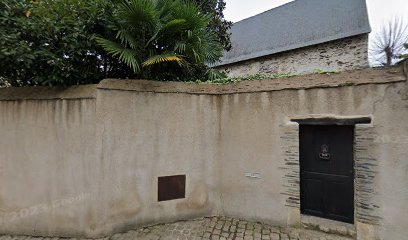
Former Convent of the Baumette
4.0 km
Discover a 15th-century convent in Angers with stunning views, a rock-carved church, and serene gardens, offering a unique historical escape.
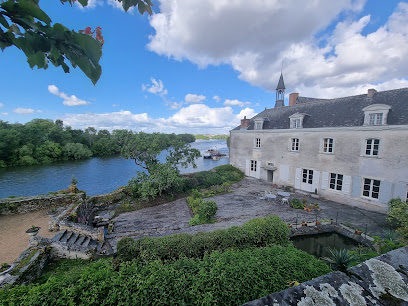
Château de Montreuil-Bellay
48.0 km
Experience the charm of Château de Montreuil-Bellay, a medieval castle surrounded by lush vineyards in the scenic Loire Valley, France.
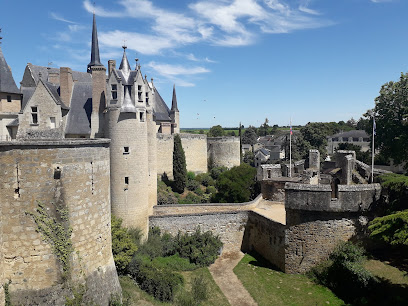
Château de Brézé
49.6 km
Experience the enchanting Château de Brézé, a historic castle rich in culture, stunning architecture, and breathtaking gardens in the heart of the Loire Valley.
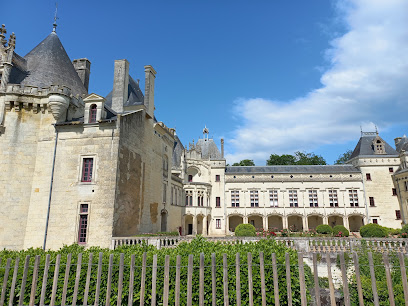
Confluence de la Loire et de la Vienne
55.1 km
Discover the breathtaking Confluence de la Loire and Vienne, a serene promenade offering stunning river views and a rich cultural experience in Candes-Saint-Martin.
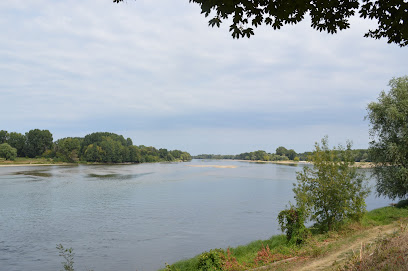
Unmissable attractions to see

Le jardin du Mail
0.3 km
Escape to the heart of Angers at Le Jardin du Mail, a historic garden offering beauty, tranquility, and a touch of French elegance.
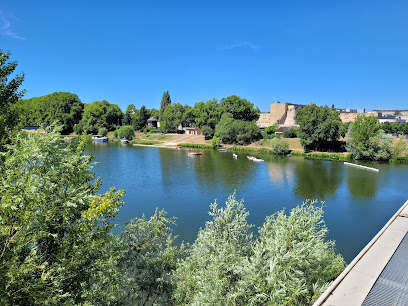
Musée Pincé
0.4 km
Discover global art treasures in a stunning Renaissance setting at Musée Pincé, Angers. Explore Mediterranean antiquities, pre-Columbian art, and Asian masterpieces.
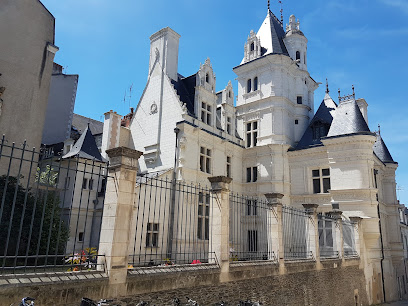
La Maison Bleue
0.5 km
Discover La Maison Bleue in Angers, a stunning Art Deco masterpiece with a shimmering mosaic facade, reflecting the city's rich architectural heritage and artistic innovation.

Amboise
0.5 km
Discover Amboise, a royal gem in the Loire Valley, where French history and Renaissance charm come to life along the picturesque Loire River.
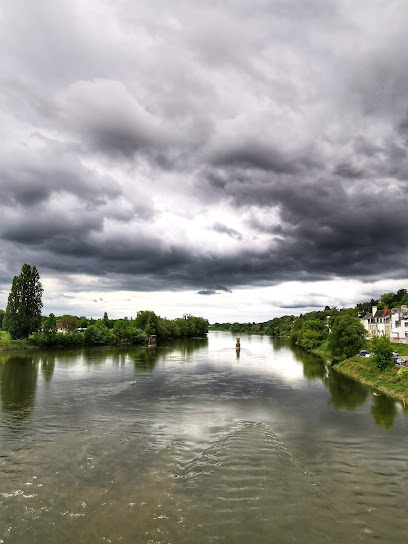
Casco histórico de Angers
0.6 km
Explore Angers' historic heart: a captivating blend of medieval architecture, cultural treasures, and vibrant city life, offering an unforgettable French experience.
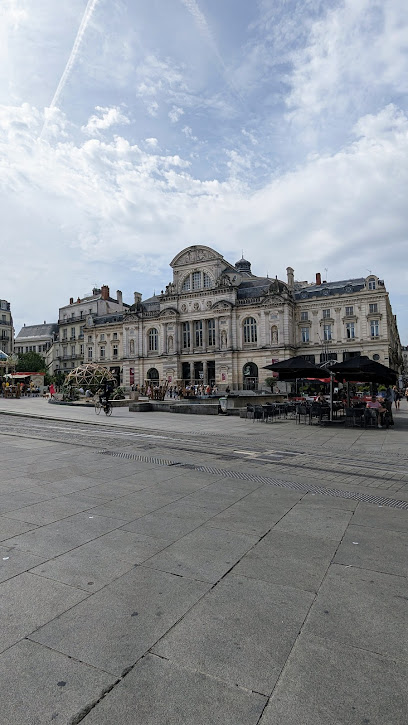
Parc Bellefontaine
0.6 km
Discover Parc Bellefontaine in Angers: A serene urban oasis offering lush greenery, peaceful walking paths, and a tranquil escape for locals and tourists alike.
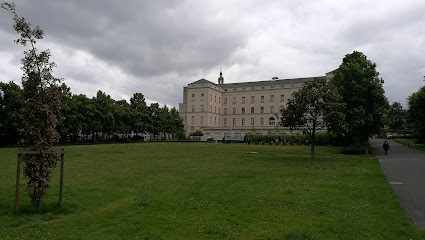
Collégiale Saint-Martin
0.7 km
Discover the Collégiale Saint-Martin in Angers: a captivating blend of Romanesque and Gothic architecture, centuries of history, and a vibrant cultural experience in the heart of the city.
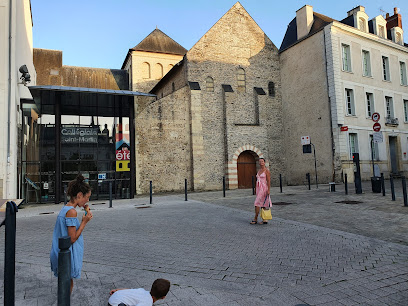
Cathédrale Saint-Maurice d'Angers
0.7 km
Discover the architectural grandeur and spiritual heart of Angers at the Cathédrale Saint-Maurice, a captivating blend of Romanesque and Gothic styles with stunning stained glass.
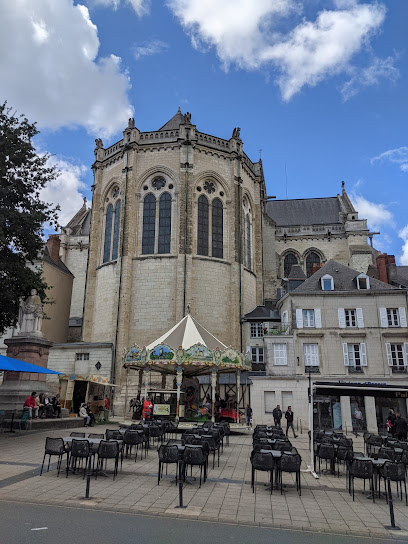
Musée des Beaux-Arts
0.8 km
Discover centuries of art and history at the Musée des Beaux-Arts in Angers, from medieval masterpieces to contemporary sculptures, nestled in the heart of the Loire Valley.
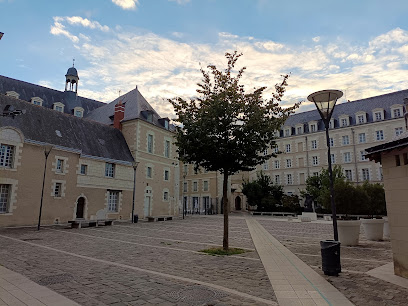
Esplanade Cœur de Maine
0.8 km
Discover Angers' serene riverside park, Esplanade Cœur de Maine, offering stunning views, lush greenery, and a vibrant atmosphere for locals and tourists alike, right in the city center.
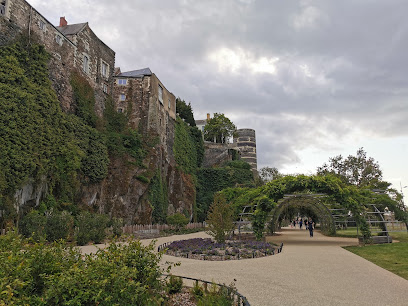
Galerie David d'Angers
0.9 km
Discover the genius of French sculptor David d'Angers in a stunningly restored abbey in the heart of Angers, France.
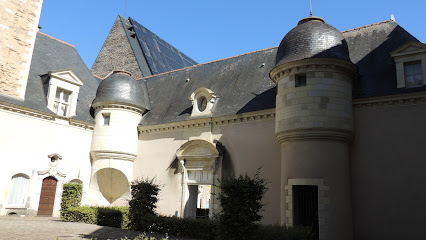
Musée des Beaux-Arts Garden
0.9 km
Discover a tranquil oasis in the heart of Angers at the Musée des Beaux-Arts Garden, where art and nature intertwine to create a serene and inspiring experience for every visitor.
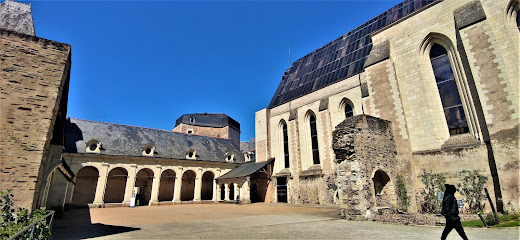
Tour des Anglais (XVè siècle)
0.9 km
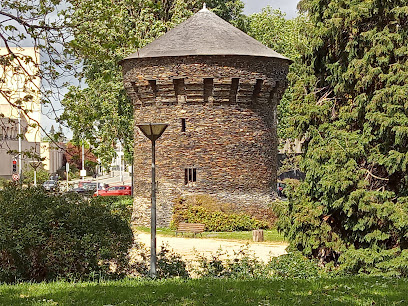
Explore the majestic Tour des Anglais, a historical tower in Angers, France, showcasing medieval architecture and rich local history.
Musée Jean-Lurçat et de la tapisserie contemporaine
0.9 km
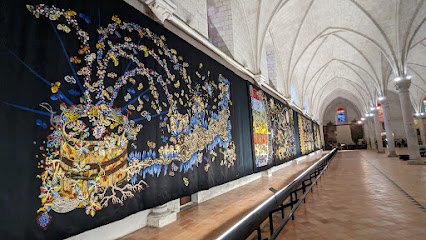
Discover a world of textile art at the Musée Jean-Lurçat in Angers, where medieval history meets modern creativity in a stunning architectural setting, showcasing masterpieces like 'Le Chant du Monde'.
Fresque murale
1.0 km
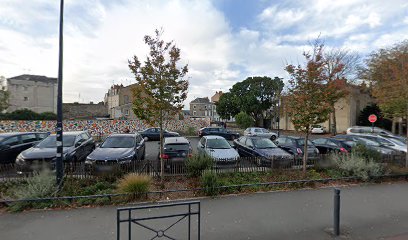
Discover Angers' vibrant street art scene with the Fresque Murale, a colorful testament to the city's artistic spirit and its connection with Austin, Texas, as part of the Echappées d'Art project.
Essential places to dine

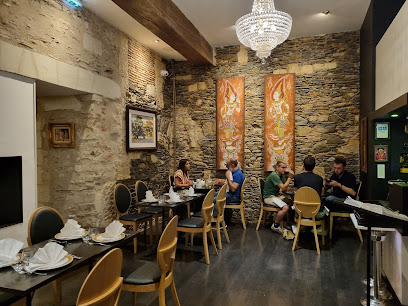
Sawasdee Bangkok ANGERS
0.1 km
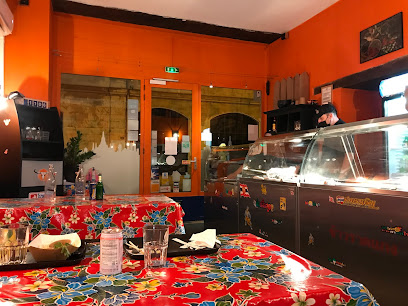
Experience authentic Thai flavors at Sawasdee Bangkok in Angers - where culinary traditions meet vibrant dining.
Brasserie Milord
0.2 km
Experience authentic French cuisine and craft beers at Brasserie Milord in Angers - where every meal is a celebration.
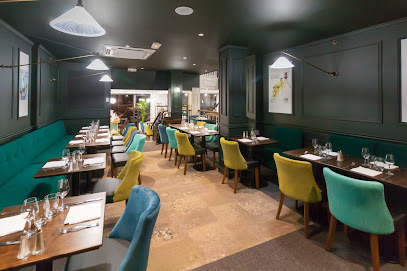
Les Fils à Maman Angers
0.3 km
Discover the delightful fusion of traditional French cuisine and modern flair at Les Fils à Maman Angers – a must-visit culinary gem in the heart of the city.
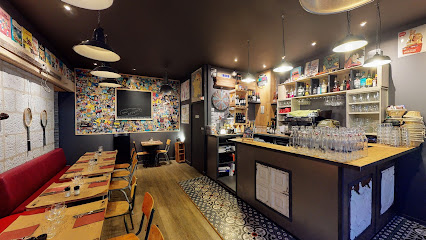
Les petits plats dans les grands
0.3 km
Experience the finest of French cuisine at Les Petits Plats Dans Les Grands in Angers - where tradition meets innovation.
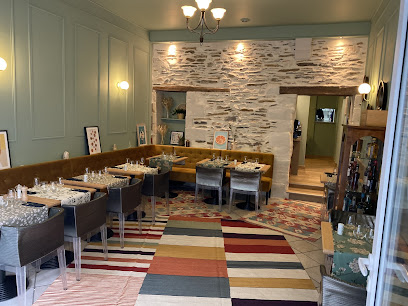
Le Mail Restaurant - Cuisine Bistronomique - Angers
0.3 km
Experience exquisite bistronomic dining at Le Mail Restaurant in Angers – where traditional French cuisine meets modern flair.
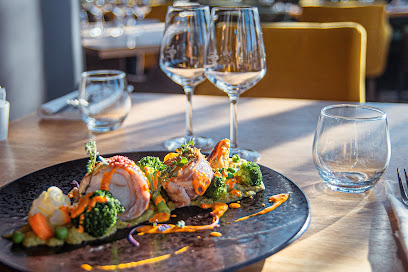
Mets & Vins
0.4 km
Discover Mets & Vins: A Culinary Jewel in Angers Offering Fine French Dining and an Exquisite Wine Selection.
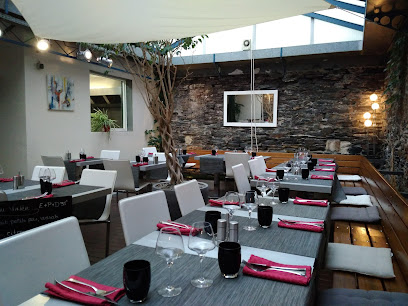
LAIT THYM SEL
0.4 km
Experience exquisite French cuisine at Lait Thym Sel in Angers - where culinary artistry meets exceptional service.
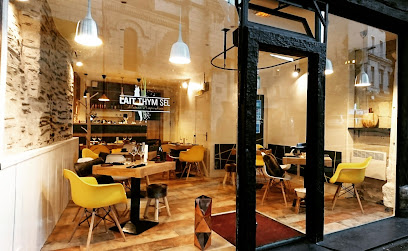
Ernest Inn Angers
0.4 km
Discover gourmet burgers and exquisite French cuisine at Ernest Inn Angers - A culinary gem in the heart of France.
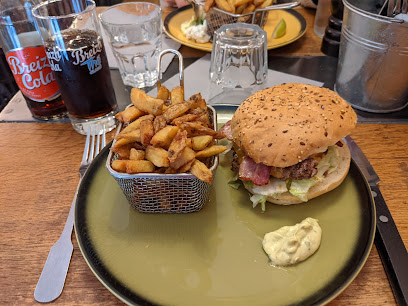
Provence Caffé
0.4 km
Discover exquisite French cuisine at Provence Caffé in Angers - where traditional flavors meet modern dining.
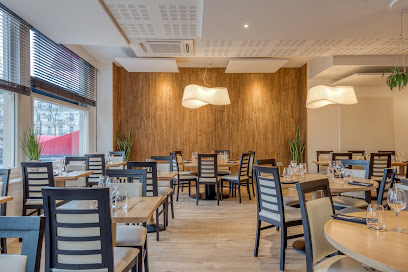
Le Grandgousier
0.4 km
Discover Le Grandgousier: A Culinary Gem Offering Authentic French Dishes in the Heart of Angers.
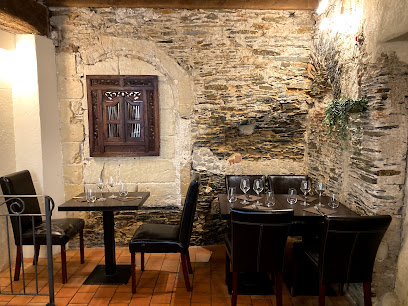
La chouette - Restaurant/Bar
0.4 km
Experience authentic French bistro culture at La Chouette in Angers—where delightful dishes meet a vibrant atmosphere.
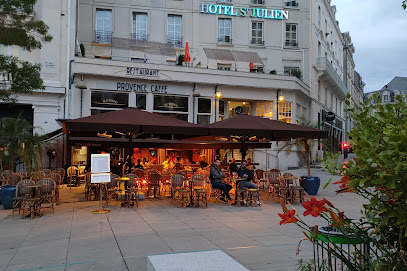
Le Boudoir
0.5 km
Discover Le Boudoir in Angers: A culinary gem offering exquisite French dishes and an inviting bar atmosphere.
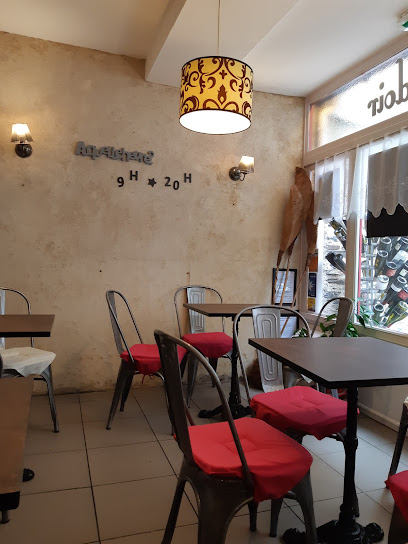
Restaurant Daddy
0.5 km
Experience exquisite French cuisine at Restaurant Daddy in Angers - a culinary gem offering authentic flavors and warm hospitality.
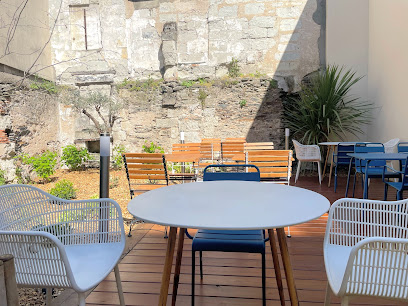
Thai L'inde
0.5 km
Experience the vibrant fusion of Thai and Indian cuisines at Thai L'inde – a culinary gem in Angers offering delicious takeout options.
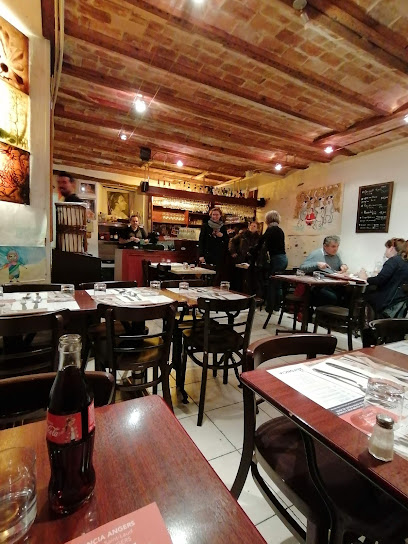
Pasta Al Dente
0.5 km
Experience the rich flavors of Italy at Pasta Al Dente – where homemade pasta and wood-fired pizzas come together in a cozy setting.
Markets, malls and hidden boutiques

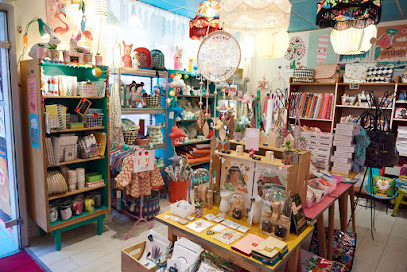
Paillette
0.3 km
Discover Paillette in Angers: A gift shop filled with unique treasures and home goods that embody the charm of French craftsmanship.
Artefact Zoo Angers Deco & Design
0.3 km
Explore the charm of Artefact Zoo in Angers, where unique decor and design treasures await your discovery in a delightful gift shop atmosphere.
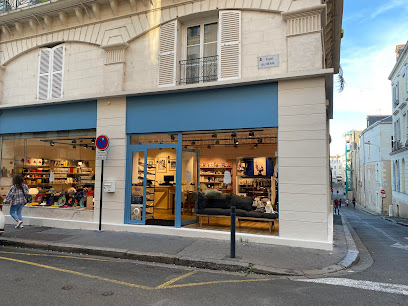
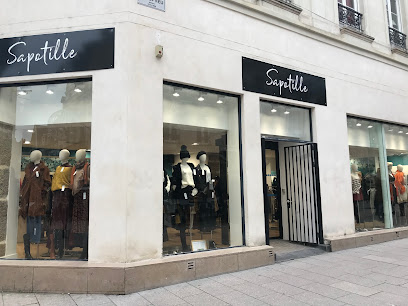
Sapotille
0.4 km
Explore unique women's fashion at Sapotille in Angers, where style meets local creativity in a charming boutique setting.
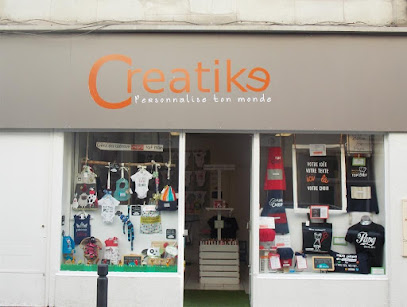
Creatike
0.4 km
Explore Creatike in Angers for custom gifts, unique souvenirs, and a memorable shopping experience that captures the essence of your visit.
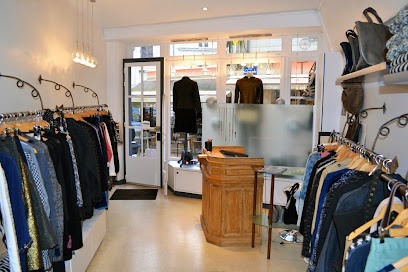
A cause des Garçons
0.4 km
Discover fashion treasures at A Cause des Garçons in Angers, where style meets elegance in a delightful shopping experience.
Mélidoumélo
0.4 km
Explore Mélidoumélo, a charming gift shop in Angers, where unique handcrafted treasures await your discovery.

ba&sh - Angers
0.4 km
Explore the stylish world of ba&sh in Angers, where contemporary fashion meets timeless elegance for the modern woman.
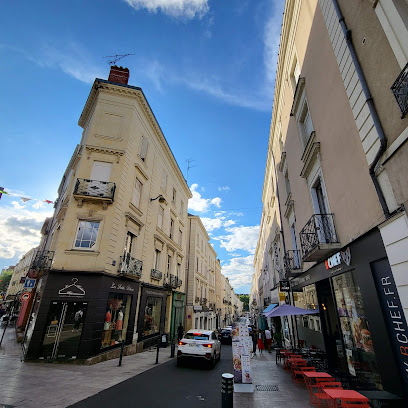
Cabaia - La paillote Angevine
0.4 km
Explore Cabaia - La Paillote Angevine in Angers for stylish fashion accessories that reflect your unique taste.
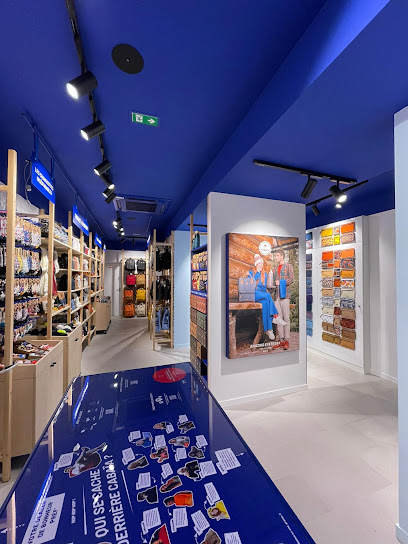
Grain de Malice
0.4 km
Explore French fashion at Grain de Malice in Angers, a chic women's clothing store offering stylish outfits and unique accessories.
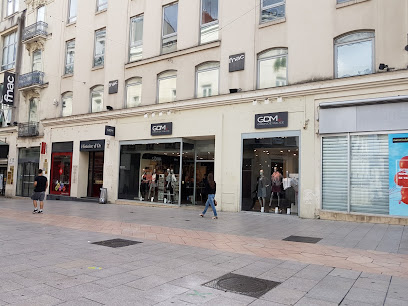
The Little Factory
0.4 km
Explore The Little Factory in Angers for unique artisanal treasures and a taste of local creativity in a charming atmosphere.
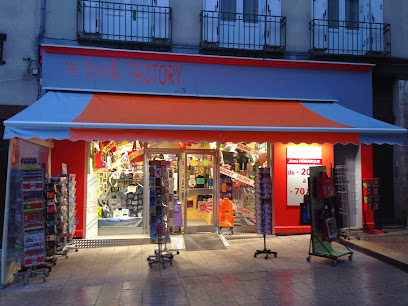
Perrine & Antoinette - Virée Shopping
0.4 km
Explore elegant women's fashion at Perrine & Antoinette, a chic boutique in Angers offering unique styles and accessories.
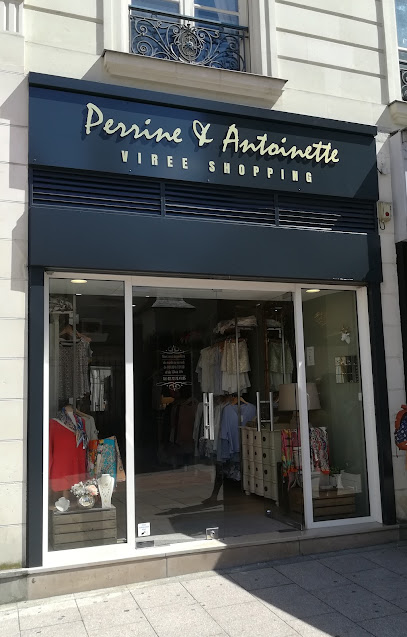
La Fée Maraboutée
0.4 km
Discover unique women's fashion at La Fée Maraboutée, a charming boutique in Angers offering stylish clothing and accessories.
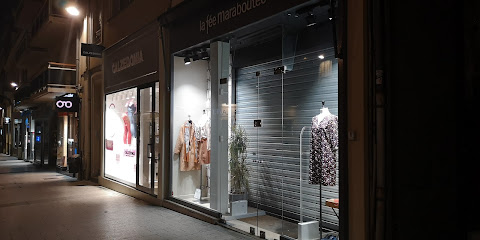
Palais des Thés
0.5 km
Explore Palais des Thés in Angers, a tea lover's paradise offering a diverse range of exquisite teas and accessories for an unforgettable experience.
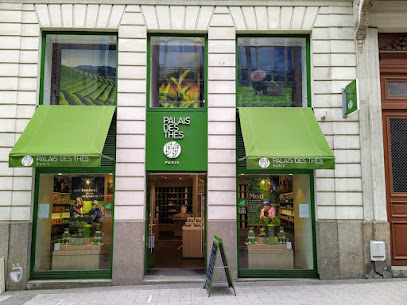
Boutique KOOKAÏ
0.5 km
Discover stylish women's clothing at Boutique KOOKAÏ, a charming boutique in Angers offering contemporary fashion for every occasion.

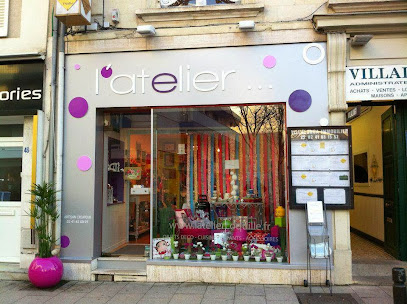
L'Atelier Coquille
0.5 km
Explore L'Atelier Coquille in Angers for unique gifts, clothing, and artisan crafts that embody local craftsmanship and style.
Essential bars & hidden hideouts

Le James Joyce
0.0 km
Discover the vibrant atmosphere of Le James Joyce in Angers, a delightful beer hall and pub offering local brews and a welcoming ambiance.
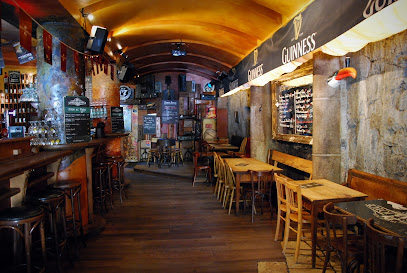
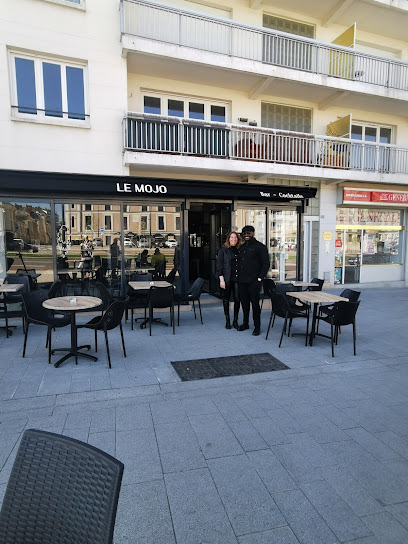
LE MOJO
0.1 km
Discover the lively vibe of LE MOJO, Angers' premier cocktail bar, where creative drinks meet a vibrant atmosphere for an unforgettable experience.
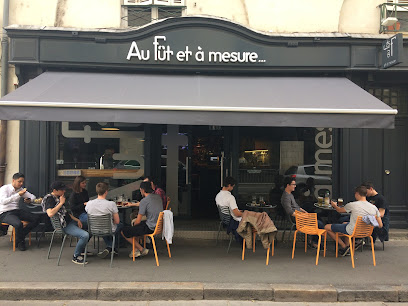
Au Fût et à mesure
0.1 km
Discover the joy of brewing at Au Fût et à Mesure, Angers' premier beer hall that offers a unique self-service experience with local and craft beers.
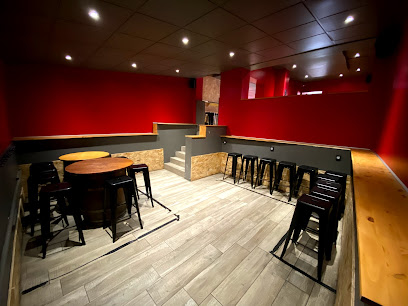
La Cave de la Trinquette
0.2 km
Discover La Cave de la Trinquette, Angers' premier bar for exquisite wines, craft beers, and lively music, set in a vibrant atmosphere.
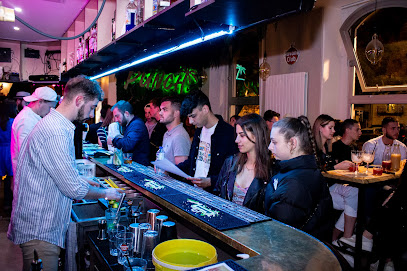
Le Punch
0.2 km
Experience the vibrant nightlife of Angers at Le Punch, where exceptional cocktails and a lively atmosphere create unforgettable moments.
Le Twist
0.2 km
Discover the lively ambiance of Le Twist in Angers, where great drinks and a vibrant atmosphere await every visitor.
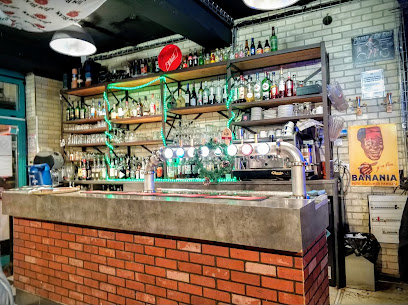
Le Ti'bar
0.4 km
Experience the vibrant nightlife at Le Ti'bar, a top bar in Angers known for its lively atmosphere and excellent drink selection.
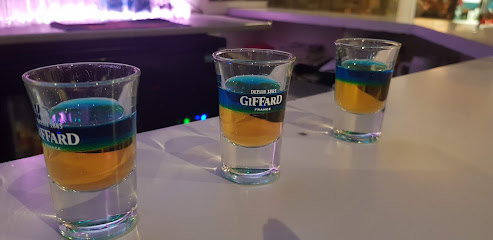
Le Dublin's Irish pub
0.4 km
Discover the lively spirit of Le Dublin's Irish Pub in Angers, where great food, drinks, and entertainment come together for an unforgettable experience.
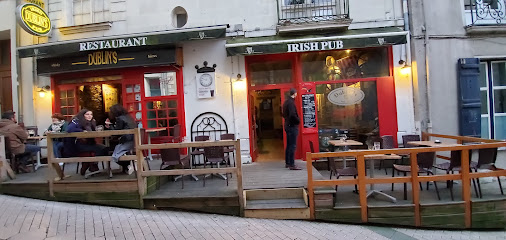
Black Peat
0.4 km
Discover Black Peat, a vibrant beer hall in Angers blending Scottish and French cuisine with a warm, welcoming atmosphere.
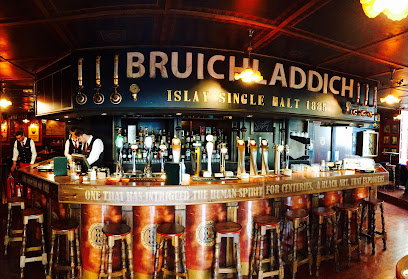
Q de sac
0.4 km
Discover the cozy charm of Q de sac, a vibrant bar in Angers offering a delightful selection of drinks and a warm atmosphere for tourists and locals alike.
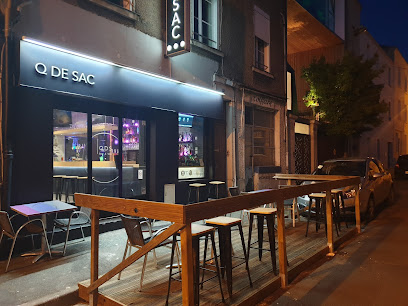
PMP Bar
0.5 km
Discover the vibrant atmosphere of PMP Bar in Angers, where local culture meets a diverse selection of drinks in a cozy setting.
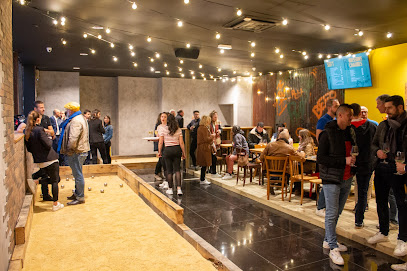
Cahupa
0.5 km
Discover the vibrant cocktail scene at Cahupa in Angers, where expertly crafted drinks and a lively atmosphere await.
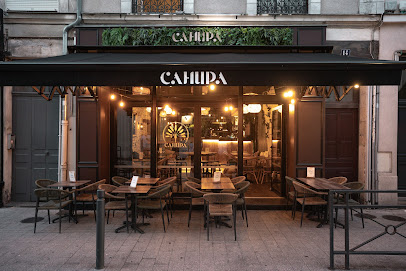
L'Okapi
0.5 km
Discover the vibrant nightlife at L'Okapi, a lively bar in Angers offering a delightful array of drinks and a welcoming atmosphere for all.
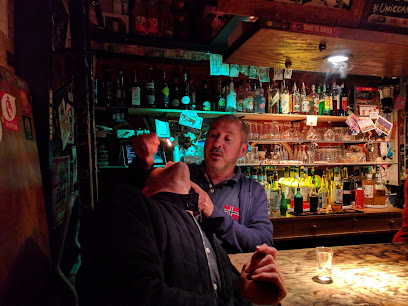
The Joker's Pub
0.5 km
Explore Angers' nightlife at The Joker's Pub, where lively ambiance meets delicious food and a vast selection of drinks.
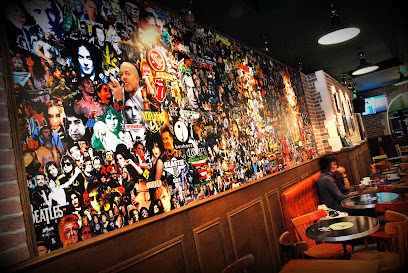
FLO Cocktail, Beer, Spirits & Music
0.5 km
Experience the vibrant nightlife of Angers at FLO Cocktail, Beer, Spirits & Music, where exceptional drinks meet a lively atmosphere.
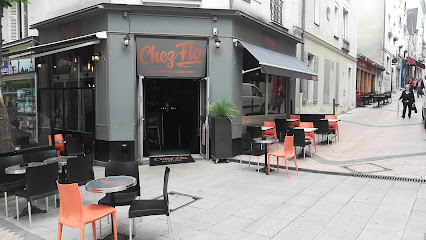
Nightclubs & after hour spots

Le FEELING Club
0.3 km
Discover the vibrant nightlife of Angers at Le FEELING Club, the ultimate destination for dance and entertainment in a stylish atmosphere.
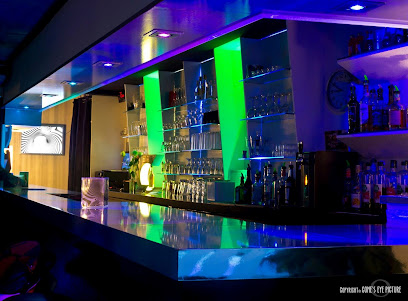
Soleil Café
0.4 km
Discover the electrifying nightlife at Soleil Café, a vibrant disco club and bar in Angers that promises unforgettable experiences.
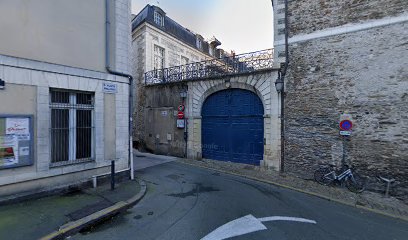
Le New Yorkais
0.4 km
Discover the lively nightlife of Angers at Le New Yorkais, where vibrant music and delicious drinks create unforgettable evenings.
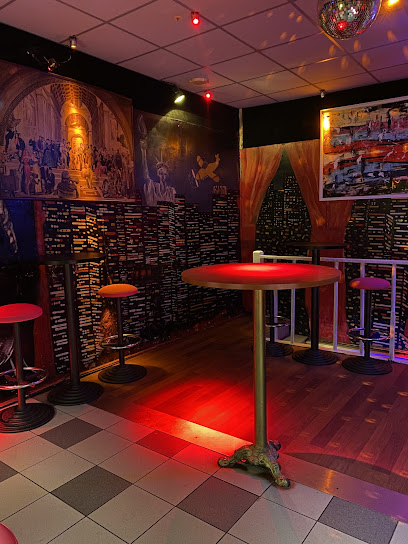
La Chapelle
0.4 km
Discover La Chapelle, Angers' premier disco club, where electrifying music and vibrant nightlife come together for an unforgettable experience.
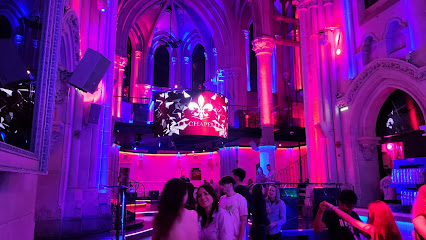
Le Carré
0.5 km
Discover the heart of Angers' nightlife at Le Carré, where electrifying beats and vibrant crowds create an unforgettable experience.
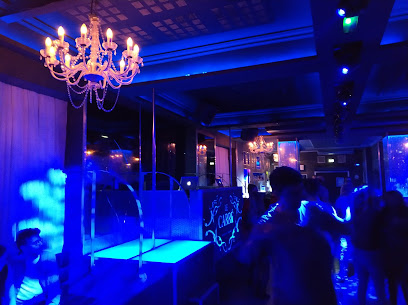
The Beach Club Café (Night Bar Angers)
0.6 km
Discover the electrifying ambiance of The Beach Club Café in Angers, where nightlife meets vibrant social experiences.

T'es Rock Coco, Bistrot Culturel
1.0 km
Discover Angers' cultural gem, T'es Rock Coco, a lively bistro bar with live music, delicious food, and a vibrant atmosphere for all music lovers.
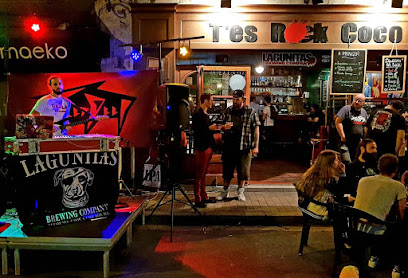
MID'STAR Angers
1.0 km
Discover the energy and excitement of MID'STAR Angers, a top night club destination for unforgettable nightlife experiences in the heart of the city.

L'insolite Club Privé
1.1 km
Discover Angers' exciting nightlife at L'insolite Club Privé, where vibrant beats and a lively atmosphere await every night.
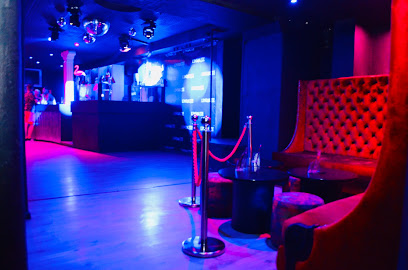
Disothèque club-privé LE ST MARTIN
11.0 km
Discover the pulsating nightlife of Le St Martin Disco Club, where music and dance create unforgettable experiences in Saint-Martin-du-Fouilloux.
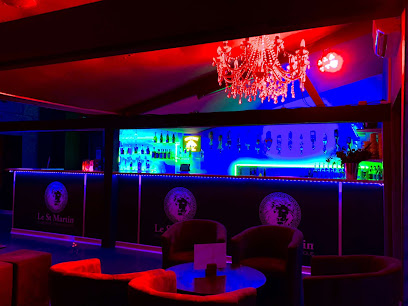
VIP CLUB
59.6 km
Discover the electrifying nightlife at VIP Club in Benais, where the music is alive and the dance floor is waiting for you.
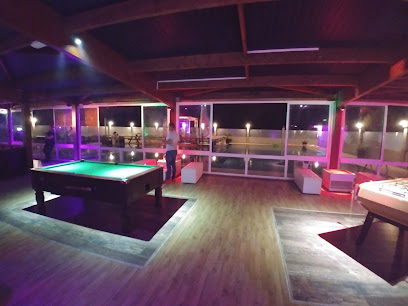
Papa Tango
77.7 km
Discover the vibrant nightlife at Papa Tango, a lively nightclub in Saint-Sébastien-sur-Loire offering eclectic music and great drinks.
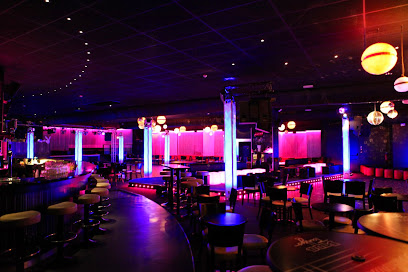
New Factory
80.8 km
Discover the vibrant nightlife of Nantes at New Factory, a must-visit night club and bar offering music, dancing, and an unforgettable atmosphere.
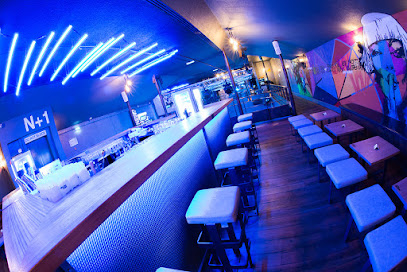
Colors Club
81.0 km
Discover the electrifying nightlife at Colors Club in Nantes, where music and dance come alive in a vibrant atmosphere.
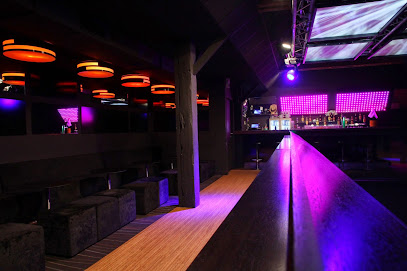
Le temps d aimer
81.0 km
Discover the vibrant nightlife of Nantes at Le temps d aimer, where unforgettable memories and electrifying music come together in perfect harmony.