Château de Gordes: A Citadel of Art and History
Explore the Château de Gordes, a stunning blend of medieval fortress and Renaissance palace, offering art exhibitions and panoramic views in one of Provence's most beautiful villages.
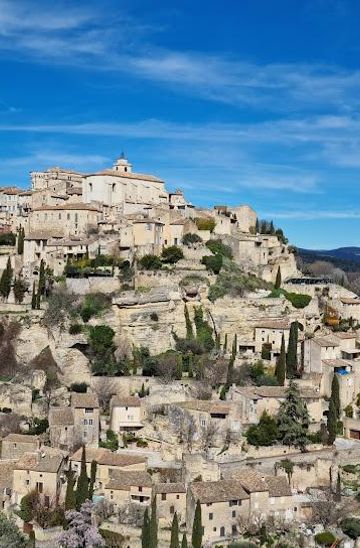
Perched atop the stunning village of Gordes, the Château de Gordes is a captivating blend of medieval strength and Renaissance elegance. For nearly a millennium, this imposing castle has dominated the Luberon valley, offering breathtaking views and a glimpse into Provence's rich past. Originally a medieval fortress dating back to 1031, it was transformed in the 16th century into a more refined Renaissance residence. Today, the château serves as a cultural hub, hosting art exhibitions and offering visitors a chance to explore its historic halls and admire its architectural details, including a remarkable Renaissance fireplace. A visit to the Château de Gordes is a journey through time, showcasing the evolution of this iconic landmark and its enduring connection to the surrounding landscape.
A brief summary to Château de Gordes
- Pl. Genty Pantaly, Gordes, 84220, FR
- Click to display
- Click to display
- Monday 10 am-1 pm
- Tuesday 10 am-1 pm
- Wednesday 10 am-1 pm
- Thursday 10 am-1 pm
- Friday 10 am-1 pm
- Saturday 10 am-1 pm
- Sunday 10 am-1 pm

Know before you go
Hi, I'm Eve. Here are a few practical things to know before exploring Château de Gordes.
- Visit during the off-season (spring or fall) to avoid the summer crowds and enjoy a more peaceful experience.
- Check the château's website for current art exhibitions and events before your visit.
- Wear comfortable shoes for exploring the village's cobblestone streets and the castle's ramparts.
- Allow ample time to explore both the château and the village of Gordes, as both offer unique and rewarding experiences.
- Consider visiting on Tuesday morning to experience the vibrant local market in Gordes.
Do you manage this location?
Take control to get all the benefits, like improved information, better appearance, and stronger visibility across AI-powered discovery. Learn more
Activate your presenceGetting There
-
Walking
The Château de Gordes is located in the heart of Gordes and is easily accessible on foot from anywhere in the village. From the main parking areas outside the village center, follow the signs towards the center (Place Genty Pantaly). The walk involves a moderate uphill climb through the village's charming streets. The château is situated on Place Genty Pantaly, adjacent to the church. Note that the village center is primarily pedestrianized.
-
Public Transport
If arriving by public transport (bus), the bus will drop you off at Place du Château, which is right next to the Château de Gordes. From the bus stop, it's a very short walk to the entrance of the castle. Bus line 917 connects Gordes with Cavaillon, where you can connect to trains from Avignon. A single bus fare from Cavaillon to Gordes is approximately €2-3.
-
Driving
If driving, be aware that parking within Gordes is very limited and often full, especially during peak season. There are several paid parking lots located on the outskirts of the village. From these parking lots, it's a 5-10 minute walk uphill to the Château de Gordes. Parking costs approximately €4 for the day. A municipal by-law prohibits all parking outside the car parks. When coming from the Imberts (or from Cavaillon), a first car park, called the Gendarmerie parking lot, includes: 96 parking spaces for light vehicles, 10 motorhome pitches and a water hydrant and drain. 5 parking spaces for buses.
Discover more about Château de Gordes
Explore the best of what Château de Gordes has to offer













More about Provence
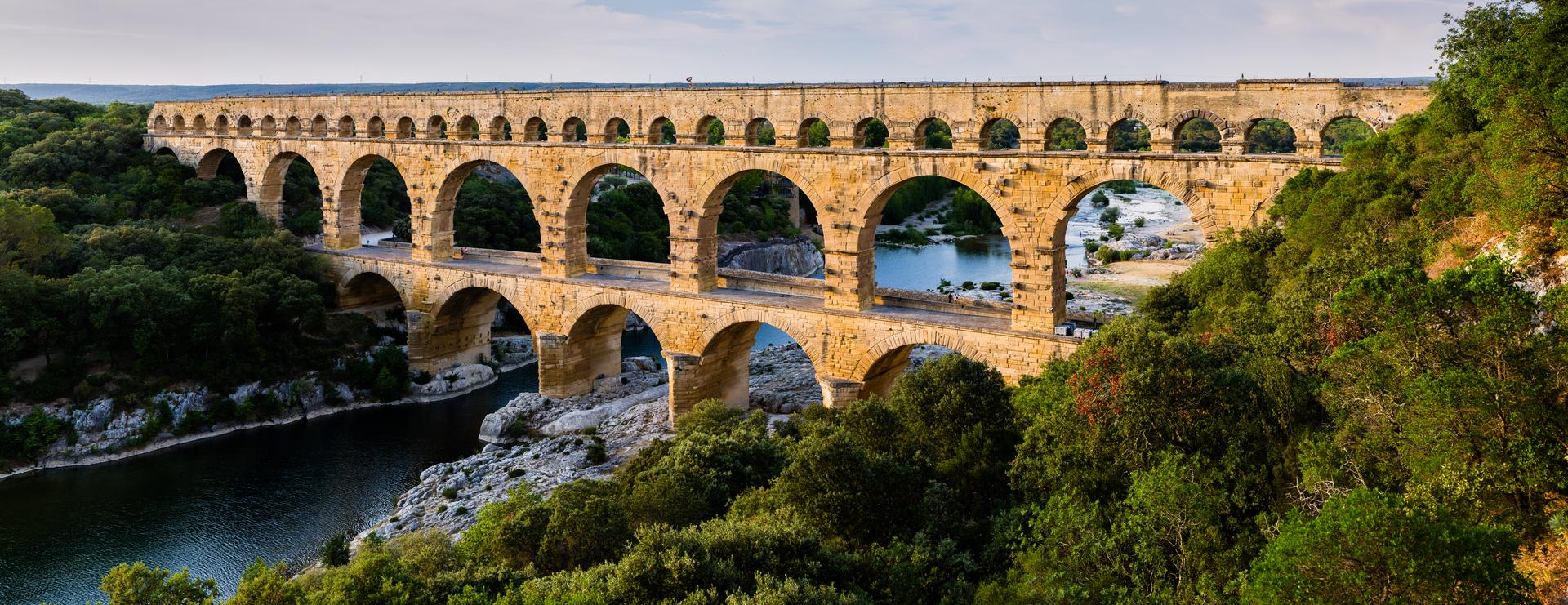
Discover the enchanting allure of Provence, France, where rolling lavender fields, historic towns, and Mediterranean coastline offer a perfect escape.
Tell me more about Provence