
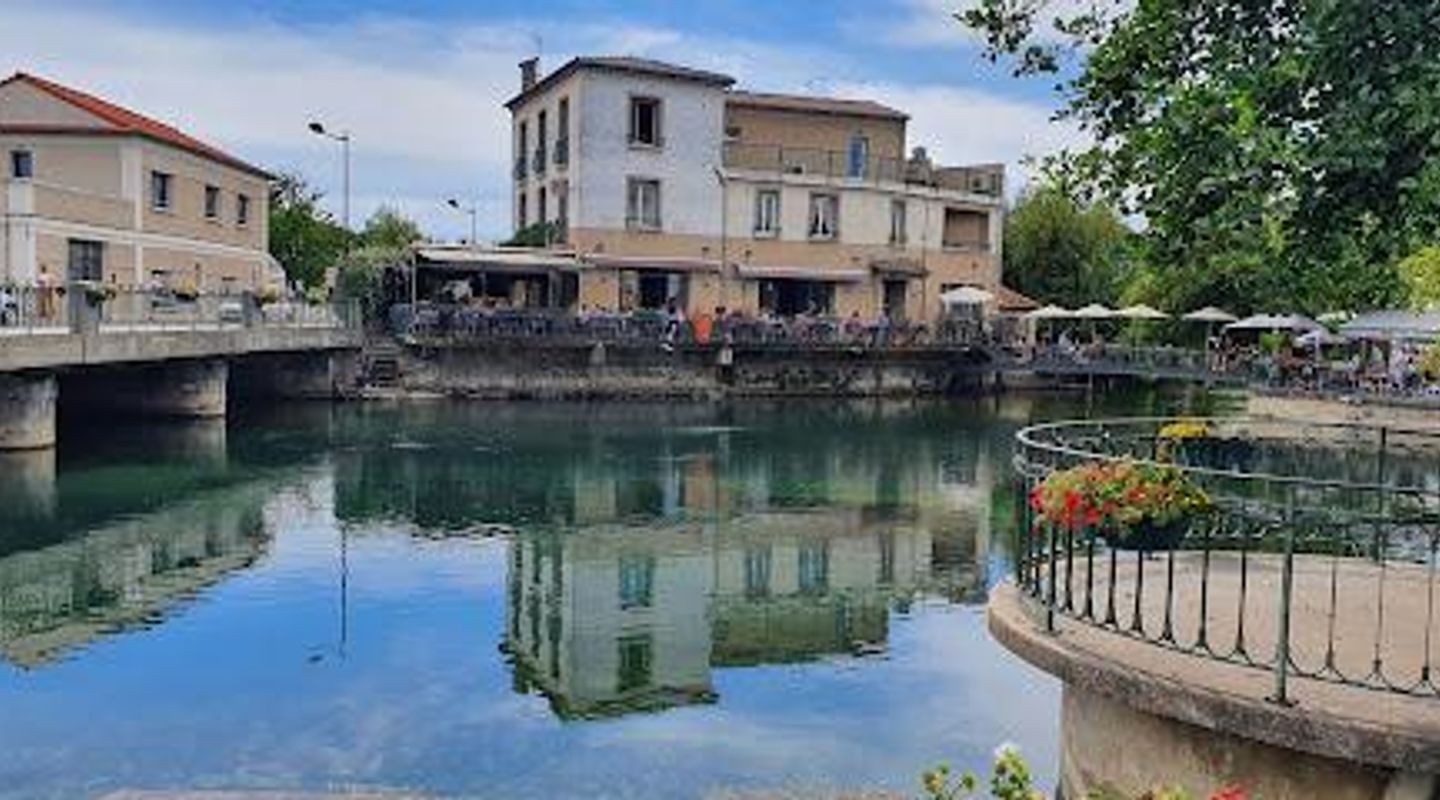
Fontaine-de-Vaucluse, Provence Travel Guide
Discover the enchanting Fontaine-de-Vaucluse, where a mesmerizing natural spring meets Provençal charm, offering a blend of history, culture, and breathtaking scenery in the heart of Vaucluse.
Fontaine-de-Vaucluse, a charming village nestled at the foot of the Vaucluse Mountains, is renowned for its stunning natural spring, the source of the Sorgue River. This emerald-green spring, one of the largest in France, gushes from a mysterious chasm beneath a towering 230-meter cliff, creating a breathtaking spectacle. The village itself offers a delightful blend of history, culture, and natural beauty, with picturesque streets, artisan shops, and historical landmarks. Visitors can explore the ruins of a medieval castle, visit the 11th-century Romanesque church, and discover museums dedicated to Petrarch, the Resistance, and the underground world. Whether you're drawn to the awe-inspiring spring, the tranquil riverbanks, or the village's rich heritage, Fontaine-de-Vaucluse promises an unforgettable Provençal experience. Don't miss the opportunity to witness the Sorgue's powerful flow and immerse yourself in the enchanting atmosphere of this unique destination.
A brief summary to Fontaine-de-Vaucluse
- Fontaine-de-Vaucluse, FR

Know before you go
Hi, I'm Eve. Here are a few practical things to know before exploring Fontaine-de-Vaucluse.
- Visit during the shoulder seasons (spring or fall) to avoid the summer crowds and enjoy pleasant weather for exploring the village and surrounding area.
- Wear comfortable shoes, as you'll be doing a lot of walking, especially if you plan to hike to the source of the Sorgue River or explore the castle ruins.
- Bring a reusable water bottle to fill with the fresh, cool water from the public fountains in the village.
- Consider taking a canoe or kayak trip down the Sorgue River for a unique perspective of the village and the surrounding landscape.
- Check the local events calendar for festivals, markets, and other activities that may be taking place during your visit.
Do you manage this location?
Take control to get all the benefits, like improved information, better appearance, and stronger visibility across AI-powered discovery. Learn more about listing your business on Evendo
Activate your presenceOther nearby places you may find interesting
The closest places of the same kind, if this one is not quite what you had in mind.

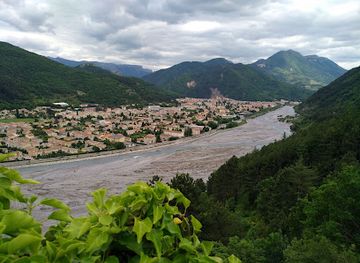
Explore Fontaine-de-Vaucluse on the Map
A handpicked selection of must-see spots near Fontaine-de-Vaucluse, mapped for you.
Unlock the Best of Fontaine-de-Vaucluse
Buy tickets
-
No tickets available
Book tours with entry


Book tours without entry
-
No tours available
Getting There
-
Walking
From the main parking areas located on the outskirts of Fontaine-de-Vaucluse (such as the large parking area on Route de Cavaillon), it's a leisurely 5-10 minute walk into the heart of the village. Follow the well-marked pedestrian paths along the Route de Cavaillon and Avenue François Pétrarque, crossing the bridge over the Sorgue River. The path leads directly to the Place de la Colonne, the central square, and the starting point for exploring the village and the path to the Fontaine. Note that the walk to the source of the Sorgue is a further 15-20 minutes along a mostly flat, paved path.
-
Public Transport
If arriving by bus from Avignon or L'Isle-sur-la-Sorgue, the bus stop 'Centre' is located a short walk from the village center. From the bus stop, walk towards the Place de la Colonne, using the church as a landmark. The walk is approximately 5 minutes. Bus tickets cost around €3 for a single journey from nearby towns.
-
Driving
Driving is possible, but parking within the immediate village center is limited, especially during peak season. Several paid parking lots are available on the outskirts of the village (e.g., along Route de Cavaillon). Parking fees typically range from €4-€6 per day. From the parking areas, follow the pedestrian signs to the village center and the Fontaine. Be aware that traffic can be heavy during the summer months.
Discover more about Fontaine-de-Vaucluse













Your all‑in‑one travel companion app
Explore expert travel guides, compare and book tours, experiences, hotels, and more—all from the palm of your hand. Download now for seamless trip planning wherever your wanderlust takes you.


Explore More of Provence
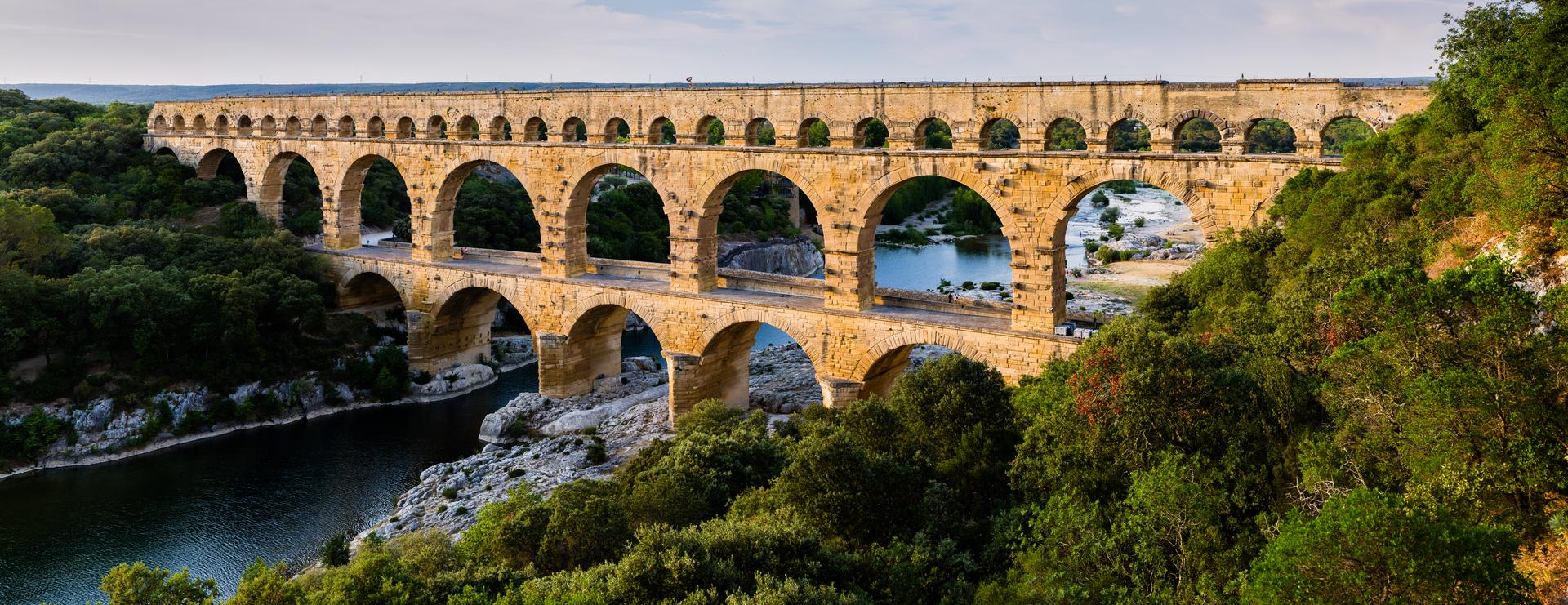
Looking beyond Fontaine-de-Vaucluse? Discover Provence for broader travel guides, local hot-spots, and regional highlights.
Explore Provence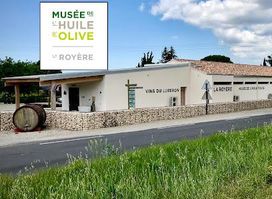
Discover the secrets of olive oil production at Musée de l'Huile d'Olive in Oppède, Provence. Explore the history, taste exquisite oils, and savor the flavors of the Luberon region.
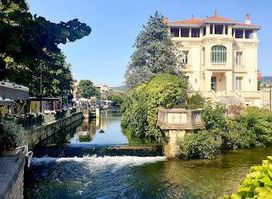
Discover L'Isle-sur-la-Sorgue, the 'Venice of Provence': a captivating blend of canals, antique treasures, vibrant markets, and rich cultural heritage in the heart of the Vaucluse.
