Background

Glanum: Echoes of Ancient Provence

Explore the layered history of Provence at Glanum, an ancient city where Celtic, Greek, and Roman civilizations converged, leaving behind a captivating legacy of ruins and monuments.

4.4

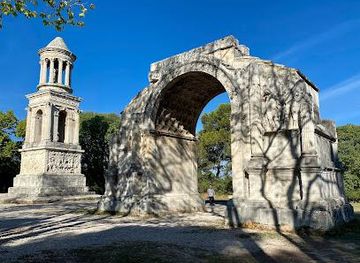
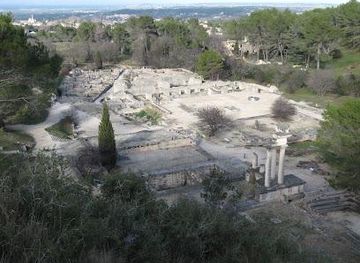
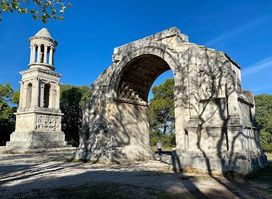
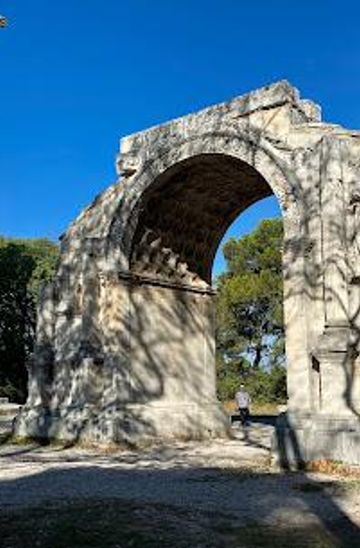
Step back in time at Glanum, an exceptional archaeological site just outside Saint-Rémy-de-Provence. This ancient city, nestled at the foot of the Alpilles mountains, reveals layers of Celtic, Greek, and Roman history. Wander through the ruins of temples, bathhouses, and residential areas, imagining life in this once-thriving urban center. Don't miss 'Les Antiques,' the remarkably preserved mausoleum and triumphal arch that stand as testaments to Glanum's enduring legacy. Explore the museum to discover artifacts unearthed from the site, offering a glimpse into the daily lives and religious practices of Glanum's inhabitants. A visit to Glanum is a captivating journey into the heart of Provence's ancient past, offering a unique perspective on the region's rich cultural heritage.

A brief summary to Les Antiques de Glanum

  • Monday 12 am-12 am
  • Tuesday 12 am-12 am
  • Wednesday 12 am-12 am
  • Thursday 12 am-12 am
  • Friday 12 am-12 am
  • Saturday 12 am-12 am
  • Sunday 12 am-12 am

Local tips

  • Wear comfortable shoes, as you'll be doing a lot of walking on uneven ground while exploring the ruins.
  • Visit early in the morning or late in the afternoon to avoid the midday heat, especially during the summer months.
  • Allow at least 2-3 hours to fully explore the site and the museum.
  • Bring water and sunscreen, as there is limited shade on the site.
  • Consider purchasing a combined ticket for Glanum and the Hôtel de Sade in Saint-Rémy-de-Provence to see more artifacts from the site.
widget icon

Getting There

  • Walking

    From the center of Saint-Rémy-de-Provence, Glanum is an easy 25-minute walk south along the D5 (Route des Baux-de-Provence). Follow the road out of town, passing the hospital on your left. 'Les Antiques' (the Mausoleum and Triumphal Arch) will be visible on the right-hand side of the road, marking the entrance to the Glanum site. Cross the road at the designated crosswalk to reach the visitor center. No costs are associated with walking.

  • Public Transport

    From Saint-Rémy-de-Provence, take bus line 707 towards Maussane-les-Alpilles. The bus stops directly at the 'Site de Glanum' stop. The ride is approximately 5 minutes. Check the ZOU! Proximité bus website for the most up-to-date schedule. A single ticket costs €3.

  • Taxi/Ride-Share

    A taxi or ride-share from the center of Saint-Rémy-de-Provence to Glanum is a quick and convenient option, taking approximately 5 minutes. Expect to pay between €6-€8 for the short trip.

  • Driving

    From Saint-Rémy-de-Provence, follow the D5 (Route des Baux-de-Provence) south for approximately 2 km. Glanum will be on your right. There is a dedicated parking lot across the road from the site entrance. Parking costs €4 for 8 hours.

Unlock the Best of Les Antiques de Glanum

Buy tickets

    No tickets available

Book tours with entry

    No tours available

Book tours without entry

    No tours available

Discover more about Les Antiques de Glanum

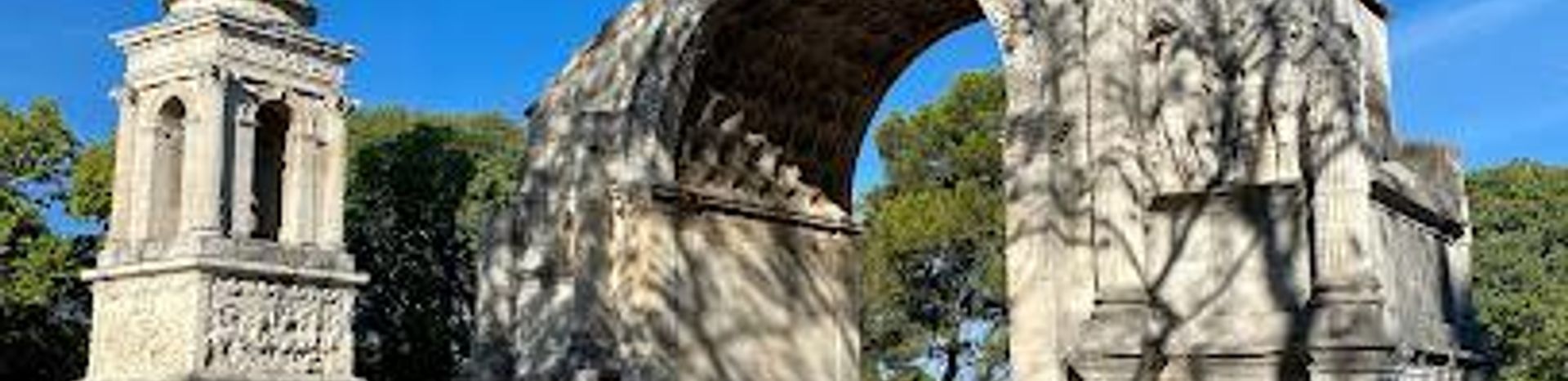
Glanum, an ancient city located just south of Saint-Rémy-de-Provence, offers a captivating glimpse into the layered history of Provence. Nestled at the foot of the Alpilles mountains, this archaeological site reveals traces of Celtic, Greek, and Roman civilizations, inviting visitors to step back in time and explore the echoes of a vibrant past. The story of Glanum begins in the 6th century BC, when the Salyens, a Gallic people, established a settlement in the valley, drawn to a sacred spring believed to possess healing powers. This original settlement, known as Glanon, flourished as a crossroads for trade and cultural exchange, gradually influenced by the neighboring Greek colony of Massalia (modern-day Marseille). The Gallo-Greek culture that emerged blended Celtic traditions with Greek architectural styles and social structures. Visitors can still see remnants of this era in the layout of the city and the foundations of its public buildings. In the 1st century BC, Glanum fell under Roman rule, marking a new chapter in its history. The Romans transformed the city, constructing impressive monuments and public works that reflected their imperial power. The city was renamed Glanum, and it prospered as a Roman oppidum, benefiting from its strategic location along the Via Domitia, a major Roman road. The ruins of temples, bathhouses, and residential areas offer a tangible connection to this period, allowing visitors to imagine the daily lives of Glanum's Roman citizens. Among the most iconic landmarks at Glanum are 'Les Antiques,' a pair of remarkably well-preserved Roman monuments that stand just outside the city's original entrance. These monuments, consisting of a mausoleum and a triumphal arch, served as both a gateway to the city and a testament to the power and prestige of its elite citizens. The Mausoleum of the Julii, a monumental tomb erected in the 1st century BC, features intricate carvings depicting scenes from Roman mythology and military triumphs. The Triumphal Arch, dating from the reign of Emperor Augustus, once served as a ceremonial entrance to the city, adorned with reliefs celebrating Roman victories. As you wander through the ruins of Glanum, you'll encounter the remains of several important public buildings, including the forum, the city's central gathering place, where citizens conducted business, socialized, and participated in religious ceremonies. The public baths, or thermae, offer a glimpse into the daily hygiene practices of the Romans, with their elaborate system of heated rooms and bathing pools. The temples, dedicated to various Roman deities, reflect the religious beliefs and practices of Glanum's inhabitants. The residential areas of Glanum provide insights into the lives of ordinary citizens, with the remains of houses, shops, and workshops lining the city's streets. The House of Atys, a well-preserved residential complex, features a central courtyard, living quarters, and a private bath, offering a glimpse into the lifestyle of a wealthy Roman family. The sacred spring, which originally attracted the Salyens to the site, continued to be a focal point of religious activity throughout Glanum's history. The remains of a temple dedicated to the healing god Glanis stand near the spring, attesting to its enduring significance. Glanum's prosperity came to an end in the 3rd century AD, when the city was sacked by Germanic tribes. The surviving inhabitants abandoned the site, relocating to the nearby settlement of Saint-Rémy-de-Provence. Over time, Glanum was forgotten, its ruins buried beneath layers of earth and vegetation. It was not until the 20th century that archaeologists began to excavate the site, uncovering the treasures that lay hidden beneath the soil. Today, Glanum stands as a testament to the enduring legacy of ancient Provence, offering visitors a unique opportunity to explore the crossroads of Celtic, Greek, and Roman civilizations. The archaeological site is open to the public, allowing visitors to wander through the ruins, marvel at the monuments, and imagine life in this once-thriving city. The on-site museum displays artifacts unearthed from the site, providing valuable context and insights into Glanum's history and culture. A visit to Glanum is a journey into the heart of Provence's ancient past, a chance to connect with the people and events that shaped this remarkable region.

Popular Experiences near Les Antiques de Glanum

Popular Hotels near Les Antiques de Glanum

Select Currency