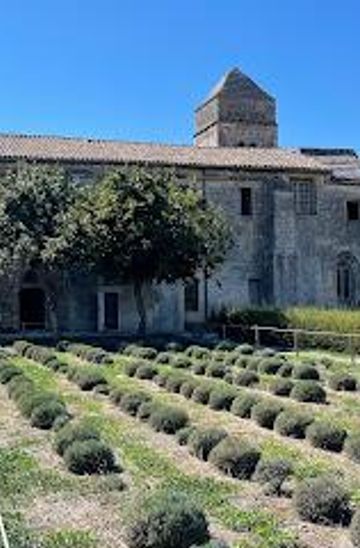
Monastery Saint-Paul de Mausole: Van Gogh's Sanctuary
Discover the serene monastery where Vincent van Gogh found solace and inspiration, creating some of his most iconic masterpieces amidst the beauty of Provence.
The Monastery of Saint-Paul de Mausole, nestled in Saint-Rémy-de-Provence, is an 11th-century Romanesque monastery made famous by Vincent van Gogh, who voluntarily resided here as a patient from 1889 to 1890. During his stay, Van Gogh created over 150 artworks, including iconic pieces like 'The Starry Night' and 'Irises,' inspired by the monastery's serene gardens and the surrounding Provençal landscapes. Today, the monastery continues to function as a psychiatric institution, with parts open to the public, including a museum dedicated to Van Gogh's life and work, a re-creation of his room, and the Romanesque cloister with its meticulously maintained garden. Visitors can walk in Van Gogh's footsteps, explore the grounds that fueled his creativity, and experience the tranquility that offered him solace during a turbulent period of his life. The site provides a poignant intersection of art, history, and healing, making it a compelling destination for art enthusiasts and history buffs alike. The monastery also hosts an art therapy workshop, showcasing works by current patients, and is near the ancient Roman city of Glanum, adding another layer of historical richness to the visit.
A brief summary to Monastery Saint-Paul de Mausole
- 2 VC des Carrières, Saint-Rémy-de-Provence, 13210, FR
- Click to display
- Click to display
- Monday 10:15 am-4:30 pm
- Tuesday 10:15 am-4:30 pm
- Wednesday 10:15 am-4:30 pm
- Thursday 10:15 am-4:30 pm
- Friday 10:15 am-4:30 pm
- Saturday 10:15 am-4:30 pm
- Sunday 10:15 am-4:30 pm

Know before you go
Hi, I'm Eve. Here are a few practical things to know before exploring Monastery Saint-Paul de Mausole.
- Arrive early in the morning to avoid crowds and fully appreciate the tranquility of the monastery and its gardens.
- Take the "Circuit Van Gogh" walking tour from Saint-Rémy to the monastery to see the landscapes that inspired his paintings.
- Visit the art therapy workshop to view and purchase original artwork created by current patients of the psychiatric institution.
- Combine your visit with a trip to the adjacent ancient Roman city of Glanum for a deeper dive into the area's history.
- Check the monastery's website for seasonal hours and special events before planning your visit.
Do you manage this location?
Take control to get all the benefits, like improved information, better appearance, and stronger visibility across AI-powered discovery. Learn more
Activate your presenceOther nearby places you may find interesting
Getting There
-
Public Transport
From the center of Saint-Rémy-de-Provence, take bus line 704, 707, or 7402 to the 'Site de Glanum' stop. The bus ride is approximately 2 minutes and costs €3. From the bus stop, it is a short 6-minute walk (353 meters) to the Monastery of Saint-Paul de Mausole.
-
Taxi/Ride-Share
From the center of Saint-Rémy-de-Provence, a taxi or ride-share to the Monastery of Saint-Paul de Mausole takes about 3 minutes and typically costs between €6 - €8. Taxi services are readily available in the town center.
-
Walking
The Monastery of Saint-Paul de Mausole is approximately a 20-minute walk (1.6 km) from the center of Saint-Rémy-de-Provence. Follow Avenue Pasteur out of town, and continue for 1km. This scenic route includes 19 panels displaying photos of Van Gogh's paintings created during his time in Saint-Rémy. Free parking is available at the monastery.
Discover more about Monastery Saint-Paul de Mausole
Explore the best of what Monastery Saint-Paul de Mausole has to offer
-

Best experiences near Monastery Saint-Paul de Mausole
-

Best hotels near Monastery Saint-Paul de Mausole
-

Best landmarks near Monastery Saint-Paul de Mausole
-

Best shops near Monastery Saint-Paul de Mausole
-

Best restaurants near Monastery Saint-Paul de Mausole
-

Best bars near Monastery Saint-Paul de Mausole








More about Languedoc
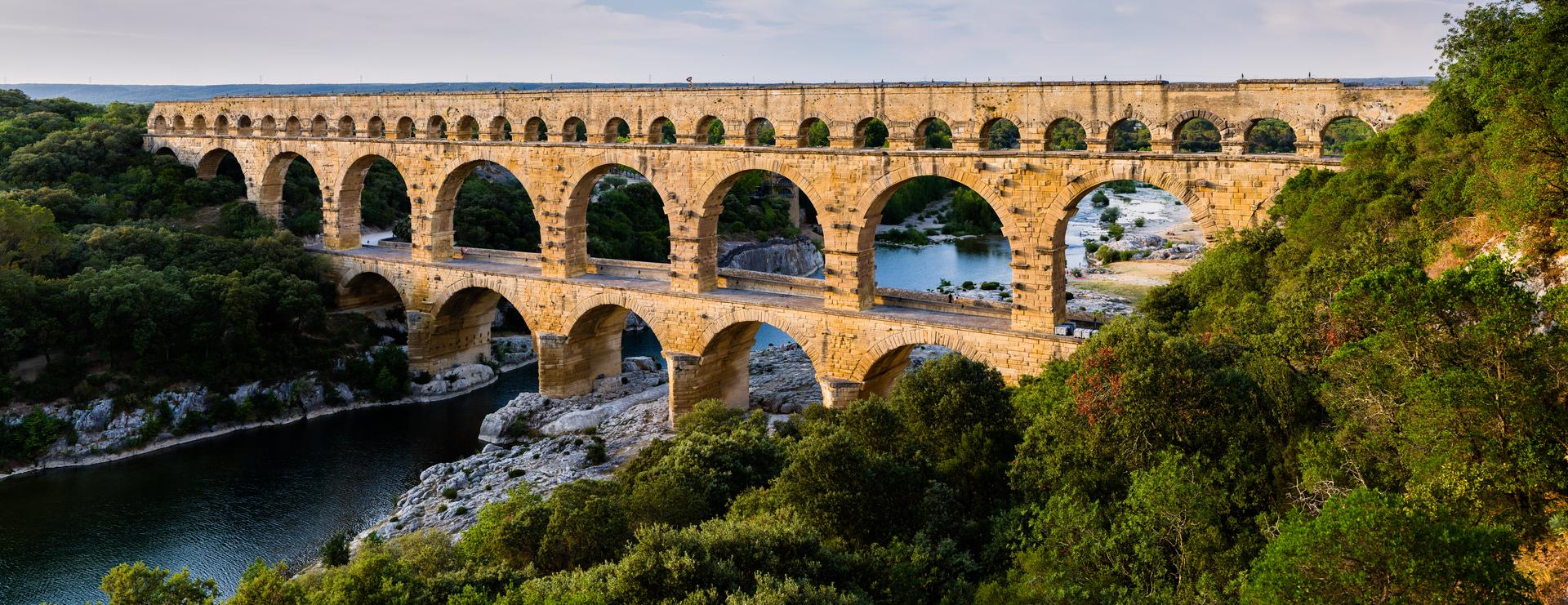
Discover Languedoc, a stunning region in Southern France, filled with medieval castles, vibrant vineyards, pristine beaches, and rich cultural heritage.
Tell me more about Languedoc
Discover the tranquil beauty of Ciel de Provence in Nîmes, where nature meets culture in a stunning French landscape.
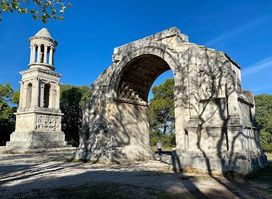
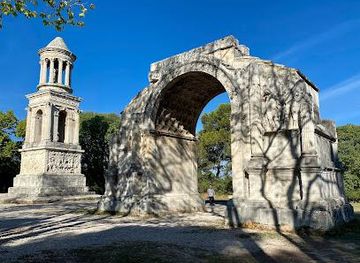
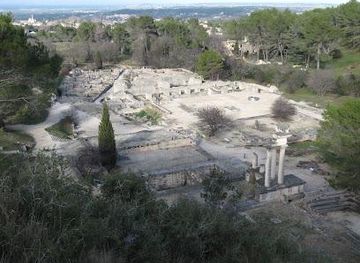
Explore Glanum, an exceptionally preserved Roman city near Saint-Rémy-de-Provence, offering a captivating glimpse into ancient life with temples, baths, and stunning mountain views.