Château du Hâ: A Bastion of Bordeaux's Past
Explore Château du Hâ in Bordeaux, a historic fortress turned judicial center, offering a glimpse into the city's medieval past and architectural evolution, despite limited public access.
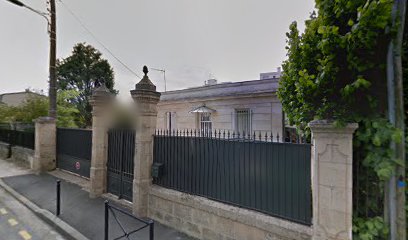
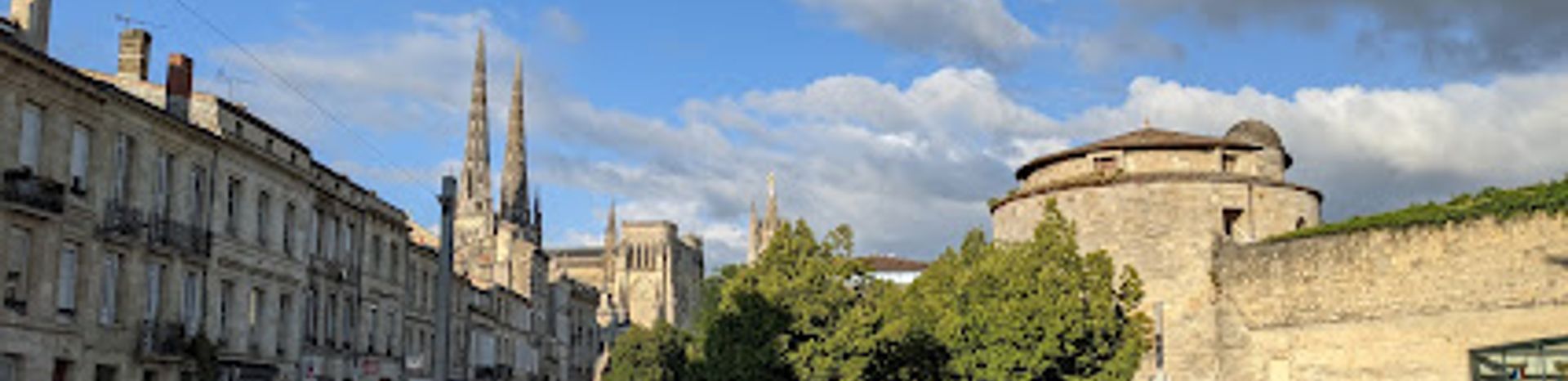
Château du Hâ, a historical landmark in Bordeaux, stands as a testament to the city's complex past. Originally built in the 15th century by Charles VII after the Hundred Years' War, it served as both a fortress to control the city and a residence for royal representatives. Over the centuries, it transformed from a military stronghold to a prison and eventually to its current function housing the École Nationale de la Magistrature and the Tribunal de Grande Instance. While only two towers remain of the original structure, they offer a glimpse into the medieval architecture and the strategic importance of the site. Although public access is limited, the exterior view provides a striking contrast between the ancient fortress and the modern city, making it a worthwhile stop for history enthusiasts exploring Bordeaux. The site is a reminder of the shifting powers and purposes that have shaped Bordeaux over the centuries.
A brief summary to Château du Hâ
- 10 Rue des Frères Bonie, Bordeaux, 33000, FR
Local tips
- While interior access is limited, walk around the perimeter to appreciate the contrast between the medieval towers and the modern courthouse architecture.
- Check for special events like Heritage Days for potential opportunities to access the interior of the Château.
- Combine your visit with a trip to the nearby Musée d'Aquitaine to delve deeper into the history of Bordeaux and the Aquitaine region.

Getting There
-
Public Transport
From Place de la République, a central transport hub, Château du Hâ is a short walk. Alternatively, take Tram line A and disembark at the Hôtel de Ville stop, which is a few minutes walk from the site. A single tram ticket costs approximately €1.70.
-
Walking
From the Hôtel de Ville (City Hall), walk along Rue de la Course towards the Palais de Justice. Château du Hâ will be on your left. The walk is approximately 5-10 minutes, offering views of the surrounding area.
-
Taxi/Ride-Share
A taxi or ride-share from Bordeaux city center to Château du Hâ will typically cost between €8 and €12, depending on traffic. The journey usually takes around 5-10 minutes.
-
Driving
If driving, be aware that parking near Château du Hâ can be limited. The Parking République is nearby, with hourly rates starting at €2.40. Alternatively, street parking may be available, but it can be difficult to find during peak hours. Ensure to pay attention to parking regulations.
Discover more about Château du Hâ
Iconic landmarks you can’t miss

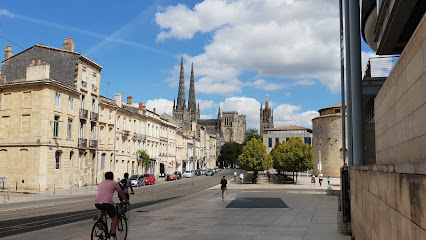
Parvis des Droits de l'Homme
0.0 km
Discover the Parvis des Droits de l'Homme in Bordeaux—an inspiring historical landmark celebrating human rights amidst stunning architecture.
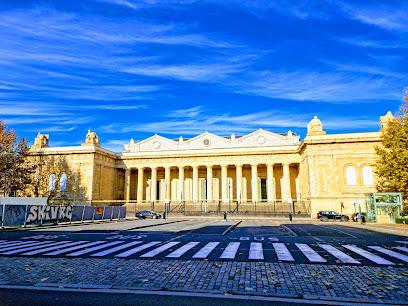
Cour d'Appel de Bordeaux
0.1 km
A historic courthouse in Bordeaux, the Cour d'Appel embodies the solemnity and architectural grandeur of the French justice system.
Place des quinconces
0.1 km
Explore Bordeaux's vast Place des Quinconces: history, monuments, and vibrant events in one of Europe's largest city squares.
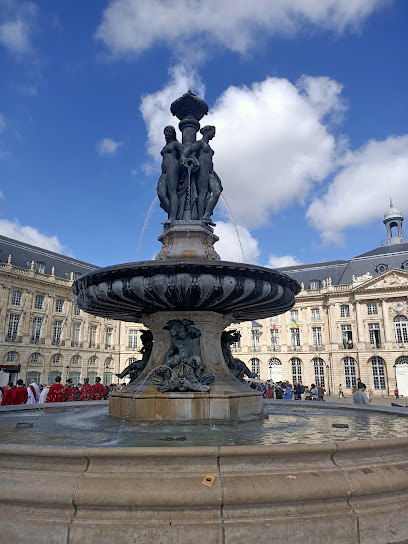
Hôtel de ville de Bordeaux
0.1 km
Discover Bordeaux's Hôtel de Ville, a neoclassical masterpiece with a rich history, located on Place Pey Berland.

Pl. Pey Berland
0.2 km
Discover Bordeaux's central square: a vibrant hub of history, architecture, and culture, crowned by the iconic Pey Berland Tower.
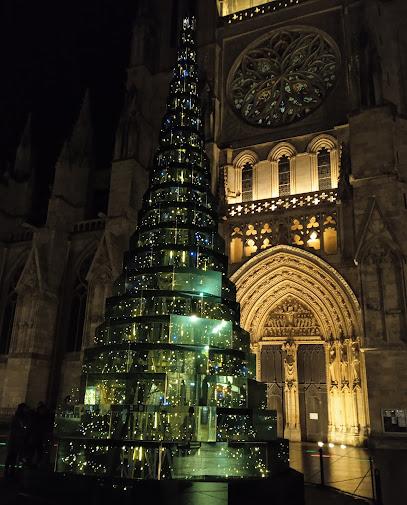
Sejourneur- Place Pey-Berland
0.3 km
Discover Bordeaux's central square, Place Pey-Berland, where history, architecture, and vibrant city life converge to create a memorable experience.
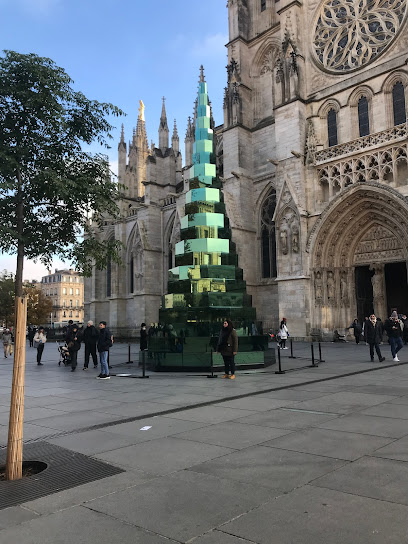
Statue of Jacques Chaban Delmas
0.3 km
A tribute to Jacques Chaban-Delmas, long-serving mayor and Prime Minister, in the heart of Bordeaux's historic Place Pey-Berland.
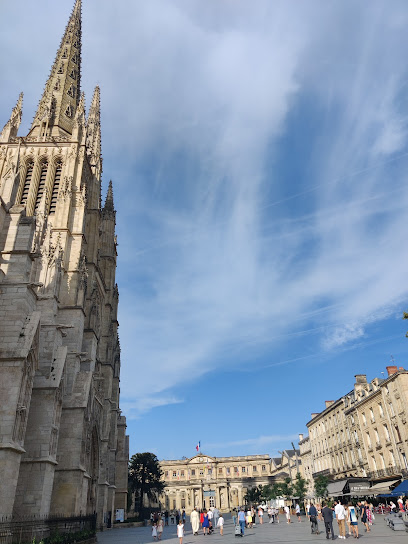
Statue d’Aristide de Sousa Mendes
0.3 km
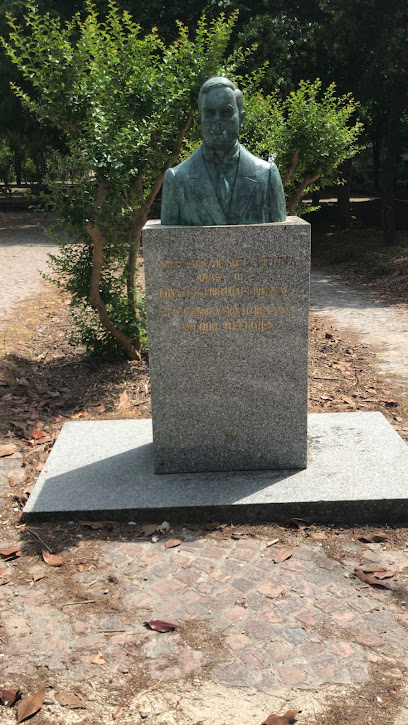
Honoring Aristides de Sousa Mendes: a symbol of courage and compassion during WWII, located on Bordeaux's scenic Esplanade Charles DeGaulle.
Chateau de Myrat
0.3 km
Discover Château de Myrat, a Grand Cru Classé estate in Bordeaux, and indulge in the exquisite flavors of its renowned Sauternes wines.
Bordeaux Guided Tours
0.3 km
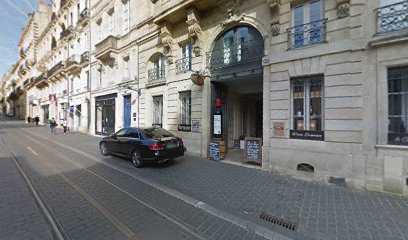
Explore the charm of Bordeaux with guided tours that unveil the city's rich history, stunning architecture, and exceptional wines.
Novotel Bordeaux Centre
0.3 km
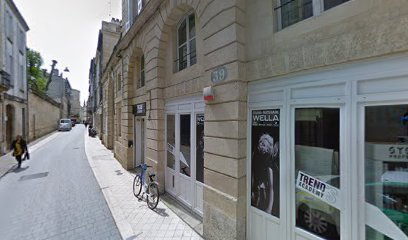
Experience Bordeaux in comfort and style at Novotel Bordeaux Centre, perfectly located to explore the city's iconic landmarks and wine culture.
Sites & Cités remarquables de France
0.4 km
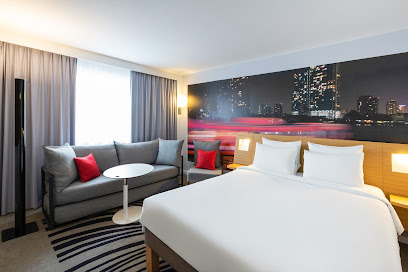
Experience the essence of Bordeaux through the Sites & Cités Remarquables de France, where history and culture intertwine in stunning architectural beauty.
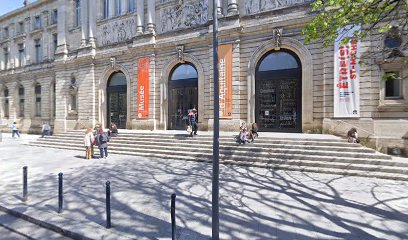
Bordeaux Vignobles
0.4 km
Explore Bordeaux Vignobles, your gateway to the legendary Bordeaux wine region. Discover châteaux, vineyards, and the art of winemaking in France.
Wine Ambassador
0.5 km
Explore Bordeaux's wine heritage with Wine Ambassador, offering immersive vineyard tours and tastings in the heart of France's premier wine region.
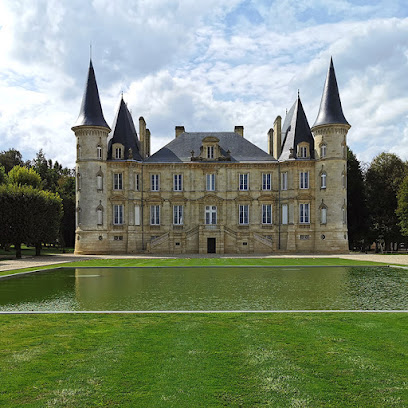
Quality Hotel Bordeaux Centre
0.6 km
Experience Bordeaux's charm from this ideally located hotel, offering comfortable accommodations and easy access to the city's top attractions.

Unmissable attractions to see

Bordeaux Museum of Fine Arts
0.1 km
Discover masterpieces from the 15th to 20th centuries at Bordeaux's Musée des Beaux-Arts, showcasing European art with a focus on French, Flemish, and Dutch masters, plus local Bordeaux artists.
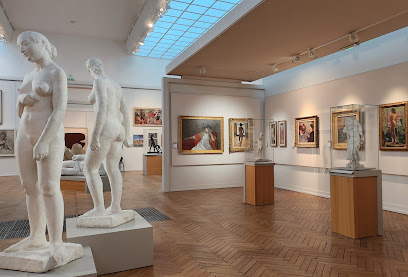
Cathédrale Saint-André de Bordeaux
0.2 km
Discover the Cathédrale Saint-André de Bordeaux, a magnificent Gothic cathedral and UNESCO World Heritage site, steeped in history and architectural splendor in the heart of Bordeaux.
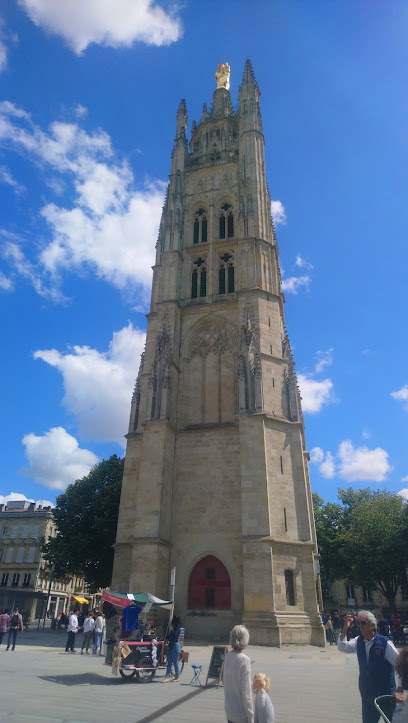
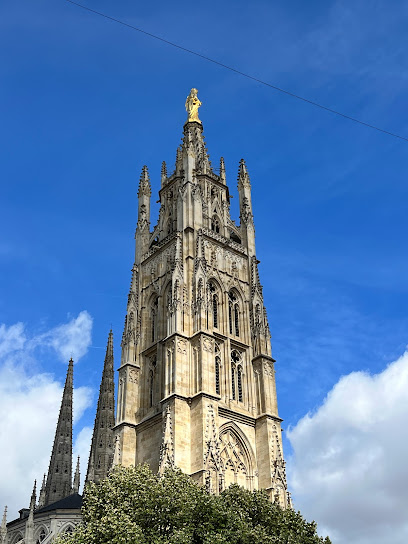
Pey Berland Tower
0.3 km
Ascend Bordeaux's iconic Pey Berland Tower for breathtaking panoramic views and a glimpse into the city's rich history, a true testament to Gothic architecture.
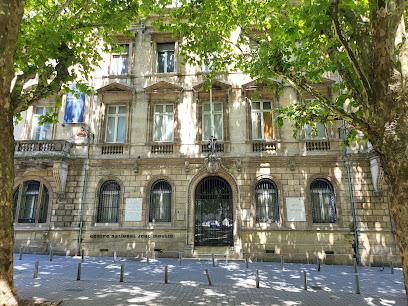
Centre Jean Moulin
0.3 km
Explore the history of the French Resistance, Free French Forces, and WWII deportations at Bordeaux's Centre Jean Moulin, a poignant memorial and educational resource.
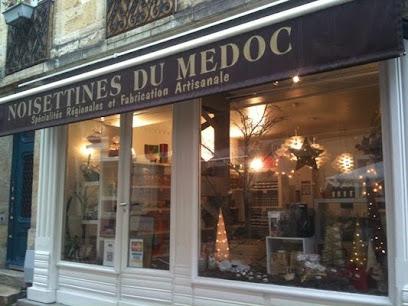
LES NOISETTINES DU MEDOC - BORDEAUX
0.3 km
Indulge in the sweet heritage of Bordeaux at Les Noisettines du Médoc, where artisan chocolates and local flavors create an unforgettable confectionery experience. A taste of tradition awaits!
Musée d'Aquitaine
0.4 km
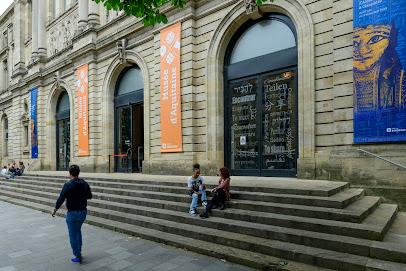
Explore over 400,000 years of history at Musée d'Aquitaine, from prehistoric artifacts to Bordeaux's role in global trade, in one of France's largest regional history museums.
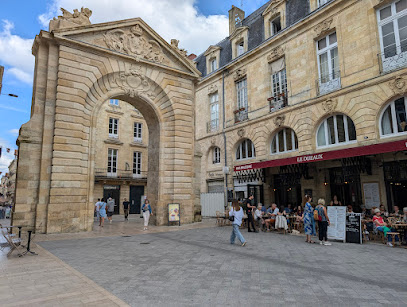
Porte Dijeaux
0.5 km
Discover Porte Dijeaux, Bordeaux's iconic neoclassical gate, a testament to the city's rich Roman past and architectural evolution, seamlessly blending history with the vibrant energy of modern Bordeaux.
Fontaine de la place Saint Projet
0.5 km
Discover the Fontaine de la place Saint Projet in Bordeaux: a historic square with an elegant fountain, offering a tranquil escape and a glimpse into the city's rich heritage.
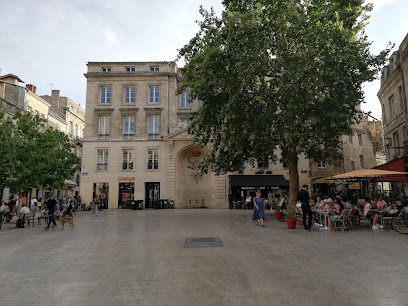
Place Saint-Projet
0.5 km
Discover Place Saint-Projet in Bordeaux: a serene square where history meets modern life, offering a tranquil escape amidst shops, cafes, and cultural events.
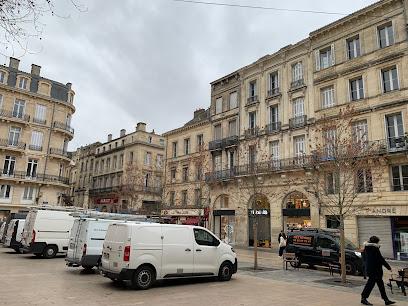
Pl. Gambetta
0.5 km
Discover Place Gambetta in Bordeaux: a revitalized square blending history, lush gardens, and modern design in the heart of the city, offering a tranquil escape and cultural experience.
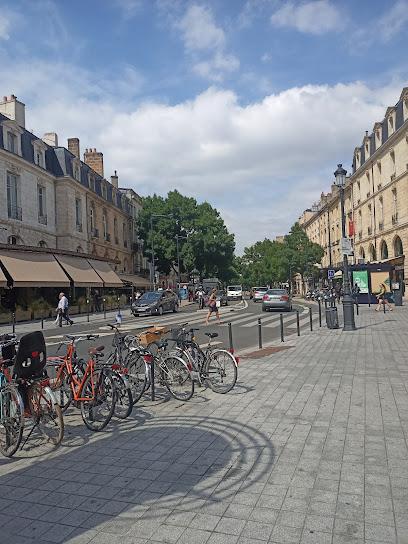
Pl. Fernand Lafargue
0.6 km
Discover Place Fernand Lafargue in Bordeaux: a vibrant square blending medieval history with modern cafes, lively concerts, and a bustling atmosphere in the heart of the city.
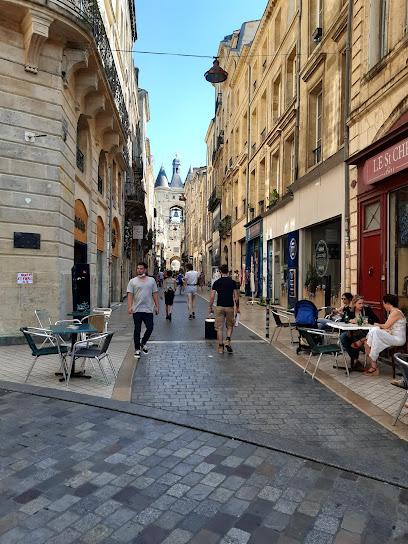
Cinéma Utopia
0.6 km
Experience independent and arthouse cinema in a historic church setting at Cinéma Utopia, Bordeaux. A cultural hub for film lovers, offering diverse screenings and engaging events.
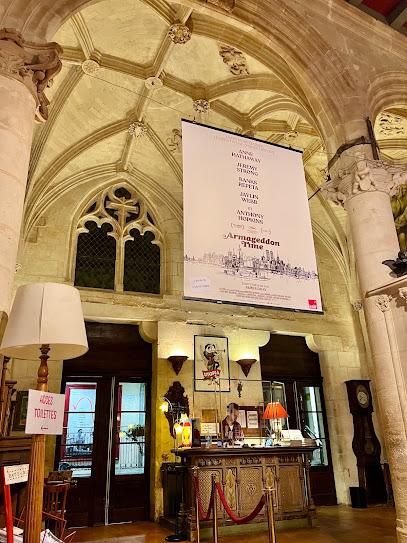
Place Camille Jullian
0.6 km
Discover Place Camille Jullian in Bordeaux: A vibrant square blending history, culture, and modern life, offering a unique experience in the heart of the city's historic district.
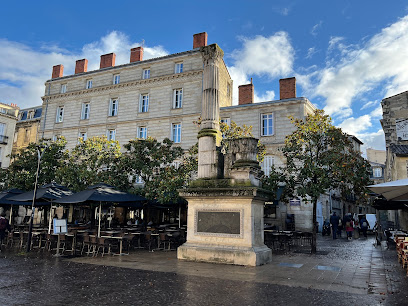
Le Vieux Chaudron
0.7 km
Experience the heart of Bordeaux through its traditional cuisine at Le Vieux Chaudron, a charming restaurant offering authentic flavors and warm hospitality on Rue du Pas-Saint-Georges.
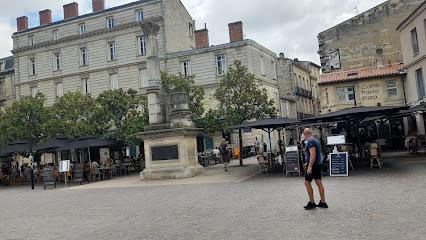
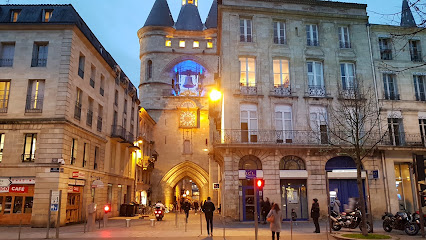
Grosse Cloche
0.7 km
Discover the Grosse Cloche in Bordeaux, a historic bell tower and medieval gate offering a glimpse into the city's rich past and architectural grandeur, a symbol of Bordeaux's enduring spirit.
Essential places to dine

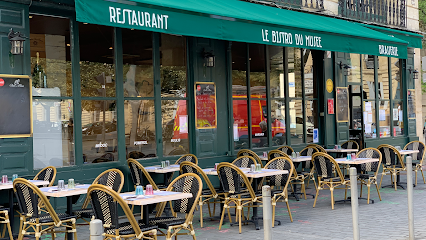
Le Bistro du Musée
0.1 km
Experience authentic French cuisine at Le Bistro du Musée in Bordeaux – where exquisite flavors meet cozy ambiance.
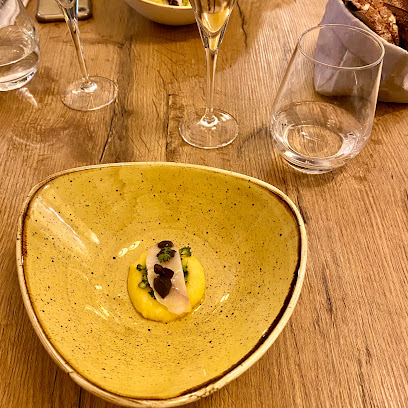
La Fine Bouche
0.2 km
Experience exquisite French dining at La Fine Bouche in Bordeaux – where every dish tells a story of tradition and innovation.
Lauza - Restaurant Bordeaux
0.3 km
Discover culinary delights at Lauza in Bordeaux – where traditional French cuisine meets modern flair in a family-friendly setting.
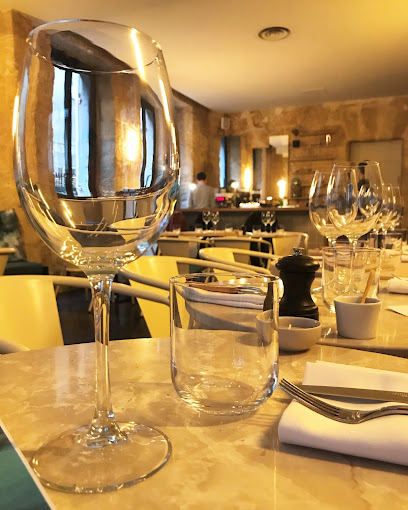
Restaurant Le Chicoula
0.3 km
Experience the exquisite fusion of haute French cuisine and captivating art at Restaurant Le Chicoula in Bordeaux.
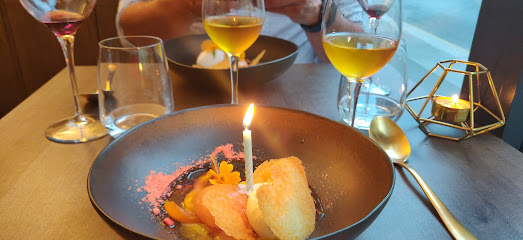
L'Escalette
0.3 km
Experience the essence of French cuisine at L'Escalette in Bordeaux – where every meal tells a story.
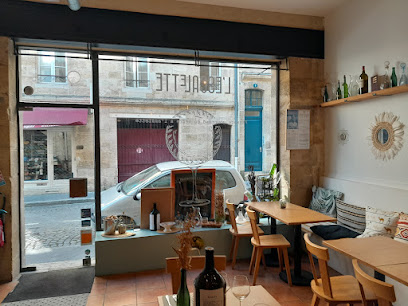
Restaurant Son'
0.4 km
Experience exquisite haute French cuisine at Restaurant Son' in Bordeaux – where tradition meets innovation in every dish.
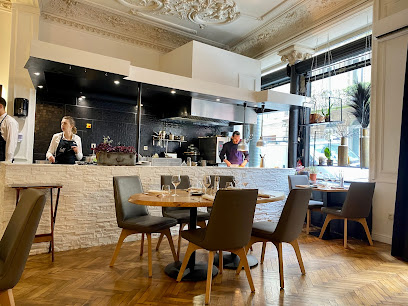
Mama Restaurant Bordeaux
0.4 km
Discover a unique dining experience at Mama Restaurant Bordeaux, where global flavors meet local ingredients in a vibrant setting.
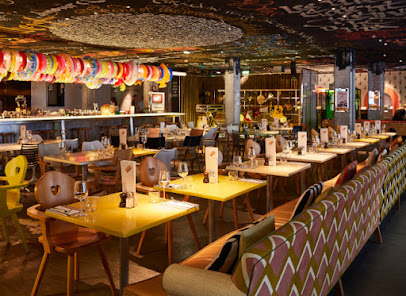
LE LOUP
0.4 km
Experience the finest French cuisine at Le Loup in Bordeaux, where culinary artistry meets local flavors.
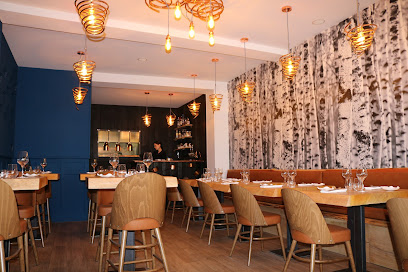
Bo-tannique
0.5 km
Experience the essence of French cuisine at Bo-tannique in Bordeaux – where bold flavors meet elegant dining.
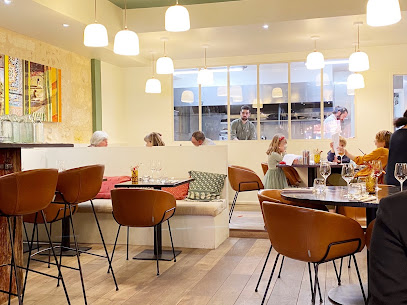
WOODKITCHEN
0.5 km
Discover Woodkitchen: A Culinary Jewel in Bordeaux Offering Exquisite French Cuisine with Locally-Sourced Ingredients.
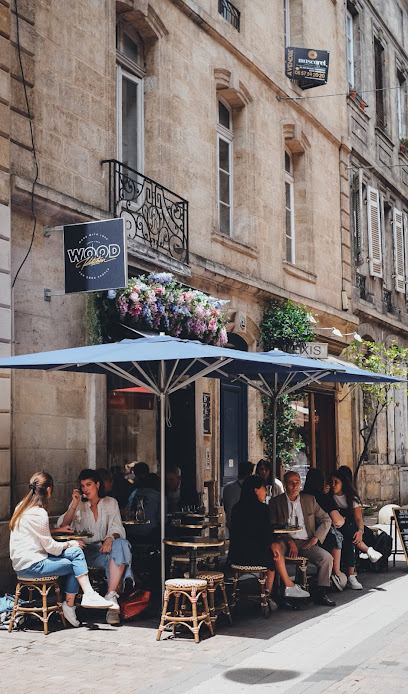
Restaurant Influences
0.5 km
Discover the essence of Haute French cuisine at Restaurant Influences in Bordeaux, where tradition meets innovation in every exquisite dish.
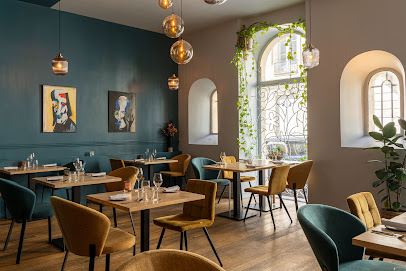
Racines
0.5 km
Discover Racines: A culinary haven in Bordeaux offering exquisite French and Mediterranean dishes paired with exceptional local wines.
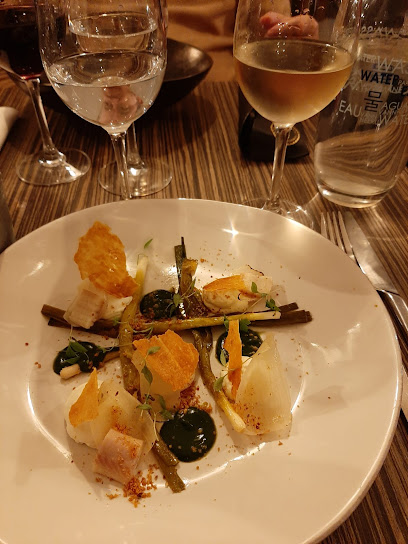
French House
0.6 km
Experience exquisite dining at French House: where classic French cuisine meets modern cocktail culture in the heart of Bordeaux.
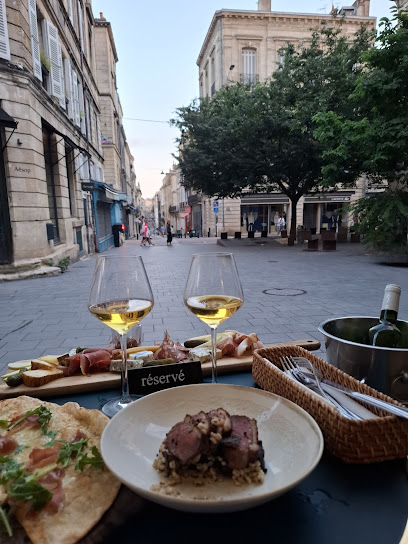
Modjo
0.6 km
Discover the art of fine dining at Modjo in Bordeaux – where modern French cuisine meets health-conscious delights in an inviting atmosphere.
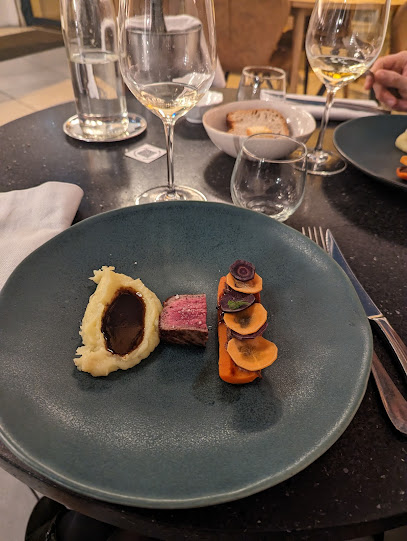
L'Exquis
0.6 km
Experience exquisite French cuisine at L'Exquis in Bordeaux—where every dish tells a story.
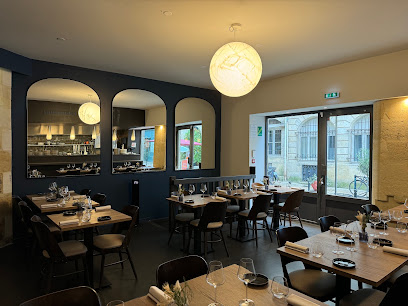
Markets, malls and hidden boutiques

Les Sisterettes - Boutique de prêt-à-porter et accessoires féminins
0.3 km
Explore Les Sisterettes, a chic women's boutique in Bordeaux offering unique fashion and accessories that embody style and elegance.
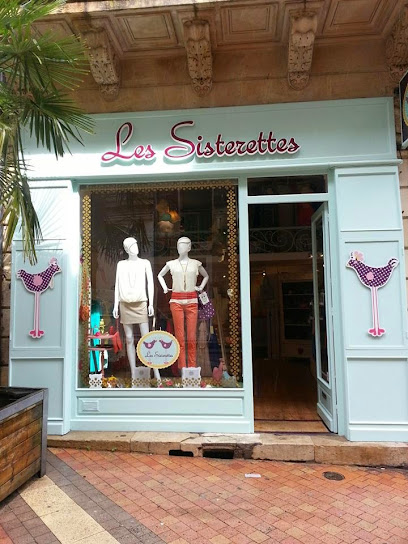
Le Cycle Du Vin
0.3 km
Explore Bordeaux's wine culture at Le Cycle Du Vin, where a world of exquisite flavors awaits every wine enthusiast.
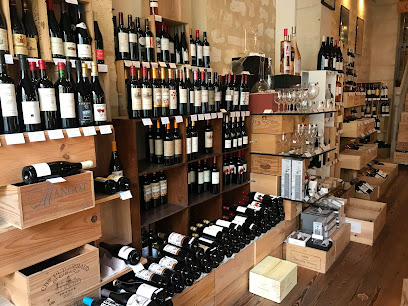
Little green cocoon
0.3 km
Discover unique fashion accessories and souvenirs at Little Green Cocoon, a charming gift shop in the heart of Bordeaux.
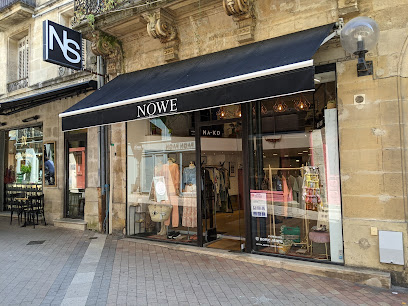
Nowe Store
0.3 km
Explore Nowe Store in Bordeaux for chic women's fashion that blends modern trends with timeless elegance, all in a charming boutique setting.
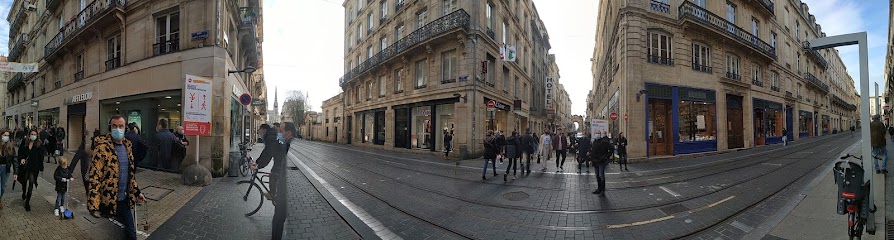
Saint-Christoly
0.4 km
Explore the heart of Bordeaux at Saint-Christoly Shopping Mall, a vibrant destination featuring diverse shops, dining, and local flair.
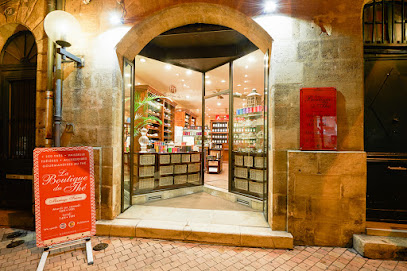
The Tea Shop
0.4 km
Discover a world of exquisite teas at The Tea Shop, a tranquil retreat in the heart of Bordeaux, perfect for every tea lover.
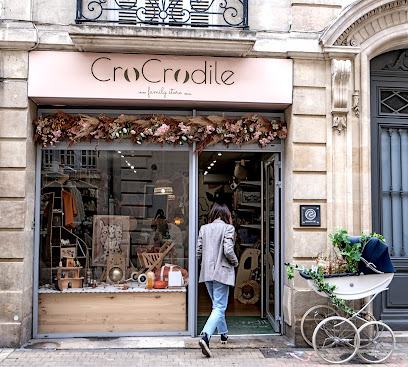
Crocrodile - Boutique Enfant / Bébé Bordeaux
0.4 km
Explore Crocrodile in Bordeaux for trendy children's fashion, quality baby wear, unique toys, and a delightful shopping experience.
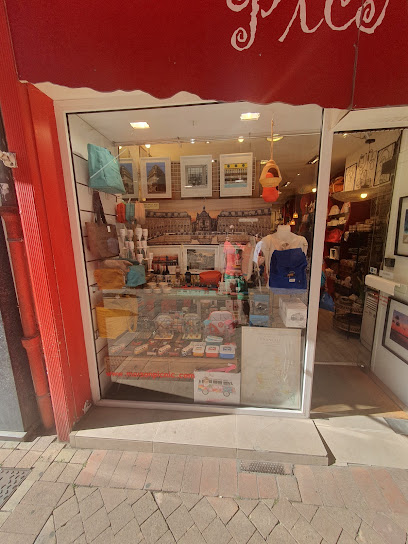
Picnic
0.4 km
Explore Picnic in Bordeaux for unique, locally-sourced gifts that capture the city's charm and culture, perfect for souvenirs and special finds.
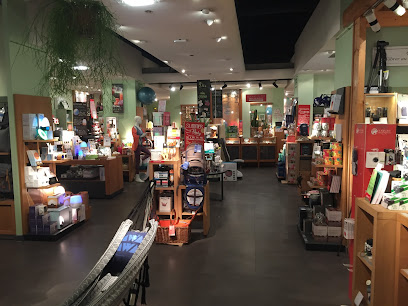
Nature and Discoveries
0.4 km
Discover unique nature-themed gifts and artisanal crafts in Bordeaux's beloved Nature and Discoveries shop, a treasure for eco-conscious travelers.
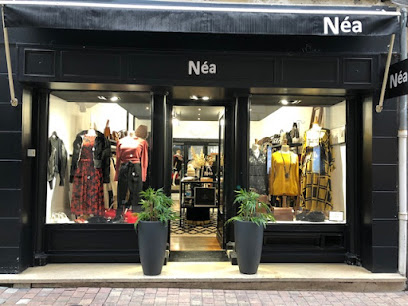
Nea Concept Store
0.5 km
Explore the chic Nea Concept Store in Bordeaux for uniquely curated dresses that embody contemporary French fashion and style.
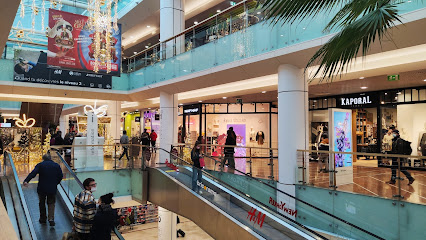
Mériadeck
0.5 km
Discover Mériadeck, Bordeaux's vibrant shopping mall, offering a unique blend of retail, dining, and cultural experiences in a stunning modern setting.
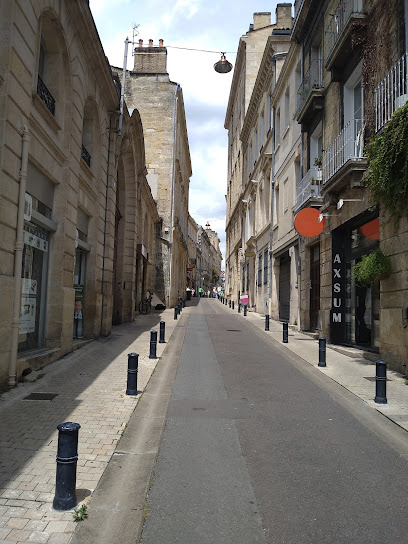
Axsum Créateurs Mode Bordeaux
0.5 km
Explore the chic selection at Axsum Créateurs Mode in Bordeaux, where local fashion meets personalized service in a stylish boutique.
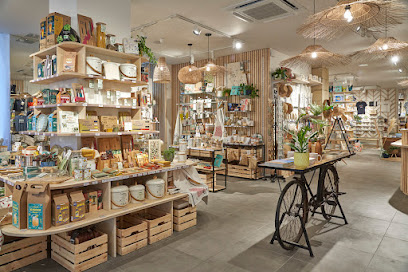
Altermundi Bordeaux
0.5 km
Explore Altermundi Bordeaux, where unique gifts and sustainable products meet local artisanship in the heart of the city.
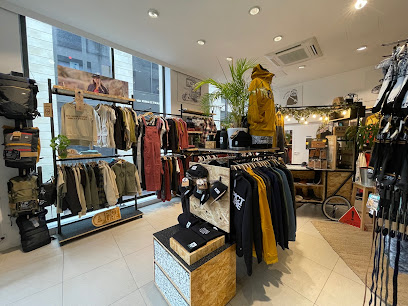
Picture Store Bordeaux
0.5 km
Immerse yourself in eco-friendly fashion at Picture Store Bordeaux, where style meets sustainability in the heart of the city.
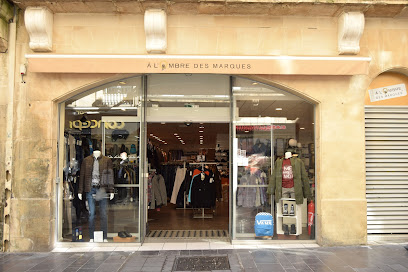
À l'Ombre des Marques | Bordeaux
0.5 km
Discover unique fashion treasures at À l'Ombre des Marques, Bordeaux's chic clothing store offering style and quality in a vibrant shopping atmosphere.
Essential bars & hidden hideouts

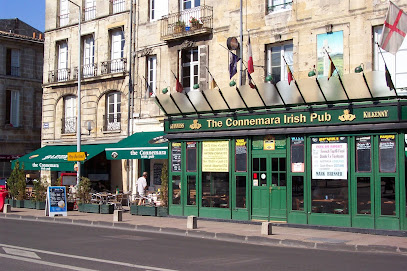
The Connemara
0.2 km
Experience the warmth of Irish culture at The Connemara, a lively pub in Bordeaux offering delicious food, drinks, and a vibrant atmosphere.
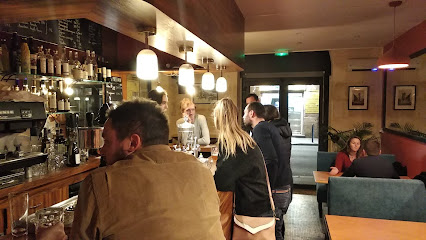
Bela Aquitania Bar Brasserie
0.3 km
Experience the best of Bordeaux at Bela Aquitania Bar Brasserie, where craft beer, fine wines, and local flavors come together in a cozy atmosphere.
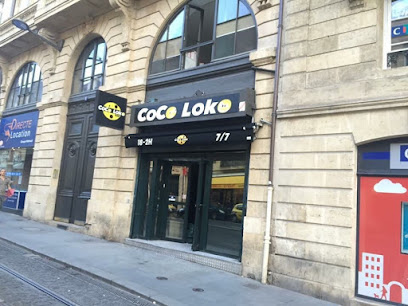
Coco Loko - Bar Ambiance Friendly à Bordeaux
0.3 km
Experience the vibrant nightlife of Bordeaux at Coco Loko, a friendly bar offering crafted cocktails and an inclusive atmosphere for all.
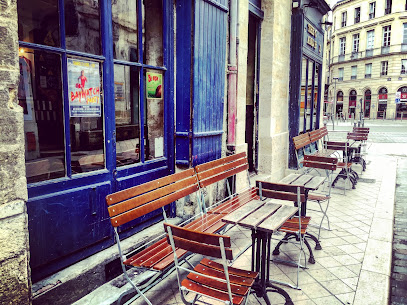
The Cock And Bull
0.3 km
Experience the vibrant atmosphere and delightful beverages at The Cock And Bull, a charming pub in the heart of Bordeaux, perfect for socializing and relaxation.
Space Factory - craft beer
0.3 km
Discover the heart of craft brewing at Space Factory in Bordeaux, where every pint tells a story and every visit feels like home.
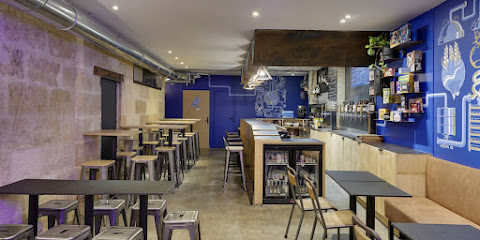
Le fiacre
0.3 km
Discover the vibrant nightlife of Bordeaux at Le Fiacre, a bar that offers a unique blend of cocktails, live music, and a welcoming atmosphere.
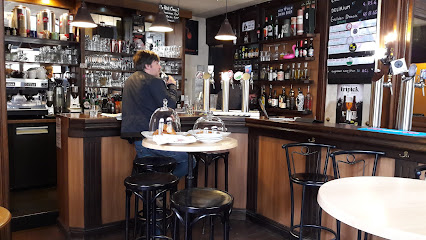
LORD LION Bar Pub
0.4 km
Discover the lively spirit of Bordeaux at Lord Lion Bar Pub, where cocktails, karaoke, and camaraderie come together for an unforgettable night.
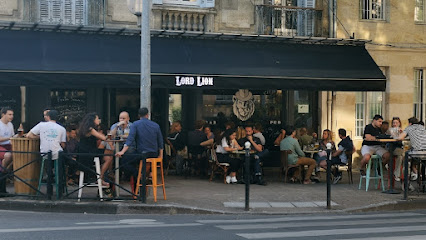
Chez le Pépère
0.5 km
Discover the essence of Bordeaux at Chez le Pépère, where fine wines and exquisite tapas create an unforgettable experience.
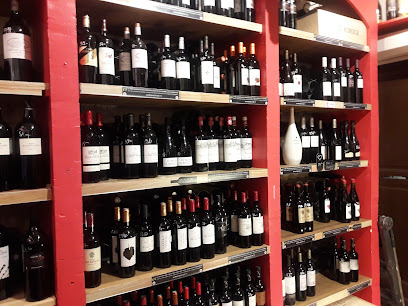
The Blarney Stone
0.5 km
Discover the unique blend of Irish pub culture and Bordeaux charm at The Blarney Stone, your go-to destination for drinks and live music.
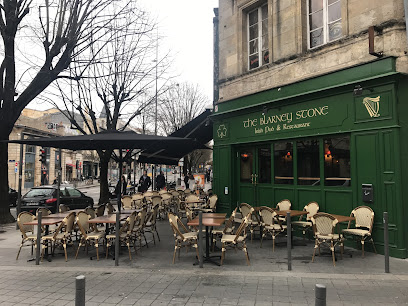
Very Bar Trip
0.5 km
Discover the lively atmosphere and exquisite cocktails at Very Bar Trip, a must-visit bar in the heart of Bordeaux's nightlife scene.
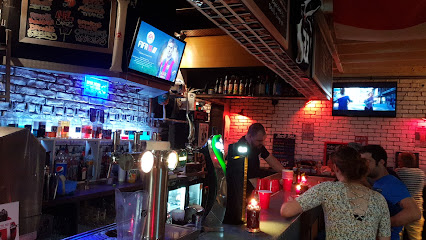
L'ENGRENAGE - Bar & Chill
0.5 km
Experience the vibrant nightlife of Bordeaux at L'Engrenage, a trendy bar offering a diverse drink selection and a relaxed atmosphere.
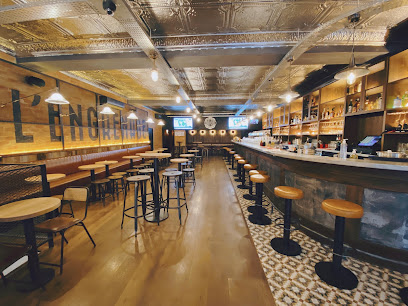
Bar Casa Bordeaux by Ginto Hotels
0.5 km
Experience the sophisticated charm of Bar Casa Bordeaux – a cocktail oasis nestled in the Grand Hotel Français, perfect for relaxing and unwinding.
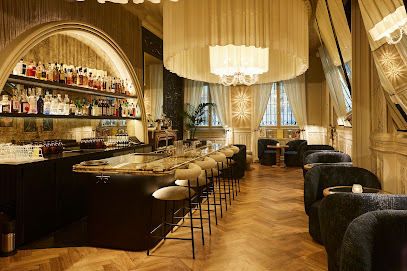
The Black Cat Pub
0.6 km
Discover the vibrant atmosphere of The Black Cat Pub in Bordeaux, where local charm meets expertly crafted cocktails and lively nightlife.
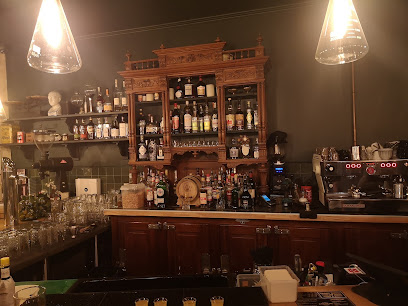
La Vie Moderne
0.6 km
Discover the lively ambiance and diverse drink offerings at La Vie Moderne, a must-visit bar in the heart of Bordeaux.
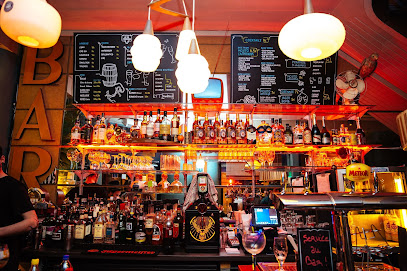
L'apollo bar
0.6 km
Experience the lively ambiance of L'apollo Bar in Bordeaux, where locals and tourists mingle over exquisite drinks in a charming setting.
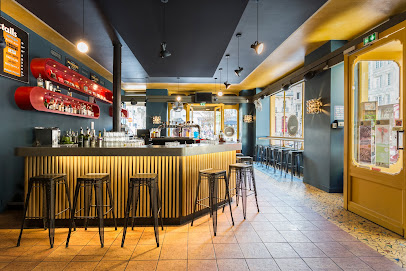
Nightclubs & after hour spots

moncalorifugeagegratuit
0.5 km
Dive into Bordeaux's nightlife at Moncalorifugeagegratuit, where electrifying music and vibrant atmosphere create unforgettable nights.
Traxx Cruising Club Bordeaux
0.6 km
Discover the electric atmosphere of Traxx Cruising Club in Bordeaux, a must-visit gay bar and nightclub for an unforgettable night out.
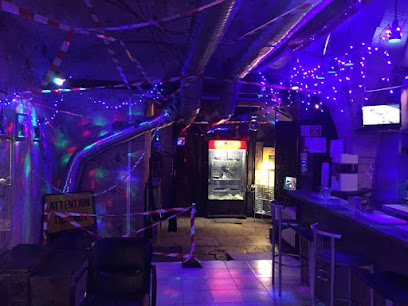
Boom Boom Club Bordeaux
0.7 km
Dive into the nightlife at Boom Boom Club Bordeaux, where electrifying beats and vibrant energy create unforgettable memories in the heart of the city.
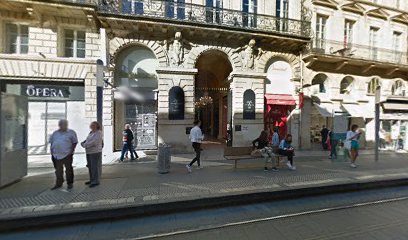
Black Diamond - Bordeaux
0.7 km
Discover the vibrant nightlife of Bordeaux at Black Diamond, where the music is hot and the dance floor is alive until dawn.
L'orangeade
0.8 km
Experience the vibrant nightlife of Bordeaux at L'orangeade, where music, dance, and fun converge in a lively disco atmosphere.
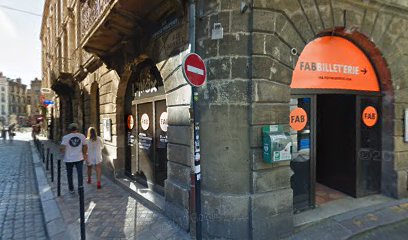
Le Cercle - Boite de nuit à Bordeaux
0.9 km
Discover the electrifying nightlife of Bordeaux at Le Cercle, a premier night club offering unforgettable music and vibrant dance experiences.
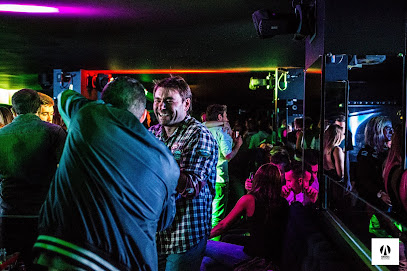
Le Monseigneur
0.9 km
Discover the heart of Bordeaux's nightlife at Le Monseigneur, where vibrant music and an energetic ambiance await you.
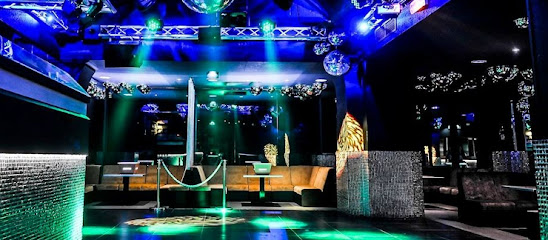
Mastmktdig - un monde à vivre
1.4 km
Mastmktdig: Bordeaux's premier rock music club offering electrifying performances and a vibrant nightlife experience.
Ultra Klubs
1.6 km
Experience the pulsating nightlife at Ultra Klubs, Bordeaux's premier night club featuring electrifying music and an energetic crowd.
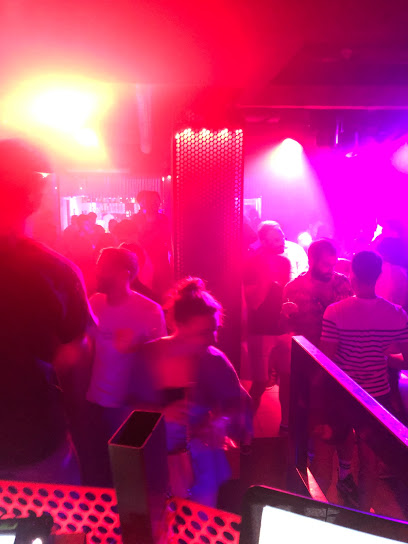
BAM Karaoke Box Bordeaux - Chartrons
1.7 km
Experience the thrill of karaoke at BAM Karaoke Box Bordeaux - Chartrons, where great music and cocktails meet for an unforgettable night out.
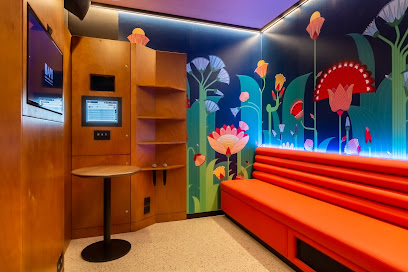
OPAL club lounge
1.8 km
Experience the vibrant nightlife of Bordeaux at OPAL Club Lounge, where electrifying music and stylish surroundings create unforgettable nights.
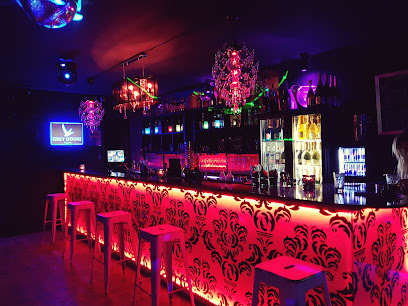
Light Club de Bordeaux - Bordeaux
2.2 km
Discover the electric atmosphere of Light Club de Bordeaux, a must-visit destination for nightlife lovers in the heart of Bordeaux.
Pachanga Club Bordeaux
2.2 km
Dive into the vibrant nightlife of Bordeaux at Pachanga Club, where music, dance, and fun come together for an unforgettable experience.
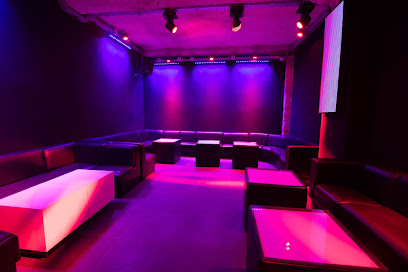
Discothèque La Plage - Bordeaux
2.2 km
Discover Bordeaux's nightlife at Discothèque La Plage, a vibrant club on the riverside offering unforgettable dance and music experiences.
Fiesta balcons et jardins
2.4 km
Experience the vibrant nightlife of Bordeaux at Fiesta Balcons et Jardins, where outdoor elegance meets electrifying music and dance.