

Porte Dijeaux, Bordeaux Travel Guide
Discover Bordeaux's Porte Dijeaux, a neoclassical masterpiece and historic gateway, offering a glimpse into the city's rich past and architectural elegance near Place Gambetta.
The Porte Dijeaux, a magnificent neoclassical gate in Bordeaux, France, stands as a testament to the city's rich history and architectural evolution. Originally dating back to Roman times as the Porta Jovis, the current structure was erected between 1748 and 1753 under architect André Portier, as part of Intendant Tourny's urban renewal project. This elegant gate, adorned with sculptures and intricate details, has witnessed centuries of change, from the French Revolution to Bordeaux's modern transformation. Located near Place Gambetta and Rue Sainte-Catherine, it serves as a cultural symbol and a picturesque highlight for visitors exploring the city's central quarters. Its design reflects Enlightenment ideals, offering a glimpse into Bordeaux's past and present.
A brief summary to Porte Dijeaux
- 90 Rue de la Prte Dijeaux, Bordeaux, 33000, FR
- Click to display

Know before you go
Hi, I'm Eve. Here are a few practical things to know before exploring Porte Dijeaux.
- Visit during the spring or autumn months for pleasant weather and fewer crowds.
- Explore nearby attractions such as Place Gambetta, Rue Sainte-Catherine, and the Grand Théâtre de Bordeaux.
- Take advantage of the free access to the gate and explore it at your own pace.
- Capture the beauty of the architecture with photographs, especially during the golden hour for optimal lighting.
- Check for local events or festivals happening in Place Gambetta for a more vibrant experience.
Do you manage this location?
Take control to get all the benefits, like improved information, better appearance, and stronger visibility across AI-powered discovery. Learn more about listing your business on Evendo
Activate your presenceOther nearby places you may find interesting
The closest places of the same kind, if this one is not quite what you had in mind.
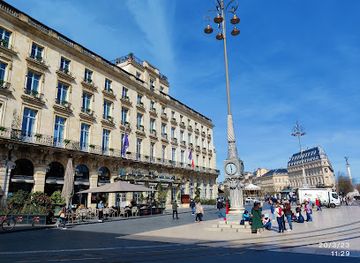
Explore Porte Dijeaux on the Map
A handpicked selection of must-see spots near Porte Dijeaux, mapped for you.
Unlock the Best of Porte Dijeaux
Buy tickets
-
No tickets available
Book tours with entry


Getting There
-
Walking
From Place Gambetta, walk east along Rue des Dijeaux. The Porte Dijeaux will be directly ahead, marking the entrance to the old city. The walk is short and straightforward, taking only a few minutes. No costs are associated with this approach.
-
Public Transport
The nearest tram stop is 'Gambetta' served by tram lines B and D. From the tram stop, walk east towards Place Gambetta and then follow Rue des Dijeaux to reach Porte Dijeaux. A single tram ticket costs €1.80 and is valid for one hour of travel, allowing transfers between trams and buses. Tickets can be purchased at the tram stop vending machines.
-
Taxi/Ride-Share
A taxi or ride-share from Bordeaux city center (e.g., Place de la Bourse) to Porte Dijeaux will typically cost between €8 and €12, depending on traffic and the specific starting point. The journey is short, usually taking around 5-10 minutes. There are no tolls or additional fees.
-
Driving
If driving, be aware that parking near Porte Dijeaux is limited and can be expensive. Street parking is available in the surrounding area, but it is subject to time restrictions and fees. Expect to pay around €2 for 1 hour. Alternatively, several parking garages are within walking distance, such as Parking Bourse, with hourly rates starting at €2.30. Be mindful of the restricted traffic zone in the city center.
Discover more about Porte Dijeaux













Your all‑in‑one travel companion app
Explore expert travel guides, compare and book tours, experiences, hotels, and more—all from the palm of your hand. Download now for seamless trip planning wherever your wanderlust takes you.


Explore More of Bordeaux
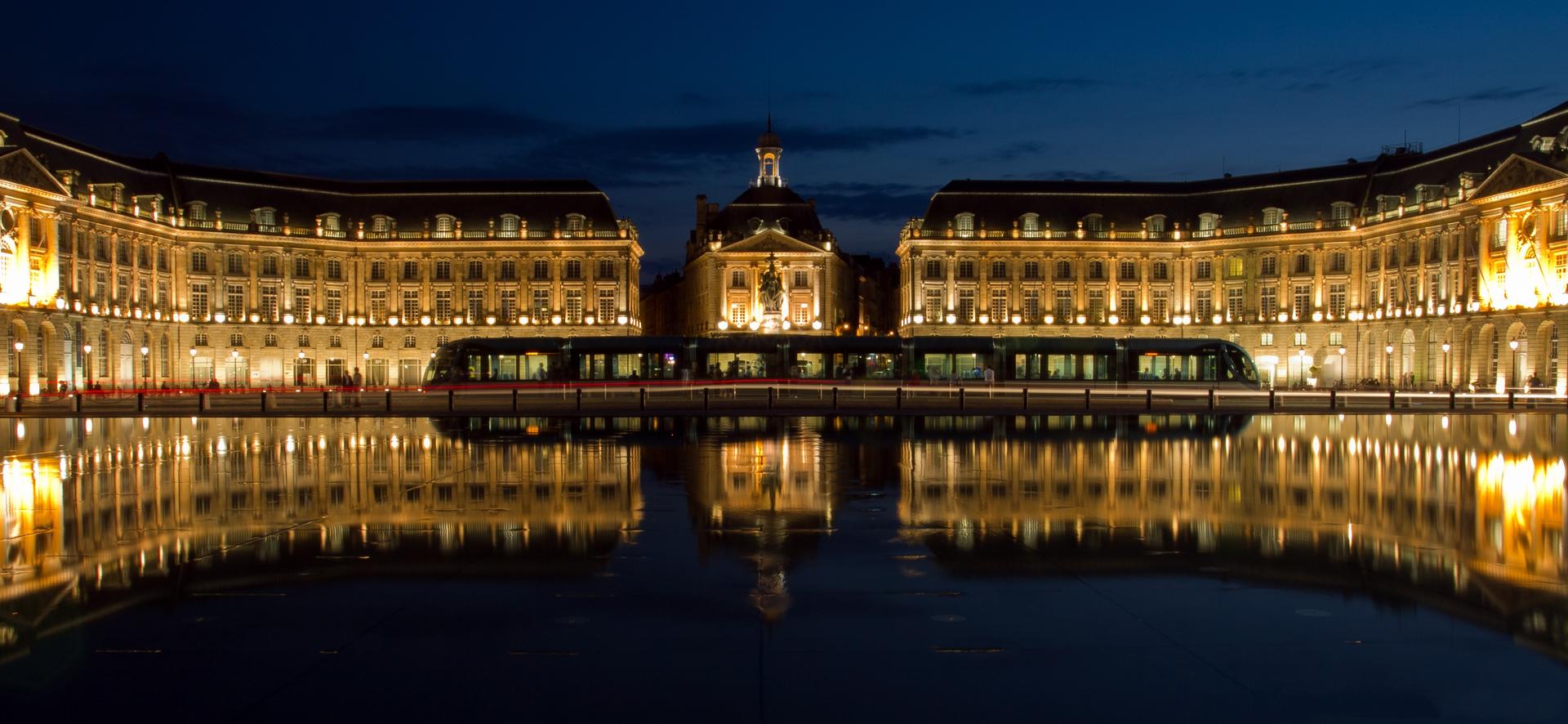
Looking beyond Porte Dijeaux? Discover Bordeaux for broader travel guides, local hot-spots, and regional highlights.
Explore Bordeaux
Discover Place Saint-Projet in Bordeaux: a serene square where history meets modern life, offering a tranquil escape amidst shops, cafes, and cultural events.

Discover Place Gambetta in Bordeaux: a revitalized square blending history, lush gardens, and modern design in the heart of the city, offering a tranquil escape and cultural experience.
