Bordeaux Museum of Fine Arts: A Journey Through Artistic History
Discover centuries of European art at Bordeaux's premier fine arts museum, home to masterpieces by Rubens, Delacroix, and Picasso, and a vibrant hub for cultural enrichment.
The Bordeaux Museum of Fine Arts, established in 1801, stands as one of France's largest art galleries outside of Paris. Housed in a stunning building near the Hôtel de Ville, its collection spans from the 15th to the 20th centuries, showcasing European art with a focus on French, Flemish, and Dutch masters. Visitors can explore masterpieces by artists like Rubens, Delacroix, Renoir, and Picasso, alongside works by prominent Bordeaux artists. The museum also hosts temporary exhibitions in the Galerie des Beaux-Arts, offering a dynamic and enriching cultural experience. With its diverse collection and commitment to accessibility, the Musée des Beaux-Arts de Bordeaux is a must-visit destination for art enthusiasts.
A brief summary to Bordeaux Museum of Fine Arts
- 20 Cr d'Albret, Bordeaux, 33000, FR
- +33556102056
- Visit website
- Monday 11 am-6 pm
- Wednesday 11 am-6 pm
- Thursday 11 am-6 pm
- Friday 11 am-6 pm
- Saturday 11 am-6 pm
- Sunday 11 am-6 pm
Local tips
- Visit on the first Sunday of the month (except in July and August) for free admission to the permanent collections.
- Take advantage of the visioguides in French Sign Language (LSF) with French subtitles, available upon request at the welcome desk.
- Check the museum's website for temporary exhibitions and special events to enhance your visit.
- Combine your visit with a stroll through the nearby Jardin Public or a visit to the Cathédrale Saint-André.
- Utilize the TBM app for easy navigation via Bordeaux's public transport system.

Getting There
-
Public Transport
The Musée des Beaux-Arts is easily accessible via Bordeaux's tram system. Take tram lines A or B and disembark at the Hôtel de Ville station, which is a short walk from the museum. Alternatively, several bus lines stop near the Jardin Public, also within easy walking distance. A single 'Ticket 1 voyage' costs €1.80 and is valid for one hour of travel on trams, buses, and river shuttles. Consider purchasing a 'Ticket 10 trips' for €14.50 if you plan to use public transport frequently. The 'CityPass' includes unlimited transport and free access to several museums.
-
Walking
From the Place de la Comédie or the Quinconces, the museum is approximately a 15-20 minute walk. Head south along Cours du Chapeau Rouge, then turn east onto Cours d'Albret. The museum will be on your left. This route offers a pleasant stroll through the city center, passing by shops and cafes.
-
Taxi/Ride-Share
Taxis and ride-sharing services are readily available in Bordeaux. A short ride from the city center to the museum will typically cost between €8 and €12, depending on traffic and the specific starting point. Be sure to confirm the fare with the driver before beginning your journey.
-
Driving
If driving, be aware that parking near the museum can be limited. Several parking garages are located within a 10-15 minute walk, including Q-Park Auditorium and Parking Tourny. Expect to pay around €3 - €4 per hour for parking. Two parking spaces reserved for persons with reduced mobility are available near the Musée (south wing).
Discover more about Bordeaux Museum of Fine Arts
Iconic landmarks you can’t miss

Parvis des Droits de l'Homme
0.1 km
Discover the Parvis des Droits de l'Homme in Bordeaux—an inspiring historical landmark celebrating human rights amidst stunning architecture.
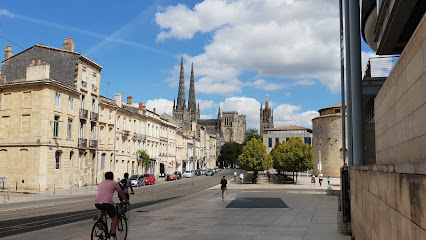
Place des quinconces
0.1 km
Explore Bordeaux's vast Place des Quinconces: history, monuments, and vibrant events in one of Europe's largest city squares.
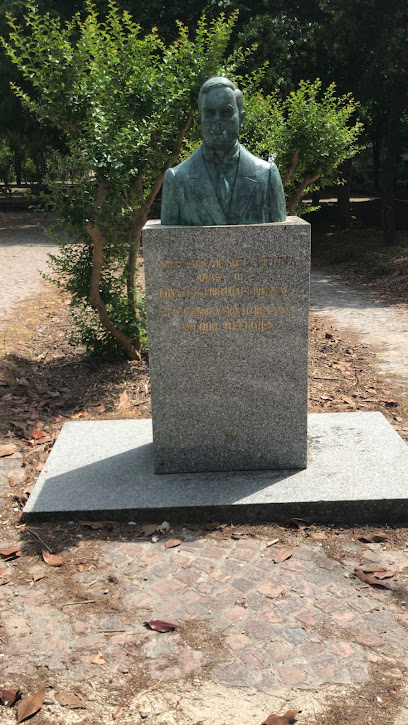
Statue d’Aristide de Sousa Mendes
0.2 km
Honoring Aristides de Sousa Mendes: a symbol of courage and compassion during WWII, located on Bordeaux's scenic Esplanade Charles DeGaulle.
Cour d'Appel de Bordeaux
0.2 km
A historic courthouse in Bordeaux, the Cour d'Appel embodies the solemnity and architectural grandeur of the French justice system.
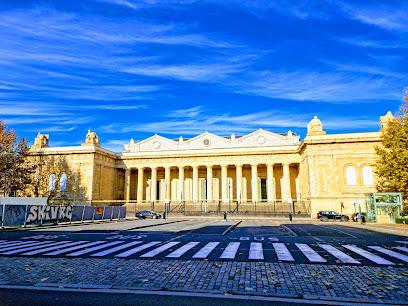
Pl. Pey Berland
0.2 km
Discover Bordeaux's central square: a vibrant hub of history, architecture, and culture, crowned by the iconic Pey Berland Tower.
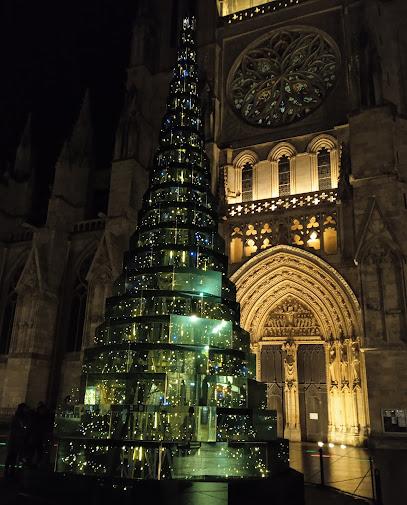
Bordeaux Guided Tours
0.3 km
Explore the charm of Bordeaux with guided tours that unveil the city's rich history, stunning architecture, and exceptional wines.
Chateau de Myrat
0.3 km
Discover Château de Myrat, a Grand Cru Classé estate in Bordeaux, and indulge in the exquisite flavors of its renowned Sauternes wines.
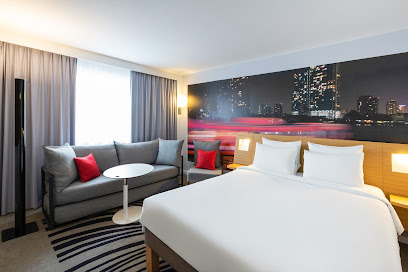
Novotel Bordeaux Centre
0.3 km
Experience Bordeaux in comfort and style at Novotel Bordeaux Centre, perfectly located to explore the city's iconic landmarks and wine culture.
Bordeaux Vignobles
0.4 km
Explore Bordeaux Vignobles, your gateway to the legendary Bordeaux wine region. Discover châteaux, vineyards, and the art of winemaking in France.
Sites & Cités remarquables de France
0.5 km
Experience the essence of Bordeaux through the Sites & Cités Remarquables de France, where history and culture intertwine in stunning architectural beauty.
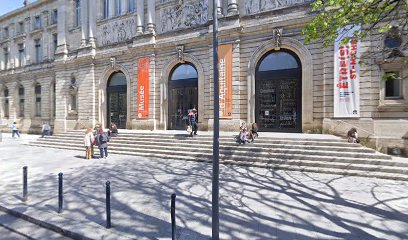
Wine Ambassador
0.6 km
Explore Bordeaux's wine heritage with Wine Ambassador, offering immersive vineyard tours and tastings in the heart of France's premier wine region.
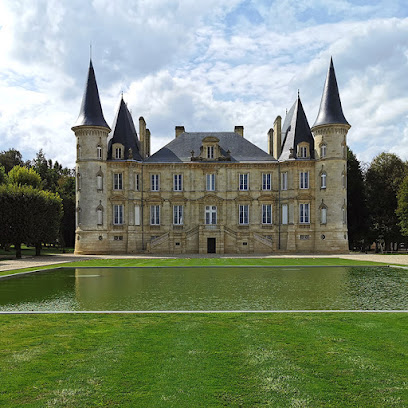
Les Visites d'Hubert - Guide à Bordeaux et sa région
0.6 km
Explore Bordeaux with a local: Uncover hidden gems, rich history, and gastronomic secrets on personalized guided tours with Hubert.
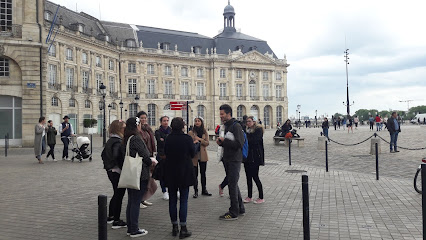
Max Bordeaux / Wine Gallery
0.6 km
Experience Bordeaux's finest wines by the glass in a modern gallery setting. Taste prestigious Grand Crus Classés without buying the bottle.
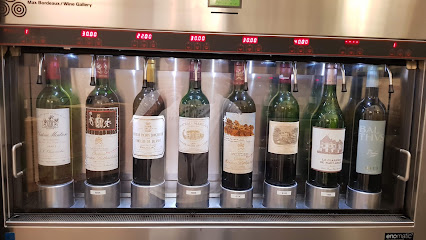
Quality Hotel Bordeaux Centre
0.6 km
Experience Bordeaux's charm from this ideally located hotel, offering comfortable accommodations and easy access to the city's top attractions.

Place des Martyrs de la Résistance
0.7 km
A solemn memorial in Bordeaux honoring the heroes of the French Resistance during World War II. A place for reflection and remembrance.
Unmissable attractions to see

Marie Garden
0.0 km
Explore the serene beauty of Marie Garden in Bordeaux, a peaceful park filled with vibrant flowers, picturesque pathways, and inviting picnic spots.
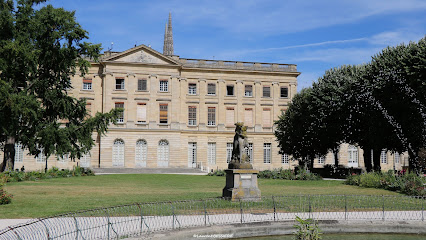
Château du Hâ
0.1 km
Explore Château du Hâ in Bordeaux, a historic fortress turned judicial center, showcasing medieval architecture and centuries of French history, from royal bastion to state prison.
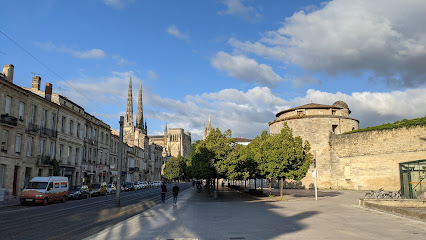
Hôtel de ville de Bordeaux
0.1 km
Explore the architectural beauty and cultural significance of the Hôtel de Ville de Bordeaux, a key landmark in the heart of this historic city.
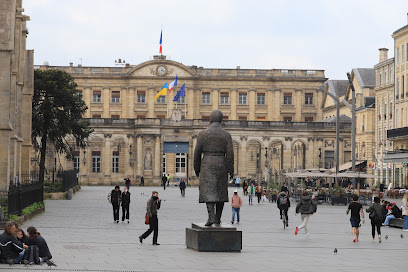
Square André Lhôte
0.1 km
Discover the serene beauty of Square André Lhôte, a charming town square in Bordeaux, perfect for relaxation and cultural immersion.
Musée des Arts décoratifs et du Design
0.2 km
Explore the exquisite collection of decorative arts and design at Bordeaux's premier museum, the Musée des Arts Décoratifs et du Design.
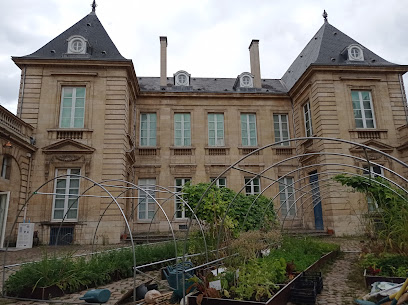
Cathédrale Saint-André de Bordeaux
0.2 km
Explore the stunning Cathédrale Saint-André de Bordeaux, a Gothic architectural masterpiece with breathtaking stained glass and rich historical significance.
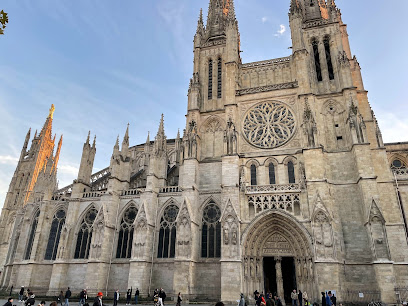
Saint-André Cathedral
0.2 km
Discover Bordeaux's Cathédrale Saint-André: A historic Gothic masterpiece, witness to royal weddings and a symbol of the city's enduring spirit, offering stunning architecture and panoramic views.
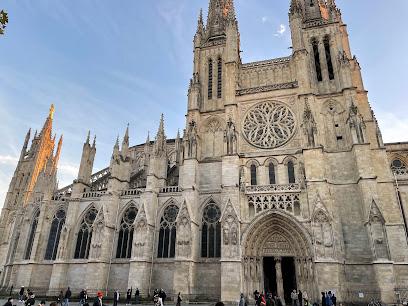
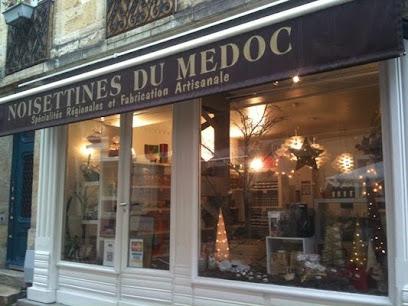
LES NOISETTINES DU MEDOC - BORDEAUX
0.3 km
Indulge in the sweet heritage of Bordeaux at Les Noisettines du Médoc, where artisan chocolates and local flavors create an unforgettable confectionery experience. A taste of tradition awaits!
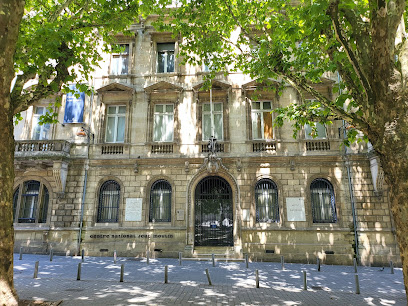
Centre Jean Moulin
0.3 km
Discover the legacy of the French Resistance at Centre Jean Moulin, Bordeaux's poignant war museum dedicated to World War II history.
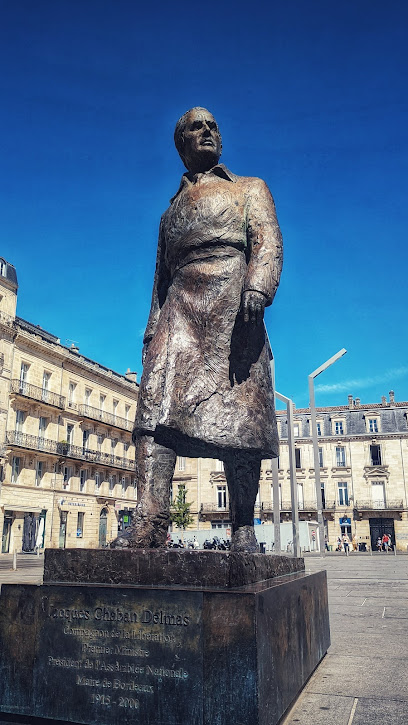
Statue of Jacques Chaban Delmas
0.3 km
Discover the Statue of Jacques Chaban Delmas, a historical landmark in Bordeaux celebrating the city's rich heritage and vibrant culture.
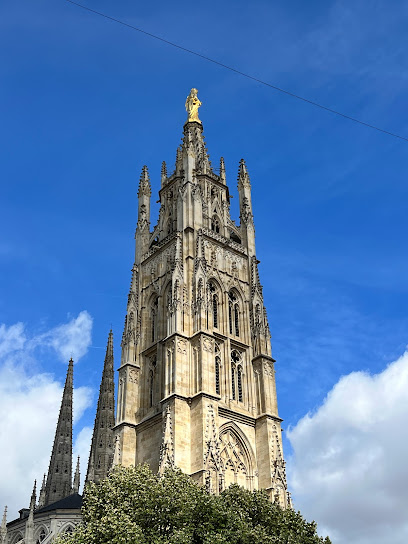
Pey Berland Tower
0.3 km
Explore the iconic Pey Berland Tower in Bordeaux, a historical landmark offering stunning views and a glimpse into the city's rich heritage.
Sejourneur- Place Pey-Berland
0.3 km
Discover the architectural wonders and vibrant atmosphere of Place Pey-Berland, the historic heart of Bordeaux, rich in culture and history.
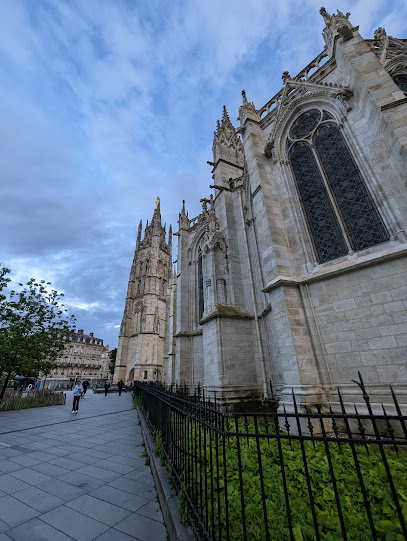
Ours Rose
0.4 km
Explore Ours Rose, a charming Bordeaux attraction that captures the spirit of the city with its unique ambiance and cultural significance.
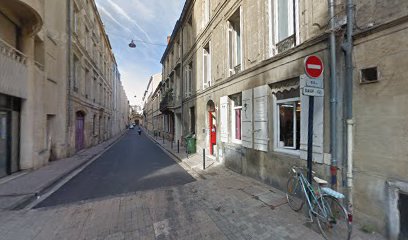
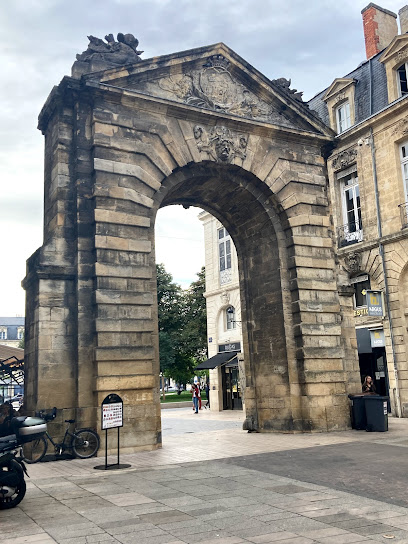
Porte Dijeaux
0.4 km
Discover the historic charm of Porte Dijeaux, a stunning landmark that embodies the rich heritage and vibrant culture of Bordeaux.
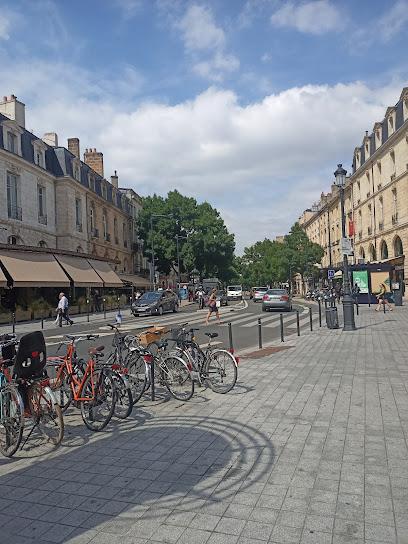
Pl. Gambetta
0.4 km
Discover Place Gambetta in Bordeaux: a revitalized square blending history, lush gardens, and modern design in the heart of the city, offering a tranquil escape and cultural experience.
Essential places to dine

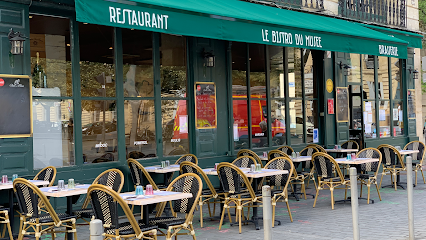
Le Bistro du Musée
0.2 km
Experience authentic French cuisine at Le Bistro du Musée in Bordeaux – where exquisite flavors meet cozy ambiance.
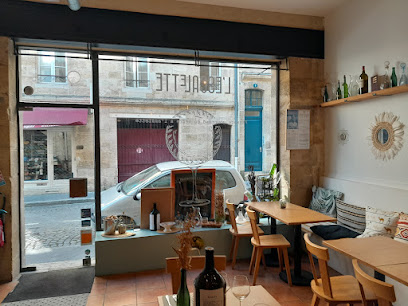
L'Escalette
0.2 km
Experience the essence of French cuisine at L'Escalette in Bordeaux – where every meal tells a story.
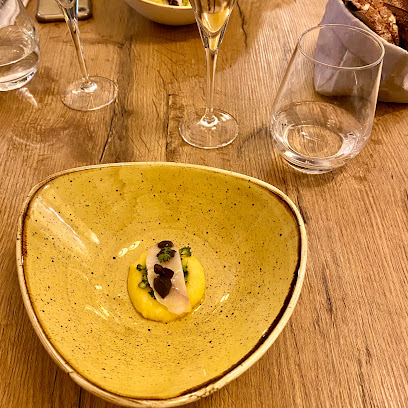
La Fine Bouche
0.3 km
Experience exquisite French dining at La Fine Bouche in Bordeaux – where every dish tells a story of tradition and innovation.
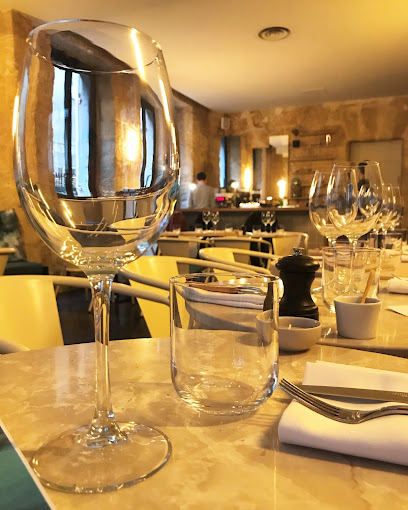
Lauza - Restaurant Bordeaux
0.4 km
Discover culinary delights at Lauza in Bordeaux – where traditional French cuisine meets modern flair in a family-friendly setting.
Mama Restaurant Bordeaux
0.4 km
Discover a unique dining experience at Mama Restaurant Bordeaux, where global flavors meet local ingredients in a vibrant setting.
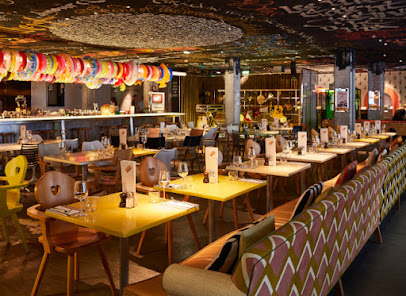
Restaurant Influences
0.4 km
Discover the essence of Haute French cuisine at Restaurant Influences in Bordeaux, where tradition meets innovation in every exquisite dish.
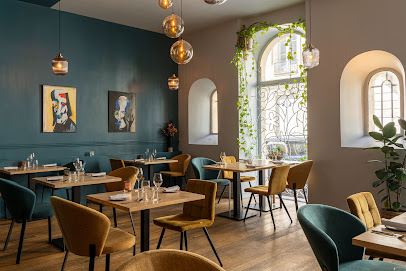
WOODKITCHEN
0.4 km
Discover Woodkitchen: A Culinary Jewel in Bordeaux Offering Exquisite French Cuisine with Locally-Sourced Ingredients.
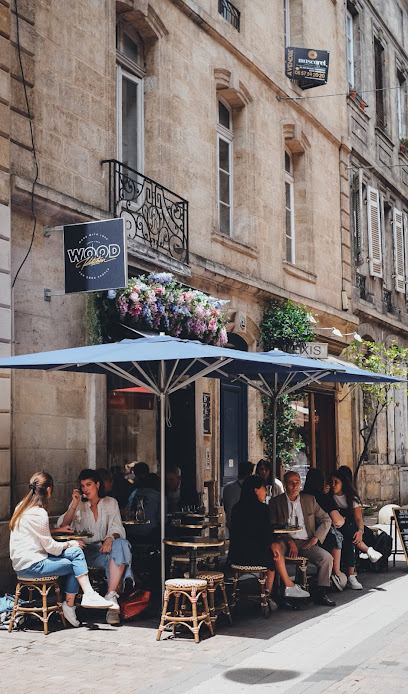
Restaurant Le Chicoula
0.4 km
Experience the exquisite fusion of haute French cuisine and captivating art at Restaurant Le Chicoula in Bordeaux.
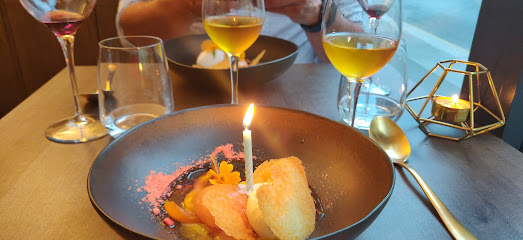
Racines
0.4 km
Discover Racines: A culinary haven in Bordeaux offering exquisite French and Mediterranean dishes paired with exceptional local wines.
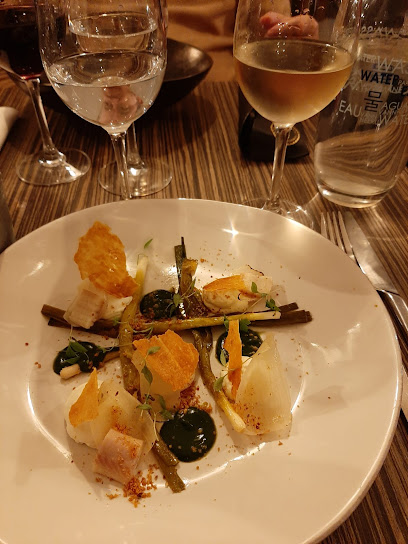
LE LOUP
0.5 km
Experience the finest French cuisine at Le Loup in Bordeaux, where culinary artistry meets local flavors.
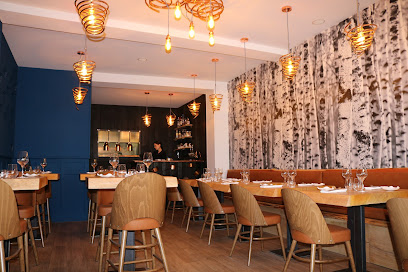
Bo-tannique
0.5 km
Experience the essence of French cuisine at Bo-tannique in Bordeaux – where bold flavors meet elegant dining.
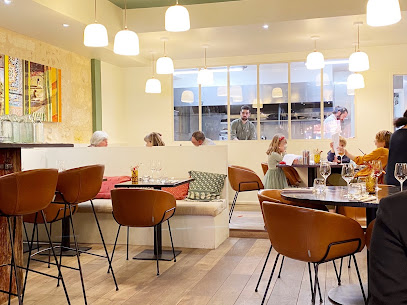
Restaurant Son'
0.5 km
Experience exquisite haute French cuisine at Restaurant Son' in Bordeaux – where tradition meets innovation in every dish.
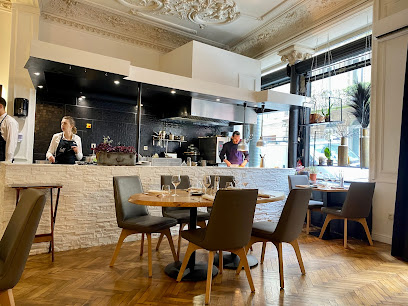
Le Comptoir des Saveurs
0.5 km
Discover exquisite French cuisine paired with exceptional wines at Le Comptoir des Saveurs in Bordeaux.
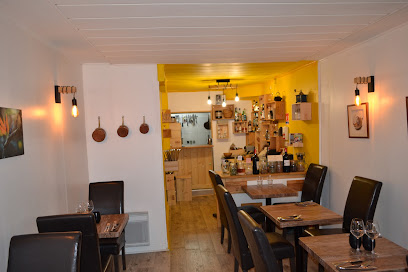
French House
0.6 km
Experience exquisite dining at French House: where classic French cuisine meets modern cocktail culture in the heart of Bordeaux.
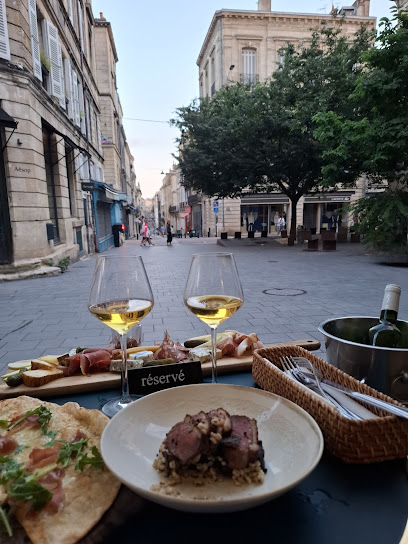
SON' oftheson
0.6 km
Discover unique flavors and exceptional service at SON' oftheson, a culinary gem in Bordeaux's vibrant restaurant scene.
Markets, malls and hidden boutiques

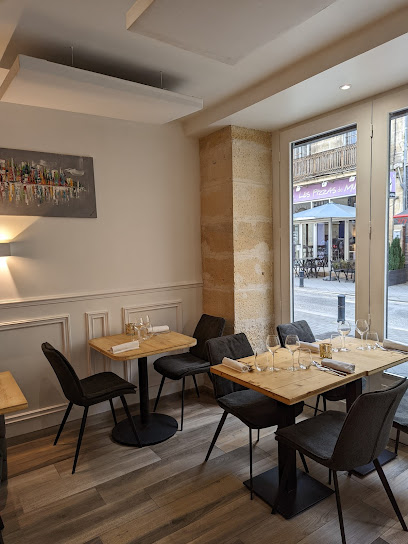
Les Sisterettes - Boutique de prêt-à-porter et accessoires féminins
0.2 km
Explore Les Sisterettes, a chic women's boutique in Bordeaux offering unique fashion and accessories that embody style and elegance.
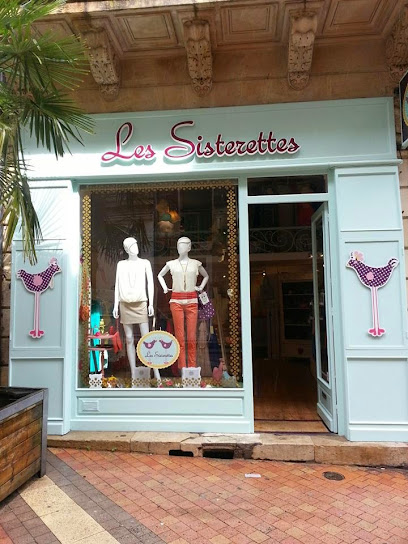
Little green cocoon
0.2 km
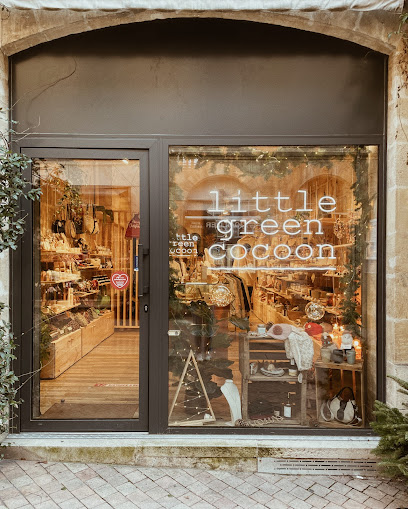
Discover unique fashion accessories and souvenirs at Little Green Cocoon, a charming gift shop in the heart of Bordeaux.
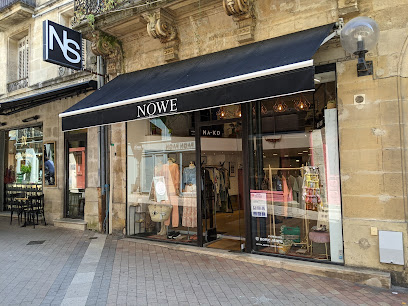
Nowe Store
0.2 km
Explore Nowe Store in Bordeaux for chic women's fashion that blends modern trends with timeless elegance, all in a charming boutique setting.
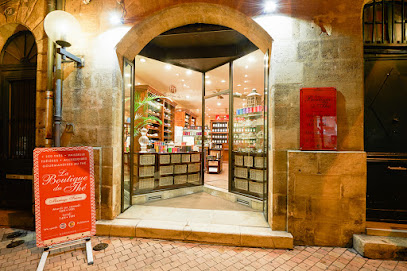
The Tea Shop
0.3 km
Discover a world of exquisite teas at The Tea Shop, a tranquil retreat in the heart of Bordeaux, perfect for every tea lover.
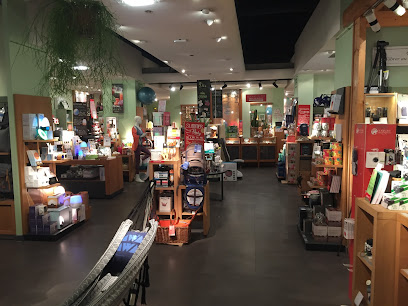
Nature and Discoveries
0.3 km
Discover unique nature-themed gifts and artisanal crafts in Bordeaux's beloved Nature and Discoveries shop, a treasure for eco-conscious travelers.
Le Cycle Du Vin
0.4 km
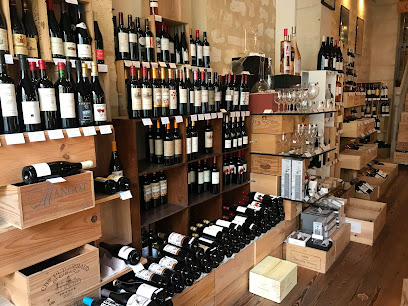
Explore Bordeaux's wine culture at Le Cycle Du Vin, where a world of exquisite flavors awaits every wine enthusiast.
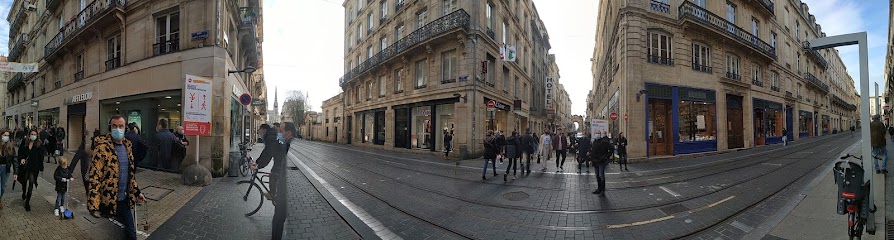
Saint-Christoly
0.4 km
Explore the heart of Bordeaux at Saint-Christoly Shopping Mall, a vibrant destination featuring diverse shops, dining, and local flair.
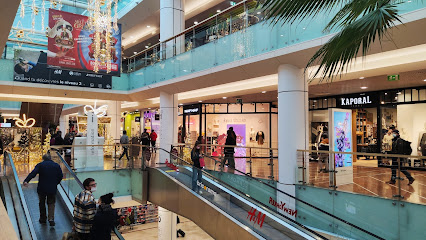
Mériadeck
0.4 km
Discover Mériadeck, Bordeaux's vibrant shopping mall, offering a unique blend of retail, dining, and cultural experiences in a stunning modern setting.
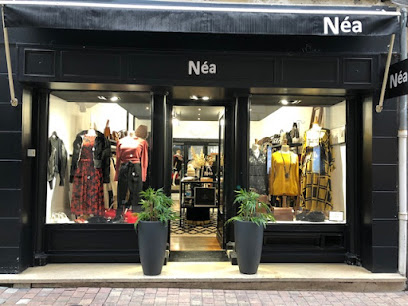
Nea Concept Store
0.4 km
Explore the chic Nea Concept Store in Bordeaux for uniquely curated dresses that embody contemporary French fashion and style.
Crocrodile - Boutique Enfant / Bébé Bordeaux
0.4 km
Explore Crocrodile in Bordeaux for trendy children's fashion, quality baby wear, unique toys, and a delightful shopping experience.
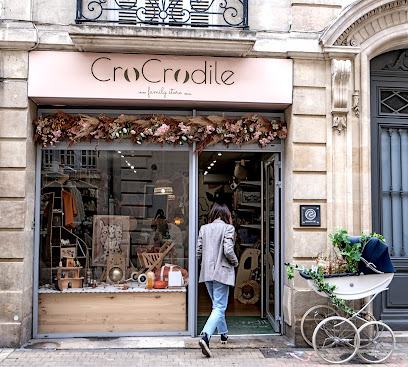
Altermundi Bordeaux
0.4 km
Explore Altermundi Bordeaux, where unique gifts and sustainable products meet local artisanship in the heart of the city.
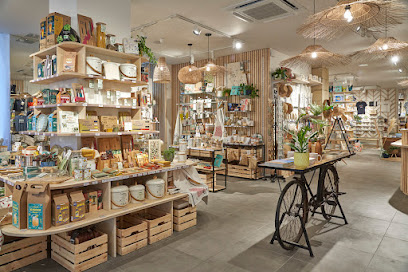
Picnic
0.4 km
Explore Picnic in Bordeaux for unique, locally-sourced gifts that capture the city's charm and culture, perfect for souvenirs and special finds.
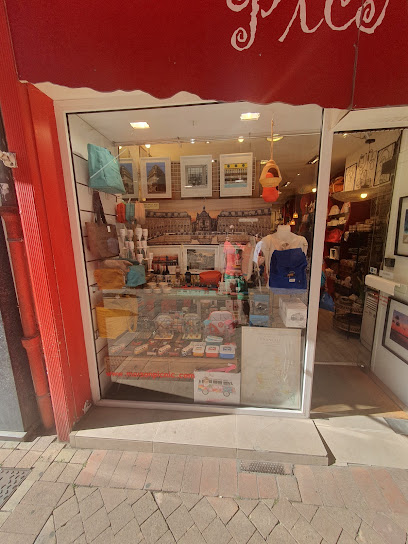
Axsum Créateurs Mode Bordeaux
0.4 km
Explore the chic selection at Axsum Créateurs Mode in Bordeaux, where local fashion meets personalized service in a stylish boutique.
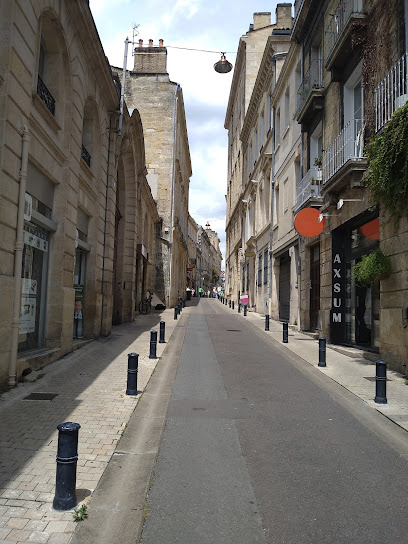
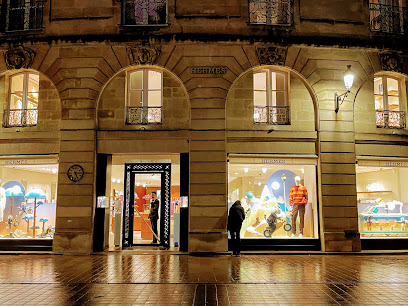
HERMÈS Bordeaux Store
0.5 km
Discover the elegance of HERMÈS Bordeaux, where luxury leather goods and timeless craftsmanship meet in the heart of this historic city.
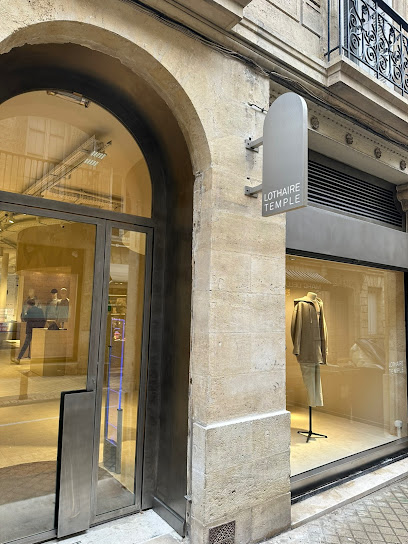
LOTHAIRE TEMPLE
0.5 km
Discover timeless elegance at Lothaire Temple, Bordeaux's premier bridal shop and haute couture fashion house, where dreams meet exquisite design.
Essential bars & hidden hideouts

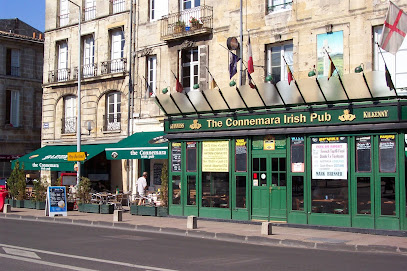
The Connemara
0.1 km
Experience the warmth of Irish culture at The Connemara, a lively pub in Bordeaux offering delicious food, drinks, and a vibrant atmosphere.
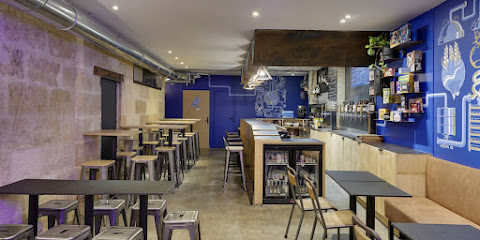
Space Factory - craft beer
0.3 km
Discover the heart of craft brewing at Space Factory in Bordeaux, where every pint tells a story and every visit feels like home.
Coco Loko - Bar Ambiance Friendly à Bordeaux
0.3 km
Experience the vibrant nightlife of Bordeaux at Coco Loko, a friendly bar offering crafted cocktails and an inclusive atmosphere for all.
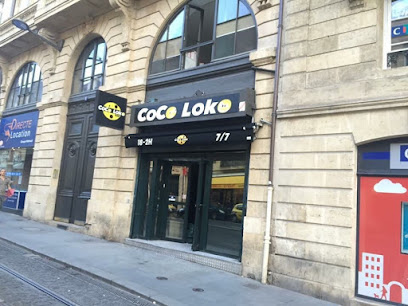
Bela Aquitania Bar Brasserie
0.4 km
Experience the best of Bordeaux at Bela Aquitania Bar Brasserie, where craft beer, fine wines, and local flavors come together in a cozy atmosphere.
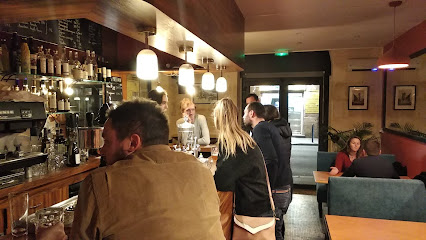
Chez le Pépère
0.4 km
Discover the essence of Bordeaux at Chez le Pépère, where fine wines and exquisite tapas create an unforgettable experience.
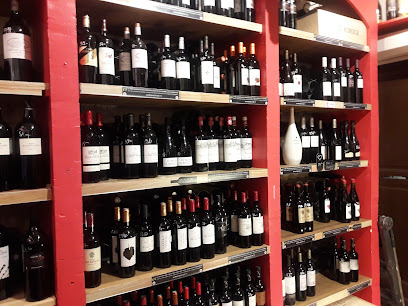
The Cock And Bull
0.4 km
Experience the vibrant atmosphere and delightful beverages at The Cock And Bull, a charming pub in the heart of Bordeaux, perfect for socializing and relaxation.
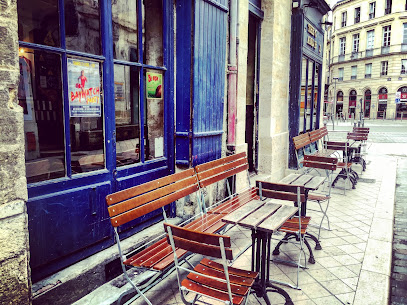
Le fiacre
0.4 km
Discover the vibrant nightlife of Bordeaux at Le Fiacre, a bar that offers a unique blend of cocktails, live music, and a welcoming atmosphere.
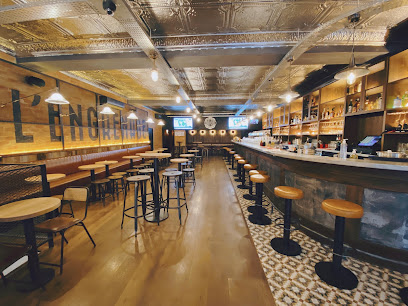
L'ENGRENAGE - Bar & Chill
0.4 km
Experience the vibrant nightlife of Bordeaux at L'Engrenage, a trendy bar offering a diverse drink selection and a relaxed atmosphere.
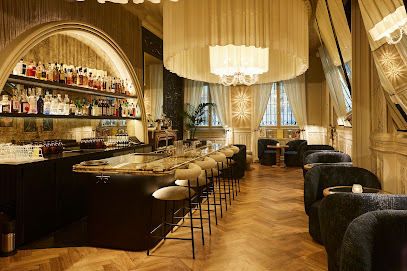
Bar Casa Bordeaux by Ginto Hotels
0.5 km
Experience the sophisticated charm of Bar Casa Bordeaux – a cocktail oasis nestled in the Grand Hotel Français, perfect for relaxing and unwinding.
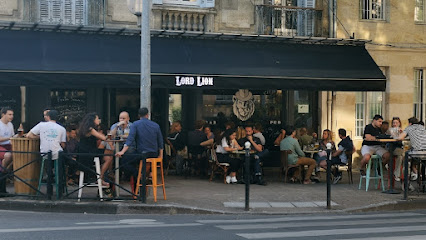
LORD LION Bar Pub
0.5 km
Discover the lively spirit of Bordeaux at Lord Lion Bar Pub, where cocktails, karaoke, and camaraderie come together for an unforgettable night.
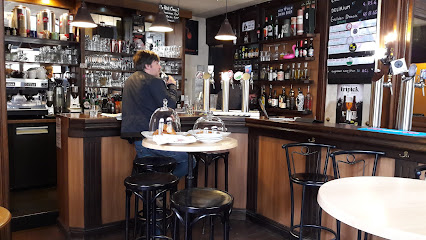
Oxford Arms
0.5 km
Discover the vibrant Oxford Arms in Bordeaux, a pub offering delicious food, a vast drink selection, and an inviting atmosphere for all visitors.
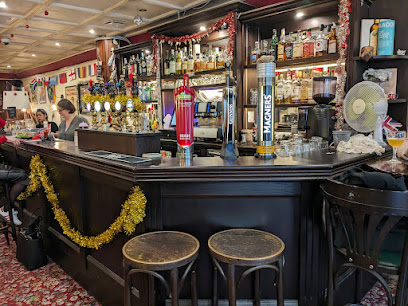
L'Arcadien
0.6 km
Discover L'Arcadien, a cozy bar in Bordeaux, known for its warm atmosphere, exquisite drinks, and vibrant local nightlife.
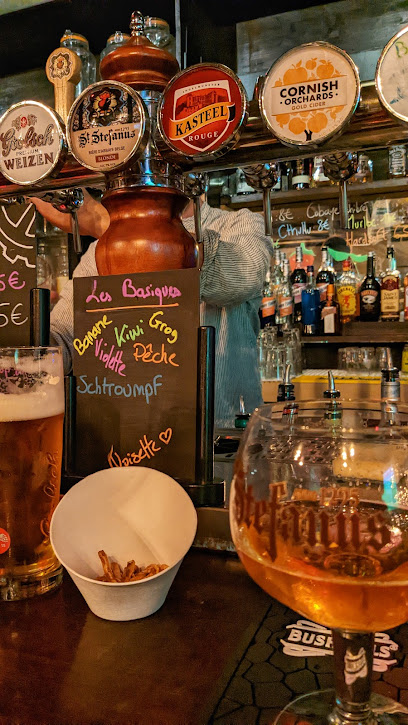
The Blarney Stone
0.6 km
Discover the unique blend of Irish pub culture and Bordeaux charm at The Blarney Stone, your go-to destination for drinks and live music.
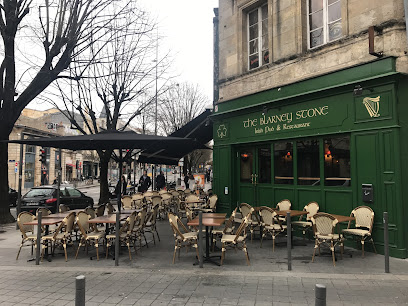
Very Bar Trip
0.6 km
Discover the lively atmosphere and exquisite cocktails at Very Bar Trip, a must-visit bar in the heart of Bordeaux's nightlife scene.
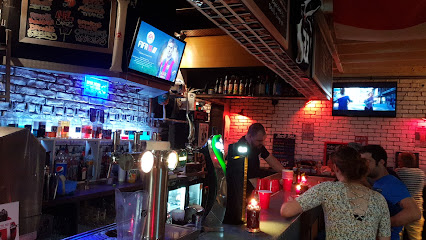
The Wine Bar
0.6 km
Discover Bordeaux's rich wine culture at The Wine Bar, a cozy destination for exquisite local and international wines paired with delightful small plates.