Mémorial de Caen: A Journey Through 20th-Century History
Explore 20th-century history, from World War II to the Cold War, at this moving memorial and museum dedicated to peace and remembrance in Caen, Normandy.
The Mémorial de Caen is more than just a museum; it's a profound and moving experience dedicated to peace, exploring the tumultuous history of the 20th century, with a particular focus on World War II and the Battle of Normandy. Located in Caen, a city heavily scarred by the war, the Mémorial serves as a place of remembrance, reflection, and reconciliation. Its exhibits delve into the causes and consequences of global conflicts, examining the rise of totalitarianism, the horrors of the Holocaust, and the complexities of the Cold War. Through powerful artifacts, personal stories, and immersive displays, visitors gain a deeper understanding of the human cost of war and the importance of preserving peace. The Mémorial also features gardens dedicated to peace, offering a serene space for contemplation after a visit to the museum. It stands as a poignant reminder of the past and a beacon of hope for the future, urging visitors to learn from history and work towards a more peaceful world.
A brief summary to Mémorial de Caen
- Esp. Général Eisenhower, Caen, 14050, FR
- +33231060645
- Visit website
- Monday 9:30 am-6 pm
- Tuesday 9:30 am-5 pm
- Thursday 9:30 am-6 pm
- Friday 9:30 am-6 pm
- Saturday 9:30 am-6 pm
- Sunday 9:30 am-6 pm
Local tips
- Allow at least 3-4 hours to fully experience the museum's extensive exhibits. There is a lot to see and absorb.
- Consider taking a guided tour for a more in-depth understanding of the historical context and significance of the artifacts.
- Visit the memorial gardens for a quiet moment of reflection after viewing the exhibits.
- Check the Mémorial's website for temporary exhibitions and special events that may be of interest.
- Combine your visit with a trip to the D-Day landing beaches for a comprehensive understanding of the Battle of Normandy.

Getting There
-
Public Transport
From Caen city center, the Mémorial de Caen is easily accessible by bus. Take line No. 2 in the direction of 'Caen Mémorial'. The bus stops directly at the Mémorial. The journey takes approximately 30-40 minutes depending on traffic. A single ticket costs around €2. Alternatively, from Caen train station (Gare SNCF), take the circular line Ellipse 6a or 6b, which also stops at the Mémorial. The cost is the same as line No. 2.
-
Taxi/Ride-Share
A taxi or ride-sharing service from Caen city center to the Mémorial de Caen takes approximately 10-15 minutes, depending on traffic. The cost is estimated to be between €12-€15. This is a convenient option for those who prefer a direct and faster route.
-
Driving
If driving, take the A13 highway from Paris or the A84 highway from Rennes. Exit at périphérique nord, sortie 7. The Mémorial de Caen is well signposted. Free parking is available for visitors at 10 Avenue du Maréchal Montgomery, a short walk from the entrance. There is also a free coach park for 22 vehicles. Electric car charging stations are also available nearby at 9 esplanade Brillaud de Laujardière, 14000 Caen.
-
Walking
For those who enjoy walking, the Mémorial de Caen is approximately a 45-minute to 1-hour walk from the city center. Follow the signs towards the Mémorial, enjoying the sights of Caen along the way. This is a good option for those who want to explore the city at a leisurely pace.
Discover more about Mémorial de Caen
Iconic landmarks you can’t miss

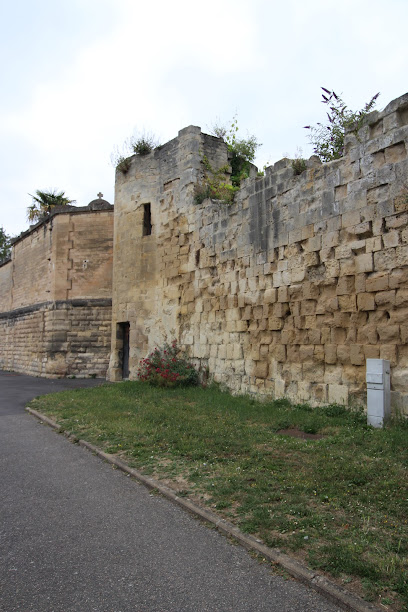
Vestiges du mur de l'abbaye aux Hommes,
2.1 km
Discover the historic remains of the Abbaye aux Hommes' fortifications on Rue du Carel in Caen, a testament to Norman history.
Abbaye d'Ardenne
2.1 km
Explore a historic Norman abbey, now a center for contemporary publishing archives, with a rich and complex past.
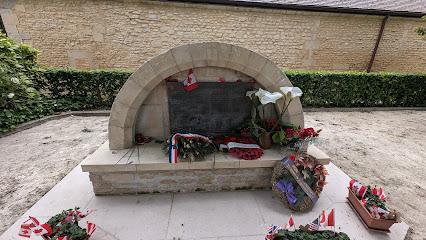
Caen Tourist Office
2.2 km
Your gateway to exploring Caen and Normandy: expert advice, maps, tours, and the Caen Pass for discounts on local attractions.
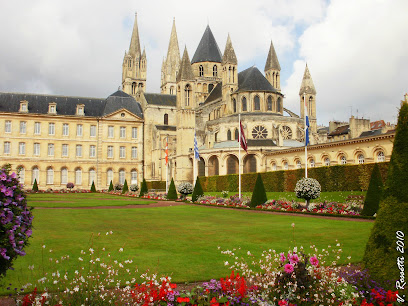
Cambes-en-Plaine War Cemetery
4.3 km
A serene and moving tribute to the Commonwealth soldiers who fell during the Battle of Normandy, located near Caen, France.
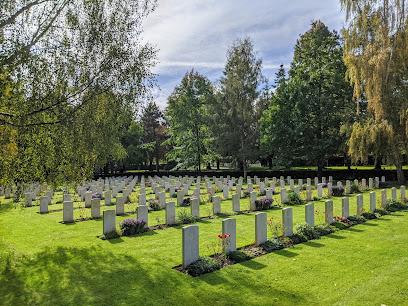
Pegasus Bridge
9.8 km
Visit Pegasus Bridge in Normandy: a historic D-Day site, captured by British airborne troops, symbolizing courage and liberation.
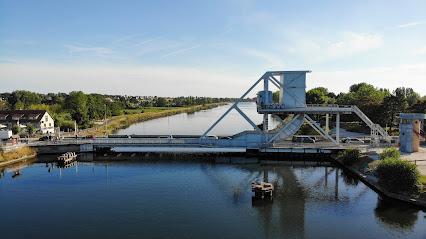
Ranville War Cemetery
9.9 km
Reflect on D-Day's cost at Ranville War Cemetery, the final resting place for British and German soldiers in Normandy, France.
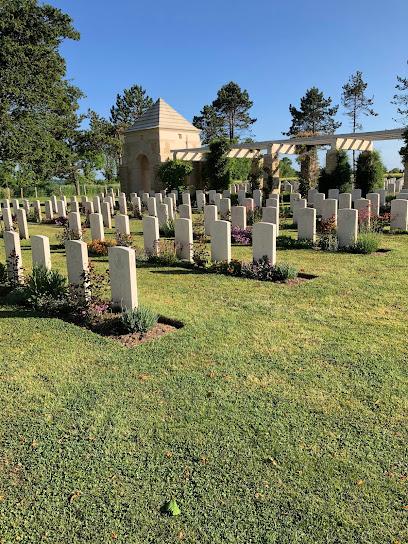
Normandy beach race
12.7 km
Discover the exhilarating blend of history and motorsport at the iconic Normandy Beach Race in Ouistreham, a must-visit for every traveler.

Bény-sur-Mer Canadian War Cemetery
12.7 km
A serene and poignant memorial in Normandy, honoring the Canadian soldiers who fought and died during the Battle of Normandy.
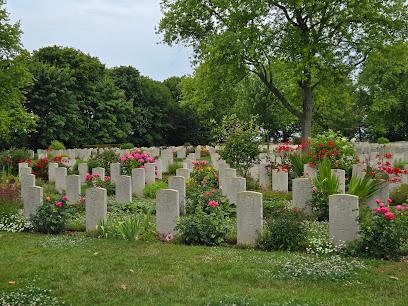
Sword Beach
13.2 km
Discover the tranquil beauty and historical significance of Sword Beach, a must-visit destination along Normandy's stunning coastline.
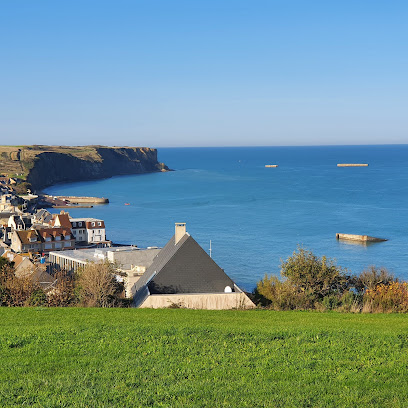
Lighthouse of Ouistreham
13.5 km
Explore the iconic Lighthouse of Ouistreham, where maritime history meets stunning coastal views in Normandy, France.
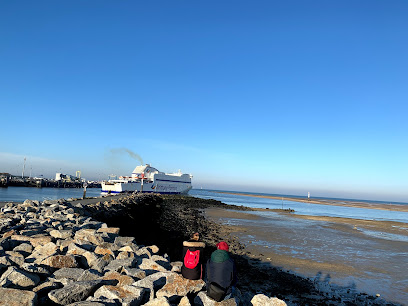
Plage de Ouistreham
13.5 km
Explore the stunning Plage de Ouistreham, a beautiful sandy beach in Normandy perfect for families, relaxation, and water sports enthusiasts.
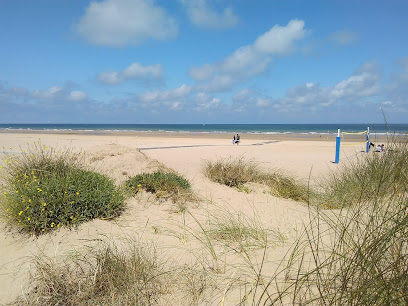
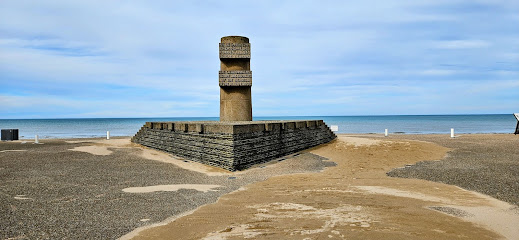
Monument Signal du D-day
15.6 km
Explore the powerful legacy of bravery at the Monument Signal du D-day in Bernières-sur-Mer, a historic tribute to the D-Day landings.
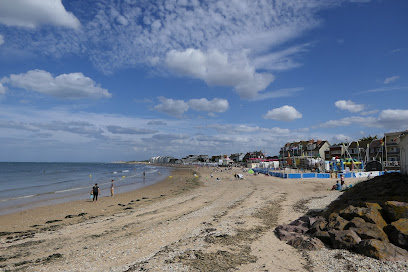
Plage de Courseulles sur Mer
16.1 km
Explore the tranquil beauty and rich history of Plage de Courseulles sur Mer, a perfect beach destination on the Normandy coast.
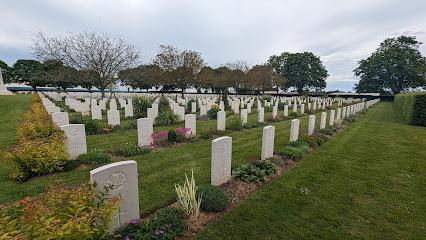
Bretteville Canadian War Cenetery
16.6 km
A solemn tribute to Canadian soldiers who gave their lives during the Battle of Normandy, a place of remembrance and reflection.
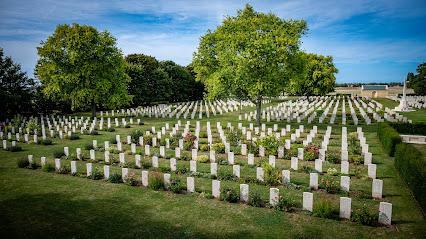
Ryes British War Cemetery, Bazenville
19.4 km
A serene and historically significant war cemetery in Normandy, honoring the fallen soldiers of World War II.
Unmissable attractions to see

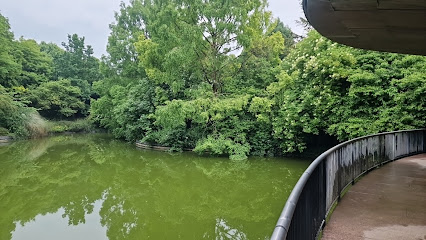
United States Armed Forces Memorial Garden
0.1 km
Explore the United States Armed Forces Memorial Garden in Caen, a serene tribute honoring the bravery of American servicemen and women amidst beautiful surroundings.
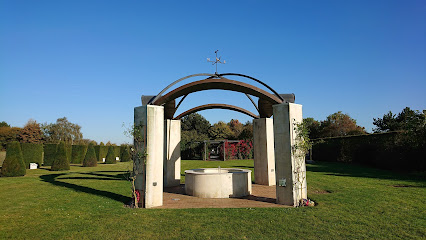
Jardin Britannique du Mémorial
0.3 km
Reflect on the sacrifices of British soldiers and civilians in the liberation of France at this tranquil garden within the Caen Memorial, a place dedicated to peace and remembrance.
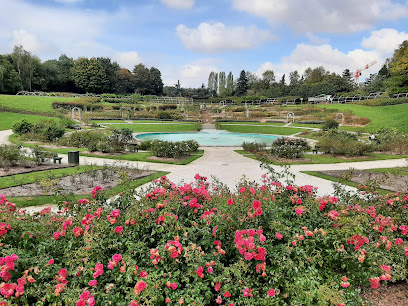
Colline aux Oiseaux
0.6 km
Discover Caen's floral paradise: Colline aux Oiseaux, a 17-hectare park born from a reclaimed landfill, offering themed gardens, panoramic views, and family-friendly activities.
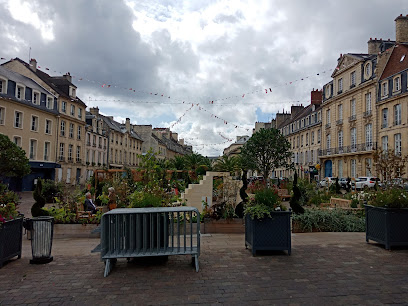
Vallée des jardins
0.8 km
Discover Caen's Vallée des Jardins: a 24/7 green escape with diverse landscapes, arboretum, picnic spots, and recreational activities, perfect for nature lovers and active explorers.
Caen Botanical Garden
1.3 km
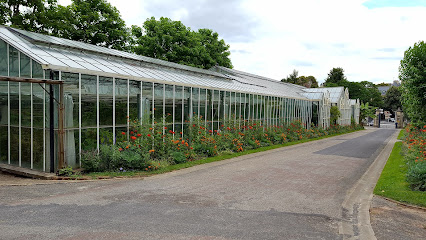
Explore the lush landscapes and diverse flora of Caen Botanical Garden, a serene oasis in the heart of the city.
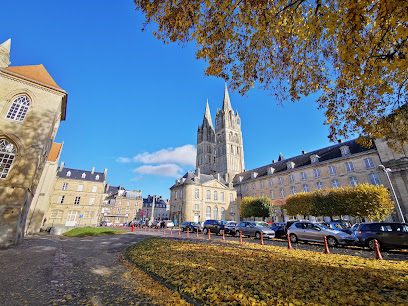
St. Stephen's Church
1.9 km
Discover Caen's Église Saint-Étienne, a magnificent Norman church founded by William the Conqueror, blending Romanesque and Gothic styles with a rich history and serene atmosphere.
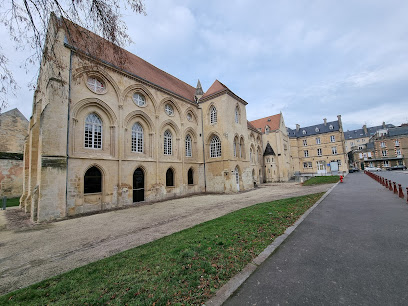
Abbaye-aux-Hommes
1.9 km
Discover the Abbaye-aux-Hommes in Caen: a historic abbey founded by William the Conqueror, showcasing stunning Norman architecture and centuries of rich heritage.

Ducal Palace XIV century
1.9 km
Discover the Ducal Palace in Caen, a 14th-century historical landmark showcasing Norman heritage, Gothic architecture, and contemporary art in beautifully renovated halls.
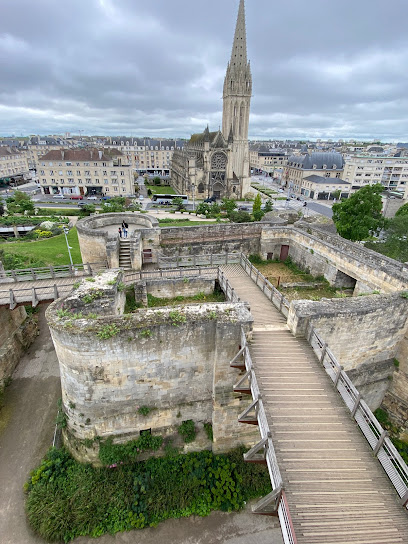
Caen Castle
1.9 km
Discover the rich history and stunning architecture of Caen Castle, a must-visit landmark in Normandy, France.
Église du Vieux Saint Sauveur
1.9 km
Explore the Église du Vieux Saint Sauveur, a medieval architectural gem in Caen, France, showcasing rich history and breathtaking design.
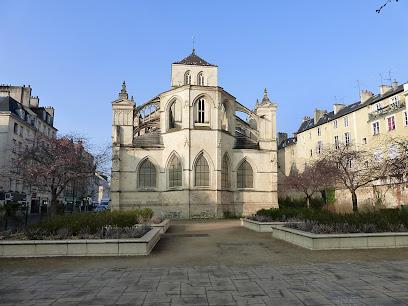
Rond Point Fontette
2.0 km
Discover Place Fontette in Caen: A historic square blending 18th-century urban design with modern city life, offering a gateway to Normandy's rich heritage and vibrant culture.
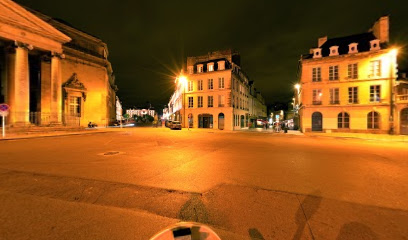
Musée de Normandie
2.0 km
Explore the fascinating history of Normandy at the Musée de Normandie, a captivating museum set in a historic château in Caen.
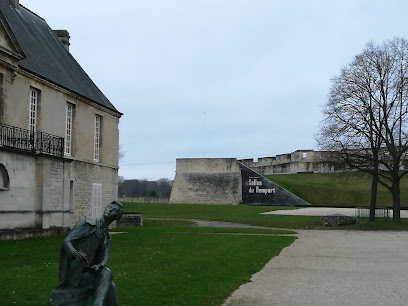
Porte des Champs
2.0 km
Explore the Porte des Champs, a historic gateway in Caen Castle, offering a journey through centuries of Norman and French history with stunning city views and architectural marvels.
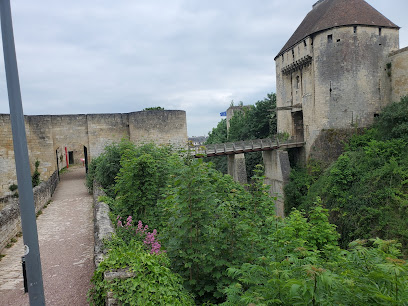
Musée d'initiation à la nature
2.0 km
Explore Normandy's natural beauty at Musée d'initiation à la nature in Caen, nestled in the historic Abbaye aux Hommes, offering engaging exhibits and interactive displays for all ages.
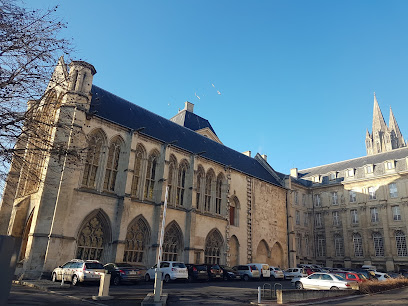
Museum of Fine Arts, Caen
2.0 km
Discover centuries of European art within the walls of William the Conqueror's castle at the Musée des Beaux-Arts de Caen, a cultural gem in the heart of Normandy.
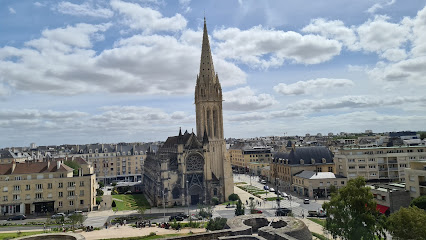
Essential places to dine

Le Sans Gêne
1.4 km
Experience exceptional barbecue dining at Le Sans Gêne in Caen – where every bite is a celebration of flavor.
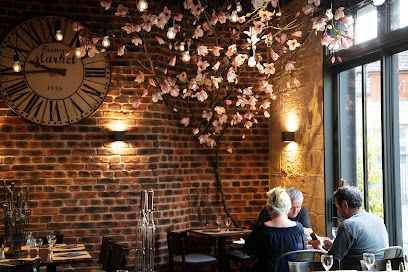
Ju'ste Chez Moi
1.8 km
Discover authentic French cuisine at Ju'ste Chez Moi in Caen - home to delicious crêpes and refreshing salads in a cozy atmosphere.
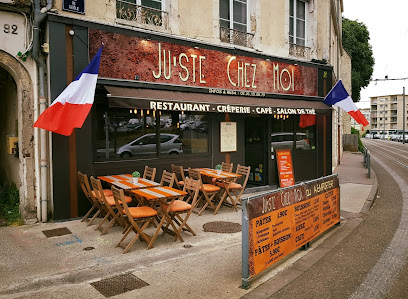
Au Double Blanc
1.8 km
Discover authentic French cuisine at Au Double Blanc in Caen—where every meal is a celebration of flavor and tradition.
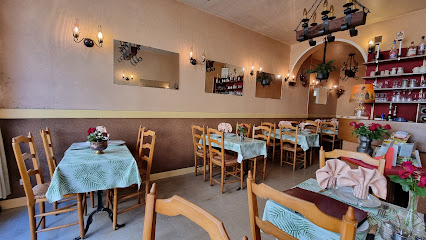
Ô GLOBE
1.8 km
Discover exquisite French cuisine at Ô GLOBE in Caen - where culinary art meets local tradition in an inviting atmosphere.
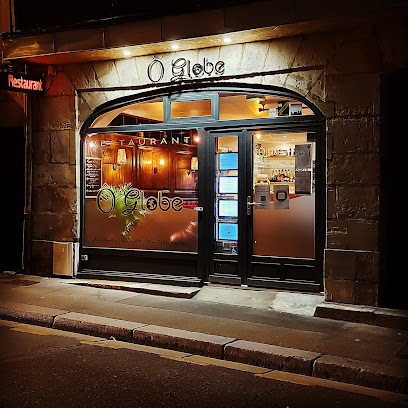
Restaurant MAGMA
1.8 km
Experience exquisite haute French cuisine at Restaurant MAGMA in Caen - where every dish tells a story.
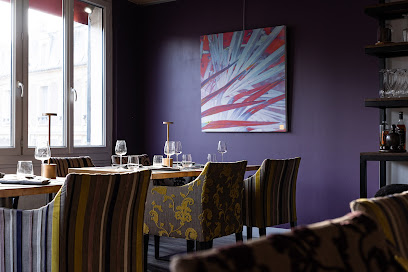
Le Bistrot du Palais
1.9 km
Experience authentic French cuisine at Le Bistrot du Palais in Caen—where every meal tells a story.
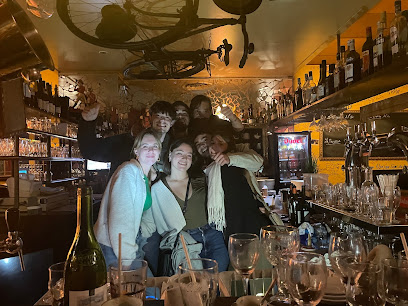
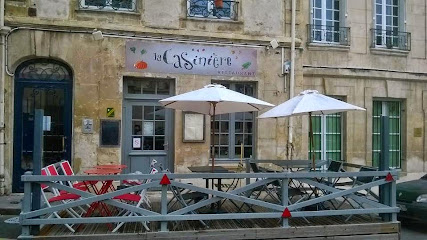
La Casinière
1.9 km
Discover La Casinière: A French culinary treasure in Caen offering exquisite Mediterranean-inspired dishes in a charming atmosphere.
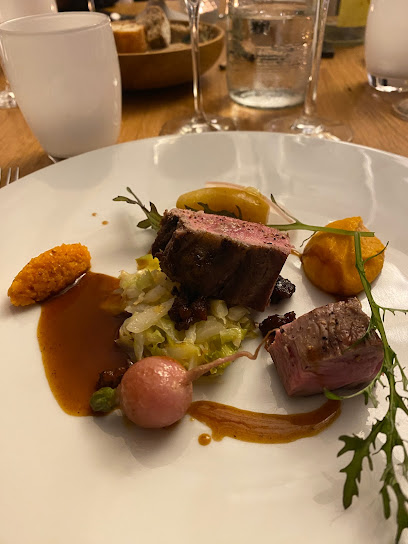
A Contre Sens
2.0 km
Experience exceptional French cuisine at A Contre Sens in Caen – where every dish tells a story of tradition and innovation.
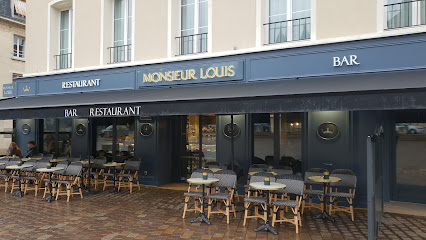
Monsieur Louis
2.0 km
Experience exquisite French and Mediterranean cuisine at Monsieur Louis in Caen, where every meal is crafted with passion and freshness.
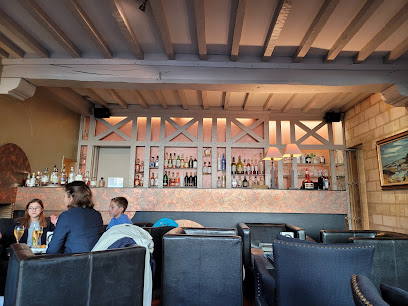
Le Dauphin
2.0 km
Savor exquisite French cuisine at Le Dauphin in Caen – where tradition meets innovation for an unforgettable dining experience.
Crêperie la Galettoire
2.0 km
Experience authentic Breton cuisine at Crêperie la Galettoire in Caen – where delightful crêpes meet warm hospitality.
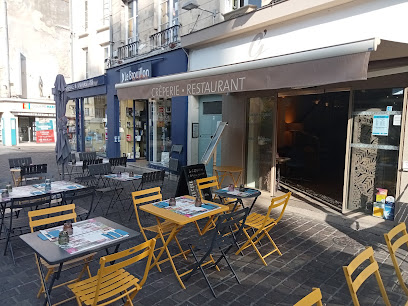
L'Aromate
2.0 km
Experience exceptional French fusion cuisine at L'Aromate in Caen—where tradition meets innovation in every bite.
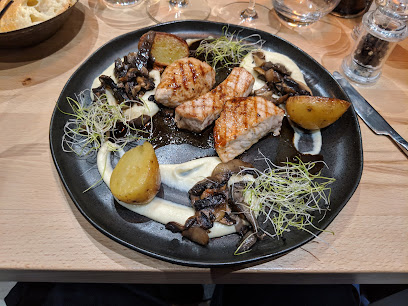
Le Mancel
2.1 km
Experience authentic French cuisine at Le Mancel in Caen's historic Château Ducal—where culinary excellence meets rich heritage.
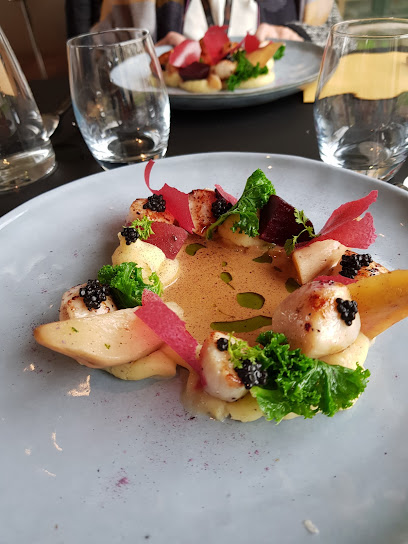
La Porte Du Punjab
2.1 km
Discover the rich flavors of India at La Porte Du Punjab in Caen – a culinary gem serving authentic Indian and Pakistani dishes.
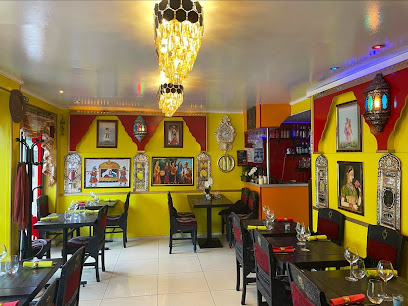
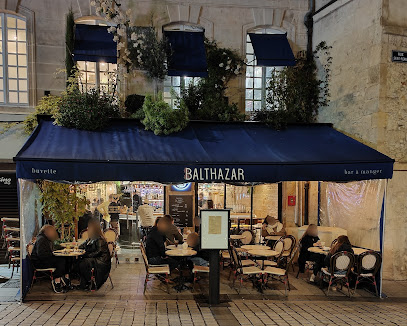
Balthazar
2.1 km
Discover Balthazar in Caen: A vibrant tapas bar offering exquisite small plates and crafted cocktails for an unforgettable culinary experience.
Markets, malls and hidden boutiques

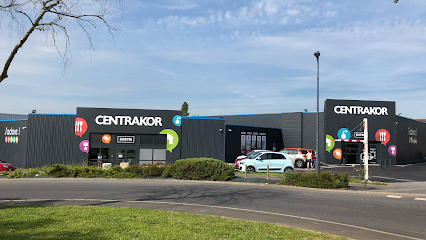
Centrakor Saint Contest
1.2 km
Discover stylish home goods and outdoor furniture at Centrakor Saint Contest, the perfect shopping spot for tourists seeking quality and charm.
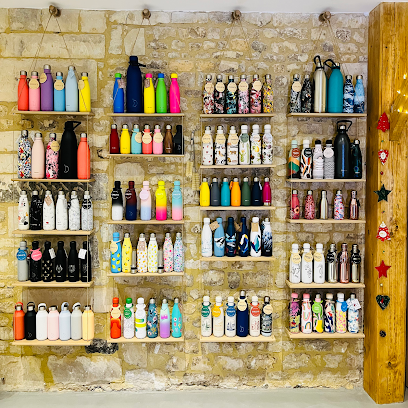
Boutique zéro déchet - Alternativi
1.8 km
Explore sustainable shopping at Boutique Zéro Déchet - Alternativi in Caen, where every purchase supports eco-friendly living and zero waste.
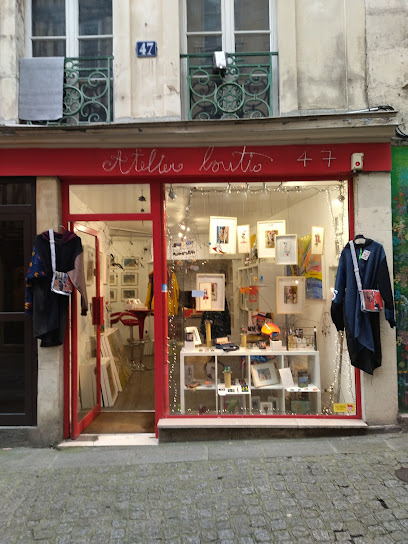
Atelier Boutic 10 ,CARTAGAG, serge Vandecasteele
1.9 km
Discover unique handcrafted gifts and local artistry at Atelier Boutic 10, a gem in the heart of Caen, France.
Marcelle Room
1.9 km
Uncover unique vintage treasures at Marcelle Room, Caen's charming boutique offering sustainable fashion choices with a story.
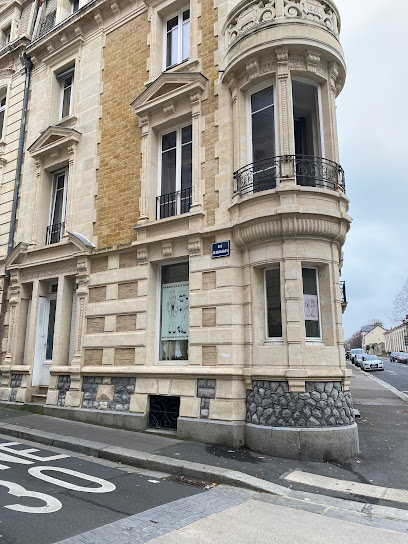
L’Audacieux
1.9 km
Explore L’Audacieux in Caen for unique gifts and local crafts that capture the essence of Normandy's vibrant culture.
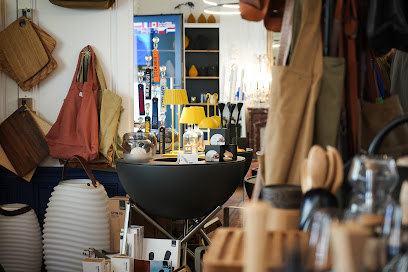
Centre commercial Côte de Nacre
2.0 km
Explore a diverse shopping experience at the Centre Commercial Côte de Nacre, where fashion, food, and fun come together in Caen!
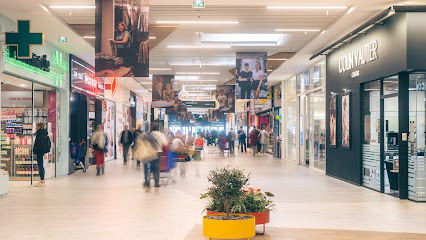
Romy Caen
2.0 km
Explore Romy Boutique in Caen for a curated selection of women's fashion, accessories, and shoes that embody style and sophistication.
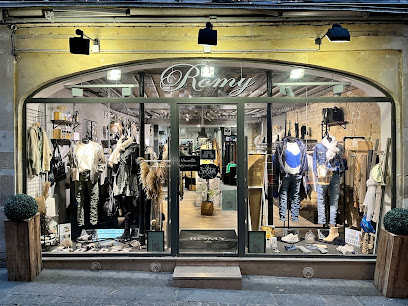
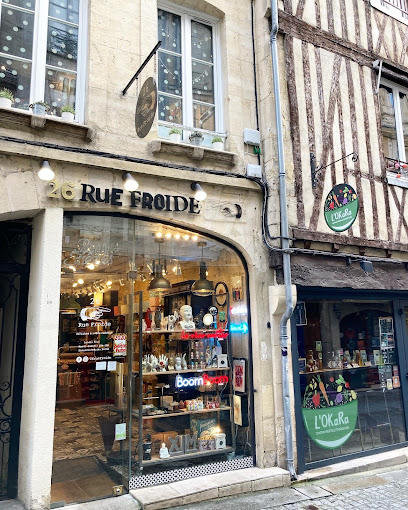
26 Rue Froide
2.0 km
Explore the artistic haven of 26 Rue Froide in Caen, featuring a captivating collection of posters that celebrate creativity and culture.
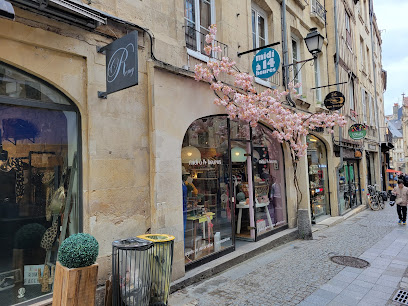
Midi à 14 Heures
2.0 km
Explore Midi à 14 Heures in Caen for unique gifts, stunning costume jewelry, and chic women's clothing that capture the essence of French style.
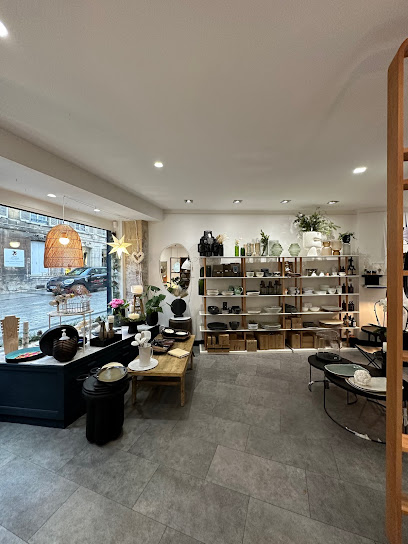
BASALT MARKET
2.0 km
Explore Basalt Market in Caen for exquisite home goods, unique costume jewelry, and stylish sofas that embody French craftsmanship.
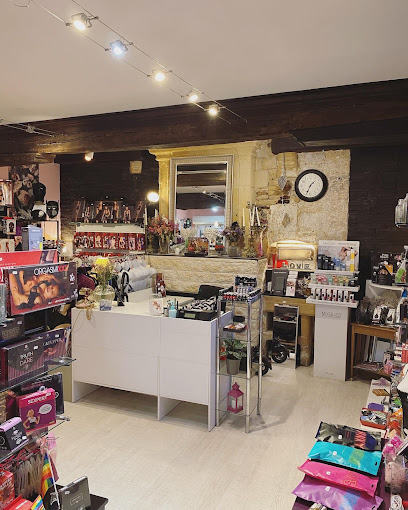
Lady C loveshop sexshop
2.0 km
Explore a unique adult gift shop in Caen, featuring lingerie, novelties, and an inviting atmosphere for all shoppers.
Shakti
2.0 km
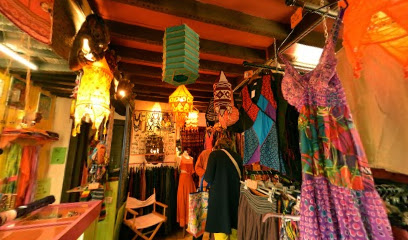
Explore Shakti in Caen for unique gifts and exquisite costume jewelry, perfect for capturing the spirit of your travels.
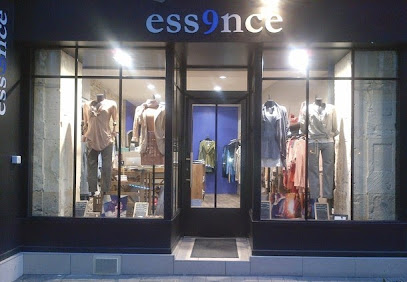
ess9nce
2.1 km
Discover contemporary women's fashion at Ess9nce in Caen, where chic styles and personalized service await every fashion enthusiast.
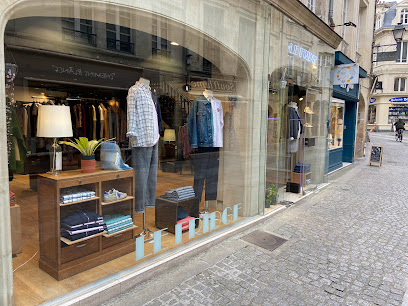
Le Fridge
2.1 km
Discover stylish clothing for men and women at Le Fridge in Caen, where fashion meets a cozy shopping atmosphere for all visitors.
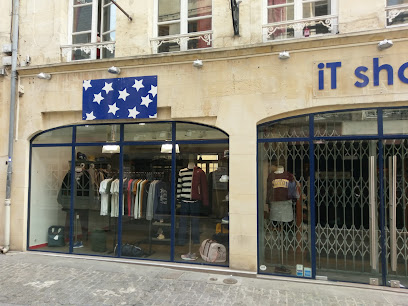
It Shop
2.1 km
Explore the latest trends and timeless pieces at It Shop, a premier clothing destination in Caen for stylish men and women.
Essential bars & hidden hideouts

Le Baroudeur
1.6 km
Experience the lively atmosphere and eclectic drink selection at Le Baroudeur, a must-visit bar in the heart of Caen.
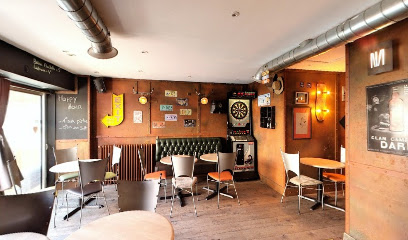
L'Antre Potes
1.7 km
Discover L'Antre Potes in Caen, where a cozy atmosphere meets a delightful beverage selection for an unforgettable local experience.
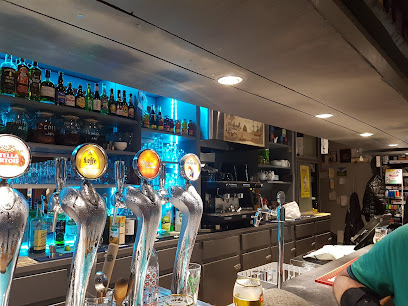
Le Tripot
1.8 km
Discover Caen's vibrant nightlife at Le Tripot, where creative cocktails and live music create the perfect atmosphere for a memorable evening.
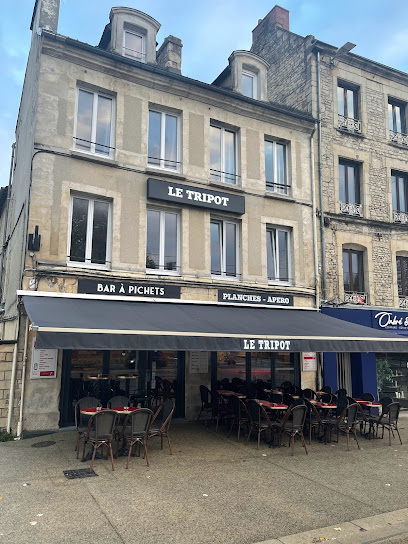
L'Antirouille
1.8 km
Experience the charm of Caen at L'Antirouille, a cozy bar and bistro offering local flavors and a welcoming atmosphere for all visitors.
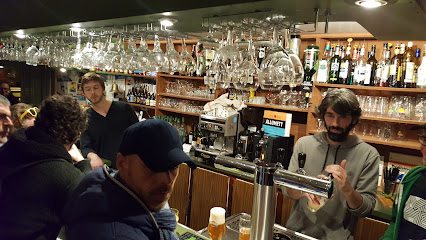
Le Boudoir
1.9 km
Discover the charming atmosphere of Le Boudoir in Caen, where exquisite cocktails and lively music create the perfect night out.
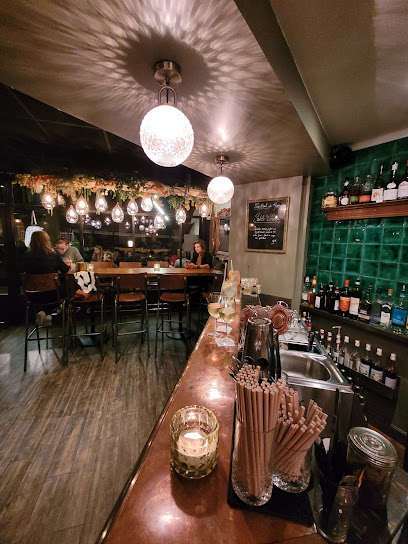
NONNA
2.0 km
Discover Nonna Bar, a cozy bar in Caen that offers a perfect blend of great drinks and vibrant atmosphere for an unforgettable night out.
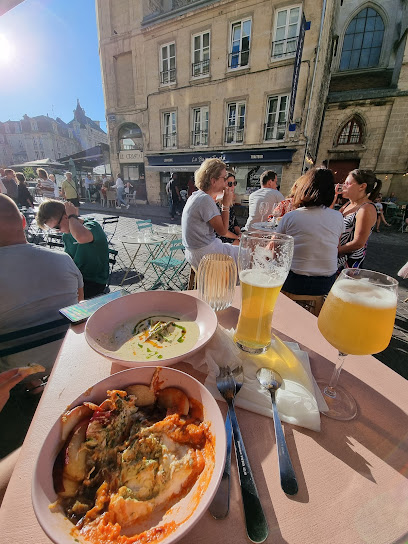
Les Quilles
2.0 km
Experience the charm of Les Quilles, a top wine bar in Caen offering an exceptional selection of wines and a cozy atmosphere for all wine lovers.
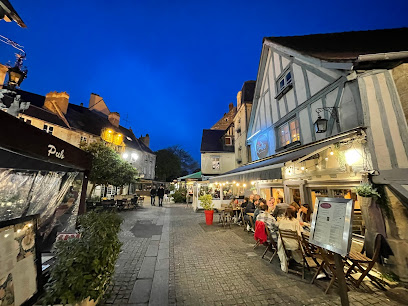
Kokomo
2.0 km
Experience the vibrant nightlife of Caen at Kokomo, a lively bar known for its welcoming atmosphere and diverse drink selection, perfect for socializing.
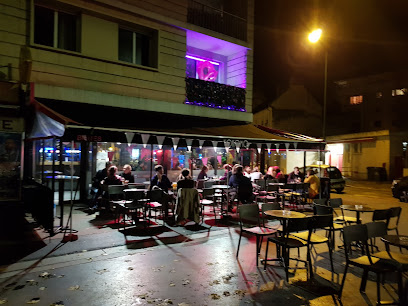
El Mojito
2.0 km
Experience the vibrant nightlife at El Mojito, a top lounge and cocktail bar in Caen, perfect for relaxing and socializing.
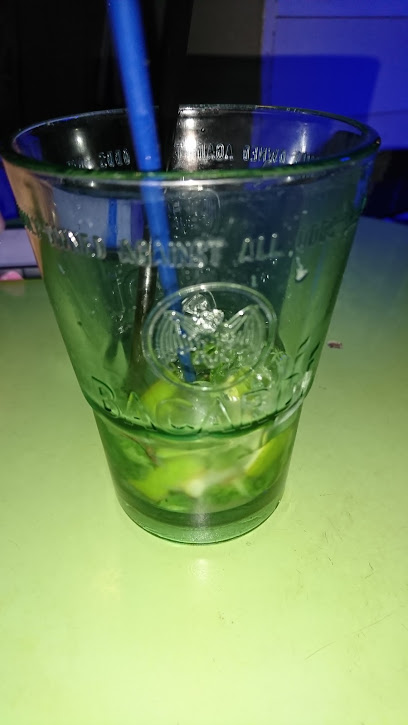
Ecto Bar
2.0 km
Experience the vibrant nightlife of Caen at Ecto Bar, where eclectic drinks and a lively atmosphere await you.
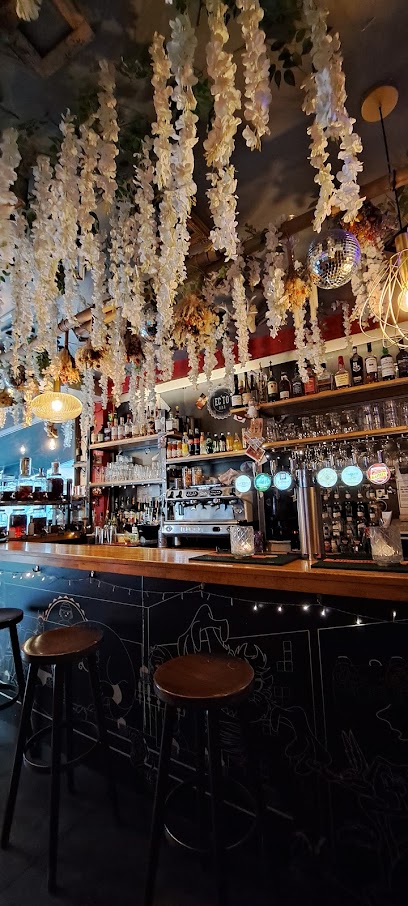
Le Catumagos
2.1 km
Le Catumagos in Caen offers a cozy atmosphere, friendly service, and a delightful selection of beverages for a memorable night out.
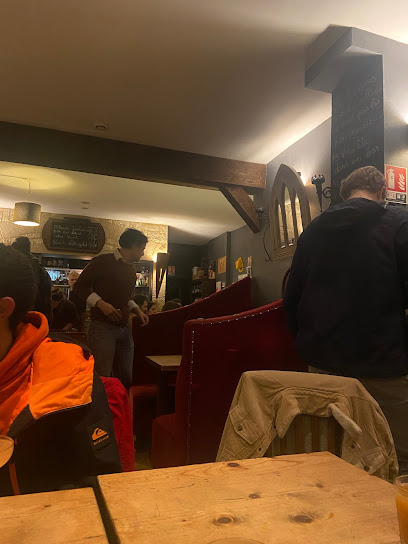
Speakeasy
2.1 km
Experience the charm of the Prohibition era at Caen's Speakeasy, where expertly crafted cocktails and an intimate atmosphere await.
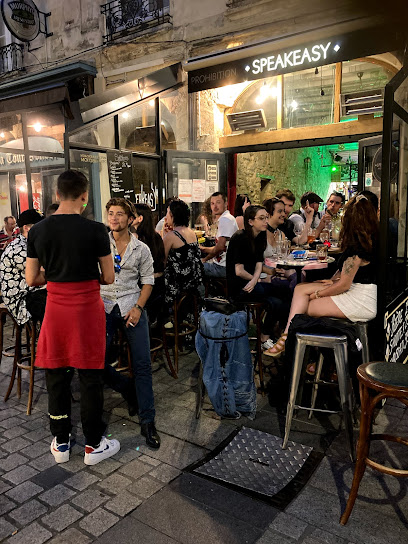
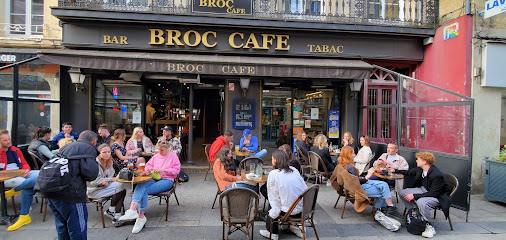
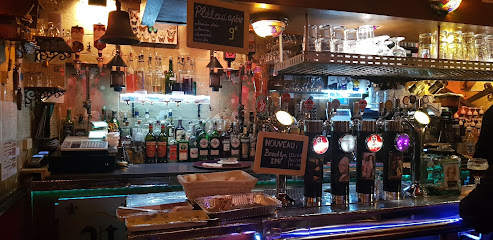
Broc' Café
2.1 km
Discover the flavors of Caen at Broc' Café, where café charm meets bar vibes in a cozy setting perfect for relaxation.
Vertigo
2.1 km
Discover the pulse of Caen nightlife at Vertigo, a lively bar offering an extensive drink menu in a cozy and inviting atmosphere.
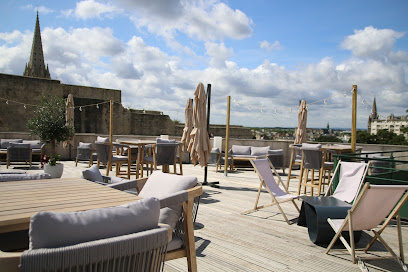
Le Roof du Château
2.1 km
Unwind at Le Roof du Château, a cocktail bar blending historical charm with modern mixology in the heart of Caen.
Nightclubs & after hour spots

L' Écume Des Nuits - Caen
2.0 km
Discover the dynamic nightlife of Caen at L' Écume Des Nuits, a premier night club and bar offering unforgettable experiences and late-night fun.
El Che Guevara BAR - Caen
2.0 km
Discover Caen's vibrant nightlife at El Che Guevara BAR, where cocktails, music, and dancing create an unforgettable experience.
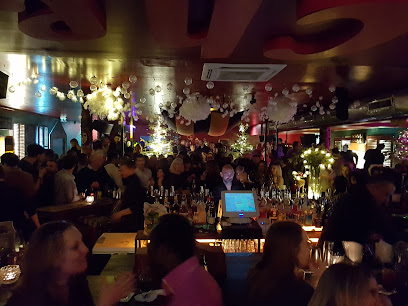
Le FARNIENTE - Caen
2.2 km
Discover the lively nightlife at Le FARNIENTE, a vibrant night club and bar in Caen, offering music, dancing, and unforgettable experiences.
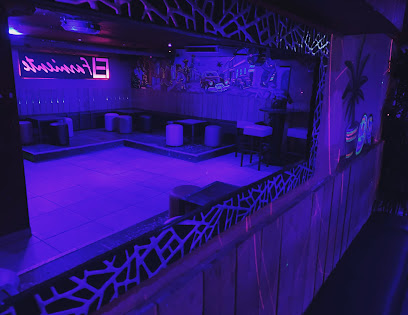
Olly's Caen
2.4 km
Discover the exhilarating nightlife at Olly's Caen, a top night club in Caen, where unforgettable moments and great music await.

QG - Caen
2.5 km
Dive into the vibrant nightlife of Caen at QG, where music, dancing, and unforgettable experiences await you.
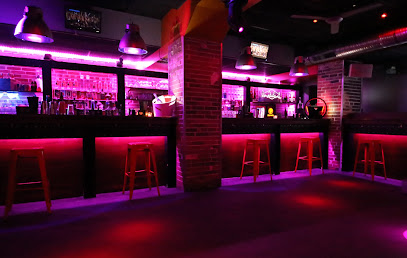
Le 32
2.6 km
Experience the heartbeat of Caen's nightlife at Le 32, a vibrant night club and bar that promises unforgettable evenings of music and dance.
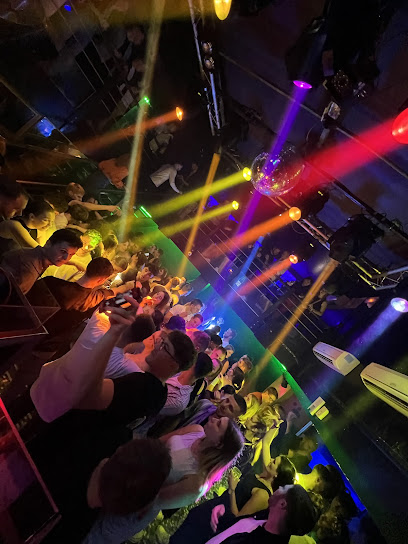
Nuit Blanche
2.6 km
Discover the electrifying nightlife of Caen at Nuit Blanche, a vibrant night club offering a mix of music and dance in a lively atmosphere.
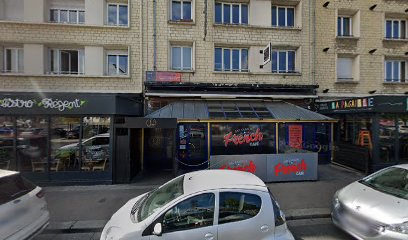
What’s
2.7 km
Discover the vibrant nightlife of Caen at What’s, the ultimate destination for music, dancing, and unforgettable experiences.
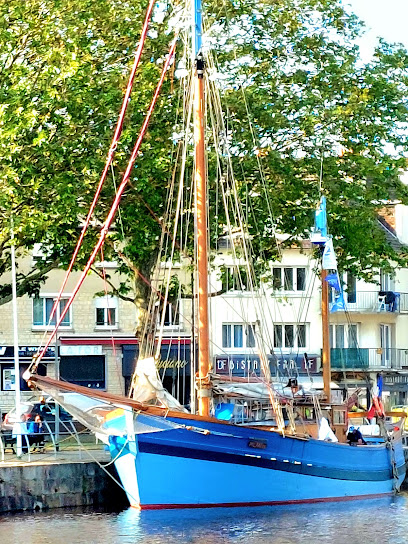
No Limit Night Club - Caen
3.0 km
Dive into the vibrant nightlife at No Limit Night Club in Caen - where music, dance, and fun create unforgettable memories.
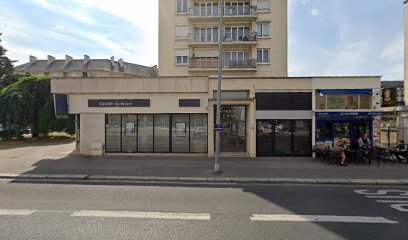
Les marches des Caen Runners
3.5 km
Discover the electrifying nightlife at Les Marches des Caen Runners, a vibrant night club in Caen, France, perfect for dancing and socializing.
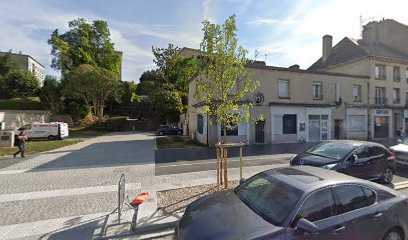
Monte Cristo - Thue et Mue
10.7 km
Dive into the vibrant nightlife at Monte Cristo in Thue et Mue - a disco club that promises unforgettable nights filled with dance, drinks, and fun.
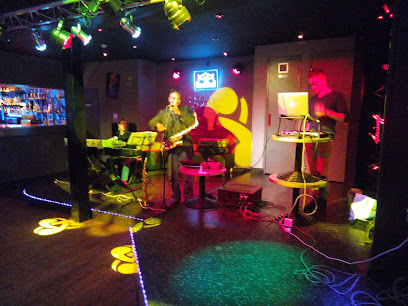
Le Cercle
13.7 km
Discover the vibrant nightlife at Le Cercle in Ouistreham, where music, dance, and excitement await every night.
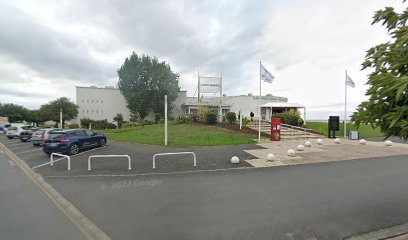
Havana Club
16.4 km
Dive into the lively nightlife at Havana Club, where music, dance, and vibrant atmosphere come together for an unforgettable evening in Merville-Franceville-Plage.
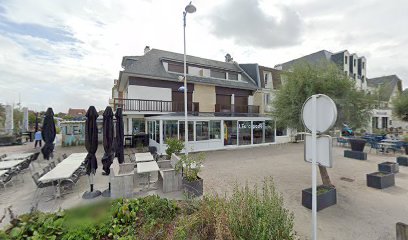
Le Club Deauville
37.9 km
Experience the electrifying nightlife of Deauville at Le Club Deauville, where music and dance come alive until dawn.
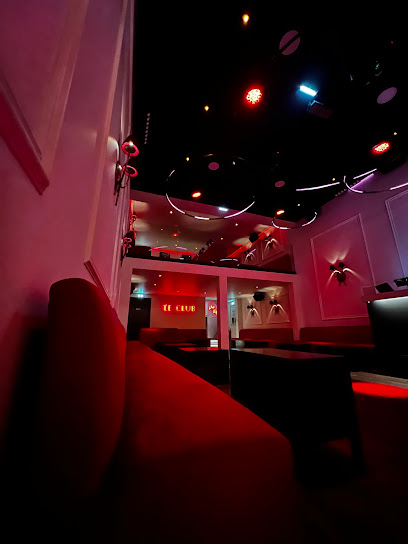
The Point Bar
38.1 km
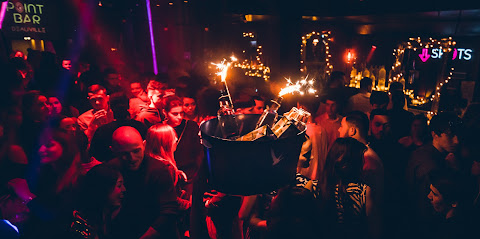
Discover the vibrant nightlife at The Point Bar in Deauville, where dance, drinks, and unforgettable memories await.