Normandy American Cemetery and Memorial
A hallowed ground overlooking Omaha Beach, honoring the American soldiers who sacrificed their lives during the D-Day landings and the Battle of Normandy, a place for remembrance and reflection.
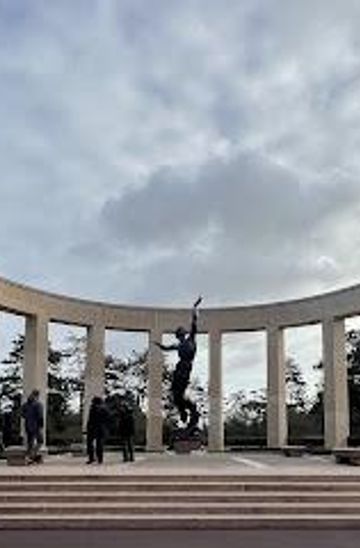
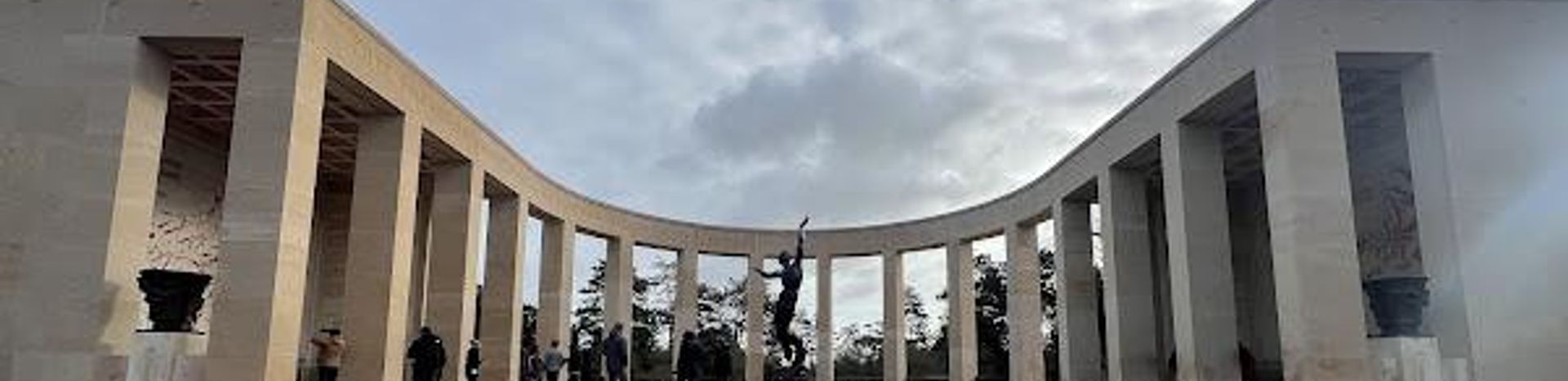
The Normandy American Cemetery and Memorial, located in Colleville-sur-Mer, France, is a poignant tribute to the American soldiers who lost their lives during the D-Day landings and the Battle of Normandy in World War II. Overlooking Omaha Beach, one of the key landing sites, the cemetery serves as the final resting place for 9,388 American service members. Visitors can explore the meticulously maintained grounds, featuring rows of white marble headstones, a moving memorial with the "Spirit of American Youth Rising from the Waves" statue, and the Walls of the Missing, bearing the names of 1,557 individuals whose remains were never recovered. The visitor center offers historical context and personal stories, enhancing the experience. A visit here provides a powerful and emotional connection to a pivotal moment in history, honoring the sacrifices made for freedom.
A brief summary to Normandy American Cemetery
- Rte du Cimetiere Americain, Colleville-sur-Mer, 14710, FR
- Click to display
- Click to display
- Monday 9 am-4:45 pm
- Tuesday 9 am-4:45 pm
- Wednesday 9 am-4:45 pm
- Thursday 9 am-4:45 pm
- Friday 9 am-4:45 pm
- Saturday 9 am-4:45 pm
- Sunday 9 am-4:45 pm

Know before you go
Hi, I'm Eve. Here are a few practical things to know before exploring Normandy American Cemetery.
- Allow at least 2-3 hours to fully experience the cemetery, including the visitor center and memorial.
- Check the ABMC website for information on special events, ceremonies, and temporary closures.
- Consider downloading the Normandy American Cemetery brochure from the ABMC website for a self-guided tour.
- Dress respectfully, as this is a place of remembrance and mourning.
- Be aware that the pathway from the cemetery to Omaha Beach is closed; access the beach via nearby public access points.
Do you manage this location?
Take control to get all the benefits, like improved information, better appearance, and stronger visibility across AI-powered discovery. Learn more
Activate your presence

Getting There
-
Public Transport
From Bayeux, take the Réseau Nomad Car line 120 bus towards Grandcamp-Maisy. The bus departs from the Bayeux train station (BAYEUX - Gare sncf) and stops directly at the Normandy American Cemetery (COLLEVILLE-SUR-MER - Cimetière américain). The journey takes approximately 32 minutes. Be aware that this bus line operates with limited service, typically once daily from Monday to Saturday, and exclusively from April to November. Check the Réseau Nomad Car (Lignes de Normandie) schedule for current times. Purchase tickets onboard the bus or through the Atoumod m-ticket application. A single fare costs approximately €2-€4.
-
Taxi/Ride-Share
From Bayeux, a taxi or ride-share service is a convenient option. The journey to the Normandy American Cemetery takes approximately 20 minutes, covering a distance of about 18 km. Expect to pay between €35 and €45 for the trip. Taxis are usually available at the Bayeux train station. Alternatively, you can pre-book a taxi or ride-share service for a guaranteed pickup.
-
Driving
If driving from Bayeux, follow the D6 towards the D514, and follow the signs to the Normandy American Cemetery in Colleville-sur-Mer. The drive takes approximately 20 minutes. Free parking is available at the cemetery in a large dedicated parking lot near the visitor center. Be mindful of securing your vehicle and not leaving valuables in plain sight. Note that during peak season, the parking lot can fill up quickly.
Discover more about Normandy American Cemetery
Explore the best of what Normandy American Cemetery has to offer
-

Best experiences near Normandy American Cemetery
-

Best hotels near Normandy American Cemetery
-

Best landmarks near Normandy American Cemetery
-

Best shops near Normandy American Cemetery
-

Best restaurants near Normandy American Cemetery
-

Best bars near Normandy American Cemetery
-

Best nightclubs near Normandy American Cemetery









More about Normandy
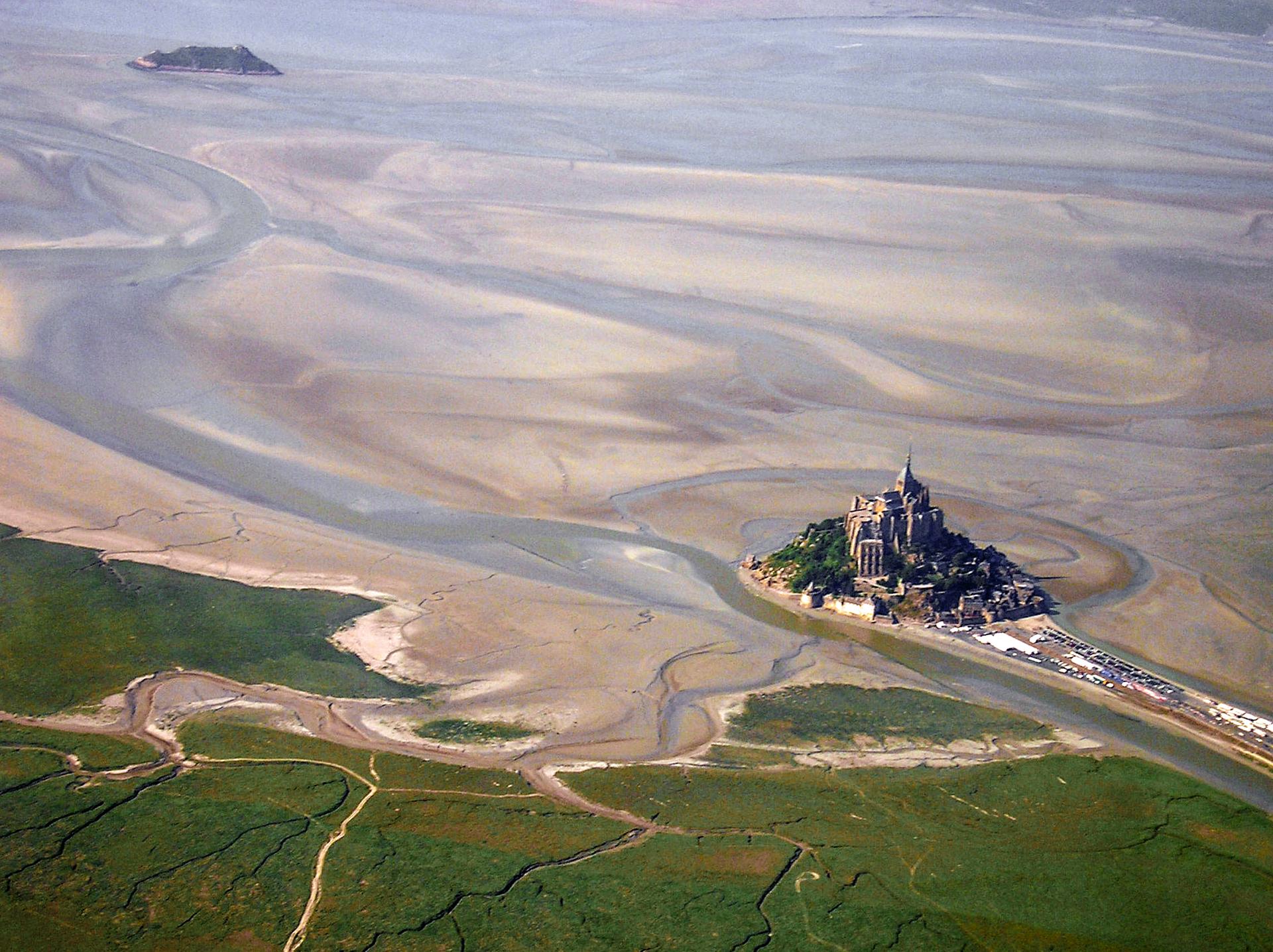
Discover Normandy: A picturesque region of France blending historical significance, natural beauty, and culinary delights, perfect for curious travelers and history enthusiasts.
Tell me more about Normandy
Discover the art of Calvados at Château du Breuil in Normandy: a historic distillery offering tours, tastings, and a sensory journey through French spirit-making tradition.

Discover the charm of rural Normandy at Ferme de la Sapinière, an organic farm offering guided tours, animal encounters, and fresh, local produce near the historic D-Day beaches.