Background

Faraman Lighthouse: Sentinel of the Camargue

Discover the historic Faraman Lighthouse in Arles, a towering beacon offering panoramic views of the Camargue's unique landscape and a glimpse into maritime history.

4.3

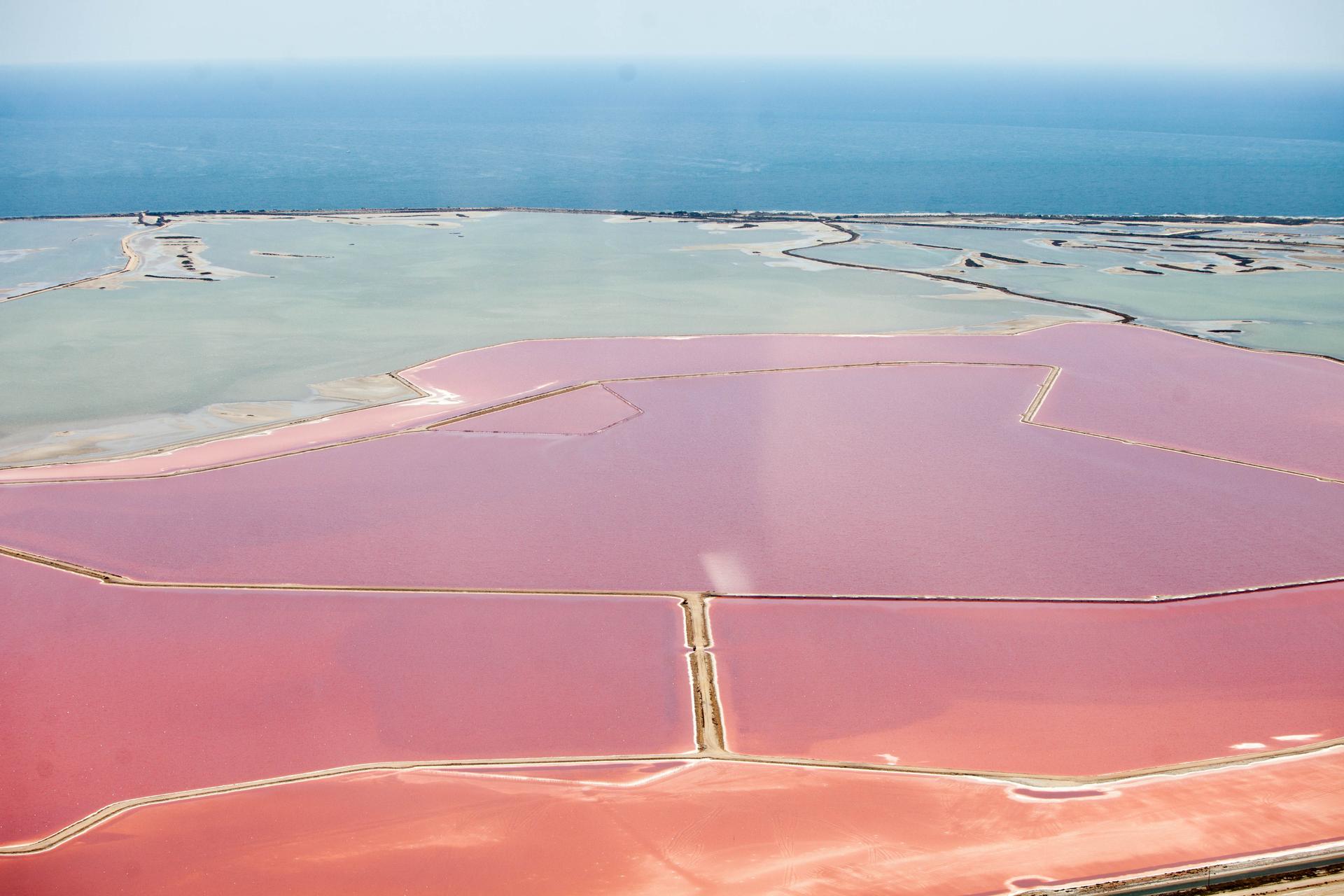
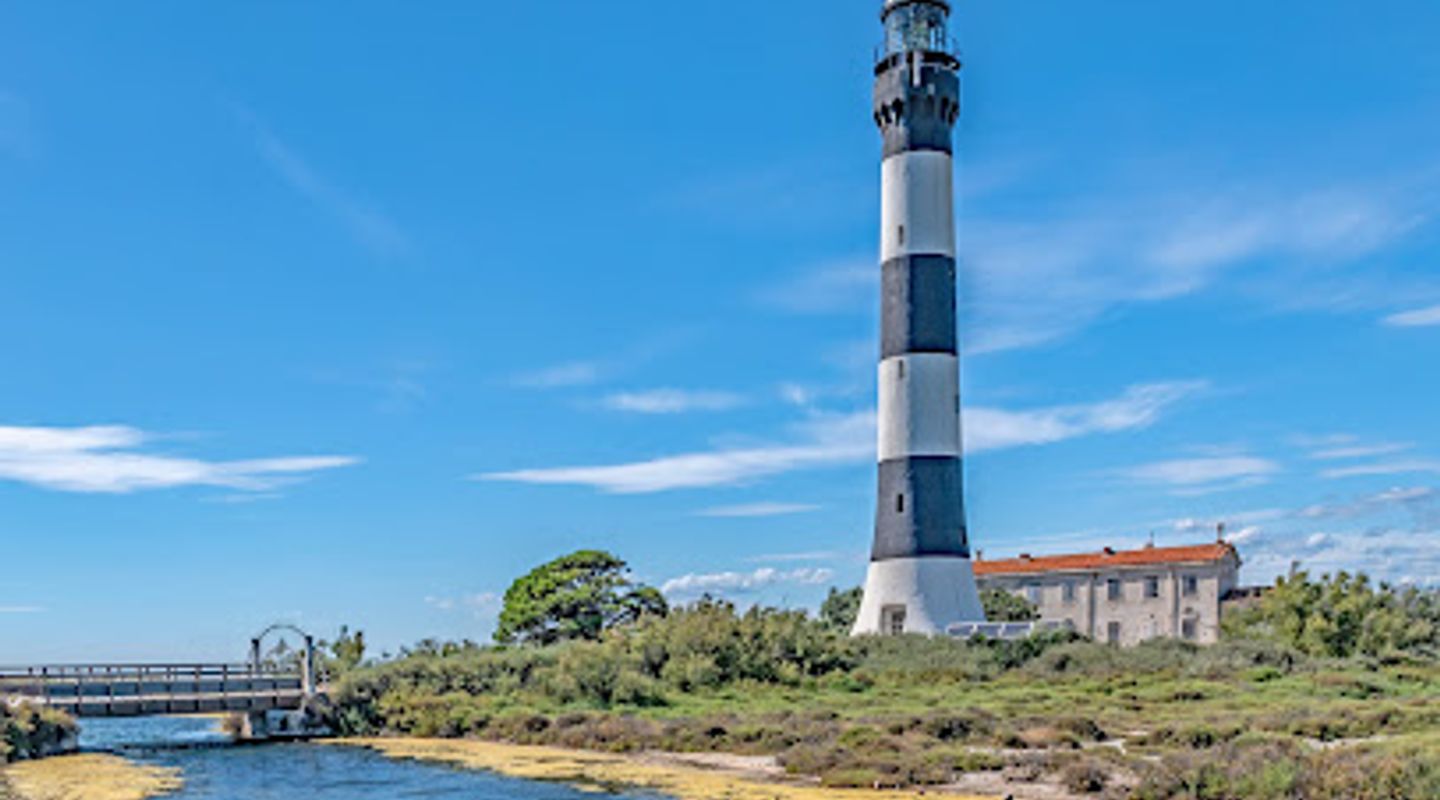
The Faraman Lighthouse, a towering black and white striped structure, stands as a historic sentinel on the edge of the Camargue Regional Natural Park. Rising 46.5 meters, it's one of the tallest lighthouses on the Mediterranean coast, offering panoramic views of the unique Camargue landscape. Built initially in 1830 and reconstructed in 1892 after succumbing to the sea's relentless advance, it has guided sailors for over a century. Though no longer manned since its automation in 1972, the lighthouse remains a captivating landmark, steeped in history and offering a glimpse into the region's maritime past. Its remote location provides a tranquil escape, ideal for photographers, nature enthusiasts, and those seeking a connection with the wild beauty of the Camargue. The lighthouse was listed as an ancient monument in 2012.

A brief summary to Faraman Lighthouse

  • Unnamed Rd,, Arles, 13129, FR
  • Monday 12 am-12 am
  • Tuesday 12 am-12 am
  • Wednesday 12 am-12 am
  • Thursday 12 am-12 am
  • Friday 12 am-12 am
  • Saturday 12 am-12 am
  • Sunday 12 am-12 am

Local tips

  • Bring binoculars for optimal birdwatching in the surrounding Camargue Regional Natural Park, home to diverse species.
  • Visit during the shoulder seasons (spring or fall) for pleasant weather and fewer crowds.
  • Wear comfortable shoes as you'll likely be doing a fair amount of walking to explore the area.
widget icon

Getting There

  • Driving

    From Arles, take the D36 towards Salin-de-Giraud. Continue on the D36, following signs for the Faraman Lighthouse. The drive is approximately 40 kilometers and takes about 45 minutes. Be aware that the final stretch is on a narrow, unpaved road. Parking is available near the lighthouse. Note that during peak season, parking can be limited.

  • Public Transport

    While there isn't direct public transport to the lighthouse, you can take bus A50 from Arles to Salin-de-Giraud. From Salin-de-Giraud, the lighthouse is approximately 10 kilometers away. Consider taking a taxi from Salin-de-Giraud to the lighthouse, costing approximately €20-€30. Alternatively, you can rent a bike in Salin-de-Giraud and cycle to the lighthouse, enjoying the scenic route. Bike rentals typically cost around €15-€20 per day.

Unlock the Best of Faraman Lighthouse

Buy tickets

    No tickets available

Book tours with entry

    No tours available

Book tours without entry

    No tours available

Discover more about Faraman Lighthouse

The Faraman Lighthouse, an iconic beacon in the Camargue region, offers a compelling blend of maritime history, natural beauty, and tranquil isolation. Located approximately 10 kilometers from Salin-de-Giraud, within the Arles commune, this striking structure has stood watch over the Mediterranean Sea for well over a century. Its distinctive black and white horizontal stripes make it instantly recognizable against the backdrop of the Camargue's unique landscape of marshes, lagoons, and salt flats. Originally constructed in 1830 from wood, the Faraman Lighthouse was a necessary addition to the coast, warning sailors of the shallow waters and shifting coastlines of the Rhône delta. However, the relentless power of the sea proved too much, and the original structure was eventually destroyed. In 1892, a sturdier, stone lighthouse was erected in its place, standing further inland to withstand the coastal elements. This is the structure that visitors can see today. Rising to a height of 46.5 meters (approximately 153 feet), the Faraman Lighthouse is one of the tallest lighthouses on the Mediterranean coast. Until 2004, lighthouse keepers diligently climbed its 287 steps to maintain its lamp, which had a range of 42 kilometers (approximately 26 miles). The light was crucial for ships navigating the often-treacherous waters of the region. In 1972, the lighthouse was automated, marking the end of an era for the dedicated keepers who had faithfully maintained its vigil. The lighthouse was also equipped with a wind generator in 1972. The landscape surrounding the Faraman Lighthouse is as captivating as the structure itself. The Camargue is a unique and ecologically significant region, renowned for its diverse birdlife, including flamingos, herons, and egrets. The area is also home to the iconic Camargue horses and bulls, adding to the region's distinctive character. The lighthouse is located approximately 700 meters from the sea due to silting-up of the coastline. While the lighthouse itself is not always open to the public for climbing, the surrounding area offers ample opportunities for exploration and appreciation of the Camargue's natural beauty. Visitors can enjoy walking and cycling trails that wind through the marshes and along the coastline, providing stunning views of the lighthouse and the surrounding landscape. The area is also a popular spot for birdwatching, with numerous observation points strategically located throughout the park. The Faraman Lighthouse also has a place in cinematic history, having been featured in Robert Dhéry's 1967 film "Le Petit Baigneur" (The Little Bather), starring Louis de Funès. This appearance has further cemented the lighthouse's status as a recognizable landmark in the region. Visiting the Faraman Lighthouse offers a chance to step back in time and appreciate the vital role that these structures played in maritime navigation. It's a place to connect with the natural world, to breathe in the fresh sea air, and to marvel at the beauty and tranquility of the Camargue. Whether you're a history buff, a nature lover, or simply seeking a peaceful escape, the Faraman Lighthouse is a destination that will leave a lasting impression. The area around the lighthouse is open 24 hours a day, offering flexibility for visitors who wish to explore the area at their own pace. The best times to visit are during the shoulder seasons (spring and fall) when the weather is mild and the crowds are smaller. Summer can be hot and crowded, while winter can be cool and windy. To make the most of your visit, be sure to bring comfortable shoes for walking, sunscreen, a hat, and plenty of water. A pair of binoculars is also recommended for birdwatching. And don't forget your camera to capture the stunning views of the lighthouse and the surrounding Camargue landscape. The Faraman Lighthouse stands as a testament to human ingenuity and resilience in the face of nature's challenges. It's a place where history, nature, and tranquility converge, offering a unique and unforgettable experience for all who visit. While in the area, consider exploring other attractions in the Camargue Regional Natural Park, such as the Marais du Vigueirat, a protected wetland area with diverse birdlife, or the Musée Camarguais, which provides insights into the region's history and culture. The nearby town of Arles, with its Roman ruins and vibrant arts scene, is also worth a visit. The Faraman Lighthouse is more than just a landmark; it's a symbol of the Camargue, a place where the past and present intertwine, and where the beauty of nature reigns supreme. Today, the lighthouse is powered by the national grid and is no longer manned. The smooth masonry was painted with six alternating white and black horizontal stripes in 1934. From 1947 to 1950, it underwent restoration due to damage caused during the Second World War.

Popular Experiences near Faraman Lighthouse

Popular Hotels near Faraman Lighthouse

Select Currency