Réserve naturelle nationale de Camargue: A Natural Paradise
Discover the untamed beauty of France's Camargue National Reserve: a haven for pink flamingos, wild horses, and unique biodiversity, offering an unforgettable nature escape.
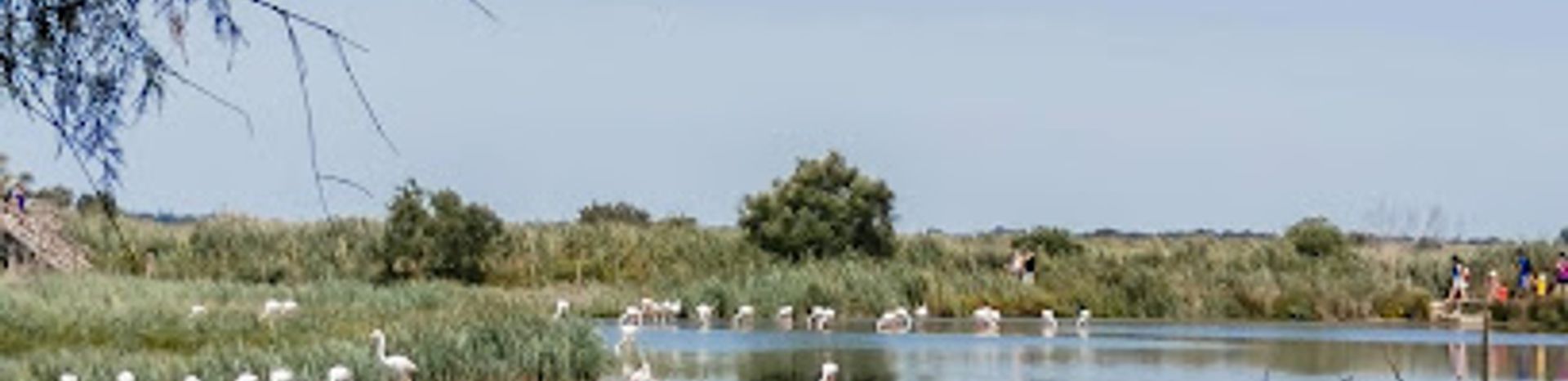
The Réserve naturelle nationale de Camargue, a protected area since 1927, is a sprawling natural reserve in the heart of the Camargue region of France, offering a unique landscape of wetlands, marshes, and lagoons. It's a haven for birdwatchers, nature enthusiasts, and anyone seeking tranquility. The reserve is home to over 300 bird species, including the iconic pink flamingo, as well as the Camargue horse and bull. Visitors can explore the reserve through various walking trails and observation points, particularly around La Capelière, the main visitor center. The reserve showcases the delicate balance between nature and traditional human activities, such as salt production and livestock farming, making it a vital area for conservation and a captivating destination for those seeking an immersive natural experience. The best times to visit are during the spring and autumn months to avoid the summer heat and to witness the migratory bird seasons.
A brief summary to Réserve naturelle nationale de Camargue
- Rte de Fielouse, Arles, 13200, FR
- +33490970097
- Visit website
Local tips
- Visit during spring or autumn for the best wildlife viewing opportunities and pleasant weather.
- Bring binoculars for optimal birdwatching, especially to spot the iconic pink flamingos.
- Wear comfortable shoes suitable for walking on potentially uneven terrain.
- Consider joining a guided tour to learn more about the reserve's unique ecosystem and local culture.
- Pack a picnic to enjoy amidst the stunning natural surroundings, but be mindful of leaving no trace.

Getting There
-
Public Transport
From Arles, take the Line A50 bus towards Saintes-Maries-de-la-Mer. The bus stops at Pont de Rousty, which is approximately a 10-minute walk (585 meters) to the reserve entrance. The bus ride takes about 30 minutes. Check the current bus schedules as they may vary depending on the season. A single bus fare costs approximately €2.
-
Taxi/Ride-Share
A taxi or ride-sharing service from the center of Arles to the Réserve naturelle nationale de Camargue takes approximately 15-20 minutes, depending on traffic. The estimated cost ranges from €27 to €35. This is the quickest option, especially if you are traveling in a group or prefer a more direct route.
-
Driving
From Arles, follow the D570 towards Saintes-Maries-de-la-Mer. Then, take the D36 and D36B towards Route de Fielouse. Limited free parking is available near the reserve entrance. During peak season, parking may be challenging, so arrive early. Be aware that some access roads may be narrow. There are no toll roads on this route.
Discover more about Réserve naturelle nationale de Camargue
Iconic landmarks you can’t miss

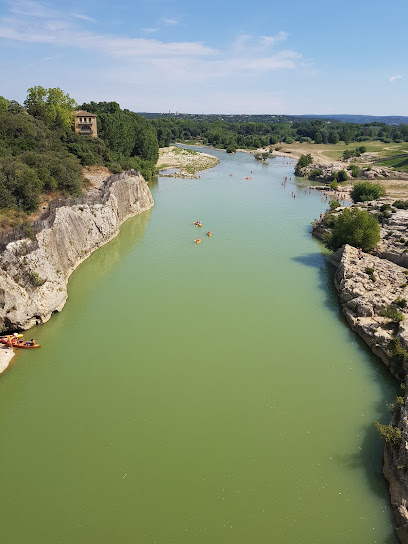
Camargue Regional Nature Park
3.9 km
Discover the wild beauty of the Camargue: a unique landscape of wetlands, wildlife, and traditions in the heart of the Rhône delta.
Manade Jacques Bon
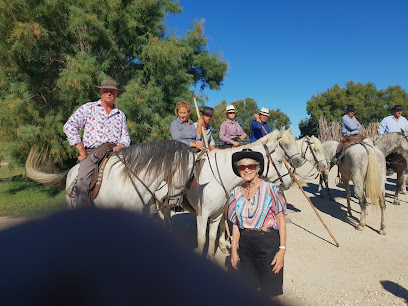
4.5 km
Experience Camargue traditions at Manade Jacques Bon near Arles: bull and horse breeding, gardian skills, and immersive Provençal culture.
Domaine du Mas de la Cure
14.5 km
Discover the heart of Camargue at Domaine du Mas de la Cure, where history, culture, and natural beauty converge. Explore the legacy of the Camargue horse.
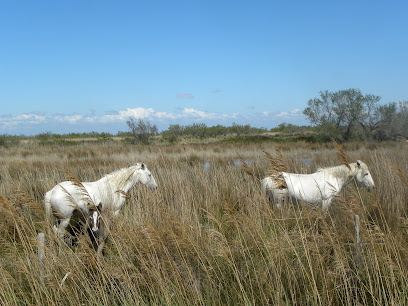
Patio de Camargue
15.1 km
Experience the heart of Gypsy culture in Arles at Patio de Camargue, an event venue with music, dance, and Camargue spirit.
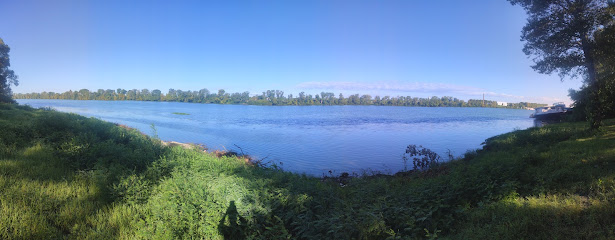
Promenade a Cheval sheepfold of Alivon in the Camargue
15.1 km
Discover the Camargue's untamed beauty on horseback at Alivon sheepfold. Guided tours, stunning landscapes, and unforgettable wildlife encounters await!
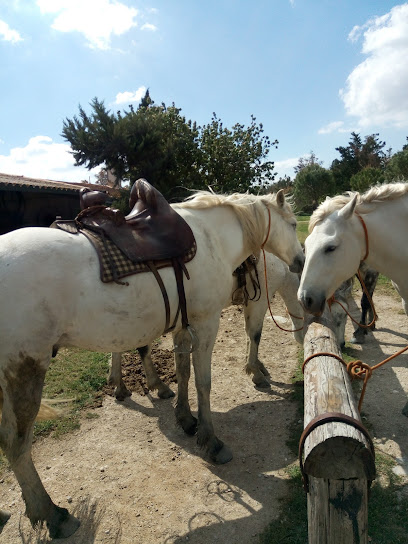
Cloître Saint-Trophime
16.0 km
Discover the serene beauty and intricate carvings of this UNESCO-listed cloister, a blend of Romanesque and Gothic art in the heart of Arles.
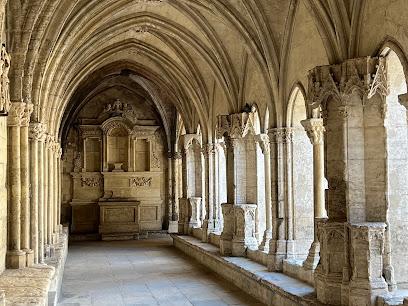
Pl. de la République
16.0 km
Discover the vibrant heart of Arles at Pl. de la République, a historic square filled with charm, culture, and culinary delights.
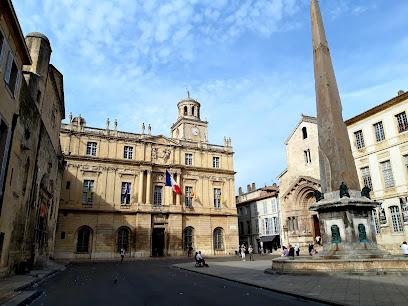
Arles
16.0 km
Explore the enchanting city of Arles, a UNESCO World Heritage site filled with Roman ruins, vibrant markets, and stunning natural landscapes in Provence, France.
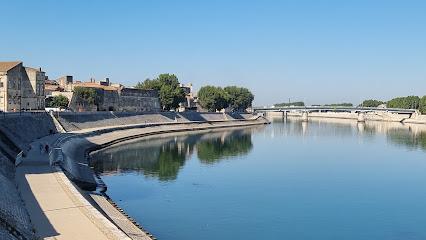
Cryptoportiques d'Arles
16.1 km
Discover the ancient Roman underground galleries at Cryptoportiques d'Arles, a historical landmark showcasing Arles' rich heritage.
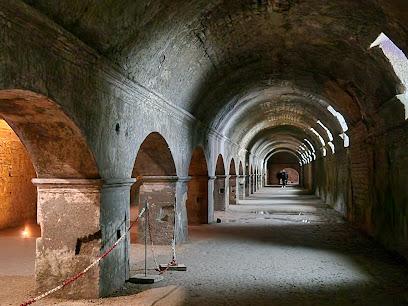
Thermae of Constantine
16.3 km
Explore the partially restored 4th-century Roman baths of Emperor Constantine in Arles, a UNESCO World Heritage Site, and discover ancient bathing culture.
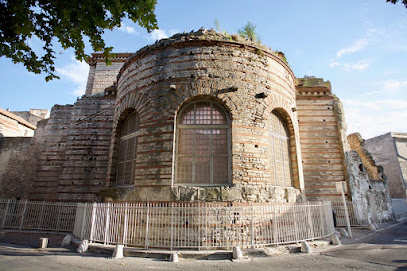
Pl. Lamartine
16.6 km
Experience the historical allure and vibrant culture of Place Lamartine in Arles, where history meets modern charm in the heart of Provence.

House Cheval Camargue
17.9 km
Discover the Camargue horse: history, breeding, and its role in the Camargue's unique ecosystem at this dedicated center.
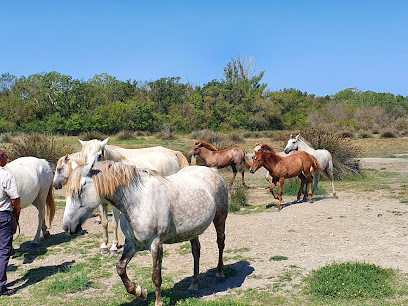
Château d'Avignon
18.5 km
Discover Château d'Avignon: A historic Camargue castle blending heritage, art, and nature in Saintes-Maries-de-la-Mer.
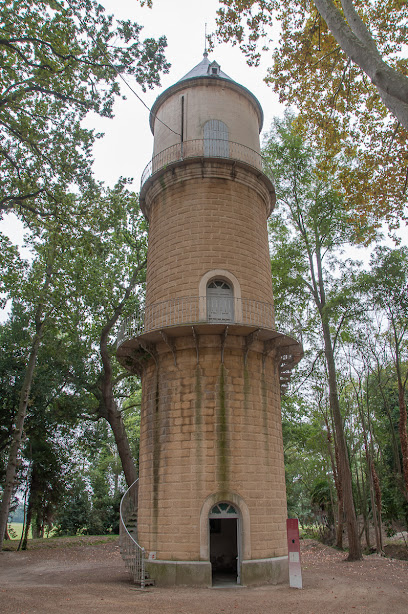
Promenade à cheval Chez Elise
19.3 km
Explore the Camargue's untamed beauty on horseback with guided tours for all skill levels. Discover diverse wildlife and stunning landscapes.
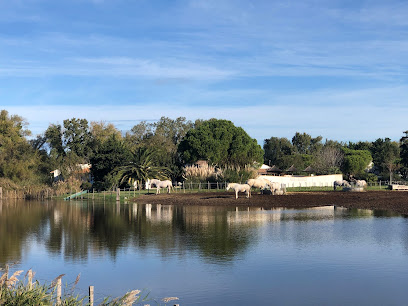
Tiki III
21.3 km
Discover the Camargue's untamed beauty on a traditional Tiki III cruise, offering unique views of wildlife and landscapes along the Petit Rhône.
Unmissable attractions to see

Point d'observation
0.8 km
Discover the untamed beauty of the Camargue from this serene vantage point, offering panoramic views of marshlands, wildlife, and the unique charm of southern France.
Marshes Nature Reserve Vigueirat
9.4 km
Discover the untamed beauty of the Camargue at Marais du Vigueirat: a haven for wildlife, a celebration of tradition, and a model for sustainable tourism in the heart of Provence.
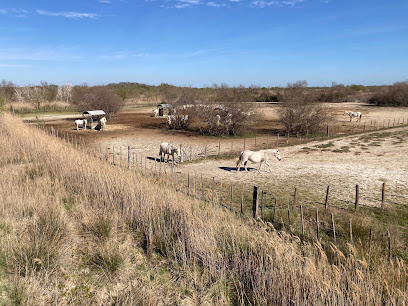
Lighthouse Gacholle
10.2 km
Discover the historic Gacholle Lighthouse in the Camargue National Reserve, a beacon of maritime history offering stunning views and a unique glimpse into the region's natural beauty.
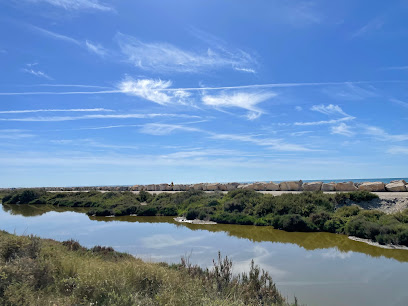
Petit Train de Méjanes
11.4 km
Discover the Camargue's soul on a charming railway journey through Domaine de Méjanes, encountering wild horses, black bulls, and stunning landscapes on this unique scenic ride.
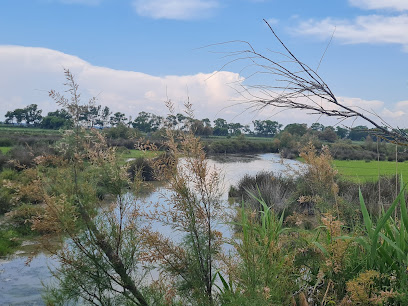
Beach Beauduc
12.2 km
Discover the serene beauty of Beach Beauduc in Saintes-Maries-de-la-Mer, a tranquil paradise for sun-seekers and adventure lovers alike.
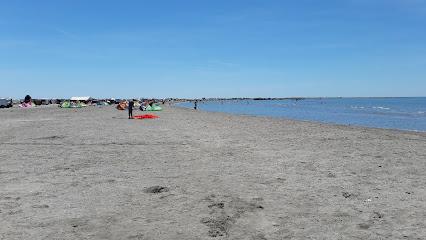
Musée de la Camargue
13.4 km
Discover the Camargue's soul at this captivating museum: explore its history, culture, and unique relationship between humans and nature in the heart of the Camargue Regional Natural Park.

Langlois Bridge
13.9 km
Experience the beauty of Langlois Bridge in Arles, a historical landmark that inspired Van Gogh, surrounded by stunning Provençal landscapes.
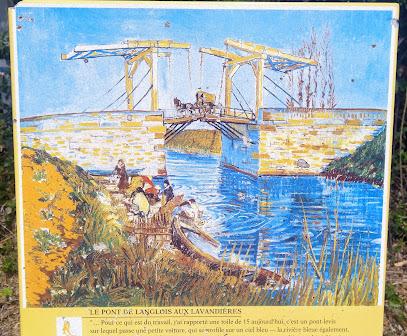
Camargue
15.1 km
Discover the stunning landscapes and vibrant wildlife of Camargue, a unique natural destination in southern France, perfect for nature lovers and adventurers.

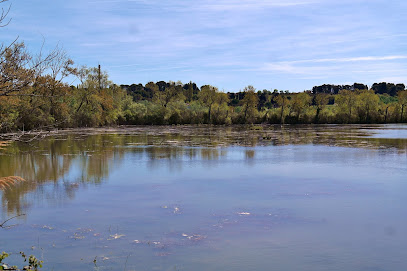
Marais de Beauchamp
15.2 km
Discover a natural paradise just outside Arles: the Marais de Beauchamp offers a tranquil escape into the heart of a protected wetland, teeming with diverse flora and fauna.
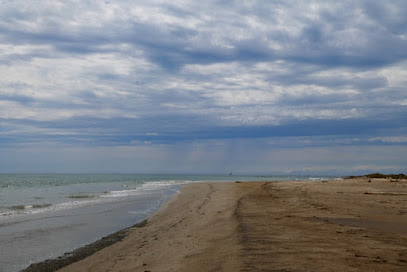
Camargue Confidentielle : Beauduc
15.3 km
Discover Beauduc: A wild and remote Camargue beach offering kitesurfing, natural beauty, and a tranquil escape from the ordinary, inviting you to explore its unspoiled coastline.
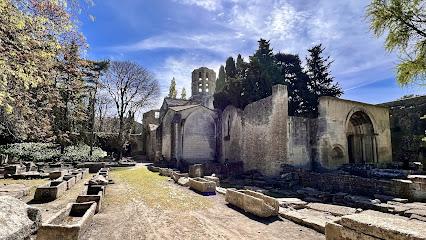
Alyscamps
15.6 km
Discover the haunting beauty of Alyscamps, a historical landmark in Arles, France, where ancient tombs meet serene landscapes.
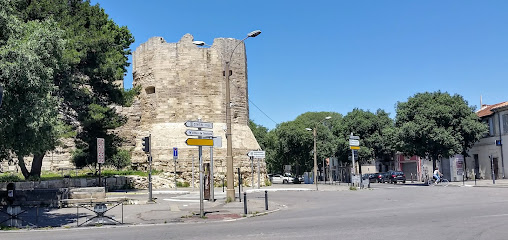
Tour des Mourgues
15.9 km
Explore the Tour des Mourgues in Arles, a captivating historical landmark showcasing Roman and medieval architecture, offering a glimpse into the city's rich past and enduring heritage.
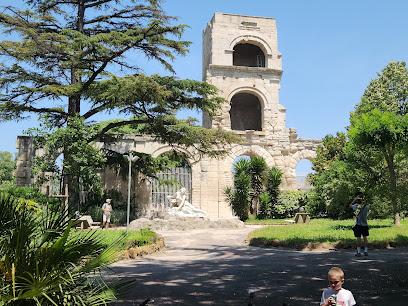
Jardin d'été
15.9 km
Discover Arles' enchanting Jardin d'été: a serene oasis blending history, art, and nature, offering a tranquil escape steps from the ancient Roman theater and city center.
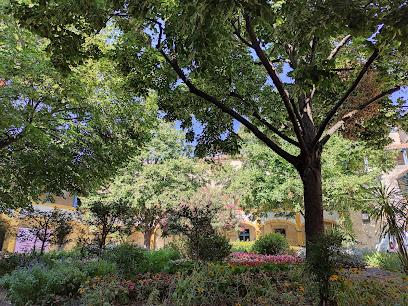
L'espace Van Gogh
16.0 km
Discover the artistic legacy of Vincent van Gogh at L'espace Van Gogh in Arles, where art and history intertwine in a serene cultural setting.
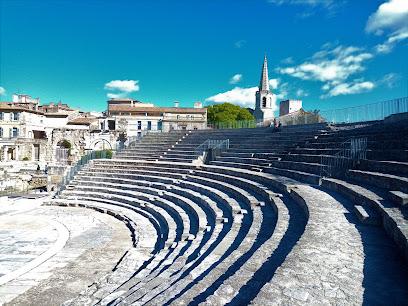
Roman Theatre of Arles
16.0 km
Discover the Roman Theatre of Arles, a UNESCO World Heritage site that showcases ancient Roman architecture and vibrant cultural performances.
Essential places to dine

La Chassagnette
4.6 km
Experience exquisite organic French cuisine amidst serene landscapes at La Chassagnette near Arles.
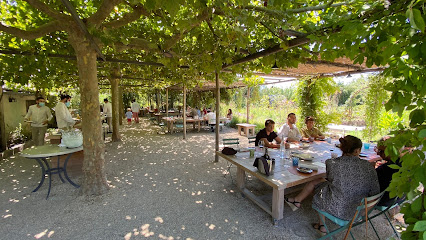
Chez Bob
4.8 km
Experience authentic French cuisine at Chez Bob in Arles - where every dish is a celebration of local flavors and culinary artistry.
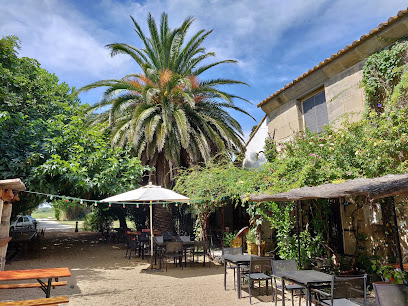
Restaurant la Telline
5.2 km
Experience exquisite French cuisine at Restaurant la Telline in Arles—home to fresh seafood specialties and delectable meat dishes.
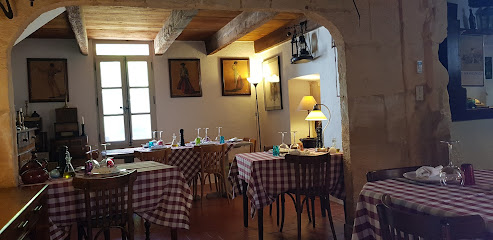
Le Mas de Peint
6.9 km
Discover unparalleled luxury and charm at Le Mas de Peint in Arles – your ultimate retreat in the heart of Camargue.
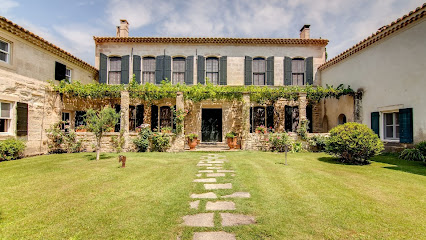
Restaurant Le Mas de Peint
7.0 km
Experience the essence of haute French cuisine at Restaurant Le Mas de Peint in the heart of Camargue's stunning landscapes.
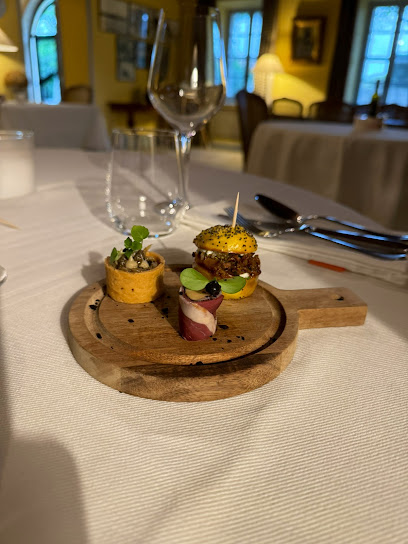
Le Resto du Paty / Les Maisons du Paty (Gîtes)
14.9 km
Experience authentic French cuisine at Le Resto du Paty in Arles - where culinary artistry meets warm hospitality.
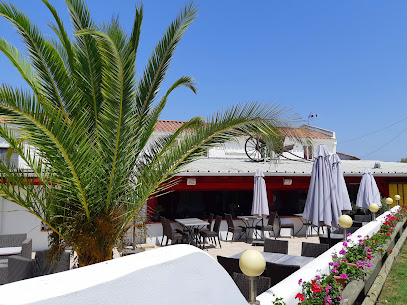
Hotel et Restaurant Les Saladelles
15.3 km
Experience authentic French cuisine and hospitality at Hotel et Restaurant Les Saladelles in the heart of historic Arles.
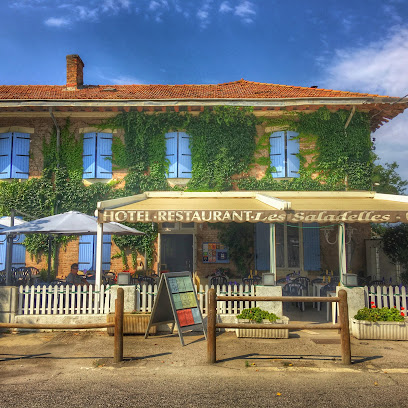
Restaurant Le Flamant Rose
15.7 km
Experience exquisite French cuisine at Restaurant Le Flamant Rose in L'Albaron - where tradition meets innovation in every dish.
La Pergula
16.0 km
Experience exquisite Mediterranean dining at La Pergula in Arles – where fresh ingredients meet elegant French cuisine.
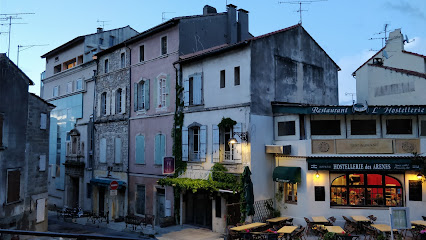
Table Sauvage
17.6 km
Discover Table Sauvage: A Culinary Haven in Saintes-Maries-de-la-Mer Offering Authentic Local Flavors.
La Playa ... en Camargue
17.9 km
Experience fresh seafood delights at La Playa en Camargue - where every meal is paired with stunning coastal views.
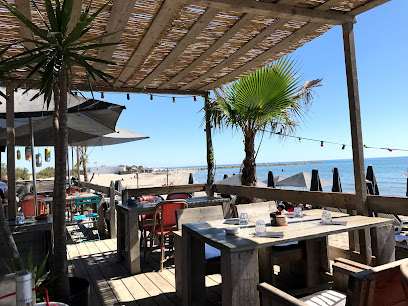
Lou Gabian
18.9 km
Experience authentic French cuisine at Lou Gabian in Saintes-Maries-de-la-Mer - where every dish tells a story.
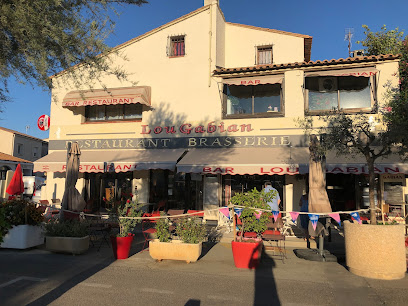
La Table Du 9
19.1 km
Experience authentic French cuisine at La Table Du 9 in Saintes-Maries-de-la-Mer – where flavor meets tradition.
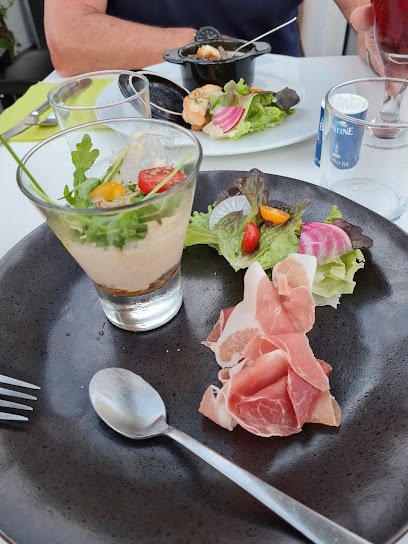
Restaurant Andaluz
19.1 km
Experience the fusion of French and Mediterranean cuisine at Restaurant Andaluz in Saintes-Maries-de-la-Mer.
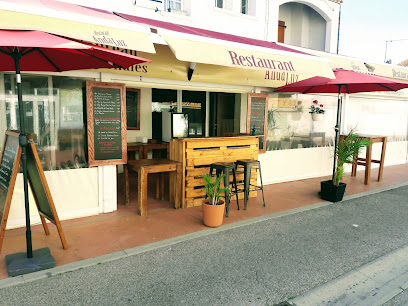
Restaurant Chante Clair
19.1 km
Experience exquisite French and Mediterranean cuisine at Restaurant Chante Clair in beautiful Saintes-Maries-de-la-Mer.
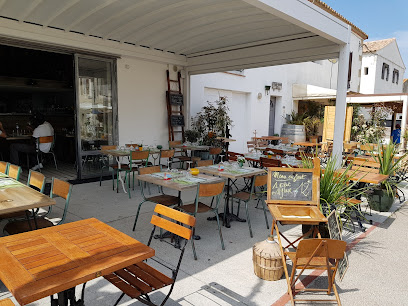
Markets, malls and hidden boutiques

Mas neuf de la Motte
10.8 km
Explore the organic delights at Mas Neuf de la Motte, a must-visit food store in Arles, offering fresh produce and local delicacies.
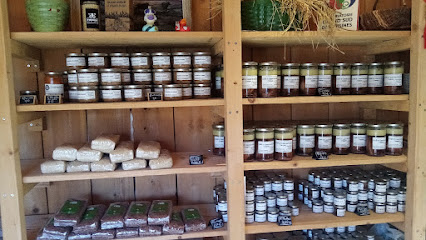
Le Comptoir de Camargue
14.7 km
Explore Le Comptoir de Camargue in Arles for unique gifts and local treasures that capture the spirit of Provence.
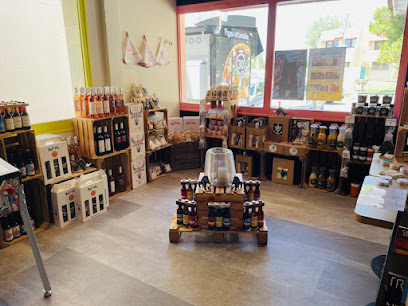
La Provencale
15.6 km
Explore the rich flavors of Provence at La Provencale, a charming grocery store in the heart of Arles, perfect for food lovers and tourists alike.
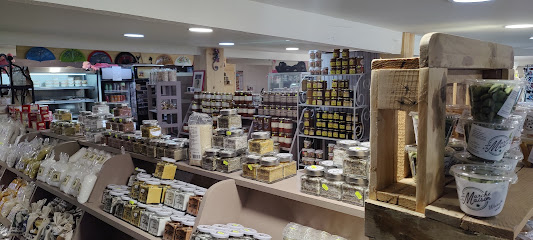
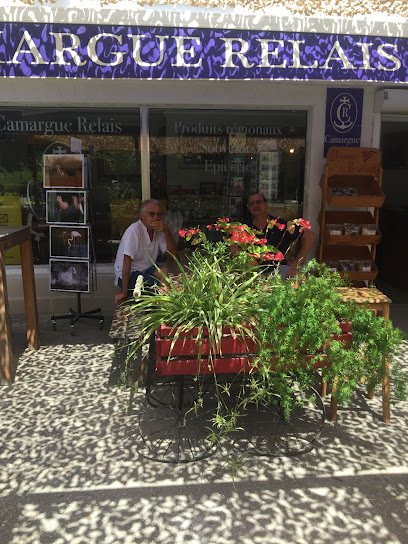
Camargue Relais
15.7 km
Experience the local flavors and culinary delights at Camargue Relais in Arles, where fresh produce and regional specialties await your discovery.
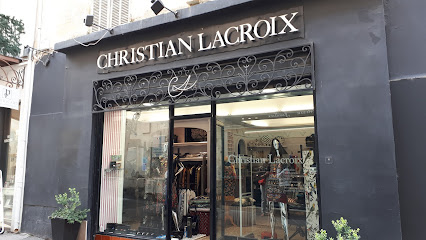
Christian Lacroix
16.0 km
Explore the elegance of Christian Lacroix in Arles, where French fashion meets timeless style and exquisite craftsmanship.
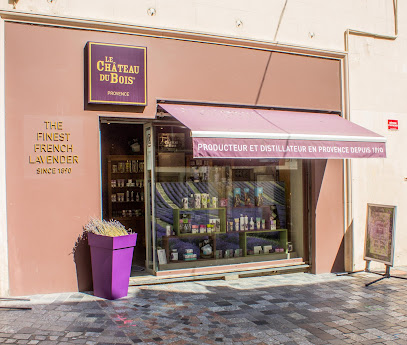
Le Château du Bois Producteur de Lavande Fine - Arles
16.0 km
Explore the aromatic wonders of Le Château du Bois in Arles, where exquisite lavender products capture the essence of Provence.
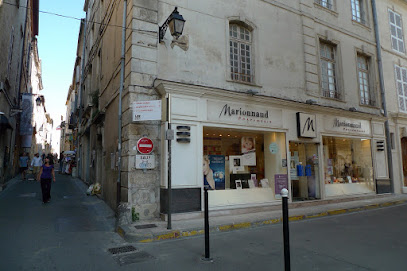
Marionnaud - Parfumerie & Institut
16.1 km
Explore Marionnaud in Arles for luxurious perfumes and expert beauty treatments - a must-visit for beauty enthusiasts.
Boutique provençale d'Arles
16.1 km
Experience the essence of Provence at Boutique Provençale d'Arles, where local crafts and culinary delights await every visitor.
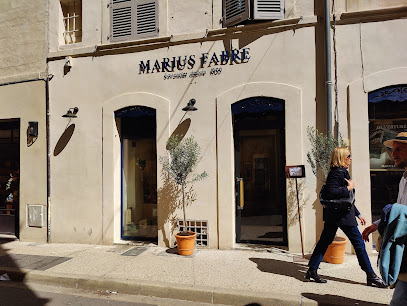
Boutique Marius Fabre - Arles
16.1 km
Explore the rich heritage of French cosmetics at Boutique Marius Fabre in Arles, where tradition meets exquisite craftsmanship.
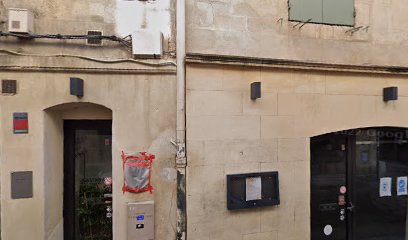
Comptoir de famille
16.2 km
Explore the charm of Comptoir de Famille, your destination for exquisite home decor and unique gifts in the heart of Arles.
JAIPURDIVA
16.2 km
Explore JAIPURDIVA in Arles for exquisite gifts, costume jewelry, and unique souvenirs that capture the essence of local artistry.
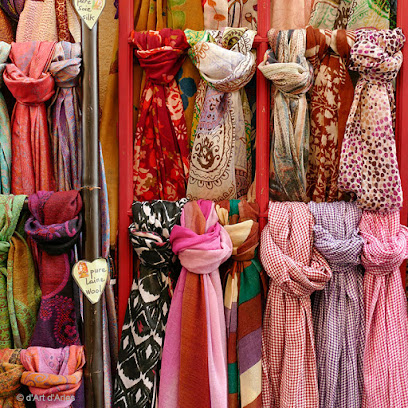
La boutique du Brin de Thym
16.2 km
Explore La Boutique du Brin de Thym in Arles for unique gifts and local fashion, capturing the essence of Provence.
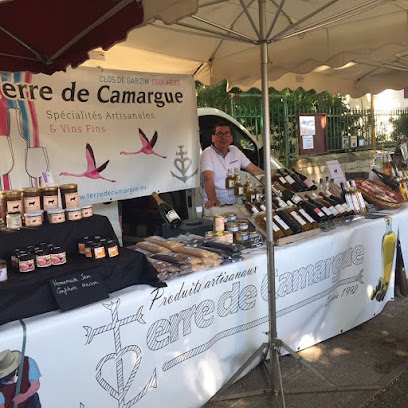
La Boutique Terre de Camargue
16.2 km
Experience the authentic tastes of Camargue at La Boutique Terre de Camargue, a must-visit grocery store in Arles for every food lover.
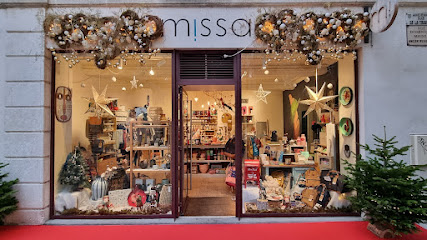
Missa slow concept store
16.2 km
Explore Missa Slow Concept Store in Arles for unique gifts and home goods reflecting the essence of local craftsmanship and slow living.
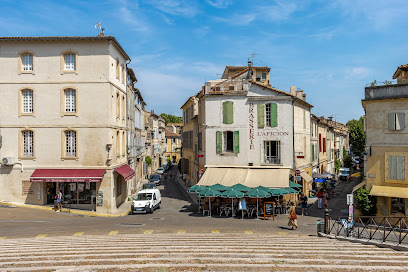
La Boutique De L'Olivier Souvenir
16.3 km
Explore La Boutique De L'Olivier Souvenir for exquisite gift baskets that capture the heart of Provence in the historic city of Arles.
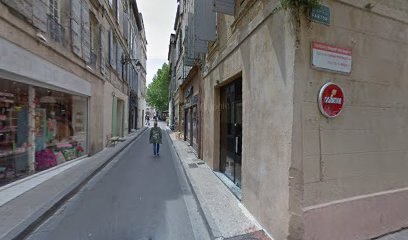
Essential bars & hidden hideouts

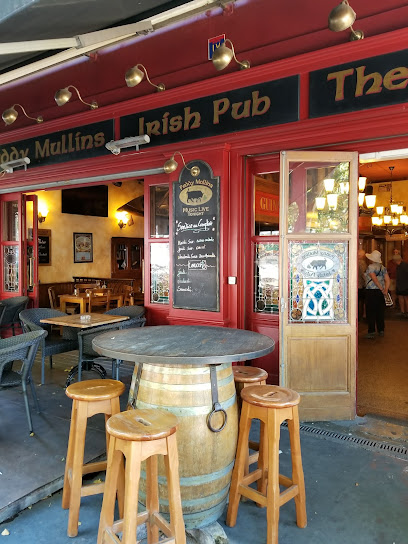
Paddy Mullin's - Irish Pub
15.9 km
Discover the vibrant atmosphere and authentic flavors of Ireland at Paddy Mullin's Irish Pub in Arles, France.
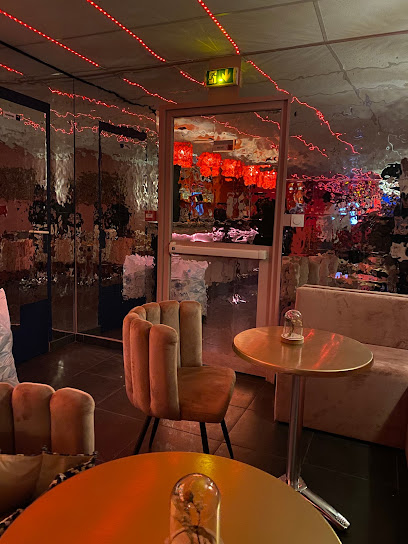
L' Esquisse
15.9 km
Experience the vibrant atmosphere of Arles at L' Esquisse, a cozy bar offering a delightful selection of local wines, craft beers, and signature cocktails.
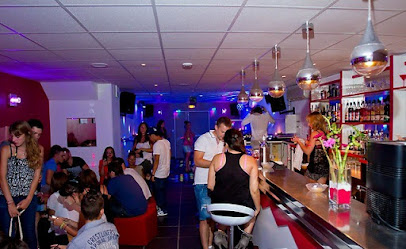
MOMA Dancing Bar
15.9 km
Discover the vibrant nightlife at MOMA Dancing Bar in Arles, offering exquisite cocktails and a lively atmosphere for an unforgettable night out.
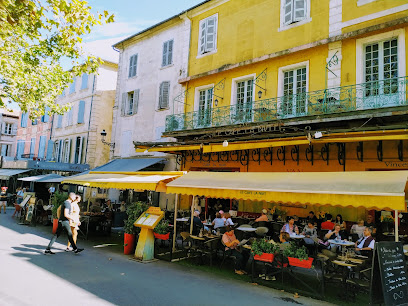
Bar du Marché Arles
15.9 km
Discover the vibrant flavors of Arles at Bar du Marché, a charming café serving authentic French cuisine in a welcoming atmosphere.
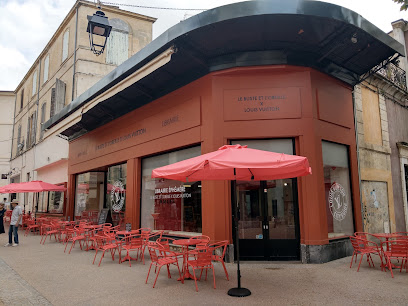
Le Buste et l'oreille - Bar à vin et Librairie
16.0 km
Discover the perfect blend of exquisite wines and literary treasures at Le Buste et l'oreille in Arles.
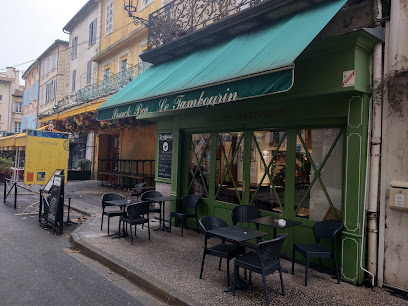
Bar Le Tambourin
16.1 km
Discover the lively Bar Le Tambourin in Arles, where French cuisine meets casual dining in a vibrant atmosphere, perfect for tourists and locals alike.
Sarto Bar
16.1 km
Discover the charm of Arles at Sarto Bar, where local flavors and a vibrant atmosphere await every visitor.
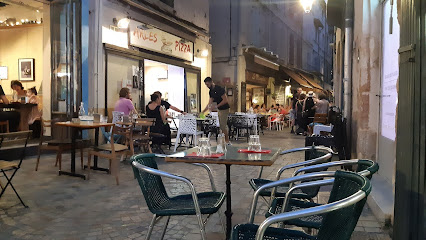
La Caye
16.2 km
Experience the vibrant fusion of Latin flavors and exquisite cocktails at La Caye, the heart of Arles' nightlife.
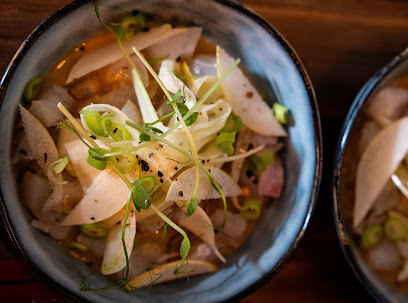
L' Antidote
16.2 km
Discover the charm of L'Antidote in Arles, where exquisite cocktails and a vibrant atmosphere create an unforgettable experience.
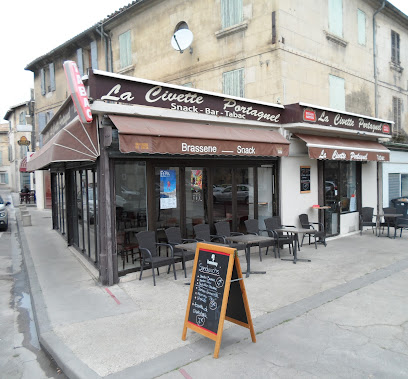
Civette Portagnel
16.2 km
Experience the vibrant atmosphere and local charm at Civette Portagnel, a must-visit bar in Arles, France.
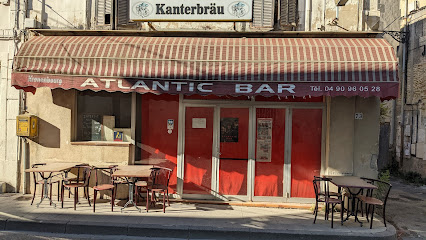
Atlantic Bar
16.2 km
Discover the vibrant ambiance of Atlantic Bar in Arles, a perfect spot to unwind with drinks and mingle with locals and travelers alike.
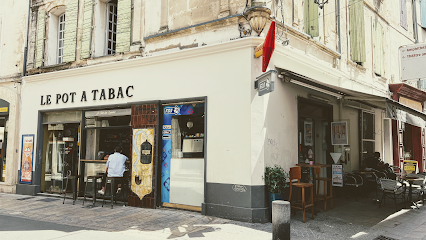
Le Pot A Tabac
16.3 km
Discover the charm of Le Pot A Tabac, a vibrant bar in Arles perfect for enjoying local drinks and a cozy atmosphere.
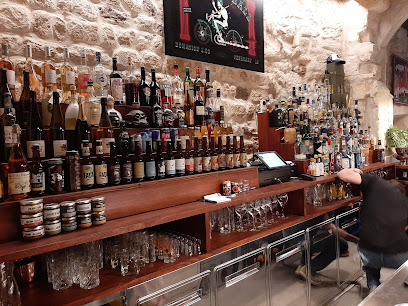
Bar Du Capitole
16.4 km
Experience the lively atmosphere of Bar Du Capitole in Arles, where local culture and exceptional drinks come together for an unforgettable experience.
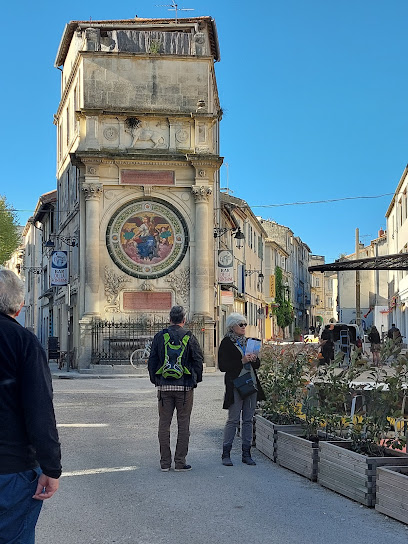
La Bogeda Kaluha
19.0 km
Experience the vibrant atmosphere at La Bogeda Kaluha, a lively bar in Saintes-Maries-de-la-Mer, perfect for drinks and local culture.
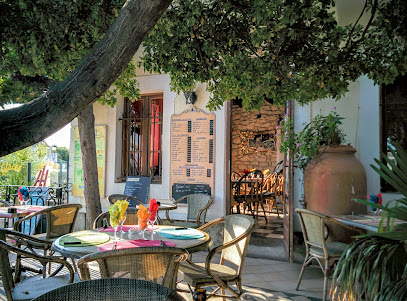
Le Bar - Hôtel Camille
19.0 km
Discover the charm of Le Bar at Hôtel Camille, where beach views and refreshing drinks create the perfect Mediterranean getaway in Saintes-Maries-de-la-Mer.
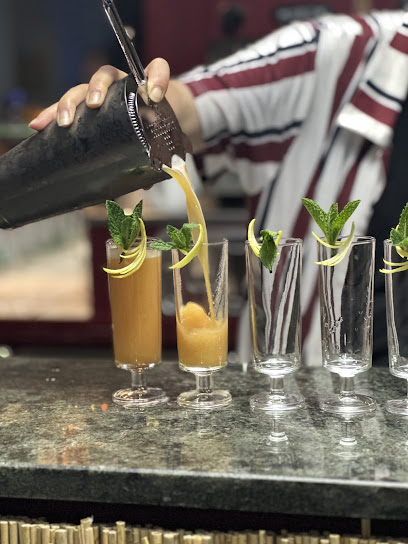
Nightclubs & after hour spots

La Churascaïa
28.3 km
Experience the vibrant nightlife at La Churascaïa, Vauvert's premier disco club, where music, dance, and unforgettable memories await.
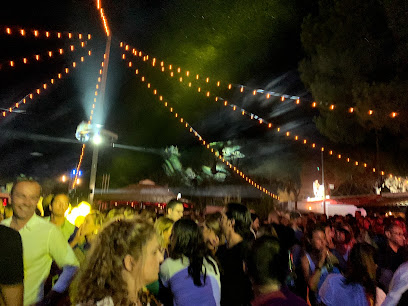
le mexx
34.4 km
Experience the pulse of Vauvert at Le Mexx, where vibrant nightlife meets delicious tapas in an unforgettable disco atmosphere.

RICHEBOIS DISCOTHEQUE
38.8 km
Discover the pulsating energy of Richebois Discotheque, where vibrant music and delectable dining create an unforgettable nightlife experience.
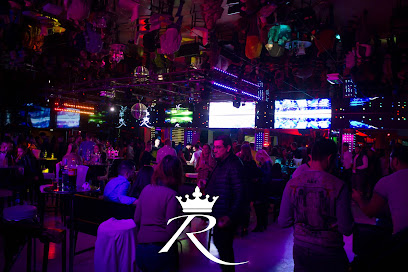
Jive Club
39.3 km
Unleash your inner dancer at Jive Club, Nîmes' top nightlife destination with electrifying beats and an unforgettable atmosphere.
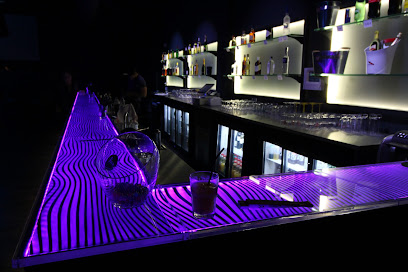
Cabaret Equestre de Camargue
39.6 km
Discover the enchanting world of equestrian artistry at Cabaret Equestre de Camargue, a unique blend of tradition and entertainment in Le Grau-du-Roi.
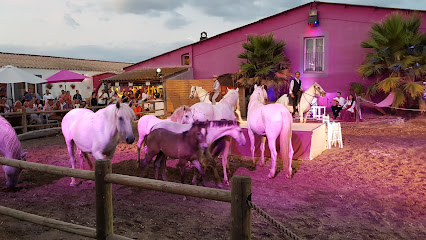
Eden Club - Nîmes
39.7 km
Experience the vibrant nightlife of Nîmes at Eden Club, where music and dance create unforgettable memories in a stylish atmosphere.
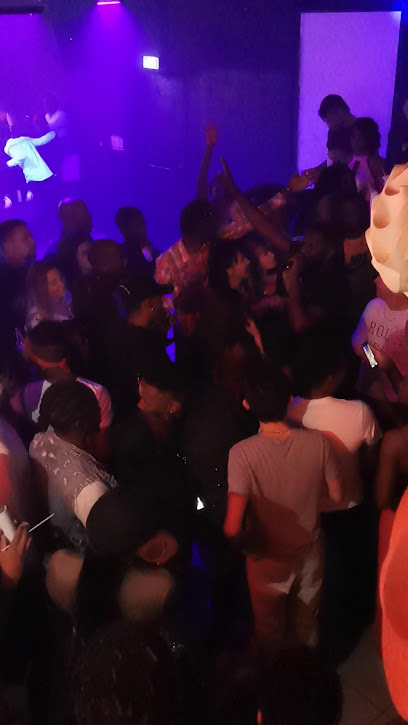
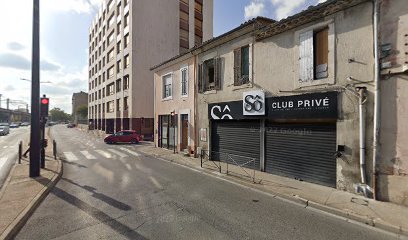
Sô Club Privé
39.8 km
Discover the vibrant nightlife at Sô Club Privé, Nîmes' premier night club, where unforgettable experiences await every night.
LE 555
39.9 km
Unleash your nightlife spirit at LE 555, the ultimate night club and hookah bar in Le Grau-du-Roi with vibrant music and an unforgettable atmosphere.
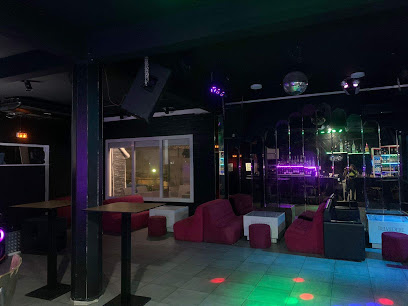
Playa Miramar
40.1 km
Discover the vibrant Playa Miramar, a perfect blend of relaxation, delicious cuisine, and lively entertainment on the stunning French coast.
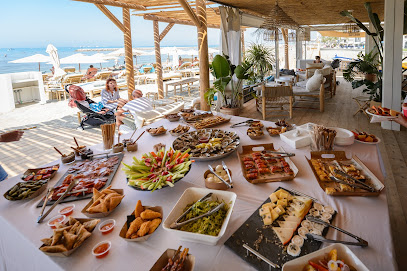
Zml club
40.1 km
Experience the electrifying nightlife at Zml Club in Nîmes, where music, dance, and unforgettable memories come together.
La Comédie Club
40.3 km
Discover the vibrant nightlife of Nîmes at La Comédie Club, where music, dancing, and fun come together in a stylish setting.
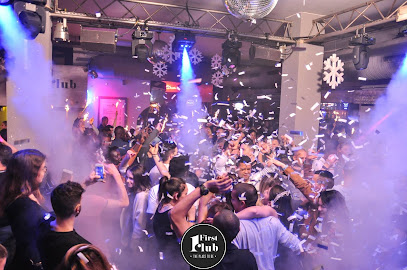
Trust club
40.4 km
Trust Club in Nîmes: A vibrant night club offering an energetic atmosphere, pulsating music, and unforgettable nightlife experiences.
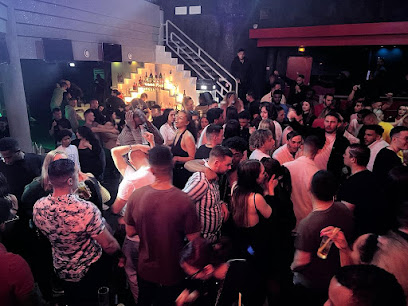
Trust Club NEW
40.4 km
Discover the vibrant nightlife at Trust Club NEW in Nîmes, where electrifying music and lively atmosphere create unforgettable experiences.
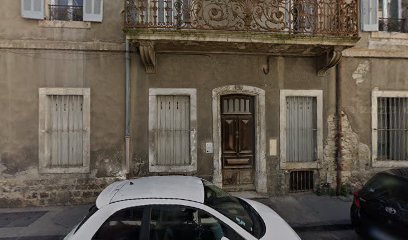
Club Kafé Fashion
40.5 km
Discover the pulsating heart of Nîmes’ nightlife at Club Kafé Fashion, where music, style, and energy blend seamlessly.
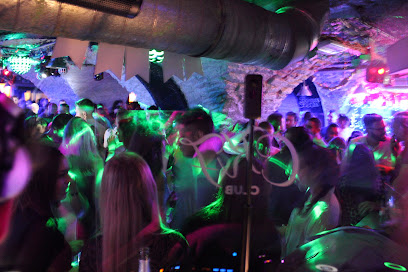
Disco Gard
40.5 km
Discover the pulse of Nîmes nightlife at Disco Gard, where unforgettable parties and vibrant energy await every night.