Musée de la Camargue Travel Guide
Free Guide: Discover the Camargue's soul at this captivating museum: explore its history, culture, and unique relationship between humans and nature in the heart of the Camargue Regional Natural Park.


A brief summary of Musée de la Camargue
Discover the Camargue's soul at this captivating museum: explore its history, culture, and unique relationship between humans and nature in the heart of the Camargue Regional Natural Park.
The Musée de la Camargue, located in a renovated sheepfold at Mas du Pont de Rousty near Arles, serves as the perfect introduction to the unique Camargue region. It delves into the intricate relationship between humans and nature in this distinctive delta environment. Through interactive exhibits, historical artifacts, and contemporary art, visitors explore the Camargue's past, present, and future. The museum highlights the area's cultural heritage, diverse ecosystems, and the impact of human activities on the landscape. A visit offers a comprehensive understanding of the Camargue's identity, making it a must-see before venturing into the natural park. Don't miss the walking trail that extends the experience into the Camargue landscape.
Opening hours
- Every day9 am–6 pm
Opening hours as listed on the venue’s Google Business Profile. Hours can change for services and special events, so check with the venue before you go.
- Address
- Pont de Rousty, 13200 Arles
- Phone
- Website
Getting there
Public Transport
Driving
Taxi/Ride-Share
Discover more about Musée de la Camargue
Overview
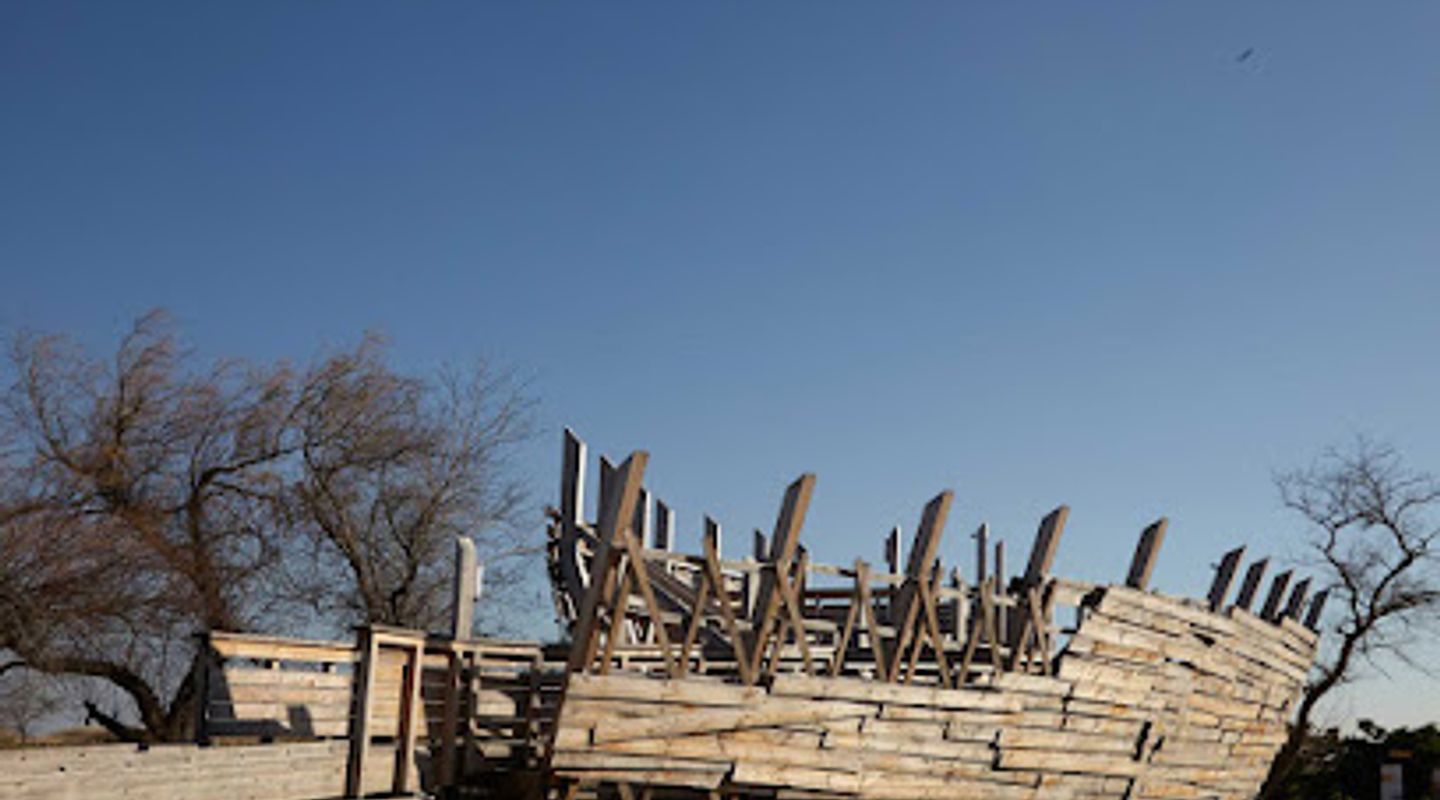
The Musée de la Camargue, situated in the heart of the Camargue Regional Natural Park, offers an immersive journey into the soul of this unique French territory. Housed within a beautifully restored 19th-century sheepfold at the Mas du Pont de Rousty, the museum acts as a gateway, inviting visitors to explore the complex interplay between humankind and nature that has shaped the Camargue over centuries. Founded in 1978 and renovated in 2013, the Musée de la Camargue transcends the typical museum experience. It presents itself as a 'societal museum,' dedicated to illustrating the original relationship between man and nature in the Camargue. It achieves this through a blend of historical artifacts, interactive displays, contemporary art installations, and multimedia presentations, ensuring an engaging experience for visitors of all ages. The permanent exhibition, 'The Thread of Water, The Thread of Time,' forms the core of the museum. This exhibition meticulously unravels the story of the Camargue, from its geological origins to the present day, highlighting the crucial role of water in shaping the landscape and influencing human activities. Visitors embark on a captivating journey through time, discovering how the ebb and flow of the Rhône River and the Mediterranean Sea have created a unique environment, fostering a rich biodiversity and a distinctive way of life. Historical exhibits showcase the traditional activities that have defined the Camargue, such as rice cultivation, salt production, and livestock farming. Visitors can examine tools, clothing, and other artifacts that offer insights into the daily lives of the Camargue's inhabitants, known as 'Camarguais.' Interactive displays allow visitors to delve deeper into the ecological processes that sustain the Camargue's diverse ecosystems. Learn about the delicate balance between fresh and saltwater, the importance of wetlands for migratory birds, and the challenges of managing water resources in a fragile environment. Contemporary art installations provide a fresh perspective on the Camargue, inviting visitors to reflect on the region's identity and its future. These artworks often incorporate natural materials and address themes such as environmental sustainability, cultural preservation, and the relationship between humans and the landscape. The museum also features a rich photographic collection, showcasing the beauty and diversity of the Camargue through the lenses of renowned photographers. Beyond the main building, the Musée de la Camargue extends into the surrounding landscape with a 3.5 km interpretive trail. This trail meanders through the diverse habitats of the Camargue, from cultivated fields to marshes, offering visitors a chance to experience the region's natural beauty firsthand. Along the way, interpretive panels provide insights into the flora, fauna, and human activities that shape the landscape. The trail also features a traditional Camarguais 'cabane,' a replica of a 19th-century herdsman's dwelling, offering a glimpse into the region's architectural heritage. In 2019, the Musée de la Camargue expanded to include a larger reception area and a temporary exhibition space. The architectural design of the extension, conceived by Philippe Donjerkovic, reflects the museum's commitment to sustainability and its connection to the surrounding environment. The building's form evokes the coastline of the Rhône delta, while its elevated structure protects it from flooding. The Musée de la Camargue is more than just a museum; it is a cultural hub that hosts a variety of events throughout the year, including temporary exhibitions, workshops, lectures, and performances. These events provide opportunities for visitors to engage with the Camargue's culture and heritage in new and meaningful ways. Whether you are a nature enthusiast, a history buff, or simply curious about the Camargue, the Musée de la Camargue offers an enriching and unforgettable experience. It is the perfect starting point for exploring this remarkable region and gaining a deeper appreciation for its unique natural and cultural heritage. The museum is easily accessible by car, with ample free parking available for cars, buses and camping cars. It is also accessible by bus from Arles and Saintes-Maries-de-la-Mer. The museum is open every day except May 1st, December 25th and January 1st. From April to October it is open from 9am to 6pm, and from November to March it is open from 10am to 5pm. Last entry is one hour before closing. Admission costs €7.50 for adults and €5 for children aged 6-18, students and seniors. Admission is free for children under 6, disabled people and their carers, and residents of the Park's communes. Free admission for everyone on the first Sunday of the month. The museum is labelled 'Tourism and Handicap', ensuring accessibility for visitors with disabilities. Animals are not allowed inside the museum, but are allowed on the trail if kept on a leash. Visiting the Musée de la Camargue is an essential step in understanding and appreciating the Camargue, ensuring a richer and more meaningful experience as you explore the natural wonders of the region.
Evendo Review Centre
 Google
Guest reviews
Explore Musée de la Camargue on the map
A handpicked selection of must-see spots near Musée de la Camargue, mapped for you.
Get your free copy of our complete guide to Musée de la Camargue, delivered straight to you.
Everything on this page, from opening hours and how to get there to Eve’s tips and the best time to go, in one PDF you can read offline, print or share.
Already have an account? Sign in
Your Musée de la Camargue guide is ready.
We'll send it to · Not you? Sign out

Getting your guide ready…
We are putting together a fresh copy of the Musée de la Camargue guide. This can take up to a minute.
This can take a few moments. If your browser asks, choose Allow so the download can start. You'll find the guide in your Downloads folder.
Nothing happened? Download it again
Sorry, the guide is taking longer than usual. Please try again in a minute, or get it by email instead.
Other nearby places you may find interesting
The closest places of the same kind, if this one is not quite what you had in mind.
-
-
-
-
-


Swipe for more places
More to explore near Musée de la Camargue

 Best experiences near Musée de la Camargue
 Best hotels near Musée de la Camargue
 Best landmarks near Musée de la Camargue
 Best attractions near Musée de la Camargue
 Best shops near Musée de la Camargue
 Best restaurants near Musée de la Camargue
 Best bars near Musée de la Camargue
Do you manage this location?
Take control to get all the benefits, like improved information, better appearance, and stronger visibility across AI-powered discovery.
Explore more

Explore more of Camargue
Discover the wild beauty and rich heritage of Camargue, a unique region in southern France known for its wetlands, pink flamingos, and cultural traditions.
Explore Camargue
Explore more of France
Explore France: A land of romance, history, and unparalleled beauty, from the iconic streets of Paris to the serene landscapes of Provence and the luxury of the French Riviera.
Explore France