Background

Entrevaux Cathedral: A Fortress of Faith

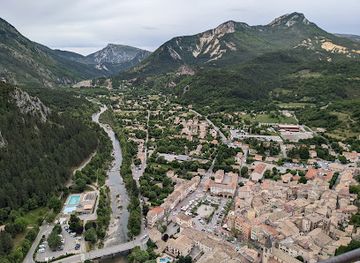
Discover Entrevaux Cathedral, a unique blend of Gothic architecture and Baroque artistry, nestled within a historic fortified town in the Alpes-de-Haute-Provence, France.

4.6

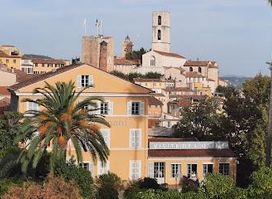
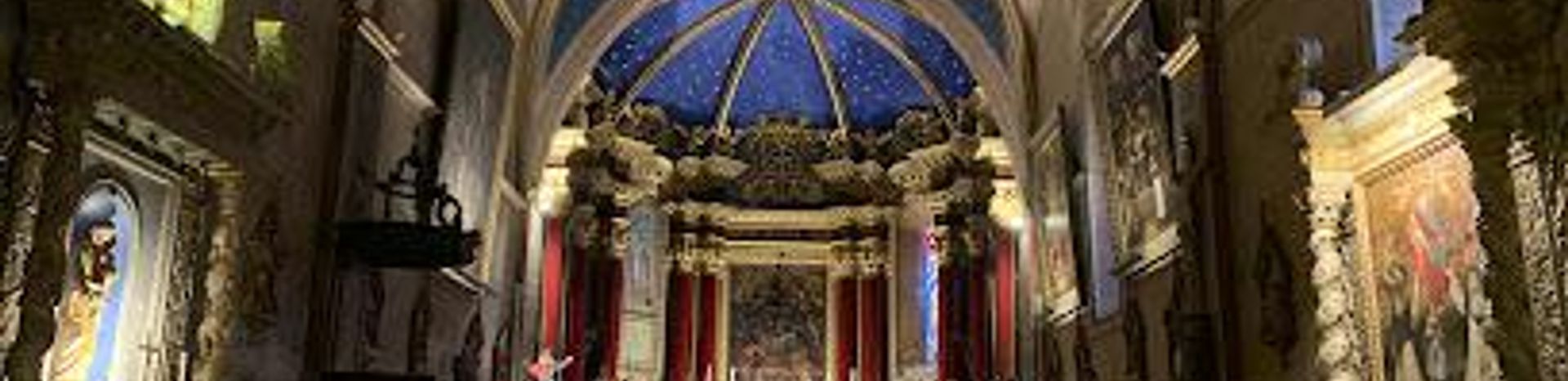
The Entrevaux Cathedral, formally known as Cathédrale Notre-Dame-de-l'Assomption d'Entrevaux, stands as a testament to both religious devotion and strategic defense. Built between 1609 and 1630, this former cathedral served as the seat of the Bishops of Glandèves from 1624 to 1790 after they relocated to Entrevaux. Its Gothic architecture is complemented by a stunning Baroque interior, housing classified furniture, 17th-century walnut stalls, and remarkable paintings. Integrated into the town's fortifications, the cathedral features a crenellated bell tower, once used as a defensive structure. Today, it operates as a parish church, welcoming visitors to explore its rich history and artistic treasures, offering a glimpse into the past of this captivating fortified town.

A brief summary to Entrevaux Cathedral

Local tips

  • Explore the cathedral's interior to discover its Baroque decorations, including the richly adorned choir and classified furniture.
  • Take note of the cathedral's unique integration into the town's fortifications, evident in its crenellated bell tower and defensive structure.
  • Visit the cathedral to appreciate the collection of remarkable paintings, such as 'The Vow of Louis XIII' and 'Assumption' by François Mimault.
widget icon

Getting There

  • Walking

    From anywhere within the old town of Entrevaux, the cathedral is easily accessible on foot. As the cathedral is located on Rue de l'Eglise, navigate towards the center of the village. Look for the prominent bell tower, which is visible from most points within the town. The walk is generally short, given the compact nature of Entrevaux. Be aware that the streets are cobbled and can be uneven.

  • Public Transport

    If arriving by train or bus at the Entrevaux station, exit the station and walk towards the old town. Follow the road leading towards the fortified gate. Once inside the town walls, continue straight ahead, following signs for the town center. The cathedral will be on your right, a short walk from the main gate. There are no additional costs involved in accessing the cathedral from the station, as the walk is free. The train from Puget-Théniers to Entrevaux costs approximately €3.

  • Driving

    If driving, parking is available near the train station ('Parking de la Gare'), a short walk from the old village. From the parking area, walk towards the fortified entrance of Entrevaux. Once inside the walls, proceed straight ahead towards the town center. The cathedral will be on your right. Parking costs are applicable at the parking de la Gare.

Unlock the Best of Entrevaux Cathedral

Buy tickets

    No tickets available

Book tours with entry

    No tours available

Book tours without entry

    No tours available

Discover more about Entrevaux Cathedral

Nestled within the historic fortified town of Entrevaux, the Cathédrale Notre-Dame-de-l'Assomption d'Entrevaux, or Entrevaux Cathedral, is more than just a religious building; it's a symbol of resilience, adaptation, and the enduring spirit of its community. Constructed in the early 17th century, between 1609 and 1630, the cathedral's history is intertwined with the story of Entrevaux itself, a town strategically positioned in the Alpes-de-Haute-Provence region of France. Originally, the seat of the Bishopric of Glandèves was located in the ancient town of Glandèves. However, due to the site's vulnerability to attacks, the population gradually migrated to the more defensible location of Entrevaux in the 11th century. Despite this shift, the bishop's seat remained in Glandèves until 1603. In 1604, Bishop Octave Isnard made the pivotal decision to construct a new cathedral within the fortified walls of Entrevaux, marking a new chapter in the town's religious and architectural landscape. The construction of the cathedral spanned several decades, with work commencing in 1609 and concluding in 1630. The decoration of the interior continued into the 1650s, and the bell tower was completed in the 1660s. The cathedral was likely consecrated around 1627, solidifying its place as the primary religious center of Entrevaux. From 1624 to 1790, it served as the cathedral of Glandèves, reflecting the diocese's name during that period. The architectural design of Entrevaux Cathedral is a fascinating blend of Gothic and Baroque styles. The exterior showcases a Gothic aesthetic, characterized by its robust structure, crenellated bell tower, and powerful buttresses that reinforce its defensive appearance. This integration into the town's fortifications was a deliberate choice, reflecting the need for the cathedral to serve not only as a place of worship but also as a stronghold in times of conflict. In 1692, the bell tower was adapted for military use, further emphasizing its role in the town's defense. In contrast to its Gothic exterior, the interior of the cathedral boasts a rich Baroque decoration. The single nave, divided into three bays, is adorned with elaborate details and ornate furnishings. The choir, in particular, is lavishly decorated, showcasing the artistic sensibilities of the 17th and 18th centuries. The limited space within the fortified town influenced the cathedral's orientation, which faces northeast. The structure measures 40 meters in length and 10 meters in width, with a vault reaching a height of 14 meters. The south wall features three windows, while the north wall remains blind, further emphasizing the cathedral's integration with the surrounding defensive structures. Inside, visitors can admire a wealth of artistic treasures and historical artifacts. The furniture includes a portrait of Bishop Jean-Baptiste de Belloy, offering a glimpse into the lives of the religious leaders who shaped the cathedral's history. The organs, dating back to 1717 and restored in 1864 and 1948, are a testament to the cathedral's enduring musical heritage. The instrumental parts were crafted by Jean Eustache of Marseilles, adding to their historical and artistic significance. The cathedral also houses a collection of remarkable paintings, including "The Vow of Louis XIII," dating back to around 1630, and "Assumption" by François Mimault, also from 1630. These artworks provide valuable insights into the religious and artistic trends of the period. The altarpiece and its painting depicting the baptism of Christ, along with the 53 walnut stalls from the 17th century and the pulpit adorned with bas-reliefs of the four Evangelists, further enrich the cathedral's interior. Today, Entrevaux Cathedral stands as a parish church, welcoming visitors from all walks of life to explore its rich history and artistic treasures. Its blend of Gothic and Baroque architecture, its integration into the town's fortifications, and its collection of historical artifacts make it a unique and captivating destination for those interested in religious history, art, and architecture. A visit to Entrevaux Cathedral offers a glimpse into the past of this remarkable fortified town, a place where faith and defense have been intertwined for centuries. The cathedral's listing as a monument historique on June 27, 1966, underscores its cultural and historical significance, ensuring its preservation for future generations. As visitors explore its hallowed halls, they can't help but be transported back in time, imagining the lives of the bishops, artists, and townspeople who contributed to the cathedral's enduring legacy. The Entrevaux Cathedral is a reminder of the power of faith, the importance of community, and the enduring beauty of human creativity.

Popular Experiences near Entrevaux Cathedral

Popular Hotels near Entrevaux Cathedral

Select Currency