

Parc national des Calanques Travel Guide
Free Guide: Discover the breathtaking beauty of Parc National des Calanques: Hike dramatic limestone cliffs, swim in turquoise waters, and explore diverse Mediterranean ecosystems near Marseille.


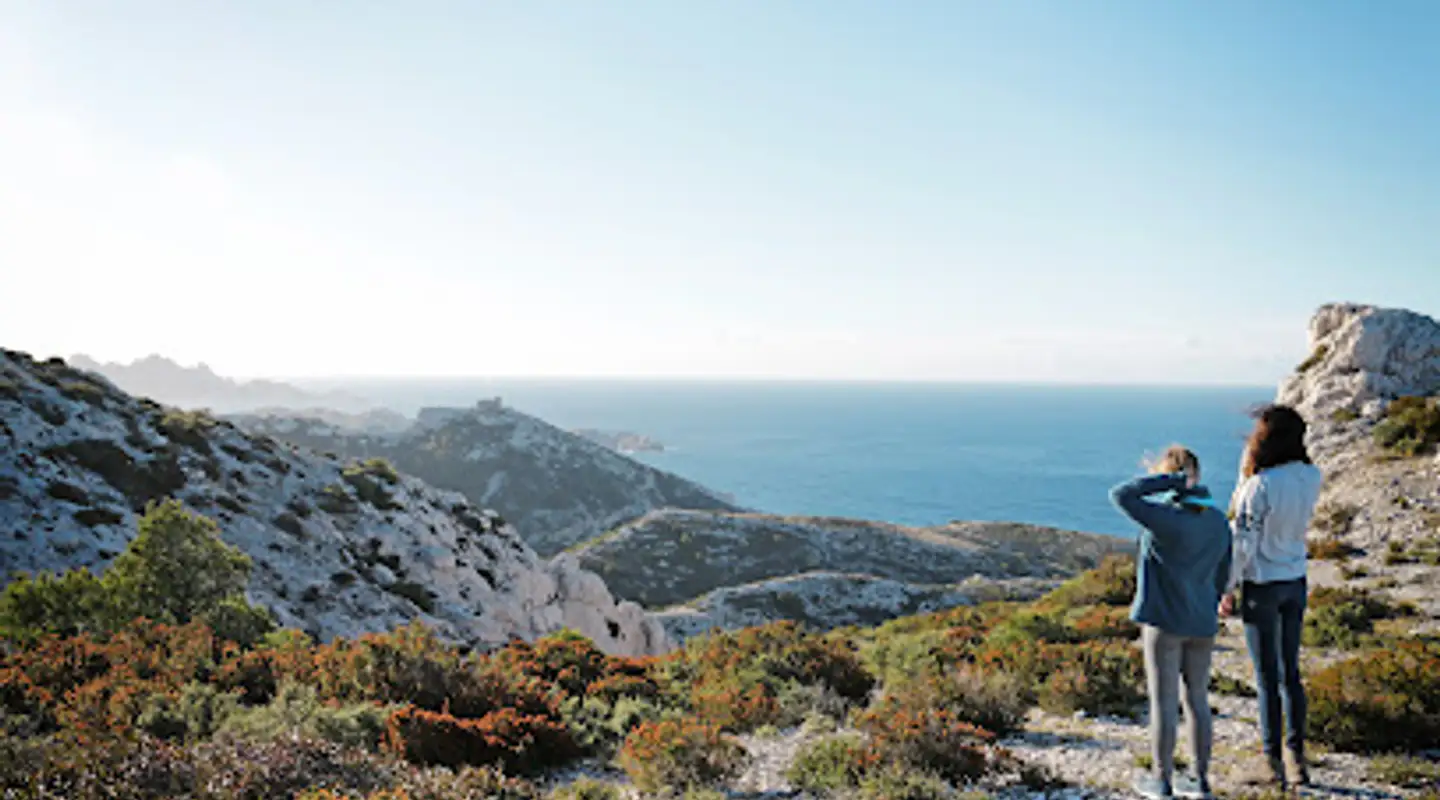
A brief summary of Parc national des Calanques
Discover the breathtaking beauty of Parc National des Calanques: Hike dramatic limestone cliffs, swim in turquoise waters, and explore diverse Mediterranean ecosystems near Marseille.
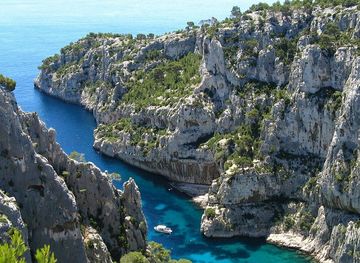
The Parc National des Calanques, a stunning natural park near Marseille, France, is a must-visit for nature enthusiasts and outdoor adventurers. Characterized by its dramatic limestone cliffs, hidden coves, and turquoise waters, the park offers a diverse landscape perfect for hiking, rock climbing, swimming, and kayaking. The Calanques are a unique geological formation, creating a breathtaking coastal scenery. The park is home to diverse flora and fauna, including rare bird species and marine life. Whether you're seeking a challenging hike with panoramic views, a relaxing day on a secluded beach, or an opportunity to explore the Mediterranean's underwater world, the Parc National des Calanques promises an unforgettable experience. Its proximity to Marseille makes it easily accessible, yet it feels worlds away from the bustling city, offering a serene escape into nature's embrace. Remember to check trail conditions and weather forecasts before venturing out, and respect the park's regulations to preserve its beauty for future generations.
Opening hours
- Every dayOpen 24 hours
Opening hours as listed on the venue’s Google Business Profile. Hours can change for services and special events, so check with the venue before you go.
- Address
- 13008 Marseille
- Phone
- Website
Getting there
Public Transport
Taxi/Ride-Share
Driving
Discover more about Parc national des Calanques
Overview
The Parc National des Calanques, established in 2012, is a jewel of the French Mediterranean coast, stretching between Marseille, Cassis, and La Ciotat. This protected area encompasses a remarkable landscape of rugged limestone cliffs, deep blue creeks (calanques), and diverse ecosystems, both terrestrial and marine. The park's creation was the culmination of decades of efforts to preserve this unique natural heritage from urban development and industrial activities. Geologically, the Calanques are a relatively young formation, shaped by erosion over millions of years. The limestone rock, sculpted by wind and water, creates dramatic cliffs that plunge into the sea, forming the iconic calanques – narrow, steep-walled inlets with crystal-clear waters. These geological features provide a haven for a variety of plant and animal species, some of which are endemic to the region. The park's flora is adapted to the harsh Mediterranean climate, characterized by hot, dry summers and mild, wet winters. Aleppo pines and holm oaks dominate the forested areas, while garrigue vegetation, a scrubland of aromatic herbs and shrubs, covers the drier slopes. Springtime brings a burst of color as wildflowers bloom across the landscape. The marine environment of the Calanques is equally rich and diverse. Posidonia seagrass meadows, often called the "lungs of the Mediterranean," provide habitat for numerous fish species, crustaceans, and mollusks. Divers and snorkelers can explore underwater caves and canyons, discovering a vibrant world beneath the surface. The Parc National des Calanques offers a wide range of activities for visitors. Hiking is a popular way to explore the park's trails, which vary in difficulty from easy coastal walks to challenging climbs with panoramic views. The GR2013, a long-distance hiking trail that circles Marseille, passes through the Calanques, offering a multi-day adventure. Rock climbing is another popular activity, with numerous crags and cliffs offering routes for climbers of all levels. The Calanques are also a paradise for kayakers and boaters, who can explore the hidden coves and inlets at their own pace. Swimming is possible in many of the calanques, but be aware that the water can be cold, even in summer. Some of the most popular calanques include Sormiou, Morgiou, En-Vau, and Sugiton. Each calanque has its own unique character and charm. Sormiou is known for its sandy beach and small fishing port, while Morgiou is home to a historic lime kiln. En-Vau is famous for its dramatic cliffs and turquoise waters, and Sugiton offers stunning views of the coastline. Visiting the Parc National des Calanques requires some planning. The park is very popular, especially during the summer months, and access may be restricted to protect the environment. It's essential to check the park's website for the latest information on trail conditions, access restrictions, and fire risk warnings. During the summer, some trails may be closed due to the risk of wildfires. Parking can be limited, especially at the most popular calanques. It's advisable to arrive early or use public transportation. Several bus lines connect Marseille and Cassis to the park's entrance points. From there, you can hike to the calanques. Respecting the environment is crucial when visiting the Parc National des Calanques. Avoid littering, stay on marked trails, and do not disturb the wildlife. Be aware of the fire risk and follow the park's regulations. By taking care of this natural treasure, we can ensure that it remains a beautiful and inspiring place for generations to come. The park also plays a vital role in environmental education and research. The park's staff conducts studies on the park's ecosystems and works to raise awareness about the importance of protecting biodiversity. They also offer educational programs for schools and community groups. The Parc National des Calanques is more than just a beautiful landscape; it's a place where nature and culture intertwine. The park's history is closely linked to the people who have lived and worked in the area for centuries. Fishing, agriculture, and lime production have all shaped the landscape and the local culture. Today, the Parc National des Calanques is a symbol of France's commitment to protecting its natural heritage. It's a place where visitors can connect with nature, learn about the environment, and experience the beauty of the Mediterranean coast. Whether you're a seasoned hiker, a casual beachgoer, or simply someone who appreciates natural beauty, the Parc National des Calanques is sure to leave a lasting impression. To fully appreciate the park's beauty and diversity, consider visiting during different seasons. Springtime offers the best weather for hiking and wildflowers in bloom. Summer is ideal for swimming and kayaking, but be prepared for crowds and heat. Autumn brings cooler temperatures and stunning sunsets. Winter can be a peaceful time to explore the park, but some trails may be closed due to weather conditions. No matter when you visit, the Parc National des Calanques is an unforgettable destination that will inspire and rejuvenate your soul.
Evendo Review Centre
 Google
Guest reviews
Explore Parc national des Calanques on the map
A handpicked selection of must-see spots near Parc national des Calanques, mapped for you.
Get your free copy of our complete guide to Parc national des Calanques, delivered straight to you.
Everything on this page, from opening hours and how to get there to Eve’s tips and the best time to go, in one PDF you can read offline, print or share.
Already have an account? Sign in
Your Parc national des Calanques guide is ready.
We'll send it to · Not you? Sign out

Getting your guide ready…
We are putting together a fresh copy of the Parc national des Calanques guide. This can take up to a minute.
This can take a few moments. If your browser asks, choose Allow so the download can start. You'll find the guide in your Downloads folder.
Nothing happened? Download it again
Sorry, the guide is taking longer than usual. Please try again in a minute, or get it by email instead.
Unlock the best of Parc national des Calanques
Skip-the-line tickets, guided tours with entry, and walking tours of the area, booked in a few clicks.
 Tour with entry
Bike Rental for Calanques National Park and Marseille
from $24.92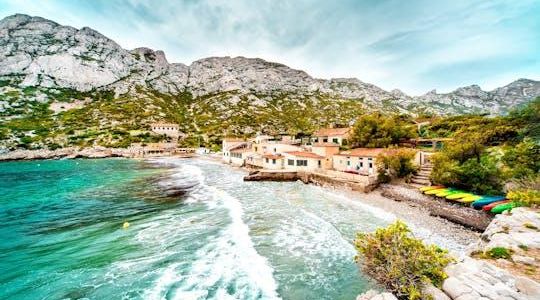 Tour with entry
E-Bike Ride to Calanque de Sormiou from Marseille
from $30.28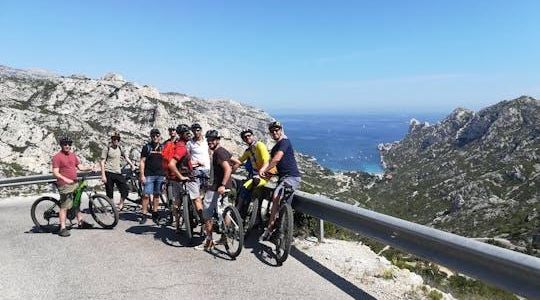 Tour with entry
Road bike rental for Calanques National Park and Marseille
from $33.82 Tour with entry
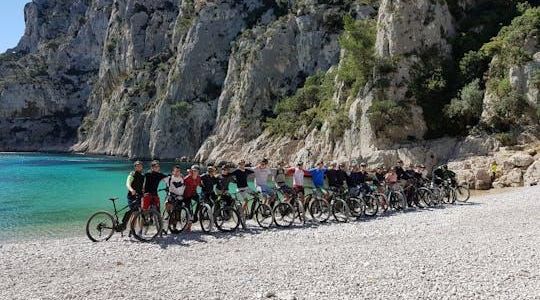
Panoramic hike on Marseille from Les Calanques
from $37.38


Other nearby places you may find interesting
The closest places of the same kind, if this one is not quite what you had in mind.
-
-
-
-
-


Swipe for more places
More to explore near Parc national des Calanques
-
 Best experiences near Parc national des Calanques
-
 Best hotels near Parc national des Calanques
-
 Best landmarks near Parc national des Calanques
-
 Best attractions near Parc national des Calanques
-
 Best shops near Parc national des Calanques
-
 Best restaurants near Parc national des Calanques
-
 Best bars near Parc national des Calanques


Do you manage this location?
Take control to get all the benefits, like improved information, better appearance, and stronger visibility across AI-powered discovery.
Explore more
Explore more of Cassis Calanques
Discover the breathtaking Calanques of Cassis, a stunning blend of turquoise waters, limestone cliffs, and rich biodiversity, nestled along the Mediterranean coast.
Explore Cassis Calanques
Explore more of France
Explore France: A land of romance, history, and unparalleled beauty, from the iconic streets of Paris to the serene landscapes of Provence and the luxury of the French Riviera.
Explore France
