

Cassis Calanques Travel Guide - Free Web & App
Your ultimate guide to Cassis Calanques. Discover top landmarks, proposed trips, and local tips. Free on the web or via the Evendo companion app.


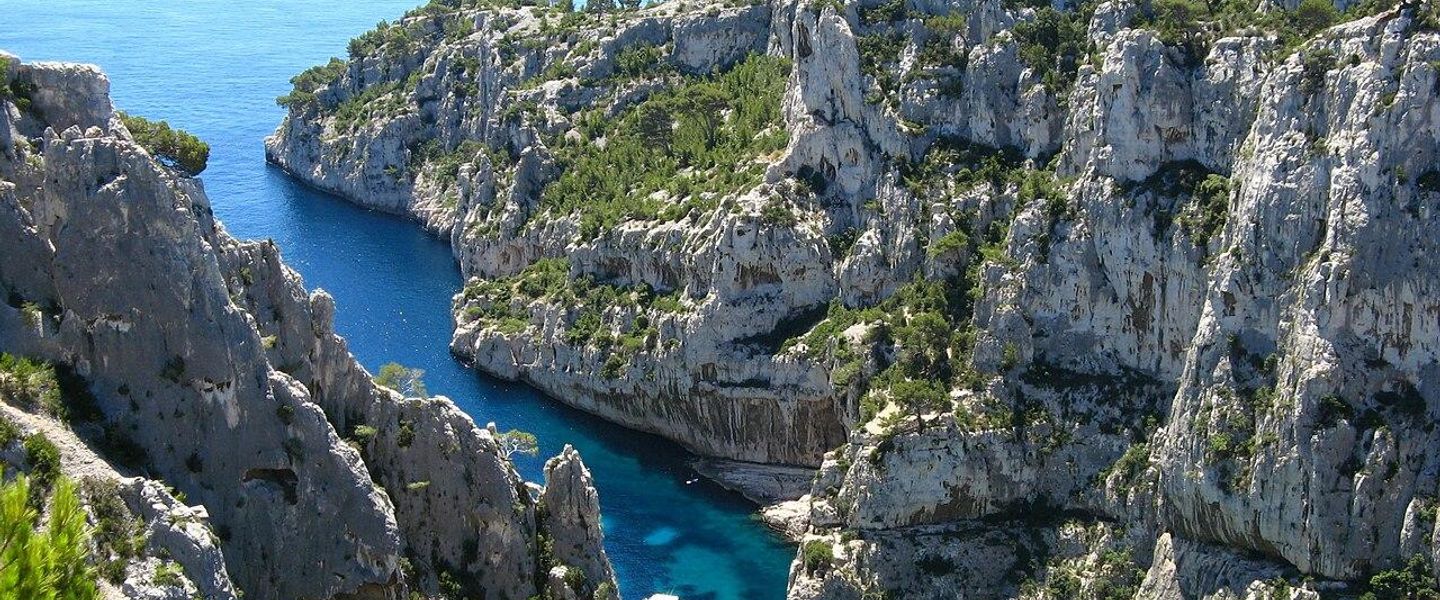


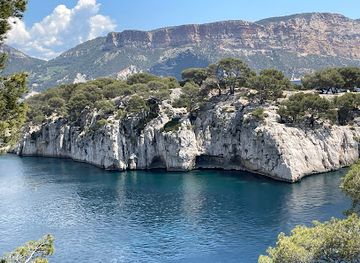
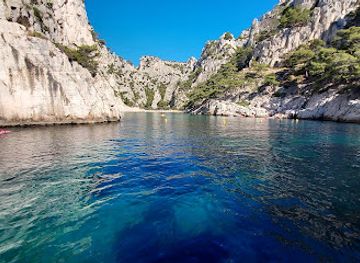
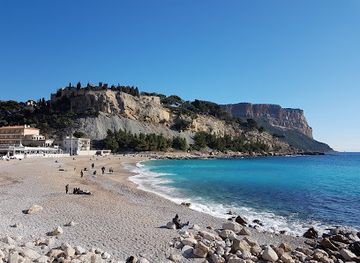
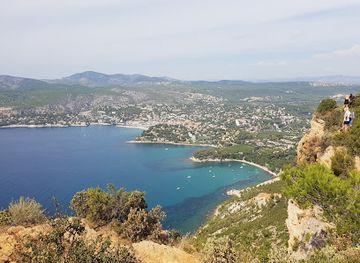
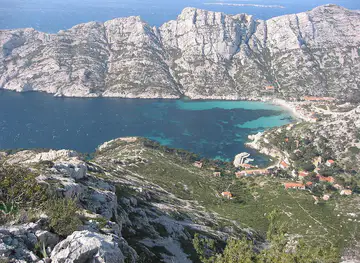
Discover the breathtaking Calanques of Cassis, a stunning blend of turquoise waters, limestone cliffs, and rich biodiversity, nestled along the Mediterranean coast.
Read more about Cassis Calanques
When is the best time to visit Cassis Calanques?
Best: May–July · 23–31°C| Month | High (°C) | Rainfall (mm) |
|---|---|---|
| January | 13 | 53 |
| February | 14 | 45 |
| March | 16 | 49 |
| April | 19 | 69 |
| May (best) | 23 | 58 |
| June (best) | 28 | 36 |
| July (best) | 31 | 27 |
| August | 31 | 30 |
| September | 28 | 60 |
| October | 24 | 80 |
| November | 19 | 65 |
| December | 14 | 57 |
Getting to and around Cassis Calanques
How to get there
Transportation
Best attractions in Cassis Calanques
Cassis Calanques offers visitors a stunning blend of natural beauty and rich history. From the crystal-clear turquoise waters of the Mediterranean Sea to the towering white limestone cliffs, this picturesque area is a paradise for outdoor enthusiasts and beach lovers alike. Hike along the rugged coastline to discover hidden coves and secluded beaches, or take a boat tour to admire the breathtaking views from the water. Explore charming fishing villages, sample delicious seafood dishes, and learn about the fascinating maritime history of the region. With its unique combination of natural wonders and cultural treasures, Cassis Calanques is a must-visit destination for anyone looking to experience the best of the French Riviera.
-
Tourist attraction
Parc national des Calanques
Discover the breathtaking beauty of Parc National des Calanques: Hike dramatic limestone cliffs, swim in turquoise waters, and explore diverse Mediterranean ecosystems near Marseille.
-
Marina
Vieux-Port de La Ciotat
Discover the timeless charm of Vieux-Port de La Ciotat: where history meets vibrant culture on the stunning Mediterranean coastline, offering unforgettable Provençal experiences.
-
Marina
Port of Carry-le-Rouet
Discover the charm of coastal Provence at the Port of Carry-le-Rouet: a picturesque marina with stunning beaches, crystal-clear waters, and a vibrant Mediterranean atmosphere on the beautiful Côte Bleue.
-
Amusement center
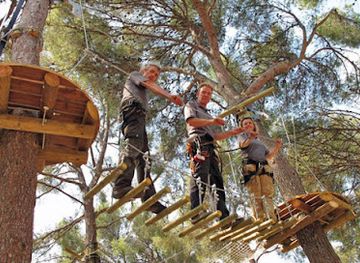
CassisForest
Experience thrilling treetop adventures at CassisForest in Parc Régis Vidal, Cassis. Fun for all ages with courses for every skill level amidst the beautiful pine forest.


Best landmarks in Cassis Calanques
The Cassis Calanques offer visitors a stunning array of natural beauty and historical significance. From the crystal-clear turquoise waters to the towering limestone cliffs, this area is a paradise for outdoor enthusiasts and nature lovers. Explore hidden coves and sandy beaches, hike along scenic trails with breathtaking views, and marvel at the ancient caves and rock formations that tell the story of this region's rich history. Whether you're a thrill-seeker looking for adventure or a history buff seeking to uncover the secrets of the past, Cassis Calanques has something for everyone to enjoy and discover.
-
National park
Parc national des Calanques
Discover dramatic cliffs, hidden coves, and turquoise waters in France's stunning Parc National des Calanques. A Mediterranean paradise for hikers and nature lovers.
-
Marina
Port de Cassis
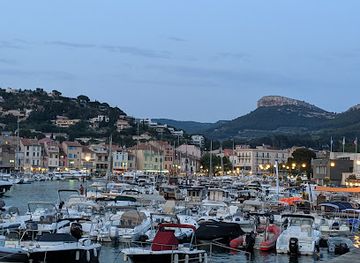
Discover the vibrant heart of Cassis, a picturesque port offering stunning views, boat tours to the Calanques, and a taste of Provençal charm.
-
Observation deck
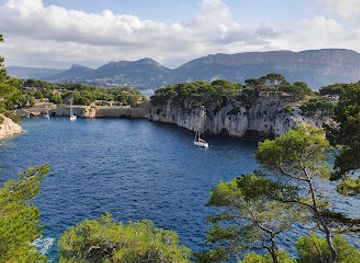
Calanque de Port-Miou
Explore the stunning Calanque de Port-Miou in Cassis: a blend of natural beauty, historic quarries, and easy access to hiking adventures.
-
Boat tour agency
Visit Of Creeks
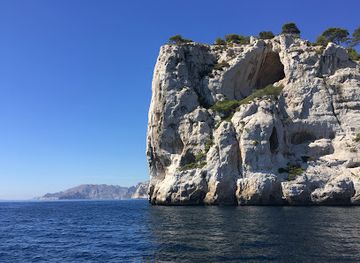
Explore the Calanques National Park from Cassis with boat tours offering stunning views of cliffs, coves, and turquoise waters.
Explore Cassis Calanques on the map
Plan your trip on one map. See where the top attractions, landmarks, restaurants and hotels are, and book hotels and experiences in a few clicks.
Best hotels in Cassis Calanques
Best restaurants in Cassis Calanques
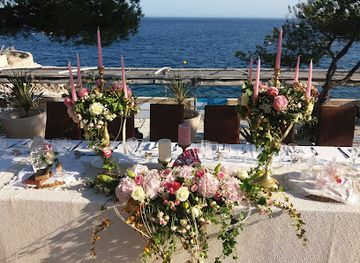
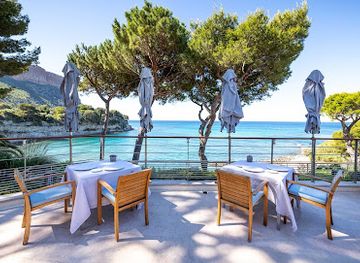
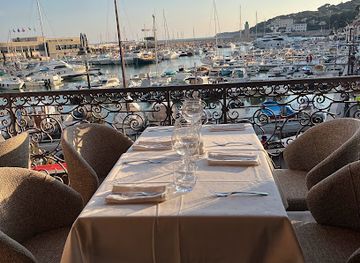
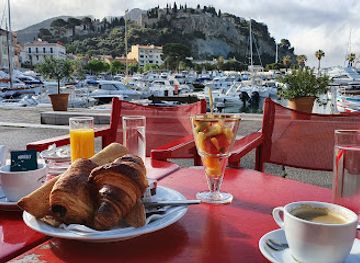
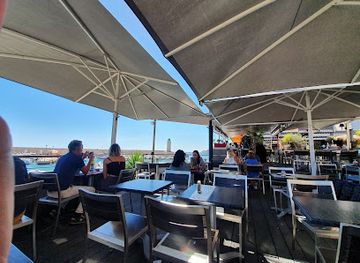
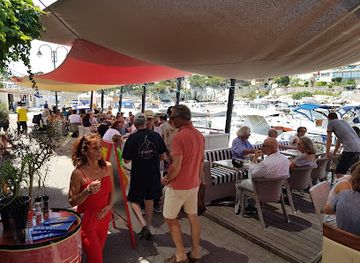
The dining scene in Cassis Calanques offers a delightful mix of traditional Provencal cuisine and fresh seafood, with charming seaside restaurants overlooking the crystal-clear waters of the Mediterranean. From bustling cafes serving delicious pastries to elegant fine dining establishments showcasing the region's best wines, visitors can expect a culinary experience that perfectly complements the stunning natural beauty of the area. With a focus on locally sourced ingredients and a passion for authentic flavors, dining in Cassis Calanques is a true feast for the senses that will leave visitors craving more.
-
French
La Presqu'île
Experience exquisite haute French cuisine at La Presqu'île in Cassis, where stunning coastal views meet exceptional culinary artistry.
-
Fine Dining
La Villa Madie
Experience unparalleled fine dining at La Villa Madie in Cassis, where Mediterranean flavors meet stunning sea views.
-
Mediterranean
Chez Gilbert
Experience authentic Mediterranean flavors at Chez Gilbert in Cassis – where every meal is enhanced by breathtaking harbor views.
-
French
La Nonna D'oro
Experience the best of French and Italian cuisines at La Nonna D'oro in Cassis - where every dish tells a story.
Best bars in Cassis Calanques
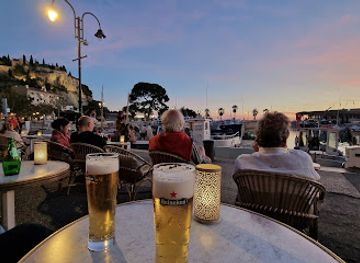
When the sun sets in Cassis Calanques, the vibrant nightlife scene comes alive offering visitors a mix of cozy bars, lively nightclubs, and beachfront lounges. Enjoy sipping on local wines and cocktails while overlooking the stunning Mediterranean Sea or dance the night away to live music and DJ sets. From intimate wine bars to energetic clubs, the nightlife in Cassis Calanques caters to all tastes and promises an unforgettable evening for all who visit.
-
French
Le Grand Large
Experience the exquisite French and Mediterranean cuisine at Le Grand Large, a culinary gem in the heart of Cassis with breathtaking views.
-
Brasserie
Monsieur Brun
Discover the culinary delights of Monsieur Brun in Cassis, where traditional French cuisine meets stunning harbor views for an unforgettable dining experience.
-
Restaurant
Le Naïo: Bar, Restaurant, Tapas,Glacier
Experience the rich flavors of French cuisine at Le Naïo in Cassis, a culinary delight with a charming atmosphere and diverse menu.
-
Brasserie
Bar De La Marine
Experience the essence of Cassis at Bar De La Marine, where delightful French cuisine meets stunning Mediterranean views in a charming coastal setting.
Best nightclubs in Cassis Calanques
When the sun sets in Cassis Calanques, the vibrant nightlife scene comes alive offering visitors a mix of cozy bars, lively nightclubs, and beachfront lounges. Enjoy sipping on local wines and cocktails while overlooking the stunning Mediterranean Sea or dance the night away to live music and DJ sets. From intimate wine bars to energetic clubs, the nightlife in Cassis Calanques caters to all tastes and promises an unforgettable evening for all who visit.
-
Restaurant
Le Naïo: Bar, Restaurant, Tapas,Glacier
Discover the vibrant culinary scene at Le Naïo in Cassis, offering delicious tapas, crepes, and authentic French cuisine by the Mediterranean.
-
Disco club
Baby Club - Marseille
Discover the electrifying nightlife of Marseille at Baby Club, a premier disco destination for dance and music lovers.
-
Restaurant
YACHT CLUB DE CASSIS
Experience the flavors of Provençal cuisine at the Yacht Club de Cassis, where stunning Mediterranean views enhance every meal.
-
Night club
POP Club
Join the electrifying nightlife at POP Club, Marseille's top destination for music lovers and party enthusiasts.


Best shops in Cassis Calanques
The shopping scene in Cassis Calanques offers a delightful mix of local artisan shops, charming boutiques, and quaint markets selling unique souvenirs, handmade crafts, and traditional Provencal goods. Visitors can stroll along the picturesque streets lined with colorful storefronts, browsing for lavender products, olive oil, pottery, and other locally-made treasures. From trendy fashion items to authentic French delicacies, the shopping experience in Cassis Calanques is a must-visit for those seeking a taste of the region's cultural and artistic offerings.
-
Handicraft
LA SAVONNERIE DE CASSIS
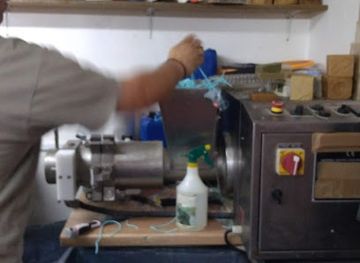
Explore La Savonnerie de Cassis, a charming soap-making shop offering exquisite handmade soaps and unique gifts in the heart of Provence.
-
Boutique
LULLI Cassis
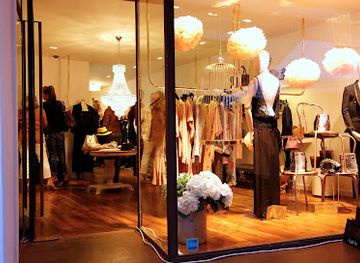
Discover the latest fashion trends at LULLI Cassis, a premier boutique for accessories, clothing, and unique gifts in the heart of Cassis.
-
Gourmet grocery store
Boutique Autrefois
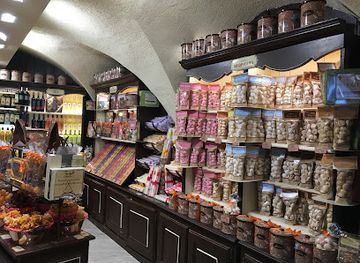
Experience the flavors of Provence at Boutique Autrefois, the gourmet grocery store in Cassis offering local delicacies and artisan products.
-
Clothing store
KANAYE CASSIS
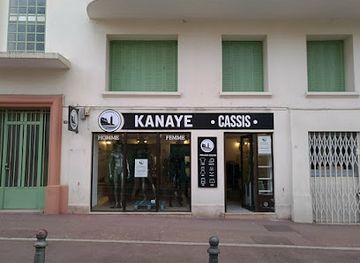
Discover trendy apparel and stylish footwear at Kanaye Cassis, a fashion haven in the stunning coastal town of Cassis, France.
Get your free copy of our complete guide to Cassis Calanques, delivered straight to you.
Everything on this page, from attractions and restaurants to essentials and local phrases, in one PDF you can read offline, print or share.
Already have an account? Sign in
Your Cassis Calanques guide is ready.
We'll send it to · Not you? Sign out

Getting your guide ready…
We are putting together a fresh copy of the Cassis Calanques guide. This can take up to a minute.
This can take a few moments. If your browser asks, choose Allow so the download can start. You'll find the guide in your Downloads folder.
Nothing happened? Download it again
Sorry, the guide is taking longer than usual. Please try again in a minute, or get it by email instead.
Cassis Calanques essentials
Currency and Payment
Safety
Emergency Situations
Do's and Don'ts
Local Tips
From Eve
Local phrases worth knowing
You don't need to get them perfect. A few words go a long way, and locals appreciate the effort.
Basics
| English | Local | Say it |
|---|---|---|
| Hello | Bonjour | [bon-zhoor] |
| Goodbye | Au revoir | [oh ruh-vwahr] |
| Yes | Oui | [wee] |
| No | Non | [nohn] |
| Please/You're welcome | S'il vous plaît/De rien | [seel voo pleh/duh ryen] |
| Thank you | Merci | [mehr-see] |
| Excuse me/Sorry | Excusez-moi/Désolé | [ex-kew-zay mwah/day-zoh-lay] |
| How are you? | Comment ça va? | [koh-mohn sah vah] |
| Fine. And you? | Bien. Et vous? | [byen. eh voo] |
| Do you speak English? | Parlez-vous anglais? | [par-lay voo ahn-glay] |
| I don't understand | Je ne comprends pas | [zhuh nuh kohm-prahnd pah] |
Eating & Drinking
| English | Local | Say it |
|---|---|---|
| I'd like to see the menu, please | Je voudrais voir le menu, s'il vous plaît | [zhuh voo-dray vwahr luh muh-nyoo seel voo pleh] |
| I don't eat meat | Je ne mange pas de viande | [zhuh nuh mahnj pah duh vyand] |
| Cheers! | Santé! | [sahn-tay] |
| I would like to pay, please | Je voudrais payer, s'il vous plaît | [zhuh voo-dray pay-ay seel voo pleh] |
Emergencies
| English | Local | Say it |
|---|---|---|
| Help! | Au secours! | [oh seh-coor] |
| Go away! | Allez-vous en! | [ah-lay vooz ahn] |
| Call the Police! | Appelez la police! | [ah-play lah poh-lees] |
| Call a doctor! | Appelez un médecin! | [ah-play uh mae-sahn] |
| I'm lost | Je suis perdu | [zhuh swee pair-doo] |
| I'm ill | Je suis malade | [zhuh swee mah-lahd] |
Shopping
| English | Local | Say it |
|---|---|---|
| I'd like to buy... | Je voudrais acheter... | [zhuh voo-dray zah-shtay...] |
| I'm just looking | Je regarde juste | [zhuh ruh-gard zhust] |
| How much is it? | Combien ça coûte? | [kohm-byen sah koot] |
| That's too expensive | C'est trop cher | [say troh shair] |
| Can you lower the price? | Pouvez-vous baisser le prix? | [poo-vez voo beh-say luh pree] |
Time & Numbers
| English | Local | Say it |
|---|---|---|
| What time is it? | Quelle heure est-il? | [kel uhr ay teel] |
| It's one o'clock | Il est une heure | [eel ayz uhn uhr] |
| Half past (10) | Dix heures et demi | [deez uhr eh dehm-ee] |
| Morning | Matin | [mah-tahn] |
| Afternoon | Après-midi | [ah-pray mee-dee] |
| Evening | Soir | [swahr] |
| Yesterday | Hier | [yehr] |
| Today | Aujourd'hui | [oh-zhoor-dwee] |
| Tomorrow | Demain | [duh-mahn] |
| 1 | Un | [uhn] |
| 2 | Deux | [duh] |
| 3 | Trois | [twah] |
| 4 | Quatre | [kat] |
| 5 | Cinq | [sank] |
| 6 | Six | [sees] |
| 7 | Sept | [sept] |
| 8 | Huit | [weet] |
| 9 | Neuf | [nuf] |
| 10 | Dix | [deez] |
Transport & Directions
| English | Local | Say it |
|---|---|---|
| Where's a/the...? | Où est le/la...? | [oo ay luh/lah] |
| What's the address? | Quelle est l'adresse? | [kel ay luh-dress] |
| Can you show me (on the map)? | Pouvez-vous me montrer (sur la carte)? | [poo-vez voo muh mohn-tray (surr lah kart)] |
| When's the next (bus)? | Quand est le prochain (bus)? | [kohnd ay luh proh-shawn (bus)] |
| A ticket (to ....) | Un billet (pour ....) | [uhn bee-yay (poor)] |
History of Cassis Calanques
Ancient Greek and Roman Influence
The Cassis Calanques, with their stunning limestone cliffs and azure waters, have been a point of interest since antiquity. The Greeks were among the first to recognize the strategic and aesthetic value of this coastal region. Later, the Romans built upon this foundation, developing infrastructure and enhancing the area's maritime capabilities. Evidence of Roman harbors and villas can still be found, bearing testament to the area's significance in the ancient world.
Medieval Maritime Trade
In the Middle Ages, the Cassis Calanques became a critical hub for maritime trade. The natural harbors provided shelter for ships and were pivotal in the trading routes of the Mediterranean. The town of Cassis itself grew around these trade networks, with its economy deeply intertwined with the sea. This period also saw the construction of fortifications to protect against pirate raids, remnants of which can still be observed today.
Provençal Culture and Tradition
The Cassis Calanques are situated in the heart of Provence, a region known for its rich cultural heritage. Provençal culture, with its unique dialect, cuisine, and traditions, has deeply influenced the way of life in Cassis. Festivals, such as the annual 'Fête de la Saint-Pierre,' celebrate the patron saint of fishermen and are a vibrant display of the enduring local traditions. The blend of maritime and Provençal cultures creates a unique atmosphere that is palpable throughout the region.
World War II Significance
During World War II, the Cassis Calanques played a strategic role due to their geographical location. The rugged terrain and secluded coves provided ideal hideouts for the French Resistance. Numerous operations were conducted in these calanques, contributing to the broader efforts of the Allied forces in the region. Today, plaques and memorials commemorate these acts of bravery and the area's contribution to the liberation of France.
Modern Tourism and Conservation
In the post-war era, the Cassis Calanques evolved into a major tourist destination, attracting visitors from around the globe with their natural beauty and historical significance. Efforts have been made to balance tourism with conservation, leading to the establishment of the Parc National des Calanques in 2012. This national park aims to protect the unique ecosystem while allowing people to experience the stunning landscapes. The ongoing conservation efforts highlight the importance of preserving the natural and historical heritage of the Cassis Calanques for future generations.
Cassis Calanques in Photos
Browse through our photo collection highlighting the charm and character of the destination.
Cities in Cassis Calanques
The towns and cities of Cassis Calanques, and the easiest places to base yourself.

Swipe for more cities
Neighbouring destination travel guides
The closest destinations to Cassis Calanques, if you have time for more than one.
-

-
-

-

-


Swipe for more destinations
Explore more

Explore more of Provence
Discover the enchanting allure of Provence, France, where rolling lavender fields, historic towns, and Mediterranean coastline offer a perfect escape.
Explore Provence
Explore more of France
Explore France: A land of romance, history, and unparalleled beauty, from the iconic streets of Paris to the serene landscapes of Provence and the luxury of the French Riviera.
Explore France