

Parc national des Calanques Travel Guide
Free Guide: Discover dramatic cliffs, hidden coves, and turquoise waters in France's stunning Parc National des Calanques. A Mediterranean paradise for hikers and nature lovers.


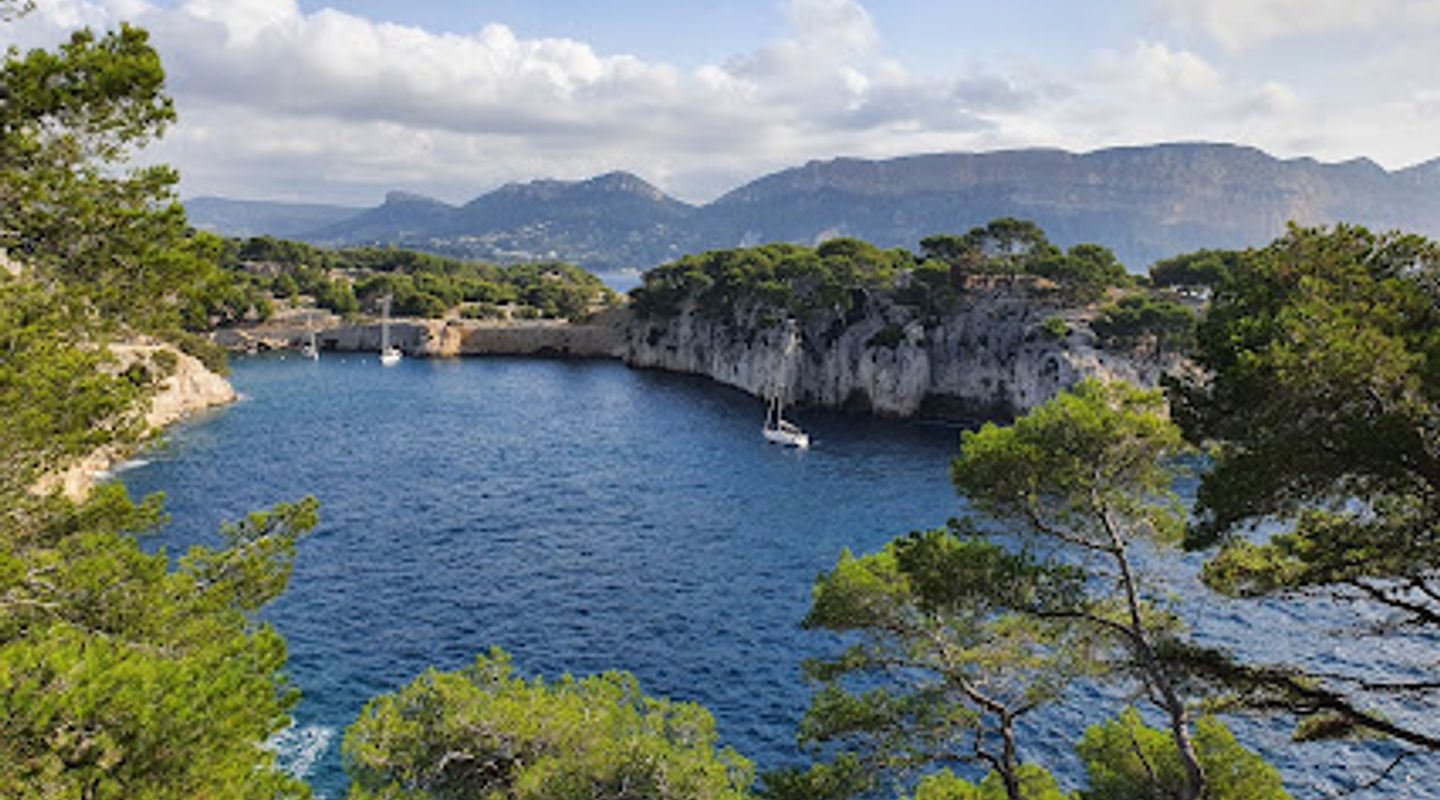
A brief summary of Parc national des Calanques
Discover dramatic cliffs, hidden coves, and turquoise waters in France's stunning Parc National des Calanques. A Mediterranean paradise for hikers and nature lovers.
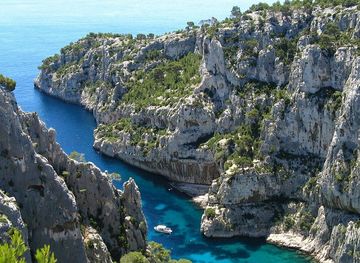
The Parc National des Calanques, established in 2012, is a stunning protected area stretching along the Mediterranean coast between Marseille and Cassis. Known for its dramatic limestone cliffs, unique inlets (calanques), and diverse flora and fauna, it's a haven for hikers, climbers, and nature lovers. The park offers a blend of natural beauty and cultural heritage, making it a must-see destination.
Opening hours
- Every dayOpen 24 hours
Opening hours as listed on the venue’s Google Business Profile. Hours can change for services and special events, so check with the venue before you go.
- Address
- 13008 Marseille
- Phone
- Website
Getting there
Public Transport
Walking
Boat
Discover more about Parc national des Calanques
Overview
The Parc National des Calanques, created in April 2012, is a unique national park in southern France, encompassing land, sea, and even peri-urban areas. Stretching for 20 km along the coast between Marseille, Cassis, and La Ciotat, it is defined by its striking white limestone cliffs and the deep, narrow inlets known as calanques. These calanques, reminiscent of fjords, offer breathtaking views and access to secluded beaches and crystal-clear waters.The park's history dates back millions of years, with the limestone formations originating from marine sediments during the Jurassic and Cretaceous periods. Over time, tectonic activity and erosion sculpted the landscape into its present form. The park is home to diverse flora and fauna, including over 140 protected terrestrial animal and plant species and 60 heritage marine species. Birdwatchers can spot various species, including the Bonelli's eagle, while reptile enthusiasts might encounter the ocellated lizard, Europe's largest lizard.Visitors can explore the Calanques National Park through various activities. Hiking is a popular choice, with numerous trails offering stunning views and access to the calanques. Some trails require scrambling, so sturdy shoes are recommended. Boat tours provide an alternative perspective, allowing visitors to admire the coastline from the sea. Swimming is possible in some calanques, although access can be challenging, and amenities are limited.Note that access to certain areas, especially during the summer months (June 1 to September 30), is regulated due to the risk of fire. It's essential to check the park's website or download the official app for daily updates on closures and restrictions.
Evendo Review Centre
 Google
Guest reviews
Explore Parc national des Calanques on the map
A handpicked selection of must-see spots near Parc national des Calanques, mapped for you.
Get your free copy of our complete guide to Parc national des Calanques, delivered straight to you.
Everything on this page, from opening hours and how to get there to Eve’s tips and the best time to go, in one PDF you can read offline, print or share.
Already have an account? Sign in
Your Parc national des Calanques guide is ready.
We'll send it to · Not you? Sign out

Getting your guide ready…
We are putting together a fresh copy of the Parc national des Calanques guide. This can take up to a minute.
This can take a few moments. If your browser asks, choose Allow so the download can start. You'll find the guide in your Downloads folder.
Nothing happened? Download it again
Sorry, the guide is taking longer than usual. Please try again in a minute, or get it by email instead.
Unlock the best of Parc national des Calanques
Skip-the-line tickets, guided tours with entry, and walking tours of the area, booked in a few clicks.
 Tour with entry
Bike Rental for Calanques National Park and Marseille
from $24.87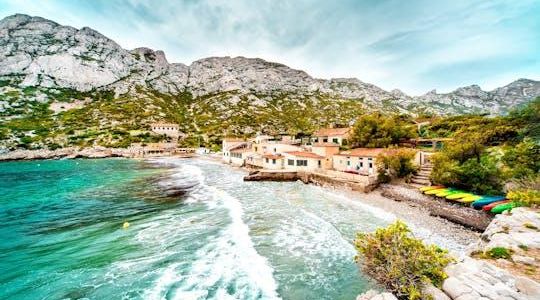 Tour with entry
E-Bike Ride to Calanque de Sormiou from Marseille
from $30.22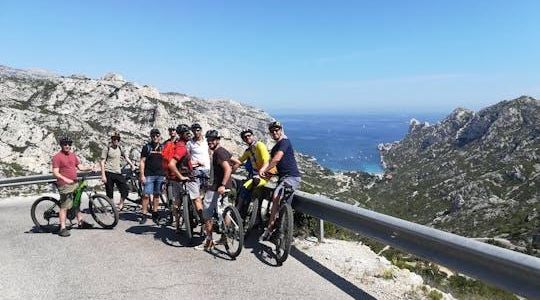 Tour with entry
Road bike rental for Calanques National Park and Marseille
from $33.76 Tour with entry
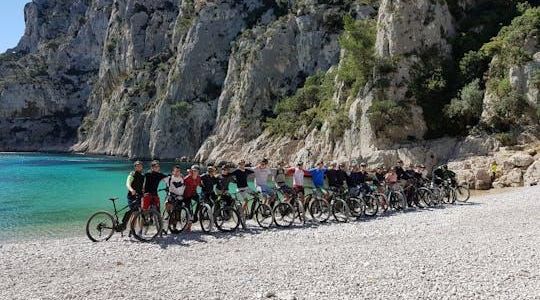
Panoramic hike on Marseille from Les Calanques
from $37.31


Other nearby places you may find interesting
The closest places of the same kind, if this one is not quite what you had in mind.
-
-
-
-
-


Swipe for more places
More to explore near Parc national des Calanques
-
 Best experiences near Parc national des Calanques
-
 Best hotels near Parc national des Calanques
-
 Best landmarks near Parc national des Calanques
-
 Best attractions near Parc national des Calanques
-
 Best shops near Parc national des Calanques
-
 Best restaurants near Parc national des Calanques
-
 Best bars near Parc national des Calanques


Do you manage this location?
Take control to get all the benefits, like improved information, better appearance, and stronger visibility across AI-powered discovery.
Explore more
Explore more of Cassis Calanques
Discover the breathtaking Calanques of Cassis, a stunning blend of turquoise waters, limestone cliffs, and rich biodiversity, nestled along the Mediterranean coast.
Explore Cassis Calanques
Explore more of France
Explore France: A land of romance, history, and unparalleled beauty, from the iconic streets of Paris to the serene landscapes of Provence and the luxury of the French Riviera.
Explore France
