Fontaine dédiée à l'Amiral Bruat: A Colmar Landmark
Discover the Fontaine dédiée à l'Amiral Bruat in Colmar's Champ de Mars, a tribute to a naval hero and a symbol of the city's rich history and artistic heritage, sculpted by Auguste Bartholdi.
The Fontaine dédiée à l'Amiral Bruat, located in Colmar's Champ de Mars park, is a notable monument honoring Admiral Armand-Joseph Bruat, a native of Colmar who rose to prominence in the French Navy. Created by Auguste Bartholdi, the sculptor of the Statue of Liberty, the original fountain was inaugurated in 1864. It was the first fountain in Colmar to have a continuous jet of water. The fountain features allegorical representations of the four continents. Destroyed by the Nazis in 1940, the statue was restored in 1958 and placed on a new fountain designed by sculptor Choain and architect Porte. Today, it stands as a symbol of Colmar's history and artistic heritage, offering a tranquil spot for locals and tourists alike to reflect and admire its artistry within the green expanse of the Champ de Mars.
A brief summary to Fontaine dédiée à l'Amiral Bruat
- 2 Av. de la Marne, Colmar, 68000, FR
- Visit website
- Monday 12 am-12 am
- Tuesday 12 am-12 am
- Wednesday 12 am-12 am
- Thursday 12 am-12 am
- Friday 12 am-12 am
- Saturday 12 am-12 am
- Sunday 12 am-12 am
Local tips
- Visit the Bartholdi Museum to see the original sandstone heads from the first fountain and learn more about the sculptor's life and works.
- Take a stroll through the Champ de Mars to enjoy the park's serene atmosphere and historical significance.
- Combine your visit with a stop at Place Rapp to see the statue of General Rapp and learn about another of Colmar's famous figures.

Getting There
-
Walking
From Colmar city center, the Fontaine dédiée à l'Amiral Bruat is easily accessible on foot. Orient yourself towards the Champ de Mars, a large park recognizable by its open green space. The fountain is located in the center of the park, a short walk from the Place Rapp. No costs are associated with walking.
-
Public Transport
If arriving at Colmar train station (Gare de Colmar), you can take a short bus ride to a stop near the Champ de Mars. Look for TRACE bus lines serving the city center. A single ticket costs approximately €1.50. Alight at a stop near Place Rapp or the Théâtre Municipal, both within a few minutes' walk of the fountain. Alternatively, a 10-ticket carnet costs €10.60.
-
Taxi/Ride-Share
Taxis and ride-sharing services are available in Colmar. A short ride from the train station or any point in the city center to the Fontaine dédiée à l'Amiral Bruat will typically cost between €8 and €12, depending on traffic and demand.
-
Driving
If driving, parking is available near the Champ de Mars. Consider parking at Parking Contre-allée Bruat. Parking fees typically range from €1.80 per hour.
Discover more about Fontaine dédiée à l'Amiral Bruat
Iconic landmarks you can’t miss

1 Pl. Rapp
0.2 km
Experience the picturesque charm of Place Rapp in Colmar, a vibrant square surrounded by stunning architecture and delightful culinary experiences.
Maison Wildungshof
0.3 km
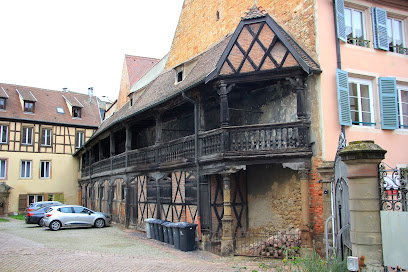
Discover Maison Wildungshof in Colmar: A historical gem with Renaissance architecture and a Voltaire connection, offering a glimpse into Alsace's rich past.
Kempfeneck
0.4 km
Explore Kempfeneck in Colmar, a historical landmark showcasing Alsace's rich heritage and medieval architecture. A must-see for history buffs!
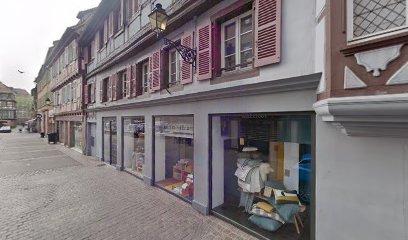
The House of the St. John's Knights
0.4 km
Discover Colmar's architectural gem: The House of the St. John's Knights, a stunning Venetian-style building with a mysterious past.
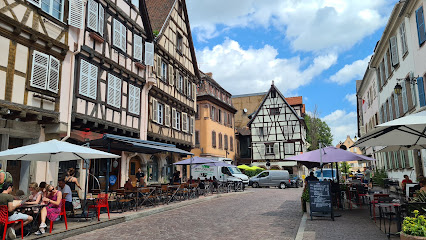
La Petite Venise
0.4 km
Experience the enchanting beauty of La Petite Venise, a historical gem in Colmar known for its canals, colorful houses, and vibrant culture.

Les Grandes Maisons d'Alsace
0.4 km
Discover the collective excellence of Alsace wines at Les Grandes Maisons d'Alsace, an association of the region's top wine producers in Colmar.
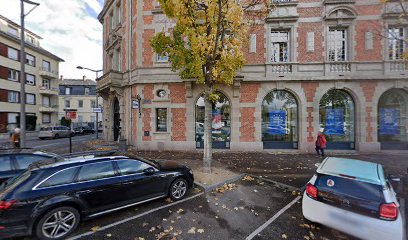
Les Bateliers
0.4 km
Experience authentic Alsatian cuisine in a charming canal-side setting at Les Bateliers restaurant in Colmar's Petite Venise.
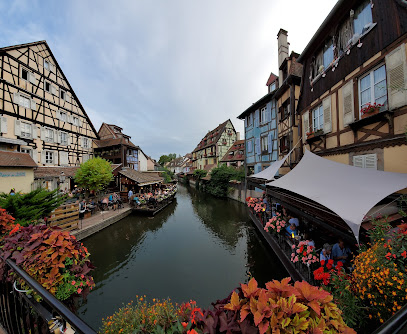
Maison Kern
0.4 km
Discover Maison Kern in Colmar: A stunning Renaissance monument on the picturesque Place du Marché aux Fruits, showcasing Alsatian architectural heritage.
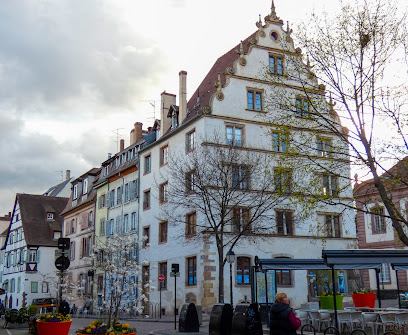
Zum Kragen
0.4 km
Explore Zum Kragen, a captivating historical landmark in Colmar, France, showcasing stunning architecture and rich cultural heritage.
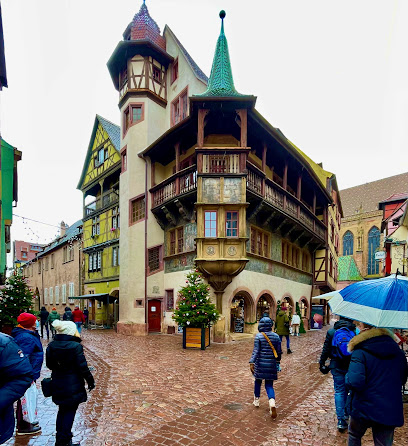
Adolph House
0.4 km
Discover the Adolph House in Colmar, a historical landmark showcasing Alsatian architecture and a legacy dating back to the 14th century.
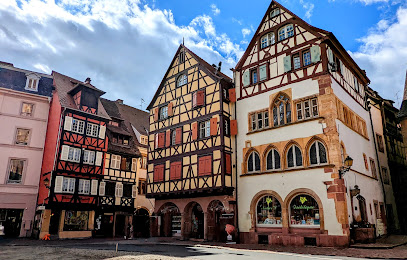
Maison au 4, rue Saint-Martin à Colmar
0.4 km
Explore Maison au 4, rue Saint-Martin in Colmar, a Renaissance-era monument blending French and German architectural styles.
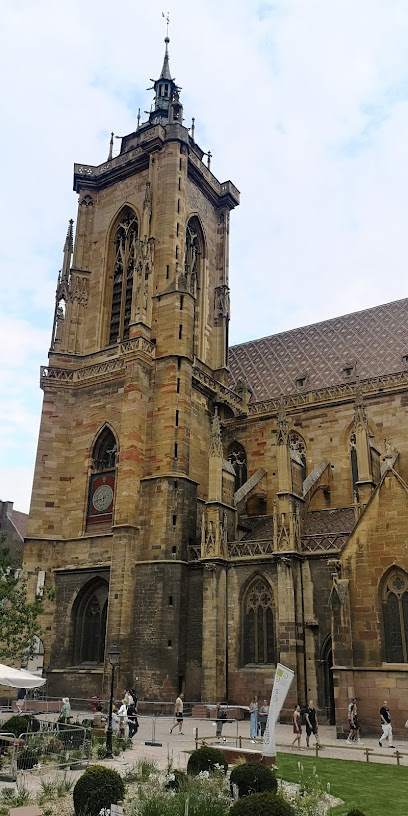
Au Vieux Pignon
0.4 km
Discover Alsatian treasures at Au Vieux Pignon in Colmar: handcrafted gifts, local delicacies, and a charming glimpse into regional culture.
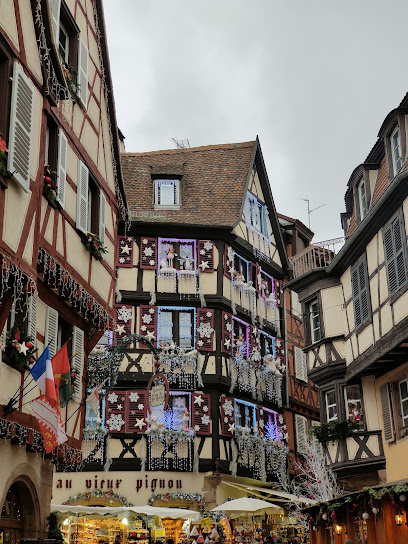
Vieille ville
0.4 km
Explore Colmar's Vieille Ville: a charming blend of history, architecture, and Alsatian culture in a fairytale setting.
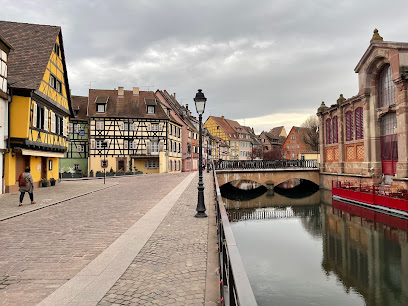
Pl. de la Cathédrale
0.4 km
Experience the history and vibrant atmosphere of Colmar at Place de la Cathédrale, a central square with stunning architecture.
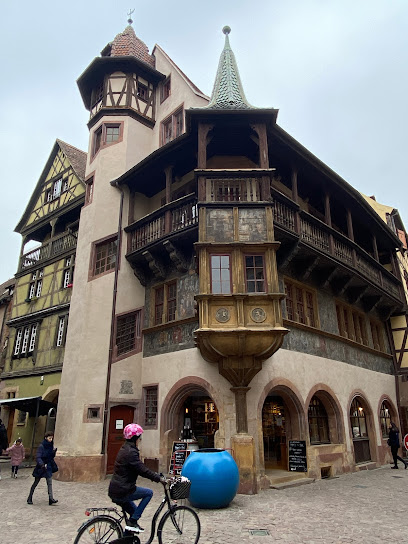
Pl. des Dominicains
0.4 km
Explore the picturesque Pl. des Dominicains in Colmar, a vibrant square teeming with history, stunning architecture, and delightful local culture.
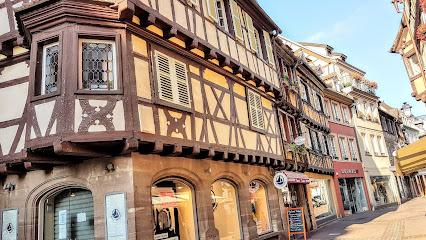
Unmissable attractions to see

Parc du Champ de Mars
0.0 km
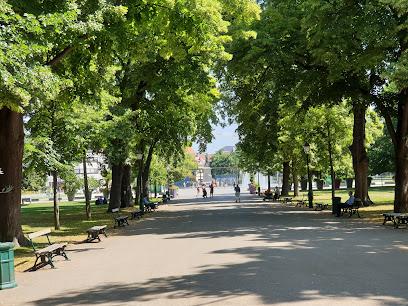
Experience the serene charm of Parc du Champ de Mars in Colmar, a perfect blend of nature and tranquility in the heart of the city.
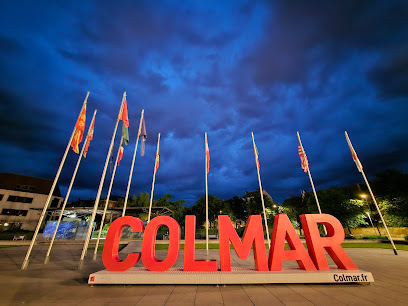
COLMAR sign
0.2 km
Discover the iconic COLMAR sign, a vibrant gateway to the enchanting Alsatian town, inviting you to explore its historic streets, picturesque canals, and unique Franco-German charm.
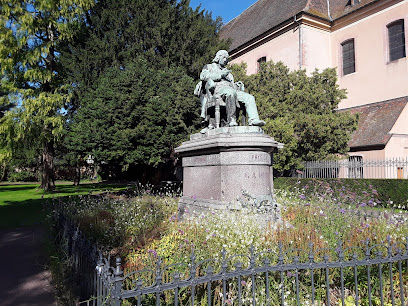
Square Adolphe Hirn
0.3 km
Discover a peaceful retreat in the heart of Colmar at Square Adolphe Hirn, a charming park honoring a local scientific pioneer and offering a tranquil escape from the city bustle.
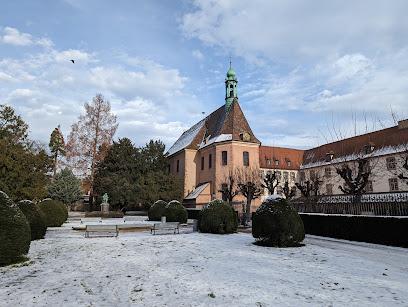
Chapelle St Pierre
0.3 km
Discover the tranquility of Chapelle St Pierre in Colmar, a beautiful chapel that embodies the peaceful spirit of Alsace's rich heritage.
Jardin Méquillet
0.3 km
Escape to Colmar's Jardin Méquillet, a tranquil oasis of vibrant blooms, shaded pathways, and playful spaces, perfect for relaxation and family fun in the heart of the city.
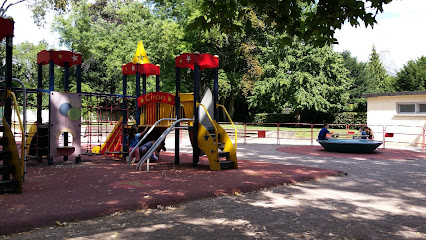
Grenier médiéval
0.3 km
Explore the Grenier Médiéval in Colmar, a 14th-century granary that once sustained the city and now stands as a testament to its rich medieval history and architectural heritage on Rue des Marchands.
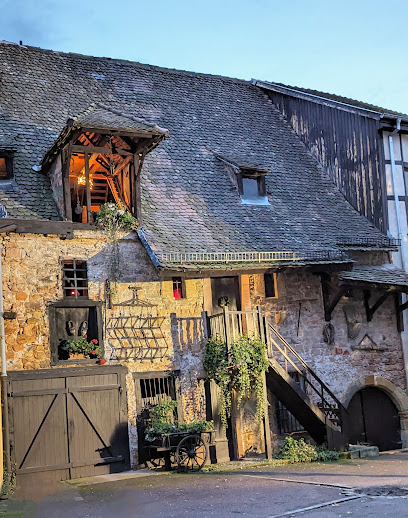
Fontaine Roesselmann
0.3 km
Explore the enchanting Fontaine Roesselmann in Colmar, a historical landmark that showcases exquisite artistry and the city's rich cultural heritage.
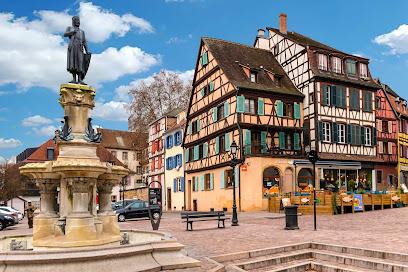
Arbre de Judée (1791)
0.4 km
Discover Colmar's oldest tree, the Arbre de Judée, a stunning botanical treasure in the heart of the historic Cour Waldner-Stephan, showcasing vibrant blossoms and centuries of Alsatian heritage.
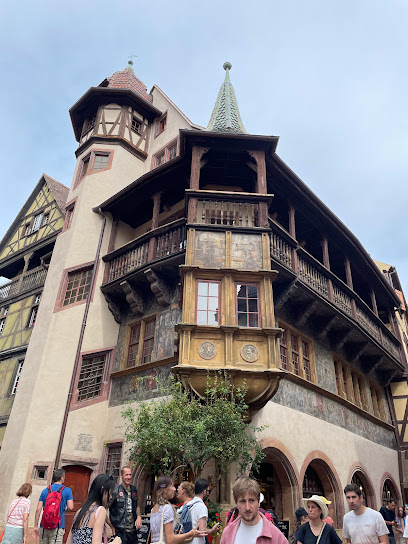
Point de vue sur La Petite Venise
0.4 km
Discover the enchanting La Petite Venise in Colmar, a picturesque district of canals and colorful half-timbered houses, offering boat tours and a charming glimpse into Alsatian history.
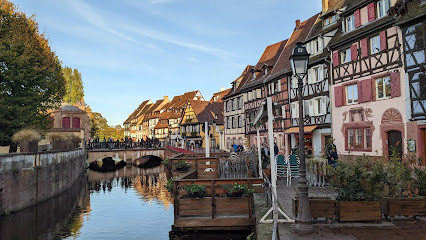
The Village Hansi & its Museum
0.4 km
Immerse yourself in the charming world of Alsatian artist Hansi at this delightful Colmar museum, showcasing his life, art, and the cultural heritage of Alsace.
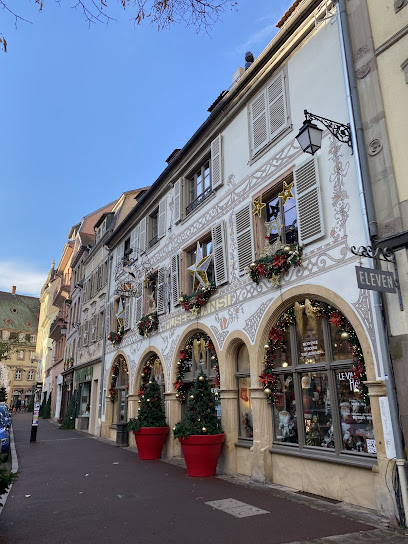
Rue des Marchands
0.4 km
Discover the enchanting Rue des Marchands in Colmar, France, a picturesque street filled with vibrant shops, stunning architecture, and local cuisine.
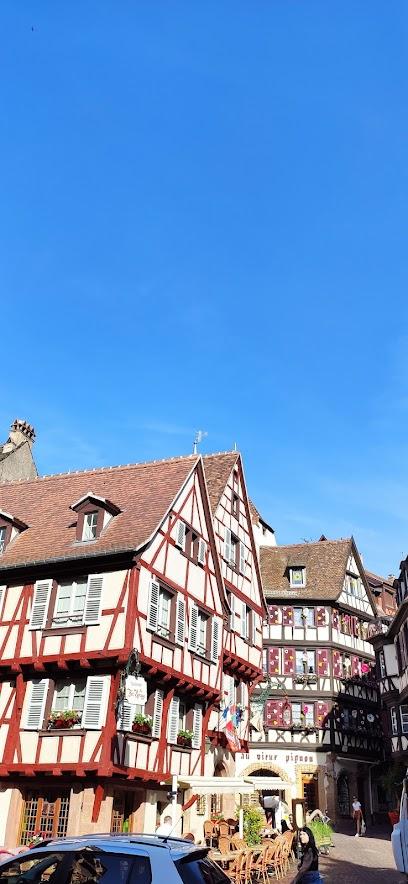
La Maison des Têtes - Relais & Châteaux - Hôtel Colmar & Restaurants
0.4 km
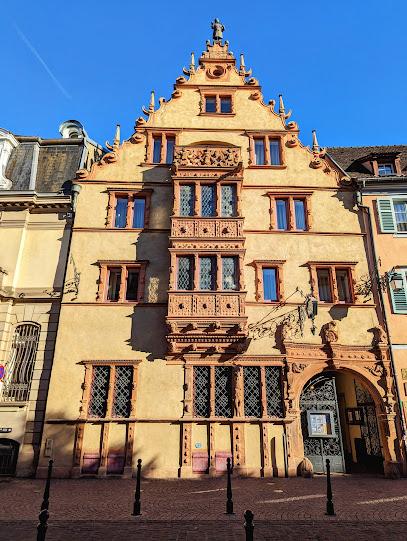
Discover the enchanting Maison des Têtes in Colmar: a historical landmark with 106 sculpted heads, offering luxury accommodations and Michelin-starred dining in the heart of Alsace.
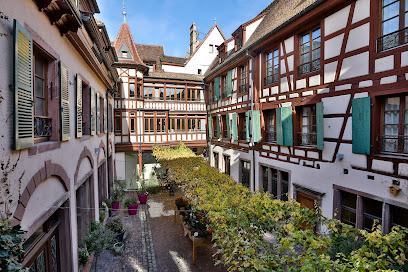
Musée Bartholdi
0.4 km
Explore the rich artistic heritage of Frédéric Auguste Bartholdi at the Musée Bartholdi in Colmar, France, where history and creativity intertwine.
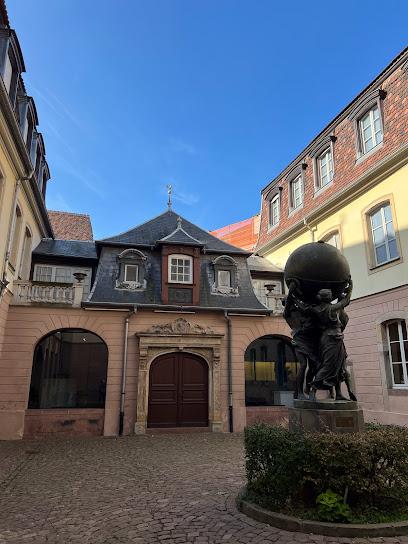
La maison des têtes
0.4 km
Discover Colmar's iconic Maison des Têtes: a historical landmark with 106 sculpted heads, housing a luxury hotel and Michelin-starred dining in the heart of Alsace.
Brasserie Historique - Maison des Têtes
0.4 km
Experience Alsatian tradition with a modern twist at Brasserie Historique - Maison des Têtes, a culinary landmark in Colmar's historic heart, offering regional flavors in a unique setting.
Essential places to dine

JY's
0.1 km
Experience gastronomic artistry at JY's in Colmar—where every dish tells a story through exquisite flavors and impeccable presentation.
CHEZ RAPHY AU CORDON BLEU DE COLMAR
0.2 km
Experience authentic French cuisine at Chez Raphy au Cordon Bleu de Colmar – where culinary excellence meets Alsatian charm.
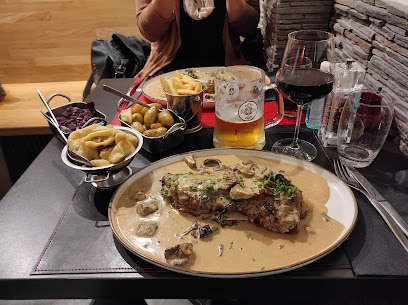
Restaurant L'Essentiel
0.2 km
Experience authentic French cuisine in Colmar at Restaurant L'Essentiel, where every dish tells a story of local flavors and culinary excellence.
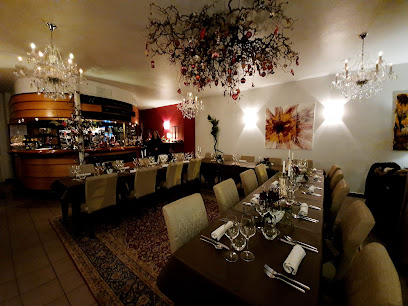
Meistermann
0.3 km
Discover authentic French cuisine at Meistermann in Colmar, where tradition meets modern culinary artistry.
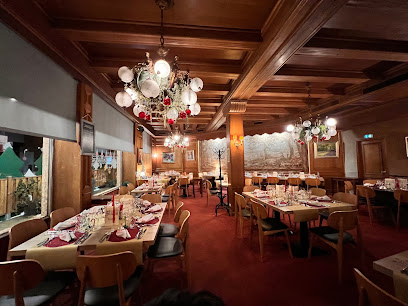
Les Six Montagnes
0.3 km
Discover traditional Alsatian cuisine at Les Six Montagnes in Colmar—where every dish tells a story of local flavors.
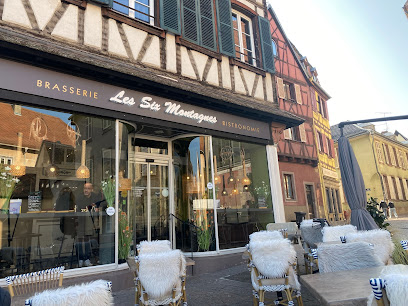
La Stub
0.3 km
Experience authentic Alsatian cuisine at La Stub in Colmar—where tradition meets taste in a charming atmosphere.
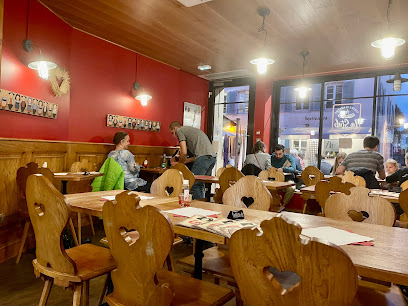
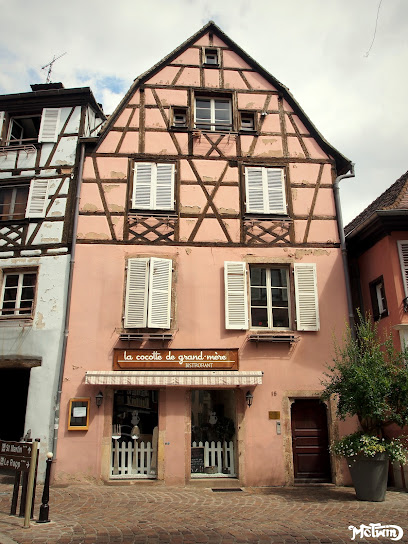
La Cocotte de Grand-Mère
0.3 km
Discover authentic French cuisine at La Cocotte de Grand-Mère in Colmar – where tradition meets taste in every delightful dish.
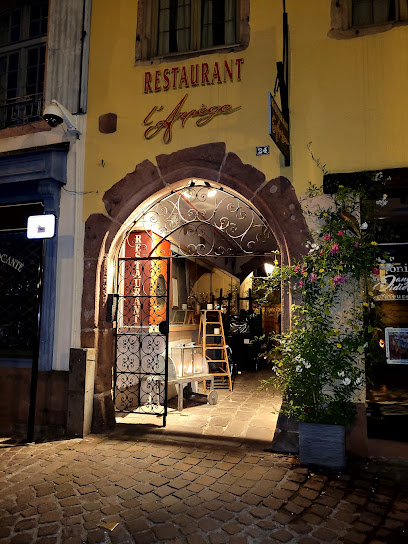
L’Arpège
0.4 km
Experience exceptional French cuisine at L'Arpège in Colmar – where local flavors meet artistic presentation.
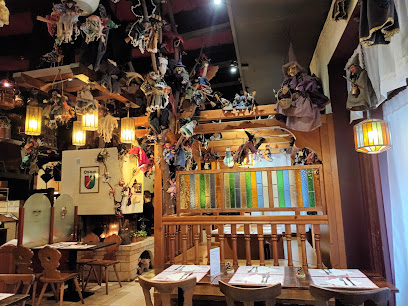
La pergola
0.4 km
Experience authentic French cuisine at La Pergola in Colmar, where traditional dishes meet local charm.
Restaurant À l'Échevin
0.4 km
Experience exquisite French cuisine at Restaurant À l'Échevin in Colmar – where tradition meets modern elegance.
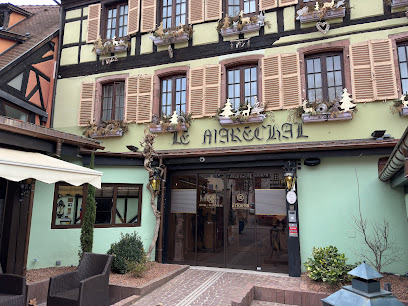
L'Atelier du Peintre
0.4 km
Experience exquisite French cuisine in Colmar at L'Atelier du Peintre – where every dish is a masterpiece.
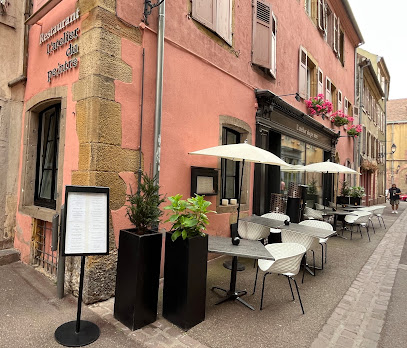
Le Bistrot des Copains
0.4 km
Experience authentic French cuisine at Le Bistrot des Copains in beautiful Colmar, where every dish tells a story.
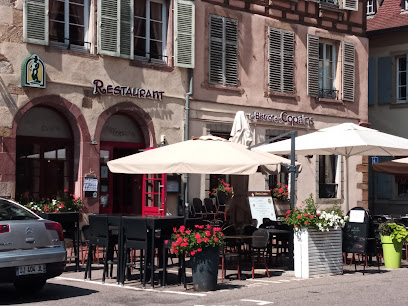
Restaurant du Marché
0.4 km
Experience exquisite French cuisine at Restaurant du Marché in Colmar - where tradition meets flavor in an enchanting setting.
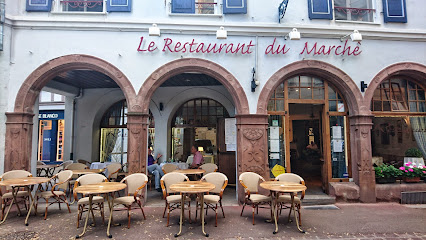
Restaurant Girardin - Eric Girardin - 1 Étoile Michelin Colmar
0.4 km
Discover Michelin-starred French cuisine at Restaurant Girardin in Colmar - an unforgettable fine dining experience awaits.
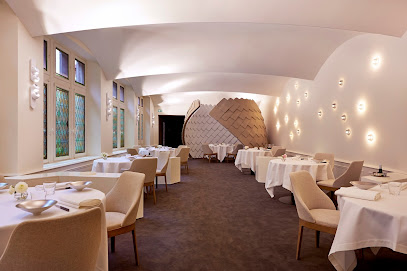
Winstub La Taverne
0.4 km
Experience authentic Alsatian cuisine at Winstub La Taverne - where tradition meets flavor in the heart of Colmar.
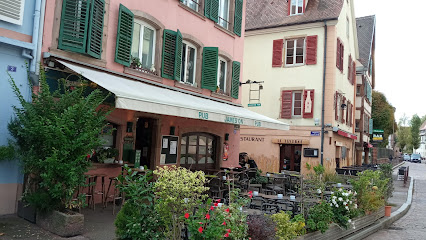
Markets, malls and hidden boutiques

Le petit Souk Colmar
0.3 km
Explore the enchanting Le Petit Souk, where unique gifts, charming toys, and delightful home goods await in the heart of Colmar.
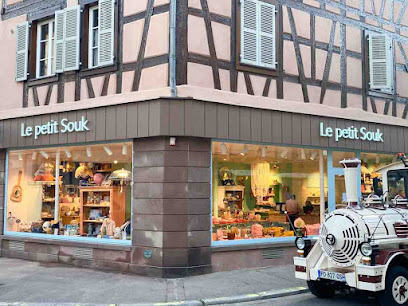
The Store
0.3 km
Explore The Store in Colmar for an exquisite selection of women's clothing and fashion accessories that redefine your style.
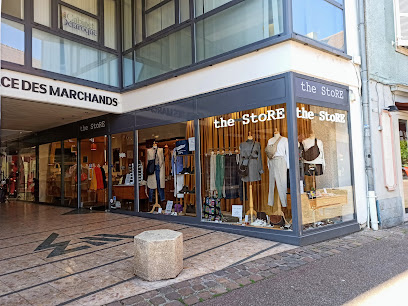
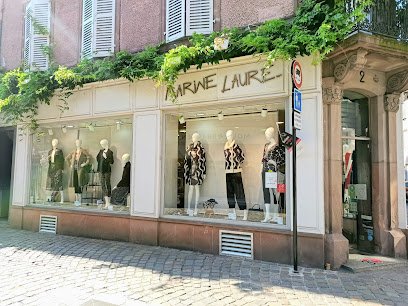
Boutique Marine-Laure ( magasin de prêt à porter féminin )
0.3 km
Experience the elegance of French fashion at Boutique Marine-Laure, a premier destination for women's clothing in the heart of Colmar.
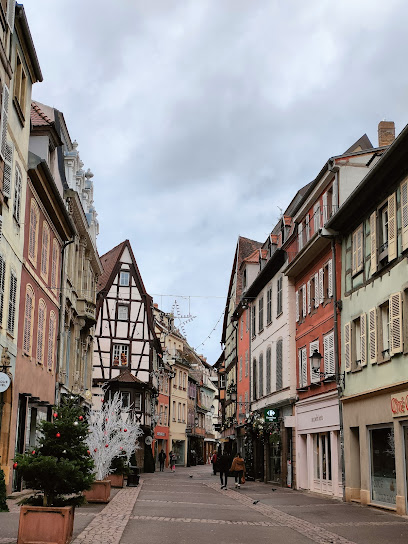
Des Petits Hauts
0.3 km
Explore the stylish world of Des Petits Hauts in Colmar, where chic women's fashion meets the charm of French elegance and creativity.
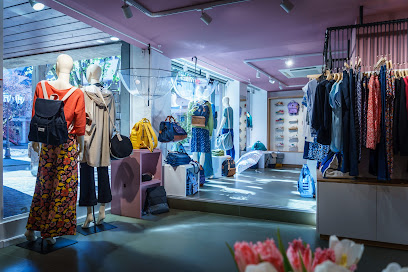
Goodvibes Colmar
0.4 km
Explore stylish women's clothing, leather goods, and shoes at Goodvibes Colmar, the boutique offering a unique shopping experience in the heart of Alsace.
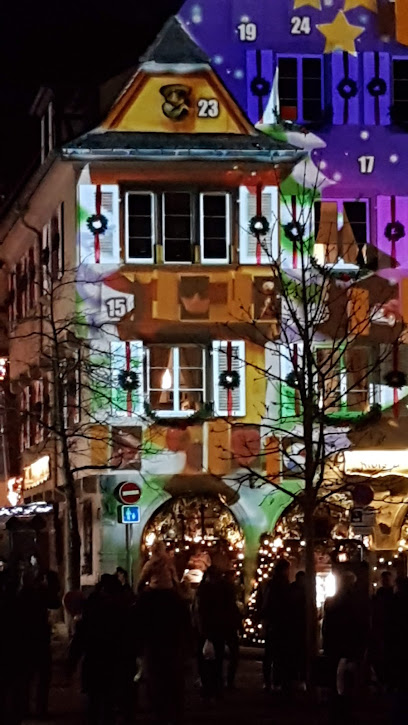
Avenue d'Alsace - boutique de linge de maison et accessoires
0.4 km
Discover Avenue d'Alsace in Colmar, a boutique offering exquisite linens, unique baby items, and elegant home accessories for every occasion.
Le Hameau
0.4 km
Explore Le Hameau, a charming gift shop in Colmar, offering unique artisanal gifts and local specialties that capture the spirit of Alsace.
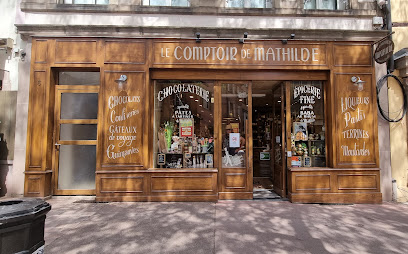
Le Comptoir de Mathilde
0.4 km
Discover the exquisite world of artisanal chocolates at Le Comptoir de Mathilde in Colmar, where traditional French craftsmanship meets sweet indulgence.
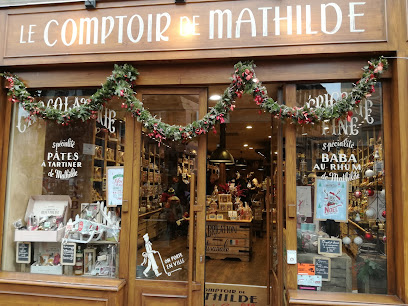
Les Vitrines de Colmar
0.4 km
Experience the vibrant shopping and dining scene at Les Vitrines de Colmar, where Alsatian culture meets modern charm.

Fortwenger Spices Breads
0.4 km
Explore the exquisite flavors of Fortwenger Spices Breads in Colmar, your gateway to gourmet spices and culinary inspiration.
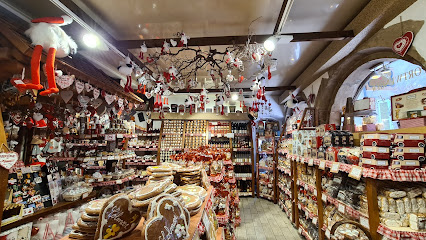
La Magie de Noël
0.4 km
Experience the enchantment of Christmas at La Magie de Noël, a delightful gift shop in Colmar offering unique festive treasures.
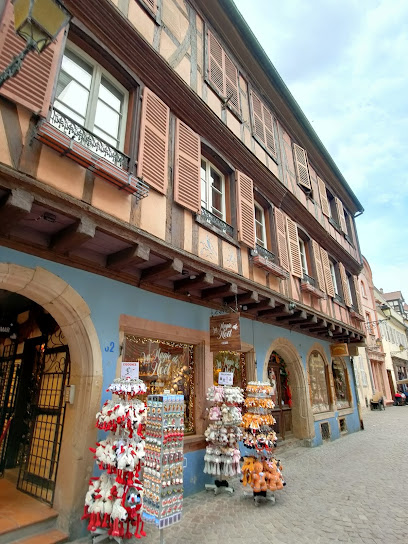
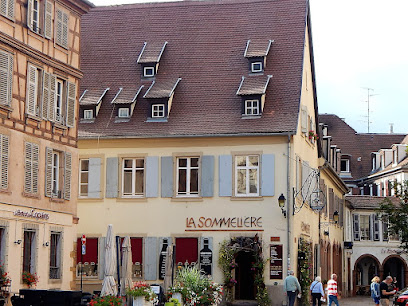
La Sommeliere
0.4 km
Discover the finest selection of Alsatian wines at La Sommeliere, where tradition meets expertise in the heart of Colmar.
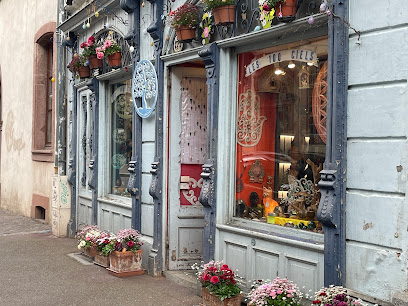
Les 100 Ciels
0.4 km
Explore Les 100 Ciels in Colmar, a charming gift shop filled with unique souvenirs and artisan crafts that capture the essence of the Alsace region.
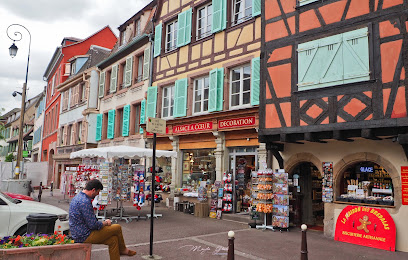
Souvenirs Alsace A Coeur Decoration
0.4 km
Explore the charm of Alsace through unique souvenirs at Souvenirs Alsace A Coeur Decoration in Colmar, where memories are crafted with love.
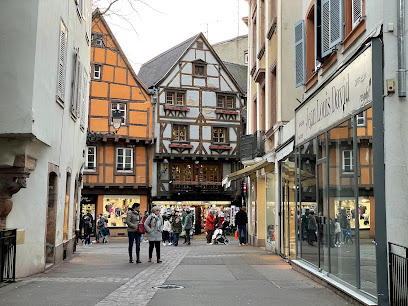
La Belle Alsace
0.4 km
Explore La Belle Alsace in Colmar, the ultimate gift shop for unique souvenirs and local crafts, showcasing the charm of the Alsace region.
Essential bars & hidden hideouts

K Bar
0.1 km
Experience the vibrant nightlife of Colmar at K Bar, where exquisite cocktails and a chic atmosphere await you.
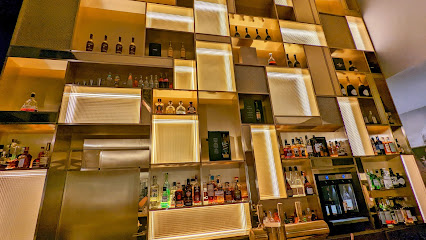
L’Un des Sens | Assiettes gourmandes et canons à partager au bar à vin intimiste du vieux Colmar
0.2 km
Discover the delightful fusion of gourmet dishes and exquisite wines at L’Un des Sens, your intimate wine bar in Colmar.
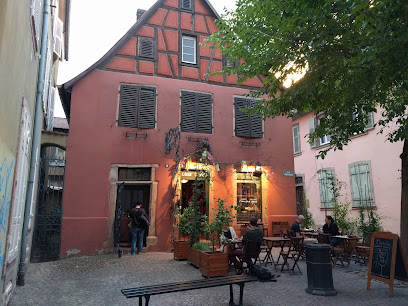
La Folie
0.3 km
Discover the exquisite wines and cocktails of La Folie, a must-visit wine bar in Colmar, where every sip tells a story of tradition and passion.
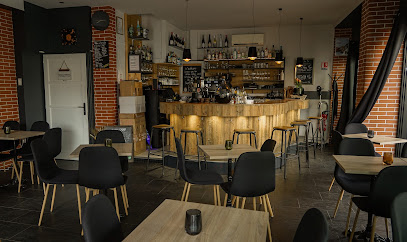
Le Shelby Colmar
0.3 km
Discover the vibrant nightlife at Le Shelby Colmar, where craft beers, cocktails, and wines await in a cozy and lively atmosphere.
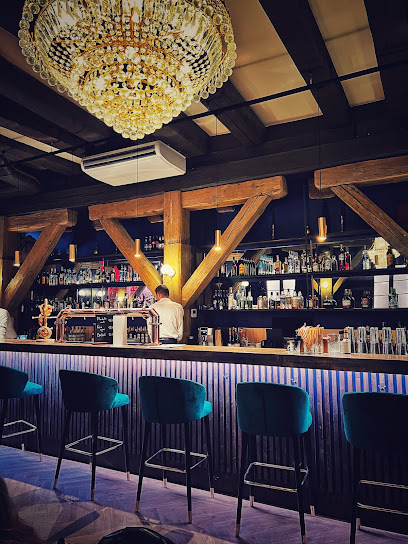
The 3 Monkeys
0.3 km
Discover the lively atmosphere and delightful drinks at The 3 Monkeys, a vibrant pub in the heart of Colmar's charming streets.
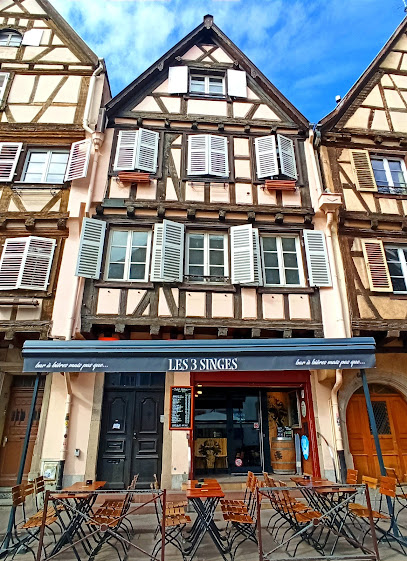
MANNALA PILS
0.4 km
Experience the vibrant charm of Mannala Pils, a premier bar in Colmar, France, known for its craft drinks and lively atmosphere.
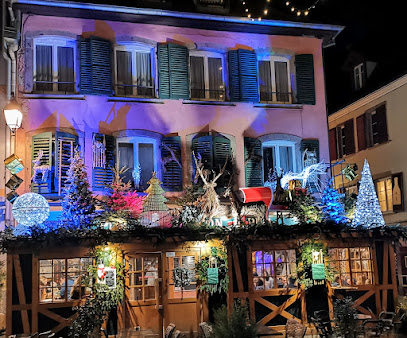
Les Augustins
0.4 km
Experience the exquisite charm of Colmar's Les Augustins, a wine bar offering the finest local wines in an elegant and cozy atmosphere.
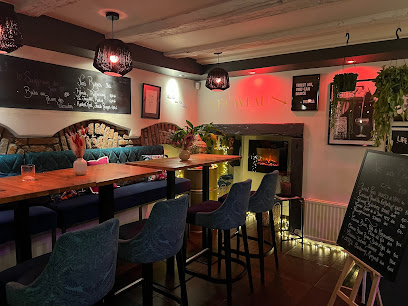
Les Incorruptibles
0.4 km
Experience the vibrant atmosphere and delightful drinks at Les Incorruptibles, a must-visit bar in the heart of Colmar, France.
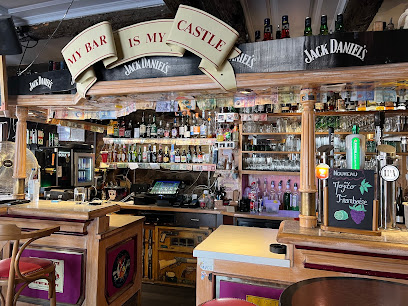
Café des Marchands
0.4 km
Experience the best of Alsace wines and craft beers at Café des Marchands in the heart of Colmar, a cozy haven for all wine and beer lovers.
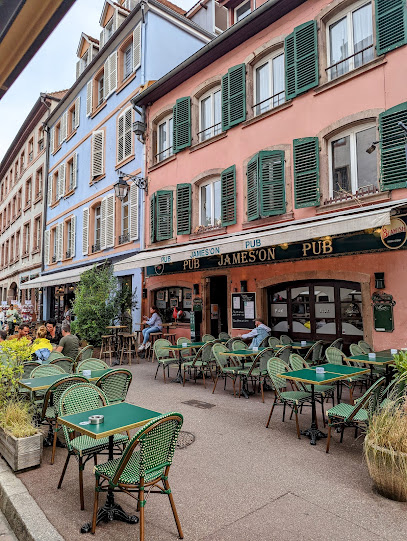
Pub James'On
0.4 km
Experience the vibrant atmosphere and delicious flavors at Pub James'On, a charming pub in the heart of Colmar, France.
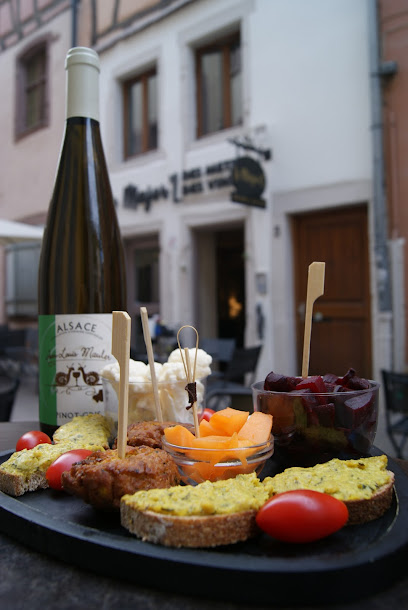
Le Major'L
0.4 km
Experience the essence of Alsatian wine culture at Le Major'L in Colmar, a cozy wine bar perfect for relaxation and enjoyment.
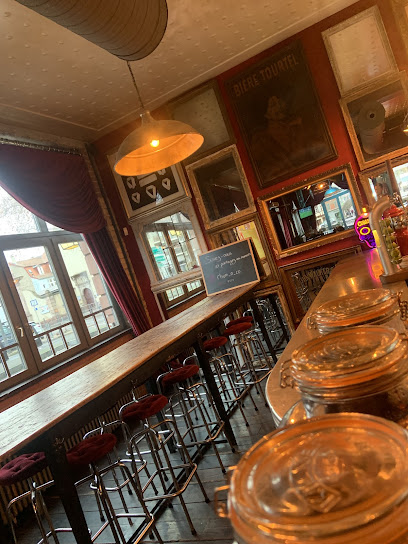
Rhum N' Co
0.5 km
Discover the vibrant nightlife of Colmar at Rhum N' Co, where exquisite cocktails and delicious tapas create an unforgettable experience.
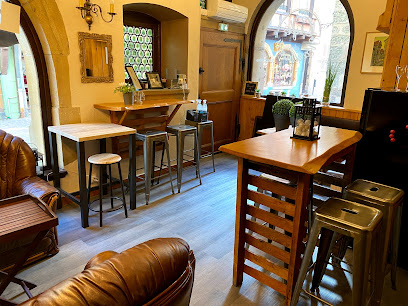
Le Murphy's
0.5 km
Experience the vibrant spirit of Ireland at Le Murphy's, the heart of Colmar's nightlife with live music and a diverse drink menu.
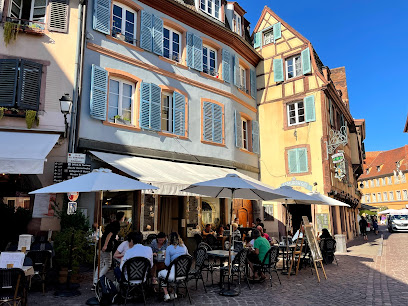
DEER AND BEER
0.5 km
Experience the charm of Colmar at Deer and Beer, where local brews and delicious fare come together in a rustic atmosphere.
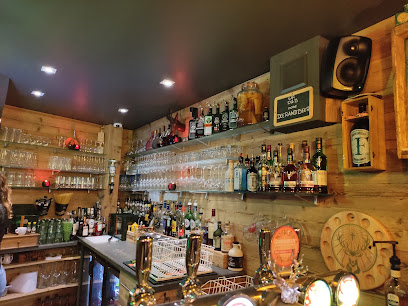
O'Rabbit's Irish Pub
0.5 km
Discover the vibrant atmosphere and authentic flavors of Ireland at O'Rabbit's Irish Pub in Colmar, a perfect spot for food and fun.
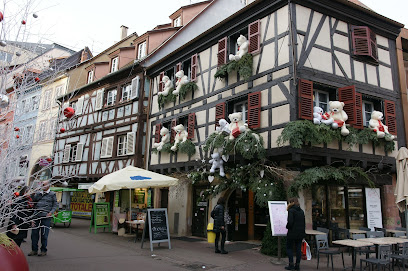
Nightclubs & after hour spots

Cotton Club
0.4 km
Experience the vibrant nightlife of Colmar at the Cotton Club, where music, drinks, and culture come together for an unforgettable evening.
shmeio
0.5 km
Discover the vibrant nightlife of Colmar at Shmeio, where pulsating music and an electrifying atmosphere await to create unforgettable memories.
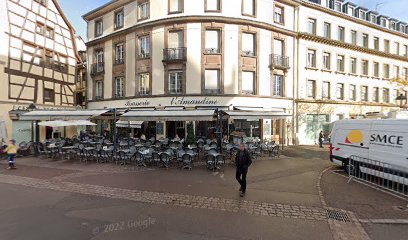
Black Velvet
0.6 km
Experience the joy of singing at Black Velvet Karaoke Bar, a vibrant lounge in Colmar that promises fun nights and unforgettable performances.
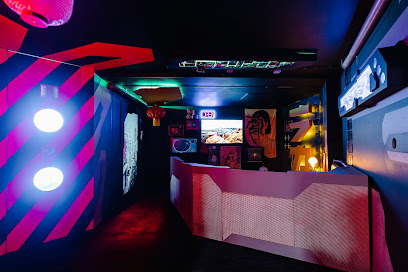
Collis Martis
2.5 km
Discover the vibrant Collis Martis in Colmar, a unique blend of bar, concert hall, and French restaurant offering unforgettable experiences.
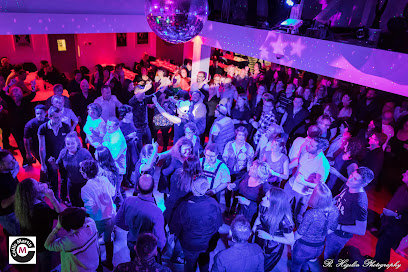
AM EVENTS | Bar & Tapas à Colmar
2.6 km
Discover the vibrant atmosphere and delicious tapas at AM EVENTS, a must-visit bar in the heart of Colmar, France.
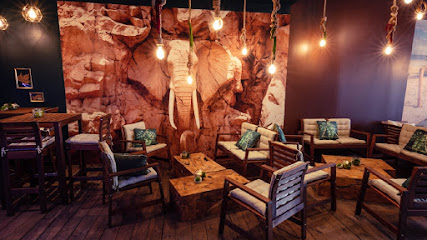
Le Saphir
2.8 km
Experience the chic ambiance and vibrant nightlife at Le Saphir, a stylish lounge in Ingersheim perfect for unwinding with exquisite cocktails.
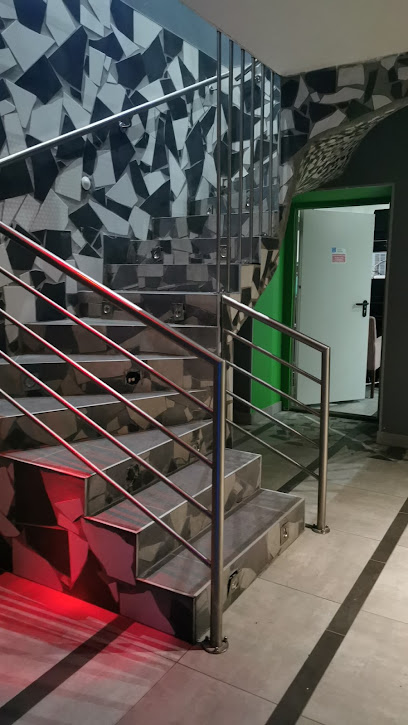
LE ROTA CLUB
3.2 km
Dive into the vibrant nightlife of Colmar at Le Rota Club, where music and atmosphere unite for an unforgettable night out.
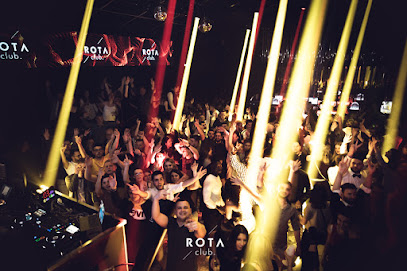
Nis Club
3.9 km
Experience the thrilling nightlife at Nis Club in Horbourg-Wihr, where vibrant beats and a stylish ambiance create unforgettable nights of fun and excitement.
K CLUB
4.0 km
Experience the enchanting atmosphere of K CLUB, Colmar's premier hookah bar with a delightful menu and vibrant nightlife.
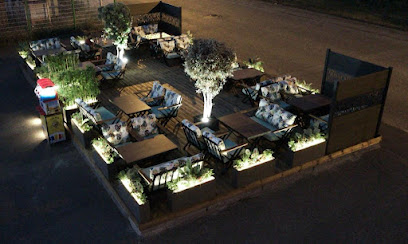
L Evasion
10.7 km
Discover the energetic nightlife of Riquewihr at L Evasion, where music and dancing create unforgettable memories.
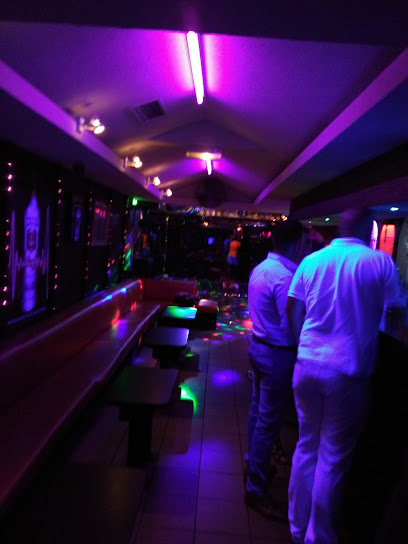
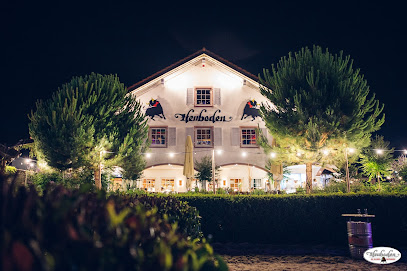
Heuboden Dancing Club
30.7 km
Experience the vibrant nightlife at Heuboden Dancing Club in Umkirch, where music, dancing, and cocktails meet for an unforgettable evening.
Gérardmer discothèque
35.4 km
Experience electrifying nightlife at Gérardmer Discothèque, the must-visit night club in the Vosges region, where music, dance, and fun collide.
Discothèque le Caveau
35.5 km
Discover the lively nightlife at Discothèque le Caveau in Gérardmer, where music, dancing, and fun come together for an unforgettable experience.

Discothèque Le Black Pearl Club
35.5 km
Experience the vibrant nightlife at Discothèque Le Black Pearl Club in Gérardmer, where electrifying music meets a lively atmosphere.
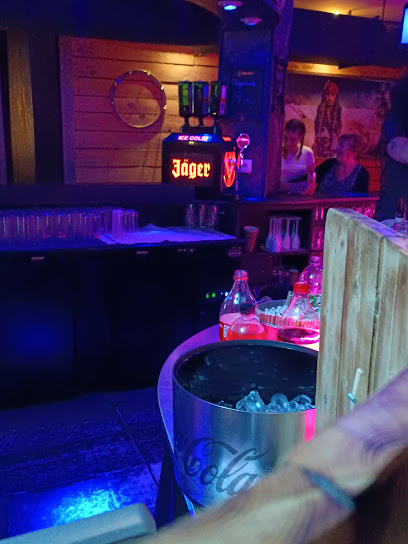
Crash
37.3 km
Dive into the pulsating nightlife of Freiburg at Crash Nightclub, where music, dance, and fun collide until dawn.