

Musée de l'Ancien Évêché, Grenoble Travel Guide
Explore the rich ecclesiastical history and stunning architecture at the Musée de l'Ancien Évêché in Grenoble.
The Musée de l'Ancien Évêché in Grenoble is a captivating historical museum that offers visitors a deep dive into the rich ecclesiastical heritage of the region. Housed in a former bishop's palace, it showcases an array of artifacts, art, and exhibitions that narrate the story of Grenoble's past and the role of the church in shaping its culture. This museum is an essential stop for tourists seeking to understand the historical context of this beautiful city.
A brief summary to Musée de l'Ancien Évêché
- 2 Rue Très Cloîtres, Grenoble, 38000, FR
- Click to display
- Click to display
- Monday 9 am-6 pm
- Tuesday 9 am-6 pm
- Wednesday 1 pm-6 pm
- Thursday 9 am-6 pm
- Friday 9 am-6 pm
- Saturday 11 am-6 pm
- Sunday 11 am-6 pm

Know before you go
Hi, I'm Eve. Here are a few practical things to know before exploring Musée de l'Ancien Évêché.
- Visit during weekdays for a quieter experience with fewer crowds.
- Check the museum's schedule for special exhibitions to enhance your visit.
- Don't miss the garden area for a peaceful break amidst your museum exploration.
- Consider joining a guided tour for deeper insights into the museum's history and exhibits.
- Pack a light snack to enjoy in the garden, making your visit more enjoyable.
Do you manage this location?
Take control to get all the benefits, like improved information, better appearance, and stronger visibility across AI-powered discovery. Learn more about listing your business on Evendo
Activate your presenceOther nearby places you may find interesting
The closest places of the same kind, if this one is not quite what you had in mind.



Explore Musée de l'Ancien Évêché on the Map
A handpicked selection of must-see spots near Musée de l'Ancien Évêché, mapped for you.
Getting There
-
Walking
Starting from Grenoble's main public transport hub, the Grenoble train station (Gare de Grenoble), exit the station and head south on Rue de la République towards Place de la Gare. Continue straight until you reach Place Victor Hugo. At the square, turn left onto Rue Montorge. Walk straight until you reach the intersection with Rue Très Cloîtres. Turn right onto Rue Très Cloîtres, and the Musée de l'Ancien Évêché will be on your left at number 2.
-
Tram
If you prefer to take public transport, from the Grenoble train station, board Tram Line A (the tram stop is directly outside the station). Travel towards 'Grenoble - La Poya' and get off at the 'Victor Hugo' stop. From the tram stop, walk towards Place Victor Hugo, then turn left onto Rue Montorge. Continue until you reach Rue Très Cloîtres, then turn right. The museum is located at 2 Rue Très Cloîtres, just a short walk from the tram stop.
-
Bus
From the 'Gare de Grenoble' bus station, you can take Bus Line 12 towards 'Echirolles - La Poya'. Get off at the 'Victor Hugo' bus stop. After disembarking, walk towards Place Victor Hugo and turn left onto Rue Montorge. Proceed straight until you reach Rue Très Cloîtres, then turn right. The Musée de l'Ancien Évêché will be on your left at 2 Rue Très Cloîtres.
Discover more about Musée de l'Ancien Évêché
More to explore near Musée de l'Ancien Évêché













Your all‑in‑one travel companion app
Explore expert travel guides, compare and book tours, experiences, hotels, and more—all from the palm of your hand. Download now for seamless trip planning wherever your wanderlust takes you.


Explore More of Grenoble
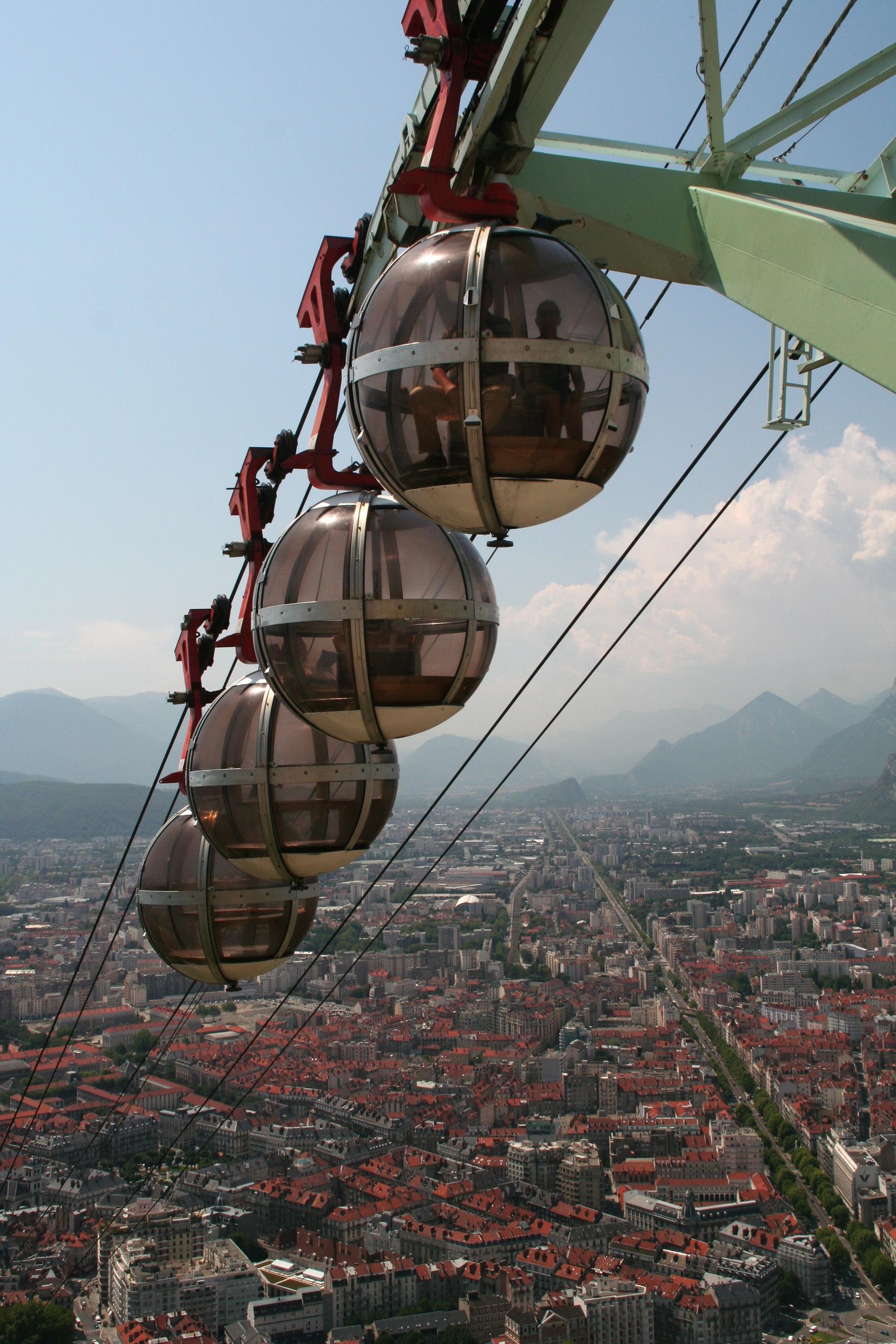
Looking beyond Musée de l'Ancien Évêché? Discover Grenoble for broader travel guides, local hot-spots, and regional highlights.
Explore Grenoble
Walk across history on Grenoble's Passerelle St-Laurent, offering stunning views and a vital pedestrian link since the 11th century.

Discover Grenoble's Cathédrale Notre-Dame: a historic cathedral with stunning architecture, art, and a rich religious heritage spanning centuries.
