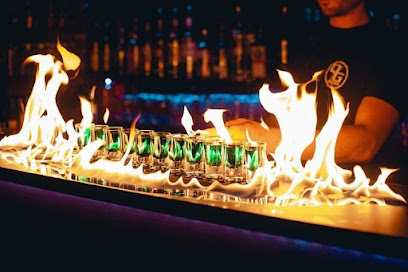
Porte de France: Grenoble's Historic Gateway
Discover Grenoble's past at the Porte de France, a historic gate and monument offering a glimpse into the city's rich heritage.
The Porte de France, a historic city gate in Grenoble, was erected in 1620 as part of the Bastille fortifications. Serving as a monument and a gateway, it marks the city's western entrance and provides a glimpse into its rich past.
A brief summary to Porte de France
- Pl. Hubert Dubedout, Grenoble, 38000, FR
- Visit website
Local tips
- Take a stroll around the Esplanade, located near the Porte de France, for scenic views and a relaxing atmosphere.
- Visit the Porte de France in the daytime to appreciate the architectural details and sculptures.
- Combine your visit with a trip to the Bastille via the cable cars for panoramic views of Grenoble.

Getting There
-
Walking
From Place Hubert Dubedout, walk west along Quai de France. The Porte de France will be visible on your left, about a 5-minute walk. No costs involved.
-
Public Transport
Take tram line B or E to the 'Alsace-Lorraine' stop. From there, walk north along Boulevard Jean Pain, then turn left onto Quai de France. The Porte de France will be on your right. A single tram ticket costs €1.60 and is valid for one hour.
-
Parking
If driving, parking is available at 'Parking Porte de France/Esplanade' located nearby. Rates typically range from €0.50 for 10 minutes to €3 for an hour. Be aware that parking in the city center can be challenging.
Discover more about Porte de France
Iconic landmarks you can’t miss

Porte de France
0.0 km
Discover Grenoble's past at the Porte de France, a historic gate and monument offering a glimpse into the city's rich heritage.
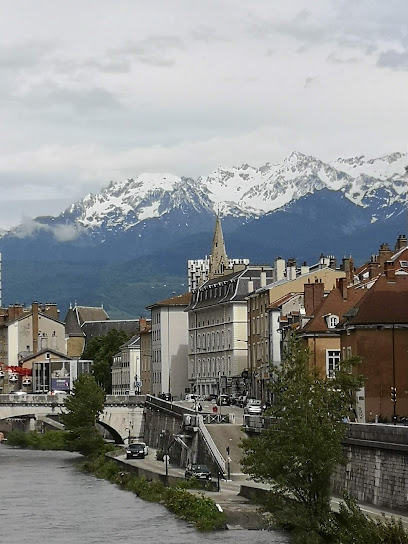
Gare de Grenoble
0.5 km
Experience Grenoble: Begin your Alpine adventure at the Gare de Grenoble, connecting you to the heart of the city and beyond.
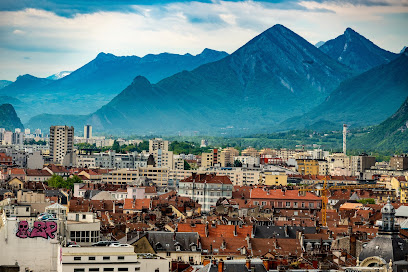
Téléphérique
0.5 km
Ascend to the Bastille in Grenoble's iconic 'bubbles' for panoramic views of the city and Alps. A historic and breathtaking experience!
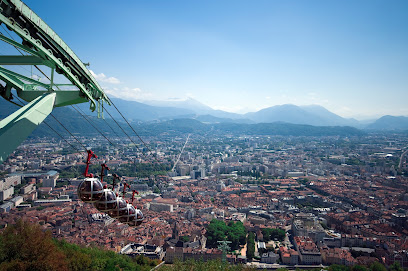
Jardin de Ville
0.6 km
Discover Grenoble's historic Jardin de Ville: a green oasis with gardens, statues, and events in the heart of the city, open year-round.
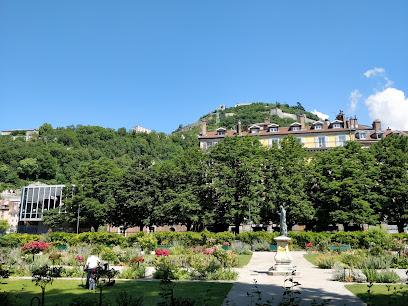
Acrobastille
0.7 km
Experience the thrill of outdoor adventure at Acrobastille, nestled in the historic Fort de la Bastille in Grenoble, France.
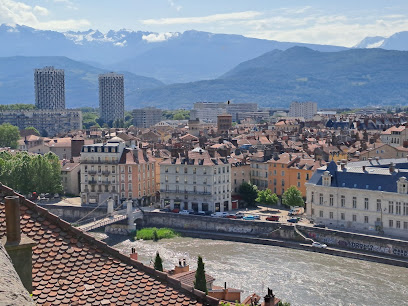
Passerelle St-Laurent
0.8 km
Walk across history on Grenoble's Passerelle St-Laurent, offering stunning views and a vital pedestrian link since the 11th century.
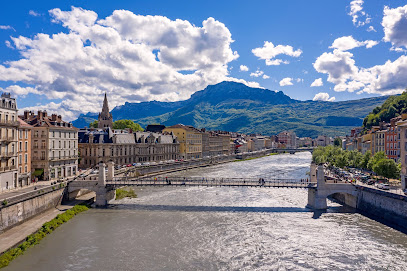
Appartement natal de Stendhal
0.8 km
Step into the world of Stendhal at his birthplace in Grenoble, a museum celebrating the life and work of the celebrated French author.
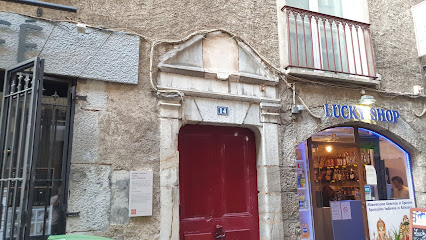
Tour de Sassenage
0.9 km
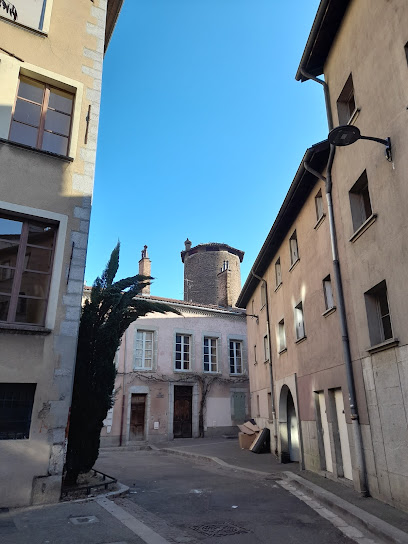
Explore Grenoble's medieval past at the Tour de Sassenage, a historic watchtower near the Notre-Dame Cathedral.
Halles Sainte-Claire
0.9 km
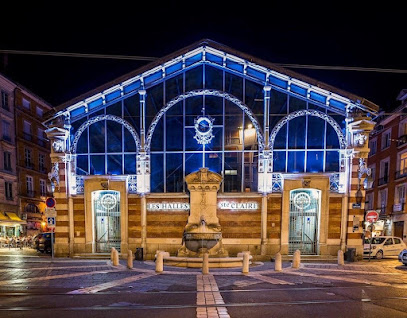
Discover local flavors at Grenoble's historic covered market, a vibrant hub for regional produce and culinary delights in a stunning 19th-century setting.
Musée de la Ganterie UNIQUEMENT SUR RDV
1.0 km
Explore Grenoble's glove-making history at Musée de la Ganterie, showcasing centuries of artisanal tradition and innovation in a former factory.
Grenoble Tour Guide
1.1 km
Explore the stunning beauty, rich heritage, and vibrant culture of Grenoble, a picturesque city in the heart of the French Alps.

National Memorial of the Mountain Troops
1.2 km
Honor the bravery of French mountain troops at this memorial with panoramic views of Grenoble and the Alps.
Fort du Mûrier
5.5 km
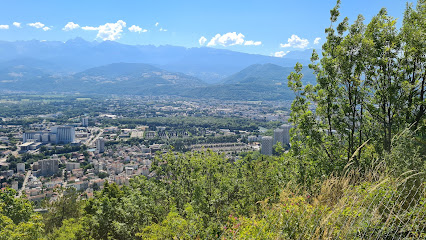
Explore a 19th-century fortress near Grenoble, transformed into a vibrant cultural and historical landmark with stunning views.
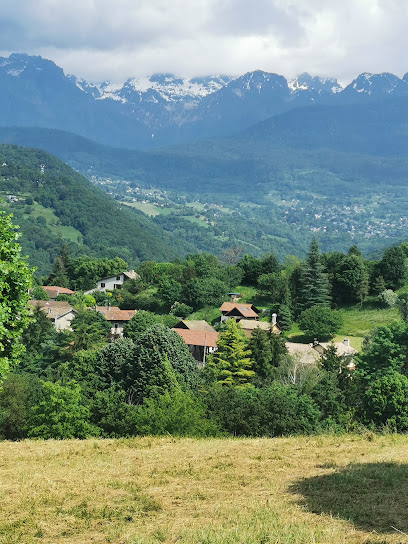
Parc du Château de Vizille
14.3 km
Discover history and nature at Parc du Château de Vizille, a beautiful park surrounding a historic château near Grenoble.
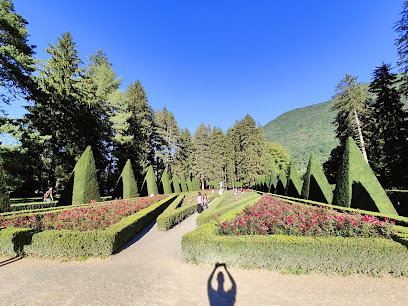
PARC AVENTURE OISANS
28.2 km
Experience high-flying thrills and stunning alpine views at Parc Aventure Oisans, the ultimate treetop adventure in Le Bourg-d'Oisans.
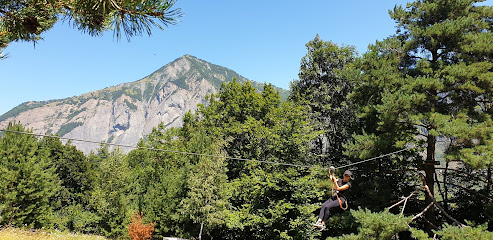
Unmissable attractions to see

Téléphérique Grenoble - Bastille
0.5 km
Ascend to Grenoble's Bastille in iconic bubble cars for panoramic views of the city and Alps. A historic and scenic must-do since 1934.
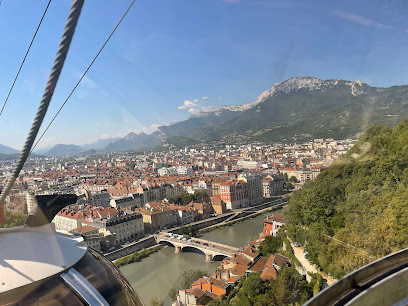
Fontaine des Mondes
0.6 km
Discover the breathtaking Fontaine des Mondes in Grenoble, where art and nature unite in a stunning display of beauty and cultural significance.
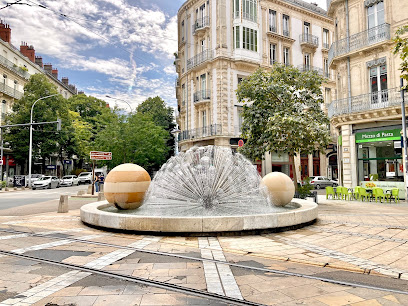
Musée dauphinois
0.6 km
Explore the rich history and culture of the Dauphiné region at the Musée Dauphinois in Grenoble, a must-visit destination for every traveler.
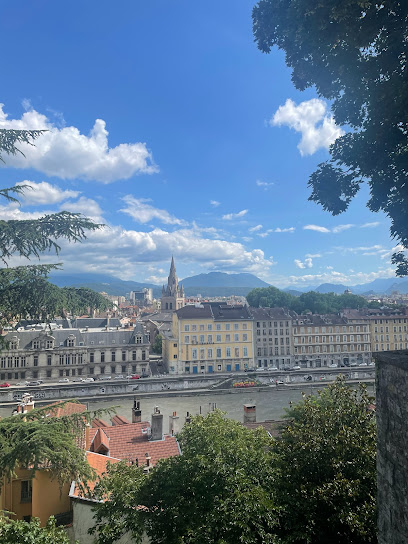
All Hail the Orange Smiley
0.7 km
Discover the joy of All Hail the Orange Smiley in Grenoble, a quirky tourist attraction that brings smiles and unforgettable memories.
La FREAK
0.7 km
Experience the vibrant culture of Grenoble at La FREAK, a hub for art, music, and community engagement in the heart of the city.
Montée de chalemont
0.7 km
Explore the breathtaking views of Montée de Chalemont in Grenoble, where nature and serenity come together to create an unforgettable experience.
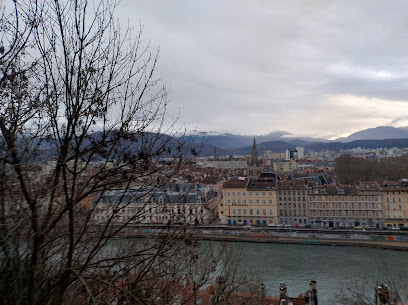
Alice hometown
0.7 km
Explore the enchanting Alice's Hometown in Grenoble, where rich history meets stunning landscapes and vibrant local culture.
Terrasse des Géologues
0.7 km
Discover the stunning panoramic views of the Alps at Terrasse des Géologues, a must-visit attraction in Grenoble, France.
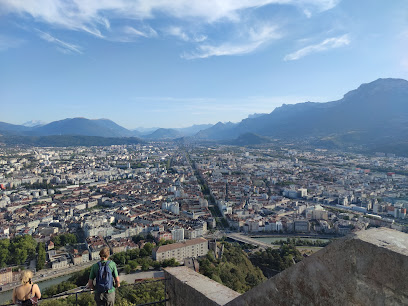
Place du Tribunal
0.7 km
Experience the rich culture and vibrant atmosphere of Place du Tribunal in Grenoble, a historical landmark that delights visitors with its charm.
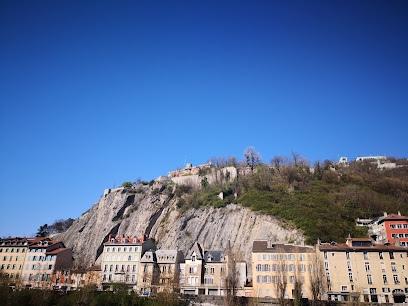
Place Grenette
0.7 km
Experience the vibrant atmosphere and historical charm of Place Grenette in the heart of Grenoble, surrounded by stunning architecture and the Alps.
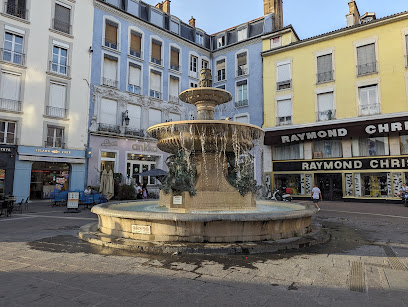
Hold Up
0.7 km
Experience the artistic charm of Hold Up in Grenoble, where local culture and creativity come together in a picturesque setting.
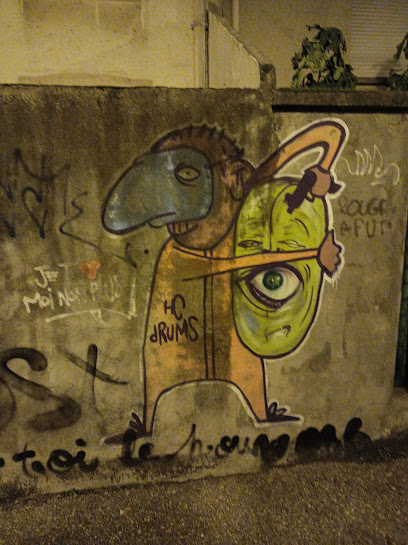
Palais du Parlement du Dauphiné
0.7 km
Visit Palais du Parlement du Dauphiné, a breathtaking historical landmark in Grenoble showcasing Renaissance architecture and rich cultural heritage.
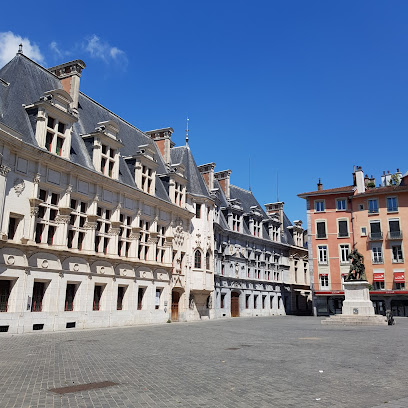
Fort de La Bastille
0.7 km
Discover the breathtaking views and rich history of Fort de La Bastille, a stunning fortress offering a unique perspective of Grenoble and the French Alps.
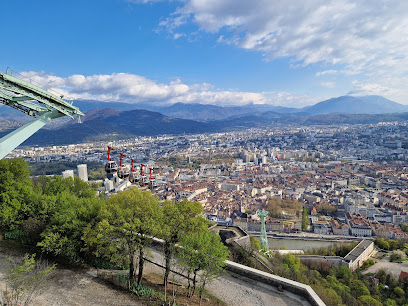
Musée des troupes de montagne
0.7 km
Discover the legacy of France's mountain troops at the Musée des Troupes de Montagne, where history and breathtaking views converge in Grenoble.
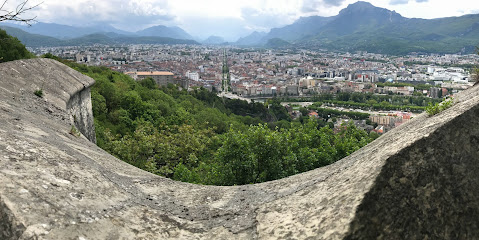
Fontaine au Lion
0.7 km
Explore the enchanting Lion Fountain in Grenoble, a historical landmark that beautifully captures the city's rich artistic heritage and cultural significance.
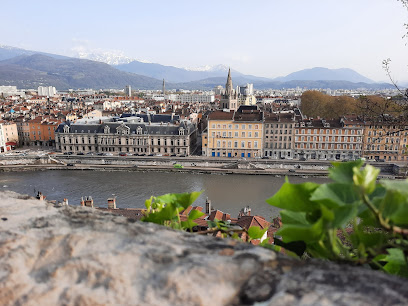
Essential places to dine

Restaurant Le Seven - Français
0.1 km
Discover exquisite French and Mediterranean cuisine at Restaurant Le Seven in Grenoble - where every meal is a delightful journey through flavors.
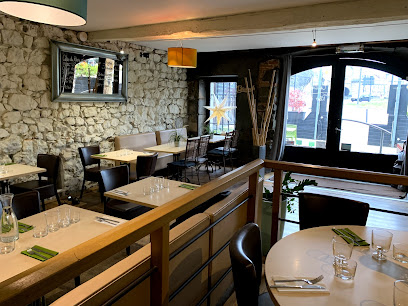
Restaurant L'Amélyss
0.3 km
Experience culinary excellence at Restaurant L'Amélyss in Grenoble, where traditional French cuisine meets modern elegance.
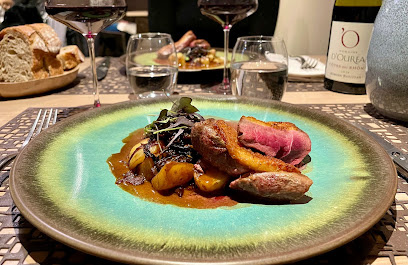
Restaurant La Belle idée
0.3 km
Discover the essence of French cuisine at La Belle Idée in Grenoble—where every dish tells a story.
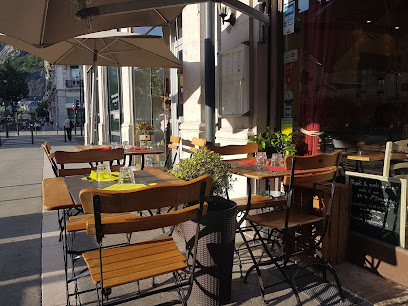
Zakhang Restaurant
0.3 km
Experience exquisite Haute French cuisine at Zakhang Restaurant in Grenoble - where tradition meets innovation for an unforgettable dining experience.
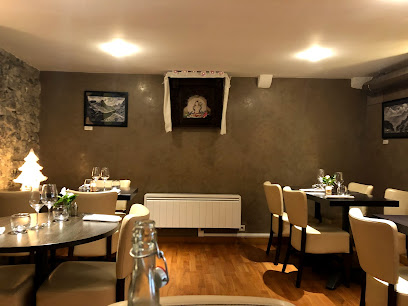
Restaurant À Ma Façon
0.4 km
Experience modern French dining at Restaurant À Ma Façon in Grenoble—where tradition meets innovation on every plate.
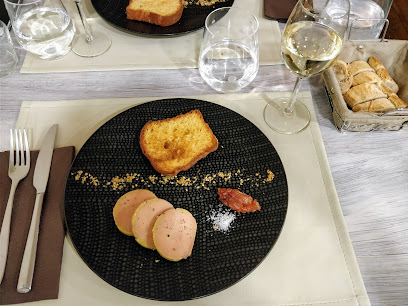
Restaurant La Girole
0.4 km
Experience culinary excellence at Restaurant La Girole - where haute French and Mediterranean flavors come alive in Grenoble.
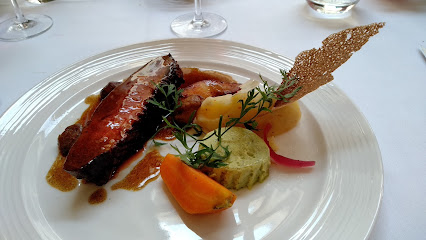
Restaurant L'Inattendu
0.4 km
Experience modern French cuisine at Restaurant L'Inattendu in Grenoble - where tradition meets innovation in every delicious bite.
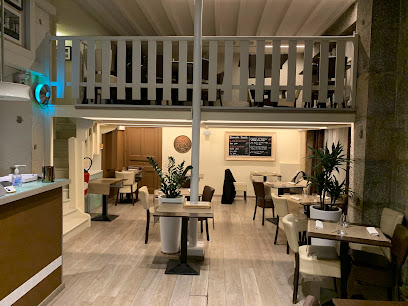
La Ferme à Dédé Grenoble Gare
0.5 km
Savor authentic French cuisine at La Ferme à Dédé in Grenoble - where local flavors meet warm hospitality.
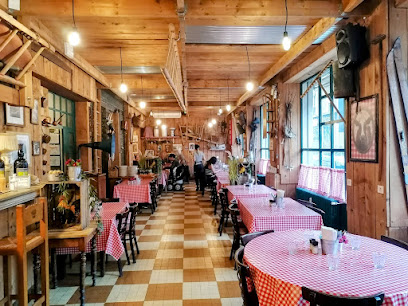
L'Akagera Grenoble. Café & bistrot-brunch et Bar
0.5 km
Discover a delightful blend of modern French and African cuisines at L'Akagera Grenoble—a must-visit bistro for food enthusiasts.
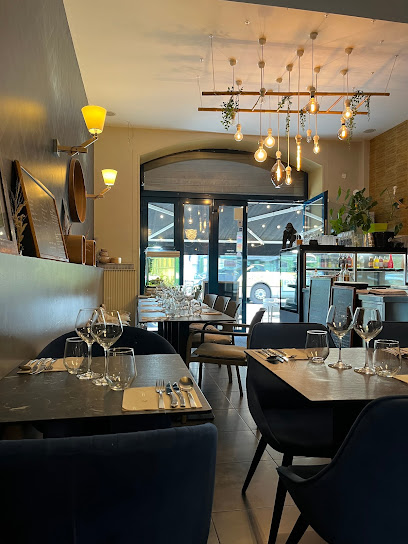
Restaurant Tchoutchoura
0.6 km
Experience authentic Bulgarian cuisine blended with Mediterranean influences at Restaurant Tchoutchoura in Grenoble.
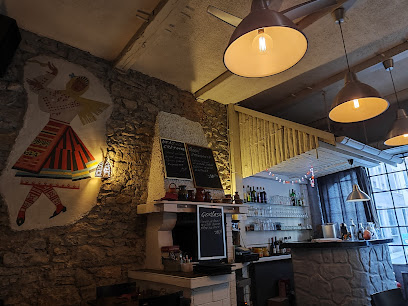
Restaurant le coq hardi
0.6 km
Discover exquisite French cuisine in the heart of Grenoble at Restaurant le Coq Hardi – where every meal is a celebration of flavor.
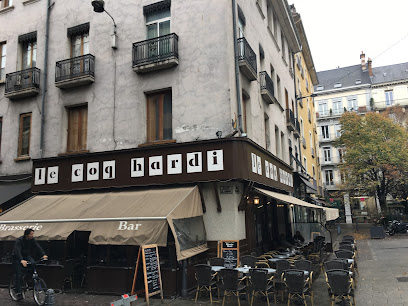
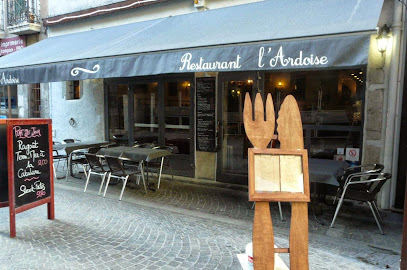
Restaurant L'Ardoise
0.6 km
Savor authentic French cuisine at Restaurant L'Ardoise in Grenoble – where tradition meets modern culinary artistry.
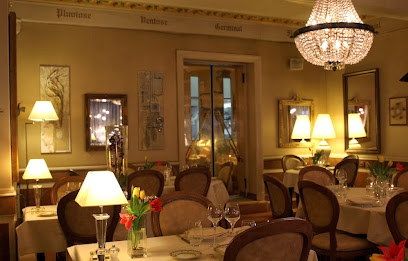
Auberge Napoléon Restaurant
0.6 km
Experience authentic French cuisine at Auberge Napoléon in Grenoble – where tradition meets culinary excellence in an elegant setting.
La Table de Gordes
0.7 km
Experience modern French cuisine at La Table de Gordes in Grenoble - where exceptional flavors meet elegant ambiance.
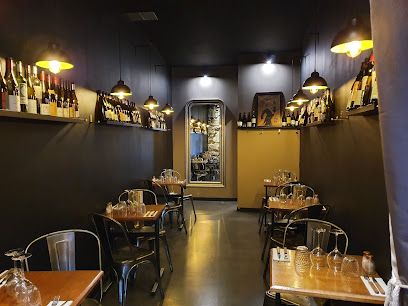
La Fabryk
0.7 km
Experience authentic French cuisine at La Fabryk in Grenoble – where local flavors meet contemporary dining in a vibrant atmosphere.
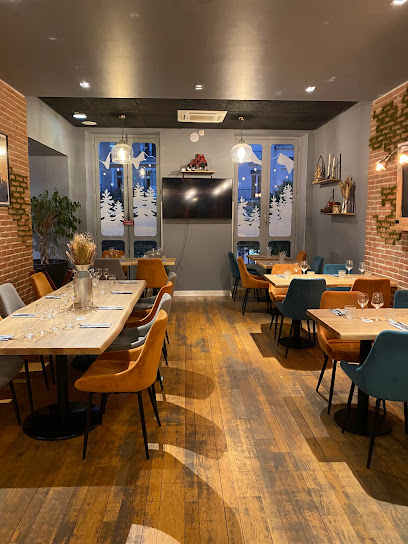
Markets, malls and hidden boutiques

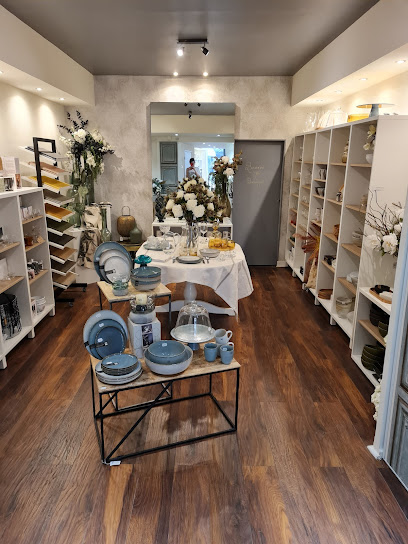
Terracotta-shop
0.4 km
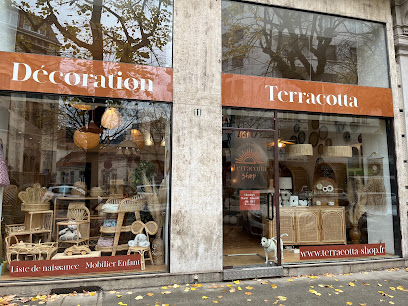
Explore the Terracotta-Shop in Grenoble for unique gifts and home goods that showcase French craftsmanship and creativity.
Maje - Grenoble
0.4 km
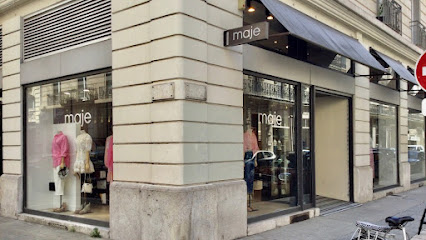
Explore the elegance of women's fashion at Maje in Grenoble, where style meets sophistication with a curated selection of clothing and accessories.
Rendez-vous en ville - Prêt à porter Femme - Grenoble
0.5 km
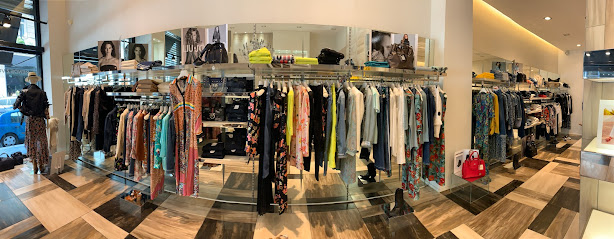
Explore Rendez-vous en ville in Grenoble for chic women's clothing, exquisite accessories, and a unique shopping experience in the heart of French fashion.
American Vintage Femme
0.5 km
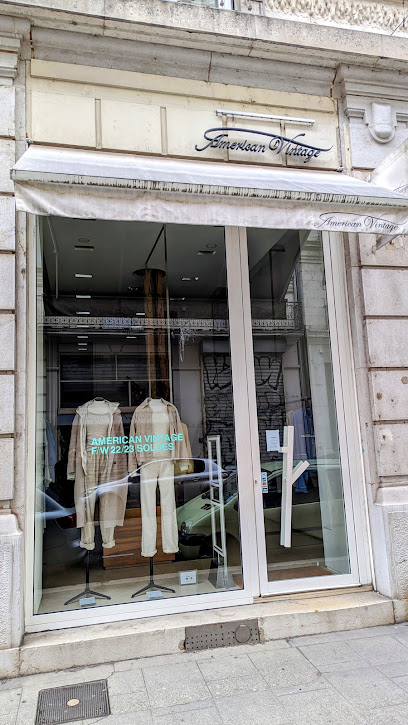
Explore the stylish collections of American Vintage Femme, where chic women's clothing meets trendy accessories in the heart of Grenoble.
Lyndianna boutique - Décoration
0.5 km
Explore Lyndianna Boutique in Grenoble for unique gifts, exquisite candles, and beautiful home decor that captures the essence of French style.
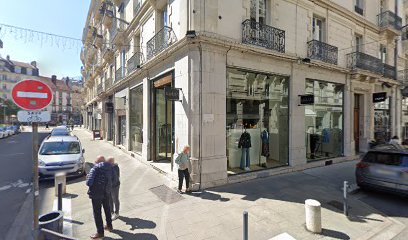
ba&sh - Grenoble
0.5 km
Explore ba&sh in Grenoble for chic women's fashion, stylish accessories, and a unique shopping experience in the heart of the city.
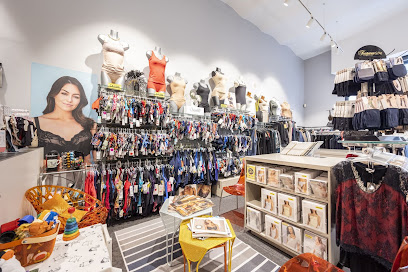
A Fleur de Peau
0.6 km
Discover the elegance of French lingerie at A Fleur de Peau in Grenoble, where exquisite designs and personalized service await.
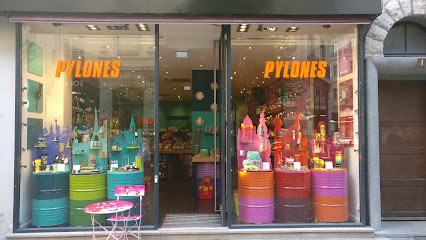
Pylones
0.6 km
Explore Pylones in Grenoble, a unique gift shop offering whimsical home décor, stylish jewelry, and playful collectibles that are perfect for any occasion.
Galerie commerciale K'store
0.6 km
Explore K'store Shopping Gallery: A Premier Retail Destination in Grenoble with Diverse Shopping and Dining Experiences.
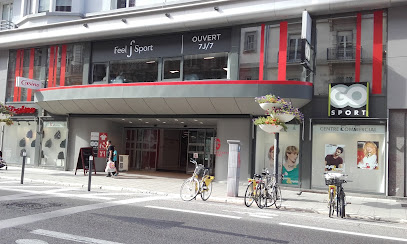
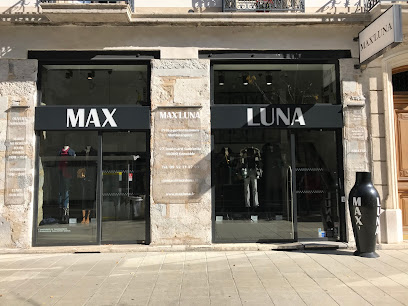
Max Luna - Articles de Mode
0.6 km
Discover unique fashion pieces and accessories at Max Luna, Grenoble's chic boutique for style enthusiasts looking to elevate their wardrobe.
Sandro - Galerie Lafayette Grenoble
0.7 km
Discover the essence of Parisian style at Sandro - Galerie Lafayette in Grenoble, where elegance meets modern fashion.
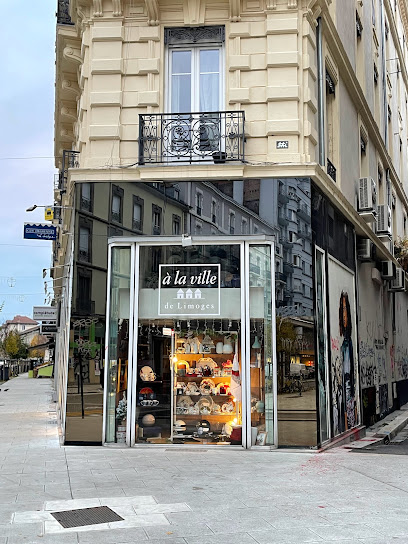
A La Ville de Limoges
0.7 km
Explore the charm of A La Ville de Limoges, a gift shop in Grenoble offering exquisite local artisanal treasures and unique souvenirs.
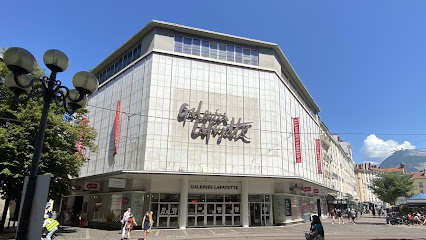
Galeries Lafayette Grenoble
0.7 km
Discover Galeries Lafayette Grenoble: A premier destination for fashion, beauty, and home goods, embodying the spirit of French shopping culture.
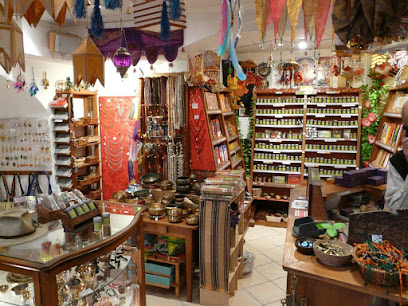
Hathi
0.7 km
Explore Hathi in Grenoble for an unforgettable gift shopping experience filled with unique local crafts and souvenirs that celebrate your travels.
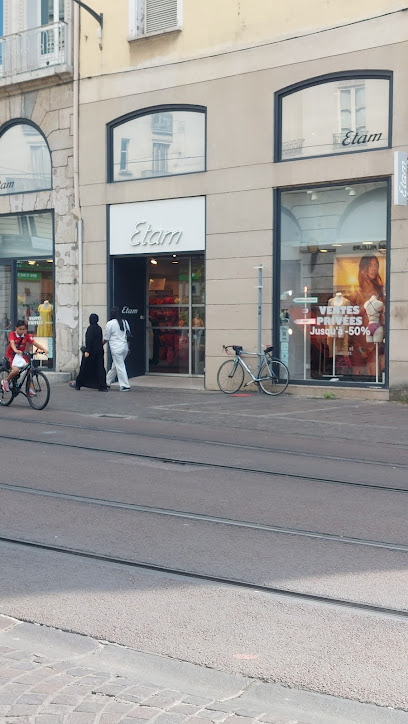
Etam Lingerie et Prêt-à-porter
0.7 km
Explore stylish lingerie and women's clothing at Etam Lingerie et Prêt-à-porter, a boutique gem in the heart of Grenoble.
Essential bars & hidden hideouts

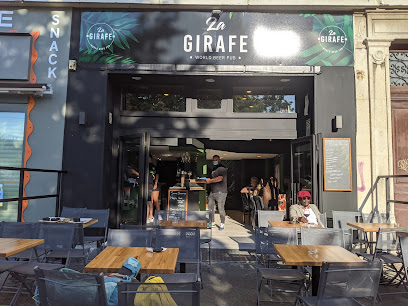
La Girafe
0.5 km
Discover the lively atmosphere of La Girafe, a premier pub in Grenoble blending sports, wine, and relaxation for an unforgettable night out.
Bar Phenomen
0.7 km
Discover Bar Phenomen, a vibrant bar in Grenoble offering craft beers, cocktails, and a lively atmosphere perfect for socializing and entertainment.
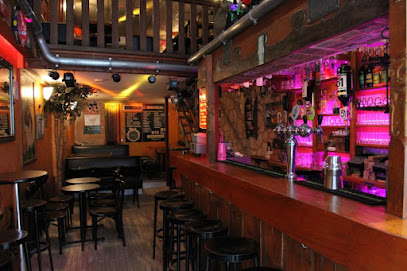
Bacetto - Bar & Beer - Bar Sportif
0.7 km
Experience the vibrant atmosphere at Bacetto, Grenoble's go-to beer hall offering a wide selection of craft beers and wines in a lively setting.
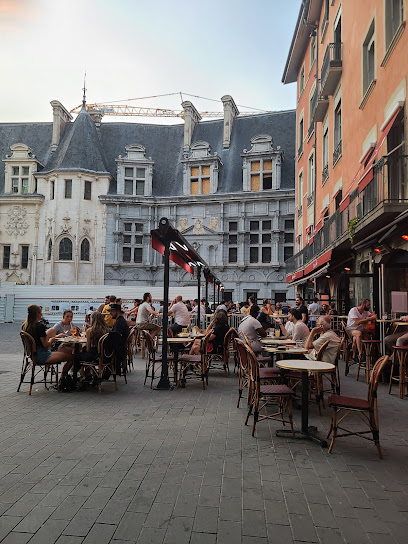
Keep It Weird
0.7 km
Discover the vibrant atmosphere of Keep It Weird in Grenoble, a must-visit beer hall and cocktail bar for an unforgettable night out.
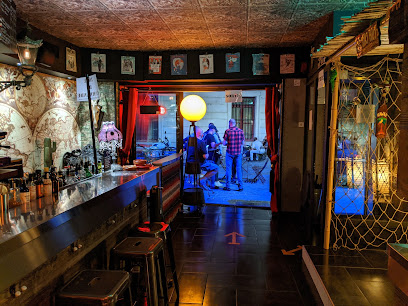
Le Couche Tard PUB
0.8 km
Discover the vibrant atmosphere of Le Couche Tard PUB in Grenoble, where great drinks and delicious food await in a cozy setting.
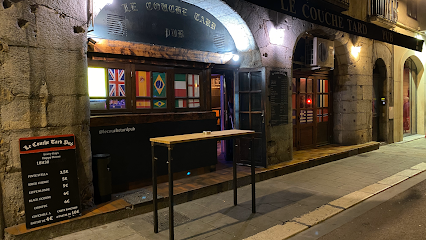
Le Champollion Bar
0.8 km
Experience the vibrant atmosphere of Le Champollion Bar in Grenoble, where good drinks and great company come together in a cozy setting.
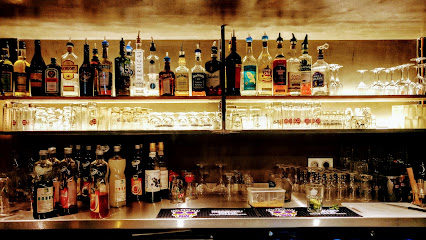
Le Groove
0.8 km
Discover Le Groove, Grenoble's vibrant bar offering an extensive drink menu and a lively atmosphere perfect for socializing and unwinding.
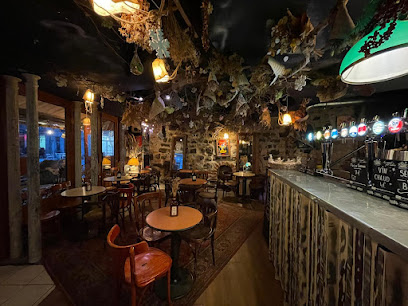
The London Pub
0.9 km
Discover The London Pub in Grenoble, where British charm meets French hospitality in a lively atmosphere perfect for relaxation and socializing.
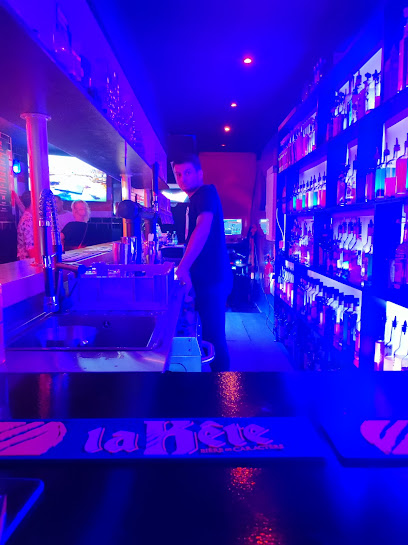
The Korner Pub
0.9 km
Experience the warm hospitality of Ireland at The Korner Pub, a lively gathering spot in Grenoble serving traditional dishes and a wide selection of drinks.
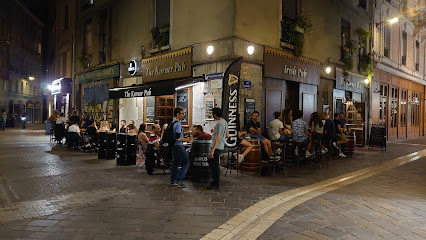
Pharaon Pub
0.9 km
Experience the vibrant nightlife of Grenoble at Pharaon Pub, where live music, cocktails, and great company come together for an unforgettable evening.
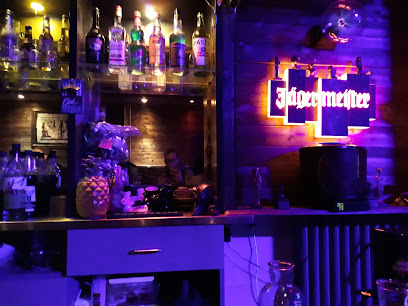
Bar Le Tord Boyaux
1.0 km
Discover the vibrant atmosphere of Bar Le Tord Boyaux in Grenoble, where unique drinks and a welcoming ambiance await every visitor.
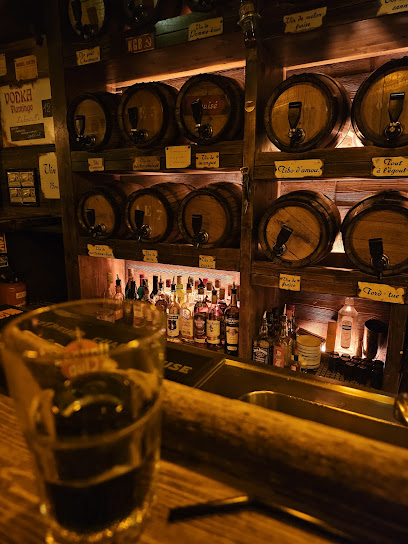
Les Berthom
1.0 km
Experience the vibrant nightlife of Grenoble at Les Berthom, where craft beer, cocktails, and tapas come together in a lively atmosphere.
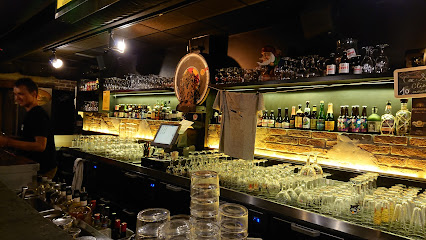
Bar Le Métropolitain
1.0 km
Dive into the vibrant nightlife at Bar Le Métropolitain, Grenoble's hotspot for delicious drinks and an unforgettable atmosphere.
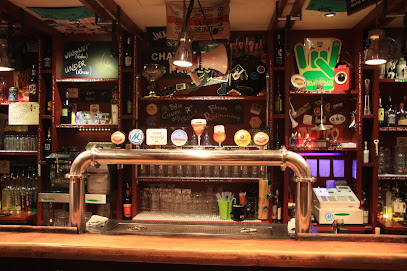
au Baron
1.0 km
Discover Au Baron, Grenoble's vibrant cocktail bar, where creativity meets quality in every sip, perfect for a night out in the city.
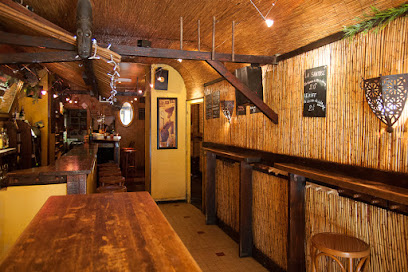
BARBEROUSSE GRENOBLE
1.0 km
Discover the heart of Grenoble's nightlife at Barberousse, a vibrant live music bar serving up unforgettable experiences and local flavors.
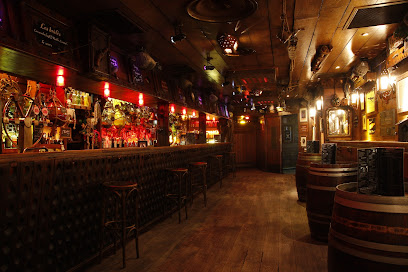
Nightclubs & after hour spots

Le Marquee - Grenoble
0.4 km
Discover the vibrant nightlife of Grenoble at Le Marquee, where music and dance create unforgettable memories.
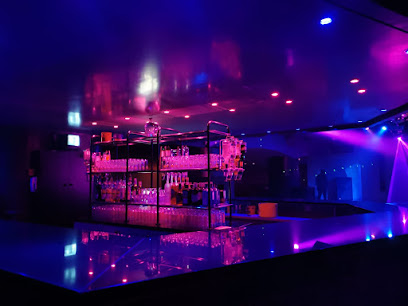
Le Pédalo
0.6 km
Discover the thrill of boat rentals by day and vibrant nightlife at Le Pédalo, a unique venue in Grenoble blending adventure and excitement.
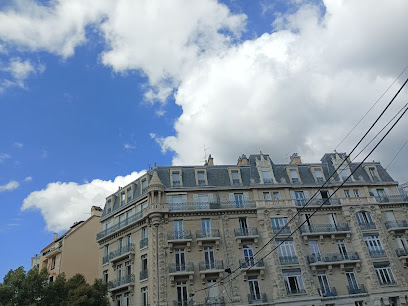
Club 80
0.6 km
Dive into the vibrant nightlife of Grenoble at Club 80, a lively girl bar and workers' club offering an unforgettable experience.
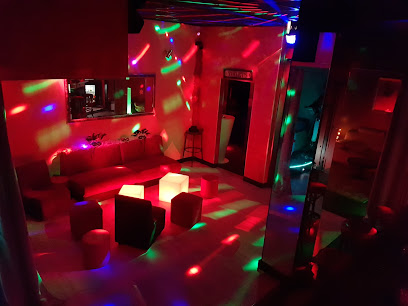
Black Lilith
0.7 km
Discover the nightlife at Black Lilith, Grenoble's vibrant disco club featuring electrifying music and an energetic party atmosphere.
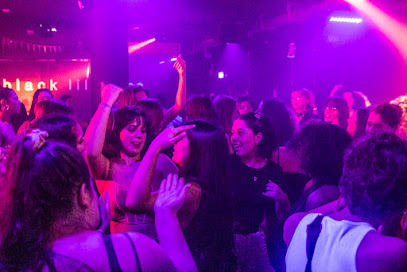
Discothèque Lamartine
0.8 km
Discover the heartbeat of Grenoble's nightlife at Discothèque Lamartine, where music, dance, and vibrant energy collide for an unforgettable experience.
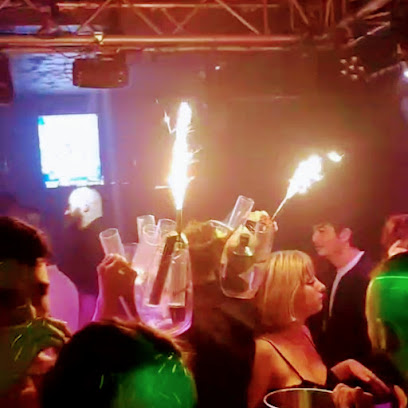
Papa Club
0.8 km
Discover the vibrant nightlife of Grenoble at Papa Club, a premier disco club offering electrifying music and a lively atmosphere.
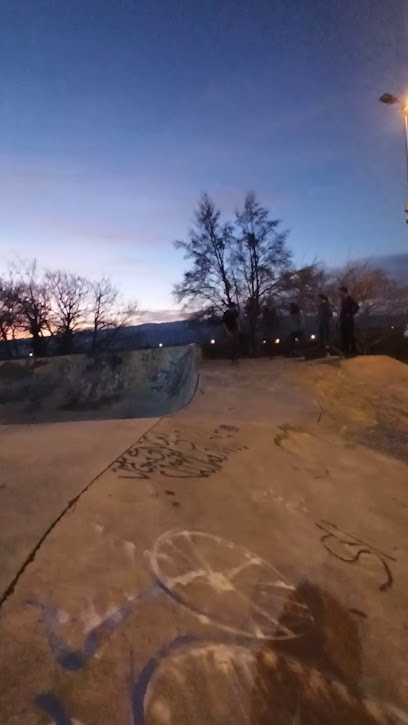
Vieux Manoir - Complex - Grenoble
0.8 km
Experience the vibrant nightlife of Grenoble at Vieux Manoir, where music and fun come alive in a stylish atmosphere.
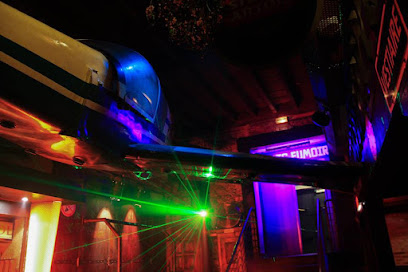
The George V - Grenoble
0.9 km
Discover the vibrant nightlife of Grenoble at The George V, where music, style, and excitement collide for an unforgettable night out.
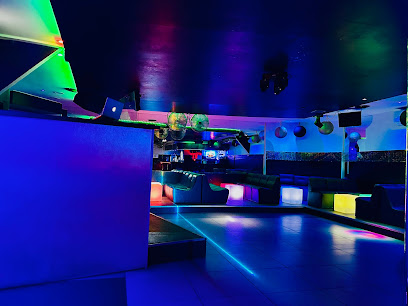
The Cyrnos | Private Club - Champagne Bar Grenoble
0.9 km
Discover the elegance of The Cyrnos, a private champagne bar in Grenoble, where nightlife meets sophistication for an unforgettable experience.
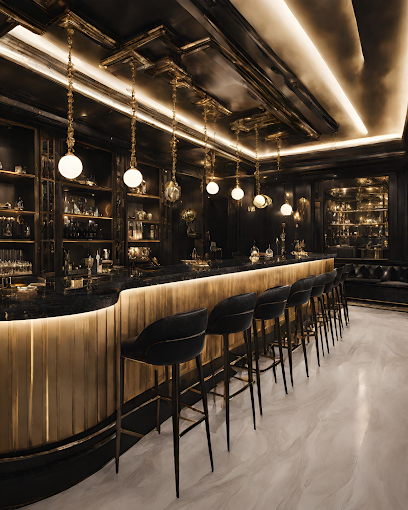
Le Branloir
29.6 km
Discover the vibrant nightlife of Huez at Le Branloir, where music, dance, and alpine charm come together for an unforgettable experience.
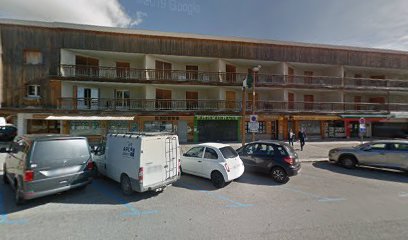
Bar lounge Daria-I Nor
29.8 km
Unwind and indulge in the lively atmosphere of Bar Lounge Daria-I Nor, where cozy elegance meets fantastic drinks in the heart of Huez.
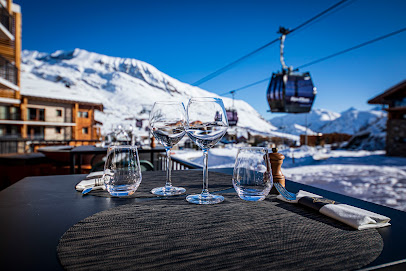
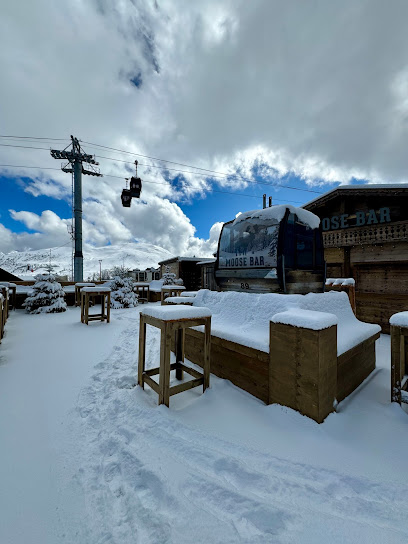
Moose Bar Alpe d'Huez
29.9 km
Dive into the lively nightlife of Alpe d'Huez at Moose Bar, where great music and refreshing drinks create the perfect après-ski experience.
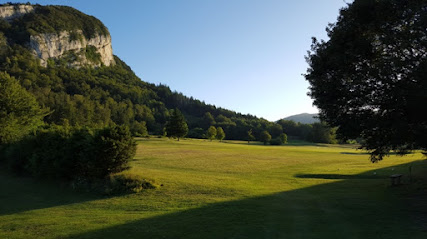
Golf Club du Vercors
35.1 km
Experience exceptional golfing in the stunning Vercors mountains at Golf Club du Vercors, a perfect retreat for golf lovers and nature enthusiasts.
LE 1800 NIGHTCLUB
37.6 km
Discover the pulsating nightlife of Les Deux Alpes at LE 1800 Nightclub, where unforgettable dance experiences await every visitor.
The Studio Club
37.9 km
Discover the lively nightlife of Les Deux Alpes at The Studio Club, a premier disco destination offering an unforgettable dance experience.