

Palais du Parlement du Dauphiné, Grenoble Travel Guide
Discover Grenoble's Palais du Parlement du Dauphiné: A historic landmark with stunning architecture, rich history, and cultural significance.
The Palais du Parlement du Dauphiné, located on Place Saint-André in Grenoble, is a historical building dating back to the late 15th century. It served as the seat of the Parliament of Dauphiné until the French Revolution and later as a courthouse until 2002. Its architecture showcases a blend of Gothic, Renaissance, and Neo-Renaissance styles.
A brief summary to Palais du Parlement du Dauphiné
- 4 Pl. Saint-André, Grenoble, 38000, FR
- Click to display
- Click to display

Know before you go
Hi, I'm Eve. Here are a few practical things to know before exploring Palais du Parlement du Dauphiné.
- Visit Place Saint-André, where the Palais is located, and enjoy the ambiance of one of Grenoble's oldest squares.
- Combine your visit with a stop at the nearby Café de la Table Ronde, one of France's oldest cafes.
- Check for guided tours to explore the Palais's interior and learn about its history and architectural features.
Do you manage this location?
Take control to get all the benefits, like improved information, better appearance, and stronger visibility across AI-powered discovery. Learn more about listing your business on Evendo
Activate your presenceOther nearby places you may find interesting
The closest places of the same kind, if this one is not quite what you had in mind.


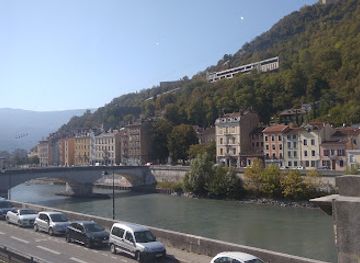

Explore Palais du Parlement du Dauphiné on the Map
A handpicked selection of must-see spots near Palais du Parlement du Dauphiné, mapped for you.
Unlock the Best of Palais du Parlement du Dauphiné
Buy tickets
-
No tickets available
Book tours with entry
-
No tours available


Getting There
-
Walking
The Palais du Parlement du Dauphiné is located on Place Saint-André in the heart of Grenoble, making it easily accessible on foot from many central locations. From Place Grenette, walk northeast along Rue Lafayette, then turn left onto Place Saint-André. The Palais will be on your right. No costs are involved.
-
Public Transport
Grenoble has an extensive public transport network. Several tram and bus lines stop near Place Saint-André. Check the M'Reso website or app for the most up-to-date schedules and routes. A single ticket costs €2 and is valid for one hour, allowing connections.
-
Taxi
Taxis are readily available in Grenoble. You can find them at taxi stands or book one by phone. A short taxi ride to the Palais du Parlement du Dauphiné from the Grenoble train station will cost approximately €7.50 to €15, with a base fare of around €2.80 plus about €1 per kilometer.
Discover more about Palais du Parlement du Dauphiné
More to explore near Palais du Parlement du Dauphiné
-

Best experiences near Palais du Parlement du Dauphiné
-

Best hotels near Palais du Parlement du Dauphiné
-

Best attractions near Palais du Parlement du Dauphiné
-

Best shops near Palais du Parlement du Dauphiné
-

Best restaurants near Palais du Parlement du Dauphiné
-

Best bars near Palais du Parlement du Dauphiné







Your all‑in‑one travel companion app
Explore expert travel guides, compare and book tours, experiences, hotels, and more—all from the palm of your hand. Download now for seamless trip planning wherever your wanderlust takes you.


Explore More of Grenoble
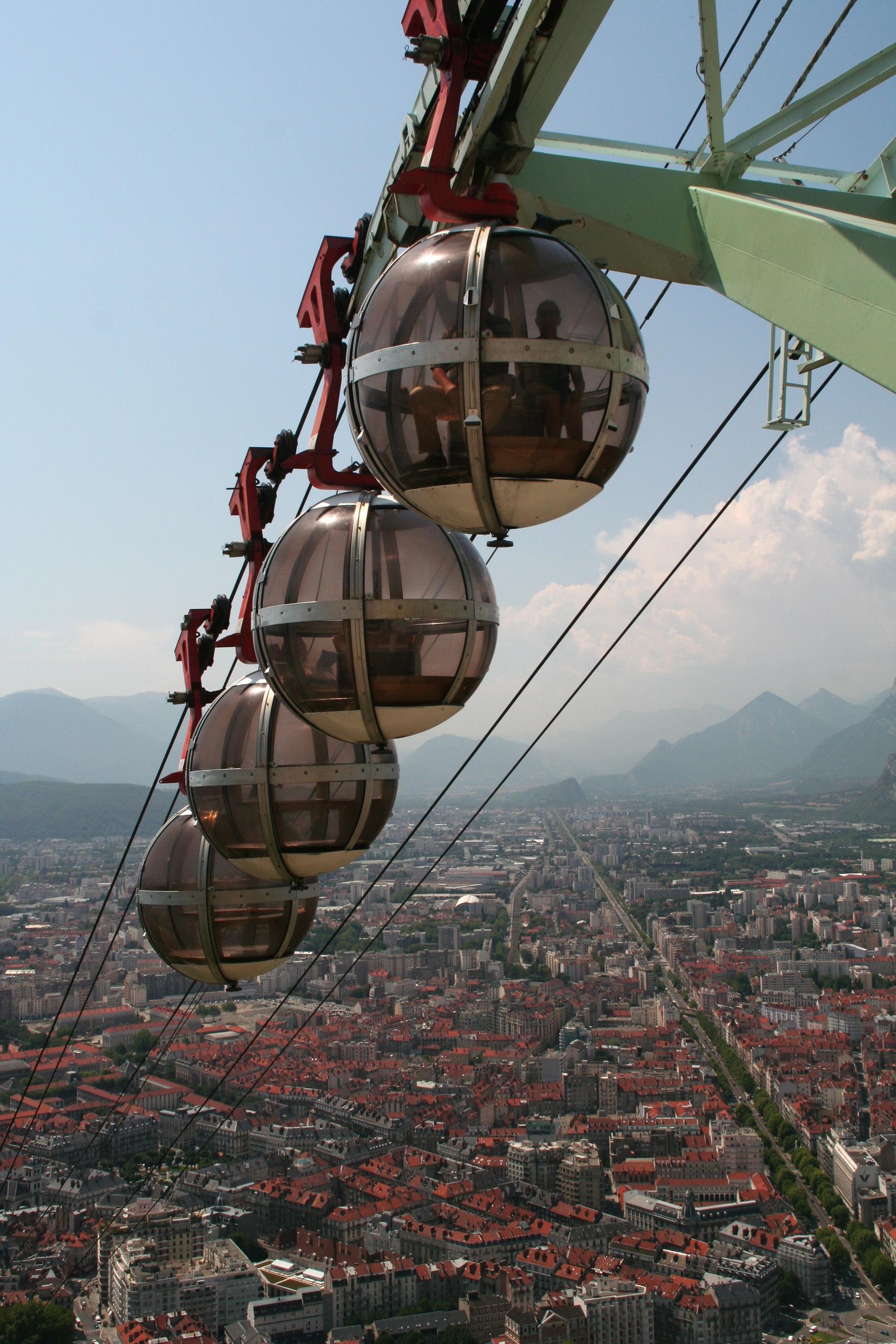
Looking beyond Palais du Parlement du Dauphiné? Discover Grenoble for broader travel guides, local hot-spots, and regional highlights.
Explore Grenoble
Experience the thrill of the French Alps with SATA Remontées mécaniques, your gateway to Alpe d'Huez's slopes and stunning panoramic views.

Walk across history on Grenoble's Passerelle St-Laurent, offering stunning views and a vital pedestrian link since the 11th century.
