

Grosse Horloge (La Rochelle) Travel Guide - Free
Explore Grosse Horloge in La Rochelle with Evendo's free guide. Find the best shops, historic streets, restaurants, and gems on web or mobile.


Grosse Horloge in La Rochelle frames the Old Port with medieval towers, arcaded streets, seafood dining, historic lanes and lively evening terraces.
A Medieval Threshold
\n\nGrosse Horloge is the historic gateway between La Rochelle’s old harbour and the arcaded commercial streets of the town centre. Rather than a formally defined neighbourhood, it is a compact urban quarter understood through its landmark clock gate, the quays immediately beyond it and the narrow lanes that fan inland towards the historic centre. The passage beneath the Grosse Horloge once marked the boundary between the port and the walled town; today, it is one of La Rochelle’s most recognisable meeting points.\n\nQuays, Arcades and Old Town Streets
\n\nFrom the gate, the view opens towards the Vieux-Port, where the medieval towers of La Chaîne and Saint-Nicolas stand at the harbour entrance. Along Quai Duperré, cafés and restaurants face the water, while Rue du Port and the adjoining quays retain the close relationship between the town and its maritime trade. Inland, Rue du Palais, Rue des Merciers and nearby arcaded streets combine historic façades with independent shops, galleries, bakeries and everyday services. Pale stone, shuttered windows and covered walkways give the area a coherent architectural character, even where later alterations are visible.\n\nLa Rochelle in a Few Walkable Blocks
\n\nThe quarter is busiest around the harbour and shopping streets, particularly during the warmer months, but its appeal lies in moving slowly between the water, the gate and the old town’s smaller passages. Seafood and regional cuisine dominate the waterfront dining scene, while evening life is generally centred on terraces, restaurants and promenades rather than large nightclubs. The towers, harbour walls and medieval street plan make Grosse Horloge an especially useful starting point for understanding La Rochelle’s trading past and its continuing relationship with the Atlantic.Best attractions in Grosse Horloge
The Grosse Horloge itself is the quarter’s defining attraction, a historic gateway whose clock tower frames the passage between the Vieux-Port and La Rochelle’s old commercial centre. Emerging on the harbour side, visitors can follow Quai Duperré and the adjoining waterfront towards the medieval towers of La Chaîne and Saint-Nicolas, which guard the entrance to the port and are among the city’s most recognisable sights. The quays provide changing views of boats, harbour walls and pale stone façades, while the streets inland offer a quieter form of sightseeing through arcades, narrow passages and traditional shopfronts. Rue des Merciers and Rue du Palais are particularly useful for appreciating the old centre’s scale, with cafés, galleries and independent businesses occupying historic buildings. The attraction here is not a single museum complex but the close succession of gateway, harbour, towers, quays and old-town streets.
-
Historical landmark
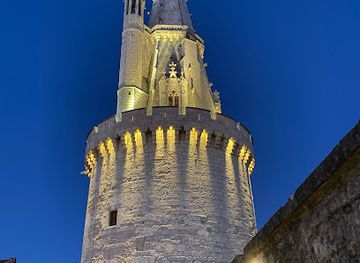
The Lantern Tower of La Rochelle
Visit the historic Lantern Tower of La Rochelle, a stunning cultural landmark showcasing breathtaking views and maritime heritage.
5 min walk · 0.4 km from neighbourhood centre
-
Historical landmark
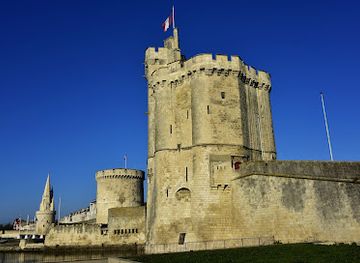
St. Nicholas Tower
Explore St. Nicholas Tower, a historic landmark in La Rochelle offering stunning views and insights into the city's maritime heritage.
3 min walk · 0.3 km from neighbourhood centre
-
Historical landmark
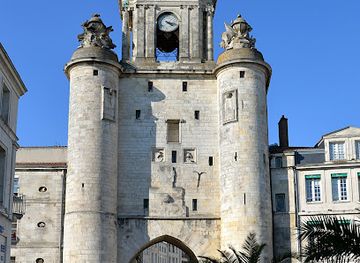
Grosse Horloge
Experience La Rochelle's rich history at Grosse Horloge, a stunning ancient clock tower and a must-see tourist attraction in France.
1 min walk · 0.1 km from neighbourhood centre
-
Museum
Musée du Nouveau Monde
Discover the historical connections between France and the Americas at the Musée du Nouveau Monde in La Rochelle, a captivating museum for all ages.
5 min walk · 0.4 km from neighbourhood centre


Best landmarks in Grosse Horloge
The Porte de la Grosse Horloge is the central landmark, preserving a former defensive passage in the medieval town wall and marking the transition from port to old town. Its clock mechanism and upper structure give the gateway a civic presence, while the arch below remains an everyday pedestrian route. Close by, the towers of La Chaîne and Saint-Nicolas define the entrance to the Vieux-Port; although they stand at the harbour mouth rather than within the gateway itself, their relationship with Grosse Horloge is fundamental to the quarter’s identity. Quai Duperré, the harbour edge and the surviving arcades of the inland streets are also significant urban features, showing how La Rochelle’s commercial life developed between maritime infrastructure and densely built historic streets. Together, these structures form a compact sequence of defensive, civic and trading landmarks.
-
Historical landmark
The Lantern Tower of La Rochelle
Explore La Rochelle's iconic Lantern Tower: a medieval lighthouse and former prison with stunning city views and centuries of history.
5 min walk · 0.4 km from neighbourhood centre
-
Historical landmark
St. Nicholas Tower
Explore La Rochelle's iconic medieval tower, a symbol of maritime power and history, offering panoramic views of the Old Port.
3 min walk · 0.3 km from neighbourhood centre
-
Historical landmark
Grosse Horloge
Discover La Rochelle's iconic Grosse Horloge: a historic gateway blending medieval architecture with centuries of maritime heritage.
1 min walk · 0.1 km from neighbourhood centre
-
Historical landmark
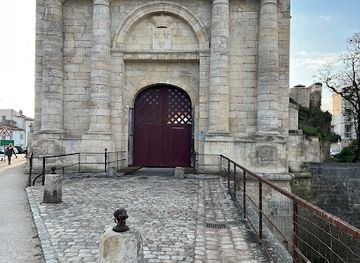
Royal Gate
Discover La Rochelle's Royal Gate: A majestic landmark symbolizing the city's maritime heritage and architectural brilliance, inviting you to explore its rich past.
12 min walk · 0.9 km from neighbourhood centre
Explore Grosse Horloge on the map
A handpicked selection of must-see spots in Grosse Horloge, mapped for you.
Best hotels in Grosse Horloge
Best restaurants in Grosse Horloge
Dining around Grosse Horloge is closely tied to La Rochelle’s maritime setting, with the strongest concentration of restaurants and cafés along Quai Duperré, the Vieux-Port and the streets immediately behind the waterfront. Menus commonly draw on Atlantic produce, including seafood, fish and shellfish, while broader French cooking and contemporary bistro styles provide alternatives to the harbour-facing dining rooms. Oysters and regional seafood are particularly associated with the wider Charente-Maritime area, although individual menus change with season and supply. Inland, arcaded streets and lanes contain bakeries, cafés, crêperies, wine bars and casual restaurants that are useful for a less exposed break from the quays. The setting is part of the experience: waterfront tables look towards the boats and towers, whereas the old-town streets reveal a more intimate relationship between historic buildings, local commerce and everyday eating.
-
Restaurant
Iséo
Experience exquisite French cuisine at Iséo in La Rochelle - where fresh seafood meets culinary artistry.
3 min walk · 0.2 km from neighbourhood centre
-
Family-friendly
La Boussole
Experience the perfect blend of Asian fusion and French cuisine at La Boussole in La Rochelle - ideal for family dining.
4 min walk · 0.3 km from neighbourhood centre
-
French
La Fleur de Sel
Experience authentic French cuisine at La Fleur de Sel in La Rochelle - where culinary excellence meets charming ambiance.
4 min walk · 0.3 km from neighbourhood centre
-
Italian
La Storia
Experience authentic Italian cuisine at La Storia in La Rochelle - where every meal is a celebration of flavors and hospitality.
1 min walk · 0.1 km from neighbourhood centre


Best bars in Grosse Horloge
Evenings around Grosse Horloge are shaped more by restaurants, wine bars and harbour terraces than by a concentrated nightclub scene. Quai Duperré and the Vieux-Port remain the principal places for an after-dinner drink, with views towards the illuminated harbour entrance and the medieval towers, while the streets behind the gate offer smaller cafés and bars within the old commercial fabric. The atmosphere is sociable and seasonal, becoming busier during warmer months and around events, but the area is not primarily a late-night club district. Live entertainment and larger venues are found elsewhere in La Rochelle, so visitors seeking music-led nightlife may need to continue beyond the immediate quarter. After dark, the Grosse Horloge is especially atmospheric as a passage between the lit waterfront and the quieter historic lanes.
-
Bar
The Famous Pub
Discover the charm of The Famous Pub in La Rochelle, where delicious food meets lively entertainment in a stunning waterfront setting.
2 min walk · 0.1 km from neighbourhood centre
-
Bar
The Jolly Sailor
Discover The Jolly Sailor in La Rochelle, a lively gastropub offering fresh seafood, craft drinks, and vibrant views along the picturesque marina.
1 min walk · 0.1 km from neighbourhood centre
-
Pub
Mac Ewan's Pub
Experience the lively atmosphere and delicious drinks at Mac Ewan's Pub in La Rochelle, a perfect spot for tourists to unwind and enjoy local culture.
3 min walk · 0.3 km from neighbourhood centre
-
Cocktail bar
Le Mary Lili
Experience the vibrant cocktail culture at Le Mary Lili, La Rochelle's premier bar for innovative mixology and a lively atmosphere.
3 min walk · 0.3 km from neighbourhood centre


Best nightclubs in Grosse Horloge
Evenings around Grosse Horloge are shaped more by restaurants, wine bars and harbour terraces than by a concentrated nightclub scene. Quai Duperré and the Vieux-Port remain the principal places for an after-dinner drink, with views towards the illuminated harbour entrance and the medieval towers, while the streets behind the gate offer smaller cafés and bars within the old commercial fabric. The atmosphere is sociable and seasonal, becoming busier during warmer months and around events, but the area is not primarily a late-night club district. Live entertainment and larger venues are found elsewhere in La Rochelle, so visitors seeking music-led nightlife may need to continue beyond the immediate quarter. After dark, the Grosse Horloge is especially atmospheric as a passage between the lit waterfront and the quieter historic lanes.
-
Lounge
bad boys
Discover Bad Boys Lounge in La Rochelle, where vibrant nightlife, exquisite cocktails, and lively music create an unforgettable evening experience.
2 min walk · 0.1 km from neighbourhood centre
-
Disco club
Le Blackout
Experience the vibrant nightlife at Le Blackout, La Rochelle's premier disco club offering an electrifying atmosphere and diverse music.
14 min walk · 1.1 km from neighbourhood centre
-
Night club
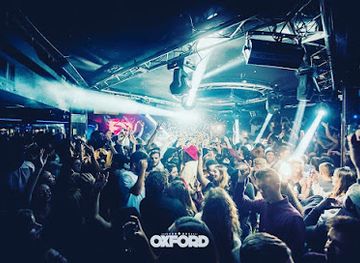
OXFORD CLUB
Discover the vibrant Oxford Club in La Rochelle, where live music, hookah, and a lively atmosphere create unforgettable nightlife experiences.
7 min walk · 0.6 km from neighbourhood centre
-
Night club
THE WHITE RABBIT - Nightclub
Dive into La Rochelle's nightlife at The White Rabbit Nightclub, where music, cocktails, and vibrant energy collide for an unforgettable evening.
1 min walk · 0.1 km from neighbourhood centre



Best shops in Grosse Horloge
Shopping around Grosse Horloge combines central-town retail with the distinctive arcaded streets of La Rochelle’s historic centre. Rue des Merciers, Rue du Palais and adjacent lanes contain independent boutiques, fashion shops, gift stores, specialist retailers and cafés, while the covered walkways make browsing relatively comfortable in unsettled weather. The area is suited to locally themed food products, regional specialities, books, crafts and small design items, although stock and businesses change over time. The main attraction is the setting rather than a single large shopping destination: historic façades, narrow plots and arcades create a more intimate environment than a modern retail centre. The principal market activity associated with La Rochelle is found elsewhere in the central area, so visitors should distinguish the permanent shops around Grosse Horloge from the city’s dedicated market halls and open-air market streets.
-
Department store
Galeries Lafayette La Rochelle
Discover the charm of Galeries Lafayette La Rochelle, a premier shopping destination offering a wide array of fashion, beauty, and accessories.
1 min walk · 0.1 km from neighbourhood centre
-
Gift shop
L'antre des Sorciers
Explore the enchanting L'antre des Sorciers in La Rochelle, a magical gift shop filled with unique treasures and whimsical souvenirs.
1 min walk · 0.1 km from neighbourhood centre
-
Men's clothing store
L'ATELIER Boutique mode, urbain, lifestyle, vintage
Discover unique urban and vintage fashion at L'ATELIER in La Rochelle, a boutique that caters to stylish men and women alike.
3 min walk · 0.2 km from neighbourhood centre
-
Gift shop
Flying Tiger Copenhagen La Rochelle
Explore a colorful gift shop in La Rochelle, offering quirky home goods, unique souvenirs, and fun toys for all ages.
2 min walk · 0.2 km from neighbourhood centre


Grosse Horloge essentials
Getting There
Getting Around
Safety
Emergency Situations
Do's and Don'ts
Local Tips

From Eve
Local phrases worth knowing
You don't need to get them perfect. A few words go a long way, and locals appreciate the effort.
Basics
| English | Local | Say it |
|---|---|---|
| Hello | Bonjour | [bohn-zhoor] |
| Goodbye | Au revoir | [oh ruh-vwahr] |
| Yes | Oui | [wee] |
| No | Non | [nohn] |
| Please/You're welcome | S'il vous plaît/De rien | [seel voo pleh/duh ryehn] |
| Thank you | Merci | [mehr-see] |
| Excuse me/Sorry | Excusez-moi/Désolé | [ehk-sew-zay mwah/dey-zoh-ley] |
| How are you? | Comment ça va? | [koh-mawn sah vah] |
| Fine. And you? | Bien. Et vous? | [byan. ey voo] |
| Do you speak English? | Parlez-vous anglais? | [par-lay voo ahn-glay] |
| I don't understand | Je ne comprends pas | [zhuh nuh kohm-prahnd pah] |
Eating & Drinking
| English | Local | Say it |
|---|---|---|
| I'd like to see the menu, please | Je voudrais voir le menu, s'il vous plaît | [zhuh voo-dray vwahr luh meh-nyoo, seel voo pleh] |
| I don't eat meat | Je ne mange pas de viande | [zhuh nuh mahnzh pah duh vyand] |
| Cheers! | Santé! | [sahn-tay] |
| I would like to pay, please | Je voudrais payer, s'il vous plaît | [zhuh voo-dray pay-yay, seel voo pleh] |
Emergencies
| English | Local | Say it |
|---|---|---|
| Help! | Au secours! | [oh suh-koor] |
| Go away! | Allez-vous en! | [ah-lay voo zahn] |
| Call the Police! | Appelez la Police! | [ah-pleh lah pee-SEH] |
| Call a doctor! | Appelez un médecin! | [ah-pleh zuhn meh-deh-sahn] |
| I'm lost | Je suis perdu(e) | [zhuh swee pair-doo] |
| I'm ill | Je suis malade | [zhuh swee mah-lahd] |
Shopping
| English | Local | Say it |
|---|---|---|
| I'd like to buy... | Je voudrais acheter... | [zhuh voo-dray zah-shtay...] |
| I'm just looking | Je regarde juste | [zhuh ruh-gahrd zhewst] |
| How much is it? | Combien ça coûte? | [kohm-byen sah koot] |
| That's too expensive | C'est trop cher | [say troh shair] |
| Can you lower the price? | Pouvez-vous baisser le prix? | [poo-vey voo beh-say luh pree] |
Time & Numbers
| English | Local | Say it |
|---|---|---|
| What time is it? | Quelle heure est-il? | [kehl uhr eh-teel] |
| It's one o'clock | Il est une heure | [eel ehz oon uhr] |
| Half past (10) | Dix heures et demie | [dees uhr eh day-mee] |
| Morning | Matin | [mah-tahn] |
| Afternoon | Après-midi | [ah-preh-mee-dee] |
| Evening | Soir | [swahr] |
| Yesterday | Hier | [ee-ehr] |
| Today | Aujourd'hui | [oh-zhoor-dwee] |
| Tomorrow | Demain | [duh-mahn] |
| 1 | Un | [uhn] |
| 2 | Deux | [duh] |
| 3 | Trois | [twah] |
| 4 | Quatre | [kah-truh] |
| 5 | Cinq | [sank] |
| 6 | Six | [sees] |
| 7 | Sept | [sept] |
| 8 | Huit | [wheet] |
| 9 | Neuf | [nuff] |
| 10 | Dix | [dees] |
Transport & Directions
| English | Local | Say it |
|---|---|---|
| Where's a/the...? | Où est... | [oo eh...] |
| What's the address? | Quelle est l'adresse? | [kehl eh lah-dress] |
| Can you show me (on the map)? | Pouvez-vous me montrer (sur la carte)? | [poo-vey voo muh mohn-tray (soor lah kart)] |
| When's the next (bus)? | Quand est le prochain (bus)? | [kahnd eh luh proh-shahn (buhs)] |
| A ticket (to ....) | Un billet (pour ....) | [uhn bee-ley (poor)] |
History of Grosse Horloge
A Port Beside the Medieval Town
La Rochelle developed as an Atlantic port during the medieval period, and the area around today’s Grosse Horloge formed the crucial link between the harbour and the fortified town. The gateway was originally part of the town’s defensive system, controlling movement between the port and the urban interior. Its position reflects La Rochelle’s commercial identity: goods, sailors and visitors entered through the same narrow connection that now carries pedestrians between the waterfront and the old centre. The surviving towers at the harbour mouth and sections of the historic street pattern preserve the scale of this maritime settlement, even though the surrounding fortifications have largely disappeared.
From Town Gate to Clock Gate
The Grosse Horloge began as a fortified passage in La Rochelle’s medieval walls and was later adapted as the town’s principal clock gateway. Its transformation reflects the gradual shift from a defensive medieval city to a more commercially organised port and municipal centre. The gate’s clock became a practical civic instrument as well as a visual marker, regulating the rhythm of movement between the quays and the streets inland. The structure seen today incorporates later modifications, but its essential role remains legible: it is both a surviving fragment of the old enclosure and an architectural hinge between the harbour and historic La Rochelle.
Commerce Under the Arcades
As La Rochelle’s trading economy expanded, the streets behind the harbour became a dense commercial area of shops, workshops, inns and services. Arcades offered shelter from Atlantic weather while allowing trade to continue along the narrow streets, a form that remains especially evident around Rue des Merciers and neighbouring lanes. The district’s buildings were shaped by successive periods of prosperity, alteration and changing ownership rather than by a single uniform architectural campaign. Its commercial character endured even as maritime activity evolved, leaving the old centre with a close interweaving of port-facing façades, covered walkways and small urban plots.
A Civic and Maritime Heritage Quarter
Modern La Rochelle has preserved the relationship between the historic centre and the Vieux-Port, making the Grosse Horloge a prominent reference point for visitors and residents. The surrounding streets have adapted from working port routes into a mixture of retail, hospitality, cultural and residential uses, while the harbour remains an active public space rather than a museum display. Conservation of the towers, quays and historic façades has strengthened the area’s heritage identity, although the quarter continues to change with seasonal tourism and contemporary businesses. Its significance lies in the way a medieval gateway still structures movement through the city.
Grosse Horloge in Photos
Browse through our photo collection highlighting the charm and character of the destination.
Neighbourhoods near Grosse Horloge
The closest neighbourhoods to Grosse Horloge, if you have time for more than one stop.
-

-

-


Swipe for more neighbourhoods
Explore more
Explore more of La Rochelle
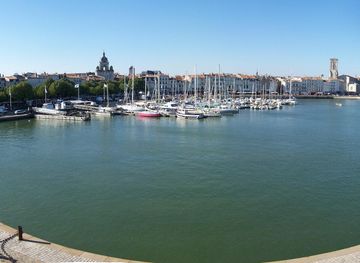
La Rochelle blends medieval harbour towers, Atlantic seafood, Île de Ré access and maritime culture with elegant streets and lively markets today.
Explore La Rochelle