Parc National des Calanques: A Coastal Paradise
Explore dramatic cliffs & turquoise waters in France's Parc National des Calanques. Hike, swim, & discover diverse Mediterranean beauty.
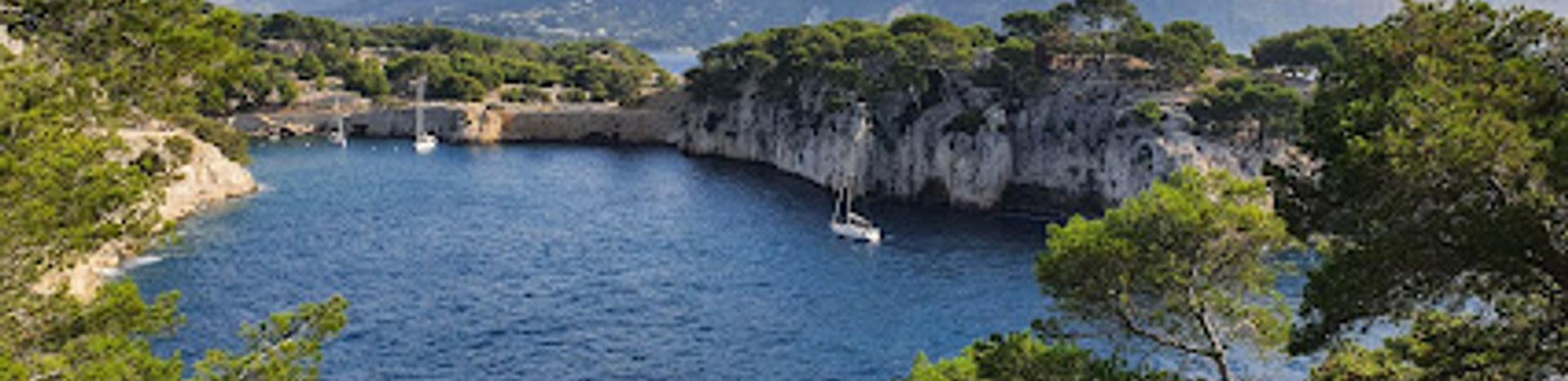
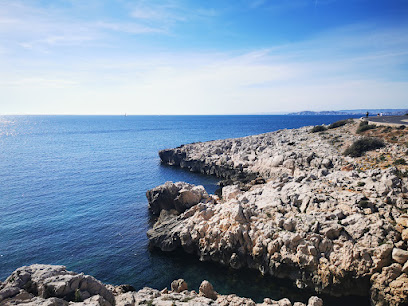
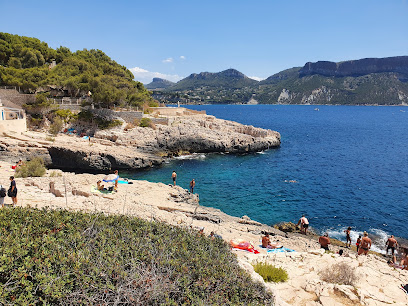
The Parc National des Calanques, established in 2012, is a stunning national park in southern France, stretching along the Mediterranean coast between Marseille, Cassis, and La Ciotat. It's a unique protected area encompassing land, sea, and even peri-urban environments, offering dramatic cliffs, secluded calanques (inlets), diverse flora and fauna, and a rich history.
A brief summary to Parc national des Calanques
- Marseille, 13008, FR
- +33420105000
- Visit website
Local tips
- Check fire risk warnings, especially in summer (June-September), as access may be restricted due to high fire danger.
- Bring plenty of water, sunscreen, and sturdy shoes for hiking, as the terrain can be rugged.
- Consider visiting during the off-season (October-May) for milder temperatures and fewer crowds.
- Take public transport to avoid parking issues, especially during peak season.
- Book in advance if you plan to visit Calanque de Sugiton during peak season, as access is limited and requires a free reservation.

Getting There
-
Public Transport
From Marseille, take Metro Line 2 to Rond-Point du Prado. From there, several bus lines connect to different entry points of the park. Bus B1 or 21 to Luminy for Calanque de Sugiton and Morgiou. Bus 22 to Les Baumettes for Calanque de Sormiou. Bus 19 to Madrague de Montredon, then Bus 20 to Callelongue. A single RTM bus ticket costs €2. Consider a day pass for multiple trips.
-
Taxi
Taxis are available throughout Marseille. A taxi from central Marseille to Luminy (near Calanque de Sugiton) takes approximately 30 minutes and costs €35-€50. Ride-sharing services are also available, with similar pricing. Be aware that traffic can be heavy, especially during peak season.
-
Driving
Limited Calanques are accessible by car, with restrictions during certain periods. Roads to Sormiou, Morgiou, and Callelongue are often closed to motorized traffic on Fridays, Saturdays, Sundays, and public holidays from April to late April. Parking is limited and fills up quickly. Consider parking at Relais des Gorguettes (free) in Cassis and taking a shuttle to the park entrance (€2 nominal fee). Parking near the park can cost around €1.50 per hour, €9 per day. Note that access to the Calanque de Sugiton requires a free reservation during peak season.
Discover more about Parc national des Calanques
Iconic landmarks you can’t miss

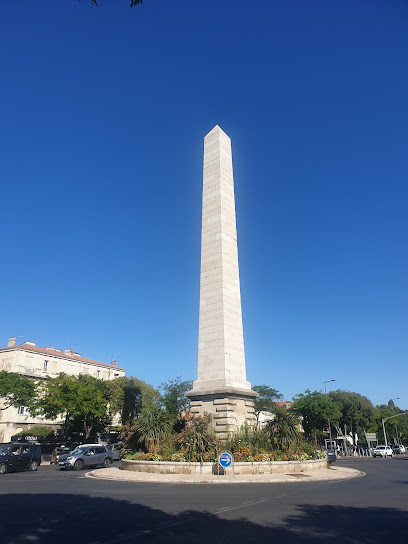
Obélisque de Mazargues
4.9 km
Discover the Obélisque de Mazargues, a historical monument in Marseille that encapsulates the city's rich heritage and stunning architectural beauty.
Destination Calanques Kayak Marseille Cassis
6.1 km
Discover the Calanques National Park from a unique perspective with guided kayak tours and rentals in Cassis, France. Explore hidden coves and stunning coastlines.
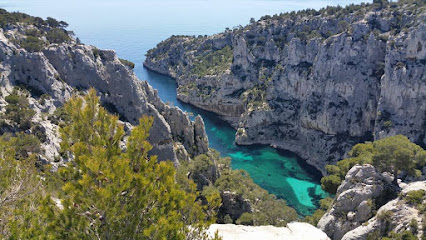
HOME CASSIS. Maison Les Calanques
6.6 km
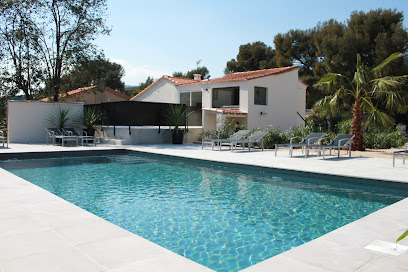
Escape to Cassis: Holiday apartments with pool access, near beaches & the stunning Calanques National Park. Your perfect coastal getaway awaits!
Plage de la Vieille Chapelle
6.7 km
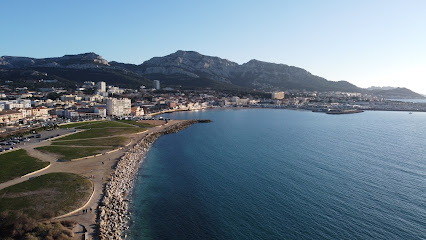
Experience the beauty of Plage de la Vieille Chapelle, a stunning beach in Marseille perfect for sunbathing, swimming, and enjoying local cuisine.
escalade calanques
6.8 km
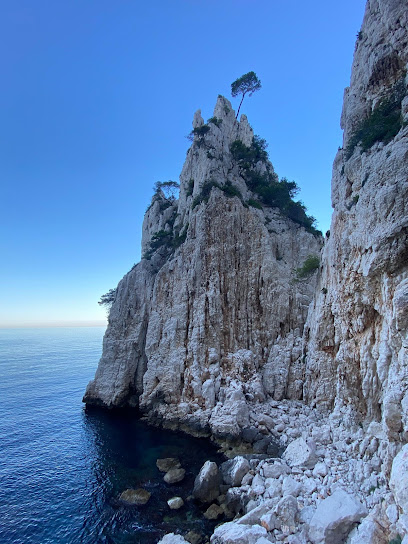
Discover the thrill of rock climbing in Calanques National Park with guided excursions for all levels, set amidst stunning coastal scenery.
Bleu Evasion - Visite des calanques en bateau avec skipper
7.1 km
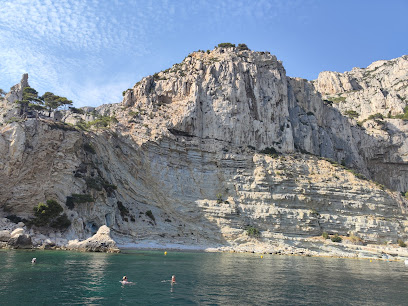
Experience the breathtaking beauty of the Calanques in Marseille with Bleu Evasion's exceptional boat tours, perfect for a memorable adventure on the Mediterranean.
Plage de l'Huveaune
7.2 km
Discover the serene escape of Plage de l'Huveaune, a stunning beach in Marseille perfect for sunbathing, swimming, and enjoying Mediterranean sunsets.
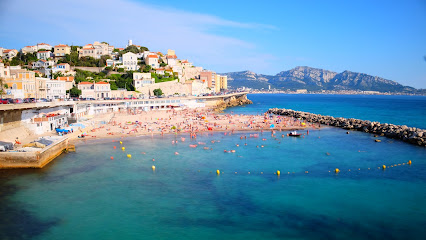
TantraHome Marseille
7.4 km
Discover the ultimate relaxation at TantraHome Marseille, your go-to massage spa for rejuvenating treatments in the heart of the city.
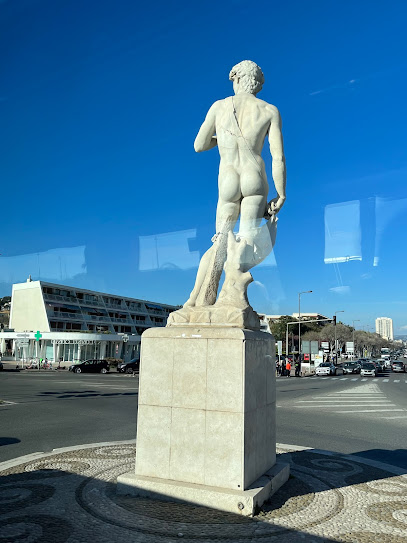
La Petite Calanque
7.5 km
Experience the charm of Marseille at La Petite Calanque, a cozy bed and breakfast perfect for exploring the stunning Mediterranean coastline.
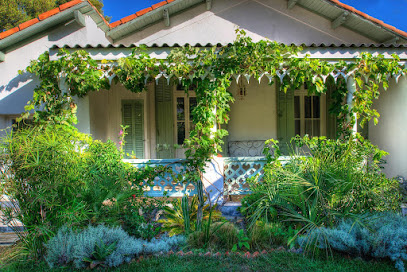
Cassis Calanques Plongée
7.7 km
Discover the underwater wonders of the Calanques National Park with Cassis Calanques Plongée. Dive into adventure!
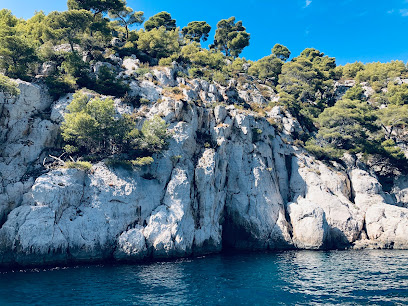
Plage de la Grande Mer
7.7 km
Experience the stunning Plage de la Grande Mer, a pristine beach in Cassis, France, perfect for relaxation, exploration, and indulging in local gastronomy.
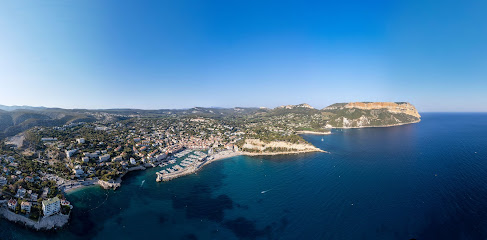
GIE des Bateliers Cassidens
7.7 km
Explore the stunning Calanques National Park with boat tours departing from the charming port of Cassis, a jewel of the French Riviera.
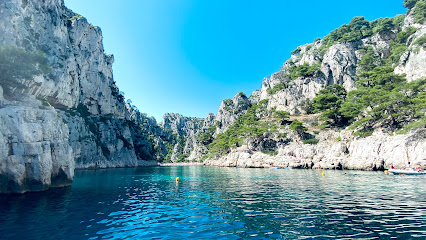
Calanques Bleu Mistral
7.7 km
Explore the Calanques National Park's stunning beauty with boat tours departing from Cassis. Discover hidden coves, turquoise waters, and dramatic cliffs.
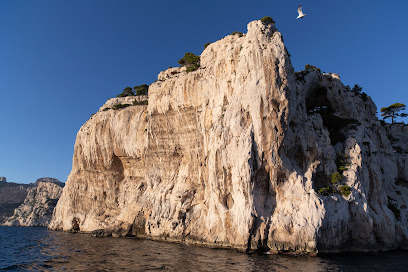
Les Drailles de la Mémoire
7.7 km
Explore the rich cultural heritage of Cassis at Les Drailles de la Mémoire, where history and art come alive in an inspiring setting.
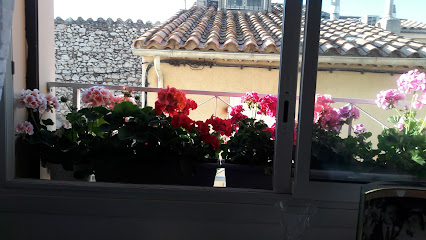
Point de vue des Goudes
7.9 km
Discover breathtaking coastal views and serene landscapes at Point de vue des Goudes, a must-visit observation deck in Marseille.
Unmissable attractions to see

Calanque de Morgiou
0.5 km
Discover the Calanque de Morgiou, a hidden paradise in Marseille's Calanques National Park, offering stunning natural beauty, authentic charm, and a glimpse into a traditional way of life.
Belvédère de Sugiton
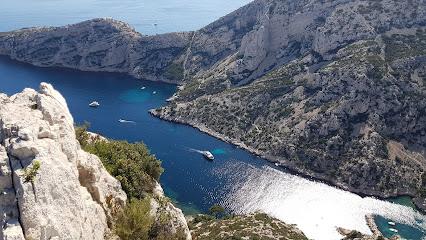
0.6 km
Discover breathtaking panoramic views of the Calanques National Park from the Belvédère de Sugiton, a rewarding hike leading to iconic vistas of turquoise waters and dramatic cliffs near Marseille.
Plage Sauvage de Morgiou
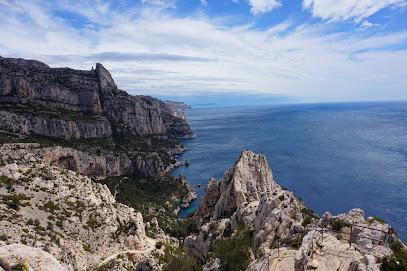
0.6 km
Discover the tranquil beauty of Plage Sauvage de Morgiou, a hidden gem in Marseille's Calanques National Park, perfect for relaxation and adventure.
Massif des Calanques
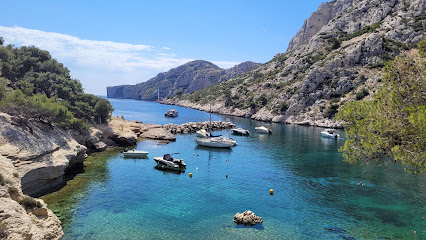
0.8 km
Explore the breathtaking Massif des Calanques in Marseille – a stunning blend of cliffs, azure waters, and diverse wildlife awaits you.

Les Calanques
1.1 km
Explore the stunning cliffs and crystal-clear waters of Les Calanques, a natural gem near Marseille, perfect for adventure and relaxation.
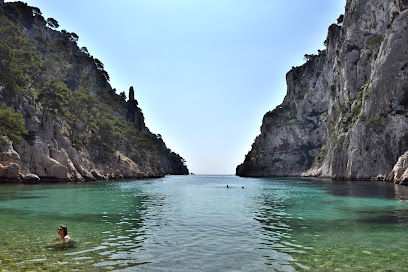
Calanque de Sugiton
1.3 km
Discover Calanque de Sugiton, a stunning Mediterranean inlet near Marseille, offering breathtaking hikes, crystal-clear waters, and iconic rock formations within the protected Calanques National Park.
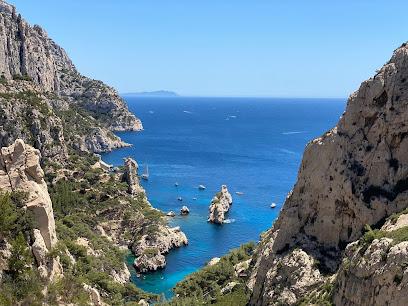
Col de la Candelle, Parc National des Calanques
1.6 km
Experience breathtaking views and adventure at Col de la Candelle, a highlight of Parc National des Calanques in Marseille.
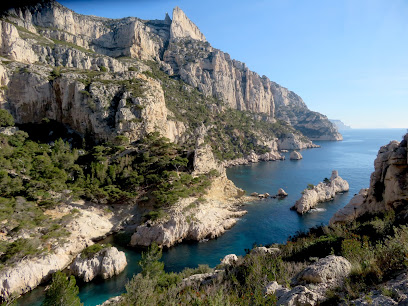
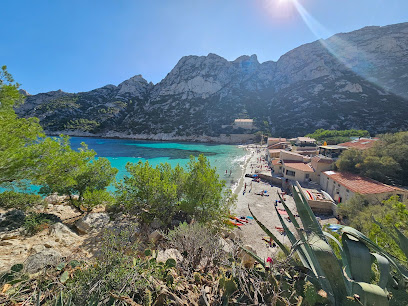
Calanque de Sormiou
1.9 km
Discover the breathtaking beauty of Calanque de Sormiou, a Mediterranean paradise with sandy beaches, turquoise waters, and charming cabanons nestled in the heart of Calanques National Park.
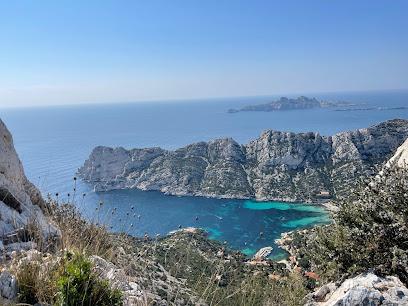
Sormiou
2.0 km
Explore the serene beauty of Sormiou, a hidden coastal paradise in Marseille, perfect for relaxation, adventure, and breathtaking views.
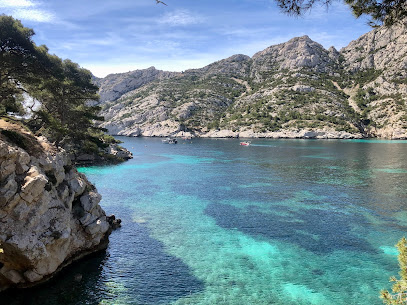
Fontaine de Voire
4.3 km
Explore the Fontaine de Voire in Marseille, a stunning historical fountain that showcases exquisite architecture and rich cultural heritage.
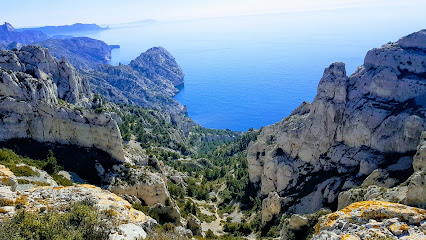
Belvédère d'En-Vau
4.4 km
Explore the breathtaking Belvédère d'En-Vau in Calanques National Park, a hiker's paradise with stunning cliffs and crystal-clear waters.
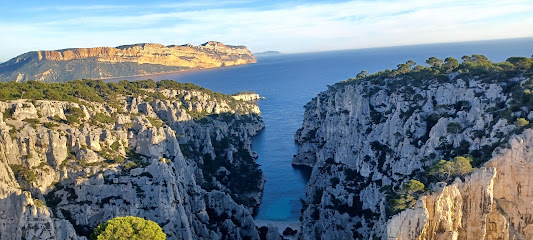
Pyramide du Roy d'Espagne
4.7 km
Discover the enigmatic Pyramide du Roy d'Espagne in Marseille: a unique 19th-century replica offering a glimpse into Egyptology's allure amidst the vibrant Provençal landscape.
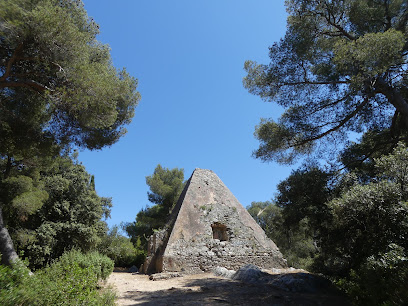
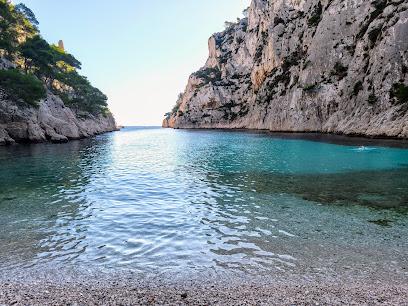
Calanques d'en vau
4.8 km
Explore the stunning Calanques d'en Vau, a breathtaking hiking area near Marseille, where cliffs meet crystal-clear waters in a natural paradise.
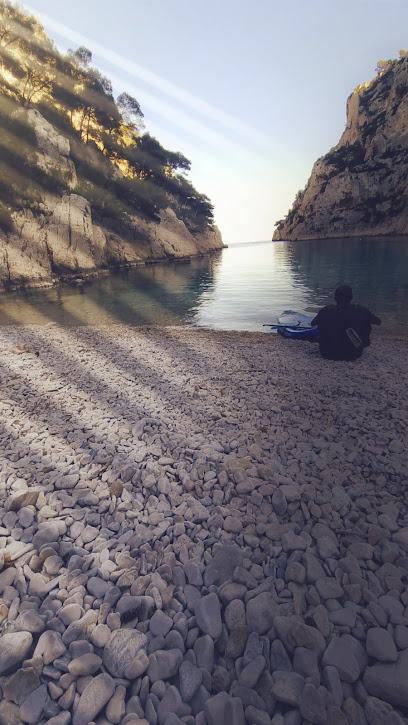
Calanque d'en Vau
5.1 km
Discover the breathtaking beauty of Calanque d'en Vau, a hidden paradise in the Calanques National Park offering stunning cliffs, turquoise waters, and a secluded beach experience.
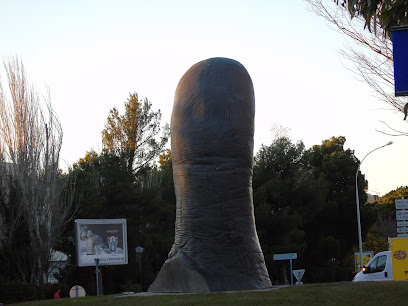
Pouce Cesar
5.7 km
Discover the vibrant culture and history at Pouce Cesar, a charming tourist attraction in the heart of Marseille, France.
Essential places to dine

Bar Nautic Restaurant
0.5 km
Experience exquisite French and Mediterranean flavors at Bar Nautic Restaurant in scenic Calanque Morgiou, Marseille.
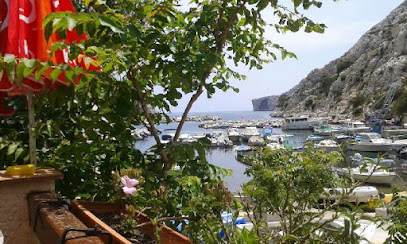
Sormiou Castle
2.1 km
Experience exquisite French and Mediterranean cuisine at Sormiou Castle while enjoying breathtaking views in Marseille's beautiful Calanque de Sormiou.
Chez Zé
2.3 km
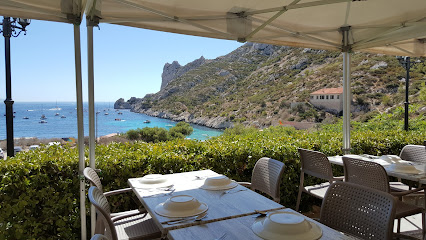
Experience authentic pizza and French delicacies at Chez Zé in Marseille - where culinary traditions meet coastal charm.
Les Terrasses du Phocéen
2.5 km
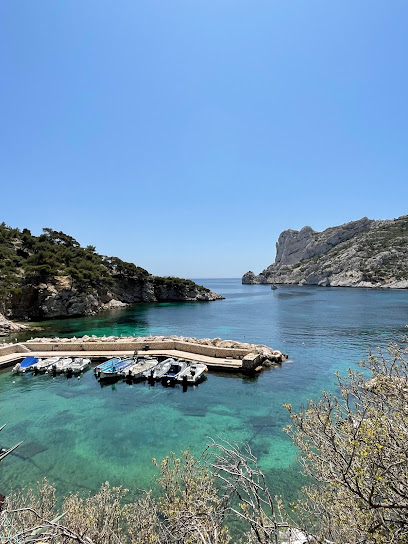
Experience authentic French cuisine with stunning Mediterranean views at Les Terrasses du Phocéen in Marseille.
Brasserie Des Calanques
3.8 km
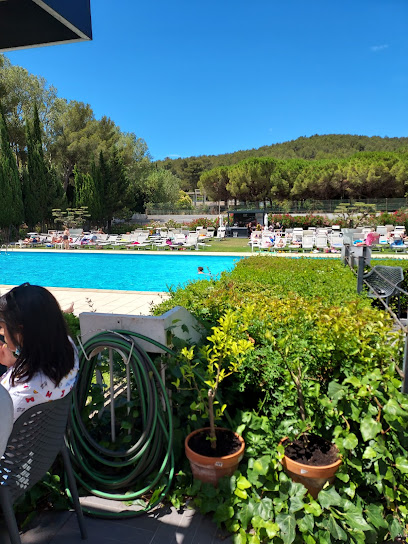
Experience authentic French cuisine at Brasserie Des Calanques amidst stunning coastal views in Marseille.
La Table du Chef - Restaurant Marseille
4.3 km
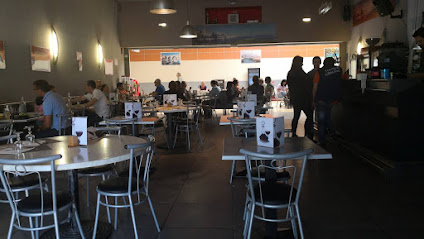
Discover La Table du Chef: A premier French and Mediterranean dining experience in Marseille offering fresh ingredients and exquisite flavors.
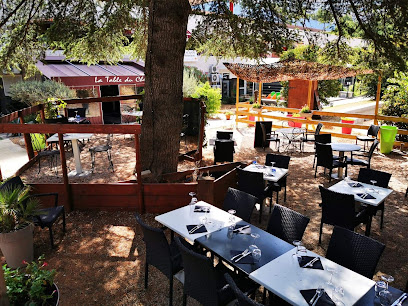
RESTAURANT LE JARDIN MAZARGUES
4.5 km
Experience authentic Mediterranean cuisine at Le Jardin Mazargues, a hidden gem in Marseille's picturesque village.
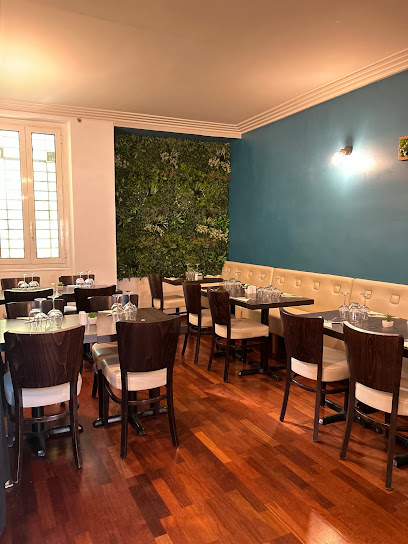
Le Drip's Bar & Restaurant
5.4 km
Indulge in authentic French cuisine at Le Drip's Bar & Restaurant in Marseille, where exquisite flavors meet elegant ambiance.
Chez Le Belge
5.8 km
Discover authentic Belgian cuisine at Chez Le Belge in Calanque de Marseilleveyre – where flavor meets breathtaking views.
Le Ventre de l'Architecte
6.1 km
Experience fine dining at Le Ventre de l'Architecte in Marseille - where exquisite French cuisine meets stunning architecture.
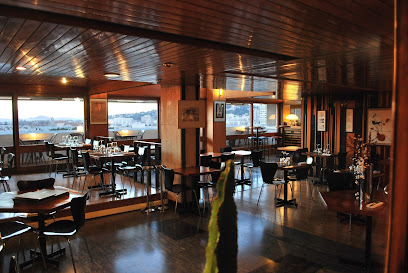
La Presqu'île
6.3 km
Discover La Presqu'île in Cassis: where exquisite haute French cuisine meets stunning Mediterranean views.
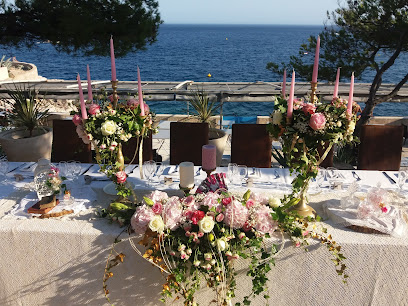
La Plage Bleue
6.3 km
Experience Mediterranean dining at La Plage Bleue in Cassis with stunning sea views and delectable French cuisine.
Le Calanquais
6.4 km
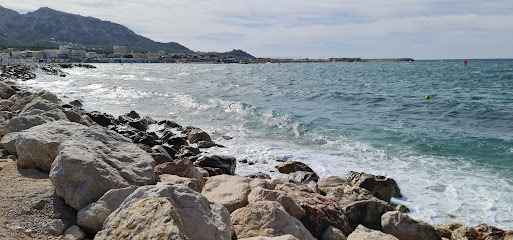
Experience authentic French cuisine with stunning Mediterranean views at Le Calanquais in Marseille.
Le Lagon Bleu
6.5 km
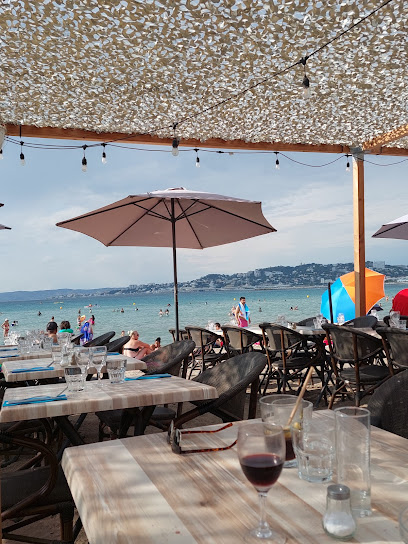
Experience authentic French cuisine and delightful pizzas at Le Lagon Bleu in Marseille – a must-visit culinary destination!
Question de Goût
6.5 km
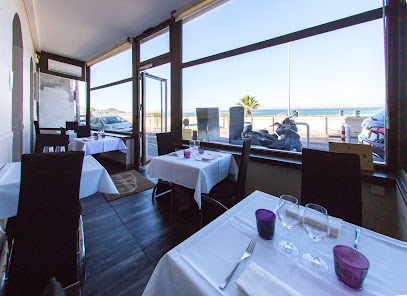
Discover the exquisite flavors of French cuisine at Question de Goût in Marseille—where brunch meets fine dining in an elegant atmosphere.
Markets, malls and hidden boutiques

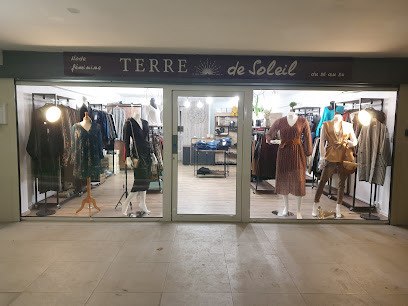
Terre de Soleil
4.2 km
Explore Terre de Soleil in Marseille for unique clothing that captures the vibrant spirit of local fashion and Mediterranean lifestyle.
So and So
4.2 km
Explore So and So in Marseille for a unique blend of local and international fashion experiences that elevate your wardrobe.
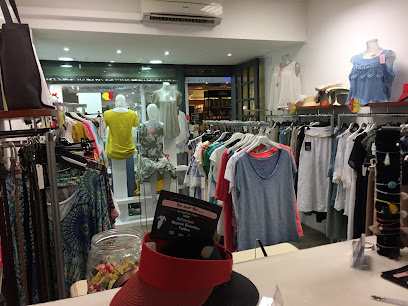
Eva Kayan
4.5 km
Discover unique fashion at Eva Kayan, a chic clothing store in Marseille offering contemporary styles and personalized shopping experiences.

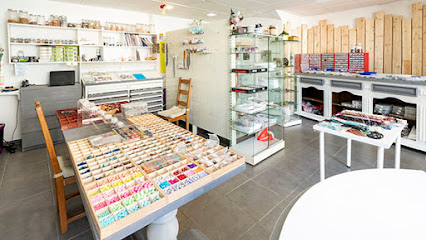
PEARLS OF Paline
4.7 km
Explore a world of creativity at Pearls of Paline, Marseille's premier bead store offering a rich selection of crafting supplies and artistic inspiration.
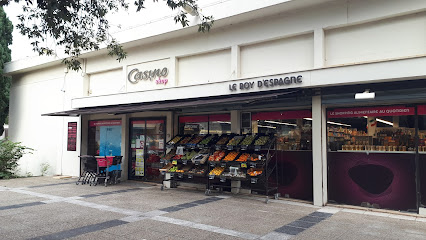
Casino Shop
5.2 km
Explore Marseille's local flavors and essentials at Casino Shop, your go-to convenience store for fresh produce and baked delights.
Black SunSet
5.4 km
Explore creativity and personal expression at Black SunSet, Marseille's premier custom t-shirt store, where your wardrobe meets local artistry.
Centre Commercial Bonneveine
5.5 km
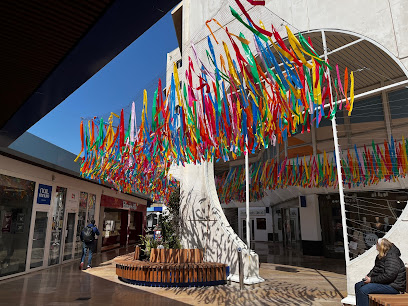
Explore the lively Centre Commercial Bonneveine, a premier shopping destination in Marseille offering diverse shops, dining, and entertainment for an unforgettable experience.
Orange
5.6 km
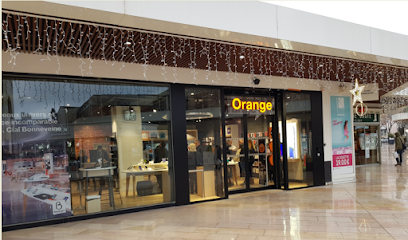
Discover the ultimate mobile experience in Marseille at Orange, your one-stop shop for devices, repairs, and accessories.
Eros p
5.7 km
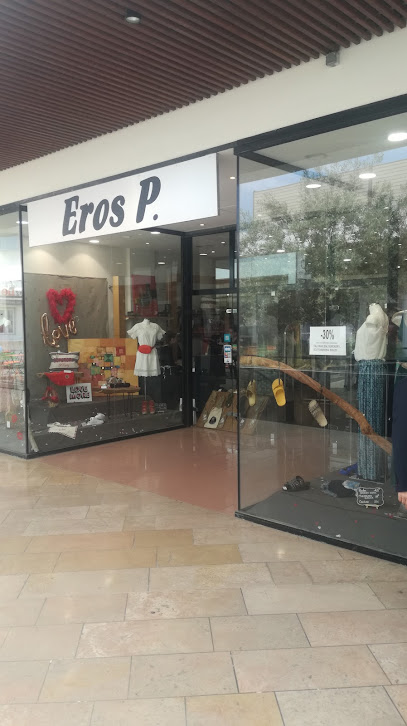
Discover unique styles at Eros P, a trendy clothing store capturing the essence of Marseille's vibrant fashion scene.
Symboles et Signes | Boutique maçonnique
5.8 km
Uncover the secrets of Freemasonry at Symboles et Signes, Marseille's premier boutique for Masonic literature and symbolic arts.
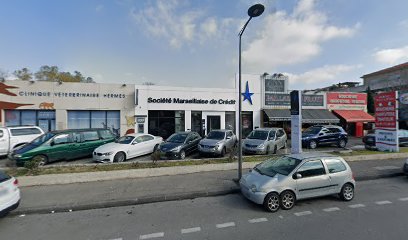
Vival
6.0 km
Explore the vibrant offerings of Vival in Marseille, where convenience meets local flavor in an inviting shopping experience.
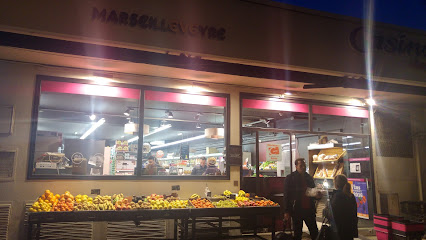
Gris Perle
6.1 km
Explore Gris Perle in Marseille for a unique selection of home goods that embody the charm and elegance of French decor.
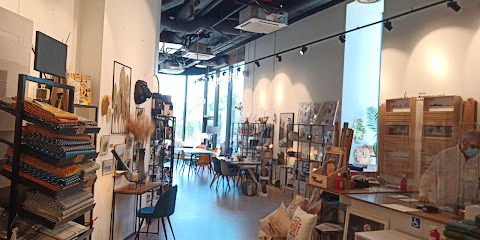
By Mamé
6.3 km
Experience the vibrant culture of Marseille at By Mamé, where fashion meets beauty and culinary delights in a unique shopping experience.
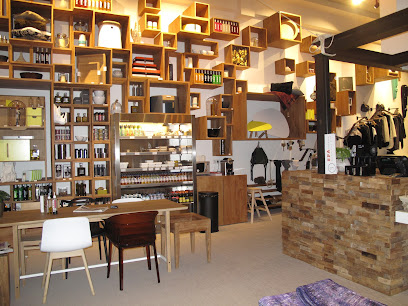
Kulture Marseille
6.6 km
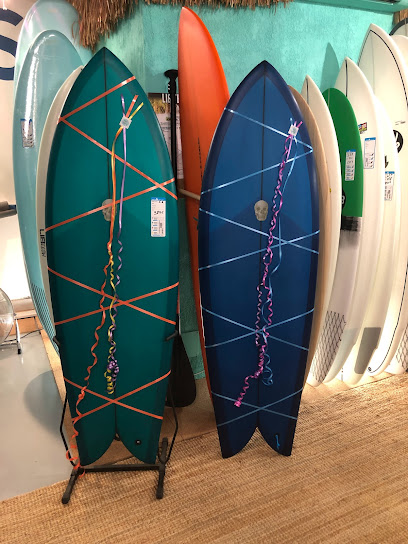
Discover Kulture Marseille, your premier destination for surf, skate, and snowboard gear in the heart of the Mediterranean!
Arkose Prado
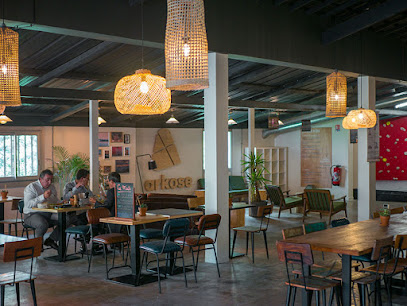
6.8 km
Experience the thrill of rock climbing and the tranquility of Pilates at Arkose Prado, a unique venue in the heart of Marseille offering adventure and relaxation.
Essential bars & hidden hideouts

Ucpa Sormiou
2.0 km
Discover the thrill of outdoor sports in the breathtaking Calanques National Park at Ucpa Sormiou, where adventure and nature meet.
Keg & Can
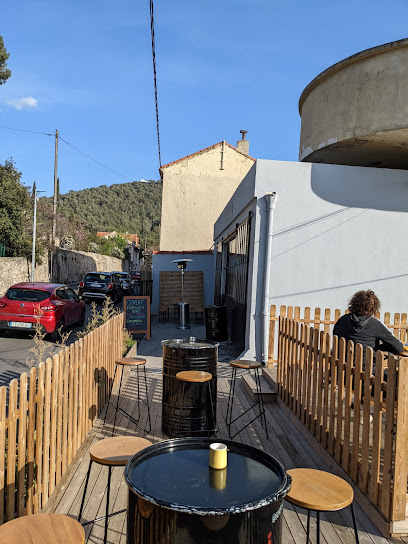
3.4 km
Experience the vibrant atmosphere and diverse craft beer selection at Keg & Can, Marseille's premier beer hall.
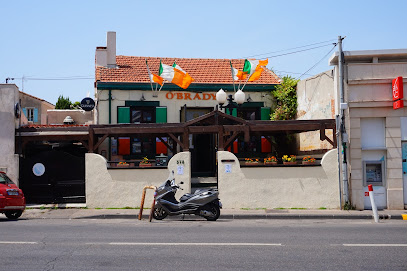
O'BRADY'S IRISH PUB
6.0 km
Discover the lively atmosphere and authentic Irish cuisine at O'Brady's Irish Pub in Marseille, where every visit is a celebration of good food and friendship.
Bar Le Coquet
6.4 km
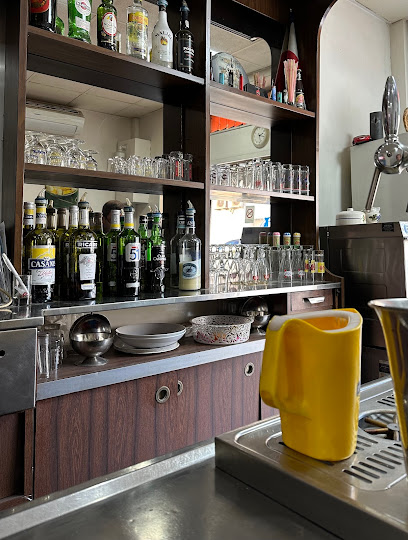
Experience the vibrant local culture at Bar Le Coquet, a must-visit bar in the heart of Marseille with a welcoming atmosphere and delightful beverages.
Pub Le Black Stone
6.4 km
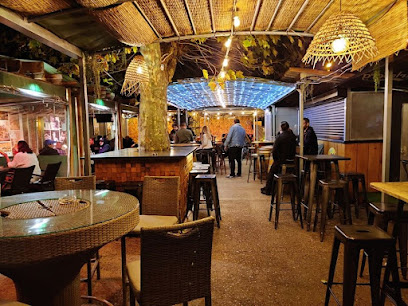
Discover the vibrant nightlife of Marseille at Pub Le Black Stone, a hub for live music, karaoke, and delicious pizza.
Bar des Amis
6.4 km
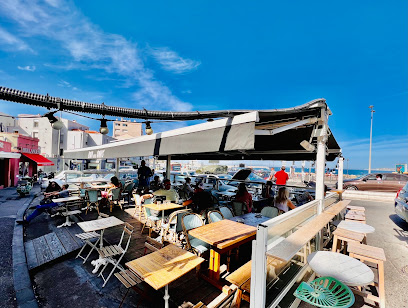
Experience the vibrant atmosphere and stunning sea views at Bar des Amis in Marseille, a perfect spot for drinks and relaxation.
The Red Lion
6.5 km
Discover the vibrant atmosphere of The Red Lion in Marseille, where delicious food, refreshing drinks, and local culture come together in a lively pub setting.
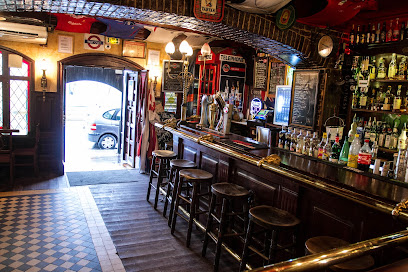
Connolly's Corner
6.7 km
Experience the warmth of Irish hospitality at Connolly's Corner in Marseille, where delicious food and drinks await in a cozy setting.
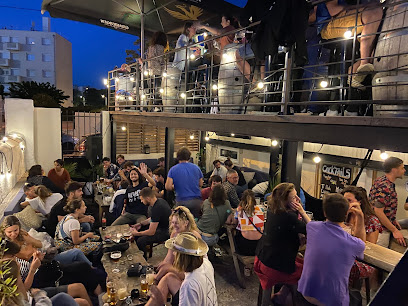
La Rhumerie
6.8 km
Experience the vibrant flavors of the Caribbean at La Rhumerie, a unique cocktail bar and restaurant in the heart of Marseille, serving exquisite rum and French cuisine.
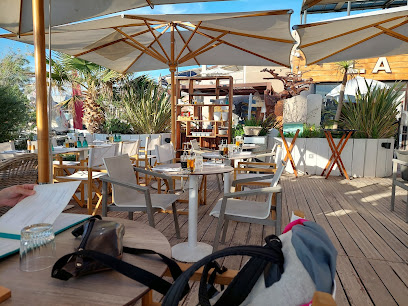
Le Loup Bar
7.0 km
Discover the vibrant atmosphere and gourmet delights at Le Loup Bar in Cassis, where stunning views meet culinary excellence.
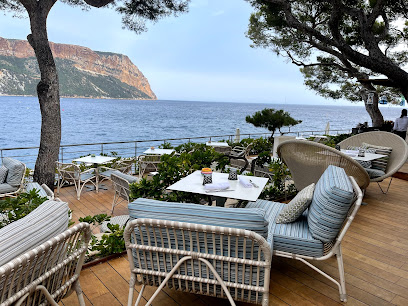
same same beach
7.2 km
Enjoy fresh local cuisine and stunning Mediterranean views at Same Same Beach in beautiful Cassis.
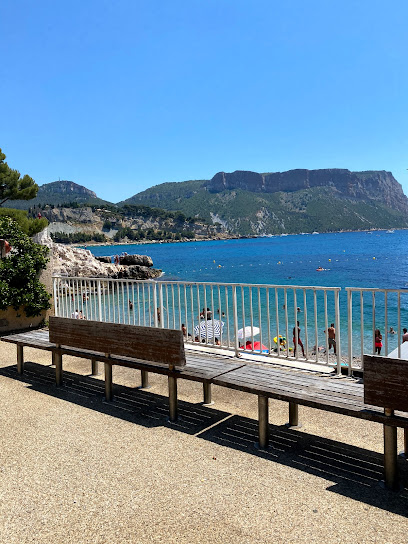
Bar Amical
7.2 km
Discover Bar Amical in Marseille: where stunning views, delicious cuisine, and a vibrant atmosphere come together for an unforgettable experience.
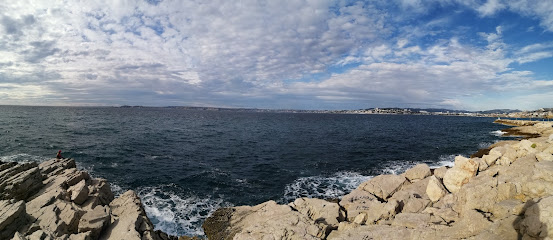
Best Western Hôtel La Rade
7.4 km
Discover the charm of Cassis at Best Western Hôtel La Rade, your perfect base for exploring the stunning French Riviera.
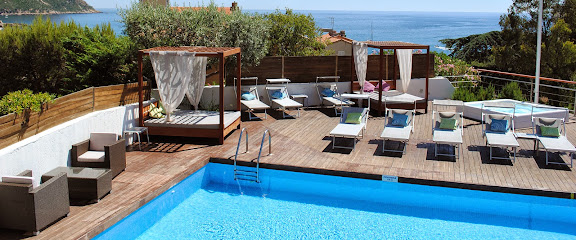
Monsieur Brun
7.6 km
Discover the culinary delights of Monsieur Brun in Cassis, where traditional French cuisine meets stunning harbor views for an unforgettable dining experience.
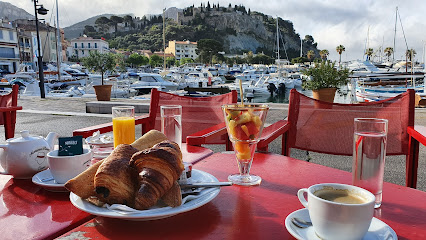
Les Caves Du Port
7.6 km
Experience the vibrant atmosphere and stunning views at Les Caves Du Port, the perfect bar in Cassis to unwind and enjoy local flavors.
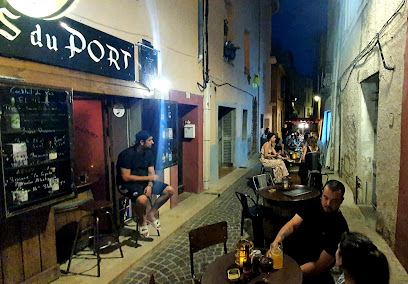
Nightclubs & after hour spots

POP Club
3.5 km
Discover the electrifying nightlife at POP Club in Marseille, where music and celebration create unforgettable memories.
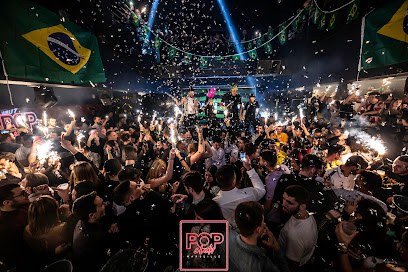
Club Ecossais
4.5 km
Dive into Marseille's nightlife at Club Ecossais, a premier night club offering thrilling music, vibrant energy, and unforgettable experiences under the stars.
Bibi
6.4 km
Discover Bibi, Marseille's vibrant night club offering electrifying music, stylish ambiance, and unforgettable nightlife experiences along the beautiful coast.
Barta
6.4 km
Dive into the heart of Marseille's nightlife at Barta, where electrifying music and vibrant atmosphere await you.
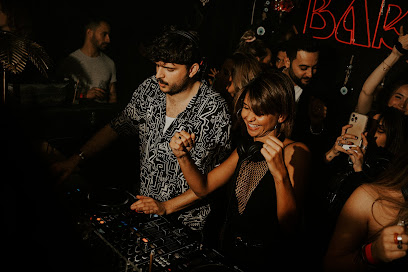
Ginanik
6.5 km
Experience the vibrant nightlife at Ginanik, Marseille's premier girl bar, featuring stunning performances and creative cocktails for an unforgettable evening.
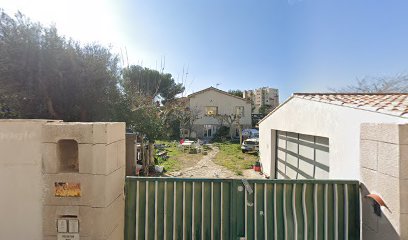
Les Samedis du MamaBeach - Marseille
6.8 km
Discover the vibrant nightlife of Marseille at Les Samedis du MamaBeach, a premier night club offering stunning views and lively music.

BAZAR
7.5 km
Discover the heart of Marseille's nightlife at BAZAR, where electrifying beats and vibrant crowds create unforgettable dance experiences.
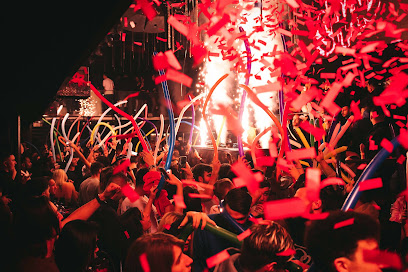
LA PALMERAIE
7.5 km
Discover the electrifying nightlife of La Palmeraie, a premier disco club in Marseille, blending dance, music, and vibrant atmosphere.
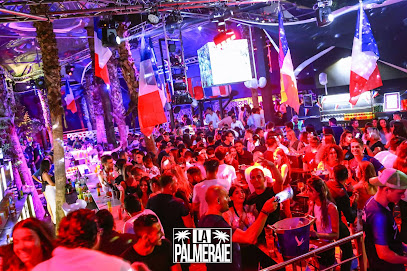
XOXO Club
7.5 km
Unleash your inner dancer at XOXO Club, Marseille's lively disco haven, where unforgettable nights and vibrant beats come together.
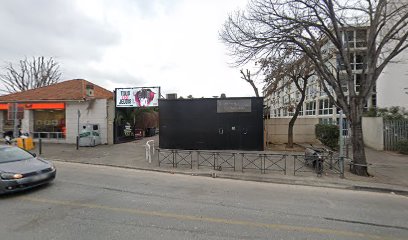
L'elysée
7.5 km
Discover the vibrant atmosphere of L'elysée in Marseille, a stylish lounge perfect for relaxation and socializing with friends.
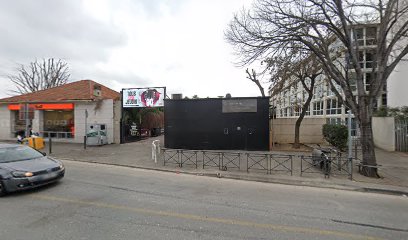
YACHT CLUB DE CASSIS
7.5 km
Experience the flavors of Provençal cuisine at the Yacht Club de Cassis, where stunning Mediterranean views enhance every meal.
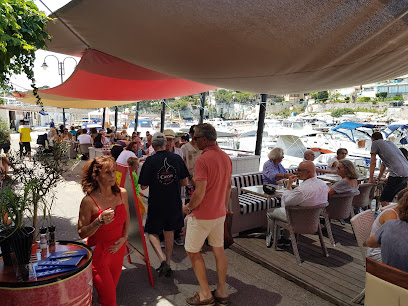
Cercle démocratique de Cassis
7.7 km
Experience the vibrant nightlife of Cassis at Cercle Démocratique, where music, dancing, and great company come together.
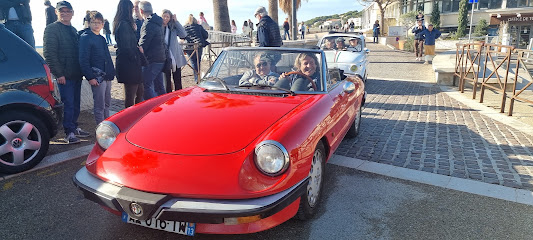
BIG BEN CASSIS
7.8 km
Discover the electrifying nightlife at Big Ben Cassis, a vibrant night club in the heart of Cassis, perfect for dancing and socializing until dawn.
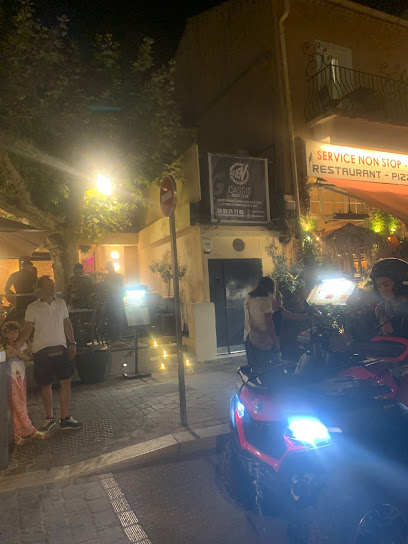
Victoria Cassis
7.8 km
Discover the vibrant nightlife at Victoria Cassis, where exquisite cocktails and stunning views create the perfect evening atmosphere in Cassis, France.
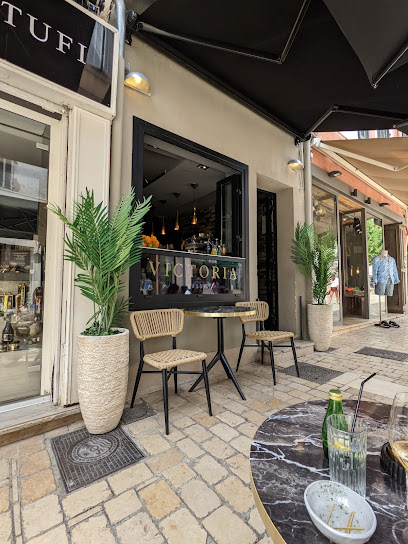
Le Miami - Marseille
8.5 km
Discover the electrifying nightlife of Le Miami, Marseille's premier night club, where music and energy come alive in a stylish setting.