Fort Queuleu Travel Guide
Free Guide: Explore Fort Queuleu in Metz: A historical fortress turned memorial, blending poignant history with serene parkland and guided tours.


A brief summary of Fort Queuleu
Explore Fort Queuleu in Metz: A historical fortress turned memorial, blending poignant history with serene parkland and guided tours.
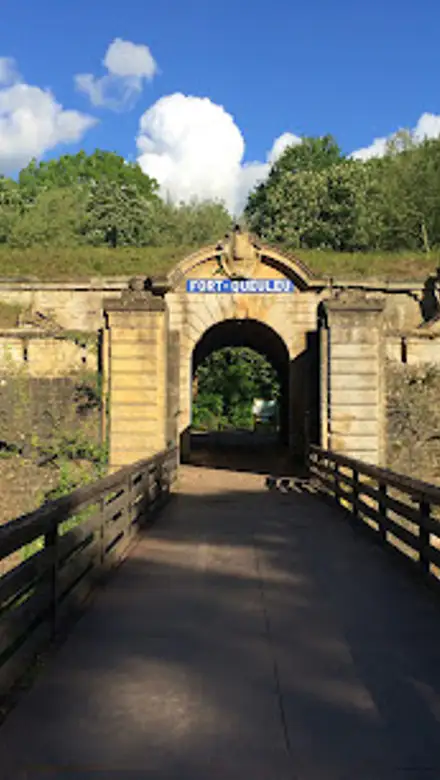
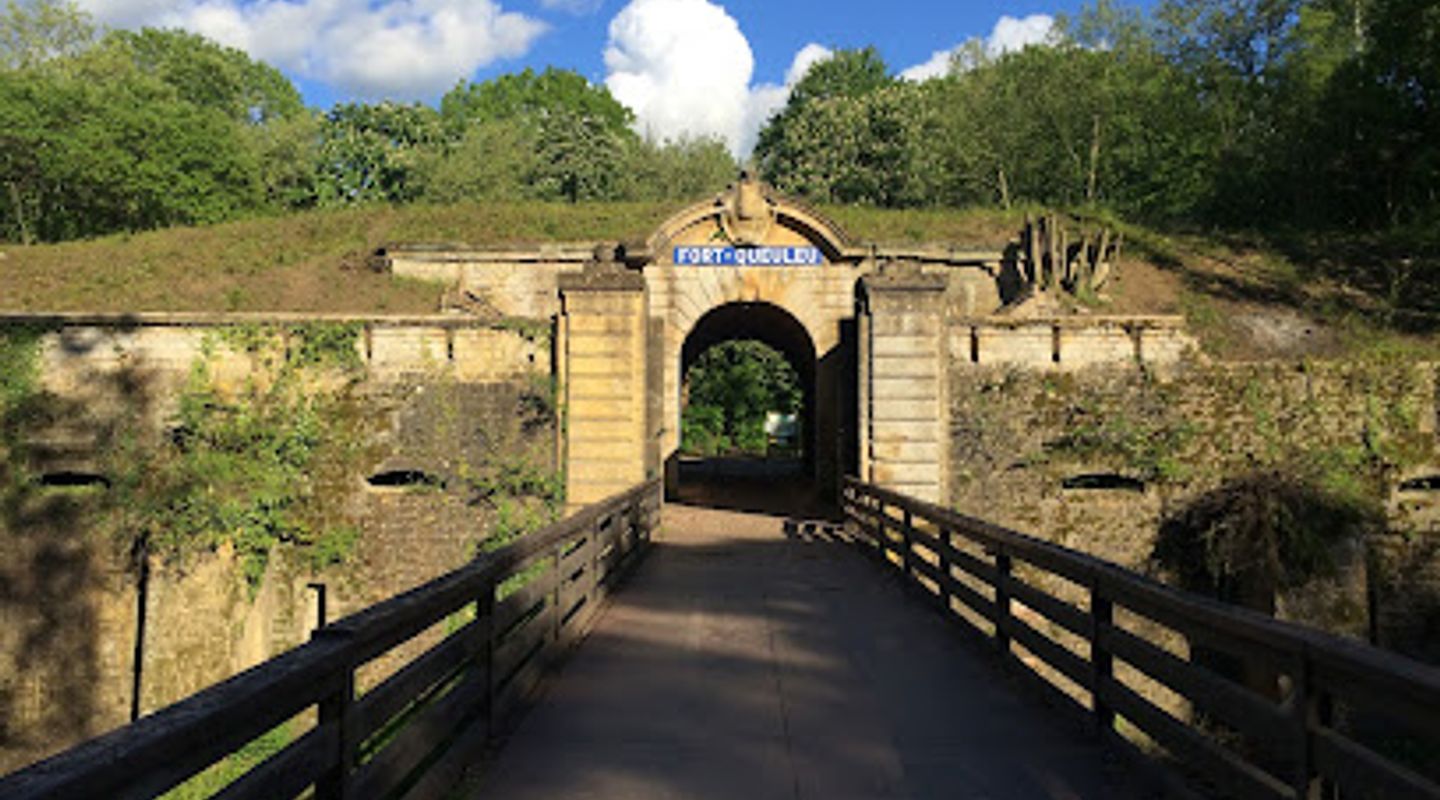
Fort Queuleu, located in Metz, France, is a historical landmark with a rich and complex past. Originally built as a military fortress between 1868 and 1870, it later served as a Nazi internment camp during World War II. Today, it stands as a memorial site and park museum, offering visitors a chance to reflect on its history and enjoy the serene surroundings.
Opening hours
- Every day7:30 am–9 pm
Opening hours as listed on the venue’s Google Business Profile. Hours can change for services and special events, so check with the venue before you go.
- Address
- 36V4+V5, All. Jean Burger, 57070 Metz
- Phone
- Website
Getting there
Public Transport
Taxi
Walking
Discover more about Fort Queuleu
Overview
Fort Queuleu, also known as Fort Goeben, is a significant historical site located in Metz, France. Constructed between 1868 and 1870 as part of the first chain of fortifications around Metz, it played a crucial role in the city's defense. The fort's architecture reflects the military engineering of the late 19th century, with its barracks, powder magazines, and artillery positions.During the Second World War, Fort Queuleu was transformed into a Nazi internment camp, known as a *Sonderlager* or 'special camp', by the Gestapo. From October 1943 to August 1944, it was used to detain and interrogate Resistance fighters, saboteurs, smugglers, and those avoiding forced labor in Germany. Conditions within the camp were harsh, with prisoners subjected to torture and inhumane treatment. It is estimated that between 1,500 and 1,800 people were interned here before being sent to concentration camps or prisons.Today, Fort Queuleu serves as a memorial site and a place of remembrance. Visitors can explore the grounds, reflect on the past, and pay tribute to those who suffered within its walls. The site also features running paths and green spaces, making it a place where history and nature intertwine. The monument to the Resistance and Deportation, located at the entrance, stands as a powerful reminder of the fort's somber history. Guided tours are available, providing detailed insights into the fort's past and its significance in both military and wartime history.
Evendo Review Centre
 Google
Guest reviews
Explore Fort Queuleu on the map
A handpicked selection of must-see spots near Fort Queuleu, mapped for you.
Get your free copy of our complete guide to Fort Queuleu, delivered straight to you.
Everything on this page, from opening hours and how to get there to Eve’s tips and the best time to go, in one PDF you can read offline, print or share.
Already have an account? Sign in
Your Fort Queuleu guide is ready.
We'll send it to · Not you? Sign out

Getting your guide ready…
We are putting together a fresh copy of the Fort Queuleu guide. This can take up to a minute.
This can take a few moments. If your browser asks, choose Allow so the download can start. You'll find the guide in your Downloads folder.
Nothing happened? Download it again
Sorry, the guide is taking longer than usual. Please try again in a minute, or get it by email instead.
Other nearby places you may find interesting
The closest places of the same kind, if this one is not quite what you had in mind.
-
-
-
-
-


Swipe for more places
More to explore near Fort Queuleu

 Best experiences near Fort Queuleu
 Best hotels near Fort Queuleu
 Best landmarks near Fort Queuleu
 Best attractions near Fort Queuleu
 Best shops near Fort Queuleu
 Best restaurants near Fort Queuleu
 Best bars near Fort Queuleu
Do you manage this location?
Take control to get all the benefits, like improved information, better appearance, and stronger visibility across AI-powered discovery.
Explore more

Explore more of Lorraine
Discover Lorraine: A beautiful blend of history, art, and nature in France's captivating northeastern region.
Explore Lorraine
Explore more of France
Explore France: A land of romance, history, and unparalleled beauty, from the iconic streets of Paris to the serene landscapes of Provence and the luxury of the French Riviera.
Explore France