Palais de la Bourse de Lyon, Lyon Travel Guide
Free Guide: Experience Lyon's architectural masterpiece: the Palais de la Bourse, a historic landmark hosting vibrant events in the heart of the city's Presqu'île district, showcasing neo-Renaissance grandeur.


A brief summary of Palais de la Bourse de Lyon
Experience Lyon's architectural masterpiece: the Palais de la Bourse, a historic landmark hosting vibrant events in the heart of the city's Presqu'île district, showcasing neo-Renaissance grandeur.
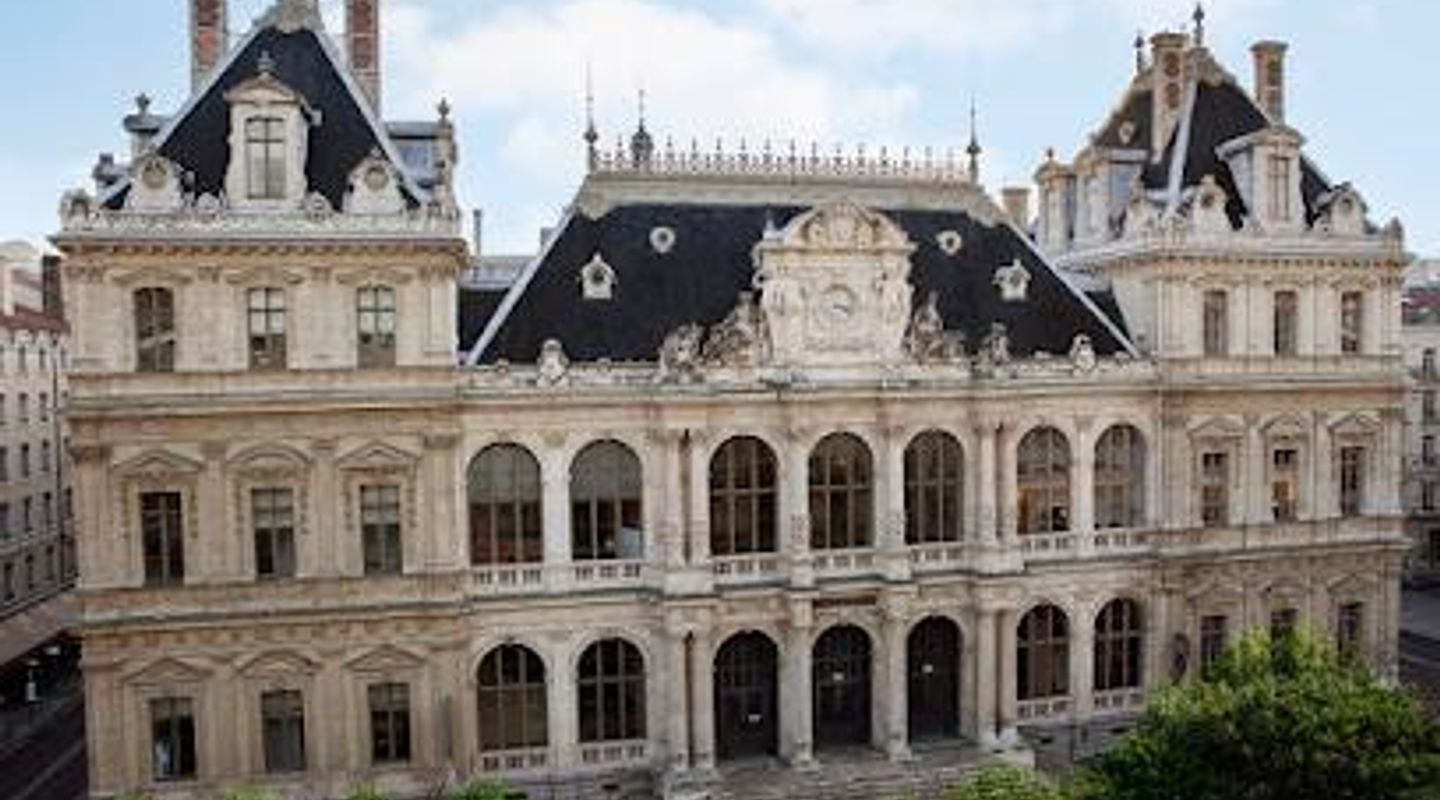
The Palais de la Bourse, also known as the Palais du Commerce, stands as a majestic testament to Lyon's rich history and architectural grandeur. Located in the heart of the city's Presqu'île district, this iconic building, inaugurated by Napoleon III in 1860, has served as a central hub for commerce and culture. Today, it houses the Lyon Chamber of Commerce and Industry and hosts a variety of events, from conferences and exhibitions to concerts and galas. Its stunning neo-Renaissance architecture, featuring ornate facades, intricate sculptures, and a breathtaking central hall, makes it a must-see landmark for any visitor to Lyon. The Palais de la Bourse offers a glimpse into Lyon's past and present, showcasing its enduring legacy as a center of trade, innovation, and artistic expression. A red paving stone marks the spot where President Sadi Carnot was assassinated in 1894, adding a poignant layer to its history.
- Address
- Pl. de la Bourse, 69002 Lyon
- Phone
- Website
Getting there
Public Transport
Taxi/Ride-Share
Walking
Driving
Discover more about Palais de la Bourse de Lyon
Overview
The Palais de la Bourse, or Palais du Commerce, is more than just a building; it's a living embodiment of Lyon's historical and economic evolution. Situated in the 2nd arrondissement, in the Les Cordeliers quarter, the Palais dominates the cityscape with its imposing neo-Renaissance architecture. Its construction, decided in 1853 during the Second Empire under Prefect Claude-Marius Vaïsse, aimed to consolidate various institutions under one roof, including a museum of art and industry, shops, the company of change agents and brokers in silk, the Chamber of Commerce, and the Commercial Court. The architect René Dardel, known for his work on the Pont La Feuillée and the Rue Victor Hugo, was chosen to bring this ambitious vision to life. Construction began in 1856, and on August 25, 1860, the Palais de la Bourse was inaugurated by Emperor Napoleon III and Empress Eugenie, marking a significant moment in Lyon's history. The building's architecture reflects its purpose, with facades adorned with statues representing Justice, Temperance, Agriculture, Trade, and Industry. The dimensions of the building are 56.6 metres large and 64.5 metres wide. The central hall, known as the "Salle de la Corbeille," is a masterpiece of design, featuring a soaring 25-meter high ceiling and intricate detailing. The exterior white marble statue, near the stairs and the Place des Cordeliers, is an allegory that personified the Saône and Rhône joining their arms to point to the future. Most paintings of interior ceilings are the work of artists from Lyon such as Antoine Claude Ponthus-Cinier or Jean-Baptiste Beuchot. Over the years, the Palais de la Bourse has witnessed significant events. In 1894, President Sadi Carnot was assassinated while leaving the building, a tragic event commemorated by a red paving stone and a plaque on the wall. The Palais has also undergone several transformations, adapting to the changing needs of the city. Initially, it housed various institutions, including the Commercial Court, the Company of Brokers in Silk and Goods, the Employment Tribunal, and the Crédit Lyonnais. Today, it primarily serves as the headquarters of the Lyon Chamber of Commerce and Industry and a venue for a wide range of events. The Palais de la Bourse's location in the heart of Lyon's Presqu'île makes it easily accessible and surrounded by shops, restaurants, and cafes. Its proximity to Place des Cordeliers, Place de la Bourse, Rue de la République, and Rue de la Bourse ensures that it remains a focal point of the city's commercial and cultural life. In 1994, the building was classified as a monument historique, recognizing its architectural and historical significance. Recent renovations have further enhanced its appeal, ensuring that it remains a premier venue for events and a symbol of Lyon's enduring legacy. Visiting the Palais de la Bourse is an opportunity to step back in time and experience the grandeur of Lyon's past while appreciating its vibrant present. Whether attending a conference, admiring its architecture, or simply strolling through the surrounding streets, the Palais de la Bourse offers a glimpse into the heart and soul of Lyon. The Palais de la Bourse continues to evolve, hosting Candlelight concerts and other cultural events that draw visitors from around the world. Its ability to adapt and remain relevant is a testament to its enduring appeal and its importance to the city of Lyon. Today, the Palais de la Bourse stands as a symbol of Lyon's resilience, innovation, and cultural richness. Its walls echo with the stories of merchants, politicians, and artists who have shaped the city's destiny. As visitors explore its halls and admire its architectural details, they gain a deeper appreciation for Lyon's unique character and its place in the world. The Palais de la Bourse is more than just a building; it's a living testament to Lyon's past, present, and future. Its enduring presence in the heart of the city ensures that it will continue to inspire and captivate generations to come. The building was constructed from 1856 to 1860 by the Lyonnais architect René Dardel (1796-1871) using a second Empire style. They were inaugurated August 25, 1860 by Napoléon III.
Evendo Review Centre
 Google
Guest reviews
Explore Palais de la Bourse de Lyon on the map
A handpicked selection of must-see spots near Palais de la Bourse de Lyon, mapped for you.
Get your free copy of our complete guide to Palais de la Bourse de Lyon, delivered straight to you.
Everything on this page, from opening hours and how to get there to Eve’s tips and the best time to go, in one PDF you can read offline, print or share.
Already have an account? Sign in
Your Palais de la Bourse de Lyon guide is ready.
We'll send it to · Not you? Sign out

Getting your guide ready…
We are putting together a fresh copy of the Palais de la Bourse de Lyon guide. This can take up to a minute.
This can take a few moments. If your browser asks, choose Allow so the download can start. You'll find the guide in your Downloads folder.
Nothing happened? Download it again
Sorry, the guide is taking longer than usual. Please try again in a minute, or get it by email instead.
Unlock the best of Palais de la Bourse de Lyon
Skip-the-line tickets, guided tours with entry, and walking tours of the area, booked in a few clicks.


Other nearby places you may find interesting
The closest places of the same kind, if this one is not quite what you had in mind.
-
-
-
-
-


Swipe for more places
More to explore near Palais de la Bourse de Lyon
-
 Best experiences near Palais de la Bourse de Lyon
-
 Best hotels near Palais de la Bourse de Lyon
-
 Best landmarks near Palais de la Bourse de Lyon
-
 Best attractions near Palais de la Bourse de Lyon
-
 Best shops near Palais de la Bourse de Lyon
-
 Best restaurants near Palais de la Bourse de Lyon
-
 Best bars near Palais de la Bourse de Lyon


Do you manage this location?
Take control to get all the benefits, like improved information, better appearance, and stronger visibility across AI-powered discovery.
Explore more

Explore more of Lyon
Explore Lyon, France's culinary heart, rich in history, culture, and world-class cuisine, nestled between the Rhône and Saône rivers.
Explore Lyon
Explore more of France
Explore France: A land of romance, history, and unparalleled beauty, from the iconic streets of Paris to the serene landscapes of Provence and the luxury of the French Riviera.
Explore France