Journey to the Dawn of Humanity at Archéosite des Fieux
Unearth the secrets of the Stone Age at Archéosite des Fieux, where you can explore a prehistoric hunting ground and discover ancient art in the heart of the stunning Lot region.
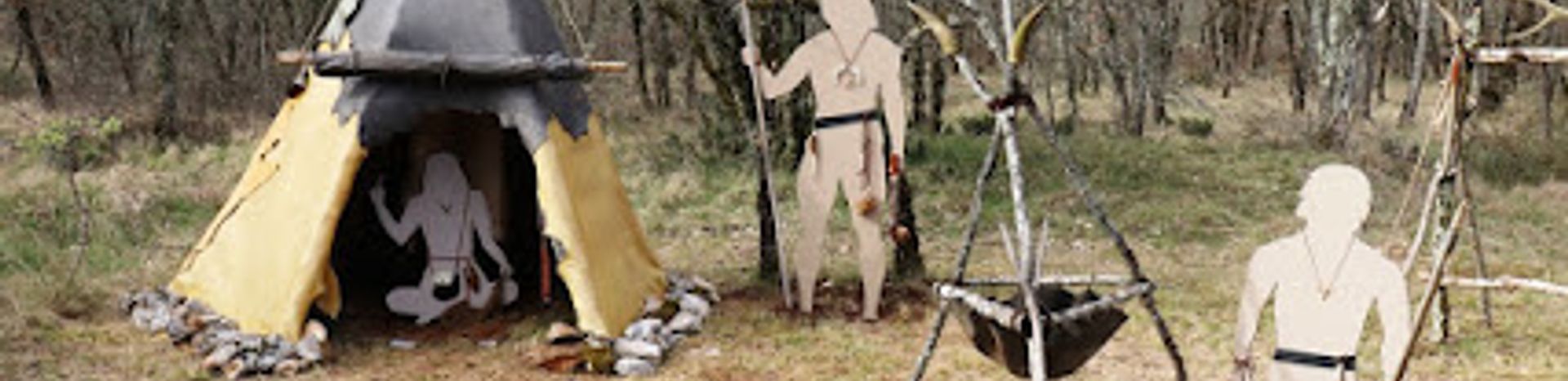
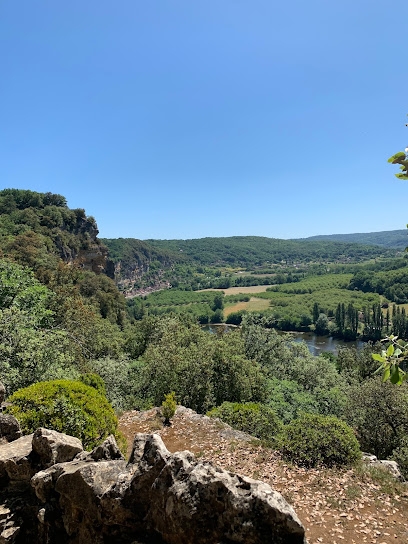
Step back in time at the Archéosite des Fieux, an exceptional archaeological site near Miers, France, where evidence of human occupation stretches back nearly 100,000 years. This captivating location, nestled in the scenic Causses du Quercy, offers a unique glimpse into the lives of Neanderthals and Cro-Magnons. Explore the remnants of a prehistoric hunting ground, including a fascinating natural cavity used as a trap, and discover a cave adorned with ancient art. With engaging tours, interactive workshops, and demonstrations, the Archéosite des Fieux brings the Stone Age to life, offering an unforgettable experience for visitors of all ages. It's a remarkable journey into our distant past, revealing the ingenuity and resilience of our ancestors in a stunning natural setting. Don't miss the chance to connect with history in this extraordinary corner of the Lot region.
A brief summary to Archéosite of Fieux
- Route de Carennac, Miers, 46500, FR
- +33616267435
- Visit website
- Monday 10 am-7 pm
- Tuesday 10 am-7 pm
- Wednesday 10 am-7 pm
- Thursday 10 am-7 pm
- Friday 10 am-7 pm
- Saturday 10 am-7 pm
- Sunday 10 am-7 pm
Local tips
- Check the Archéosite's website for the schedule of daily animations and workshops to make the most of your visit.
- Wear comfortable shoes, as you'll be doing some walking on uneven terrain.
- Bring a hat and sunscreen, as much of the site is outdoors and can get quite sunny.
- Consider visiting during the shoulder season (April-May or September-October) for fewer crowds and pleasant weather.
- Combine your visit with a trip to nearby attractions like the Gouffre de Padirac or Rocamadour for a full day of exploration.

Getting There
-
Driving
From the D807 road near Miers, follow signs for 'Archéosite des Fieux'. The site is located off Route de Carennac. Parking is available on-site. Note that parking can be limited during peak season.
Discover more about Archéosite of Fieux
Iconic landmarks you can’t miss

Grottes de Lacave
10.8 km
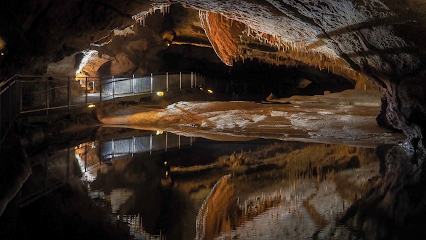
Discover the breathtaking underground beauty of Grottes de Lacave, a must-visit tourist attraction in the heart of France's stunning landscapes.
Château de La Grèze
18.3 km
Experience the charm of Château de La Grèze, a serene guest house in Beaulieu-sur-Dordogne, surrounded by lush landscapes and rich heritage.

Chateau de Turenne
21.6 km
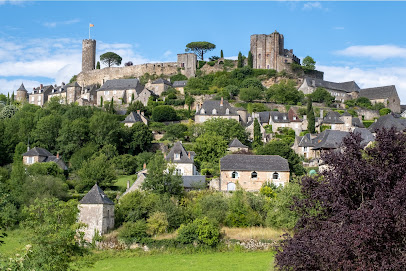
Explore a medieval fortress in one of France's most beautiful villages, with stunning views and a rich history to discover.
Château de Salignac
30.5 km
Explore the enchanting Château de Salignac, a cultural landmark steeped in history and surrounded by stunning gardens in the heart of Salignac-Eyvigues.
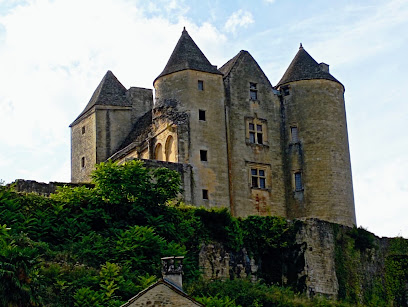
Tours de Merle
36.9 km
Discover the medieval mysteries of Tours de Merle, a unique fortified village in the heart of the Corrèze, where seven noble families once reigned.
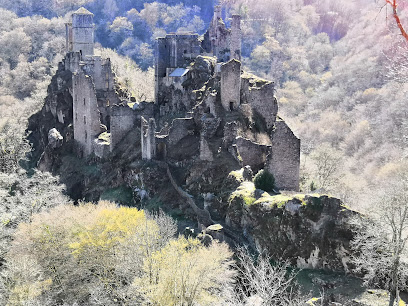
Lanternes Des Morts
37.1 km
Explore the Lanternes Des Morts in Sarlat-la-Canéda, a stunning historical landmark showcasing the region's medieval heritage and architectural beauty.
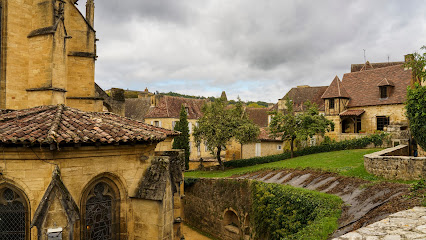
Le Badaud
37.1 km
Meet Le Badaud, Sarlat's iconic bronze sculpture, offering a unique perspective on the historic Place de la Liberté.

Fort de La Roque-Gageac
40.2 km
Explore Fort de La Roque-Gageac, a historic gem by the Dordogne River, rich in history and surrounded by breathtaking natural beauty.
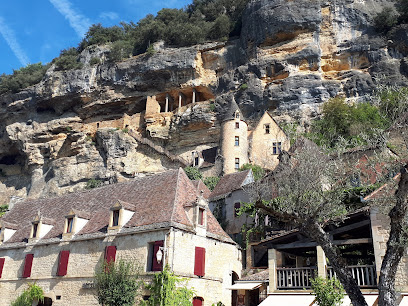
Pech Merle
41.2 km
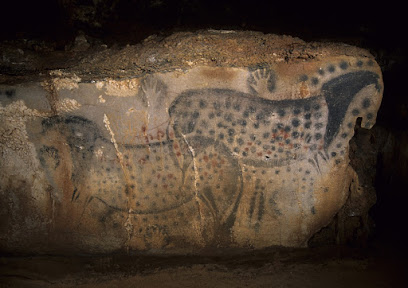
Discover the awe-inspiring prehistoric art and stunning formations of Pech Merle, a historical landmark that connects you to ancient human history.
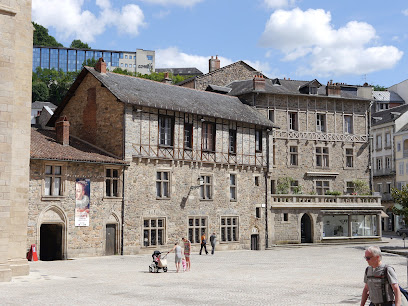
Musee Du Cloitre
44.0 km
Explore Tulle's heritage within the historic Musée du Cloître, a stunning example of Gothic architecture and regional history.
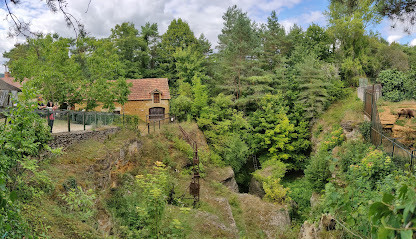
The Regourdou
44.7 km
Explore the ancient wonders of Regourdou in Montignac-Lascaux, where history and nature converge in a breathtaking prehistoric experience.
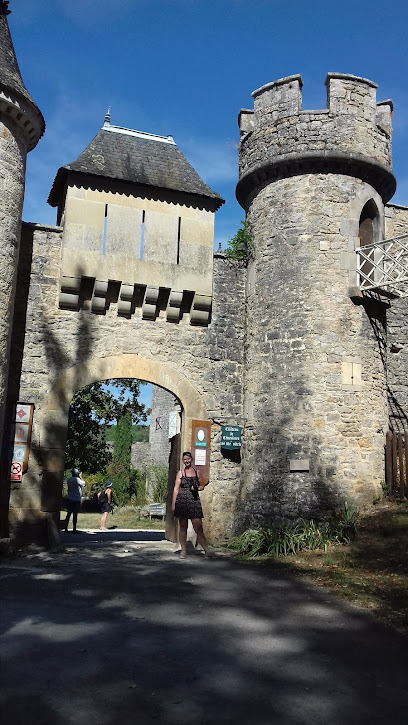
Chateau Cenevieres
46.3 km
Experience the enchanting allure of Chateau Cenevieres, a stunning medieval castle showcasing rich history and breathtaking architecture in the French countryside.
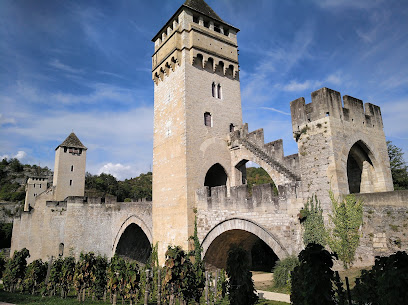
Pont Valentré
52.1 km
Experience the stunning Pont Valentré in Cahors, a UNESCO World Heritage Site renowned for its medieval architecture and incredible scenic beauty.
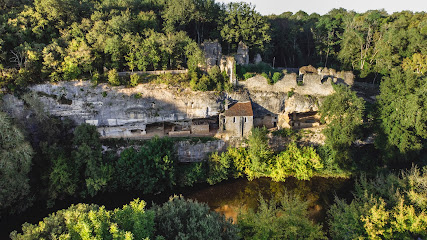
Abri de la Madeleine
52.5 km
Discover prehistoric life at Abri de la Madeleine, a UNESCO World Heritage site in the Vézère Valley, France. Explore ancient art and Magdalenian culture.
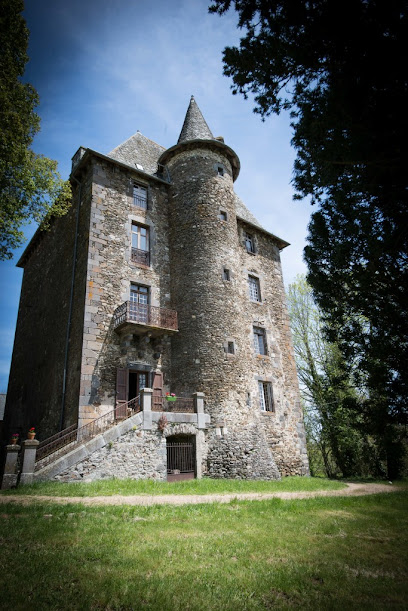
Chateau Auvergne France
56.1 km
Experience medieval charm and modern comfort at Château Auvergne France, a historic castle nestled in the scenic landscapes of Aurillac.
Unmissable attractions to see

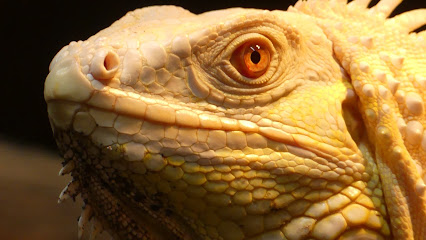
Padiparc - Parc zoologique
5.3 km
Discover the secrets of the reptilian world at Padiparc, an unforgettable zoological adventure in the heart of Padirac, showcasing diverse reptiles, amphibians, and arachnids.
Gouffre de Padirac
5.3 km
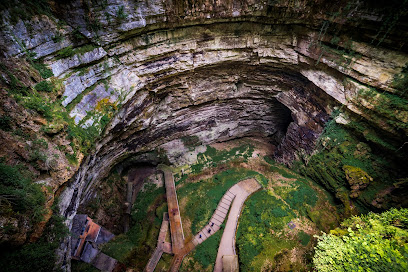
Explore the breathtaking Gouffre de Padirac, a stunning underground cavern in France featuring magnificent rock formations and a serene underground river.
Pays d'art et d'histoire de la vallée de la Dordogne lotoise
5.9 km
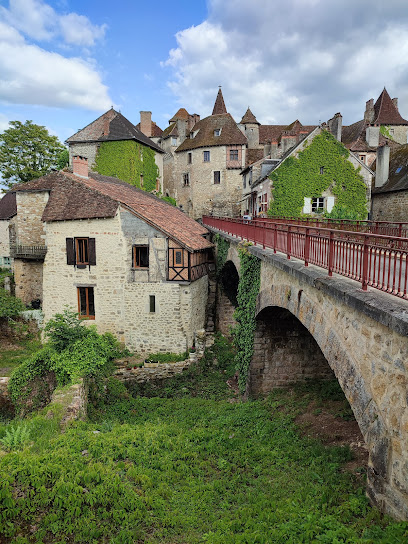
Discover the enchanting Château des Doyens in Carennac, a cultural attraction that celebrates the rich heritage of the Dordogne Valley.
Moulin de Tournefeuille
9.1 km
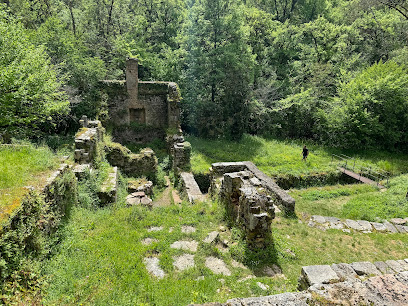
Discover the charm of Moulin de Tournefeuille in Rocamadour, a beautifully preserved 18th-century mill offering a serene escape into the region's rich history and natural beauty.
Monkey Forest
9.1 km
Observe Barbary macaques roaming freely in a natural habitat at La Forêt des Singes, a unique conservation park near Rocamadour dedicated to primate preservation and education.
Grotte Préhistorique des Merveilles
9.4 km
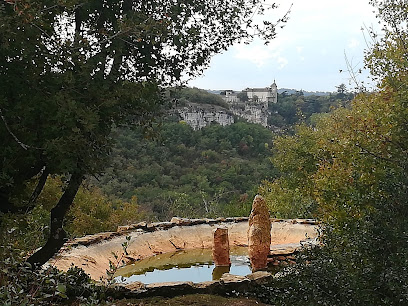
Explore the enchanting Grotte Préhistorique des Merveilles in Rocamadour, where ancient history and stunning natural beauty come together.
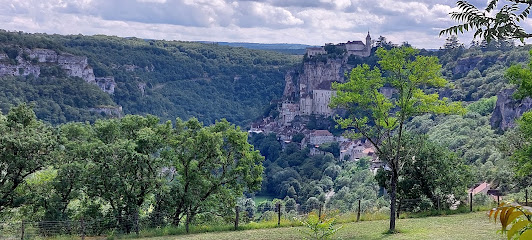
Cascade d'Autoire
10.3 km
Discover the breathtaking beauty of Cascade d'Autoire, a stunning waterfall and hiking paradise nestled in the heart of France's scenic landscapes.
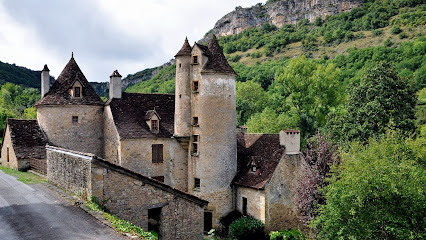
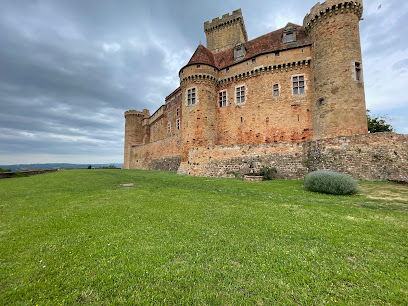
Castelnau-Bretenoux Castle
11.1 km
Discover the Château de Castelnau-Bretenoux, a majestic medieval fortress in the Dordogne Valley, offering a captivating journey through French history and breathtaking panoramic views.
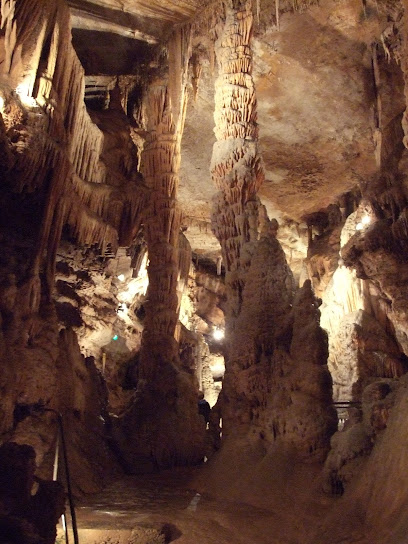
Grottes de Presque
12.4 km
Explore the mesmerizing Grottes de Presque in the Dordogne: a stunning subterranean world of stalactites, stalagmites, and colorful concretions, discovered in 1825, offering guided tours for an unforgettable experience.
Animal Park of Gramat
13.3 km
Discover European wildlife in a natural setting at the Animal Park of Gramat, home to over 1,000 animals and dedicated to conservation and education in the heart of the Causses du Quercy.
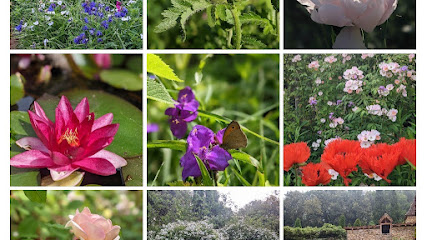
Les Jardins de Cadiot
25.9 km
Experience the serene beauty of Les Jardins de Cadiot in Carlux, a tranquil garden paradise for nature lovers and tourists seeking relaxation.
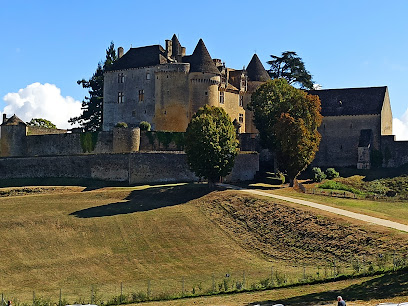
Château de Fénelon
26.9 km
Explore the historic Château de Fenelon, a stunning castle nestled in the Dordogne region, where breathtaking architecture meets serene landscapes.
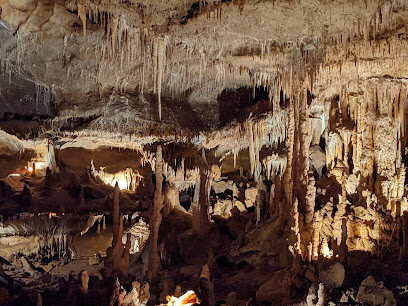
Grottes préhistoriques de Cougnac
28.0 km
Explore prehistoric art and stunning geological formations at the Grottes de Cougnac, a captivating journey through time in the heart of the Lot region.
Zoological Reserve Calviac
30.0 km
Explore the wonders of nature at Zoological Reserve Calviac, a family-friendly animal park in the heart of Calviac-en-Périgord, France.
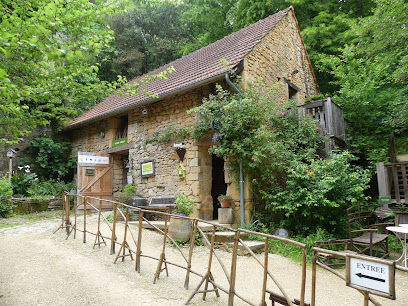
The Gardens of Eyrignac Manor
30.1 km
Experience the enchanting beauty of The Gardens of Eyrignac Manor, a historical gem in Dordogne with stunning landscapes and rich heritage.
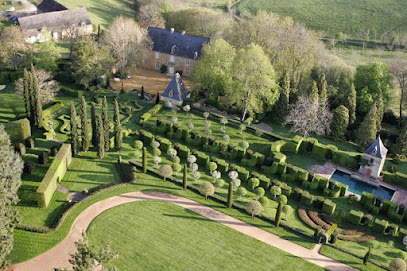
Essential places to dine

Hôtel Restaurant Le Bellevue
9.4 km
Experience exquisite French and Mediterranean cuisine with stunning views at Hôtel Restaurant Le Bellevue in enchanting Rocamadour.
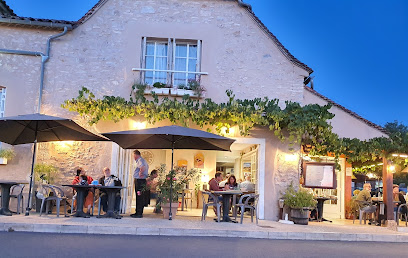
Château de la Treyne
13.2 km
Experience unparalleled luxury at Château de la Treyne: A stunning hotel and gourmet restaurant nestled along France's Dordogne River.
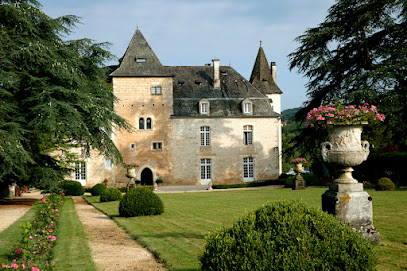
Côté Dordogne
16.6 km
Experience exquisite modern French cuisine at Côté Dordogne, where tradition meets innovation in beautiful Beaulieu-sur-Dordogne.
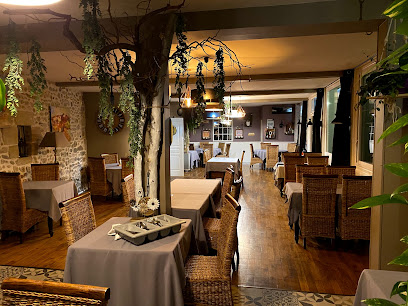
La Borie Blanche
34.0 km
Experience authentic French cuisine at La Borie Blanche in Domme – where local flavors meet exquisite dining.
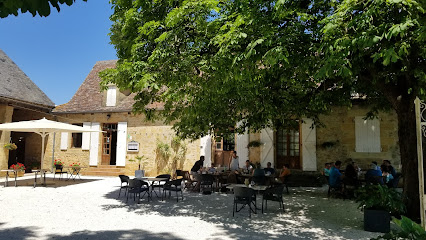
Hôtel Le Pech de Malet
34.8 km
Discover serenity at Hôtel Le Pech de Malet in Vitrac, where comfort meets exquisite French dining amidst stunning Dordogne landscapes.
Auberge d'Imbes - Restaurant Sarlat Lascaux
36.1 km
Experience authentic French cuisine at Auberge d'Imbes in Archignac—where local flavors meet culinary excellence in a charming setting.
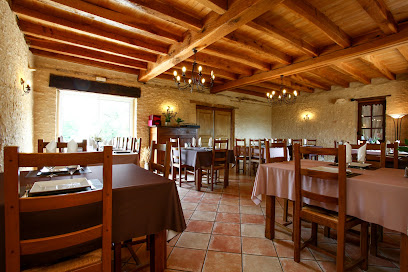
Restaurant Le Grand Bleu
36.9 km
Experience culinary excellence at Restaurant Le Grand Bleu in Sarlat-la-Canéda - where haute French cuisine meets charming ambiance.
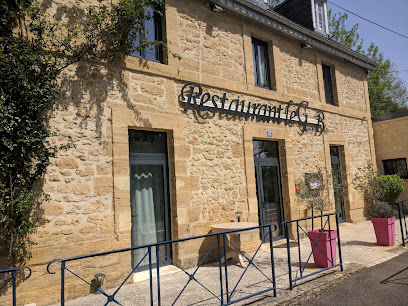
Restaurant Le Saint-Martial près de Domme
36.9 km
Experience the finest French cuisine at Restaurant Le Saint-Martial in beautiful Saint-Martial-de-Nabirat.
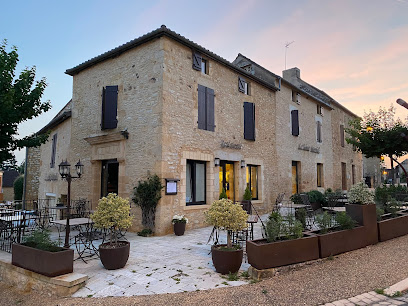
Hôtel - Restaurant La Couleuvrine
37.0 km
Discover the charm of Sarlat-la-Canéda at Hôtel - Restaurant La Couleuvrine: A culinary haven blending modern French cuisine with rustic elegance.
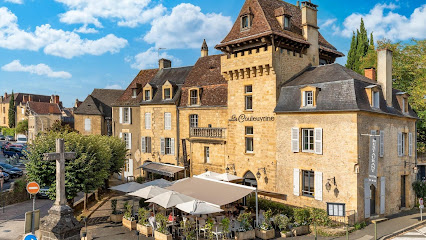
L'Assiette Sarladaise
37.1 km
Experience authentic French cuisine in the heart of Sarlat-la-Canéda at L'Assiette Sarladaise, where every dish tells a story.
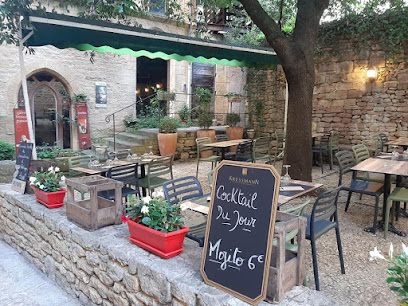
La Treille Restaurant
37.1 km
Experience exquisite French cuisine with stunning river views at La Treille Restaurant in Vitrac.
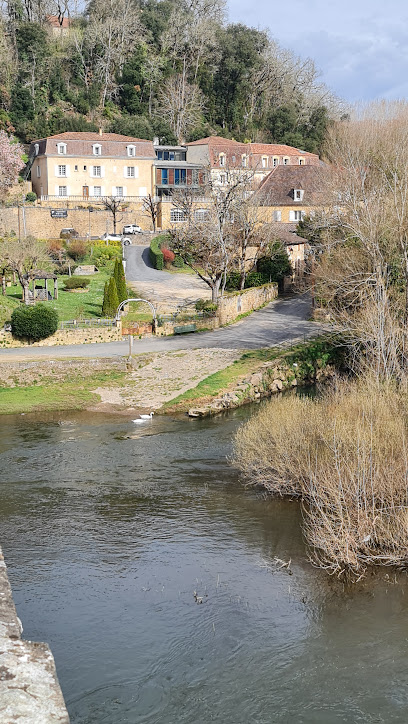
Restaurant L'Esprit Sarlat
37.2 km
Experience authentic French cuisine at Restaurant L'Esprit Sarlat in the heart of beautiful Sarlat-la-Canéda.
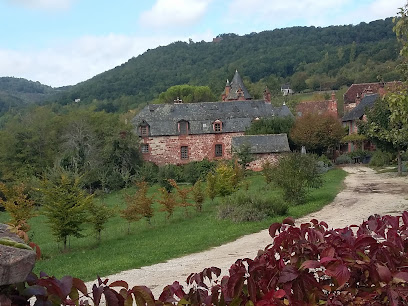
LES FINES GUEULES
37.3 km
Experience the best of French cuisine with a fusion twist at Les Fines Gueules in Sarlat-la-Canéda – where every meal is a masterpiece.
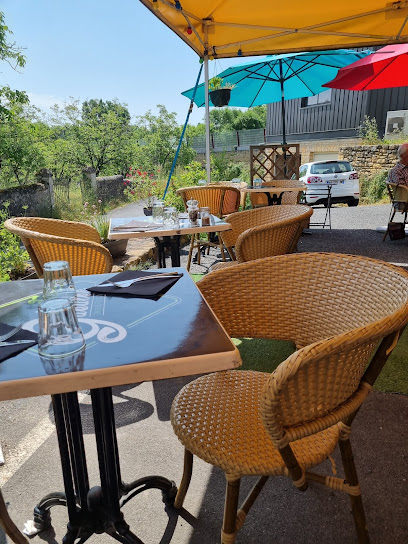
Auberge Le Colombier
38.1 km
Experience authentic French cuisine at Auberge Le Colombier in La Roque-Gageac, where local flavors meet breathtaking views.
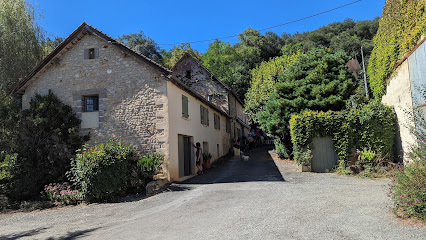
Cabanoix et Châtaigne
38.2 km
Experience authentic French cuisine at Cabanoix et Châtaigne in Domme—where local flavors meet culinary artistry.
Markets, malls and hidden boutiques

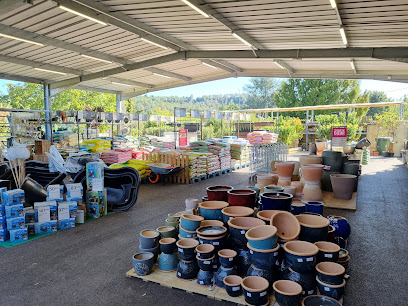
Gamm vert
36.0 km
Explore Gamm Vert in Sarlat-la-Canéda for an unparalleled selection of plants, gardening tools, and pet supplies in a serene garden center.
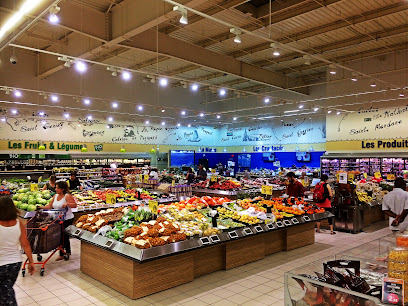
E.Leclerc SARLAT
36.6 km
Discover E.Leclerc Sarlat, a vibrant hypermarket offering fresh produce, local delicacies, and everyday essentials in Sarlat-la-Canéda.
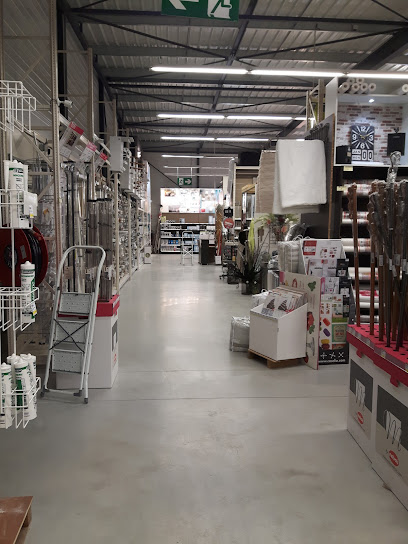
Bricorama Sarlat-La-Canéda
36.8 km
Explore Bricorama Sarlat-La-Canéda for all your DIY needs and unleash your creativity in home improvement.
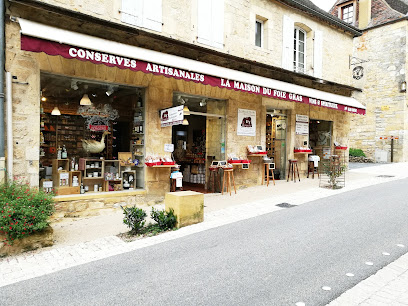
The house of Foie Gras
38.2 km
Discover the flavors of France at La Maison du Foie Gras in Domme, where gourmet delicacies meet tradition in a delightful shopping experience.
L'esprit Jardiland
39.9 km
Discover L'esprit Jardiland, a premier garden center in Terrasson-Lavilledieu, offering an array of plants, DIY tools, and pet supplies for nature enthusiasts.
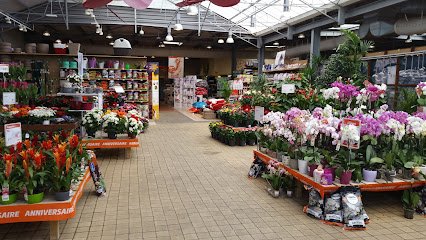
Les Comptoirs de la Bio Le Bugue
60.2 km
Explore the vibrant world of organic products at Les Comptoirs de la Bio Le Bugue, where sustainability meets flavor in a charming setting.
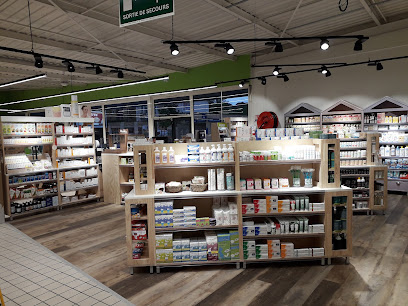
Super U and Drive - op Atlantic
71.4 km
Discover convenience and local flavors at Super U and Drive - op Atlantic, your essential supermarket and car rental hub in Saint-Martial-d'Albarède.
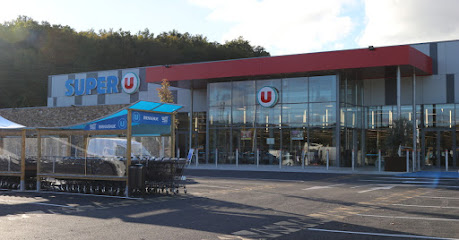
Bricorama Lalinde
74.4 km
Explore Bricorama Lalinde, a DIY paradise packed with tools, materials, and inspiration for all your home improvement and crafting needs.

Cat Lovers
76.8 km
Explore Cat Lovers in Sannard: A delightful fashion accessories store dedicated to feline enthusiasts, offering unique decor and stylish accessories.

Mes Jolies Merveilles
77.4 km
Explore Mes Jolies Merveilles: a unique blend of photography, wellness, and exquisite gifts in Boulazac Isle Manoire.
Nontron
79.1 km
Explore Nontron, France - A Hidden Gem of Cutlery Craftsmanship and Scenic Beauty
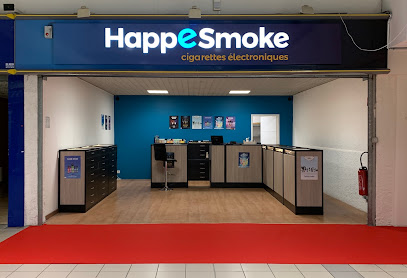
HappeSmoke - Boutique Cigarette Electronique et CBD
79.6 km
Explore HappeSmoke in Boulazac Isle Manoire for top-tier vaporizers and CBD products in a welcoming boutique atmosphere.
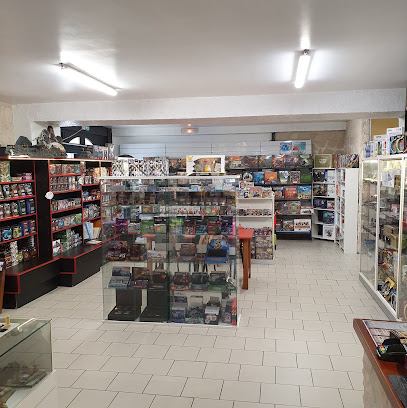
Le Coin des Barons Périgueux (Omegastore)
79.8 km
Explore Le Coin des Barons Périgueux, a premier game store in Boulazac Isle Manoire, offering a diverse range of board games and collectibles for all ages.
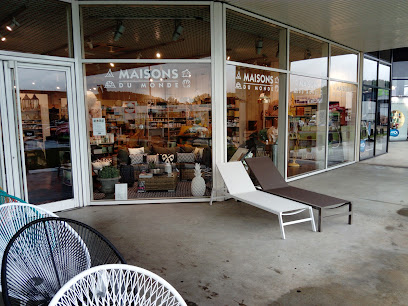
Maisons du Monde
80.2 km
Explore Maisons du Monde in Boulazac Isle Manoire, the ultimate destination for unique home decor, furniture, and gifts that reflect French elegance.
celio
80.3 km
Explore Celio, a top men's clothing store in Boulazac Isle Manoire, offering stylish apparel and accessories for every occasion.

Essential bars & hidden hideouts

L'Endroit
37.1 km
Experience the best of French cuisine and creative cocktails at L'Endroit, a vibrant bar and restaurant in Sarlat-la-Canéda.
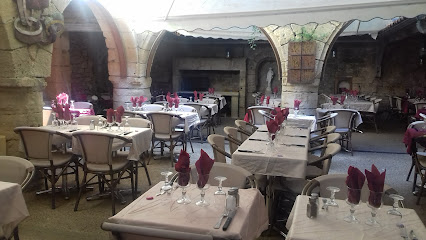
Bar club à striptease le BARON
37.7 km
Experience the vibrant nightlife at Le BARON, a captivating lounge in Sarlat-la-Canéda, blending entertainment and elegance for an unforgettable evening.
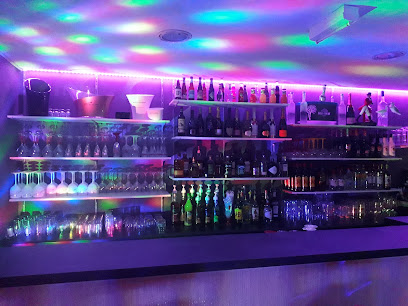
Restaurant Maleville
43.2 km
Experience the essence of French cuisine at Restaurant Maleville in Beynac-et-Cazenac, a culinary gem with local flavors and stunning views.
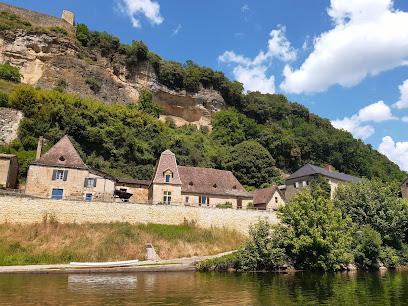
Baràtrucs
49.0 km
Discover Baràtrucs, a charming bar in Lherm offering a cozy atmosphere, delightful drinks, and a taste of local culture.
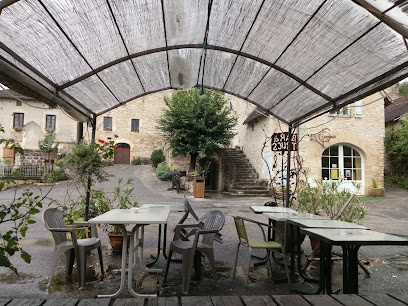
La Taverne
50.9 km
Discover the charm of La Taverne in Saint-Cyprien, where authentic French cuisine meets a warm, inviting atmosphere, perfect for travelers.
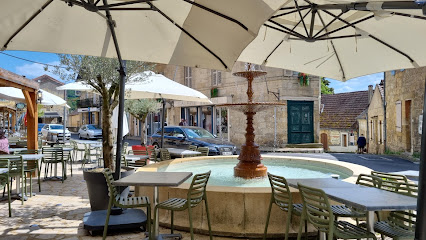
L Ourasi
71.9 km
Experience the charm of L Ourasi, a traditional bar PMU in Lanouaille, where locals gather to unwind over drinks and delightful conversation.
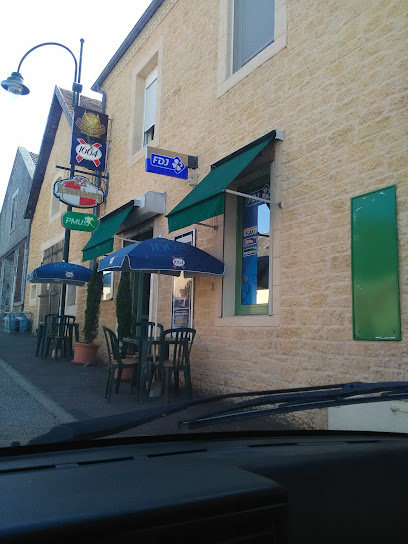
Au Bureau Boulazac
80.4 km
Discover the lively atmosphere and delectable dishes at Au Bureau Boulazac, a perfect blend of bar and restaurant in Boulazac Isle Manoire.
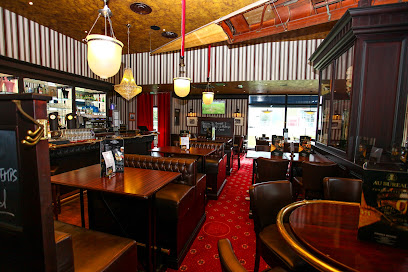
BAM Brasserie Artisanale
81.9 km
BAM Brasserie Artisanale: A delightful brewpub in Périgueux offering artisanal beers and exquisite local cuisine in a charming atmosphere.
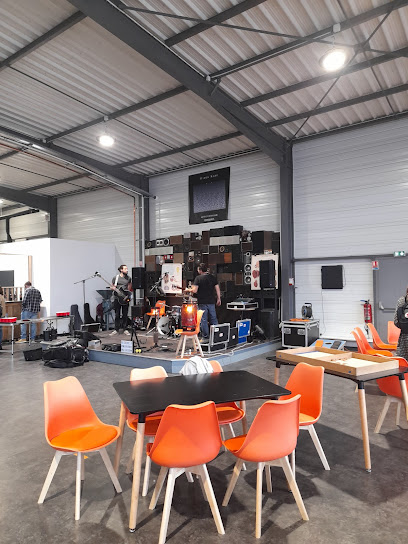
The Silver Owl
83.2 km
Discover The Silver Owl in Périgueux, a cocktail bar and restaurant offering exquisite tapas and creative drinks in a vibrant atmosphere.
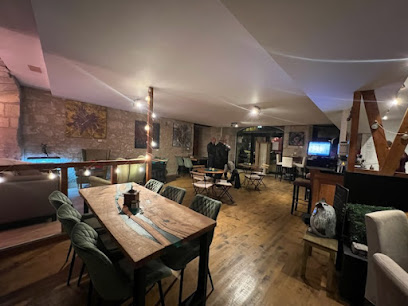
Le Petit caviste by le Tib'
83.2 km
Explore fine wines and delightful pairings at Le Petit Caviste by Le Tib' in the heart of Périgueux, an essential stop for wine lovers.
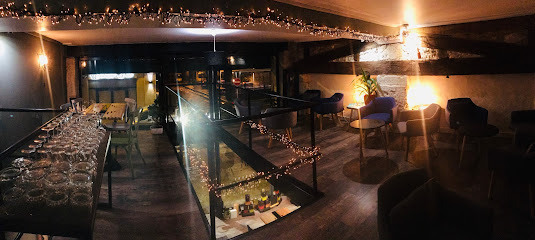
Le QG
83.2 km
Discover the vibrant social scene at Le QG, a popular bar in Périgueux offering a delightful selection of drinks and local charm.
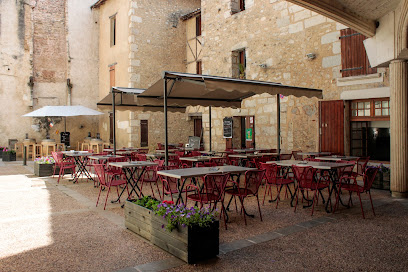
La Clarté du Vin - bar à vin
83.2 km
Discover the best wine and tapas in Périgueux at La Clarté du Vin, your go-to wine bar for an unforgettable tasting experience.
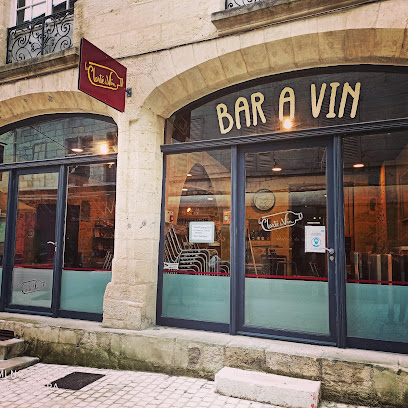
Watson's Pub
83.2 km
Enjoy a delightful mix of brasserie and pub fare at Watson's Pub in Périgueux, where local flavors meet a vibrant atmosphere.
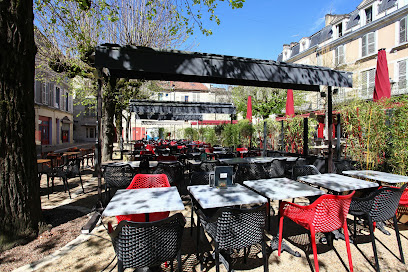
Le Café de la Place Périgueux
83.3 km
Discover Le Café de la Place Périgueux: A charming bar, restaurant, and brewery in the heart of Périgueux offering delightful local flavors and a vibrant atmosphere.
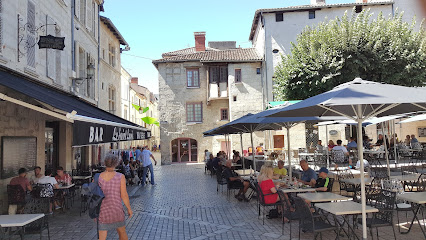
Le 4YM
83.3 km
Discover the vibrant nightlife of Périgueux at Le 4YM, a cozy bar offering an extensive drink menu and a warm atmosphere for relaxation and fun.
Nightclubs & after hour spots

Discothèque le SUN7
34.6 km
Discover the pulsating nightlife of Sarlat-la-Canéda at Discothèque le SUN7, where music and dance create unforgettable memories.
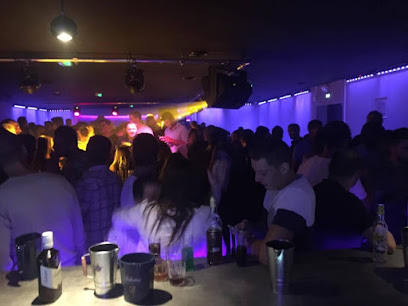
$ CB a!45
36.4 km
Discover the lively nightlife at $ CB a!45, Sarlat-la-Canéda's premier night club for unforgettable experiences and vibrant music.
Xaserca
46.2 km
Discover the vibrant nightlife at Xaserca, a lively night club in Le Lardin-Saint-Lazare offering music, dancing, and a fun atmosphere for all.
Le Lucky
55.4 km
Unleash your energy at Le Lucky, the vibrant night club in Siorac-en-Périgord, where music meets fun in a delightful atmosphere.
Club Expression
82.6 km
Discover the energetic nightlife of Club Expression in Périgueux, where music, dancing, and vibrant atmosphere create unforgettable experiences.
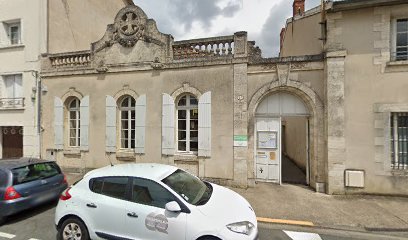
La Suite
82.9 km
Discover the electrifying nightlife of La Suite in Périgueux, where unforgettable moments and pulsating beats await every night.
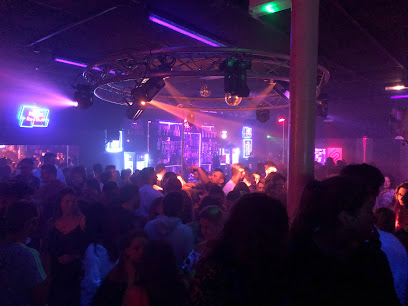
L'Ubu Club - Périgueux
84.0 km
Experience the lively nightlife at L'Ubu Club in Périgueux, where vibrant music and an energetic atmosphere await every party-goer.

H-TAG Discothèque - Périgueux
84.7 km
Dive into the electrifying nightlife of Périgueux at H-TAG Discothèque - where the music, dance, and good vibes never stop.

Z'N - Creysse
90.7 km
Discover the electrifying nightlife of Z'N - Creysse, a vibrant disco club where music, dancing, and unforgettable memories await.
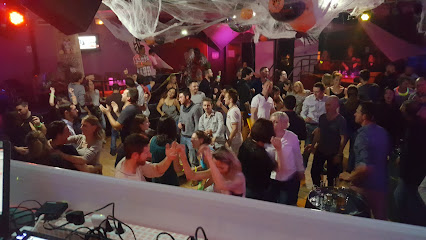
Périgord noir
92.1 km
Explore the stunning landscapes and rich history of Périgord Noir, a charming region in southwestern France, perfect for nature and culture enthusiasts.
WHY NOT CLUB
96.4 km
Dive into the vibrant nightlife at WHY NOT CLUB in Montauban - a must-visit destination for party lovers seeking unforgettable experiences.