Pointe Vénus, Tahiti Travel Guide
Discover Tahiti's historic Pointe Vénus: black sand beaches, iconic lighthouse, and Captain Cook's celestial observations await!
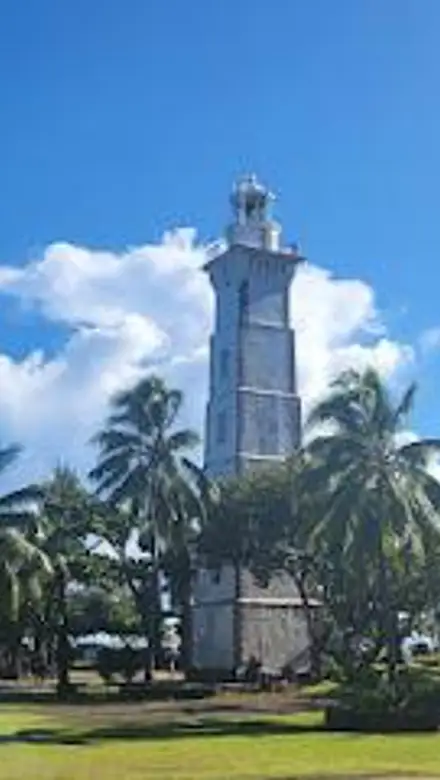
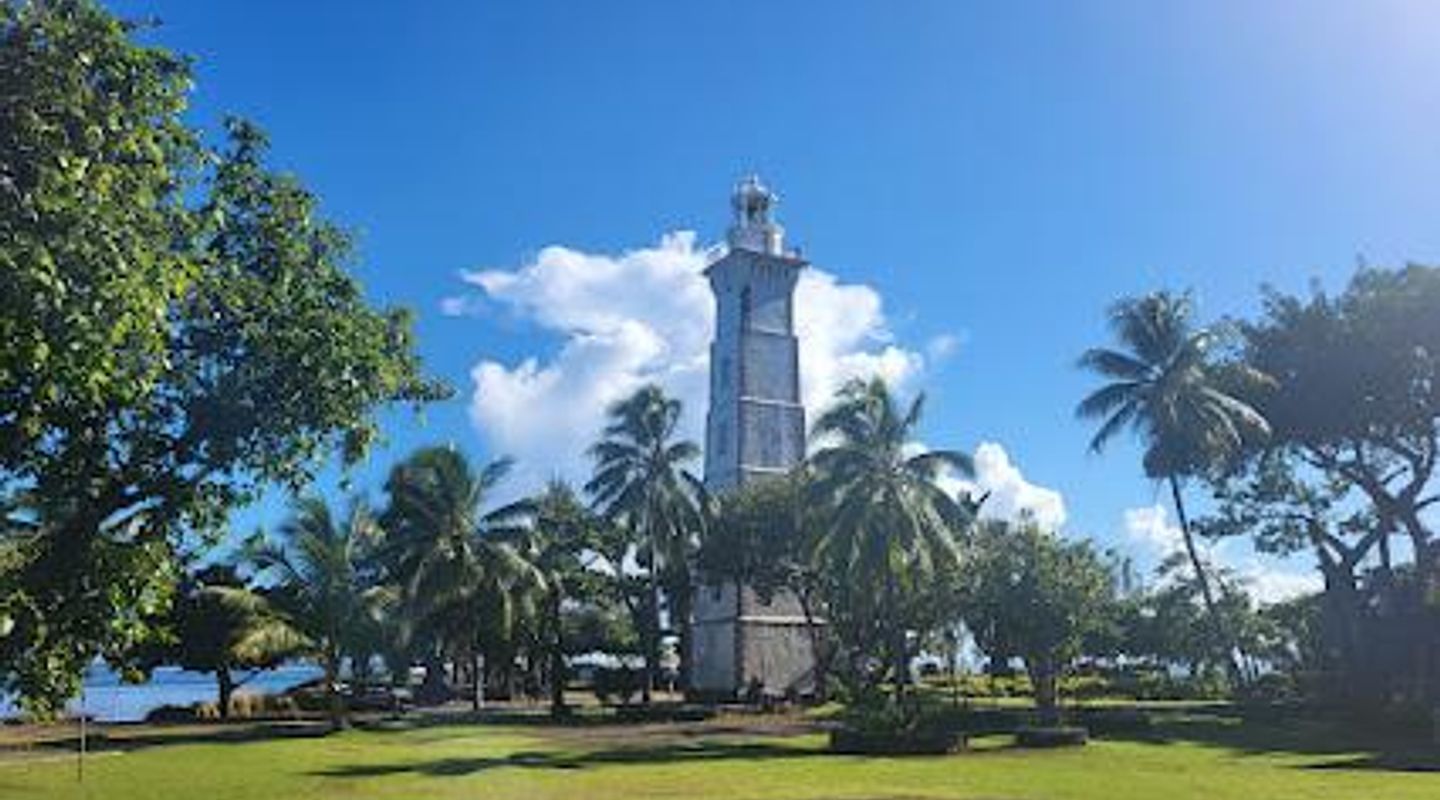
Pointe Vénus, located in Māhina, Tahiti, is a historic peninsula known for its black sand beach, iconic lighthouse, and stunning views of Matavai Bay and Moorea. It marks the spot where Captain James Cook observed the transit of Venus in 1769, lending the point its celestial name.
A brief summary to Pointe Vénus
- Māhina, PF

Know before you go
Hi, I'm Eve. Here are a few practical things to know before exploring Pointe Vénus.
- Visit early in the morning or late afternoon to avoid crowds and enjoy the best lighting for photography.
- Bring reef-safe sunscreen to protect the delicate marine environment while swimming or snorkeling.
- Explore the craft shops near the beach for unique souvenirs and local artwork.
- Take a moment to appreciate the historical significance of the site and learn about Captain Cook's expedition.
Do you manage this location?
Take control to get all the benefits, like improved information, better appearance, and stronger visibility across AI-powered discovery. Learn more about listing your business on Evendo
Activate your presenceOther nearby places you may find interesting
The closest places of the same kind, if this one is not quite what you had in mind.


Explore Pointe Vénus on the Map
A handpicked selection of must-see spots near Pointe Vénus, mapped for you.
Unlock the Best of Pointe Vénus
Buy tickets
-
No tickets available
Book tours with entry


Book tours without entry

Getting There
-
Public Transport
From Papeete, take the bus towards Mahina. Buses run approximately every three hours. The ride takes about 18 minutes to reach Mahina. From the Mahina bus stop, Pointe Vénus is a short taxi or bus ride away. Bus fare from Papeete to Mahina is approximately 750 XPF.
-
Taxi
Taxis are readily available in Papeete. A taxi ride from Papeete to Pointe Vénus takes approximately 10 minutes, covering around 10 km. The estimated fare is around 1,500 XPF, but confirm the price before starting your journey.
-
Car
From Papeete, follow the coastal road (Route 1) north towards Mahina. The drive is approximately 10 km and takes about 10 minutes. Free parking is available at Pointe Vénus, though spaces may be limited.
Discover more about Pointe Vénus













Your all‑in‑one travel companion app
Explore expert travel guides, compare and book tours, experiences, hotels, and more—all from the palm of your hand. Download now for seamless trip planning wherever your wanderlust takes you.


Explore More of Tahiti
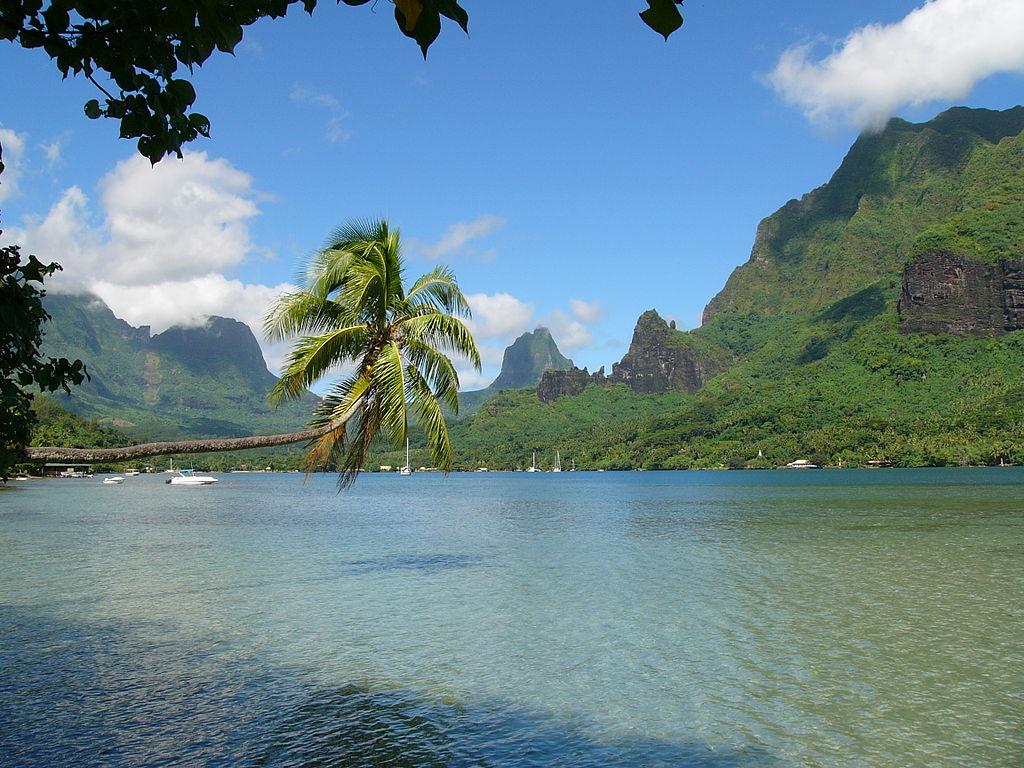
Looking beyond Pointe Vénus? Discover Tahiti for broader travel guides, local hot-spots, and regional highlights.
Explore Tahiti
Discover a vibrant underwater world in Papeete's Natural Aquarium: Snorkeling paradise with colorful fish and coral reefs in crystal-clear waters.

Discover unique Polynesian masterpieces at MANUA Exquisite Tahitian Art, showcasing local artists' carvings in wood, stone, and mother-of-pearl.