

Gaboon Estuary, Gabon Travel Guide
Discover the Gaboon Estuary: A blend of lush mangroves, diverse wildlife, and rich cultural history in the heart of Gabon, perfect for nature lovers and adventurers.
The Gaboon Estuary in Gabon is a hidden gem in Central Africa. This estuary is a natural wonder, where the Atlantic Ocean meets the serene waters of the Gabon River. The estuary is surrounded by lush mangrove forests, creating a unique ecosystem that is home to diverse wildlife. Bird watchers will be delighted with the variety of bird species, including the rare African grey parrot and the colorful kingfisher. The estuary is also a haven for marine life, with dolphins, manatees, and various fish species swimming in its waters. Visitors to the Gaboon Estuary can embark on boat tours to explore its beauty and encounter its rich biodiversity. The boat rides offer a chance to see the mangroves up close and witness the daily life of local fishermen. The estuary is also a great spot for kayaking and canoeing, providing an adventurous way to navigate its waterways. For those interested in culture, nearby villages offer a glimpse into the traditional lifestyle of the Gabonese people. The Gaboon Estuary is not just about nature; it is also a place of historical significance. The estuary has been an important trade route for centuries, and remnants of old trading posts can still be found along its shores. Visiting the estuary offers a perfect blend of nature, adventure, and history, making it an ideal destination for eco-tourists and history enthusiasts alike.

Know before you go
Hi, I'm Eve. Here are a few practical things to know before exploring Gaboon Estuary.
- Bring binoculars for bird watching; the estuary is home to many rare bird species.
- Hire a local guide for boat tours to gain deeper insights into the estuary's ecosystem and history.
- Wear lightweight, long-sleeved clothing to protect against mosquitoes and the sun.
- Visit local villages to experience traditional Gabonese culture and crafts.
- Carry a waterproof camera to capture the stunning landscapes and wildlife.
Top City Travel Guides in Gaboon Estuary
The cities of Gaboon Estuary, and the easiest places to base yourself.


Destinations in Gaboon Estuary
Resorts, valleys and scenic spots worth a trip of their own.



Explore Gaboon Estuary: Things to Do, Places to Eat, Hotels & More
Handpicked recommendations for top attractions, local dining, accommodations, and more

Top Attractions & Sightseeing in Gaboon Estuary
Top-rated picks
Best Attractions

Bois des Géants
Explore the enchanting Bois des Géants, a lush nature preserve in Gabon, where diverse wildlife and serene landscapes await your discovery.
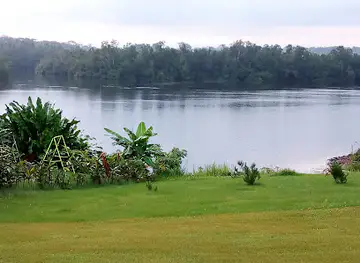
Akanda National Park
Explore Gabon's coastal gem: Akanda National Park, a haven for migratory birds, marine life, and lush mangrove ecosystems near Libreville.

Ndossi Village
Discover Ndossi Village: Adventure, relaxation, and Gabonese culture await near Libreville. Hiking, water sports, and local charm in a picturesque setting.

Arboretum Raponda Walker
Explore Gabon's natural heritage at Arboretum Raponda Walker: hiking trails, diverse flora, and a tranquil escape near Libreville.

Best landmarks in Gaboon Estuary
Top-rated picks
Best Landmarks

Marché Mont Bouët
Discover the colorful culture and local flavors at Marché Mont Bouët, the heart of Libreville's lively market scene.

La Baie des Tortues Luth Hotel
Discover the tranquility of La Baie des Tortues Luth Hotel, your gateway to the natural beauty of Parc National de Pongara in Libreville, Gabon.

Sibang Arboretum
Discover the tranquil beauty of Sibang Arboretum in Libreville, a perfect escape for nature lovers and a glimpse into Gabon's rich biodiversity.

Village des Artisans
Explore the vibrant Village des Artisans in Libreville for unique Gabonese handicrafts and an immersive cultural experience.

Best restaurants in Gaboon Estuary
Top-rated picks
Best Restaurants

La Sauce Créole Restaurant
Experience authentic Gabonese cuisine at La Sauce Créole Restaurant in Libreville – where vibrant flavors meet warm hospitality.

Chez Jeannot
Experience authentic Gabonese flavors at Chez Jeannot in Libreville - where every dish tells a story!

BANTU Restaurant – Restaurant – Bar – Pizzeria
Discover the flavors of Gabon at BANTU Restaurant – where pizza meets local cuisine in a vibrant atmosphere.

La Voile Rouge
Experience the vibrant flavors of Gabon at La Voile Rouge in Libreville – where culinary tradition meets modern elegance.

Best bars in Gaboon Estuary
Top-rated picks
Best Bars

BANTU Restaurant – Restaurant – Bar – Pizzeria
Discover the vibrant culinary scene at BANTU Restaurant in Libreville, offering delicious pizzas and a lively bar atmosphere in the heart of Gabon.

La Voile Rouge
Experience the vibrant flavors of Gabon at La Voile Rouge, Libreville's premier restaurant with stunning views and a diverse menu.

Stade de l’Amitié
Experience the thrilling atmosphere of Stade de l’Amitié in Libreville, Gabon, where sports and culture come alive in a vibrant setting.

Le Moulin d'Okala
Discover a culinary gem in Libreville at Le Moulin d'Okala, where delightful pastries, pizzas, and ice cream await in a cozy atmosphere.

Best nightclubs in Gaboon Estuary
Top-rated picks
Best Nightclubs
Radisson Blu Okoume Palace Hotel, Libreville
Experience luxury and Gabonese hospitality at Radisson Blu Okoume Palace Hotel in Libreville, the perfect base to explore the vibrant culture and stunning landscapes of Gabon.

Beach Club
Experience the best of French and African cuisines at Beach Club, a coastal gem in Libreville with stunning views and delectable dishes.

HYPE BAR LOUNGE
Discover the lively Hype Bar Lounge in Libreville, where vibrant nightlife meets a welcoming atmosphere for an unforgettable experience.

Bodega Mbolo
Discover the flavors of Gabon at Bodega Mbolo, a top restaurant in Libreville offering a delightful mix of local and international cuisine.

Best shops in Gaboon Estuary
Top-rated picks
Best Shops

Maxi Ckdo Akanda
Experience the vibrant shopping scene at Maxi Ckdo Akanda, where local culture meets convenience in the heart of Akanda.

Village des Artisans
Explore the vibrant Village des Artisans in Libreville, where Gabonese craftsmanship comes to life through unique handicrafts and cultural experiences.

Sogame Equip
Visit Sogame Equip in Libreville for all your hardware needs, featuring quality tools and supplies at competitive prices.

Cathédrale Sainte Marie
Discover the architectural beauty and spiritual significance of Cathédrale Sainte Marie in Libreville, Gabon, a must-visit for every traveler.

Explore Gaboon Estuary on the Map
A handpicked selection of must-see spots in Gaboon Estuary, mapped for you.
Gaboon Estuary Essentials
-
The Gaboon Estuary is accessible through Libreville, the capital of Gabon, which is served by Léon-Mba International Airport. Direct flights connect Libreville with several major cities in Africa and Europe. From the airport, you can hire a taxi or arrange for a hotel shuttle to take you to the estuary, which is about a 30-minute drive from downtown Libreville. Alternatively, you can rent a car from the airport for more flexibility.
-
Within the Gaboon Estuary area, transportation options include taxis, private car rentals, and boats. Taxis are relatively affordable and can be hailed on the street or booked via apps. If you plan to explore the estuary's waterways, consider renting a boat or joining a guided boat tour. Public transportation is limited, so renting a car or hiring a private driver might be the most convenient options for extended trips.
-
The official currency in Gabon is the Central African CFA Franc (XAF). Credit cards are accepted in many hotels, restaurants, and larger shops in Libreville, but it's advisable to carry some cash, especially when visiting smaller establishments or remote areas. ATMs are available in Libreville, and it's a good idea to withdraw sufficient cash before heading to the estuary.
-
While the Gaboon Estuary is generally safe for tourists, it is important to stay vigilant. Avoid walking alone at night and be cautious in crowded areas to prevent pickpocketing. Certain neighborhoods in Libreville, such as Nkembo and Lalala, have higher crime rates and should be avoided, especially after dark. Always keep your belongings secure and be aware of your surroundings.
-
In case of emergency, dial 177 for police assistance or 1300 for medical emergencies. The main hospital in Libreville is the Hôpital d'Instruction des Armées, which offers emergency services. It's recommended to have travel insurance that covers medical emergencies and to carry a basic first aid kit. For minor health issues, pharmacies are available throughout Libreville.
-
Fashion: Do dress modestly, especially when visiting religious or cultural sites. Avoid overly revealing clothing. Religion: Do respect local customs and traditions. Always ask for permission before taking photos in religious sites. Public Transport: Do be respectful and courteous to fellow passengers. Don't eat or drink on public transport. Greetings: Do greet people with a handshake and a smile. A slight bow of the head is also a sign of respect. Eating & Drinking: Do try local dishes and accept food offerings graciously. Don't refuse hospitality, as it is considered impolite.
-
To experience the Gaboon Estuary like a local, visit the local markets where you can buy fresh seafood, fruits, and traditional Gabonese goods. Engage with locals, who are often friendly and willing to share stories about the area's history and culture. Don't miss a boat tour of the estuary to observe the rich biodiversity, including various bird species and mangroves. For a unique experience, attend a traditional dance performance or music event in one of the local villages.
When is the best time to visit Gaboon Estuary?
Useful Local Phrases for Gaboon Estuary
You don't need to speak the language perfectly. Even learning a few simple words can make conversations warmer—and locals usually appreciate the effort.
— Eve

Here are the phrases I use most often in Gaboon Estuary. Try a few—you'll be surprised how far they go! 😊
❤️
-
- HelloBonjour
[bɔ̃ʒuʁ] - GoodbyeAu revoir
[o ʁəvwaʁ] - YesOui
[wi] - NoNon
[nɔ̃] - Please/You're welcomeS'il vous plaît
[sil vu plɛ] - Thank youMerci
[mɛʁsi] - Excuse me/SorryExcusez-moi
[ɛkskyze mwa] - How are you?Comment ça va?
[kɔmɑ̃ sa va] - Fine. And you?Bien. Et vous?
[bjɛ̃ e vu] - Do you speak English?Parlez-vous anglais?
[paʁle vu ɑ̃ɡlɛ] - I don't understandJe ne comprends pas
[ʒə nə kɔ̃pʁɑ̃ pa]
- HelloBonjour
-
- I'd like to see the menu, pleaseJe voudrais voir le menu, s'il vous plaît
[ʒə vudʁɛ vwaʁ lə məny s'il vu plɛ] - I don't eat meatJe ne mange pas de viande
[ʒə nə mɑ̃ʒ pa də vjɑ̃d] - Cheers!Santé!
[sɑ̃te] - I would like to pay, pleaseJe voudrais payer, s'il vous plaît
[ʒə vudʁɛ peje s'il vu plɛ]
- I'd like to see the menu, pleaseJe voudrais voir le menu, s'il vous plaît
-
- Help!Au secours!
[o səkuʁ] - Go away!Allez-vous-en!
[ale vu zɑ̃] - Call the Police!Appelez la police!
[aple la pɔlis] - Call a doctor!Appelez un médecin!
[aple ɛ̃ mɛdɛsɛ̃] - I'm lostJe suis perdu
[ʒə sɥi pɛʁdy] - I'm illJe suis malade
[ʒə sɥi malad]
- Help!Au secours!
-
- I'd like to buy...Je voudrais acheter...
[ʒə vudʁɛ aʃte] - I'm just lookingJe regarde juste
[ʒə ʁəɡaʁd ʒyst] - How much is it?C'est combien?
[se kɔ̃bjɛ̃] - That's too expensiveC'est trop cher
[se tʁo ʃɛʁ] - Can you lower the price?Pouvez-vous baisser le prix?
[puve vu bɛse lə pʁi]
- I'd like to buy...Je voudrais acheter...
-
- What time is it?Quelle heure est-il?
[kɛl œʁ ɛ til] - It's one o'clockIl est une heure
[il ɛ yn œʁ] - Half past (10)Dix heures et demie
[dis œʁ e dəmi] - MorningMatin
[matɛ̃] - AfternoonAprès-midi
[apʁɛ midi] - EveningSoir
[swaʁ] - YesterdayHier
[jɛʁ] - TodayAujourd'hui
[oʒuʁdʁi] - TomorrowDemain
[dəmɛ̃] - 1Un
[œ̃] - 2Deux
[dø] - 3Trois
[tʁwa] - 4Quatre
[katʁ] - 5Cinq
[sɛ̃k] - 6Six
[sis] - 7Sept
[sɛt] - 8Huit
[ɥit] - 9Neuf
[nœf] - 10Dix
[dis]
- What time is it?Quelle heure est-il?
-
- Where's a/the...?Où est un/une...?
[u ɛ ɛ̃/yn] - What's the address?Quelle est l'adresse?
[kɛl ɛ l'adʁɛs] - Can you show me (on the map)?Pouvez-vous me montrer (sur la carte)?
[puve vu mə mɔ̃tʁe syʁ la kaʁt] - When's the next (bus)?Quand est le prochain (bus)?
[kɑ̃ ɛ lə pʁɔʃɛ̃ (bys)] - A ticket (to ....)Un billet (pour ....)
[ɛ̃ bijɛ (puʁ ....)]
- Where's a/the...?Où est un/une...?
History of Gaboon Estuary
-
The Gaboon Estuary, known to locals as 'Estuaire du Gabon,' has been inhabited for thousands of years. The earliest known settlers were the Pygmy groups, who were later joined by the Bantu-speaking tribes. These early inhabitants utilized the rich estuarine resources for fishing, hunting, and gathering, establishing a deep connection with the river and its tributaries.
-
In the late 15th century, Portuguese explorers, including Diogo Cão and João de Santarém, were among the first Europeans to navigate the Gaboon Estuary. They named the area 'Gabão,' which means 'cloak' in Portuguese, referring to the shape of the estuary. This period marked the beginning of European interaction with the region, introducing new trade opportunities and external influences.
-
During the 16th to 19th centuries, the Gaboon Estuary became a significant hub in the trans-Atlantic slave trade. European traders, particularly the Portuguese, Dutch, and French, established trading posts along the estuary's banks. These posts facilitated the capture and shipment of enslaved Africans to the Americas, profoundly affecting the local populations and cultures.
-
In the mid-19th century, France established colonial control over the Gaboon Estuary and the surrounding regions. Libreville, the capital city of Gabon, was founded in 1849 by freed slaves and became the administrative center of French Equatorial Africa. The French colonial era brought significant changes, including the introduction of European education, infrastructure development, and economic exploitation of natural resources.
-
Gabon gained independence from France on August 17, 1960. Since then, the Gaboon Estuary has continued to play a vital role in the nation's development. Libreville has grown into a bustling city, blending modernity with its rich historical heritage. The estuary remains a crucial economic zone, supporting industries such as fishing, timber, and increasingly, tourism.
-
The Gaboon Estuary is not only historically significant but also culturally rich and ecologically diverse. It is home to various ethnic groups, including the Fang, Mpongwe, and Myene, each contributing unique traditions, languages, and customs. The estuary's mangroves, wetlands, and waterways support a diverse array of wildlife, making it a vital area for conservation efforts and ecotourism.
Neighbouring Regions of Gaboon Estuary
The closest regions to Gaboon Estuary, if you have time for more than one.



Your all‑in‑one travel companion app
Explore expert travel guides, compare and book tours, experiences, hotels, and more—all from the palm of your hand. Download now for seamless trip planning wherever your wanderlust takes you.


Explore More of Gabon
Looking beyond Gaboon Estuary? Discover Gabon for broader travel guides, local hot-spots, and regional highlights.
Explore GabonGaboon Estuary in Photos
Browse through our photo collection highlighting the charm and character of the destination.




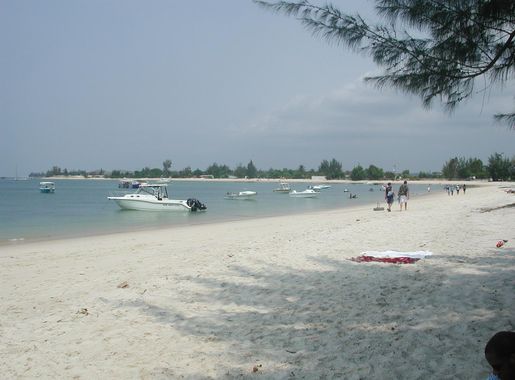


The Enchanting Gaboon Estuary
The Gaboon Estuary in Gabon is a hidden gem in Central Africa. This estuary is a natural wonder, where the Atlantic Ocean meets the serene waters of the Gabon River. The estuary is surrounded by lush mangrove forests, creating a unique ecosystem that is home to diverse wildlife. Bird watchers will be delighted with the variety of bird species, including the rare African grey parrot and the colorful kingfisher. The estuary is also a haven for marine life, with dolphins, manatees, and various fish species swimming in its waters. Visitors to the Gaboon Estuary can embark on boat tours to explore its beauty and encounter its rich biodiversity. The boat rides offer a chance to see the mangroves up close and witness the daily life of local fishermen. The estuary is also a great spot for kayaking and canoeing, providing an adventurous way to navigate its waterways. For those interested in culture, nearby villages offer a glimpse into the traditional lifestyle of the Gabonese people. The Gaboon Estuary is not just about nature; it is also a place of historical significance. The estuary has been an important trade route for centuries, and remnants of old trading posts can still be found along its shores. Visiting the estuary offers a perfect blend of nature, adventure, and history, making it an ideal destination for eco-tourists and history enthusiasts alike.