
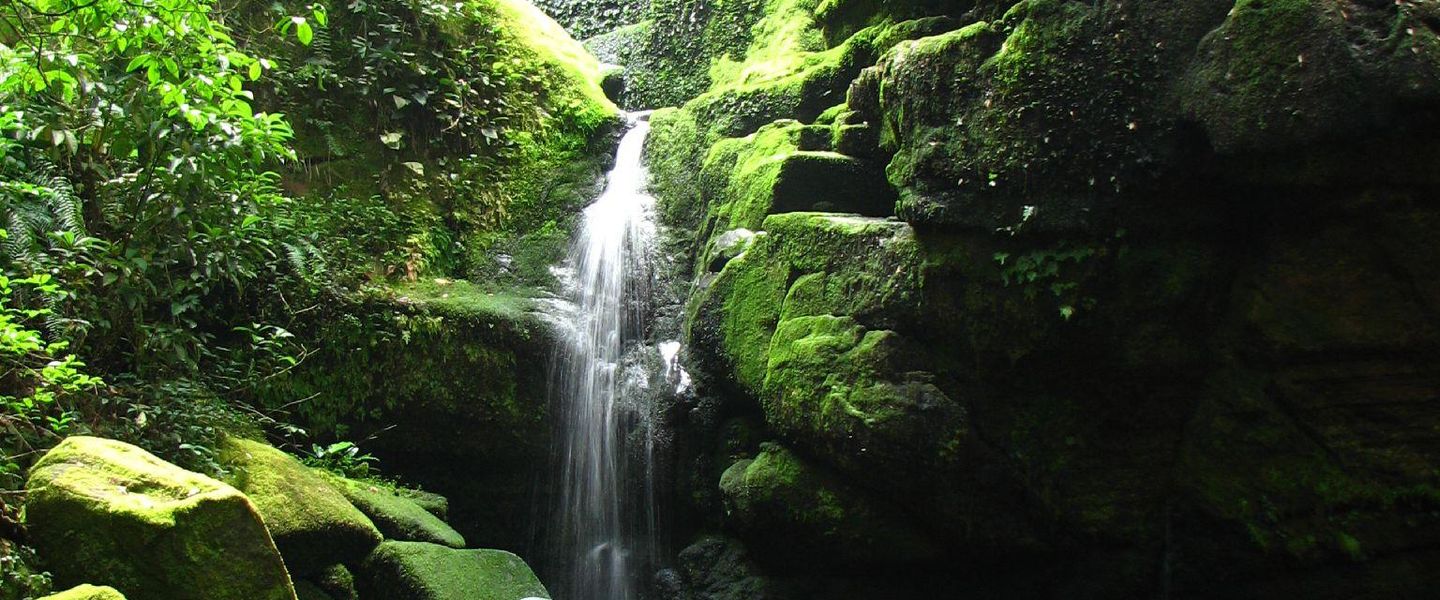
Kongou Falls, Gabon Travel Guide
Discover Kongou Falls in Gabon: a breathtaking waterfall surrounded by the lush Congo Basin rainforest, offering a unique adventure into Africa's pristine wilderness.
Kongou Falls, nestled within the Ivindo National Park in Gabon, is one of Africa's most stunning natural wonders. This majestic waterfall cascades down in a series of powerful torrents, creating a breathtaking scene that attracts nature lovers, adventurers, and photographers alike. The falls are surrounded by the lush, dense rainforest of the Congo Basin, offering visitors a unique opportunity to experience the pristine beauty of Gabon's wilderness. The journey to Kongou Falls is an adventure in itself. Accessible only by boat or on foot, the trek through the rainforest is filled with the sights and sounds of diverse wildlife. Visitors often encounter rare species of birds, primates, and other animals, making the trip to the falls a memorable experience. The falls are also a significant cultural site for the local Bantu tribes, who regard the area as sacred and steeped in legend. Once at the falls, the sight of the water plunging over the rocks and the mist rising into the air is truly mesmerizing. The surrounding forest provides a serene backdrop, making it an ideal spot for picnics, hiking, and nature photography. For those seeking a more immersive experience, guided tours offer insights into the local flora and fauna, as well as the cultural significance of the falls. Visiting Kongou Falls is not just a trip; it's an unforgettable journey into the heart of Gabon's natural and cultural heritage.

Know before you go
Hi, I'm Eve. Here are a few practical things to know before exploring Kongou Falls.
- Wear comfortable hiking boots as the trails can be rugged and slippery.
- Bring insect repellent and sunscreen to protect yourself from bugs and sun exposure.
- Hire a local guide to enhance your experience with insights on the flora, fauna, and cultural significance.
- Carry enough water and snacks, as there are limited facilities near the falls.
- Respect the local customs and traditions of the Bantu tribes who hold the falls sacred.

Explore Kongou Falls on the Map
A handpicked selection of must-see spots in Kongou Falls, mapped for you.
Kongou Falls Essentials
-
Kongou Falls is located in the Ivindo National Park in Gabon. The nearest international airport is Léon-Mba International Airport in Libreville. From Libreville, you can take a domestic flight to Makokou, which is the closest town to Kongou Falls. Alternatively, you can travel by road from Libreville to Makokou, a journey that typically takes around 12-14 hours. From Makokou, you will need to arrange a guided tour or hire a local guide to take you to Kongou Falls, as it is located deep within the rainforest.
-
Transportation options within Gabon are limited. In larger cities like Libreville, you can find taxis and rental cars. However, in more remote areas like Makokou, transportation is primarily limited to local taxis and guided tours. Public transport is scarce, so it is advisable to plan your transportation in advance, especially when visiting remote locations like Kongou Falls. Hiring a 4x4 vehicle is recommended for the rugged terrain.
-
The official currency in Gabon is the Central African CFA Franc (XAF). Credit cards are accepted in major hotels and some restaurants in Libreville, but in smaller towns and remote areas, cash is essential. It is advisable to carry sufficient CFA Francs with you, as ATMs are rare outside major cities. Ensure you have enough cash before heading to Makokou and Kongou Falls.
-
Gabon is generally safe for tourists, but standard precautions should be taken. Avoid walking alone at night in unfamiliar areas and keep your belongings secure. Petty crimes, such as pickpocketing, can occur in crowded places. In remote areas like Ivindo National Park, wildlife can pose risks, so always follow the guidance of local guides. There are no specific high-crime areas targeting tourists, but vigilance is always advisable.
-
In case of emergency, dial 177 for police assistance or 1300 for medical emergencies. Medical facilities in remote areas are limited, so it is crucial to have comprehensive travel insurance that covers medical evacuation. In Makokou, there is a small hospital, but serious medical cases may require transport to Libreville. Always carry a basic first aid kit and necessary medications.
-
Fashion: Do wear lightweight, breathable clothing suitable for the tropical climate. Long sleeves and pants are recommended to protect against insects. Avoid overly revealing clothing. Religion: Do respect local customs and traditions. Gabon is diverse in terms of religious practices, including Christianity and traditional beliefs. Public Transport: Do be courteous to drivers and fellow passengers. Public transport can be crowded and infrequent. Greetings: Do greet people with a friendly handshake. A polite 'Bonjour' (Good morning) or 'Bonsoir' (Good evening) is customary. Eating & Drinking: Do try local dishes and accept food offerings graciously. Don’t drink tap water; always opt for bottled water.
-
To experience Kongou Falls like a local, engage with the local guides who are knowledgeable about the area's history and ecology. Visit the nearby villages to understand the lifestyle and culture of the local communities. Early morning or late afternoon visits to the falls are recommended for the best lighting and fewer crowds. Don’t forget to bring a waterproof camera to capture the stunning scenery.
When is the best time to visit Kongou Falls?
Useful Local Phrases for Kongou Falls
You don't need to speak the language perfectly. Even learning a few simple words can make conversations warmer—and locals usually appreciate the effort.
— Eve

Here are the phrases I use most often in Kongou Falls. Try a few—you'll be surprised how far they go! 😊
❤️
-
- HelloMbolo
[m-boh-loh] - GoodbyeOmbwé
[ohm-bweh] - YesEwe
[eh-weh] - NoAte
[ah-teh] - Please/You're welcomeKede
[keh-deh] - Thank youMèsi
[meh-see] - Excuse me/SorryBèlè
[beh-leh] - How are you?Eyi ngué?
[eh-yee ngweh] - Fine. And you?Nkoyé. Na wé?
[en-kwoh-yeh. nah weh] - Do you speak English?Ongué kounglè?
[ohn-gweh koo-ngleh] - I don't understandNgui ndé yi
[ngwee n-deh yee]
- HelloMbolo
-
- I'd like to see the menu, pleaseNga na leka mènu, kede
[ngah nah leh-kah meh-noo, keh-deh] - I don't eat meatNgui ndé lé yèvi
[ngwee n-deh lay yeh-vee] - Cheers!Mboté!
[em-boh-teh] - I would like to pay, pleaseNga na bèlè, kede
[ngah nah beh-leh, keh-deh]
- I'd like to see the menu, pleaseNga na leka mènu, kede
-
- Help!Ndzi
[nd-zee] - Go away!Yéndé!
[yen-deh] - Call the Police!Yéndé Gendarmerie!
[yen-deh jen-dar-meh-ree] - Call a doctor!Yéndé docteur!
[yen-deh dok-tuhr] - I'm lostNgui ndé zévé
[ngwee n-deh zeh-veh] - I'm illNgui ndé mèmè
[ngwee n-deh meh-meh]
- Help!Ndzi
-
- I'd like to buy...Nga na taka...
[ngah nah tah-kah] - I'm just lookingNgui ndé leka
[ngwee n-deh leh-kah] - How much is it?Ndé bèlè?
[ndeh beh-leh] - That's too expensiveNdé nyé mba
[ndeh nyeh m-bah] - Can you lower the price?Ongué nyé nka?
[ohn-gweh nyeh en-kah]
- I'd like to buy...Nga na taka...
-
- What time is it?Ndé ndzé?
[ndeh nd-zeh] - It's one o'clockNyé na
[nyeh nah] - Half past (10)Nyé na mba
[nyeh nah m-bah] - MorningNdzama
[nd-zah-mah] - AfternoonNdzo
[nd-zoh] - EveningNzè
[n-zeh] - YesterdayMèsi
[meh-see] - TodayNza
[nzah] - TomorrowMbè
[m-beh] - 1Nyè
[nyeh] - 2Mě
[meh] - 3Mvě
[m-veh] - 4Mvêmbé
[m-vehm-beh] - 5Nzè
[n-zeh] - 6Ndzè
[nd-zeh] - 7Nzambè
[n-zahm-beh] - 8Nzambě na mě
[n-zahm-beh nah meh] - 9Nzambě na mvě
[n-zahm-beh nah m-veh] - 10Mba
[m-bah]
- What time is it?Ndé ndzé?
-
- Where's a/the...?Mbè a...
[m-beh ah] - What's the address?Igò a...
[ee-goh ah] - Can you show me (on the map)?Ongué ndzè na (mè nap)
[ohn-gweh nd-zeh nah (meh nup)] - When's the next (bus)?Nyé na ndzé ndzè (ngazé)?
[nyeh nah nd-zeh nd-zeh (ngah-zeh)] - A ticket (to ....)Ndé mba (dzè ....)
[ndeh m-bah (dzeh ....)]
- Where's a/the...?Mbè a...
History of Kongou Falls
-
Kongou Falls is nestled within the Ivindo National Park, part of the vast Ogooué Basin that has been home to various ancient civilizations. Archaeological findings indicate the presence of early human settlers dating back thousands of years. These ancient communities were adept at utilizing the rich natural resources provided by the river and surrounding rainforest, leaving behind artifacts that hint at a complex and interconnected society.
-
Kongou Falls, often referred to as the 'Niagara Falls of Gabon,' was brought to the attention of the wider world by European explorers in the late 19th century. The falls were first documented by Pierre Savorgnan de Brazza, an Italian-born French explorer, during his expeditions in Central Africa. His accounts helped to map the region and introduced the majestic beauty of Kongou Falls to the scientific and exploratory communities of Europe.
-
Ivindo National Park, encompassing Kongou Falls, was officially established in 2002 as part of Gabon's commitment to conservation under the leadership of President Omar Bongo. This move was influenced by the need to preserve the unique biodiversity and natural beauty of the region, which includes dense rainforests, diverse wildlife, and the stunning Kongou Falls. The park's creation marked a significant step in environmental preservation efforts in Central Africa.
-
Kongou Falls holds deep cultural and spiritual significance for the indigenous peoples of the region, including the Bakota and Mahongwe tribes. Local legends speak of the falls as the dwelling place of powerful spirits, and the waters are often considered sacred. Traditional rituals and ceremonies are sometimes performed at the site, emphasizing its importance in the cultural heritage of the local communities.
-
In recent decades, Kongou Falls has been at the center of debates regarding hydroelectric power projects. Proposals to harness the falls' energy potential have faced significant opposition from environmentalists and local communities who fear the impact on the ecosystem and cultural heritage. These controversies highlight the ongoing struggle between development and conservation in the region.
Neighbouring destination travel guides
Browse our curated selection of top destinations, scenic points, and must-visit spots in the area.



Your all‑in‑one travel companion app
Explore expert travel guides, compare and book tours, experiences, hotels, and more—all from the palm of your hand. Download now for seamless trip planning wherever your wanderlust takes you.


Explore More of Ogooué-Ivindo Province

Looking beyond Kongou Falls? Discover Ogooué-Ivindo Province for broader travel guides, local hot-spots, and regional highlights.
Explore Ogooué-Ivindo ProvinceExplore More of Gabon
Looking beyond Kongou Falls? Discover Gabon for broader travel guides, local hot-spots, and regional highlights.
Explore GabonKongou Falls in Photos
Browse through our photo collection highlighting the charm and character of the destination.
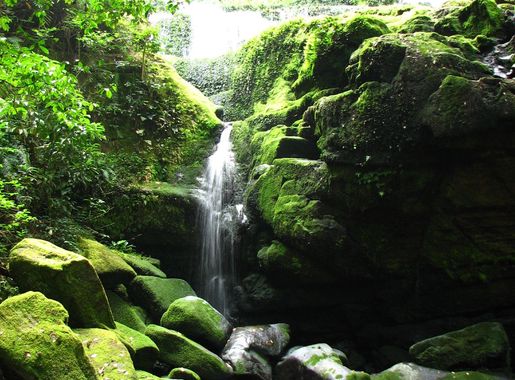


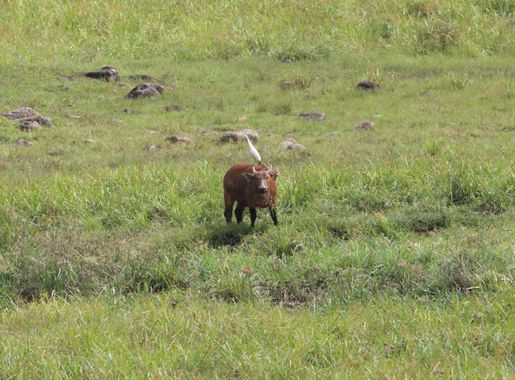


Kongou Falls: The Majestic Heart of Gabon’s Wilderness
Kongou Falls, nestled within the Ivindo National Park in Gabon, is one of Africa's most stunning natural wonders. This majestic waterfall cascades down in a series of powerful torrents, creating a breathtaking scene that attracts nature lovers, adventurers, and photographers alike. The falls are surrounded by the lush, dense rainforest of the Congo Basin, offering visitors a unique opportunity to experience the pristine beauty of Gabon's wilderness. The journey to Kongou Falls is an adventure in itself. Accessible only by boat or on foot, the trek through the rainforest is filled with the sights and sounds of diverse wildlife. Visitors often encounter rare species of birds, primates, and other animals, making the trip to the falls a memorable experience. The falls are also a significant cultural site for the local Bantu tribes, who regard the area as sacred and steeped in legend. Once at the falls, the sight of the water plunging over the rocks and the mist rising into the air is truly mesmerizing. The surrounding forest provides a serene backdrop, making it an ideal spot for picnics, hiking, and nature photography. For those seeking a more immersive experience, guided tours offer insights into the local flora and fauna, as well as the cultural significance of the falls. Visiting Kongou Falls is not just a trip; it's an unforgettable journey into the heart of Gabon's natural and cultural heritage.