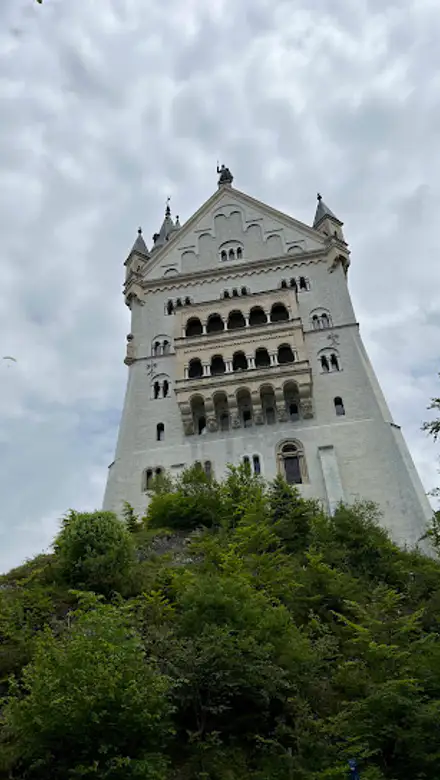
Neuschwanstein Travel Guide
Free Guide: Experience the magic of Neuschwanstein, the fairytale castle of King Ludwig II, nestled in the Bavarian Alps and the inspiration for Disney's Sleeping Beauty Castle.


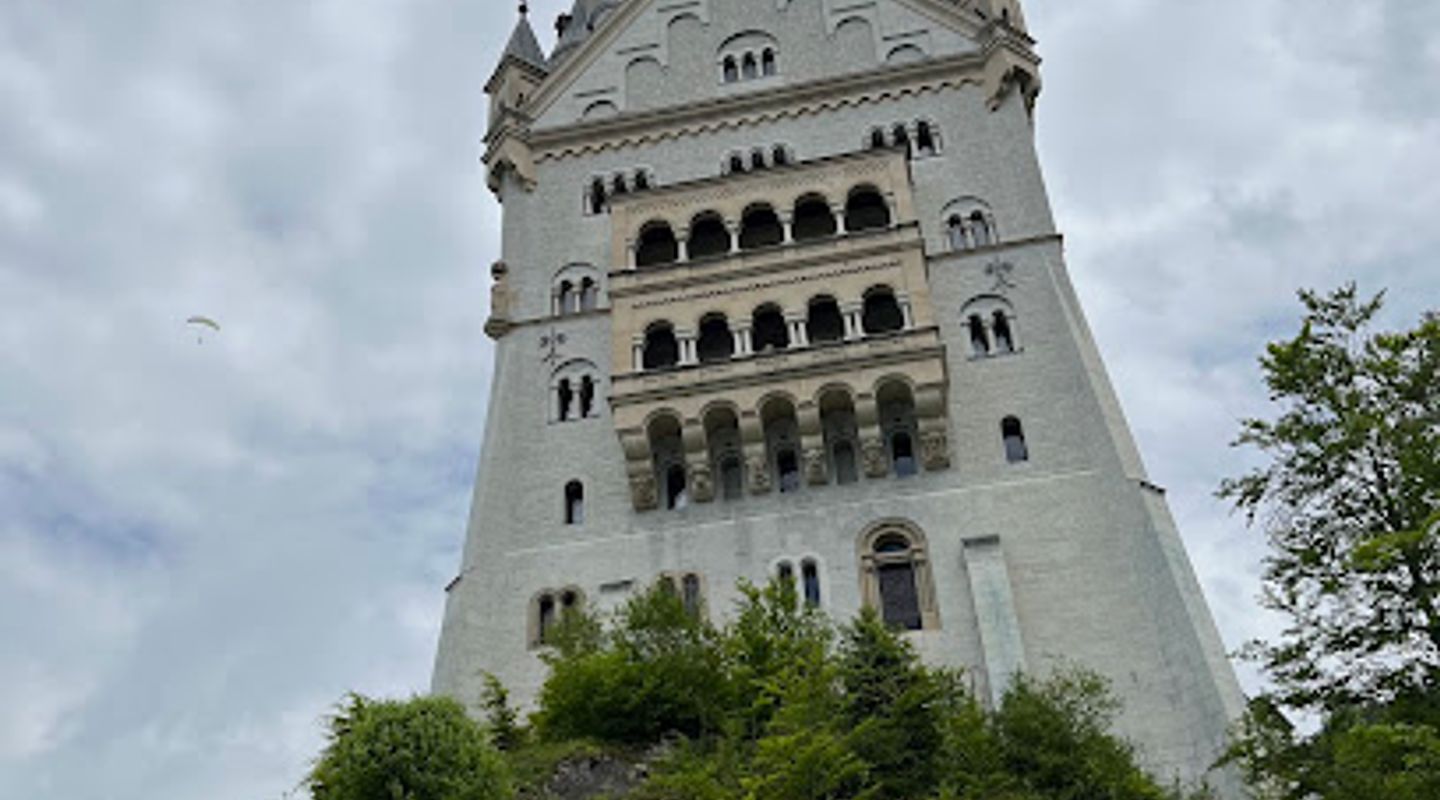
A brief summary of Neuschwanstein
Experience the magic of Neuschwanstein, the fairytale castle of King Ludwig II, nestled in the Bavarian Alps and the inspiration for Disney's Sleeping Beauty Castle.
Neuschwanstein Castle, nestled in the Bavarian Alps near Füssen, Germany, is a breathtaking 19th-century Romanesque Revival palace commissioned by King Ludwig II. Often dubbed the "fairytale castle," it served as inspiration for Disney's Sleeping Beauty Castle. Perched atop a rugged hill, the castle offers stunning views of the surrounding landscape. Though Ludwig II only lived in the castle for a few months before his death, it quickly became a popular tourist attraction. Visitors are captivated by its opulent interiors, intricate architecture, and the romantic story of the "Mad King" who dreamed of recreating a medieval world. Today, Neuschwanstein stands as a testament to Ludwig's vision and a symbol of German Romanticism, drawing millions of visitors each year.
- Address
- Hermann-Weinhauser-Straße 71, 81673 München
Getting there
Public Transport
Driving
Shuttle Bus
Horse-Drawn Carriage
Discover more about Neuschwanstein
Overview
Neuschwanstein Castle, a world-renowned landmark, stands as a testament to the romantic vision of King Ludwig II of Bavaria. Located near Füssen in the stunning Bavarian Alps, this 19th-century palace embodies the fairytale aesthetic that has captivated imaginations for generations. Often referred to as the "New Swan Stone Castle," Neuschwanstein's architecture and history are as compelling as its picturesque setting. Commissioned in 1869, Neuschwanstein was intended as a personal retreat for Ludwig II, a reclusive monarch with a deep appreciation for the arts, particularly the operas of Richard Wagner. Ludwig sought to create an idealized medieval world, drawing inspiration from Wagnerian legends and the romantic castles of the Middle Ages. The castle's design blends Romanesque, Gothic, and Byzantine architectural elements, resulting in a unique and visually striking structure. The castle's exterior is characterized by its soaring towers, ornate turrets, and imposing walls, all constructed from white limestone. Perched atop a rugged hill overlooking the Pöllat Gorge, Neuschwanstein appears to rise organically from the landscape, enhancing its fairytale appeal. The surrounding forests and lakes add to the castle's enchanting atmosphere, creating a scene of unparalleled beauty. Inside, Neuschwanstein is lavishly decorated with intricate frescoes, elaborate wood carvings, and opulent furnishings. Each room reflects Ludwig's fascination with medieval legends and Wagnerian themes. The Singers' Hall, inspired by the Wartburg Castle, is adorned with scenes from Wagner's operas, while the Throne Room, though never completed, showcases Ludwig's vision of divine kingship. Despite its grandeur, Neuschwanstein was never fully completed. Ludwig II's untimely death in 1886 brought construction to a halt, leaving several rooms unfinished. Nevertheless, the castle was opened to the public shortly after Ludwig's death, quickly becoming a popular tourist attraction. Today, millions of visitors from around the world flock to Neuschwanstein each year to experience its fairytale charm and learn about the life and legacy of its eccentric creator. Neuschwanstein's influence extends far beyond its physical presence. The castle served as the inspiration for Disney's Sleeping Beauty Castle, solidifying its place in popular culture as the quintessential fairytale castle. Its image has been reproduced countless times in books, movies, and advertisements, making it one of the most recognizable landmarks in the world. Visiting Neuschwanstein is an immersive experience that transports visitors to a world of fantasy and romance. Guided tours offer insights into the castle's history, architecture, and the life of King Ludwig II. Visitors can explore the opulent interiors, marvel at the intricate details, and imagine what it must have been like to live in this extraordinary palace. Beyond the castle itself, the surrounding area offers a wealth of natural beauty and cultural attractions. The nearby Hohenschwangau Castle, where Ludwig II spent his childhood, provides a glimpse into his early life and influences. The Alpsee lake offers opportunities for boating and swimming, while the surrounding forests are perfect for hiking and exploring. Neuschwanstein Castle stands as a symbol of German Romanticism, a testament to the power of imagination, and a reminder of the enduring appeal of fairytales. Its beauty, history, and cultural significance make it a must-see destination for travelers from around the globe. Whether you are an architecture enthusiast, a history buff, or simply a lover of fairytales, Neuschwanstein is sure to leave a lasting impression. The castle's location is stunning, but the foundation and rock walls need constant monitoring and reinforcement, along with ongoing renovation of the limestone facade. The castle is open daily throughout the year, except for January 1st, December 24th, 25th, and 31st. Overcrowding is an issue during July and August, so the best time to visit Neuschwanstein is in spring or autumn when there are fewer tourists. It is recommended to buy tickets for Neuschwanstein in advance online.
Evendo Review Centre
 Google
Guest reviews
Explore Neuschwanstein on the map
A handpicked selection of must-see spots near Neuschwanstein, mapped for you.
Get your free copy of our complete guide to Neuschwanstein, delivered straight to you.
Everything on this page, from opening hours and how to get there to Eve’s tips and the best time to go, in one PDF you can read offline, print or share.
Already have an account? Sign in
Your Neuschwanstein guide is ready.
We'll send it to · Not you? Sign out

Getting your guide ready…
We are putting together a fresh copy of the Neuschwanstein guide. This can take up to a minute.
This can take a few moments. If your browser asks, choose Allow so the download can start. You'll find the guide in your Downloads folder.
Nothing happened? Download it again
Sorry, the guide is taking longer than usual. Please try again in a minute, or get it by email instead.
Other nearby places you may find interesting
The closest places of the same kind, if this one is not quite what you had in mind.
-
-
-

-
-


Swipe for more places
More to explore near Neuschwanstein

 Best experiences near Neuschwanstein
 Best hotels near Neuschwanstein
 Best landmarks near Neuschwanstein
 Best attractions near Neuschwanstein
 Best shops near Neuschwanstein
 Best restaurants near Neuschwanstein
 Best bars near Neuschwanstein
Do you manage this location?
Take control to get all the benefits, like improved information, better appearance, and stronger visibility across AI-powered discovery.
Explore more

Explore more of Bavaria
Discover Bavaria: A magical region in Germany with fairy-tale castles, medieval towns, and breathtaking alpine landscapes.
Explore Bavaria
Explore more of Germany
Experience Germany: where history meets innovation, and urban energy blends with natural beauty. Discover diverse cultures, delicious cuisine, and stunning landscapes.
Explore Germany