

Free Bavaria Travel Guide & Mobile App
Explore Bavaria with free travel guides. Discover regional history, expert tips, proposed trips, and audio guides on web or mobile app.


Explore Bavaria for Munich’s museums, Franconian towns, royal palaces, Alpine lakes, mountain trails and distinctive regional food traditions.
Read more about Bavaria
When is the best time to visit Bavaria?
Best: June–August · 22–24°C| Month | High (°C) | Rainfall (mm) |
|---|---|---|
| January | 3 | 40 |
| February | 5 | 35 |
| March | 10 | 40 |
| April | 14 | 45 |
| May | 19 | 60 |
| June (best) | 22 | 80 |
| July (best) | 24 | 90 |
| August (best) | 24 | 80 |
| September | 20 | 60 |
| October | 14 | 50 |
| November | 8 | 45 |
| December | 3 | 40 |
Getting to and around Bavaria
How to get there
Transportation
Top city travel guides in Bavaria
The cities of Bavaria, and the easiest places to base yourself.
-

-

-

-

-

-


Swipe for more cities
Destinations in Bavaria
Resorts, valleys and scenic spots worth a trip of their own.
-
-

-

-

-

-


Swipe for more destinations
Best attractions in Bavaria
Bavaria’s attractions range from major urban museums to extensive landscapes for walking, cycling and winter sports. Munich offers the collections of the Kunstareal, the Deutsches Museum, royal residences and the English Garden, while Nuremberg, Augsburg, Regensburg, Bamberg and Würzburg provide layered historic centres, museums and ecclesiastical art. Royal heritage is represented by the palaces of Nymphenburg, Herrenchiemsee, Linderhof and Neuschwanstein, each reflecting a different phase of Bavarian court culture. The Alps around Garmisch-Partenkirchen, Oberstdorf and Berchtesgaden support hiking, climbing, skiing and scenic mountain travel, while foothill lakes such as Chiemsee and Starnberger See provide boating and lakeside recreation. The Bavarian Forest and Franconian Jura offer forest trails, caves and wildlife-focused experiences, and the river valleys of the Danube, Main and Altmühl are suited to cycling. Seasonal festivals, open-air museums, craft traditions and pilgrimage churches broaden the range beyond the region’s best-known castles.
-
Museum
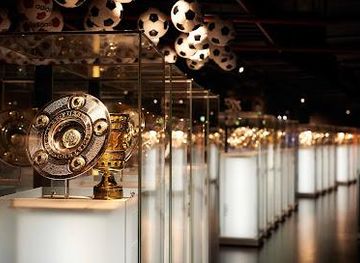
FC Bayern Museum
Experience the legacy of FC Bayern Munich, Germany's most successful football club, through trophies, interactive exhibits, and historical highlights.
-
Castle
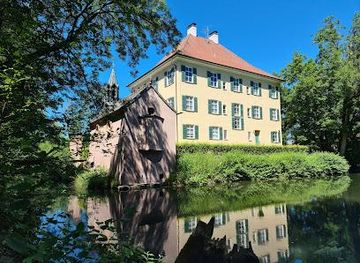
Schloß Unterwittelsbach
Explore Schloß Unterwittelsbach, a stunning castle and museum in Aichach, offering rich history, beautiful gardens, and a glimpse into Bavarian culture.
-
History museum
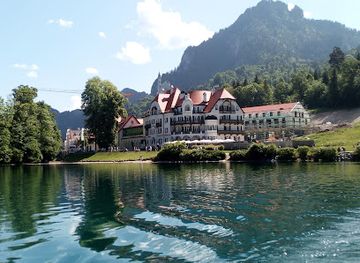
Museum of the Bavarian Kings
Discover the captivating history of Bavaria's royal family at the Museum of the Bavarian Kings, nestled near the iconic Neuschwanstein and Hohenschwangau castles.
-
Archaeological museum
Staatliche Antikensammlungen
Explore ancient Greek, Roman, and Etruscan art at Munich's Staatliche Antikensammlungen, home to a rich collection of antiquities.
Best landmarks in Bavaria
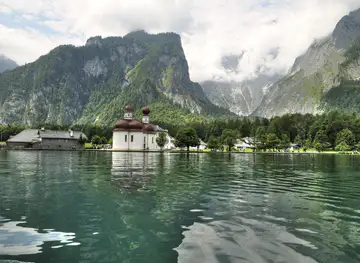
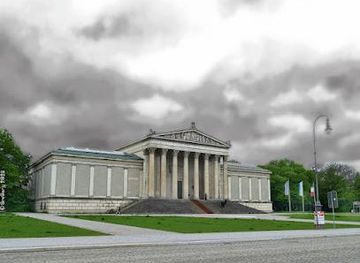
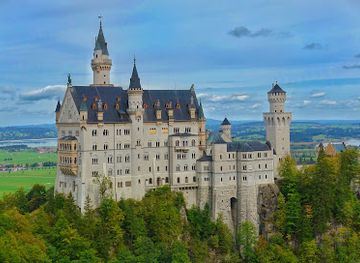
Bavaria’s landmarks reflect the overlapping authority of dynasties, bishops, merchants and modern cities. Munich’s Frauenkirche, Residenz and Nymphenburg Palace define the capital’s historic profile, while the medieval stone bridge and cathedral of Regensburg represent the importance of the Danube trading city. Bamberg’s cathedral hill and historic quarters preserve an extraordinary episcopal and mercantile landscape, and Würzburg Residence demonstrates the scale of eighteenth-century court architecture. Neuschwanstein, above Schwangau, is the region’s most recognisable royal image, while Linderhof Palace and Herrenchiemsee reveal different aspects of Ludwig II’s architectural ambitions. Nuremberg Castle and the city’s surviving medieval structures recall its imperial and commercial importance, and Augsburg Town Hall embodies the wealth of an early modern trading centre. In the south, the Zugspitze provides a geographical landmark rather than a built monument, while the craggy setting of Berchtesgaden and the mountain lake landscape around Königssee express Bavaria’s Alpine identity.
-
Castle
Neuschwanstein Castle
Experience the fairytale allure of Neuschwanstein Castle, King Ludwig II's masterpiece, nestled in the Bavarian Alps, a testament to romanticism and architectural grandeur.
-
Castle
Hohenschwangau Castle
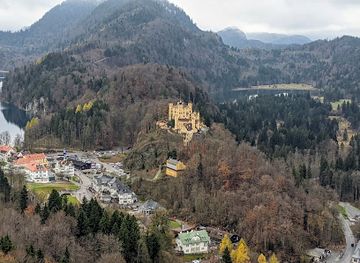
Explore the enchanting Hohenschwangau Castle, the childhood home of King Ludwig II, and discover the rich history and stunning beauty of the Bavarian Alps.
-
Religious organization
Bürgersaalkirche
Discover Baroque splendor and poignant history at Munich's Bürgersaalkirche, home to the Father Rupert Mayer Museum and a testament to faith and resilience in the heart of the city.
-
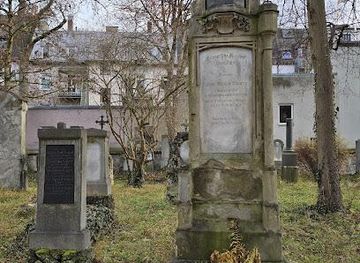
Cemetery
Alter Südfriedhof
Discover Munich's past in a serene oasis: Explore the historic Alter Südfriedhof, a captivating blend of art, nature, and Bavarian heritage.
Explore Bavaria on the map
Plan your trip on one map. See where the top cities, national parks and sights are, and book hotels and experiences in a few clicks.
Best hotels in Bavaria
Best restaurants in Bavaria
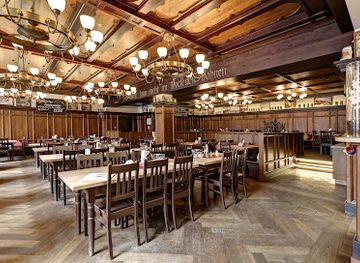
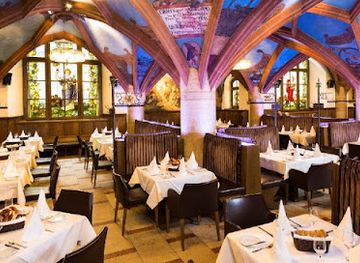
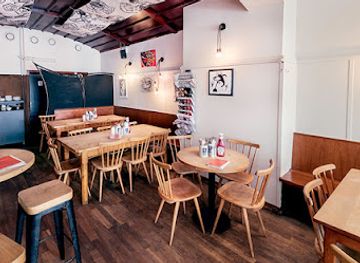
Bavarian dining varies noticeably between Upper Bavaria, Swabia and Franconia. Munich and other large cities combine traditional inns and beer halls with contemporary restaurants, international food and cafés, while rural areas remain strong in hearty, locally based cooking. Common Bavarian specialities include pretzels, Weisswurst, roast pork, dumplings and veal or pork dishes, often served with seasonal vegetables and regional beer. Franconia has its own culinary vocabulary, including small sausages, roast dishes, locally brewed beers and a well-established wine culture along the Main and its tributaries. Swabian influences appear in dishes such as spätzle and filled pasta. Alpine districts add mountain cheeses, dairy produce and simple hut meals to the regional repertoire. Farmers’ markets, bakeries, food halls and seasonal beer gardens are useful places to sample everyday specialities, while wine taverns and traditional inns are particularly important in northern Bavaria.
-
German
Augustiner Klosterwirt
Discover authentic Bavarian flavors at Augustiner Klosterwirt in Munich—where tradition meets taste in every delightful dish.
-
Bavarian restaurant
Ratskeller München
Experience authentic Bavarian cuisine at Ratskeller München—where tradition meets flavor in a vibrant atmosphere.
-
German
Steinheil 16
Experience authentic Bavarian cuisine at Steinheil 16 in Munich - a must-visit destination for food lovers seeking traditional German flavors.
-
German
Münchner Stubn
Experience authentic Bavarian cuisine at Münchner Stubn in Munich, where tradition meets flavor in a cozy atmosphere.
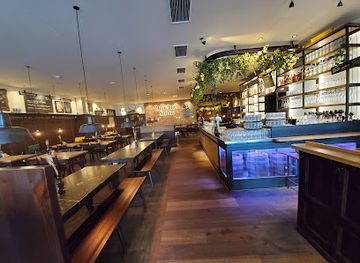
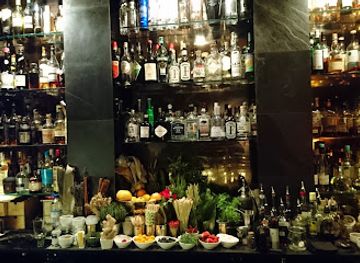
Best bars in Bavaria
Evening life in Bavaria is shaped more by beer gardens, traditional inns, wine taverns and live music than by a single statewide club culture. Munich has the broadest choice, including cocktail bars, breweries, concert venues, theatres and late-night clubs, while Nuremberg, Augsburg, Regensburg and Würzburg have substantial student and cultural scenes. Franconian towns are known for compact pubs, cellar bars and wine-focused venues, whereas Alpine resorts tend to concentrate their nightlife around restaurants, hotel bars and seasonal après-ski establishments. Historic inns and village breweries remain important social spaces in smaller communities, but rural public transport can be limited at night. Check local arrangements before travelling back from an outlying venue, particularly in mountain districts. Nightlife is seasonal in some resorts and can be quieter outside university terms and major festival periods.
-
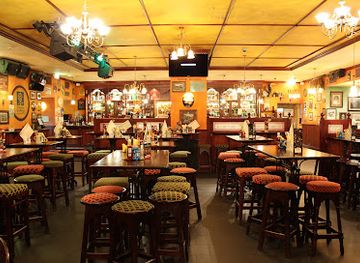
Irish pub
Kennedy's Bar and Restaurant
Discover the vibrant atmosphere of Kennedy's Bar and Restaurant, a beloved Irish pub in Munich offering authentic cuisine and a lively ambiance.
-
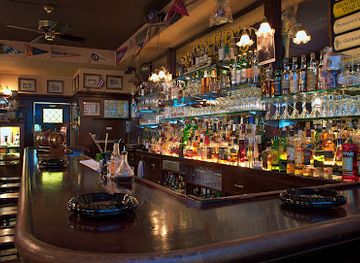
Cocktail bar
Pusser's
Discover the vibrant nightlife at Pusser's, Munich's premier cocktail bar offering exquisite drinks and live music in a stylish setting.
-
Bar
CALL SOUL - Breaking Bar
Discover CALL SOUL - Breaking Bar, Munich's cocktail haven offering unique drinks and a vibrant atmosphere in the heart of Schwabing-Freimann.
-
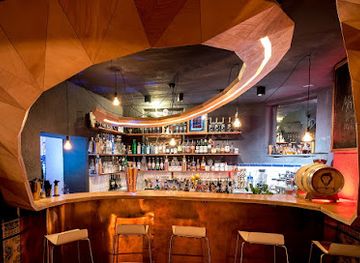
Cocktail bar
Zephyr Bar
Discover Zephyr Bar in Munich, a cocktail haven where unique drinks and a vibrant atmosphere create unforgettable nights.
Best nightclubs in Bavaria
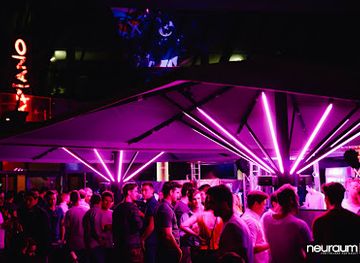
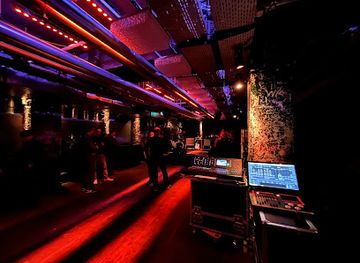
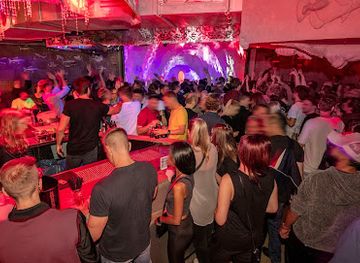
Evening life in Bavaria is shaped more by beer gardens, traditional inns, wine taverns and live music than by a single statewide club culture. Munich has the broadest choice, including cocktail bars, breweries, concert venues, theatres and late-night clubs, while Nuremberg, Augsburg, Regensburg and Würzburg have substantial student and cultural scenes. Franconian towns are known for compact pubs, cellar bars and wine-focused venues, whereas Alpine resorts tend to concentrate their nightlife around restaurants, hotel bars and seasonal après-ski establishments. Historic inns and village breweries remain important social spaces in smaller communities, but rural public transport can be limited at night. Check local arrangements before travelling back from an outlying venue, particularly in mountain districts. Nightlife is seasonal in some resorts and can be quieter outside university terms and major festival periods.
-
Night club
Neuraum
Experience Munich's exhilarating nightlife at Neuraum, where diverse music and vibrant energy await every party-goer.
-
Night club
Rote Sonne
Discover Rote Sonne, Munich's vibrant night club, where eclectic music and an electrifying atmosphere create unforgettable nightlife experiences.
-
Night club
Nachtgalerie
Dive into Munich's nightlife at Nachtgalerie, where the beats never stop and every night promises unforgettable moments.
-
Night club
Harry Klein
Discover the heart of Munich's nightlife at Harry Klein, where electrifying music and a stylish atmosphere create unforgettable nights.

Best shops in Bavaria
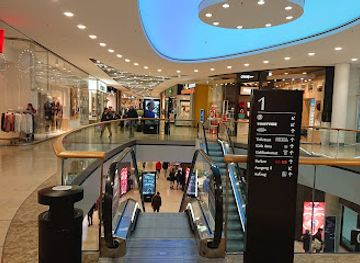
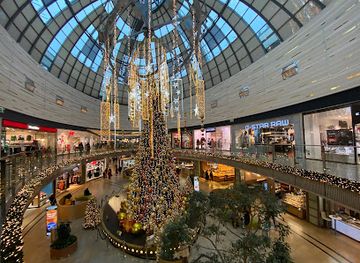
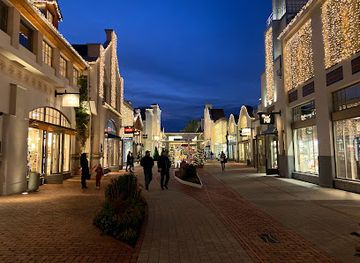
Shopping in Bavaria ranges from Munich’s major department stores, design boutiques and food halls to the independent streets and market squares of historic towns. Munich is the strongest centre for fashion, art, books and specialist food, while Nuremberg, Augsburg, Regensburg, Bamberg and Würzburg offer a more compact mix of high-street shops, antiques, galleries and local businesses. Farmers’ markets are useful for regional produce such as cheeses, baked goods, sausages, preserves and seasonal fruit. Franconia is associated with wine, glassware and small-scale craft traditions, while Alpine districts offer woodwork, textiles, carved objects and outdoor equipment, although quality varies and visitors should compare products rather than rely on tourist imagery. Traditional clothing is widely available, but it is not an obligatory souvenir or uniform for everyday Bavarian life. Museum shops and palace stores often provide more informative gifts, including books, reproductions and locally relevant crafts.
-
Shopping mall
Pasing Arcaden
Explore Pasing Arcaden in Munich, a shopping paradise with diverse stores and a mouthwatering food court experience.
-
Shopping mall
Olympia Shopping Center
Experience the ultimate shopping adventure at the Olympia Shopping Center in Munich, where style meets convenience in a lively atmosphere.
-
Shopping mall
City-Galerie
Discover the City-Galerie in Augsburg, a vibrant shopping mall offering fashion, dining, and a lively atmosphere for tourists and locals alike.
-
Shopping mall
Ingolstadt Village
Discover Ingolstadt Village: A luxury shopping destination with exclusive designer outlets and a vibrant atmosphere perfect for tourists.

Get your free copy of our complete guide to Bavaria, delivered straight to you.
Everything on this page, from attractions and restaurants to essentials and local phrases, in one PDF you can read offline, print or share.
Already have an account? Sign in
Your Bavaria guide is ready.
We'll send it to · Not you? Sign out

Getting your guide ready…
We are putting together a fresh copy of the Bavaria guide. This can take up to a minute.
This can take a few moments. If your browser asks, choose Allow so the download can start. You'll find the guide in your Downloads folder.
Nothing happened? Download it again
Sorry, the guide is taking longer than usual. Please try again in a minute, or get it by email instead.
Bavaria essentials
Currency and Payment
Safety
Emergency Situations
Do's and Don'ts
Local Tips
From Eve
Local phrases worth knowing
You don't need to get them perfect. A few words go a long way, and locals appreciate the effort.
Basics
| English | Local | Say it |
|---|---|---|
| Hello | Grüß Gott | [Greeß Got] |
| Goodbye | Servus | [Ser-voos] |
| Yes | Ja | [Yah] |
| No | Nein | [Nine] |
| Please/You're welcome | Bitte | [Bitt-eh] |
| Thank you | Danke | [Dahn-keh] |
| Excuse me/Sorry | Entschuldigung | [Ent-shool-dee-goong] |
| How are you? | Wie geht's? | [Vee gates?] |
| Fine. And you? | Gut. Und dir? | [Gooot. Oond deer?] |
| Do you speak English? | Sprechen Sie Englisch? | [Shpreck-en Zee Eng-lish?] |
| I don't understand | Ich verstehe nicht | [Ish fer-shtay-eh nicht] |
Eating & Drinking
| English | Local | Say it |
|---|---|---|
| I'd like to see the menu, please | Ich hätte gern die Speisekarte, bitte | [Ish het-teh gurn dee Shpy-ze-kahr-teh, bitt-eh] |
| I don't eat meat | Ich esse kein Fleisch | [Ish ess-eh kine Flysh] |
| Cheers! | Prost! | [Prohst!] |
| I would like to pay, please | Ich möchte zahlen, bitte | [Ish merkte zah-len, bitt-eh] |
Emergencies
| English | Local | Say it |
|---|---|---|
| Help! | Hilfe! | [Hil-feh!] |
| Go away! | Geh weg! | [Gay vek!] |
| Call the Police! | Rufen Sie die Polizei! | [Roof-en Zee dee Po-lee-tzai!] |
| Call a doctor! | Rufen Sie einen Arzt! | [Roof-en Zee eye-nen Arts!] |
| I'm lost | Ich habe mich verlaufen | [Ish hab-eh mikh fer-lau-fen] |
| I'm ill | Ich bin krank | [Ish bin krank] |
Shopping
| English | Local | Say it |
|---|---|---|
| I'd like to buy... | Ich möchte kaufen... | [Ish merkte cow-fen...] |
| I'm just looking | Ich schaue nur | [Ish shau-eh noor] |
| How much is it? | Wie viel kostet das? | [Vee feel kost-et dahs?] |
| That's too expensive | Das ist zu teuer | [Dahs ist tsoo toy-er] |
| Can you lower the price? | Können Sie den Preis senken? | [Kern-en Zee den Price senk-en?] |
Time & Numbers
| English | Local | Say it |
|---|---|---|
| What time is it? | Wie spät ist es? | [Vee shpayt ist es?] |
| It's one o'clock | Es ist eins | [Es ist ine-s] |
| Half past (10) | Halb (10) | [Halb (zehn)] |
| Morning | Morgen | [Mor-gen] |
| Afternoon | Nachmittag | [Nach-mit-tahg] |
| Evening | Abend | [Ah-bent] |
| Yesterday | Gestern | [Gest-ern] |
| Today | Heute | [Hoy-teh] |
| Tomorrow | Morgen | [Mor-gen] |
| 1 | Eins | [Ine-s] |
| 2 | Zwei | [Tsvy] |
| 3 | Drei | [Dry] |
| 4 | Vier | [Veer] |
| 5 | Fünf | [Fünf] |
| 6 | Sechs | [Zex] |
| 7 | Sieben | [Zee-ben] |
| 8 | Acht | [Acht] |
| 9 | Neun | [Noyn] |
| 10 | Zehn | [Tzehn] |
Transport & Directions
| English | Local | Say it |
|---|---|---|
| Where's a/the...? | Wo ist ein/der...? | [Vo ist ine/der...?] |
| What's the address? | Wie ist die Adresse? | [Vee ist dee Ah-dres-seh?] |
| Can you show me (on the map)? | Können Sie mir (auf der Karte) zeigen? | [Kern-en Zee meer (auf der Kar-teh) tsigh-en?] |
| When's the next (bus)? | Wann kommt der nächste (Bus)? | [Vahn komt der nay-sh-teh (Boos)?] |
| A ticket (to ....) | Ein Ticket (nach ....) | [Ine Ticket (nahch ....)] |
History of Bavaria
Prehistoric Settlement and Celtic Heritage
Bavaria has a long archaeological record, including Neolithic farming settlements, Bronze Age objects and Iron Age sites associated with Celtic communities. Hilltop settlements, burial mounds and later archaeological discoveries show that the region was connected to wider European trade networks before Roman rule. The Celtic oppidum at Manching, near Ingolstadt, is one of the most important Iron Age urban sites in central Europe, illustrating organised craft production, commerce and defensive planning on a scale far beyond the scattered rural settlement suggested by modern landscapes.
Roman Raetia and the Danube Frontier
Rome incorporated much of present-day southern Bavaria into the province of Raetia during the first century AD. Augsburg, founded as Augusta Vindelicum, became a major administrative and trading centre, while roads, forts and settlements linked the Alpine passes with the Danube frontier. The Danube marked an important military boundary, and places such as Regensburg have Roman foundations beneath their later medieval development. Roman influence reshaped transport, administration and urban life, leaving an archaeological legacy across western and southern Bavaria.
Medieval Duchy and the Rise of the Wittelsbachs
Bavaria developed as a duchy within the Holy Roman Empire, with power divided and contested among noble families, bishops and major towns. The Wittelsbach dynasty gained control in the late twelfth century and governed Bavaria for centuries, although the territory was repeatedly partitioned and reunited. Monasteries, market towns, castles and pilgrimage churches expanded during the medieval period. Regensburg’s position on the Danube and the growth of Munich under ducal patronage helped establish two enduring centres of Bavarian political and commercial life.
Imperial Cities, Trade and Religious Change
Northern and western Bavarian towns prospered through trade, craft production and their connections with the Holy Roman Empire. Augsburg became a major banking and commercial centre, while Nuremberg developed into an important hub for metalworking, printing and long-distance exchange. The Reformation created religious divisions, especially in Franconia and Swabia, though the Wittelsbach territories remained strongly Catholic. The period’s wealth funded town halls, churches, merchant houses and artistic commissions whose legacy is still visible in Augsburg, Nuremberg, Bamberg and other historic centres.
Baroque Courts and the Kingdom of Bavaria
The devastation of the Thirty Years’ War was followed by a major programme of rebuilding and court patronage. Bishops and princes commissioned Baroque churches, residences and gardens, particularly in Würzburg, Bamberg and Munich. Bavaria became an electorate in 1623 and, after the Napoleonic reorganisation of Europe, was elevated to a kingdom in 1806. The nineteenth-century monarchy expanded and modernised the state, while rulers including Ludwig I and Ludwig II shaped the monumental architecture and royal landscapes that attract visitors today.
Industrialisation and Railway Expansion
During the nineteenth century, railways connected Bavaria’s historic cities with emerging industrial districts and wider German markets. Nuremberg became known for engineering and manufacturing, Augsburg for textiles and mechanical industry, and Munich for administration, culture and later technology. The railway also transformed tourism, making Alpine resorts and lakes more accessible to urban visitors. Industrialisation altered the social geography of the region, yet many rural areas retained agricultural economies and distinctive local building traditions.
Bavaria under National Socialism and Post-war Reconstruction
Munich was an early centre of the National Socialist movement, and Nuremberg hosted the regime’s major rallies and later the war-crimes trials. The Dachau concentration camp, established near Munich in 1933, became a model for the concentration-camp system; its memorial site documents the persecution and murder carried out by the Nazi regime. Bavaria suffered wartime destruction, though much historic architecture was reconstructed after 1945. The post-war state then developed into a major manufacturing, research and technology centre within the Federal Republic of Germany.
Modern Bavaria and Regional Identity
Since the second half of the twentieth century, Bavaria has combined strong economic growth with an influential regional identity. Munich became a global centre for business, science, media and the arts, while automotive, engineering, aerospace and technology industries developed across the state. Rural districts have adapted through tourism, specialist manufacturing, agriculture and renewable energy. Contemporary Bavaria remains part of Germany’s federal system, but its historic traditions, dialects, Catholic heritage and Franconian and Swabian identities continue to shape public culture and everyday life.
Bavaria in Photos
Browse through our photo collection highlighting the charm and character of the destination.
Neighbouring regions of Bavaria
The closest regions to Bavaria, if you have time for more than one.
-

-

-

-

-


Swipe for more regions
Explore more

Explore more of Germany
Experience Germany: where history meets innovation, and urban energy blends with natural beauty. Discover diverse cultures, delicious cuisine, and stunning landscapes.
Explore Germany