
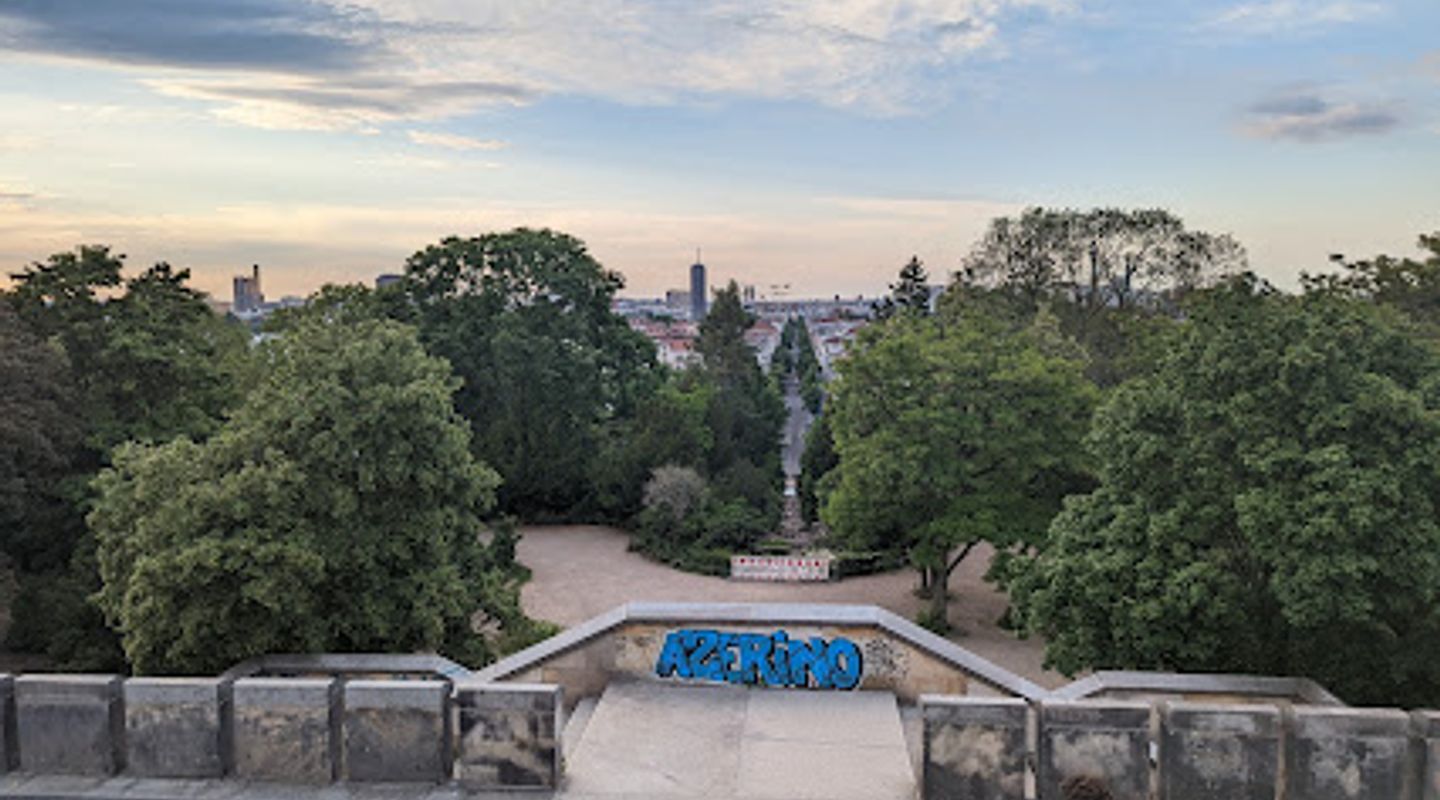
Viktoriapark, Berlin Travel Guide
Discover panoramic views, a cascading waterfall, and historical monuments in Berlin's Viktoriapark, a vibrant urban oasis in the heart of Kreuzberg.
Viktoriapark, nestled in the heart of Kreuzberg, offers a unique blend of natural beauty and historical significance. Ascend the Kreuzberg hill, Berlin's highest natural elevation, for panoramic city views. Discover a cascading waterfall, a charming vineyard, and the iconic National Monument, commemorating Prussia's victory in the Napoleonic Wars. Relax on sprawling lawns, explore winding paths, and soak in the vibrant atmosphere of this urban oasis. Whether you're seeking a peaceful retreat or a glimpse into Berlin's past, Viktoriapark promises an unforgettable experience. Don't miss the Golgatha beer garden at the foot of the hill for a refreshing end to your visit. Viktoriapark is a must-see destination for any traveler seeking a unique and enriching experience in Berlin.
A brief summary to Viktoriapark
- Katzbachstraße, Berlin, Friedrichshain-Kreuzberg, 10965, DE
- Click to display
- Click to display

Know before you go
Hi, I'm Eve. Here are a few practical things to know before exploring Viktoriapark.
- Climb to the top of the Kreuzberg hill for stunning panoramic views of Berlin, especially beautiful at sunset.
- Visit the waterfall in the spring or summer when the surrounding vegetation is lush and vibrant.
- Sample the local "Kreuz-Neroberger" wine at the vineyard, a unique Berlin experience.
- Enjoy a relaxing afternoon at the Golgatha beer garden, soaking in the park's lively atmosphere.
- Explore the hidden interior of the Schinkel Denkmal, a cathedral-like network of lofty brick vaults, and hidden inside them are a series of stunningly detailed sculptures.
Do you manage this location?
Take control to get all the benefits, like improved information, better appearance, and stronger visibility across AI-powered discovery. Learn more about listing your business on Evendo
Activate your presenceOther nearby places you may find interesting
The closest places of the same kind, if this one is not quite what you had in mind.
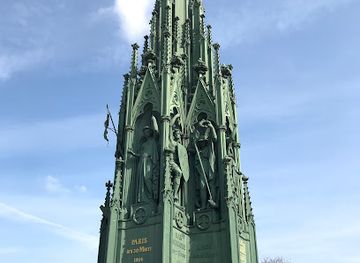


Explore Viktoriapark on the Map
A handpicked selection of must-see spots near Viktoriapark, mapped for you.
Unlock the Best of Viktoriapark
Buy tickets
-
No tickets available
Book tours with entry


Book tours without entry

Getting There
-
Public Transport
From U-Bhf Platz der Luftbrücke station (U6 line), walk north along Mehringdamm, then turn right onto Katzbachstraße. The park entrance will be on your left. The walk is approximately 5-10 minutes. A single BVG ticket costs €3.20.
-
Public Transport
From U-Bhf Mehringdamm station (U6 and U7 lines), walk south along Mehringdamm, then turn left onto Katzbachstraße. The park entrance will be on your left. The walk is approximately 5-10 minutes. A single BVG ticket costs €3.20.
-
Bus
Take the 140 bus to the 'Kreuzberg/Wasserfall' stop, which is directly adjacent to the park entrance on Kreuzbergstraße. A single BVG bus ticket costs €3.20.
-
Taxi/Ride-Share
A taxi or ride-share from Potsdamer Platz to Viktoriapark will take approximately 15-20 minutes, depending on traffic, and cost around €15-€20.
-
Walking
From the Bergmannstraße area, walk east towards the Kreuzberg hill. Follow the signs for Viktoriapark. The walk is approximately 10-15 minutes, offering a pleasant stroll through the neighborhood.
Discover more about Viktoriapark













Your all‑in‑one travel companion app
Explore expert travel guides, compare and book tours, experiences, hotels, and more—all from the palm of your hand. Download now for seamless trip planning wherever your wanderlust takes you.


Explore More of Berlin
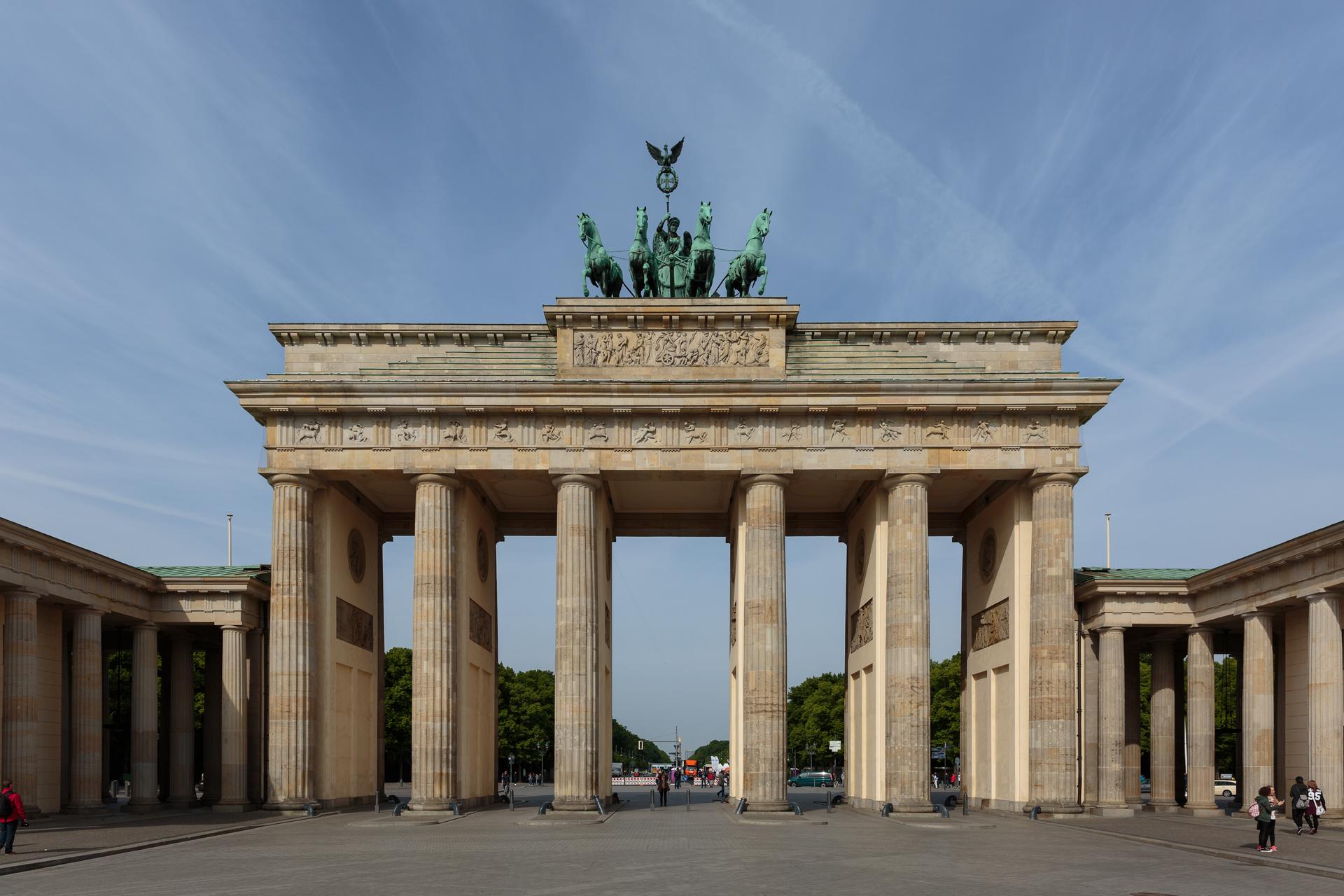
Looking beyond Viktoriapark? Discover Berlin for broader travel guides, local hot-spots, and regional highlights.
Explore Berlin
Discover the architectural beauty of Potsdamer Str. 4, a symbol of Berlin's rich history and modern design in the heart of the city.
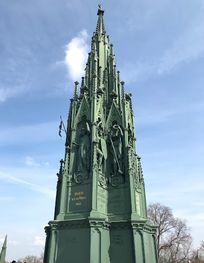
Discover Prussian history and panoramic Berlin views at the iconic National Monument in Viktoriapark, a serene escape in the heart of vibrant Kreuzberg.
