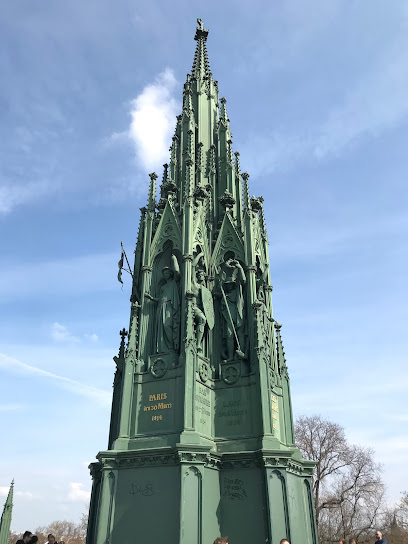
Prussian Monument for the Liberation Wars: A Symbol of Prussian Pride in Viktoriapark
Discover Prussian history and panoramic Berlin views at the iconic National Monument in Viktoriapark, a serene escape in the heart of vibrant Kreuzberg.
Perched atop the Kreuzberg hill in the heart of Viktoriapark, the Prussian National Monument for the Liberation Wars stands as a testament to Prussian resilience and victory over Napoleon. Inaugurated in 1821, this cast-iron monument, designed by Karl Friedrich Schinkel, commemorates the soldiers and citizens who fought in the Liberation Wars. More than just a historical landmark, the monument offers panoramic views of Berlin, inviting visitors to reflect on the city's past while enjoying its present beauty. The surrounding Viktoriapark, with its waterfall and vineyard, provides a tranquil escape from the urban bustle, making the monument a captivating destination for history buffs and nature lovers alike. Its location within the vibrant Kreuzberg district adds to its appeal, offering a blend of cultural exploration and scenic relaxation. The monument is a reminder of Berlin's complex history and its enduring spirit.
A brief summary to Prussian Monument for the Liberation Wars
- Prussian National Monument for the Liberation Wars, Am Weinhang 1, Berlin, Friedrichshain-Kreuzberg, 10965, DE
- Visit website
Local tips
- Climb to the top of the Kreuzberg for panoramic views of Berlin, especially stunning at sunset.
- Explore Viktoriapark's waterfall and vineyard for a tranquil escape from the city bustle.
- Check for guided tours to access the hidden interior of the monument and discover its secret sculptures.
- Combine your visit with a stroll through Kreuzberg to experience its diverse culture and culinary scene.
- Pack a picnic to enjoy on the Kreuzberg hill while taking in the views of the city.

Getting There
-
Public Transport
The Prussian National Monument is easily accessible via public transport. Take the U6 or U7 subway line to Mehringdamm or Platz der Luftbrücke. From either station, it's approximately a 10-15 minute walk to Viktoriapark. Alternatively, take bus 140 to the Kreuzberg/Wasserfall stop, which is right at the entrance to the park. From any of these stops, follow signs for Viktoriapark and the monument. A single public transport ticket within Berlin AB zone costs €3.80. A short trip ticket, valid for 3 stops on the U-Bahn or S-Bahn, or 6 stops on the bus or tram, costs €2.60.
-
Walking
From Bergmannstrasse, a popular street with shops and restaurants, walk south towards Viktoriapark. Follow the signs leading to the park and the Kreuzberg hill. The walk is approximately 15-20 minutes and involves a gradual uphill climb. Once inside the park, follow the winding paths to the monument at the summit. Be prepared for some stairs. There are no costs associated with walking to the monument.
-
Taxi/Ride-Share
A taxi or ride-sharing service from a central location in Kreuzberg, such as near Görtlitzer Park, to the entrance of Viktoriapark will cost approximately €8-€12, depending on traffic. The ride is typically short, around 5-10 minutes. Ask the driver to drop you off near Kreuzbergstraße 15 for the closest access to the park and the path leading up to the monument.
Discover more about Prussian Monument for the Liberation Wars
Iconic landmarks you can’t miss

Prussian Monument for the Liberation Wars
0.0 km
Discover Prussian history and panoramic Berlin views at the iconic National Monument in Viktoriapark, a serene escape in the heart of vibrant Kreuzberg.
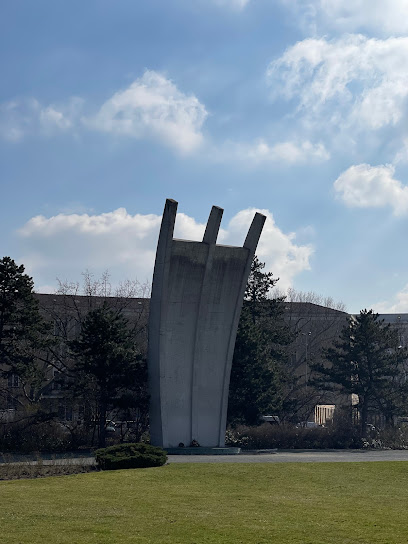
Airlift Memorial
0.6 km
Discover the Airlift Memorial in Berlin, a powerful symbol of resilience and unity honoring the spirit of the Berlin Airlift.
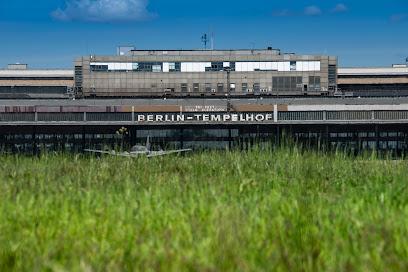
Tempelhof Airport
0.8 km
Discover the rich history of Tempelhof Airport in Berlin, a remarkable landmark and museum celebrating aviation and wartime resilience.
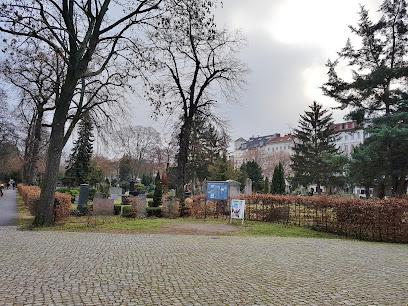
Cemeteries at Hallesches Tor
1.0 km
Explore Berlin's past in a serene oasis: Discover the historic Cemeteries at Hallesches Tor, a peaceful retreat with notable graves and rich cultural heritage.
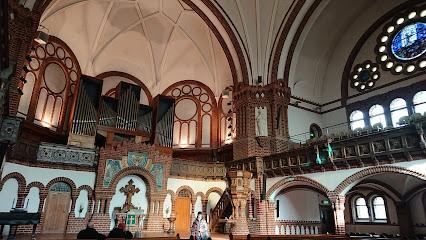
Passionskirche
1.1 km
Explore the architectural beauty and cultural significance of Passionskirche in Berlin's vibrant Friedrichshain-Kreuzberg district.
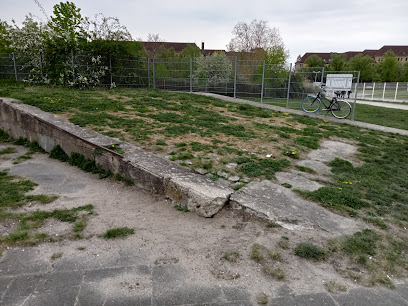
Luftbrücken-Zugladerampe
1.4 km
Explore the Luftbrücken-Zugladerampe, a significant historical landmark in Berlin that embodies the city’s resilient spirit during the Berlin Airlift.
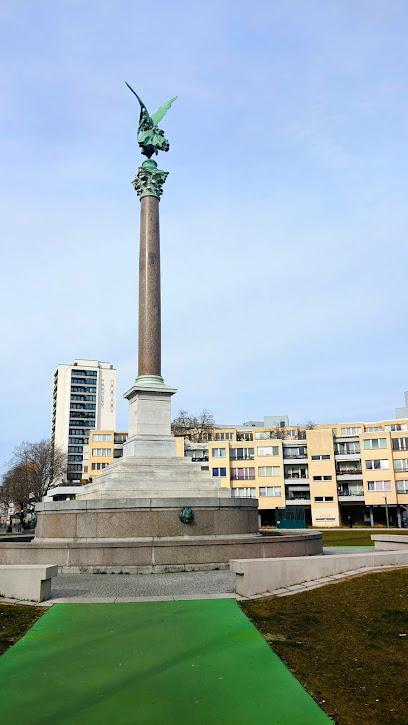
Peace Column
1.4 km
Explore the Peace Column in Berlin, a stunning monument symbolizing reconciliation and harmony amidst the vibrant culture of the city.
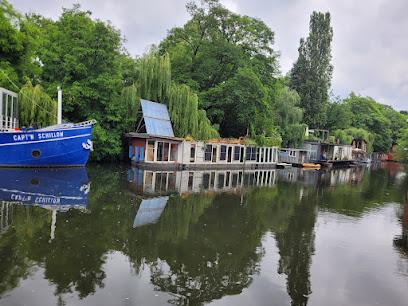
Landwehr Canal
1.6 km
Discover the Landwehr Canal in Berlin, a serene waterway perfect for leisurely strolls, outdoor activities, and vibrant local culture amidst stunning views.
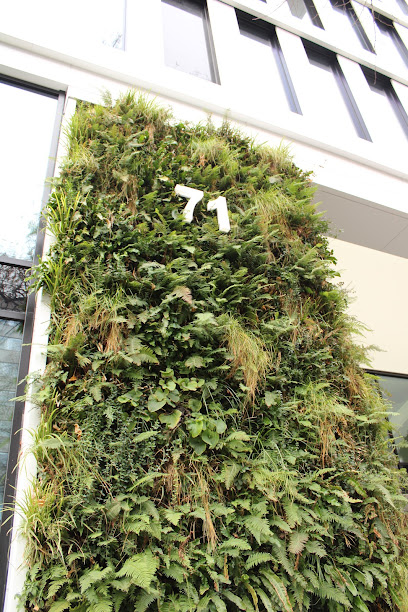
Die Farnmauer
1.7 km
Discover Berlin's hidden oasis: Die Farnmauer, a unique vertical garden offering a tranquil escape in the heart of the city's vibrant Friedrichshain-Kreuzberg district.
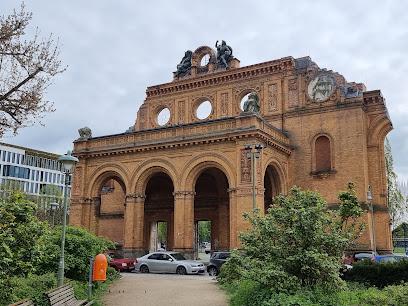
Anhalter Bahnhof
1.8 km
Discover the architectural beauty and historical significance of Anhalter Bahnhof, Berlin's iconic train station and a symbol of the city's rich heritage.
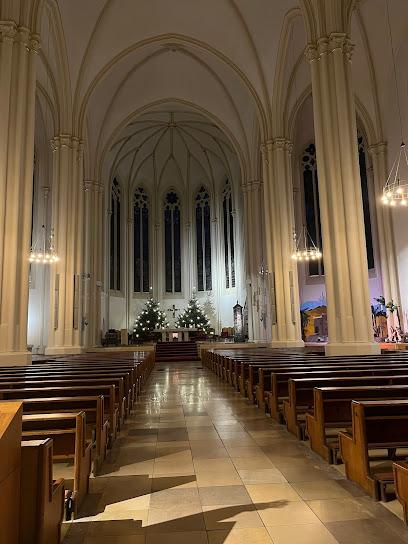
St. Matthias, Berlin
2.0 km
Discover the serene beauty of St. Matthias, a stunning Catholic church in Berlin's Tempelhof-Schöneberg, where architecture meets spirituality.
Gleditschstraße 5
2.0 km
Explore the architectural beauty of Gleditschstraße 5 in Berlin's Tempelhof-Schöneberg, a blend of history and modern design.
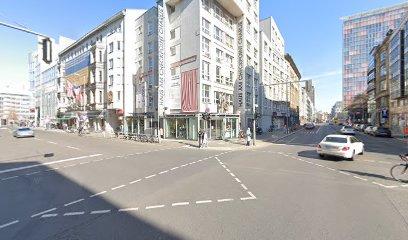
Friedrichstraße 43
2.2 km
Explore the architectural gem of Friedrichstraße 43 in Berlin, where history meets modernity in the heart of Friedrichshain-Kreuzberg.
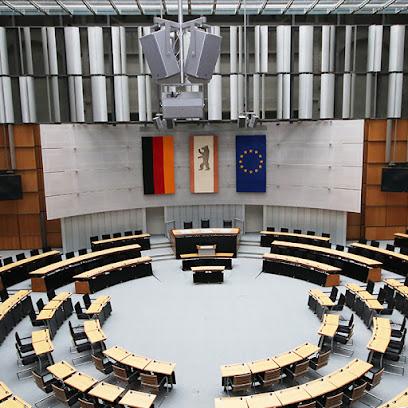
Abgeordnetenhaus Berlin
2.2 km
Explore the architectural marvel of Abgeordnetenhaus Berlin, where history, politics, and culture intertwine in the heart of the city.
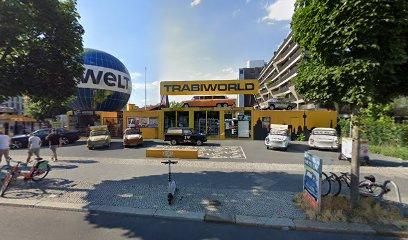
Zimmerstraße 97
2.3 km
Explore the historic Zimmerstraße 97 in Berlin's Mitte district, a symbol of the city's rich cultural heritage and dynamic urban life.
Unmissable attractions to see

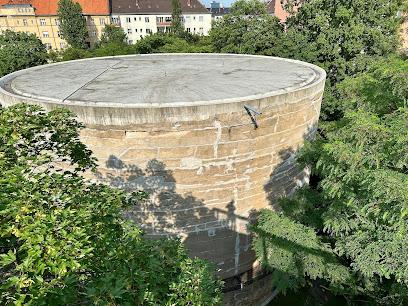
Heavy Load-Bearing Body
0.8 km
Explore the Heavy Load-Bearing Body in Berlin, a monumental landmark showcasing the city's engineering history and architectural innovation.
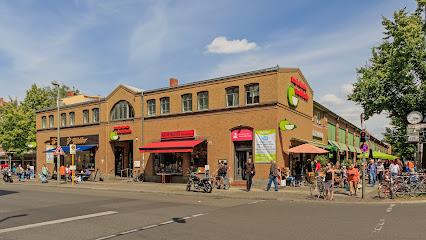
Marheineke Markthalle
0.9 km
Explore the delightful Marheineke Markthalle, a vibrant market in Berlin where culinary delights and local culture come together for an unforgettable experience.
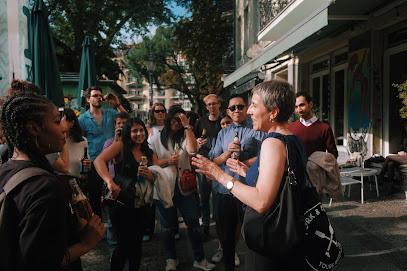
Fork & Walk - Food Tours Berlin
1.0 km
Experience Berlin's culinary delights with Fork & Walk - Food Tours. A food lover's paradise showcasing local flavors and hidden gems.
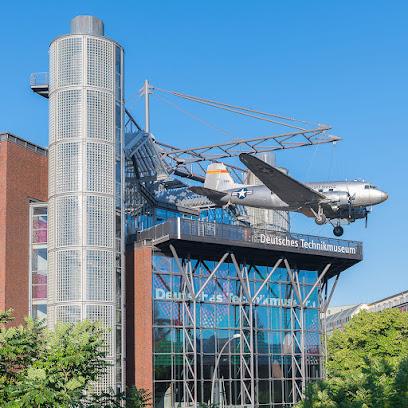
German Museum of Technology
1.3 km
Discover the wonders of innovation and technology at the German Museum of Technology in Berlin, where history meets modernity.
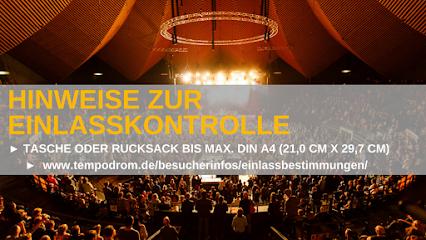
Tempodrom Berlin
1.6 km
Discover the vibrant live music scene at Tempodrom Berlin, a cultural hub for unforgettable performances and events.
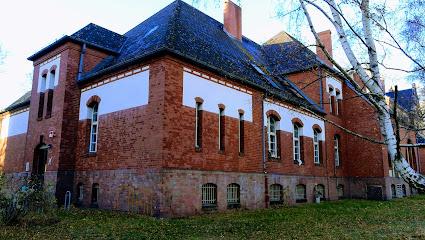
Memorial SA prison Papestraße
1.6 km
Discover the poignant history of the Memorial SA Prison Papestraße in Berlin, a significant site reflecting on the impact of the Nazi regime.
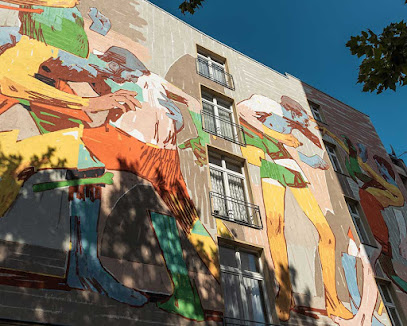
Mural by Aryz
1.6 km
Discover Aryz's captivating mural in Berlin's Friedrichshain-Kreuzberg, a vibrant expression of street art reflecting the city's creative spirit.
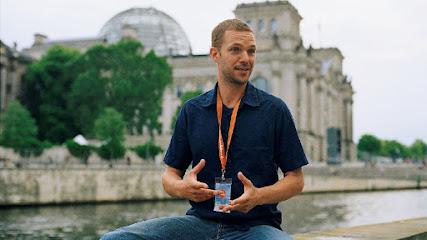
Vive Berlin Tours
1.6 km
Discover Berlin's history and culture with expert-guided tours from Vive Berlin Tours, exploring iconic landmarks and hidden gems.
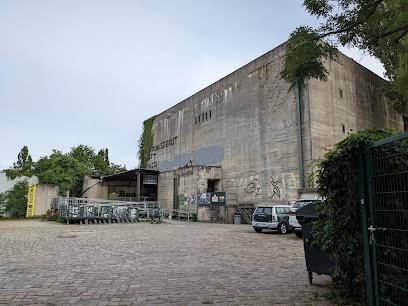
Berlin Story Bunker
1.7 km
Explore the depths of Berlin's history at the Berlin Story Bunker, a captivating museum and historical landmark that tells the city's compelling stories.
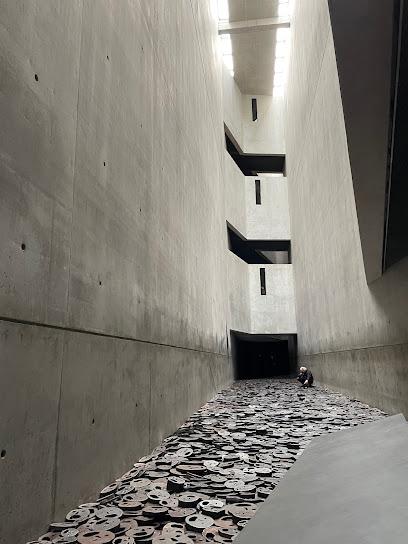
Jewish Museum Berlin
1.9 km
Discover the poignant history and vibrant culture of Jews in Germany at the Jewish Museum Berlin, a striking architectural marvel.
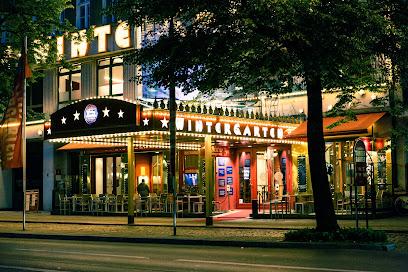
Wintergarten Berlin
2.0 km
Discover the magic of Wintergarten Berlin, where captivating performances meet exquisite dining in the heart of the city.
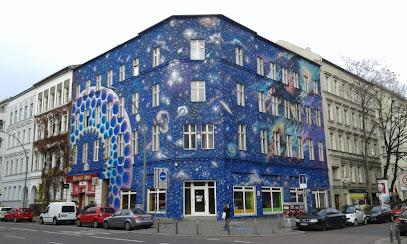
Kreuzberg
2.1 km
Explore the vibrant culture, diverse cuisine, and dynamic arts scene of Kreuzberg, Berlin's creative hub for an unforgettable travel experience.

Urban Nation
2.1 km
Discover Urban Nation, Berlin's premier destination for contemporary street art, showcasing vibrant murals and innovative exhibits from renowned artists worldwide.
Topography of Terror
2.1 km
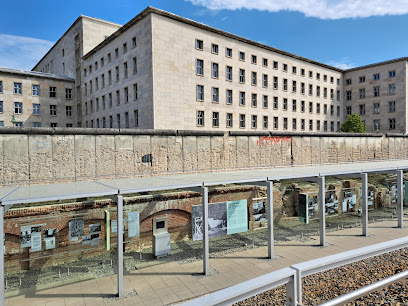
Explore the haunting history of Berlin at the Topography of Terror, a museum dedicated to the atrocities of the Nazi regime and the GDR's oppressive past.
Berlinische Galerie
2.1 km
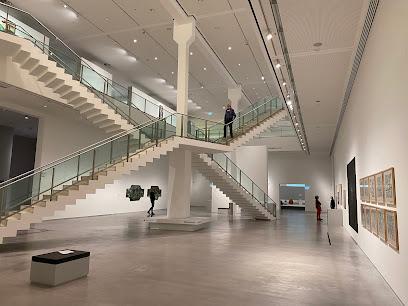
Explore the Berlinische Galerie, a modern art museum showcasing contemporary art, photography, and architecture in the vibrant heart of Berlin.
Essential places to dine

Malakeh Restaurant
1.6 km
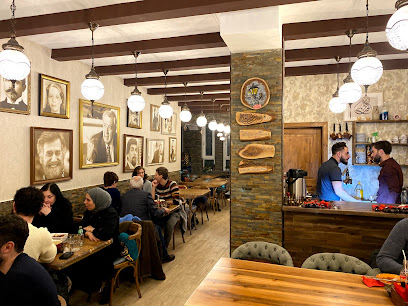
Experience the rich flavors of authentic Syrian cuisine at Malakeh Restaurant in Berlin's Tempelhof-Schöneberg district.
Rutz Zollhaus
1.7 km
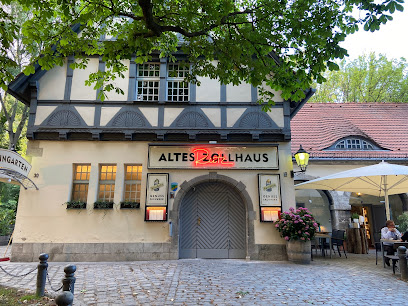
Discover Rutz Zollhaus in Berlin: Where Tradition Meets Innovation in German Cuisine
Nobelhart & Schmutzig
2.1 km
Experience exquisite fine dining at Nobelhart & Schmutzig in Berlin - where traditional German cuisine meets innovative culinary artistry.
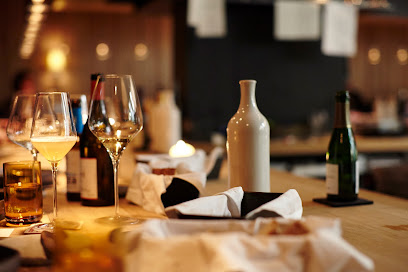
GOLVET
2.2 km
Experience unparalleled fine dining at GOLVET, where modern European cuisine meets breathtaking views in the heart of Berlin.
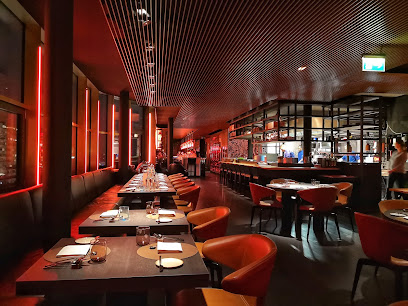
Restaurant Tim Raue
2.2 km
Experience culinary mastery at Restaurant Tim Raue - where Asian flavors meet innovative fine dining in Berlin's vibrant heart.
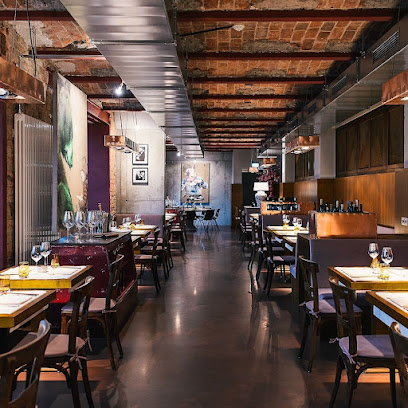
Johnny's Bar - Karibisches Restaurant
2.3 km
Experience authentic Caribbean flavors at Johnny's Bar in Berlin - where every dish tells a story and every sip transports you to paradise.
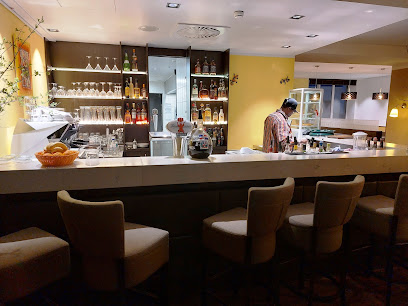
Restaurant Facil
2.4 km
Experience culinary artistry at Restaurant Facil in Berlin – where exquisite flavors meet modern elegance in fine dining.
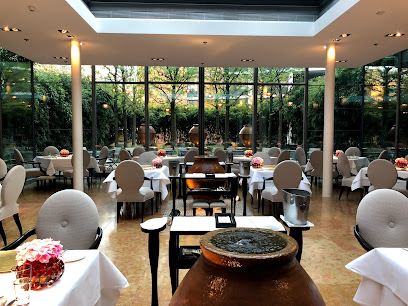
Restaurant Maximilians Berlin
2.7 km
Experience authentic Bavarian cuisine at Restaurant Maximilians in Berlin's Mitte district—where every meal is a celebration of flavor.
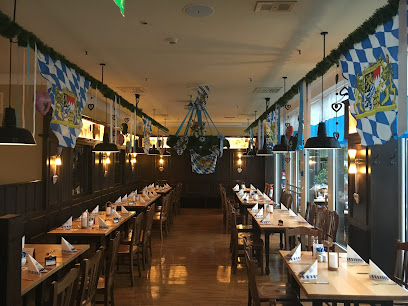
Elefant
2.8 km
Experience authentic German cuisine at Elefant in Berlin's Tempelhof-Schöneberg - where tradition meets flavor.
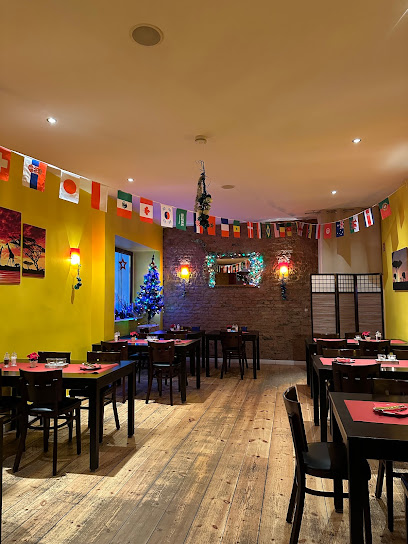
Max und Moritz
2.8 km
Discover Max und Moritz: A culinary gem in Berlin offering authentic German dishes and a cozy atmosphere perfect for all occasions.
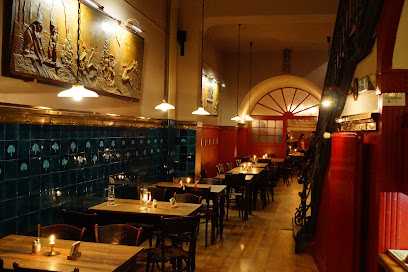
Horváth
2.8 km
Discover culinary artistry at Horváth in Berlin - where fine dining meets innovative European and vegetarian cuisine.
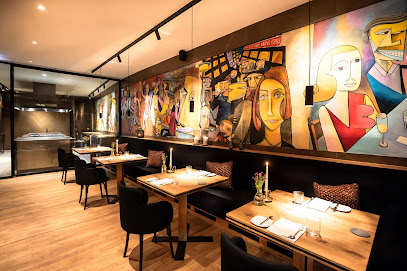
Spindler
2.9 km
Discover the exquisite flavors of modern French cuisine at Spindler, Berlin's premier bistro and steakhouse along Paul-Lincke-Ufer.
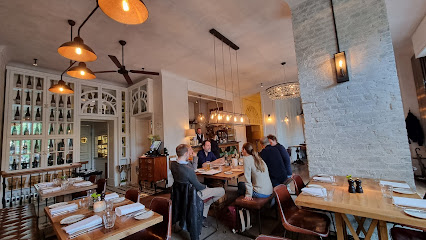
Bob & Thoms
2.9 km
Explore the vibrant culinary scene at Bob & Thoms, where innovative flavors meet exceptional service in the heart of Berlin.
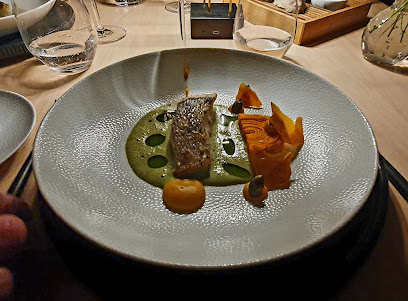
Lila restaurant
2.9 km
Discover Lila Restaurant in Berlin: A unique dining experience by the canal featuring fresh flavors and vibrant atmosphere.
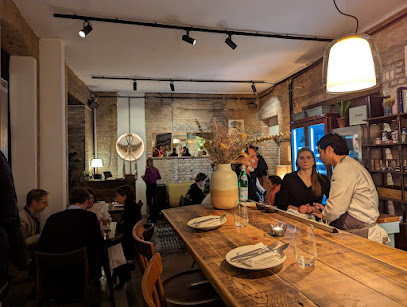
BLESS Restaurant
2.9 km
Experience the vibrant fusion of Vietnamese and Asian cuisine at BLESS Restaurant in Berlin's Mitte district.
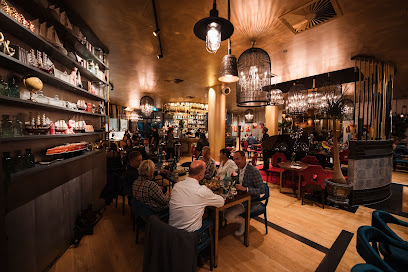
Markets, malls and hidden boutiques

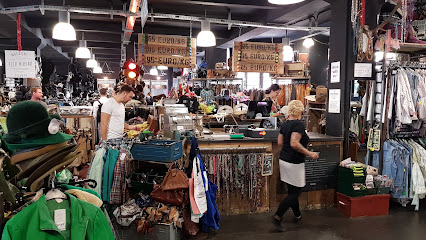
PICKNWEIGHT - VINTAGE KILO STORE
0.6 km
Explore Berlin's premier vintage kilo store for unique clothing finds, where fashion meets sustainability in a fun shopping experience.
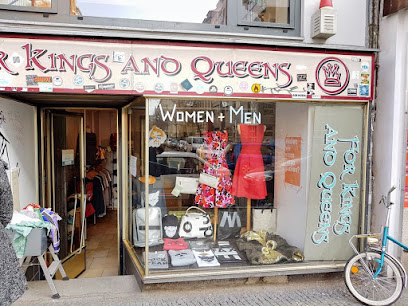
For Kings and Queens
0.9 km
Explore the eclectic charm of For Kings and Queens, Berlin's premier vintage clothing store nestled in the heart of vibrant Kreuzberg.
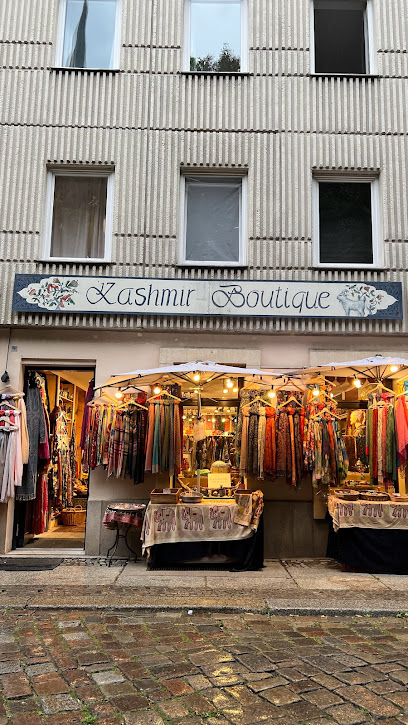
Kashmir Boutique
1.0 km
Discover the charm of Kashmir Boutique in Berlin, where exquisite textiles and handcrafted goods celebrate the rich heritage of Kashmir.
Andreas Murkudis
1.9 km
Explore avant-garde fashion at Andreas Murkudis, a unique clothing store in Berlin's Mitte district showcasing curated collections.
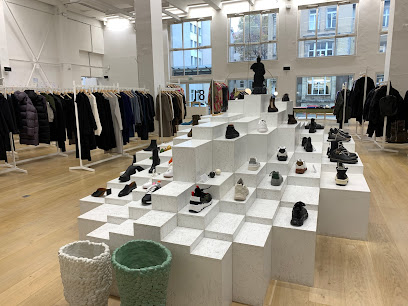
Vielfach Berlin -Das Kreativkaufhaus-
2.2 km
Explore the vibrant essence of Berlin at Vielfach Berlin, your ultimate destination for unique gifts and local artistry.
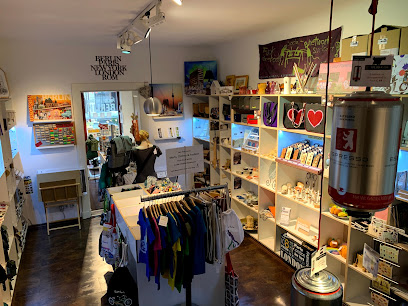
Berlin Loves You
2.2 km
Explore unique souvenirs and local treasures at 'Berlin Loves You', the quintessential store for capturing the spirit of Berlin.
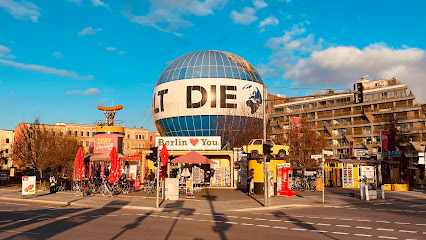
The Playce
2.3 km
Experience shopping bliss at The Playce in Berlin, where high-quality stores meet delightful dining and vibrant entertainment.
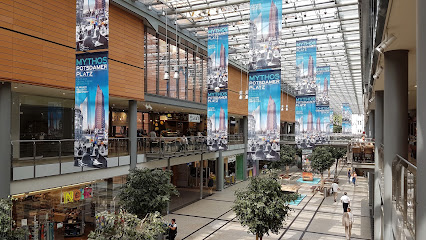
homage store I Ethical Concept Store
2.4 km
Explore the Homage Store in Berlin for unique, ethically-sourced gifts and clothing that celebrate local craftsmanship and sustainability.
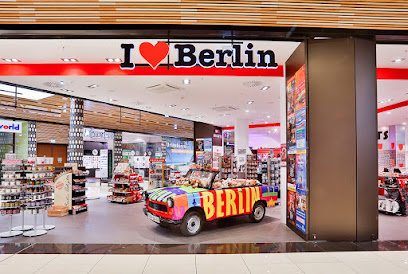
I love Berlin
2.5 km
Explore 'I Love Berlin' for unique souvenirs and gifts that embody the vibrant culture and spirit of Berlin, located in the heart of the city.
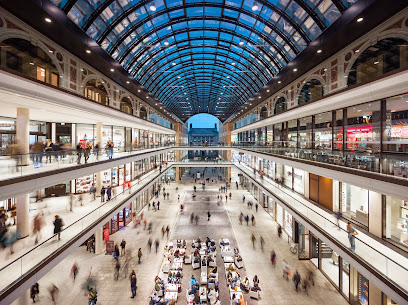
Mall of Berlin
2.5 km
Explore the Mall of Berlin: A shopping haven in the heart of the city with endless retail, dining, and entertainment options.
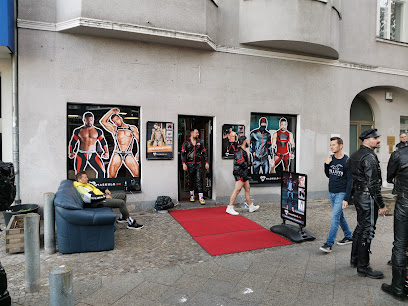
Outtox Berlin city store (by Maskulo Germany)
2.7 km
Explore Outtox Berlin for unique clothing that embodies style and individuality in the heart of Germany's vibrant capital.
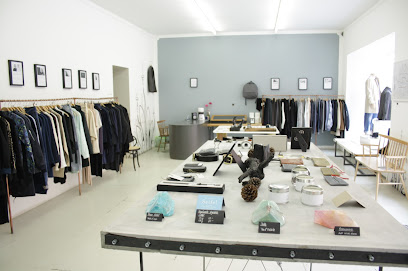
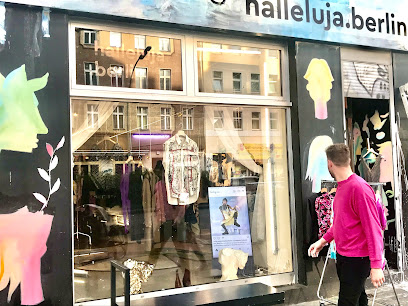
halleluja.berlin | Inhaber: Karasu & Wohlleber GbR
2.8 km
Discover unique vintage treasures at Halleluja Berlin, where eco-friendly fashion meets eclectic style in the heart of the city.
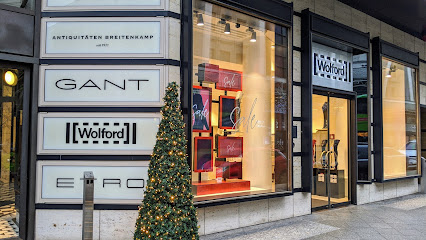
Wolford Boutique Berlin
2.9 km
Experience luxury and elegance at Wolford Boutique Berlin, your go-to destination for exquisite women's fashion and lingerie.
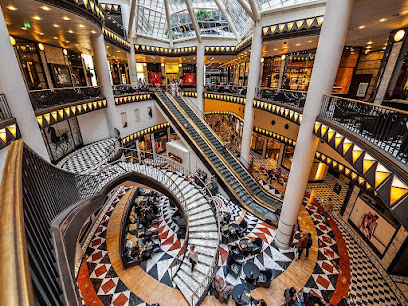
Galeries Lafayette
3.0 km
Discover the allure of luxury shopping and gourmet dining at Galeries Lafayette in the heart of Berlin, a must-visit for every traveler.
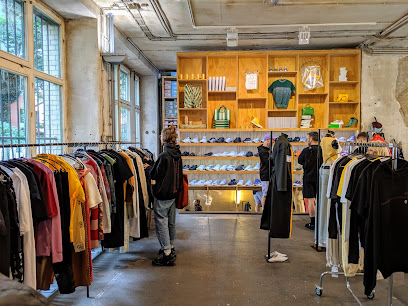
Voo Store
3.1 km
Explore Voo Store, an eclectic blend of fashion and café culture in Berlin's vibrant Friedrichshain-Kreuzberg district.
Essential bars & hidden hideouts

Destille Kreuzberg
0.5 km
Discover the heart of Berlin's nightlife at Destille Kreuzberg, a lively pub offering an extensive drink menu and vibrant atmosphere.
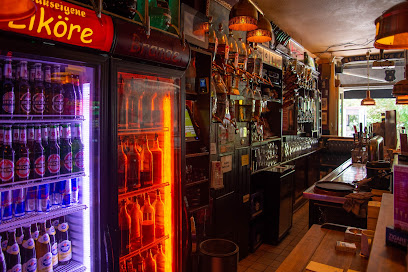
Clash
0.7 km
Discover the vibrant nightlife at Clash in Berlin, where affordable drinks and great music create the perfect pub experience.
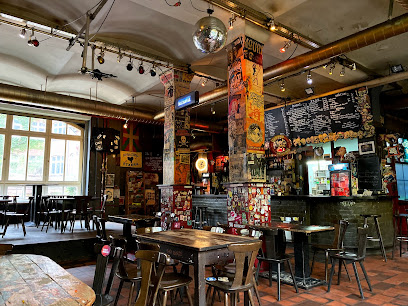
LIMONADIER Cocktailbar
0.8 km
Discover LIMONADIER Cocktailbar, where innovative cocktails and a vibrant atmosphere collide in the heart of Berlin's nightlife.
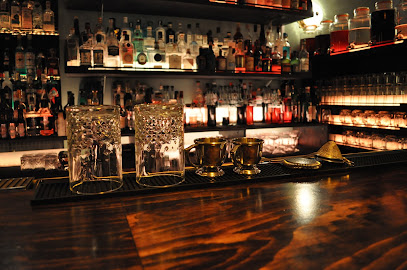
Victoria Bar
1.9 km
Experience the vibrant nightlife of Berlin at Victoria Bar, known for its exquisite cocktails and stylish atmosphere.
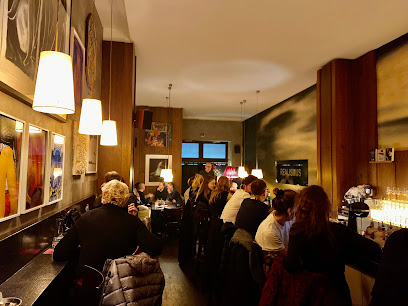
Green Door Bar
2.2 km
Discover the enchanting Green Door Bar in Berlin, where expertly crafted cocktails meet a cozy, speakeasy atmosphere for an unforgettable night out.
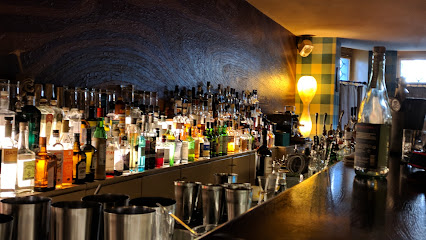
Stagger Lee
2.3 km
Experience the best of Berlin nightlife at Stagger Lee, a cocktail bar offering innovative drinks and a vibrant atmosphere in Tempelhof-Schöneberg.
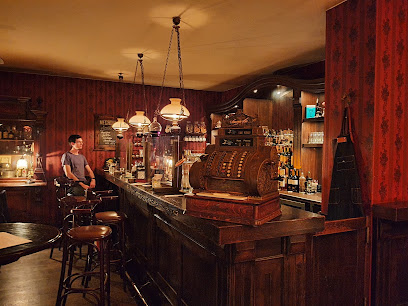
Charlie's Beach
2.4 km
Discover the perfect blend of relaxation and excitement at Charlie's Beach, a vibrant bar in Berlin's Mitte district with delightful drinks and a lively atmosphere.
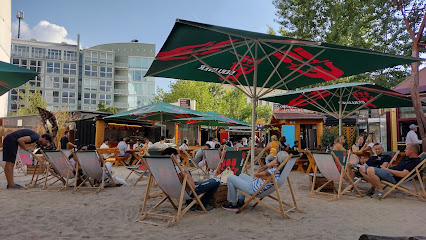
Posh Bar
2.4 km
Discover the elegance of Posh Bar in Berlin, where expertly crafted cocktails meet a chic atmosphere in the heart of the city's nightlife.
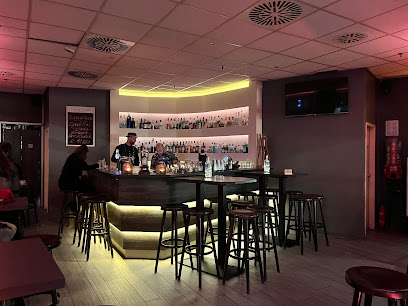
The Curtain Club
2.5 km
Experience elegance at The Curtain Club, Berlin's premier bar with exquisite cocktails and a chic atmosphere in the heart of Potsdamer Platz.
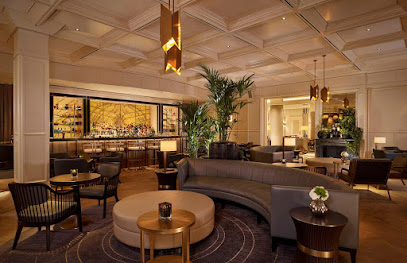
The Unique Bar Berlin
2.7 km
Discover the vibrant nightlife at The Unique Bar Berlin, where exquisite cocktails and a stylish atmosphere await you in the heart of the city.
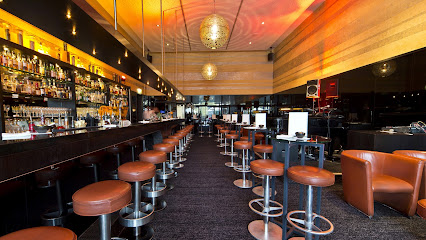
Bei Schlawinchen - Berlin
2.8 km
Discover the eclectic pub and restaurant experience at Bei Schlawinchen in Berlin's vibrant Friedrichshain-Kreuzberg district, where delicious cuisine meets a lively atmosphere.
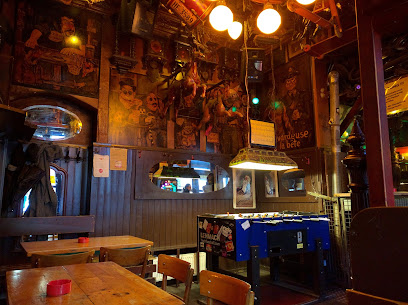
Würgeengel
2.8 km
Experience the vibrant nightlife of Berlin at Würgeengel, a cocktail bar renowned for its creative drinks and lively atmosphere.
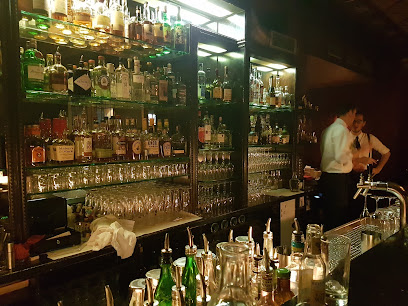
Newton Bar
2.9 km
Experience the vibrant nightlife of Berlin at Newton Bar, where stylish cocktails and a chic atmosphere await in Mitte.
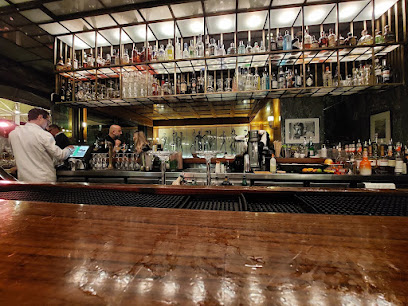
Bar39
2.9 km
Experience the vibrant nightlife of Kreuzberg at Bar39, where innovative cocktails meet a lively atmosphere, perfect for every night out in Berlin.
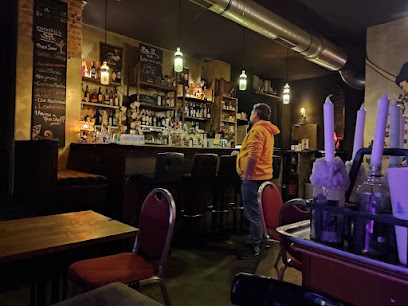
Oranienberger
2.9 km
Experience the vibrant nightlife and culinary delights at Oranienberger, a unique bar and restaurant in Berlin's trendy district.
Nightclubs & after hour spots

MANDINGO CLUB BERLIN
0.3 km
Discover the electrifying nightlife of Mandingo Club Berlin, where music, dance, and vibrant crowds create unforgettable party experiences.
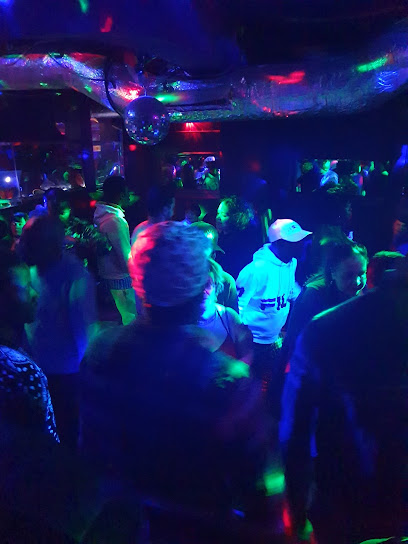
Hillringhain
0.8 km
Discover Hillringhain: A top Berlin night club with an electrifying atmosphere, exceptional music, and unforgettable nightlife experiences.
Gretchen
1.0 km
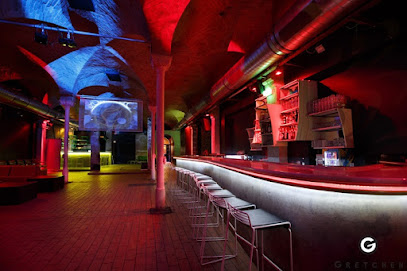
Experience the vibrant nightlife of Berlin at Gretchen, a top live music venue and night club known for its eclectic atmosphere and diverse music scene.
Surprise Club & Disco Berlin
2.1 km
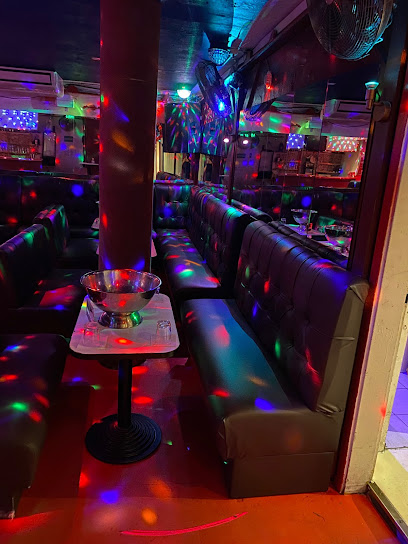
Discover the electrifying nightlife at Surprise Club & Disco Berlin, where the dance floor comes alive with music and energy until dawn.
Ritter Butzke
2.5 km
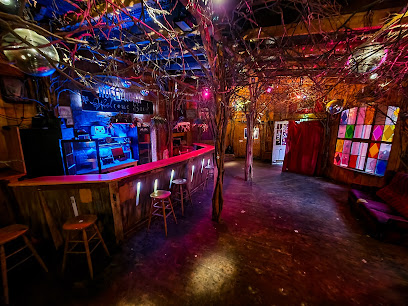
Discover the heart of Berlin's nightlife at Ritter Butzke, a night club where music and art unite for an unforgettable experience.
Prince Charles
2.5 km
Discover Berlin's vibrant nightlife at Prince Charles, where eclectic events and stylish ambiance create unforgettable memories.
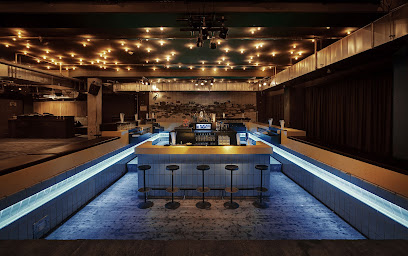
Berlin Jive
2.8 km
Unleash your inner dancer at Berlin Jive, a must-visit night club in the heart of Berlin's vibrant nightlife scene, offering unforgettable music and atmosphere.
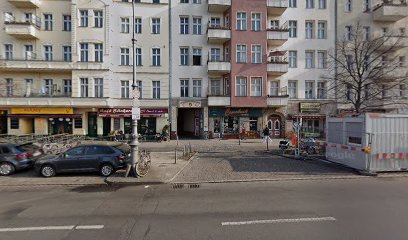
BRICKS Club
2.8 km
Dive into the heart of Berlin's nightlife at BRICKS Club, where vibrant music, stylish cocktails, and unforgettable memories await every visitor.
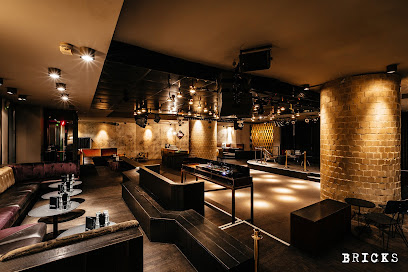
Monarch Bar
2.9 km
Discover Monarch Bar: Berlin's ultimate night club for live music, eclectic vibes, and affordable drinks in the heart of the city.
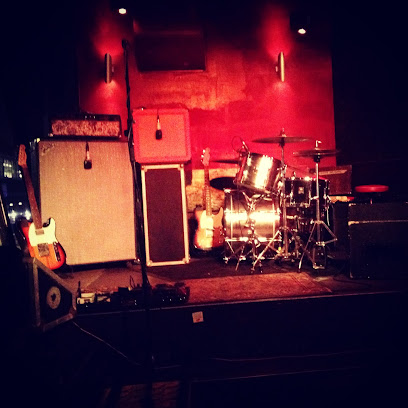
Sage Club - Berlin
3.5 km
Discover the vibrant nightlife at Sage Club in Berlin, where electrifying beats and a unique atmosphere create unforgettable memories.
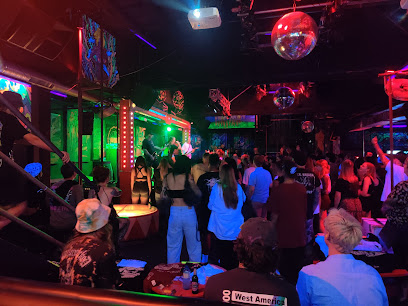
808 Nachtklub
3.6 km
Discover the vibrant nightlife at 808 Nachtklub in Berlin, where electrifying music and a lively atmosphere await party enthusiasts.
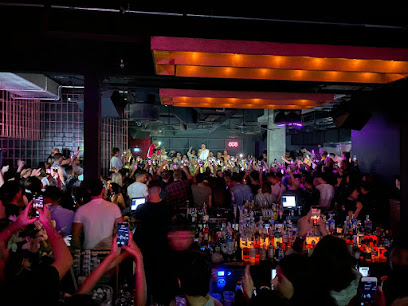
Tresor Berlin I Club & label
3.6 km
Experience the vibrant pulse of Berlin's nightlife at Tresor, a legendary techno club with a rich history and electrifying atmosphere.
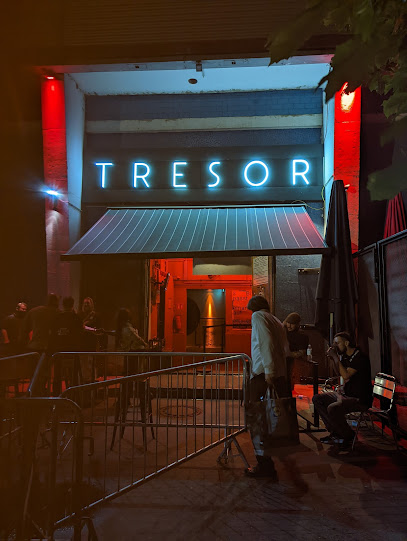
OHM
3.6 km
Dive into Berlin's vibrant nightlife at OHM Disco Club, where eclectic music and an electrifying atmosphere await all night long.
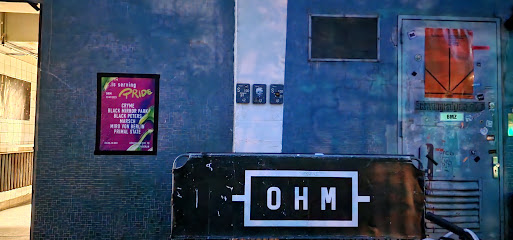
THE DOOR - BOUTIQUE CLUB
3.7 km
Discover Berlin's nightlife at The Door - Boutique Club, where style meets electric beats in a vibrant atmosphere.
Maxxim
3.8 km
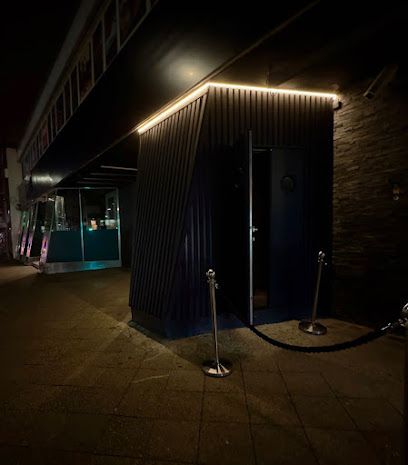
Experience the pulse of Berlin at Maxxim, a premier night club offering unforgettable music, vibrant atmosphere, and late-night fun.