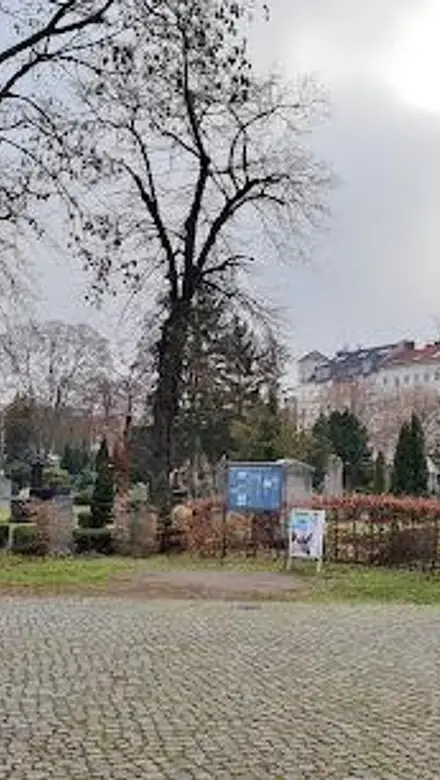
Cemeteries at Hallesches Tor, Berlin Travel Guide
Free Guide: Explore Berlin's past in a serene oasis: Discover the historic Cemeteries at Hallesches Tor, a peaceful retreat with notable graves and rich cultural heritage.


A brief summary of Cemeteries at Hallesches Tor
Explore Berlin's past in a serene oasis: Discover the historic Cemeteries at Hallesches Tor, a peaceful retreat with notable graves and rich cultural heritage.
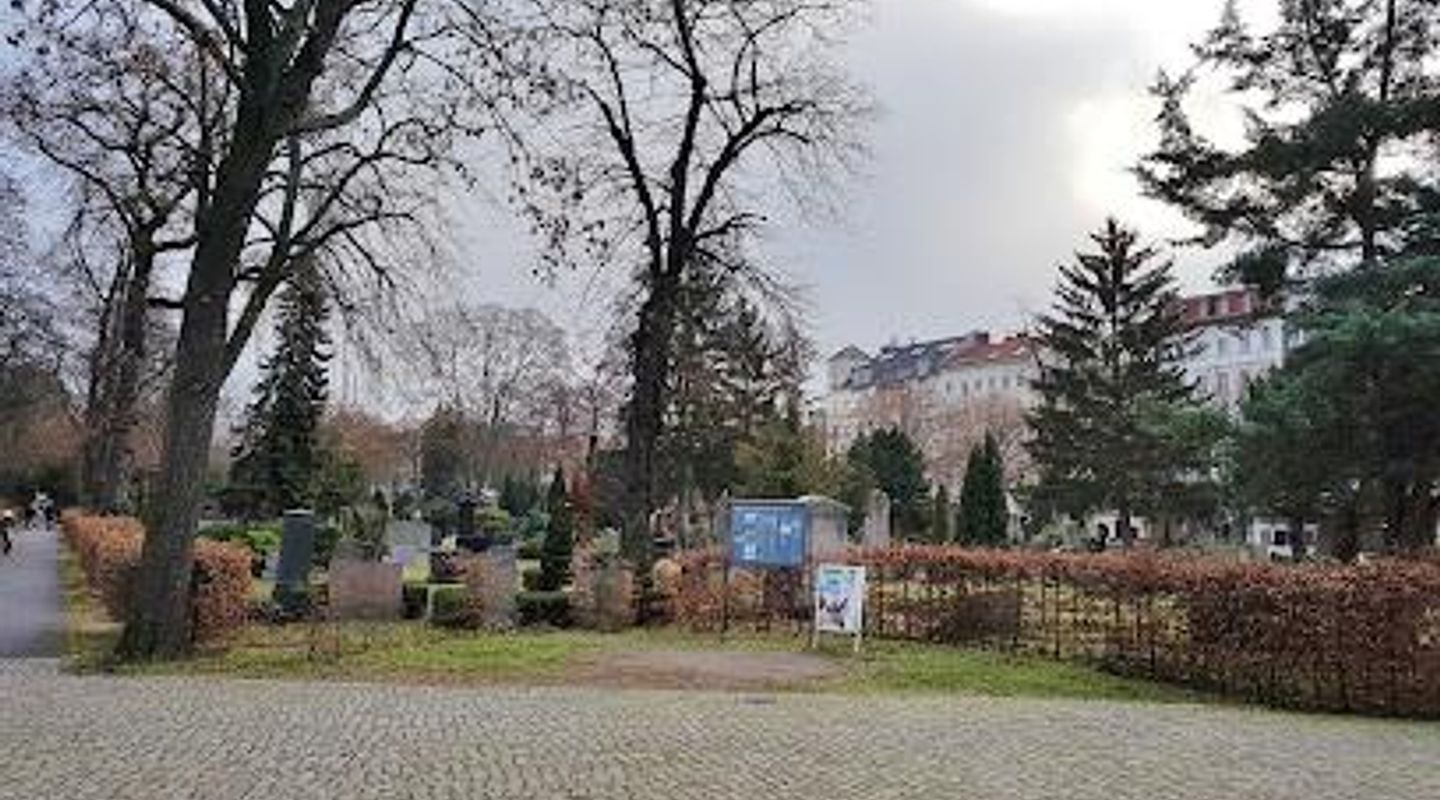
The Cemeteries at Hallesches Tor, a collection of six distinct cemeteries in Berlin's Kreuzberg district, offer a serene escape from the city's bustle. Established in the early 18th century outside the then-city walls, these grounds provide a glimpse into Berlin's history and art. Wander among moss-covered tombstones, intricate ironwork, and towering trees, discovering the final resting places of notable figures like Felix Mendelssohn Bartholdy and E.T.A. Hoffmann. The cemeteries' layout reflects the changing social and religious landscape of Berlin, with sections for different parishes and communities. Today, the cemeteries serve as a peaceful park and a poignant reminder of the city's rich past, inviting reflection and contemplation amidst the urban environment. Explore the grounds and discover the stories etched in stone, offering a unique perspective on Berlin's cultural heritage.
Opening hours
- Every day8 am–7 pm
Opening hours as listed on the venue’s Google Business Profile. Hours can change for services and special events, so check with the venue before you go.
- Address
- Mehringdamm 22, 10961 Berlin
- Website
Getting there
Public Transport
Taxi/Ride-Share
Walking
Discover more about Cemeteries at Hallesches Tor
Overview
The Cemeteries at Hallesches Tor, a historically significant burial ground in Berlin's Kreuzberg district, comprises six distinct cemeteries: Cemeteries I, II, and III of the Jerusalem and New Church Parish, Cemetery I of the Trinity Parish, the Cemetery of the Bethlehem or Bohemian Community, and the Cemetery of the Brethren Community Berlin. These cemeteries, located between Mehringdamm and Zossener Straße, offer a tranquil retreat from the city's vibrant energy and provide a unique window into Berlin's past. Established in 1735, the cemeteries were initially located outside the Berlin customs wall, near the Hallesches Tor (Halle Gate). This gate was the only one in southern Berlin through which Jews were permitted to pass until the Jewish Edict of 1812. As Berlin expanded, the cemeteries became an integral part of the city, reflecting its evolving social and religious fabric. The grounds have undergone numerous changes over the centuries, including expansions, war damage, and alterations due to road construction, resulting in a somewhat eclectic and improvised atmosphere. The cemeteries are the final resting place of many notable figures, including composer Felix Mendelssohn Bartholdy, his sister Fanny Hensel, architect Georg Wenzeslaus von Knobelsdorff (who designed the Staatsoper Unter den Linden), and writer E.T.A. Hoffmann. The graves of the Mendelssohn family are particularly significant, with twenty-eight Protestant descendants of the Jewish philosopher Moses Mendelssohn buried here. A permanent exhibition in the former chapel of the Trinity Cemetery I commemorates the Mendelssohn family's contributions to German-Jewish history, showcasing previously unseen documents and portraits. Wandering through the cemeteries, visitors will encounter a variety of artistic and historical features. Many old graves are adorned with impressive gravestones, some featuring artistically interesting stone carvings. The grounds are also home to several mausoleums and wall graves, reflecting the changing burial practices and social hierarchies of Berlin over time. The moss-covered tombstones, intricate iron grates, and towering trees create an eerily romantic atmosphere, attracting those seeking a connection to the past. The Cemetery of the Bethlehem or Bohemian Community offers a glimpse into the history of religious refugees in Berlin. Established in 1740, this cemetery provided a burial ground for members of the Bohemian community who fled to Berlin in the 18th century. The cemetery features many lattice graves and wall graves, reflecting the community's unique cultural identity. Today, the Cemeteries at Hallesches Tor serve as both a peaceful park and a poignant memorial. Visitors can stroll along the winding footpaths, admire the historic graves, and reflect on the lives of those buried here. The cemeteries also host various events, including guided tours, art exhibitions, and musical performances, further enriching the cultural experience. Despite their historical significance, the cemeteries have faced challenges over the years. During the Cold War, the Berlin Wall separated the cemetery from its parish in the east, leading to neglect and disrepair. In the mid-1950s, the construction of the America Memorial Library resulted in the relocation of the north entrance to the grounds. Road relocations have also led to the leveling of some graves. Despite these challenges, the Cemeteries at Hallesches Tor remain a valuable cultural and historical resource. They offer a unique perspective on Berlin's past, inviting visitors to explore the stories etched in stone and to contemplate the city's rich heritage. Whether you are interested in history, art, or simply seeking a peaceful escape from the city, the Cemeteries at Hallesches Tor are well worth a visit. The cemeteries are a testament to the enduring power of memory and the importance of preserving our cultural heritage for future generations. They stand as a reminder of the lives, loves, and losses that have shaped Berlin into the vibrant and complex city it is today. Exploring these grounds offers a chance to connect with the past and to gain a deeper understanding of the human experience.
Evendo Review Centre
 Google
Guest reviews
Explore Cemeteries at Hallesches Tor on the map
A handpicked selection of must-see spots near Cemeteries at Hallesches Tor, mapped for you.
Get your free copy of our complete guide to Cemeteries at Hallesches Tor, delivered straight to you.
Everything on this page, from opening hours and how to get there to Eve’s tips and the best time to go, in one PDF you can read offline, print or share.
Already have an account? Sign in
Your Cemeteries at Hallesches Tor guide is ready.
We'll send it to · Not you? Sign out

Getting your guide ready…
We are putting together a fresh copy of the Cemeteries at Hallesches Tor guide. This can take up to a minute.
This can take a few moments. If your browser asks, choose Allow so the download can start. You'll find the guide in your Downloads folder.
Nothing happened? Download it again
Sorry, the guide is taking longer than usual. Please try again in a minute, or get it by email instead.
Other nearby places you may find interesting
The closest places of the same kind, if this one is not quite what you had in mind.
-
-
-
-
-


Swipe for more places
More to explore near Cemeteries at Hallesches Tor
-
 Best experiences near Cemeteries at Hallesches Tor
-
 Best hotels near Cemeteries at Hallesches Tor
-
 Best landmarks near Cemeteries at Hallesches Tor
-
 Best attractions near Cemeteries at Hallesches Tor
-
 Best shops near Cemeteries at Hallesches Tor
-
 Best restaurants near Cemeteries at Hallesches Tor
-
 Best bars near Cemeteries at Hallesches Tor


Do you manage this location?
Take control to get all the benefits, like improved information, better appearance, and stronger visibility across AI-powered discovery.
Explore more

Explore more of Berlin
Berlin: A fascinating blend of history, culture, and modernity, offering everything from historic landmarks to vibrant nightlife and culinary delights.
Explore Berlin
Explore more of Germany
Experience Germany: where history meets innovation, and urban energy blends with natural beauty. Discover diverse cultures, delicious cuisine, and stunning landscapes.
Explore Germany