Berlin Wall Memorial, Berlin Travel Guide
Explore the Berlin Wall Memorial on Bernauer Strasse: a poignant reminder of division and a symbol of reunification, offering a powerful glimpse into Cold War history.
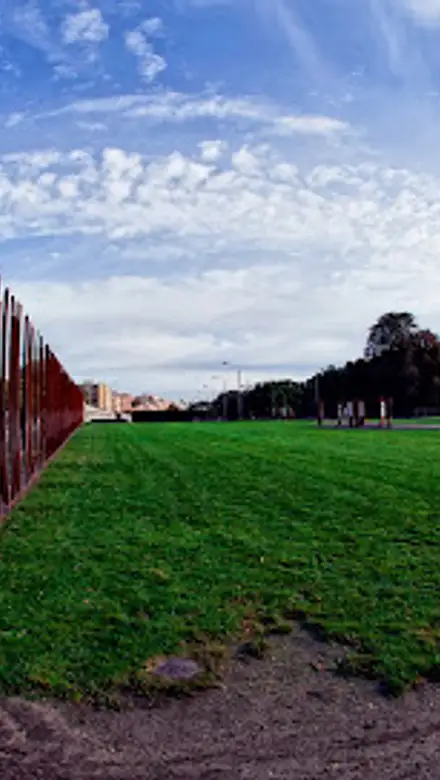
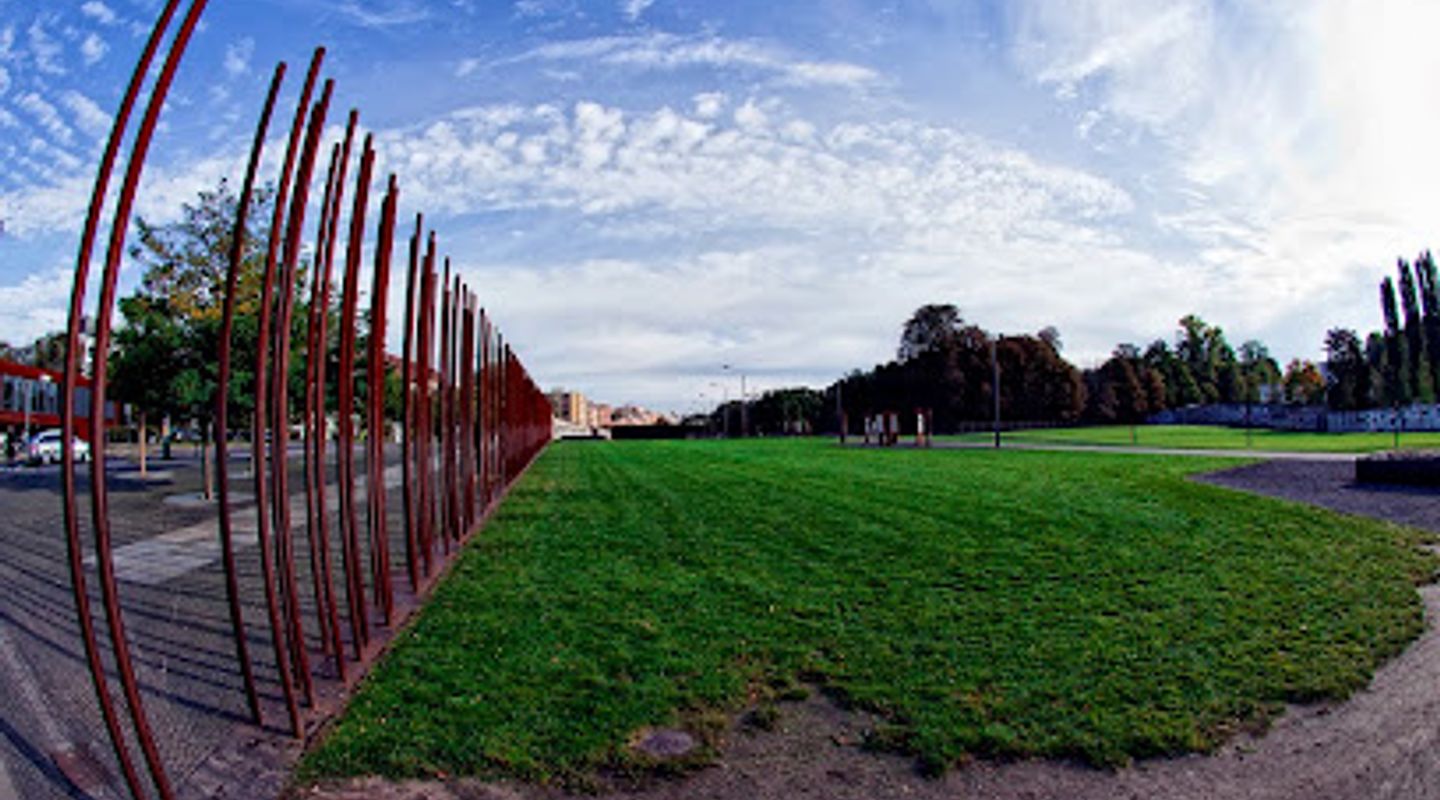
The Berlin Wall Memorial, situated on Bernauer Strasse, stands as a poignant reminder of Germany's division during the Cold War. Stretching 1.4 kilometers along the former border strip, this memorial preserves a significant section of the Berlin Wall, offering visitors a chilling glimpse into the past. The outdoor exhibition, open daily, showcases the border fortifications, watchtowers, and the 'death strip,' illustrating the physical and emotional barriers that separated East and West Berlin. The Documentation Center provides in-depth historical context, while the Visitor Center offers an overview of the memorial grounds and other Berlin Wall sites. Admission is free, making it accessible to all who wish to reflect on this pivotal period in history. The Memorial includes the Chapel of Reconciliation, built on the site of a former church destroyed by the East German regime, and the Window of Remembrance, honoring those who lost their lives attempting to cross the Wall. A visit here is a powerful and essential experience for understanding Berlin's complex past and the triumph of reunification.
A brief summary to Berlin Wall Memorial
- Bernauer Str. 111, Berlin, Mitte, 13355, DE
- Click to display
- Click to display
- Monday 8 am-10 pm
- Tuesday 8 am-10 pm
- Wednesday 8 am-10 pm
- Thursday 8 am-10 pm
- Friday 8 am-10 pm
- Saturday 8 am-10 pm
- Sunday 8 am-10 pm

Know before you go
Hi, I'm Eve. Here are a few practical things to know before exploring Berlin Wall Memorial.
- Wear comfortable shoes, as you'll be doing a lot of walking to explore the extensive outdoor memorial grounds.
- Visit the Documentation Center's observation tower for a chilling view of the former 'death strip' and the layout of the border fortifications.
- Take time to reflect at the Chapel of Reconciliation, built on the site of a church destroyed during the Wall era.
- Check the Berlin Wall Memorial's website for special events, guided tours, and temporary exhibitions to enhance your visit.
- Consider visiting the nearby 'Border and Ghost Stations' exhibition at Nordbahnhof S-Bahn station to learn about the Wall's impact on Berlin's public transportation.
Do you manage this location?
Take control to get all the benefits, like improved information, better appearance, and stronger visibility across AI-powered discovery. Learn more about listing your business on Evendo
Activate your presenceOther nearby places you may find interesting
The closest places of the same kind, if this one is not quite what you had in mind.

Explore Berlin Wall Memorial on the Map
A handpicked selection of must-see spots near Berlin Wall Memorial, mapped for you.
Unlock the Best of Berlin Wall Memorial
Buy tickets
-
No tickets available
Book tours with entry


Getting There
-
Public Transport
The Berlin Wall Memorial is easily accessible via public transport. From Nordbahnhof S-Bahn station (S1, S2, S25, S26 lines), it's a short walk north along Bernauer Strasse. Alternatively, take the U8 subway line to Bernauer Strasse station, which is also a short walk to the memorial. Tram M10 stops directly at the 'Gedenkstätte Berliner Mauer' stop. Bus 247 also stops nearby at 'S Nordbahnhof/Gartenstr.'. A single public transport fare (AB zone) is approximately €3.50.
-
Taxi/Ride-Share
A taxi or ride-share from central Berlin (e.g., Alexanderplatz) to the Berlin Wall Memorial will typically cost between €12-€18, depending on traffic and the specific starting point. The journey usually takes 15-25 minutes.
-
Driving
If driving, limited parking is available in the streets surrounding the memorial. Parking spaces for coaches are located in Ackerstrasse. Parking fees vary, but expect to pay around €3 per hour or €12 for a full day. Consider using a parking app to find available spaces and compare prices. Disabled parking spaces are available near the Documentation Center on Ackerstrasse.
Discover more about Berlin Wall Memorial













Your all‑in‑one travel companion app
Explore expert travel guides, compare and book tours, experiences, hotels, and more—all from the palm of your hand. Download now for seamless trip planning wherever your wanderlust takes you.


Explore More of Berlin
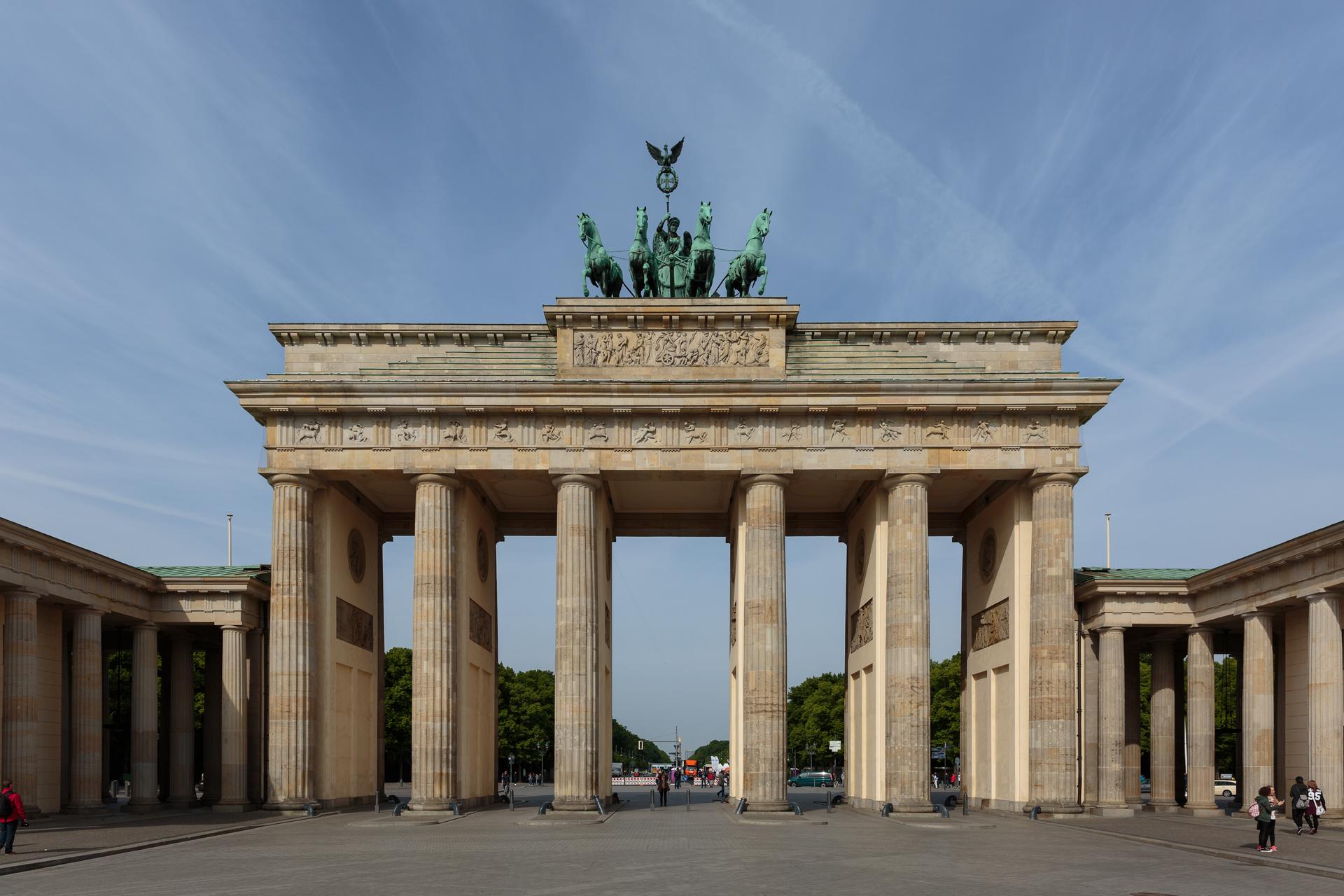
Looking beyond Berlin Wall Memorial? Discover Berlin for broader travel guides, local hot-spots, and regional highlights.
Explore Berlin
Experience the serene beauty of Elisabeth-Schwarzhaupt-Platz, a tranquil urban oasis in the heart of Berlin, perfect for relaxation and leisure.
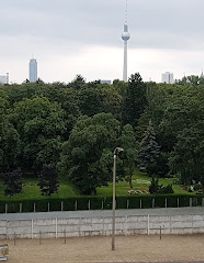
Explore the history of the Berlin Wall at the Visitor Center on Bernauer Strasse, the perfect starting point for understanding the division and reunification of Berlin.