

Oranienburger Str. 36, Berlin Travel Guide
Explore Berlin's vibrant Oranienburger Straße: a historic street blending culture, art, and landmarks like the New Synagogue, offering a captivating glimpse into the city's past and present.
Oranienburger Straße 36, situated in the heart of Berlin's Mitte district, stands as a testament to the city's layered history and architectural evolution. This building, like many on the street, has witnessed Berlin's transformation from a Prussian metropolis to a divided city and, finally, a reunified capital. While the specific history of number 36 may be less documented than some of its neighbors, its presence contributes to the overall character of this famous street. Oranienburger Straße is known for its blend of historical buildings, vibrant arts scene, diverse culinary offerings, and its significance as a cultural and social hub, drawing tourists and locals alike. Exploring the street offers a glimpse into Berlin's past and present, making it a must-see destination for any visitor.
A brief summary to Oranienburger Str. 36
- Oranienburger Str. 36, Berlin, Mitte, 10117, DE

Know before you go
Hi, I'm Eve. Here are a few practical things to know before exploring Oranienburger Str. 36.
- Explore the Hackesche Höfe, a network of interconnected courtyards off Oranienburger Straße, filled with unique shops, cafes, and art galleries.
- Visit the New Synagogue to learn about Berlin's Jewish history and admire its stunning architecture; check for guided tours and special exhibitions.
- Take a stroll along the street at night to experience its vibrant nightlife, with numerous bars and restaurants offering diverse cuisines and atmospheres.
Do you manage this location?
Take control to get all the benefits, like improved information, better appearance, and stronger visibility across AI-powered discovery. Learn more about listing your business on Evendo
Activate your presenceOther nearby places you may find interesting
The closest places of the same kind, if this one is not quite what you had in mind.


Explore Oranienburger Str. 36 on the Map
A handpicked selection of must-see spots near Oranienburger Str. 36, mapped for you.
Getting There
-
Public Transport
Oranienburger Straße 36 is easily accessible via public transport. The S-Bahn station 'Oranienburger Straße' (lines S1, S2, S25, S26) is a short walk away. Tram lines M1 and M5 also stop at 'Oranienburger Straße' and 'Monbijouplatz', both within easy walking distance. A short trip ticket (Kurzstrecke) on the S-Bahn or tram costs around €2.00-€2.30.
-
Taxi/Ride-Share
A taxi or ride-sharing service from a central location in Berlin-Mitte, such as Alexanderplatz, would cost approximately €8-€12 and take around 5-10 minutes, depending on traffic.
-
Driving
If driving, be aware that parking in the immediate vicinity of Oranienburger Straße is limited and can be expensive. The 'Tiefgarage am Tacheles' at Oranienburger Straße 60 offers parking, with hourly rates around €3.50 and a daily maximum of €35.00. Consider using public transport instead due to parking constraints.
Discover more about Oranienburger Str. 36













Your all‑in‑one travel companion app
Explore expert travel guides, compare and book tours, experiences, hotels, and more—all from the palm of your hand. Download now for seamless trip planning wherever your wanderlust takes you.


Explore More of Berlin
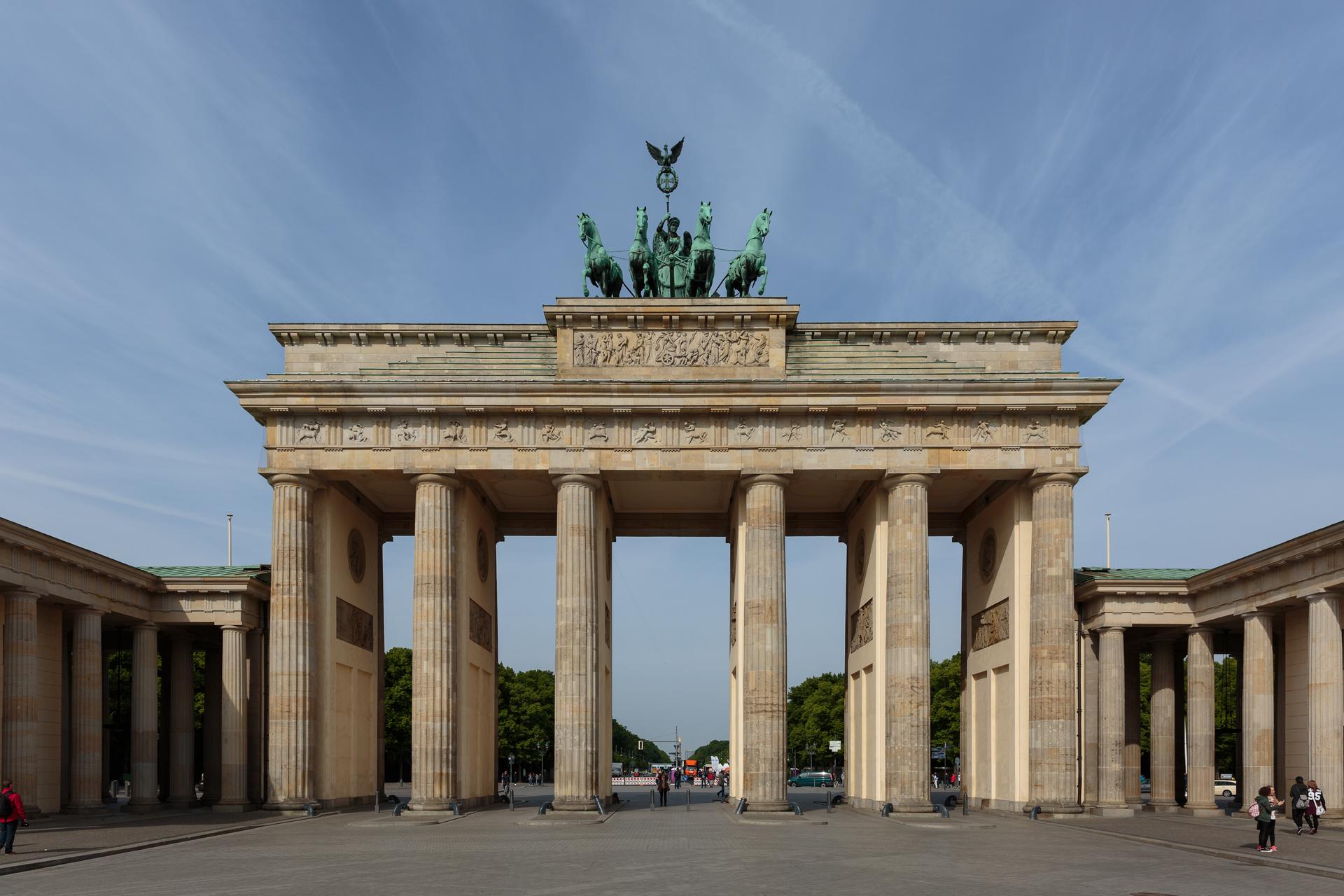
Looking beyond Oranienburger Str. 36? Discover Berlin for broader travel guides, local hot-spots, and regional highlights.
Explore Berlin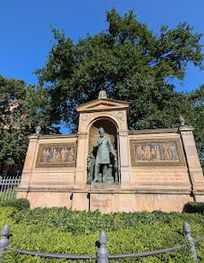
A tribute to Albrecht von Graefe, the father of modern ophthalmology, whose groundbreaking work revolutionized eye care and left an enduring legacy in Berlin's Mitte district.
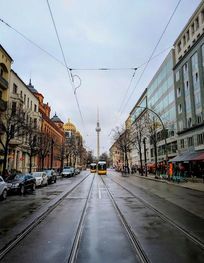
Experience Berlin's vibrant heart on Oranienburger Straße: a captivating blend of history, culture, and nightlife in the city's Mitte district, offering an unforgettable urban adventure.
