Stolpersteine Salinge, Berlin Travel Guide
Discover the Stolpersteine Salinge in Berlin, a poignant memorial honoring Holocaust victims and their stories, embedded in the city's sidewalks as a reminder of the past.
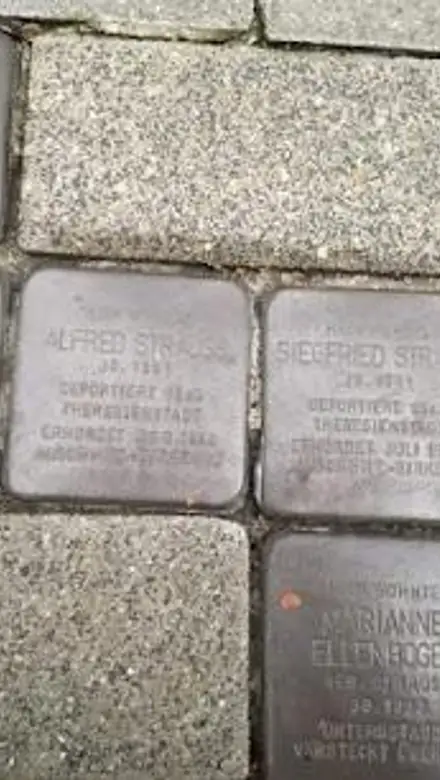
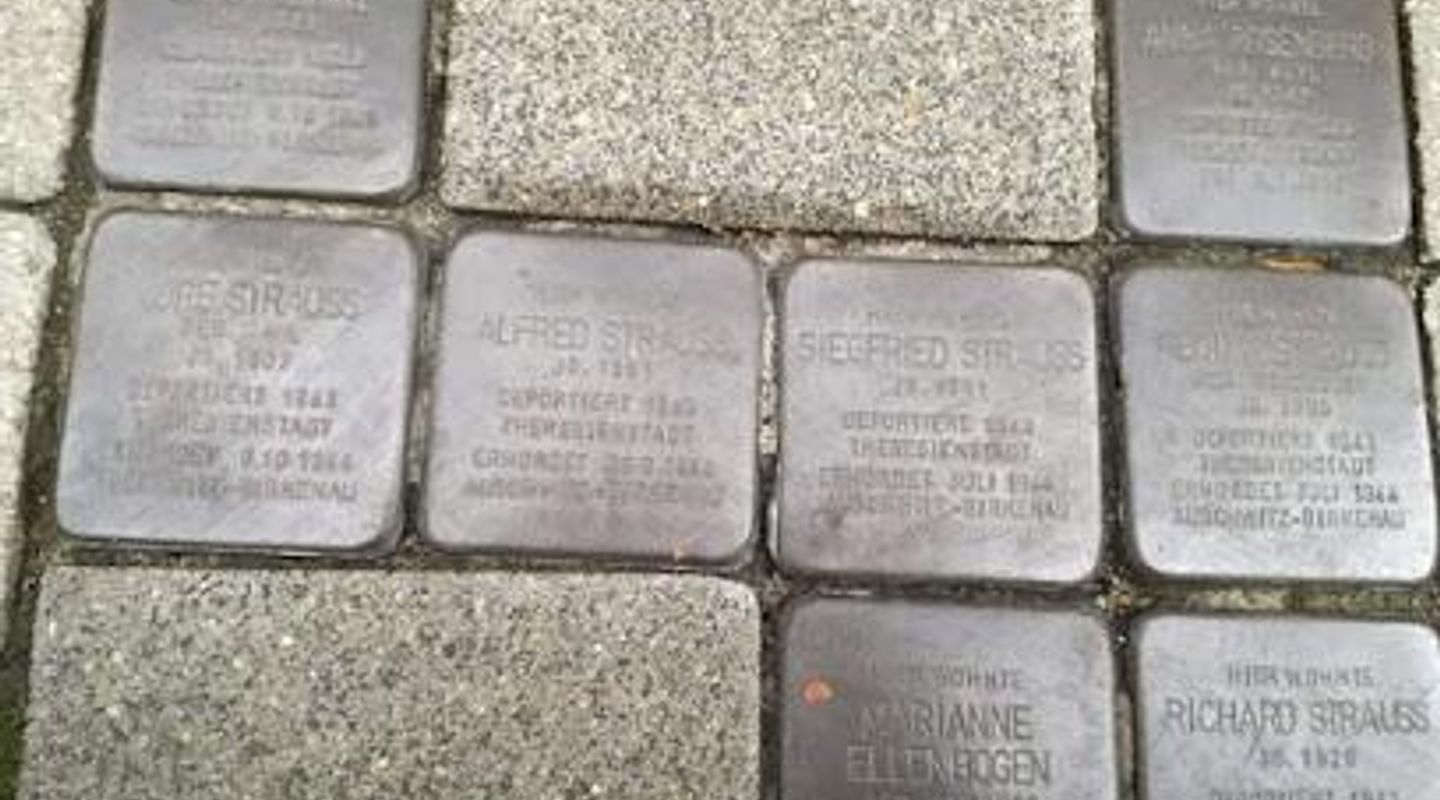
The Stolpersteine Salinge, located at Rosenthaler Str. 39 in Berlin, are a poignant and decentralized memorial to victims of Nazi persecution. These 'stumbling stones,' each bearing the name and life dates of an individual, are embedded in the sidewalk in front of their last known residence or place of work. The Salinge stones commemorate members of the Salinge family who lived at this address and were deported and murdered during the Holocaust. Encountering these small brass plaques offers a powerful moment of reflection on the individual lives impacted by the atrocities of the Nazi regime. The Stolpersteine serve as a stark reminder of the past, urging passersby to remember and learn from history, ensuring that such horrors are never repeated. They are a vital part of Berlin's landscape of remembrance.
A brief summary to Stolpersteine Salinge
- Rosenthaler Str. 39, Berlin, Mitte, 13127, DE
- Click to display

Know before you go
Hi, I'm Eve. Here are a few practical things to know before exploring Stolpersteine Salinge.
- Take a moment to read the inscriptions on the stones and reflect on the individual lives they represent.
- Consider researching the history of the Salinge family to deepen your understanding of their experiences during the Holocaust.
- Explore the surrounding Rosenthaler Straße area, once a vibrant Jewish neighborhood, to gain further context.
Do you manage this location?
Take control to get all the benefits, like improved information, better appearance, and stronger visibility across AI-powered discovery. Learn more about listing your business on Evendo
Activate your presenceOther nearby places you may find interesting
The closest places of the same kind, if this one is not quite what you had in mind.

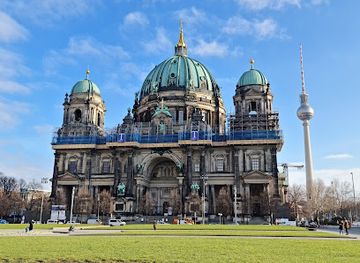

Explore Stolpersteine Salinge on the Map
A handpicked selection of must-see spots near Stolpersteine Salinge, mapped for you.
Getting There
-
Public Transport
From Berlin Hauptbahnhof (Central Station), take the S-Bahn (S1, S25, or S7) to S+U Friedrichstraße Bhf. From there, transfer to the U-Bahn U6 (direction Alt-Mariendorf) and get off at U Rosenthaler Platz. From Rosenthaler Platz, walk south along Rosenthaler Straße for approximately 5 minutes. Stolpersteine Salinge at Rosenthaler Str. 39 will be on your right. A single fare for public transport within Berlin (AB zone) is approximately €3.50.
-
Walking
If you are already in the Mitte district, for example, near Alexanderplatz, head northwest on Karl-Liebknecht-Straße towards Spandauer Straße. Continue onto Rosenthaler Straße. Walk along Rosenthaler Straße for approximately 15 minutes. Stolpersteine Salinge at Rosenthaler Str. 39 will be on your right. No costs are associated with walking.
-
Taxi/Ride-Share
From a central location in Berlin, such as Alexanderplatz, a taxi or ride-sharing service to Rosenthaler Str. 39 will take approximately 10-15 minutes, depending on traffic. The estimated cost is between €12-€18. Be sure to confirm the fare before starting your trip.
Discover more about Stolpersteine Salinge













Your all‑in‑one travel companion app
Explore expert travel guides, compare and book tours, experiences, hotels, and more—all from the palm of your hand. Download now for seamless trip planning wherever your wanderlust takes you.


Explore More of Berlin
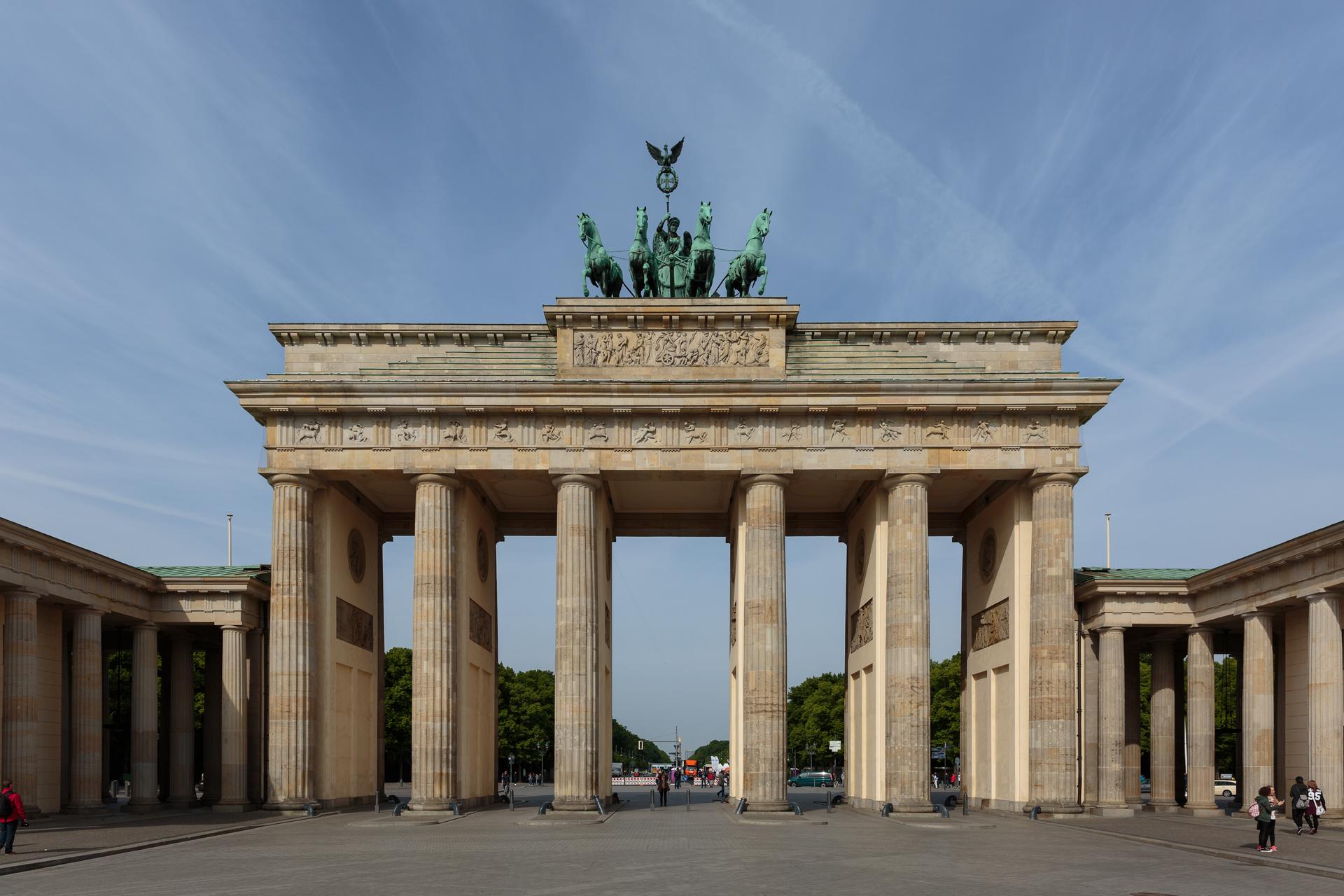
Looking beyond Stolpersteine Salinge? Discover Berlin for broader travel guides, local hot-spots, and regional highlights.
Explore Berlin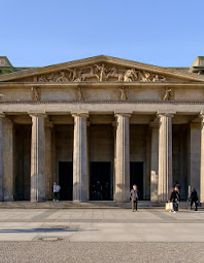
Reflect on history and loss at the Neue Wache, Berlin's central memorial to the victims of war and dictatorship, featuring the poignant 'Mother with her Dead Son' sculpture.
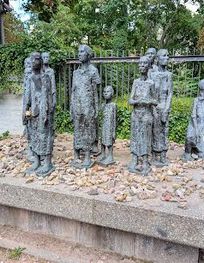
Explore Berlin's Memorial Jewish Cemetery: A poignant historical site, reflecting centuries of Jewish heritage and remembrance, offering a serene space for contemplation and education.