Place of 9 November 1989: Where the Wall Fell
Visit the Place of 9 November 1989 in Berlin, where the Berlin Wall first opened, marking a pivotal moment in history and a symbol of freedom and German reunification.
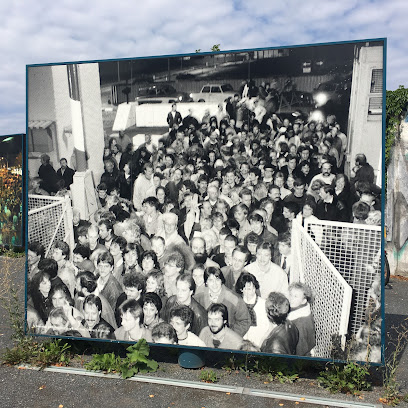
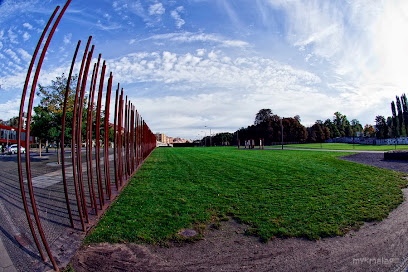
The Place of 9 November 1989 marks the site of the Bornholmer Straße border crossing, the first to open on that pivotal night, signaling the beginning of the Berlin Wall's fall. Today, visitors can explore the Bösebrücke bridge, Platz des 9. November 1989 with its open-air exhibition, and remnants of the 'Hinterlandsicherungsmauer'. Metal strips in the ground quote famous lines from that historic night, evoking the atmosphere of change and hope. While little of the original crossing remains, the site serves as a powerful reminder of the events that reunified Germany and reshaped Europe. The nearby Bornholmer Straße S-Bahn station, once a 'ghost station,' now connects East and West, symbolizing the city's reunification. A visit here offers a poignant reflection on the past and a celebration of freedom.
A brief summary to Place of 9 November 1989
- Bornholmer Str. 61, Berlin, Pankow, 10439, DE
- +493060949498
- Visit website
Local tips
- Visit in the evening to imagine the atmosphere of November 9, 1989, when the border first opened.
- Explore the open-air exhibition on Platz des 9. November 1989 to learn about the historical events.
- Walk along the Bösebrücke to experience the path taken by East Berliners on that historic night.
- Look for remnants of the Berlin Wall along Norwegerstraße and towards Wollankstraße.
- Visit in the spring to see the cherry blossoms along the former border strip, a symbol of hope and renewal.

Getting There
-
Public Transport
The easiest way to reach the Place of 9 November 1989 is by public transport. Take the S-Bahn (S1, S2, S25, S26, S8, or S85) to Bornholmer Straße station. From the station, the Platz des 9. November 1989 is a short walk away, located northeast of the Bösebrücke. Tram lines M13 and 50 also stop at Bornholmer Straße. A single ticket for public transport in Berlin (AB zone) costs around €3.20.
-
Taxi/Ride-Share
A taxi or ride-share from central Berlin will cost approximately €15-€25 and take around 20-30 minutes, depending on traffic. Be sure to specify 'Bornholmer Straße' as your destination.
-
Walking
If you are already in the Prenzlauer Berg or Gesundbrunnen area, walking to the Place of 9 November 1989 is a viable option. From Gesundbrunnen station, it's approximately a 15-20 minute walk. Follow Brunnenstraße north, then turn right onto Bornholmer Straße. The site will be on your left, just past the Bösebrücke.
-
Driving
If driving, be aware that parking in the area can be limited and subject to fees. The area around Bornholmer Straße is part of a parking management zone, with parking fees applicable from Monday to Saturday. Consider using public transport instead. If you choose to drive, parking costs approximately €2-3 per hour.
Discover more about Place of 9 November 1989
Iconic landmarks you can’t miss

Place of 9 November 1989
0.0 km
Discover the Place of 9 November 1989 in Berlin, an essential historical landmark symbolizing freedom and unity in a city that has transformed over time.
Bornholmer Str.
0.2 km
Explore Bornholmer Str. in Berlin, a historic street symbolizing the reunification of East and West, rich in culture, history, and vibrant local life.
Gethsemanekirche - Ev. Kirchengemeinde Prenzlauer Berg-Nord
1.3 km
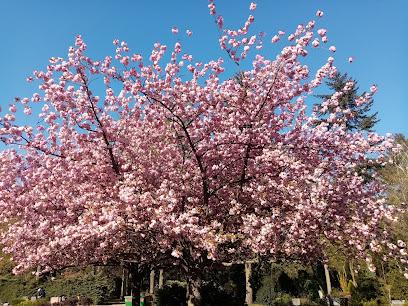
Explore Gethsemanekirche, an architectural gem in Berlin's Prenzlauer Berg, where history, spirituality, and community converge beautifully.
Bernauer Str. 63
1.6 km
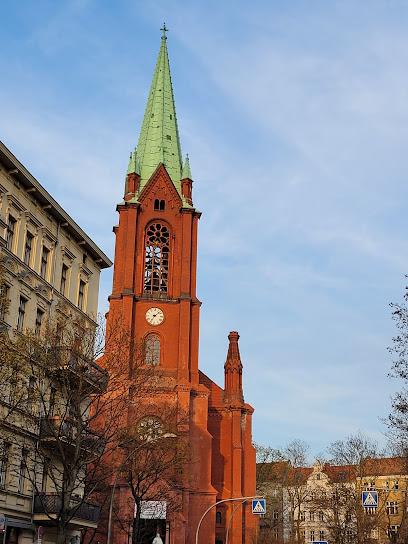
Discover the historic significance of Bernauer Str. 63 in Berlin, a poignant reminder of the city's divided past and a vibrant cultural hub.
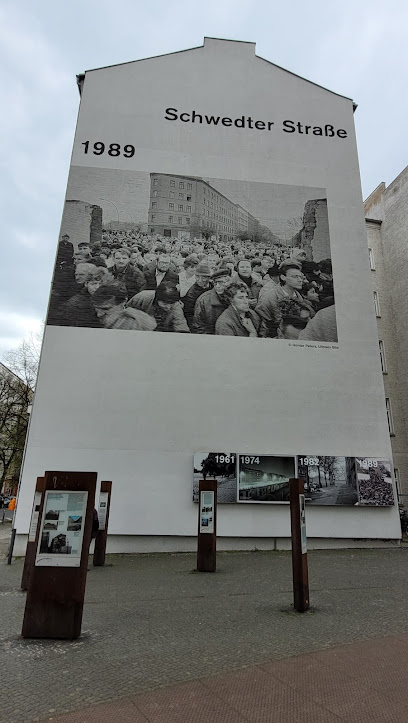
The Berlin Wall and its Fall at Schwedter Strasse
1.6 km
Explore the historical significance of the Berlin Wall and its fall at Schwedter Strasse, a poignant space of remembrance in the heart of Berlin.
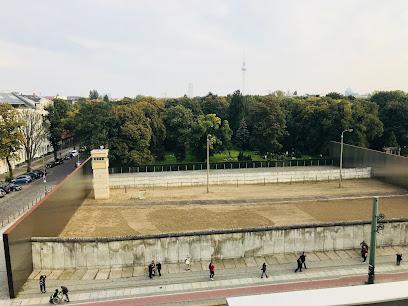
Bernauer Str.
1.9 km
Experience Berlin's rich history and vibrant culture at Bernauer Strasse, where the past and present intertwine in a remarkable urban landscape.
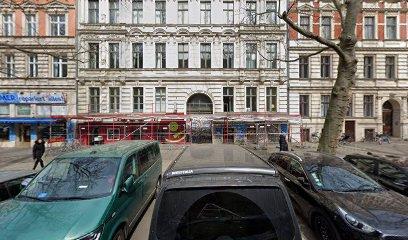
Oderberger Str. 4
2.0 km
Explore the architectural beauty and vibrant atmosphere of Berlin at Oderberger Str. 4, a historical gem in the heart of Pankow.
THE TOWER
2.0 km
Discover THE TOWER in Berlin's Pankow district: a historical landmark nestled in the vibrant Prenzlauer Berg, offering a unique glimpse into the city's past and present.
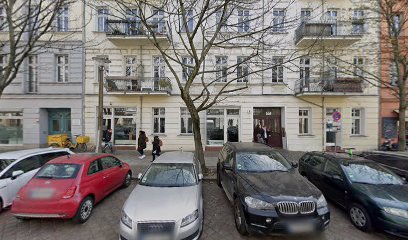
Piece of the Berlin Wall
2.2 km
Explore the iconic Berlin Wall, a historical landmark that symbolizes the division and reunification of Berlin, rich in art and stories of resilience.
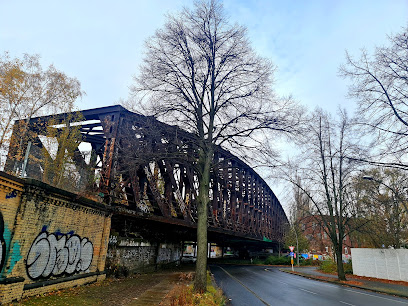
Wolf in the city Mural by Alaniz
2.4 km
Discover the thought-provoking Wolf in the City mural by Alaniz in Berlin's Pankow, a vibrant testament to street art, social justice, and cultural identity.
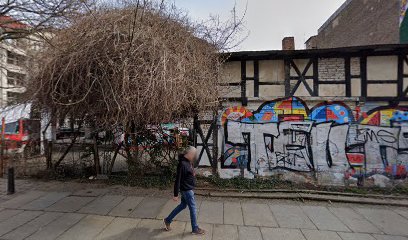
Visitor Center of the Berlin Wall Memorial
2.5 km
Explore the history of the Berlin Wall at the Visitor Center on Bernauer Strasse, the perfect starting point for understanding the division and reunification of Berlin.
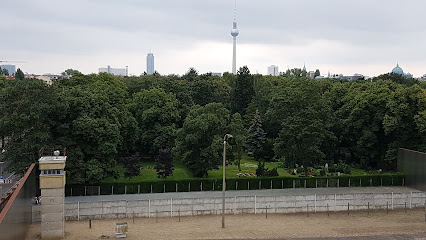
FRANZ HUTH memorial plaque
2.6 km
A poignant memorial in Berlin's Prenzlauer Berg commemorating Franz Huth, an anti-fascist resistance fighter murdered by the Nazis, serving as a reminder of courage and sacrifice.
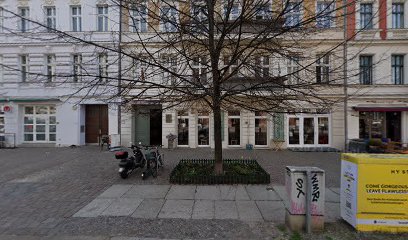
Invalidenstraße 10
2.6 km
Experience the architectural beauty of Invalidenstraße 10, a blend of history and modernity in the heart of Berlin's Mitte borough.
Elisabeth-Schwarzhaupt-Platz 3
2.6 km
Experience the serene beauty of Elisabeth-Schwarzhaupt-Platz, a tranquil urban oasis in the heart of Berlin, perfect for relaxation and leisure.
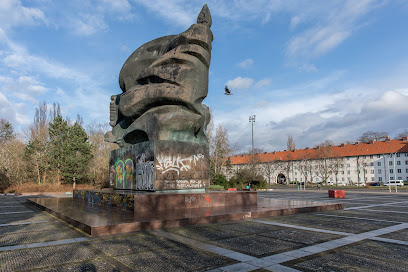
Ernst-Thälmann-Denkmal
2.9 km
Explore the Ernst Thälmann Monument in Berlin's Prenzlauer Berg: a colossal statue, a symbol of socialist history, and a reminder of Germany's complex past within a vibrant urban park.
Unmissable attractions to see

Falkplatz
1.0 km
Discover Falkplatz, a serene park in Berlin's Prenzlauer Berg, perfect for relaxation, community, and leisurely exploration.
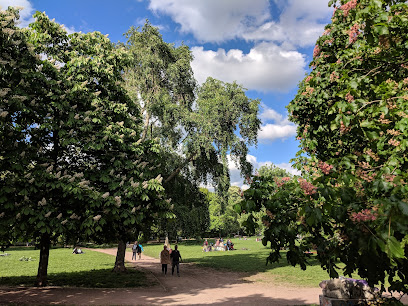
Berlin Underworld
1.1 km
Unearth the hidden history of Berlin at the Berlin Underworld Museum, where remarkable stories of resilience and innovation await beneath the city's surface.
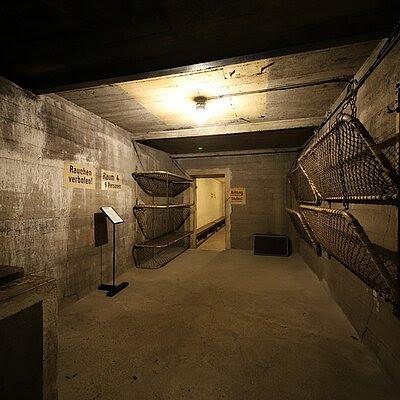
Flakturm Humboldthain
1.3 km
Explore the historical Flakturm Humboldthain in Berlin, a monumental flak tower reflecting the city's resilience during WWII.
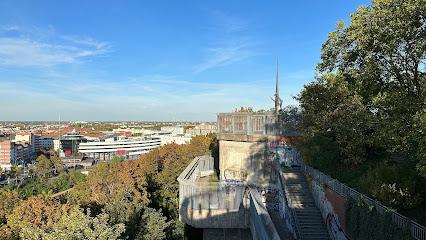
Mauerpark
1.3 km
Experience Berlin's vibrant spirit at Mauerpark: history, flea market finds, karaoke, and more in a park built on the former Berlin Wall.
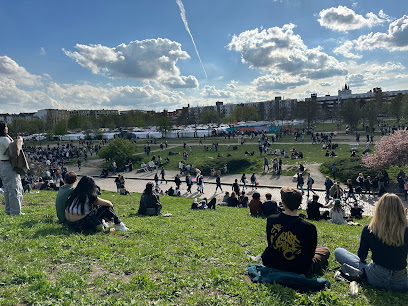
Bibliothek am Luisenbad
1.4 km
Explore the Bibliothek am Luisenbad in Berlin, a cultural gem that unites history, literature, and community events within its tranquil spaces.
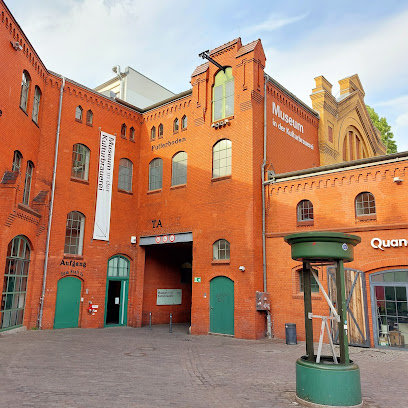
Museum at the Kulturbrauerei
1.8 km
Explore Berlin's GDR history at the Museum at the Kulturbrauerei, where fascinating exhibits and rich cultural narratives await.
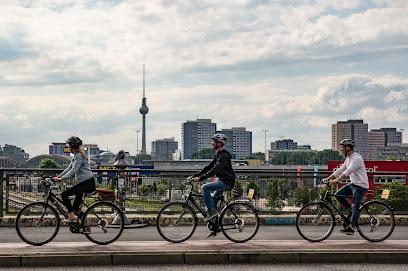
Berlin on Bike - Radtouren & Fahrradverleih
1.8 km
Experience the rich culture and history of Berlin on two wheels with Berlin on Bike, offering guided tours and bike rentals for every adventurer.
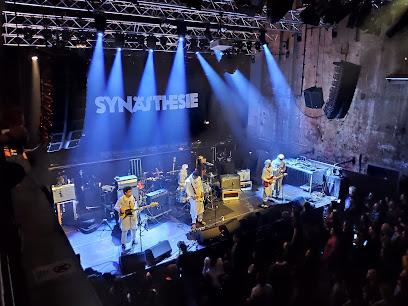
Kesselhaus in der Kulturbrauerei
1.9 km
Experience the vibrant cultural life at Kesselhaus in der Kulturbrauerei, a unique venue for live music and events in Berlin’s artistic hub.
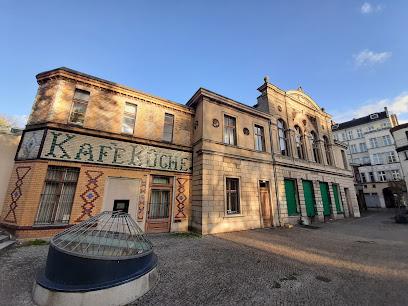
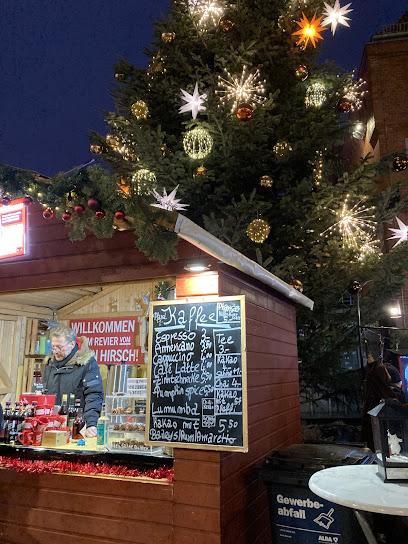
Lucia Weihnachtsmarkt in der Kulturbrauerei
1.9 km
Explore the enchanting Lucia Weihnachtsmarkt in Berlin, a festive hub of crafts, culinary delights, and holiday cheer in a historic brewery setting.
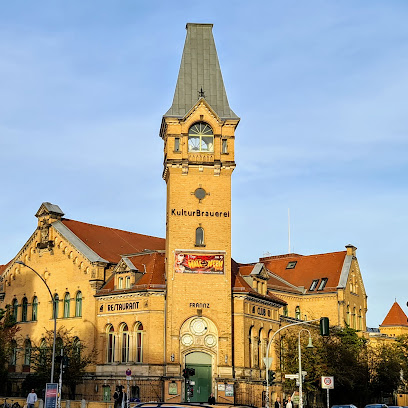
Kulturbrauerei
2.0 km
Experience the vibrant cultural scene at Kulturbrauerei, a historic brewery turned arts hub in Berlin, showcasing live music, theaters, and delightful dining.
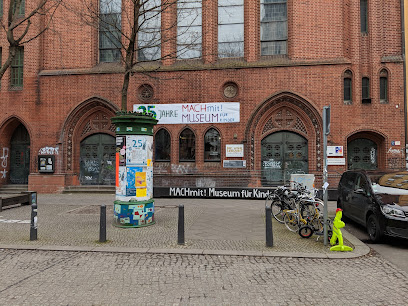
MACHmit! Museum for Children
2.2 km
Explore, experiment, and learn through play at Berlin's MACHmit! Museum for Children, housed in a unique converted church setting.
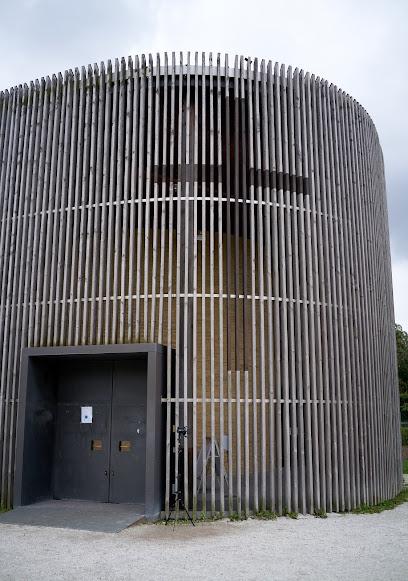
Chapel of Reconciliation
2.2 km
Explore the Chapel of Reconciliation in Berlin, a historic site symbolizing peace and unity, nestled near the remnants of the Berlin Wall.
Sonnenuhr am Zeiss-Großplanetarium
2.2 km
Explore the Sonnenuhr am Zeiss-Großplanetarium in Berlin: a captivating sundial blending art and science in a tranquil park setting near the planetarium.
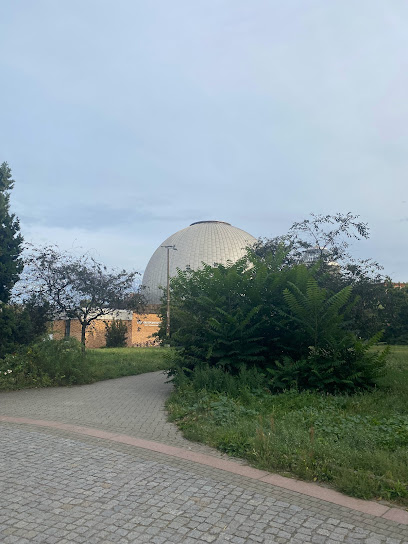
Zeiss Major Planetarium
2.3 km
Explore the universe in Berlin's iconic Zeiss Major Planetarium: a stellar fusion of science, culture, and immersive entertainment under a massive dome.
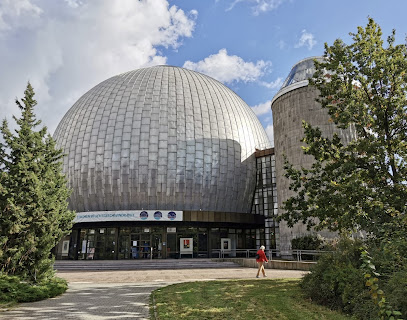
Berlin Wall Memorial
2.3 km
Explore the poignant Berlin Wall Memorial on Bernauer Strasse, a powerful symbol of division, remembrance, and the triumph of freedom.
Essential places to dine

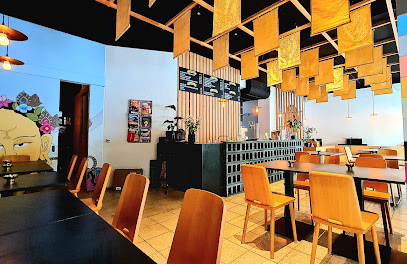
Holy Everest
0.9 km
Experience authentic Nepalese cuisine at Holy Everest in Berlin's Pankow district - where every dish tells a story!
Frau Mittenmang
1.4 km
Experience authentic German cuisine at Frau Mittenmang in Berlin's Pankow district—where tradition meets taste.
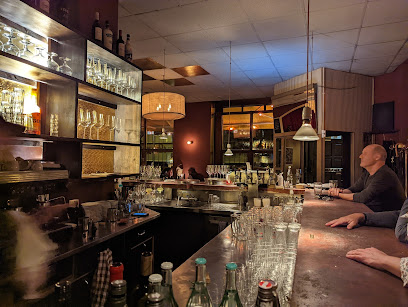
Zum Schusterjungen
1.8 km
Experience authentic German flavors at Zum Schusterjungen in Berlin's Pankow district - where tradition meets taste.
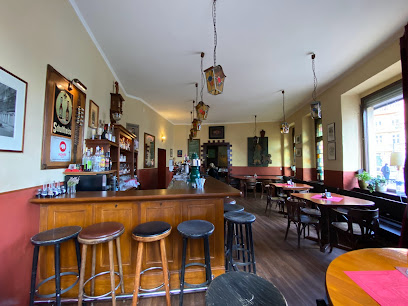
MaMi's Food&Wine
1.8 km
Discover culinary excellence at MaMi's Food&Wine in Berlin – where tradition meets innovation in every delicious bite.
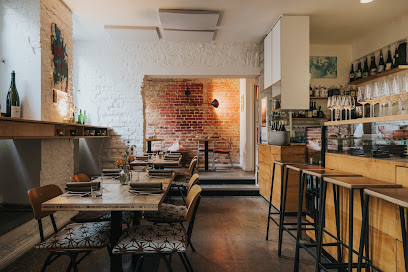
Altberliner Restaurant
2.0 km
Discover Berlin's culinary heritage at Altberliner Restaurant - where authentic German flavors come alive.
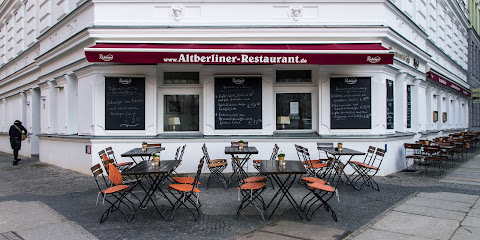
Restaurant Bricole
2.1 km
Experience culinary excellence at Restaurant Bricole in Berlin - where modern European flavors meet French tradition in an elegant setting.
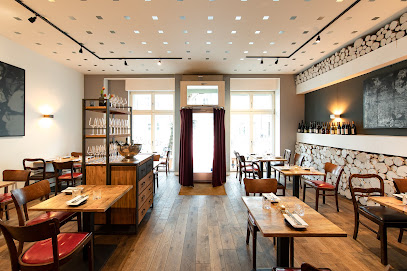
Mitho Cha! P-Berg
2.4 km
Discover authentic Nepalese flavors at Mitho Cha! P-Berg - where every dish tells a story.
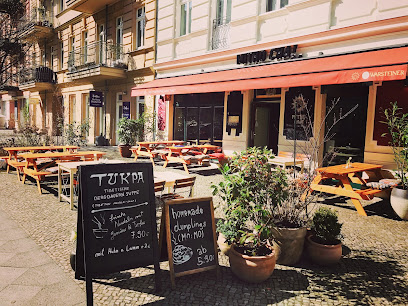
ernst
2.5 km
Experience culinary artistry at Ernst in Berlin—where German precision meets Japanese elegance in every exquisite dish.
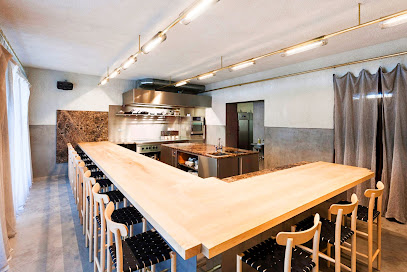
Hackethal's
2.5 km
Discover Hackethal's: A German restaurant and pub in Berlin offering traditional cuisine in a cozy setting.
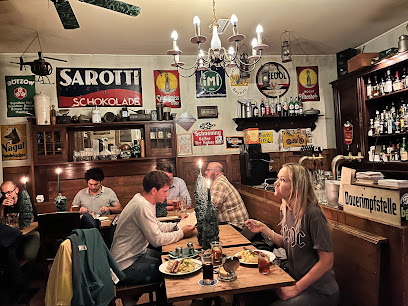
KUSHMANN'S X NEON
2.5 km
Discover KUSHMANN'S X NEON: A culinary delight blending Mediterranean cuisine with an exciting cocktail bar in the heart of Berlin.
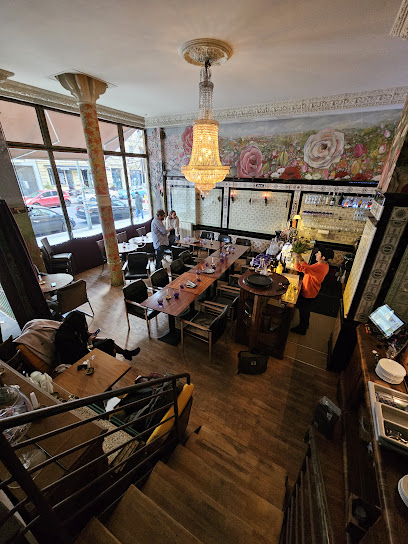
A-Petit Restaurant Berlin
2.5 km
Discover the flavors of Asia at A-Petit Restaurant in Berlin - a top destination for sushi lovers and Asian cuisine enthusiasts.
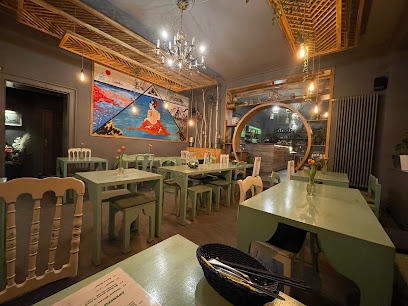
Masel Topf
2.6 km
Experience authentic Israeli flavors at Masel Topf in Berlin – where every dish tells a story.
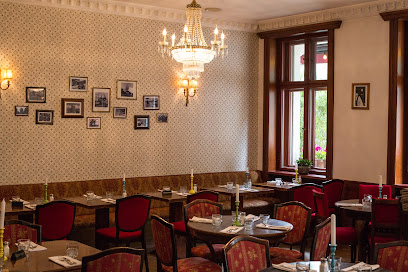
Katz Orange
2.6 km
Discover Katz Orange: An eclectic fine dining experience in Berlin's Mitte district offering exquisite German cuisine and an inviting atmosphere.
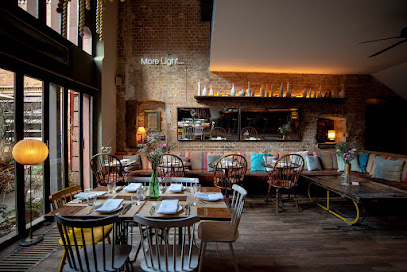
Zur Haxe
2.7 km
Experience the heart of Bavaria in Berlin at Zur Haxe – indulge in authentic German dishes in a cozy setting.
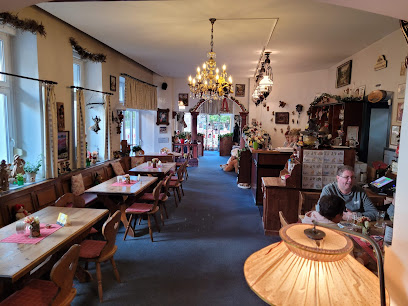
PeterPaul
2.8 km
Discover contemporary German cuisine at PeterPaul in Berlin's Mitte district – where tradition meets innovation in every bite.
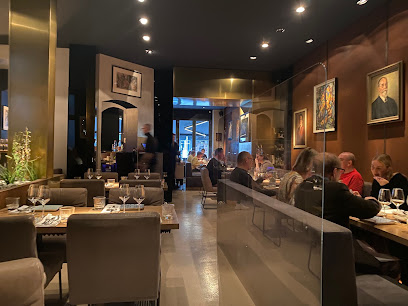
Markets, malls and hidden boutiques

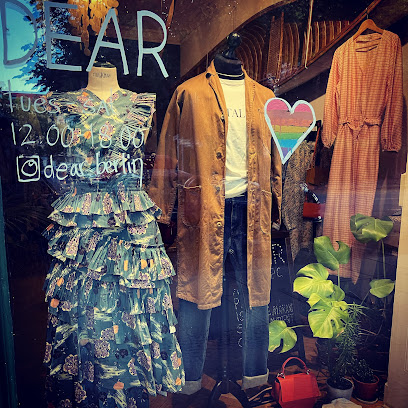
DEAR
1.4 km
Discover unique vintage finds at DEAR, Berlin's charming secondhand store in Pankow, where sustainable fashion meets eclectic style.
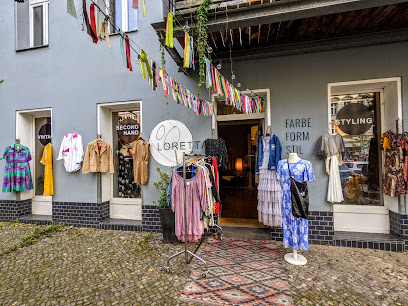
Loretta
1.7 km
Explore Loretta, Berlin's ultimate vintage clothing store, for unique fashion finds and a delightful shopping experience.
Jyoti - FairWorks
1.8 km
Explore Jyoti - FairWorks in Berlin for ethically sourced clothing, unique accessories, and a commitment to fair trade fashion.
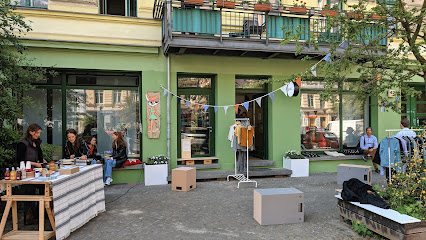
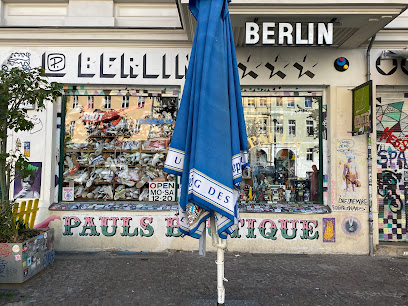
Pauls Boutique/Berlin
1.8 km
Explore Paul’s Boutique in Berlin for unique vintage clothing and sustainable fashion treasures. A must-visit thrift store in the heart of Pankow.
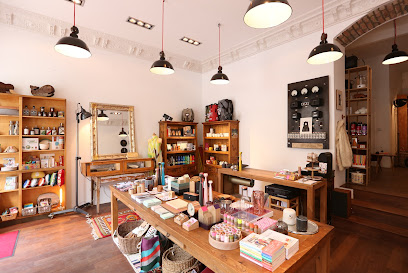
das goodshaus. Lifestyle Concept Store
1.8 km
Explore das goodshaus, a unique lifestyle concept store in Berlin, offering a delightful selection of gifts and artistic stationery.
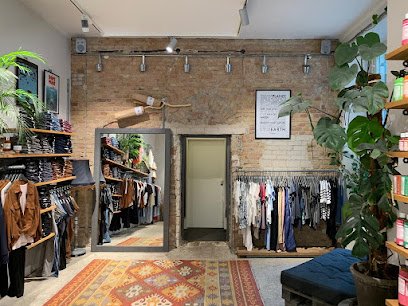
wunderwerk store Berlin-Prenzlauer Berg
1.8 km
Explore sustainable fashion at Wunderwerk Store in Berlin-Prenzlauer Berg, where contemporary design meets eco-conscious shopping.
Flagshipstore
1.9 km
Explore Flagshipstore Berlin for a unique selection of eclectic European fashion in a vibrant shopping atmosphere.
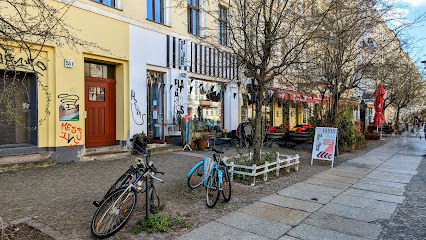
Dudes Factory
2.0 km
Discover Dudes Factory, Berlin's iconic streetwear store, offering unique designs that embody the city's dynamic fashion scene.
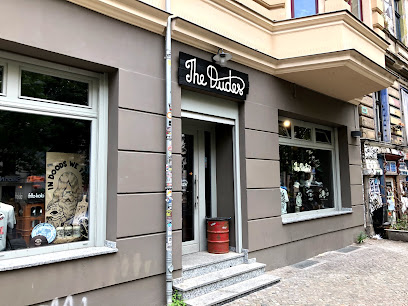
ein000 - Eintausend Berlin Shopping Guide
2.3 km
Explore ein000 for a unique shopping experience, showcasing Berlin's contemporary fashion and local designs in the heart of the city.
vintage
2.6 km
Explore a vintage store in Berlin's Pankow district, filled with unique treasures and timeless charm that reflect the city's rich history.
KNAACKPUNKT Vintage & New Design Clothing
2.6 km
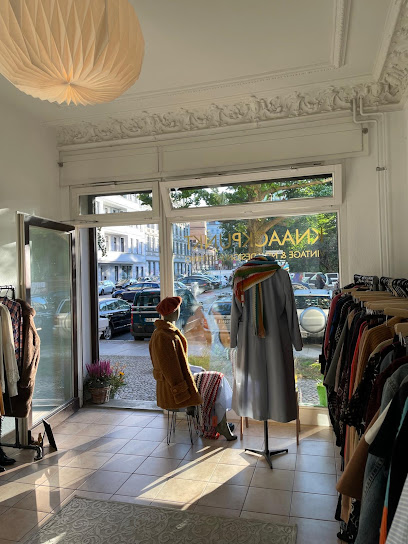
Explore KNAACKPUNKT Vintage & New Design Clothing in Berlin - a blend of vintage charm and modern fashion for every style enthusiast.
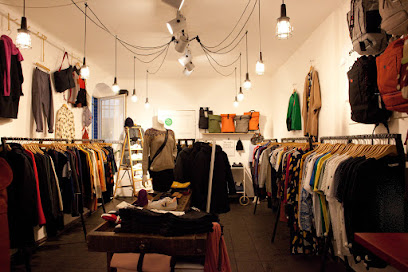
Rotation Boutique / Nachhaltige Mode / Schallplatten
2.7 km
Discover the intersection of sustainable fashion and music at Rotation Boutique in Berlin's Mitte district, where style meets eco-consciousness.
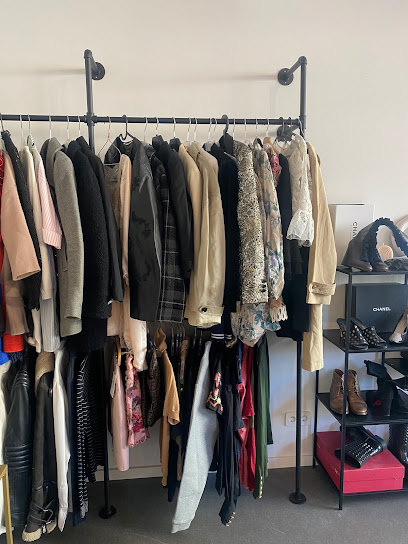
Fashionfouvintage
2.8 km
Explore Fashionfouvintage in Berlin for a unique vintage clothing experience, showcasing timeless styles from various eras that inspire and delight.
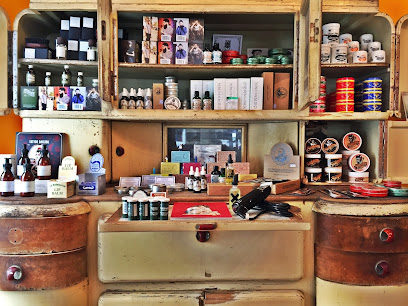
Soul Objects
2.8 km
Explore the artistic treasures of Berlin at Soul Objects, your go-to destination for unique gifts, art, and handcrafted treasures.
Pauls Chapter Mitte
2.9 km
Experience the charm of sustainable fashion at Pauls Chapter Mitte, Berlin's premier used clothing store, offering unique vintage finds in a stylish setting.
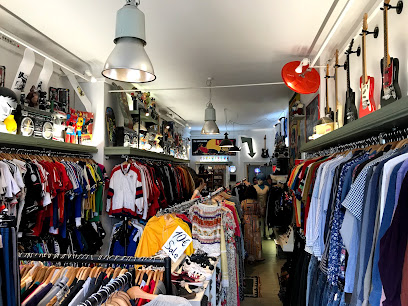
Essential bars & hidden hideouts

DieBar
1.3 km
Experience the vibrant nightlife at DieBar in Berlin's Pankow district, where great drinks and a lively atmosphere await every visitor.
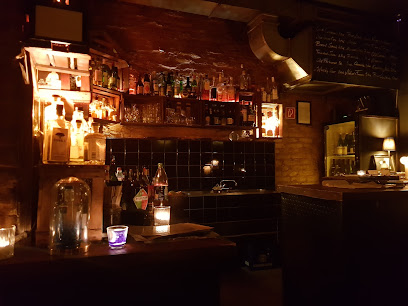
Badfish Bar
1.5 km
Discover the vibrant nightlife at Badfish Bar, a must-visit cocktail bar and pub in Berlin’s Pankow district, where great drinks and a lively atmosphere await.
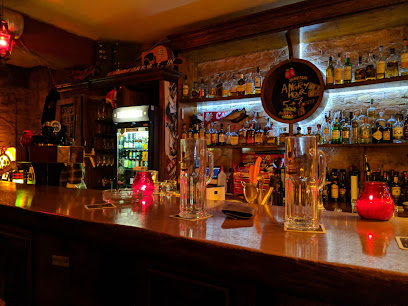
Zum Starken August
1.5 km
Immerse yourself in Berlin's vibrant nightlife at Zum Starken August, where circus magic meets a lively pub atmosphere for an unforgettable experience.
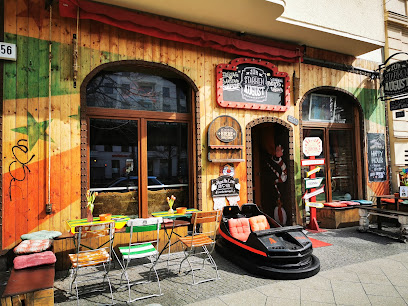
Bar Becketts Kopf
1.5 km
Discover the art of cocktails at Bar Becketts Kopf, Berlin's intimate cocktail bar offering innovative drinks and a cozy atmosphere for your night out.
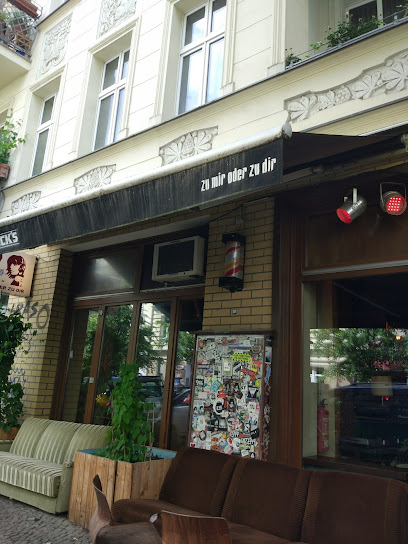
Zu mir oder zu dir
1.7 km
Discover 'Zu mir oder zu dir', a cozy bar in Pankow offering an extensive drink menu and a vibrant atmosphere perfect for enjoying Berlin's nightlife.
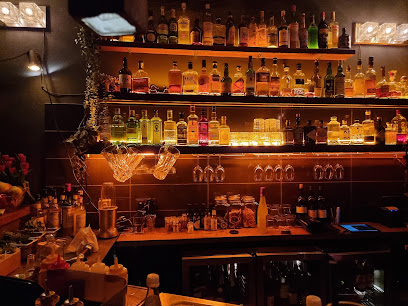
Höschen bar
1.9 km
Discover Höschen Bar in Pankow, Berlin - a vibrant cocktail bar known for its innovative drinks and cozy ambiance, perfect for a night out with friends.
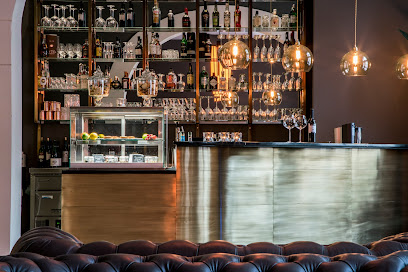
Kaminbar
2.0 km
Discover the artistic charm of Kaminbar in Berlin, where cocktails meet creativity in a vibrant atmosphere filled with live music and local art.
Bräugier BrewPub
2.1 km
Discover the vibrant world of craft beer at Bräugier BrewPub, a top brewpub in Berlin's Prenzlauer Berg, offering unique brews and a lively atmosphere.
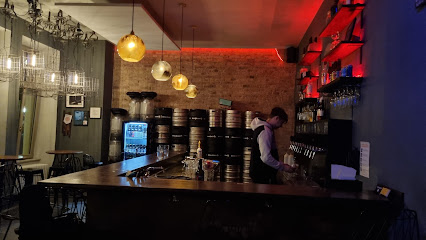
Bar Luxus
2.4 km
Discover the stylish ambiance and innovative cocktails at Bar Luxus, a must-visit nightlife destination in Berlin's Prenzlauer Allee.
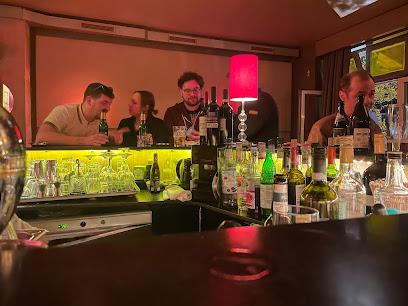
Uluru Resort
2.4 km
Discover Uluru Resort, where Australian charm meets Berlin's vibrant pub culture, offering great drinks, lively events, and a warm welcome.
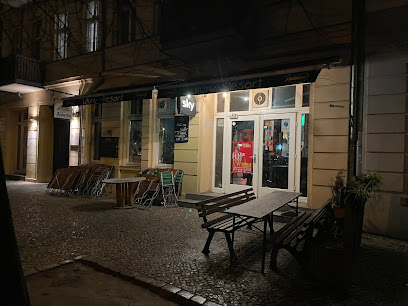
Bar 55
2.4 km
Experience the vibrant nightlife of Berlin at Bar 55, a cozy bar in Pankow offering a wide selection of drinks and a lively atmosphere.
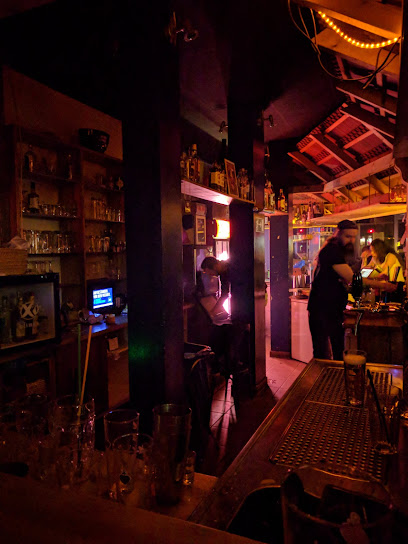
BrewDog Berlin Mitte
2.5 km
Discover the vibrant atmosphere and diverse craft beer selection at BrewDog Berlin Mitte, where every sip tells a story.
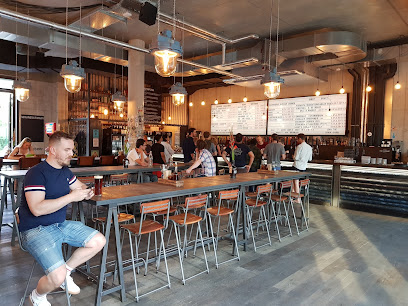
The Dorothy Bar
2.5 km
Discover Berlin's vibrant nightlife at The Dorothy Bar, where innovative cocktails and a cozy atmosphere create the perfect evening escape.
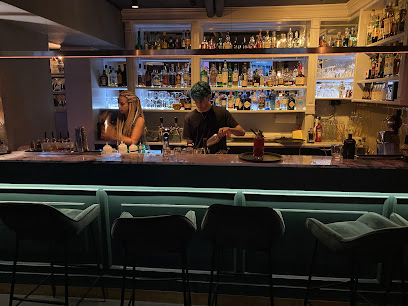
Buck and Breck
2.5 km
Discover Buck and Breck, a stylish cocktail bar in Berlin's Mitte district, where expertly crafted drinks and a cozy atmosphere await.
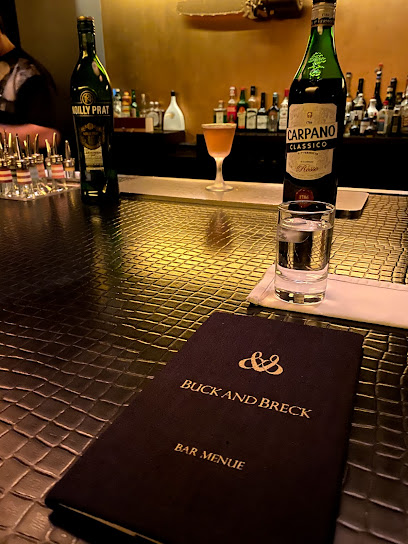
100 Gramm Bar
2.7 km
Discover 100 Gramm Bar in Berlin, the ultimate cocktail destination blending stylish ambiance with unique mixology in the heart of the city.
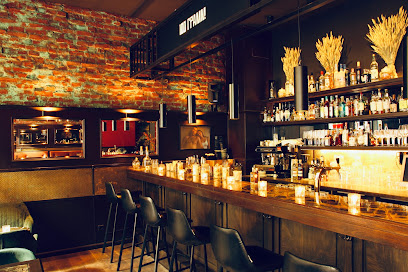
Nightclubs & after hour spots

Dunckerclub
1.8 km
Experience the electrifying atmosphere of Dunckerclub, Berlin's ultimate rock music destination, where live performances ignite the night.
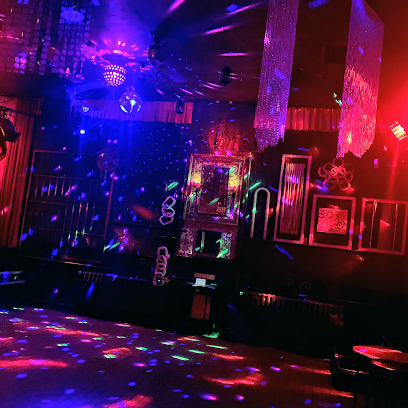
Club 23
1.9 km
Discover the heart of Berlin's nightlife at Club 23, where music, dancing, and vibrant energy await you for an unforgettable night.
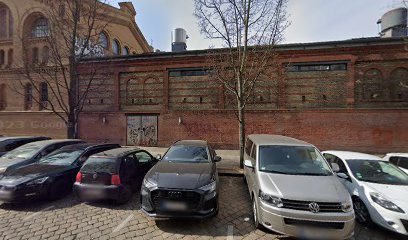
Alte Kantine
1.9 km
Discover the electric atmosphere of Alte Kantine, Berlin's vibrant night club offering music, dancing, and a lively bar experience.
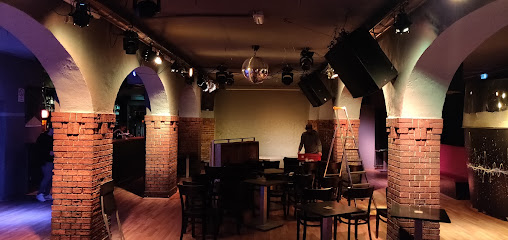
Soda Club Berlin
1.9 km
Discover the vibrant nightlife of Berlin at Soda Club, a perfect blend of music, dining, and excitement in Pankow.
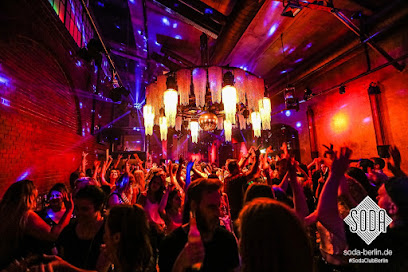
schöne party
2.0 km
Discover vibrant nightlife at schöne party, a lively night club in Berlin's Pankow district, perfect for dancing and socializing.
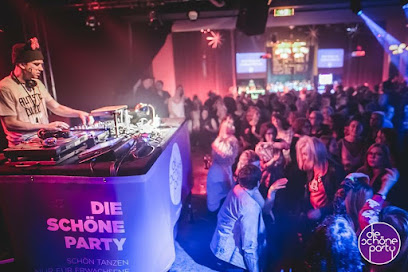
FRANNZ Club
2.0 km
Experience the vibrant nightlife of Berlin at FRANNZ Club, where music, drinks, and great company come together for an unforgettable evening.
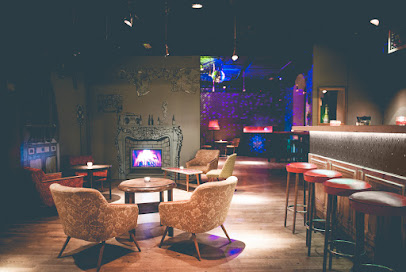
NIGHT
2.0 km
Discover the electrifying nightlife scene at NIGHT, a premier club and cocktail bar in Berlin, where unforgettable memories are made.
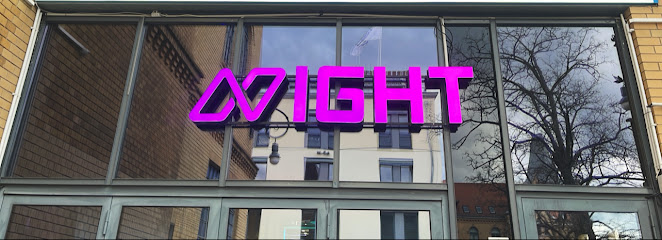
El ocaso
2.8 km
Experience the pulsating nightlife of Berlin at El Ocaso, a vibrant night club known for its eclectic music and stylish atmosphere.
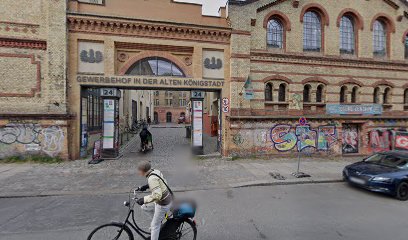
Steinhaus Berlin
2.9 km
Discover the heart of Berlin's nightlife at Steinhaus Berlin, where vibrant music and an electrifying atmosphere await every night.
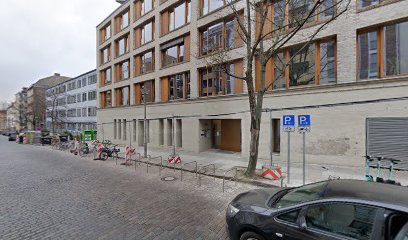
Flow Bar/Club - Berlin
3.2 km
Experience the pulse of Berlin's nightlife at Flow Bar/Club, where vibrant beats and stylish ambiance meet for an unforgettable night out.
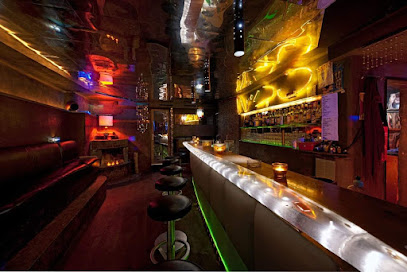
M-BIA Club Berlin
3.6 km
Discover the vibrant nightlife of Berlin at M-BIA Club, where electrifying music and an unforgettable atmosphere await you.
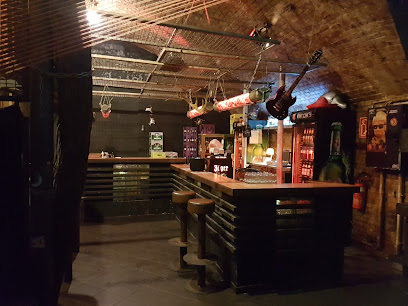
ASeven Club & Eventlocation
3.7 km
Experience the pulse of Berlin's nightlife at ASeven Club & Eventlocation, where vibrant music and exciting events come alive.
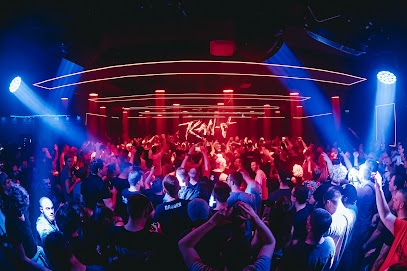
Sky Club - Berlin
3.7 km
Sky Club in Berlin: Discover the heart of nightlife with electrifying music, stunning visuals, and an unforgettable clubbing experience.
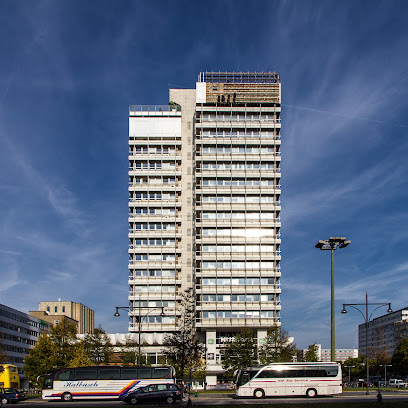
House of Weekend
3.7 km
Experience the best of Berlin's nightlife at House of Weekend, where the city comes alive with music, dancing, and breathtaking skyline views.
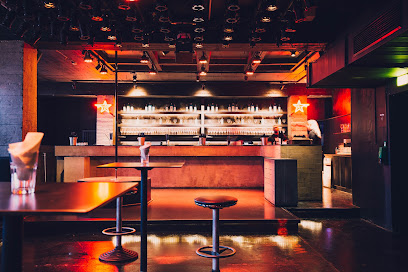
Hafenbar Berlin
3.7 km
Experience the vibrant nightlife of Berlin at Hafenbar, a disco club and dance restaurant where music and cocktails flow until dawn.