Wilhelmstraße, Berlin Travel Guide
Explore Wilhelmstraße in Berlin: a historic thoroughfare, once the heart of German power, now a place of remembrance and reflection on the nation's complex past.
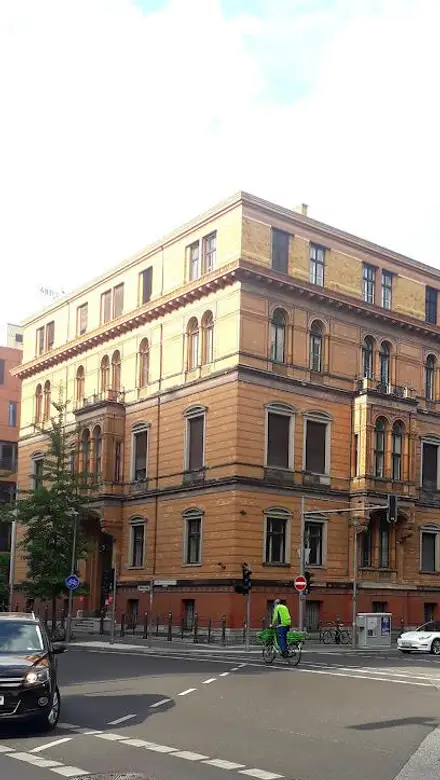
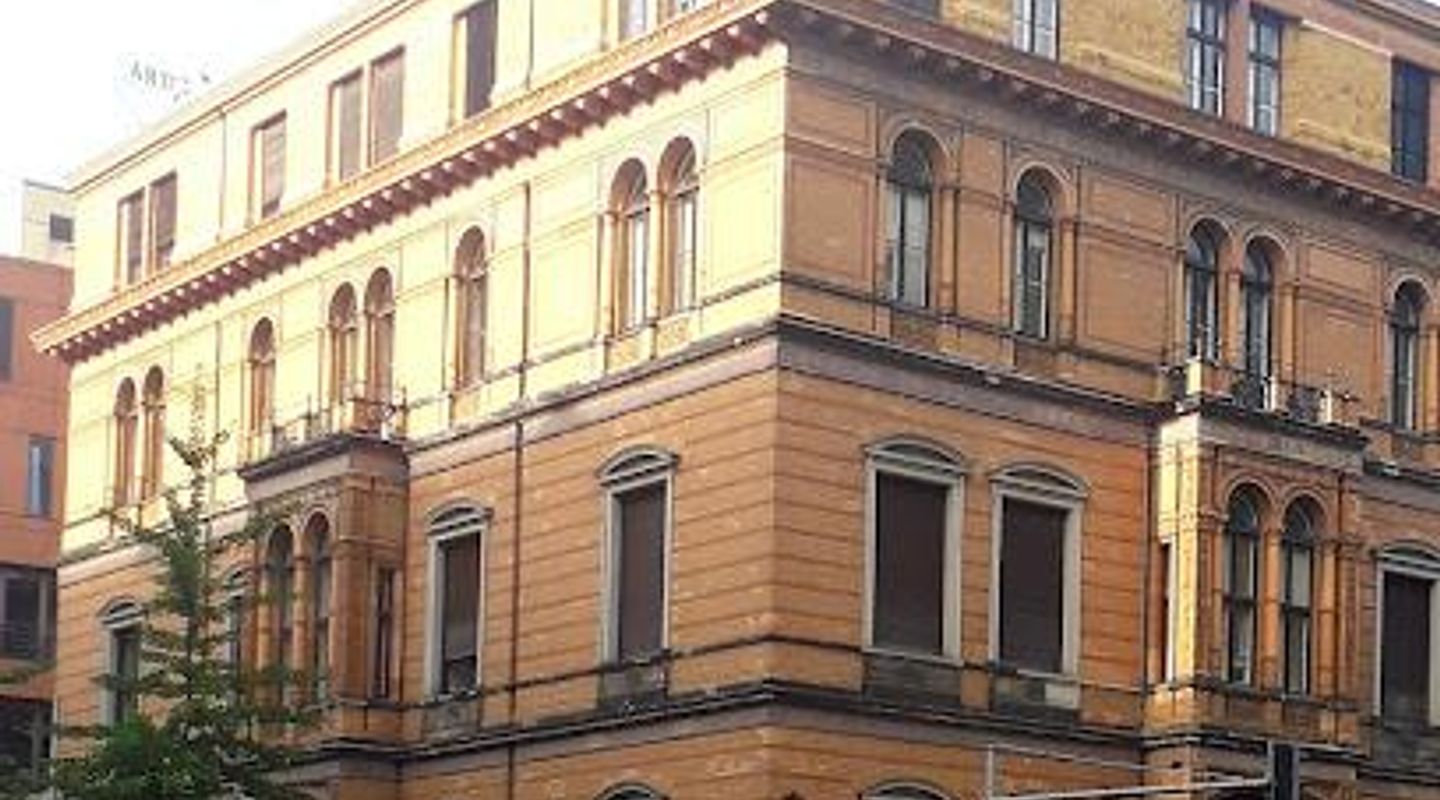
Wilhelmstraße, a major thoroughfare in Berlin's Mitte and Kreuzberg districts, holds a significant place in German history. Once the heart of Prussian and later German government, it housed key institutions like the Reich Chancellery and Foreign Office. Though largely destroyed during WWII, its remnants and memorials offer a glimpse into Germany's past, from its aristocratic beginnings to its role in the Nazi regime and the Cold War era. Today, Wilhelmstraße is a blend of modern architecture and historical markers, inviting visitors to reflect on the layers of history embedded in its very foundations. Explore the street's past through information signs and guided tours, and consider its transformation from a center of power to a place of remembrance.
A brief summary to Wilhelmstraße
- Berlin, DE

Know before you go
Hi, I'm Eve. Here are a few practical things to know before exploring Wilhelmstraße.
- Take a guided tour to delve deeper into the history of Wilhelmstraße and learn about the key events and figures associated with the street.
- Look for the information signs along Wilhelmstraße, which provide historical context and details about the buildings that once stood there.
- Visit the Georg Elser Memorial to honor the man who attempted to assassinate Hitler and learn about the resistance against the Nazi regime.
- Combine your visit to Wilhelmstraße with a trip to the Topography of Terror museum, located nearby, to gain a deeper understanding of the Nazi regime's atrocities.
- Consider exploring Wilhelmstraße on foot to fully appreciate the historical atmosphere and discover hidden details along the way.
Do you manage this location?
Take control to get all the benefits, like improved information, better appearance, and stronger visibility across AI-powered discovery. Learn more about listing your business on Evendo
Activate your presenceOther nearby places you may find interesting
The closest places of the same kind, if this one is not quite what you had in mind.
Explore Wilhelmstraße on the Map
A handpicked selection of must-see spots near Wilhelmstraße, mapped for you.
Unlock the Best of Wilhelmstraße
Buy tickets
-
No tickets available
Book tours with entry

Book tours without entry
-
No tours available
Getting There
-
Public Transport
From Berlin Hauptbahnhof (Central Station), take the U5 U-Bahn line towards Alexanderplatz. At Alexanderplatz, transfer to the U2 line towards Ruhleben and get off at the Mohrenstraße station. Wilhelmstraße is a short 3-5 minute walk from the station. A single ticket for zones AB costs €3.80. Alternatively, bus lines 200, 300, M41, M48 and M85 stop near Wilhelmstraße. Get off at the Leipziger Str./Wilhelmstr. stop. A short trip ticket, valid for 3 stops on the U-Bahn, costs €2.60.
-
Taxi/Ride-Share
A taxi or ride-share from Berlin Hauptbahnhof to Wilhelmstraße will take approximately 15-20 minutes, depending on traffic. The fare will likely range from €14 to €24, depending on the exact destination on Wilhelmstraße and the ride service used. Note that taxi fares start at €4.30, with a per-kilometer charge of €2.80 for the first 3km.
-
Driving
If driving, be aware that parking in the immediate vicinity of Wilhelmstraße can be limited and expensive. Several parking garages are located nearby, including one at the Mall of Berlin (Voßstraße entrance open 6:00-22:00, Wilhelmstraße entrance open 24 hours). Parking rates typically start at €2.50 per hour, with daily maximums around €20. Consider using a parking app like EasyPark to find available spaces and compare prices.
Discover more about Wilhelmstraße













Your all‑in‑one travel companion app
Explore expert travel guides, compare and book tours, experiences, hotels, and more—all from the palm of your hand. Download now for seamless trip planning wherever your wanderlust takes you.


Explore More of Berlin
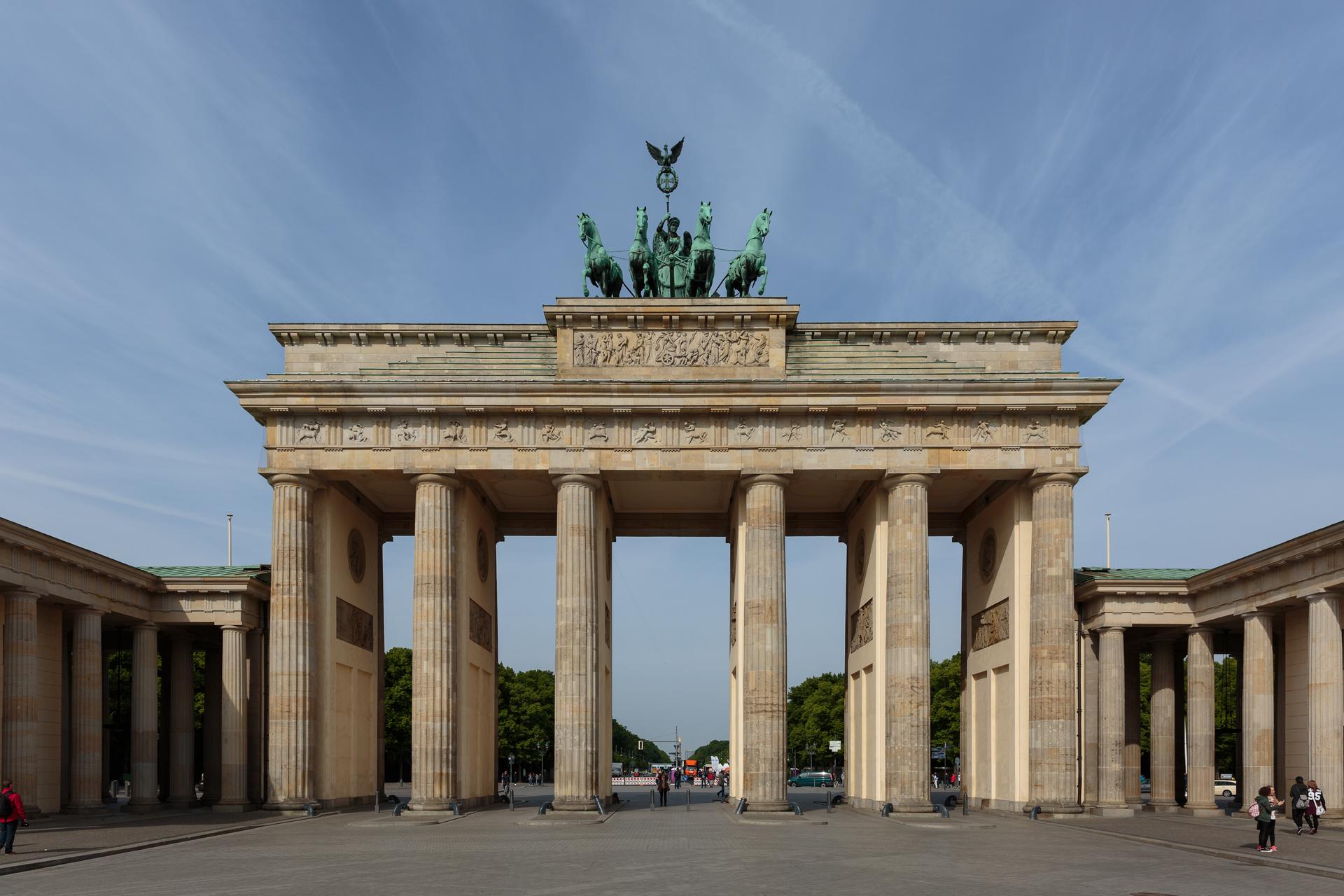
Looking beyond Wilhelmstraße? Discover Berlin for broader travel guides, local hot-spots, and regional highlights.
Explore Berlin
Discover Berlin's enchanting Landwehr Canal: a historic waterway offering scenic strolls, vibrant culture, and tranquil escapes in the heart of the city.

Explore the Detlev-Rohwedder-Haus in Berlin: A historical landmark that embodies Germany's complex past, from Nazi headquarters to the heart of reunification, offering guided tours and insights.