Wasserturm Prenzlauer Berg: A Historic Landmark
Explore Berlin's oldest water tower in Prenzlauer Berg, a historic landmark offering panoramic views and a glimpse into the city's industrial past and vibrant present.
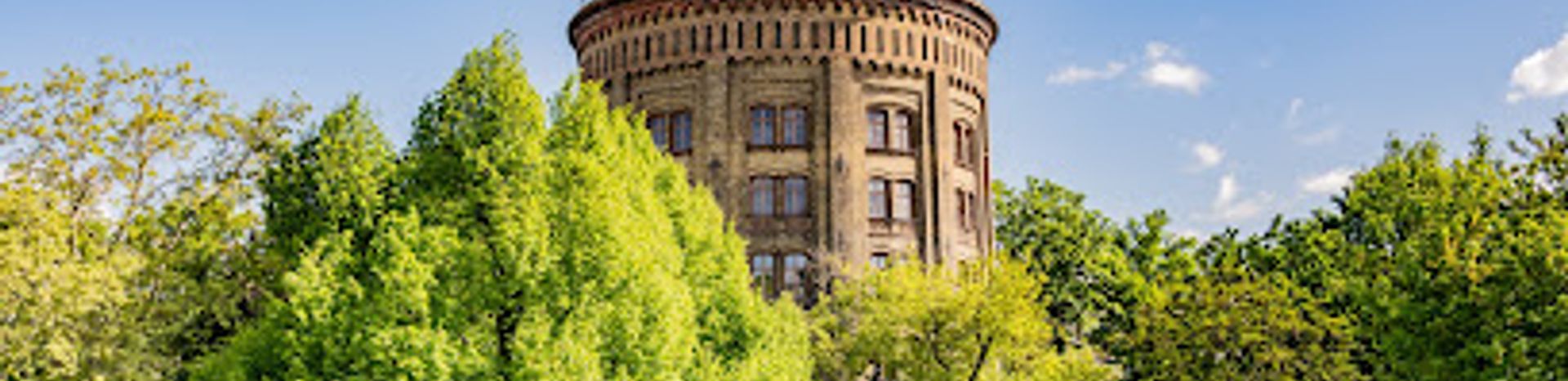
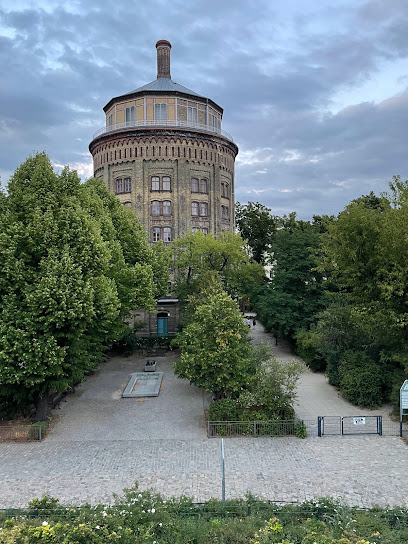
The Wasserturm Prenzlauer Berg, Berlin's oldest water tower, stands as a testament to the city's rich history and architectural ingenuity. Completed in 1877, it provided crucial water pressure to the rapidly growing Prenzlauer Berg district until 1952. Designed by Henry Gill, its striking red-brick facade and elevated location make it a prominent landmark. Today, the Wasserturm is surrounded by a charming park and residential area, offering a glimpse into Berlin's past. While the interior is not always accessible, the exterior and surrounding park provide a pleasant experience. The tower also carries a somber history, having been the site of an early Nazi concentration camp in 1933, a fact commemorated by a memorial on the grounds. A visit to the Wasserturm offers a blend of historical reflection and appreciation for Berlin's urban landscape.
A brief summary to Wasserturm Prenzlauer Berg
- Knaackstraße 23, Berlin, Pankow, 10405, DE
Local tips
- Visit the memorial site near the tower to learn about its somber history as an early Nazi concentration camp.
- Check for occasional art installations or guided tours to explore the interior of the Wasserturm.
- Enjoy a picnic or leisurely stroll in the surrounding park for panoramic views of Prenzlauer Berg.

Getting There
-
Public Transport
The Wasserturm Prenzlauer Berg is easily accessible via public transport. Take the U2 subway line to the Eberswalder Straße station. From there, it's approximately a 10-minute walk. Alternatively, several bus and tram lines stop near the tower, including the M1 tram and the 247 bus. A single public transport ticket (AB zone) costs €3.20 and is valid for two hours. A short trip ticket, valid for three stops on the U-Bahn or S-Bahn, or six stops on the bus or tram, costs €2.20.
-
Taxi/Ride-Share
A taxi or ride-sharing service from Alexanderplatz to the Wasserturm Prenzlauer Berg will typically cost between €12 and €18, depending on traffic and the specific provider. The journey usually takes around 15-20 minutes.
-
Walking
From the U Eberswalder Straße station, walk east along Danziger Straße, then turn right onto Knaackstraße. The Wasserturm will be on your left. The walk is approximately 10 minutes. There are no tolls or special transport requirements for reaching the location on foot.
-
Driving
If driving, be aware that parking in the immediate vicinity of the Wasserturm can be limited and may require payment. Street parking is available, but it is often necessary to purchase a parking ticket from a nearby machine. Parking fees typically range from €1 to €4 per hour, depending on the zone and time of day. Check local signage for specific rates and restrictions. Parking garages are available in the Prenzlauer Berg area, such as the one under Kulturbrauerei, but can be a bit hidden. At Alexanderplatz full-day-tickets are available for 24,- Euro (per 24h, as of May 2023).
Discover more about Wasserturm Prenzlauer Berg
Iconic landmarks you can’t miss

FRANZ HUTH memorial plaque
0.1 km
A poignant memorial in Berlin's Prenzlauer Berg commemorating Franz Huth, an anti-fascist resistance fighter murdered by the Nazis, serving as a reminder of courage and sacrifice.
Wolf in the city Mural by Alaniz
0.6 km
Discover the thought-provoking Wolf in the City mural by Alaniz in Berlin's Pankow, a vibrant testament to street art, social justice, and cultural identity.
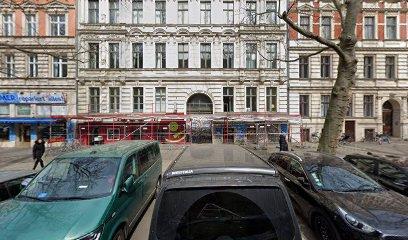
Oderberger Str. 4
0.7 km
Explore the architectural beauty and vibrant atmosphere of Berlin at Oderberger Str. 4, a historical gem in the heart of Pankow.
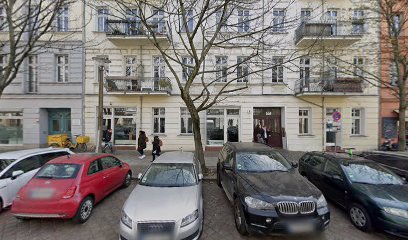
THE TOWER
0.7 km
Discover THE TOWER in Berlin's Pankow district: a historical landmark nestled in the vibrant Prenzlauer Berg, offering a unique glimpse into the city's past and present.
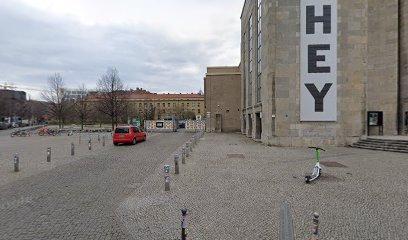
Rosa-Luxemburg-Platz 1
0.9 km
Experience the vibrant atmosphere of Rosa-Luxemburg-Platz, a cultural and historical hub in the heart of Berlin, surrounded by art and urban life.
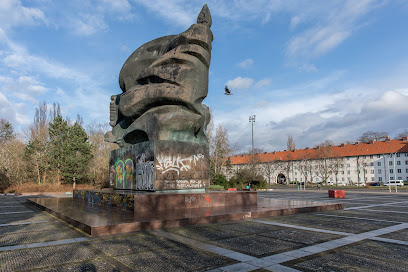
Ernst-Thälmann-Denkmal
1.1 km
Explore the Ernst Thälmann Monument in Berlin's Prenzlauer Berg: a colossal statue, a symbol of socialist history, and a reminder of Germany's complex past within a vibrant urban park.
Monument to the International Brigades
1.2 km
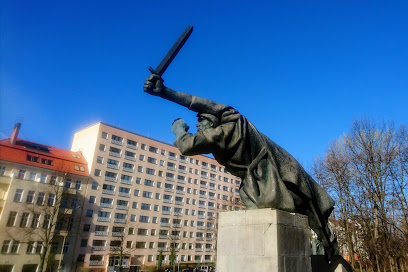
A powerful memorial in Berlin's Volkspark Friedrichshain honoring the German volunteers who fought against fascism in the Spanish Civil War, symbolizing international solidarity.
The Berlin Wall and its Fall at Schwedter Strasse
1.2 km
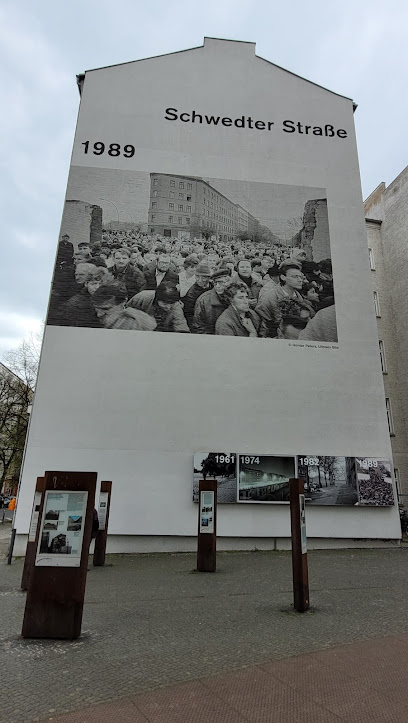
Explore the historical significance of the Berlin Wall and its fall at Schwedter Strasse, a poignant space of remembrance in the heart of Berlin.
Großer Bunkerberg - Flakturm II G Volkspark Friedrichshain
1.3 km
Explore Großer Bunkerberg in Volkspark Friedrichshain: a unique landmark born from WWII rubble, offering history, nature, and panoramic city views in Berlin's oldest public park.
Bernauer Str. 63
1.3 km
Discover the historic significance of Bernauer Str. 63 in Berlin, a poignant reminder of the city's divided past and a vibrant cultural hub.
Alexanderpl. 7
1.3 km
Experience the vibrant heart of Berlin at Alexanderplatz, where iconic sights, shopping, and dining converge in a cultural haven.
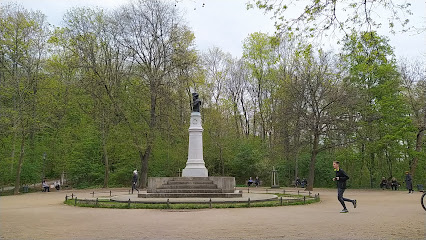
Denkmal Friedrich II. von Preußen
1.4 km
Discover the legacy of Frederick the Great at the Denkmal Friedrich II in Volkspark Friedrichshain, Berlin, a monument to Prussian history, military prowess, and enlightenment ideals.
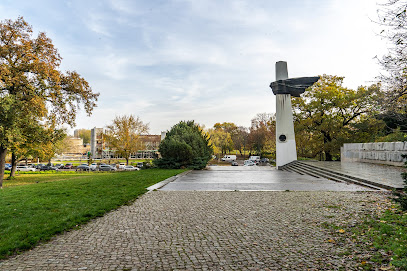
Monument to the Polish soldiers and German anti-fascists
1.4 km
Discover Berlin's powerful tribute to courage and unity at the Monument to Polish Soldiers and German Anti-Fascists, a must-visit historical landmark.
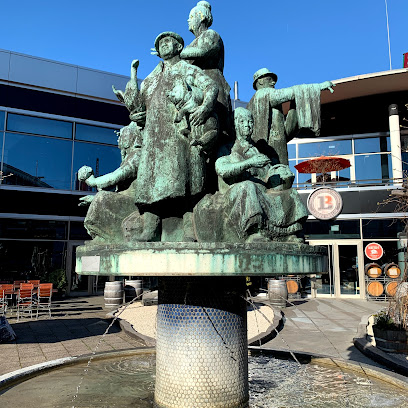
Marktbrunnen
1.5 km
Discover the Marktbrunnen in Berlin's Mitte: a tranquil fountain steeped in history, surrounded by cafes and culture, offering a peaceful escape in the city center.
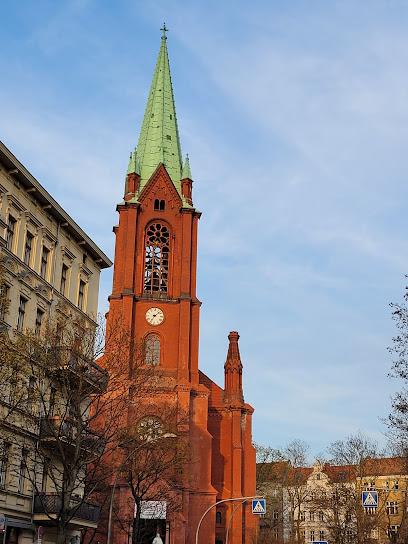
Gethsemanekirche - Ev. Kirchengemeinde Prenzlauer Berg-Nord
1.5 km
Explore Gethsemanekirche, an architectural gem in Berlin's Prenzlauer Berg, where history, spirituality, and community converge beautifully.
Unmissable attractions to see

Park am Wasserturm
0.1 km
Discover Berlin's oldest water tower and a peaceful park with a poignant history in the heart of Prenzlauer Berg.
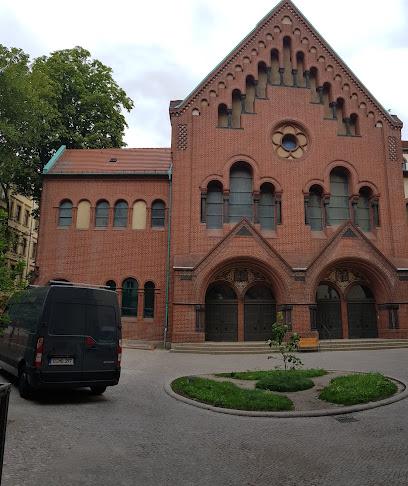
Synagoge Rykestraße
0.1 km
Experience the rich Jewish heritage at Synagoge Rykestraße, a stunning architectural gem in Berlin's Pankow district, reflecting resilience and history.
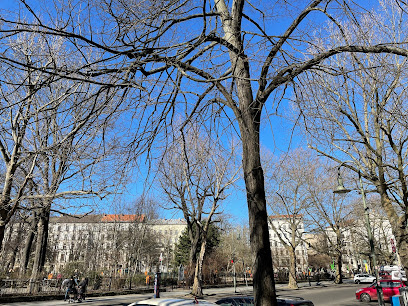
Kollwitzplatz
0.3 km
Experience Berlin's vibrant culture at Kollwitzplatz: historic square, lively markets, charming cafes, and artistic legacy in Prenzlauer Berg.
Pfefferberg Theater
0.5 km
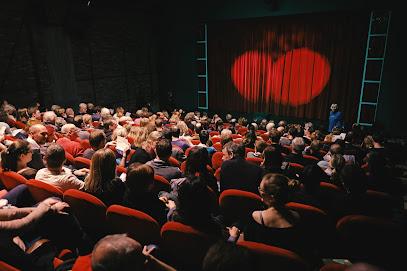
Discover the cultural heartbeat of Berlin at Pfefferberg Theater, a premier venue for performing arts, children's shows, and dance performances in Pankow.
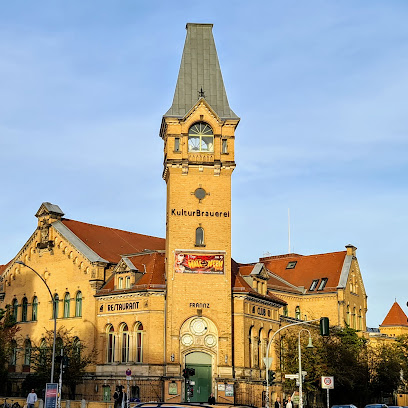
Kulturbrauerei
0.6 km
Experience the vibrant cultural scene at Kulturbrauerei, a historic brewery turned arts hub in Berlin, showcasing live music, theaters, and delightful dining.
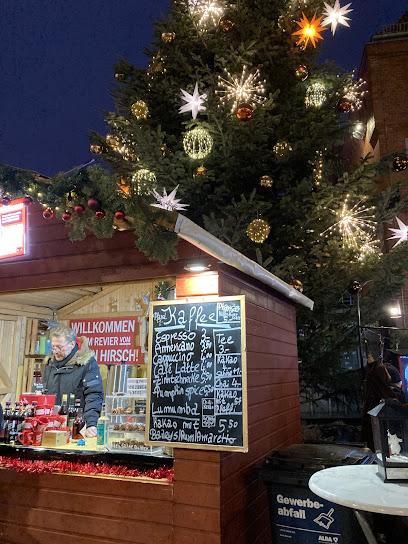
Lucia Weihnachtsmarkt in der Kulturbrauerei
0.6 km
Explore the enchanting Lucia Weihnachtsmarkt in Berlin, a festive hub of crafts, culinary delights, and holiday cheer in a historic brewery setting.
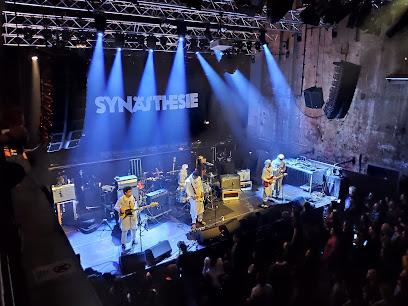
Kesselhaus in der Kulturbrauerei
0.7 km
Experience the vibrant cultural life at Kesselhaus in der Kulturbrauerei, a unique venue for live music and events in Berlin’s artistic hub.
Prenzlauer Berg
0.7 km
Experience the vibrant culture, historic architecture, and lively atmosphere of Prenzlauer Berg, a must-visit district in Berlin for every traveler.
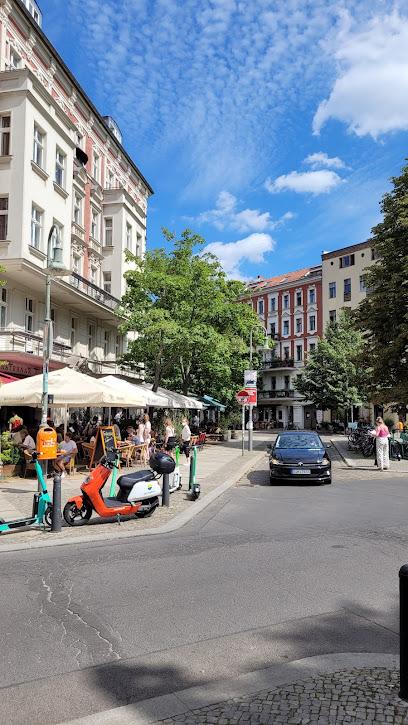
Berlin on Bike - Radtouren & Fahrradverleih
0.7 km
Experience the rich culture and history of Berlin on two wheels with Berlin on Bike, offering guided tours and bike rentals for every adventurer.
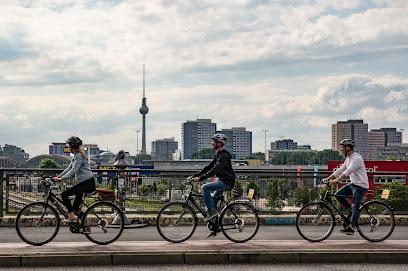
Museum at the Kulturbrauerei
0.8 km
Explore Berlin's GDR history at the Museum at the Kulturbrauerei, where fascinating exhibits and rich cultural narratives await.
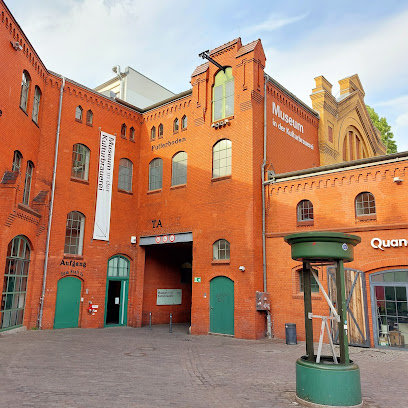
MACHmit! Museum for Children
0.8 km
Explore, experiment, and learn through play at Berlin's MACHmit! Museum for Children, housed in a unique converted church setting.
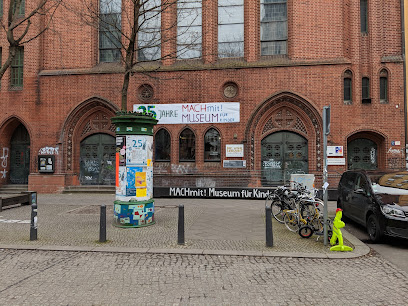
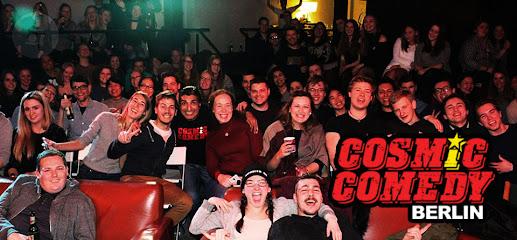
Cosmic Comedy Club Berlin
0.8 km
Experience the vibrant atmosphere of Cosmic Comedy Club in Berlin, where comedy, pizza, and nightlife come together for an unforgettable evening.
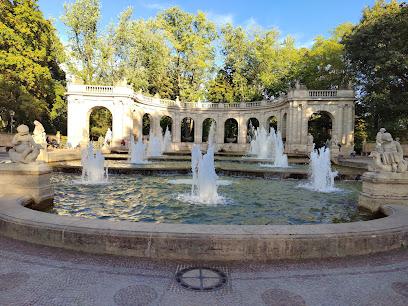
Märchenbrunnen
0.8 km
Discover the enchanting Märchenbrunnen in Berlin's Friedrichshain, a historical landmark showcasing fairy tale sculptures and a serene park setting.
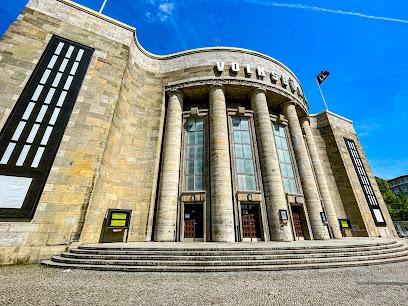
Volksbühne am Rosa-Luxemburg-Platz
1.0 km
Explore the rich tapestry of Berlin's performing arts at Volksbühne am Rosa-Luxemburg-Platz, where tradition meets innovation in every performance.
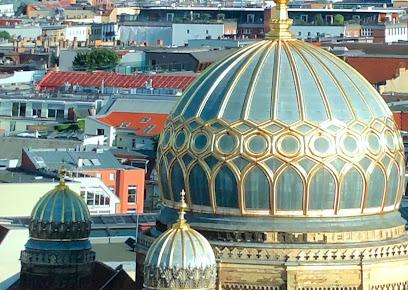
Scheunenviertel
1.0 km
Experience the artistic charm and historical richness of Scheunenviertel, Berlin's vibrant district brimming with culture, cuisine, and creativity.
Essential places to dine

Masel Topf
0.1 km
Experience authentic Israeli flavors at Masel Topf in Berlin – where every dish tells a story.
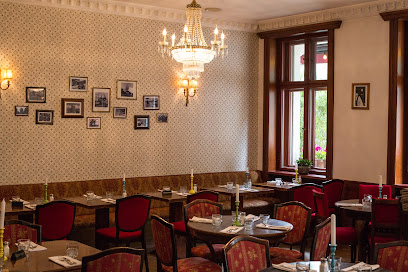
KUSHMANN'S X NEON
0.1 km
Discover KUSHMANN'S X NEON: A culinary delight blending Mediterranean cuisine with an exciting cocktail bar in the heart of Berlin.
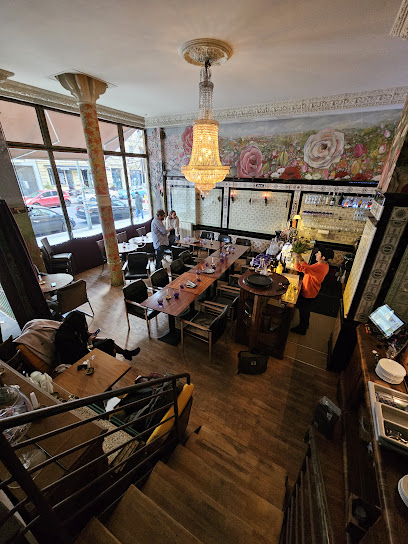
A-Petit Restaurant Berlin
0.3 km
Discover the flavors of Asia at A-Petit Restaurant in Berlin - a top destination for sushi lovers and Asian cuisine enthusiasts.
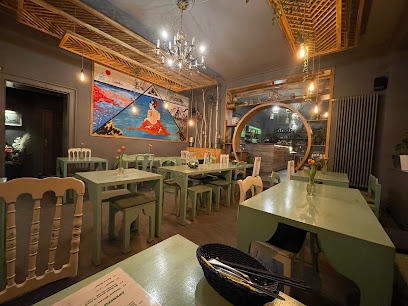
Mitho Cha! P-Berg
0.4 km
Discover authentic Nepalese flavors at Mitho Cha! P-Berg - where every dish tells a story.
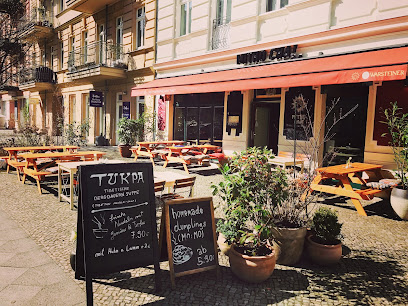
Restaurant Bricole
0.8 km
Experience culinary excellence at Restaurant Bricole in Berlin - where modern European flavors meet French tradition in an elegant setting.
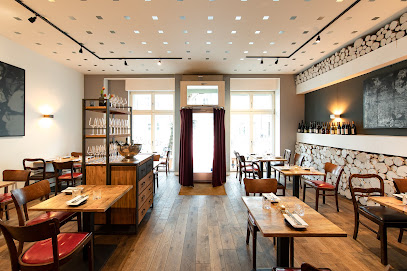
Zum Schusterjungen
0.8 km
Experience authentic German flavors at Zum Schusterjungen in Berlin's Pankow district - where tradition meets taste.
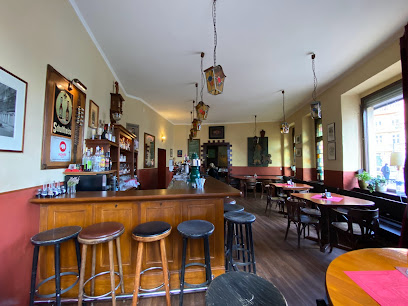
MaMi's Food&Wine
0.9 km
Discover culinary excellence at MaMi's Food&Wine in Berlin – where tradition meets innovation in every delicious bite.
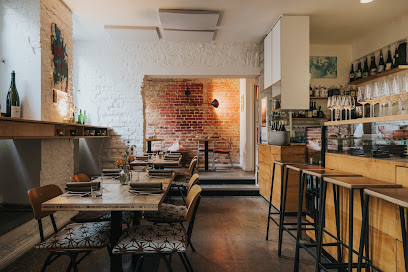
Altberliner Restaurant
1.0 km
Discover Berlin's culinary heritage at Altberliner Restaurant - where authentic German flavors come alive.
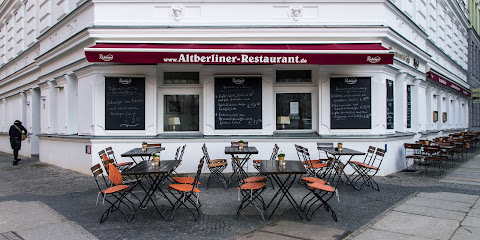
PeterPaul
1.1 km
Discover contemporary German cuisine at PeterPaul in Berlin's Mitte district – where tradition meets innovation in every bite.
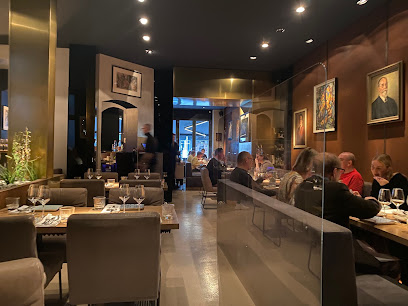
Dreh-Restaurant Sphere im Berliner Fernsehturm
1.6 km
Dine at Berlin's iconic Fernsehturm while enjoying panoramic views and exquisite German cuisine in a modern European setting.
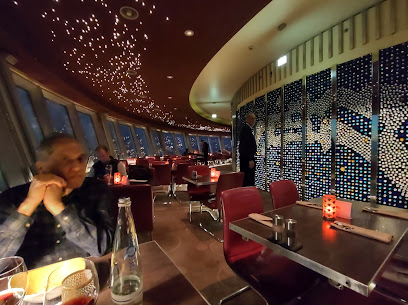
Katz Orange
1.7 km
Discover Katz Orange: An eclectic fine dining experience in Berlin's Mitte district offering exquisite German cuisine and an inviting atmosphere.
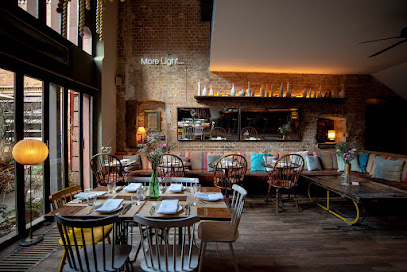
Bandol sur mer
1.7 km
Experience the exquisite flavors and breathtaking scenery of Bandol sur Mer on your next visit to the French Riviera.
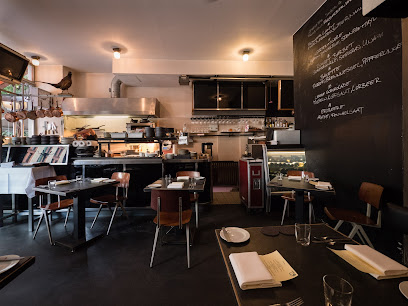
Zur Haxe
1.7 km
Experience the heart of Bavaria in Berlin at Zur Haxe – indulge in authentic German dishes in a cozy setting.
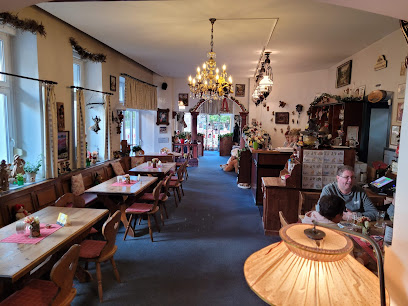
Holy Everest
1.7 km
Experience authentic Nepalese cuisine at Holy Everest in Berlin's Pankow district - where every dish tells a story!
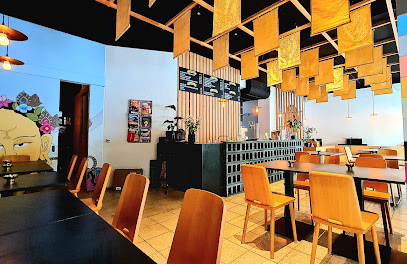
A Mano
1.7 km
Discover A Mano: Berlin's premier destination for authentic Italian cuisine and exquisite seafood dishes in a welcoming atmosphere.
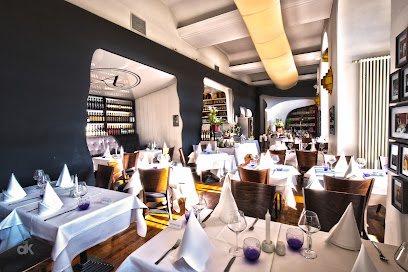
Markets, malls and hidden boutiques

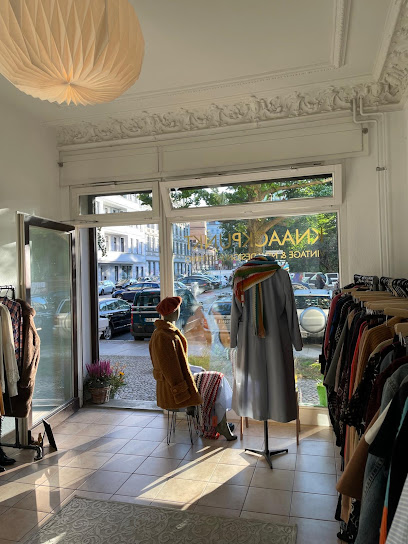
KNAACKPUNKT Vintage & New Design Clothing
0.1 km
Explore KNAACKPUNKT Vintage & New Design Clothing in Berlin - a blend of vintage charm and modern fashion for every style enthusiast.
Soul Objects
0.2 km
Explore the artistic treasures of Berlin at Soul Objects, your go-to destination for unique gifts, art, and handcrafted treasures.
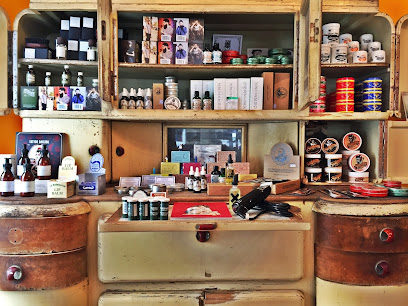
vintage
0.4 km
Explore a vintage store in Berlin's Pankow district, filled with unique treasures and timeless charm that reflect the city's rich history.
ein000 - Eintausend Berlin Shopping Guide
0.7 km
Explore ein000 for a unique shopping experience, showcasing Berlin's contemporary fashion and local designs in the heart of the city.
OFT Vintage Shop Berlin
0.7 km
Explore the charm of vintage fashion and unique antiques at OFT Vintage Shop in Berlin, where every item tells a story.
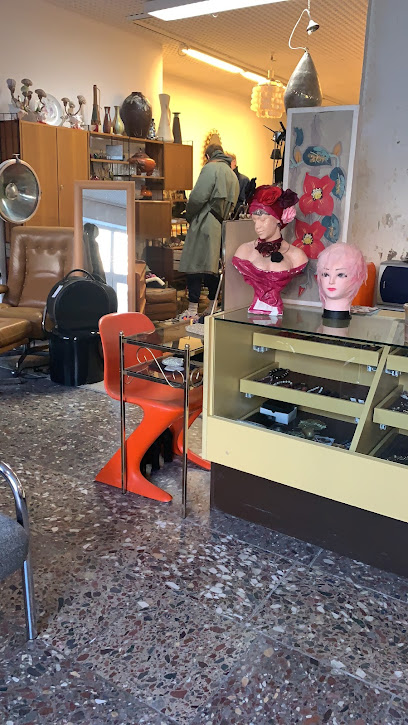
The Store X Berlin
0.8 km
Discover The Store X Berlin, a unique cultural center blending art, fashion, and café culture in the heart of the city.
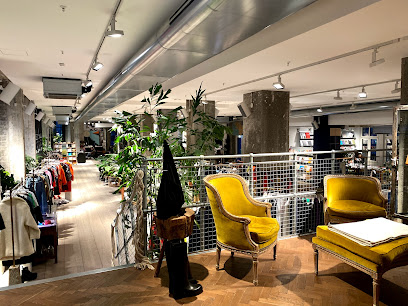
Dudes Factory
0.8 km
Discover Dudes Factory, Berlin's iconic streetwear store, offering unique designs that embody the city's dynamic fashion scene.
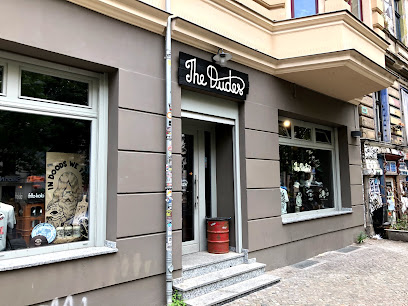
das goodshaus. Lifestyle Concept Store
0.8 km
Explore das goodshaus, a unique lifestyle concept store in Berlin, offering a delightful selection of gifts and artistic stationery.
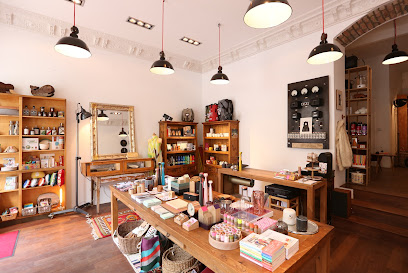
Flagshipstore
0.8 km
Explore Flagshipstore Berlin for a unique selection of eclectic European fashion in a vibrant shopping atmosphere.
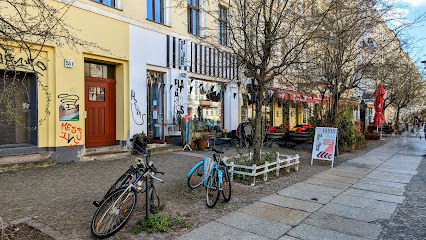
wunderwerk store Berlin-Prenzlauer Berg
0.8 km
Explore sustainable fashion at Wunderwerk Store in Berlin-Prenzlauer Berg, where contemporary design meets eco-conscious shopping.
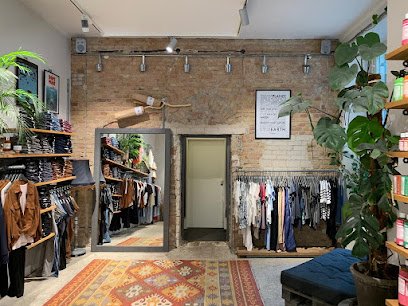
Pauls Boutique/Berlin
0.9 km
Explore Paul’s Boutique in Berlin for unique vintage clothing and sustainable fashion treasures. A must-visit thrift store in the heart of Pankow.
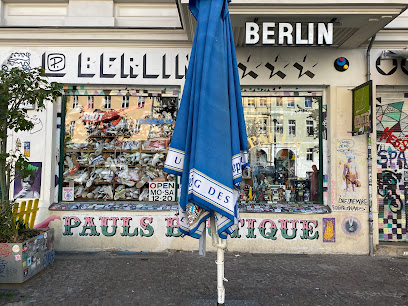
Pauls Chapter Mitte
1.0 km
Experience the charm of sustainable fashion at Pauls Chapter Mitte, Berlin's premier used clothing store, offering unique vintage finds in a stylish setting.
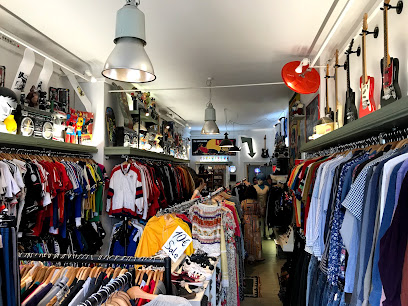
Jyoti - FairWorks
1.0 km
Explore Jyoti - FairWorks in Berlin for ethically sourced clothing, unique accessories, and a commitment to fair trade fashion.
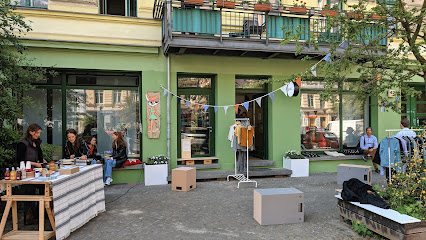
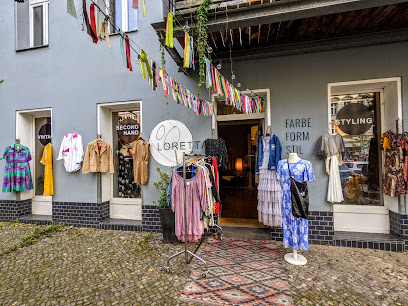
Loretta
1.1 km
Explore Loretta, Berlin's ultimate vintage clothing store, for unique fashion finds and a delightful shopping experience.
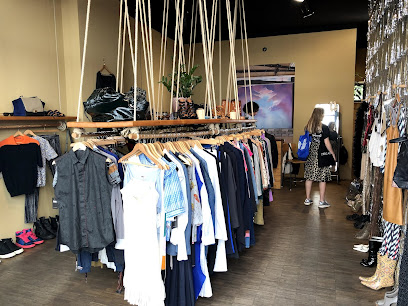
The New Black
1.1 km
Explore unique vintage fashion at The New Black in Berlin's Mitte district, where sustainability meets style in an eclectic clothing experience.
Essential bars & hidden hideouts

Bar 55
0.2 km
Experience the vibrant nightlife of Berlin at Bar 55, a cozy bar in Pankow offering a wide selection of drinks and a lively atmosphere.
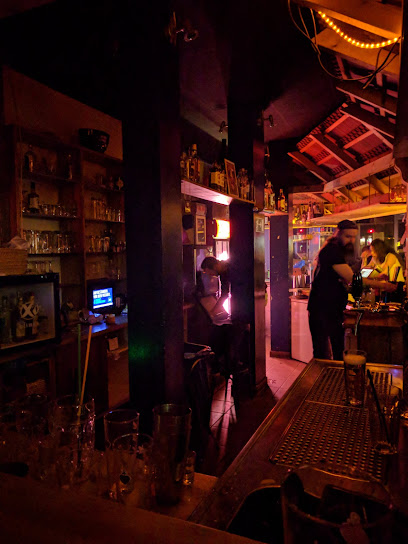
The Dorothy Bar
0.2 km
Discover Berlin's vibrant nightlife at The Dorothy Bar, where innovative cocktails and a cozy atmosphere create the perfect evening escape.
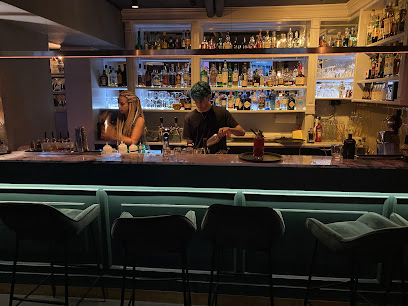
Uluru Resort
0.4 km
Discover Uluru Resort, where Australian charm meets Berlin's vibrant pub culture, offering great drinks, lively events, and a warm welcome.
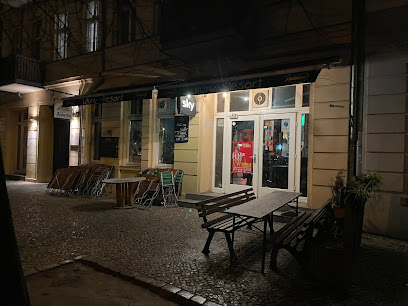
Bar Luxus
0.6 km
Discover the stylish ambiance and innovative cocktails at Bar Luxus, a must-visit nightlife destination in Berlin's Prenzlauer Allee.
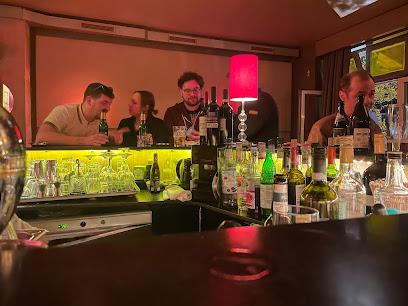
Kaminbar
0.7 km
Discover the artistic charm of Kaminbar in Berlin, where cocktails meet creativity in a vibrant atmosphere filled with live music and local art.
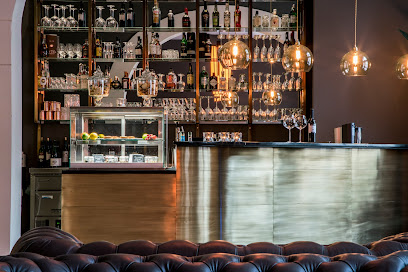
Bar 3
0.8 km
Experience the lively ambiance of Bar 3 in Berlin, a popular spot for locals and tourists to unwind and enjoy the vibrant nightlife.
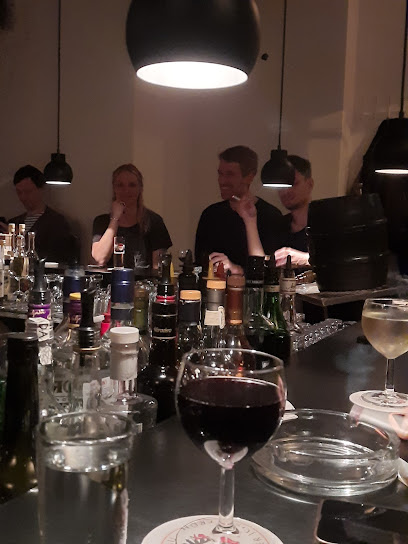
KASCHK by BRLO
0.9 km
Discover KASCHK by BRLO, where Berlin's craft beer meets a vibrant atmosphere and delicious bites in the heart of the city.
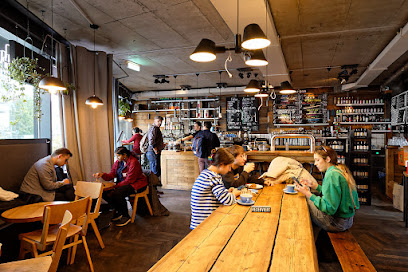
Fairytale Bar
0.9 km
Discover a world of creativity and delight at Fairytale Bar, the enchanting cocktail haven in Berlin's Pankow district.
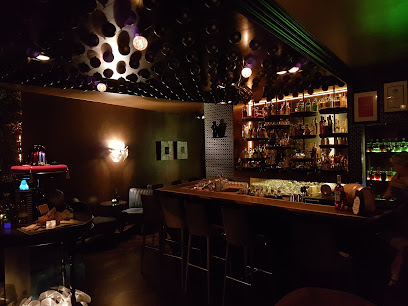
Zu mir oder zu dir
0.9 km
Discover 'Zu mir oder zu dir', a cozy bar in Pankow offering an extensive drink menu and a vibrant atmosphere perfect for enjoying Berlin's nightlife.
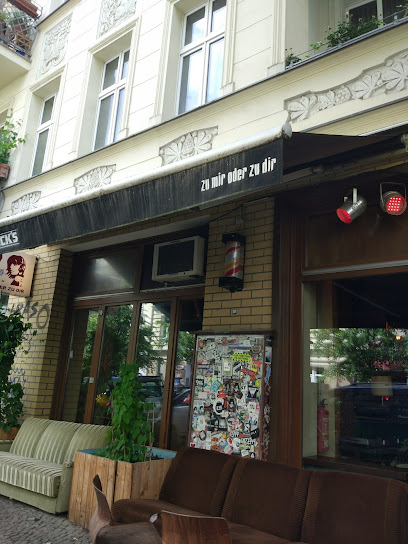
Höschen bar
0.9 km
Discover Höschen Bar in Pankow, Berlin - a vibrant cocktail bar known for its innovative drinks and cozy ambiance, perfect for a night out with friends.
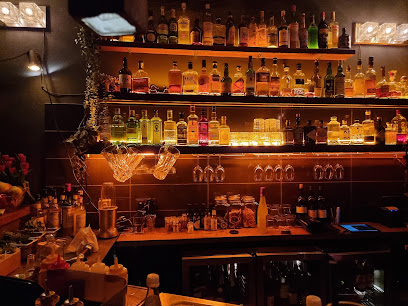
Emi Wynehouse Pop-Up Bar
0.9 km
Discover the unique charm of Emi Wynehouse Pop-Up Bar, where eclectic cocktails and vibrant nightlife collide in the heart of Berlin.
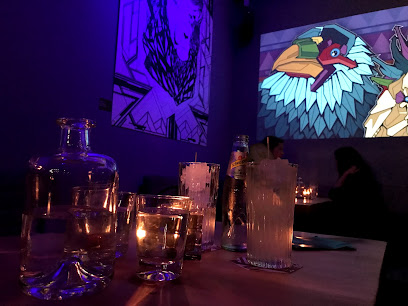
Bräugier BrewPub
1.0 km
Discover the vibrant world of craft beer at Bräugier BrewPub, a top brewpub in Berlin's Prenzlauer Berg, offering unique brews and a lively atmosphere.
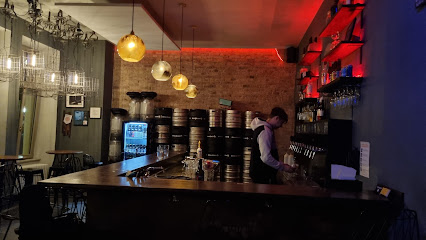
Volksbar
1.0 km
Experience the vibrant nightlife at Volksbar, Berlin's eclectic bar and event venue, perfect for socializing and enjoying live entertainment.
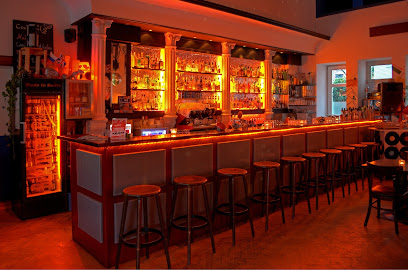
Saphire Bar
1.1 km
Experience the art of mixology at Saphire Bar, a chic cocktail lounge in Berlin's vibrant Pankow district, perfect for unforgettable nights out.
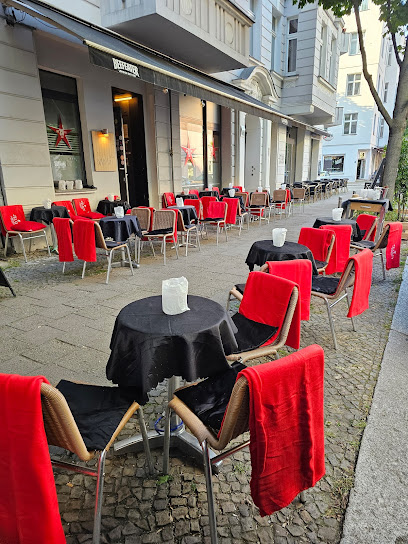
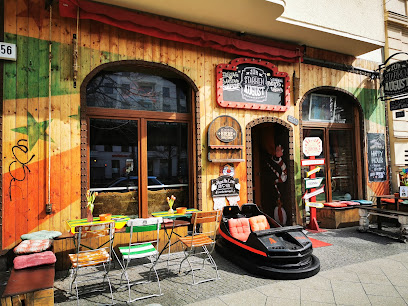
Zum Starken August
1.1 km
Immerse yourself in Berlin's vibrant nightlife at Zum Starken August, where circus magic meets a lively pub atmosphere for an unforgettable experience.
Nightclubs & after hour spots

El ocaso
0.5 km
Experience the pulsating nightlife of Berlin at El Ocaso, a vibrant night club known for its eclectic music and stylish atmosphere.
NIGHT
0.6 km
Discover the electrifying nightlife scene at NIGHT, a premier club and cocktail bar in Berlin, where unforgettable memories are made.
FRANNZ Club
0.6 km
Experience the vibrant nightlife of Berlin at FRANNZ Club, where music, drinks, and great company come together for an unforgettable evening.
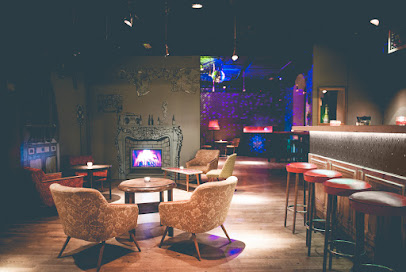
schöne party
0.6 km
Discover vibrant nightlife at schöne party, a lively night club in Berlin's Pankow district, perfect for dancing and socializing.
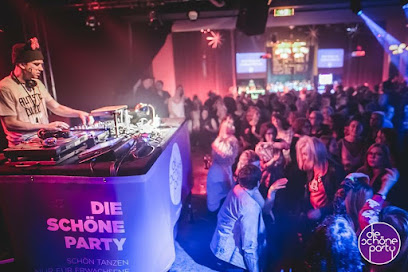
Soda Club Berlin
0.6 km
Discover the vibrant nightlife of Berlin at Soda Club, a perfect blend of music, dining, and excitement in Pankow.
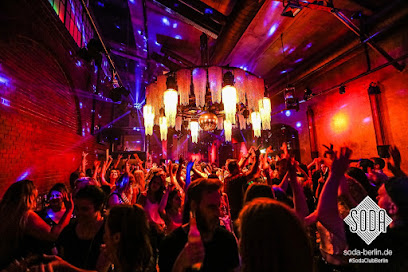
Steinhaus Berlin
0.7 km
Discover the heart of Berlin's nightlife at Steinhaus Berlin, where vibrant music and an electrifying atmosphere await every night.
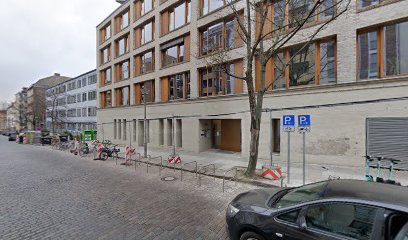
Alte Kantine
0.7 km
Discover the electric atmosphere of Alte Kantine, Berlin's vibrant night club offering music, dancing, and a lively bar experience.
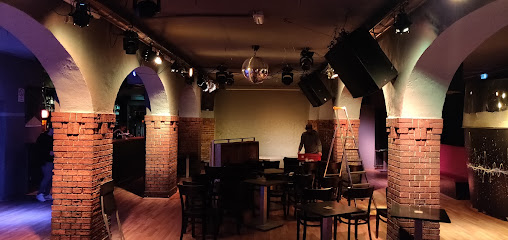
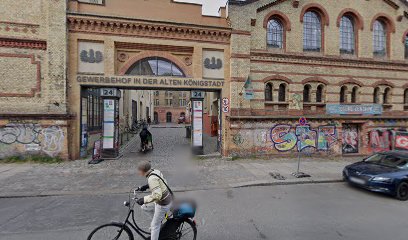
Club 23
0.7 km
Discover the heart of Berlin's nightlife at Club 23, where music, dancing, and vibrant energy await you for an unforgettable night.
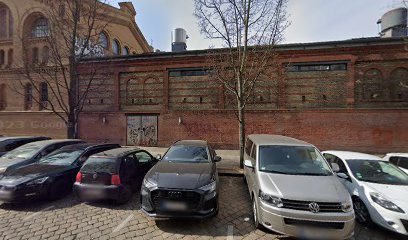
ASeven Club & Eventlocation
1.2 km
Experience the pulse of Berlin's nightlife at ASeven Club & Eventlocation, where vibrant music and exciting events come alive.
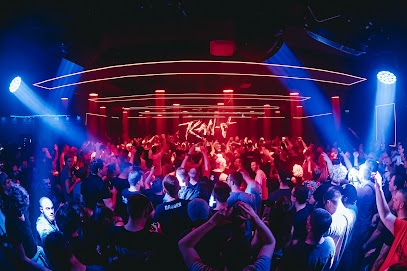
Sky Club - Berlin
1.2 km
Sky Club in Berlin: Discover the heart of nightlife with electrifying music, stunning visuals, and an unforgettable clubbing experience.
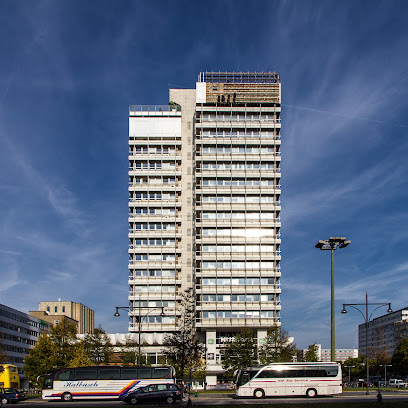
House of Weekend
1.3 km
Experience the best of Berlin's nightlife at House of Weekend, where the city comes alive with music, dancing, and breathtaking skyline views.
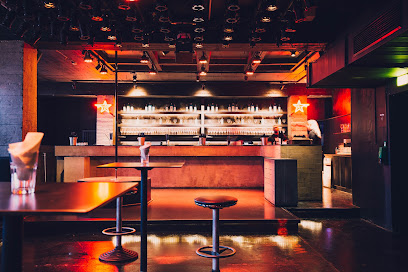
Dunckerclub
1.4 km
Experience the electrifying atmosphere of Dunckerclub, Berlin's ultimate rock music destination, where live performances ignite the night.
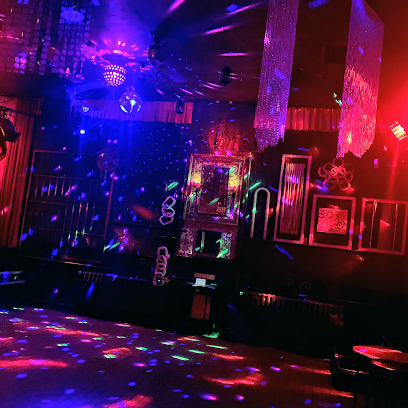
M-BIA Club Berlin
1.4 km
Discover the vibrant nightlife of Berlin at M-BIA Club, where electrifying music and an unforgettable atmosphere await you.
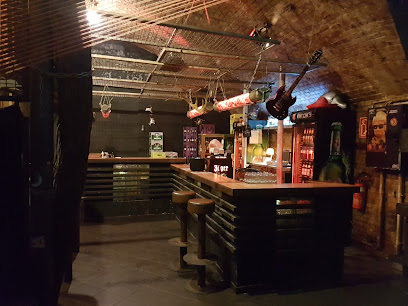
Hafenbar Berlin
1.6 km
Experience the vibrant nightlife of Berlin at Hafenbar, a disco club and dance restaurant where music and cocktails flow until dawn.
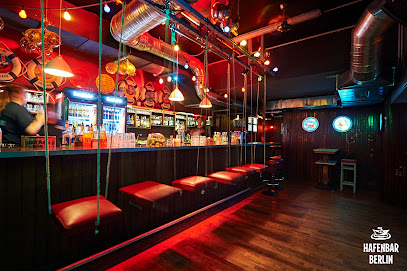
AVENUE Night Club Berlin
1.6 km
Discover the energy and excitement of AVENUE Night Club Berlin, the ultimate destination for nightlife lovers seeking unforgettable experiences.