
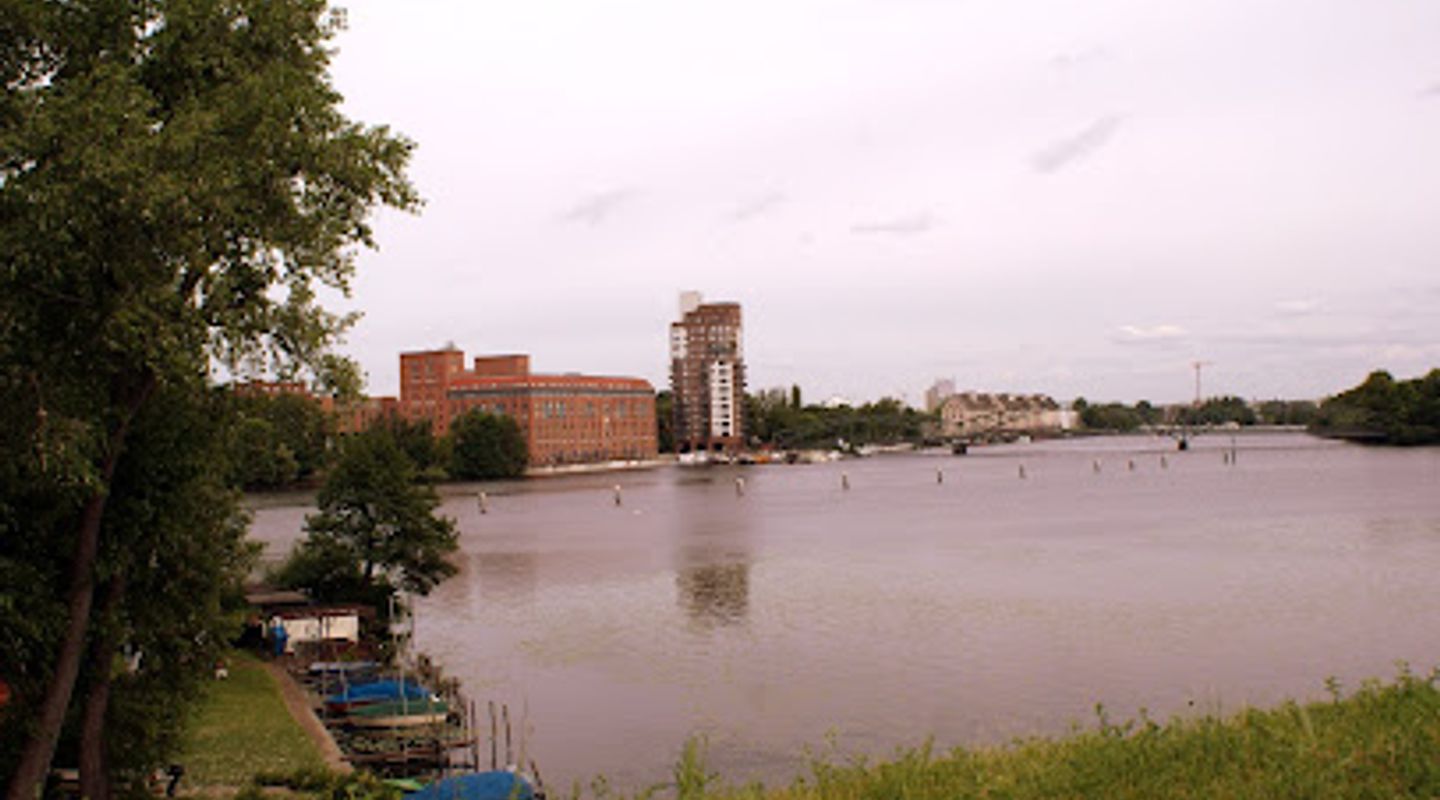
Bastion Brandenburg, Brandenburg Travel Guide
Explore Bastion Brandenburg within Zitadelle Spandau, a remarkably preserved Renaissance fortress with Italian Courts, museums, and a vibrant cultural scene, offering a unique glimpse into Berlin's military and cultural history.
Bastion Brandenburg, nestled within the historic Zitadelle Spandau, is a captivating landmark offering a glimpse into Berlin's rich military past. As one of the four corner bastions of this well-preserved Renaissance fortress, it stands as a testament to 16th-century fortification architecture. Explore the Italian Courts located within, admire the unique arched construction, and delve into exhibitions housed in the bastion's depths. The Zitadelle itself boasts a fascinating history, from its origins as a medieval castle to its role as a strategic stronghold and even a chemical weapons research site during the Nazi era. Today, it's a vibrant cultural hub hosting museums, events, and concerts, making it a must-see destination for history buffs and culture enthusiasts alike. Discover the stories etched into its walls and experience the imposing atmosphere of this remarkable fortress.
A brief summary to Bastion Brandenburg
- Am Juliusturm 68, Berlin, Spandau, 13599, DE
- Click to display
- Click to display
- Monday 10 am-5 pm
- Tuesday 10 am-5 pm
- Wednesday 10 am-5 pm
- Thursday 1 pm-8 pm
- Friday 10 am-5 pm
- Saturday 10 am-5 pm
- Sunday 10 am-5 pm

Know before you go
Hi, I'm Eve. Here are a few practical things to know before exploring Bastion Brandenburg.
- Explore the Italian Courts within Bastion Brandenburg for a unique architectural experience.
- Check the Zitadelle Spandau's event calendar for concerts and festivals.
- Visit the Spandau Museum of Local History in the Zeughaus to learn about the area's past.
Do you manage this location?
Take control to get all the benefits, like improved information, better appearance, and stronger visibility across AI-powered discovery. Learn more about listing your business on Evendo
Activate your presenceOther nearby places you may find interesting
The closest places of the same kind, if this one is not quite what you had in mind.
Explore Bastion Brandenburg on the Map
A handpicked selection of must-see spots near Bastion Brandenburg, mapped for you.
Getting There
-
Public Transport
The Zitadelle Spandau is easily accessible by public transport. Take the U7 subway line to the 'Zitadelle' station. From the station, it's a short walk (approximately 5-10 minutes) to the Zitadelle entrance. Alternatively, you can take the X33 bus to the 'Zitadelle' stop, which drops you off even closer to the entrance. A single BVG ticket for zones A and B costs around €3.50.
-
Driving
If driving, parking is available in the surrounding area, including the Zitadellenweg. Parking spaces for disabled visitors are located behind the car dealer in Zitadellenweg. While there are free bus parking spaces in Zitadellenweg, car parking can be limited, especially during peak season or events. Consider parking in the Altstadt Spandau (old town) and walking or taking a short bus ride to the Zitadelle. Parking fees in the Altstadt Spandau typically range from €0.50 per 30 minutes to €3.50 per day.
Discover more about Bastion Brandenburg













Your all‑in‑one travel companion app
Explore expert travel guides, compare and book tours, experiences, hotels, and more—all from the palm of your hand. Download now for seamless trip planning wherever your wanderlust takes you.


Explore More of Brandenburg
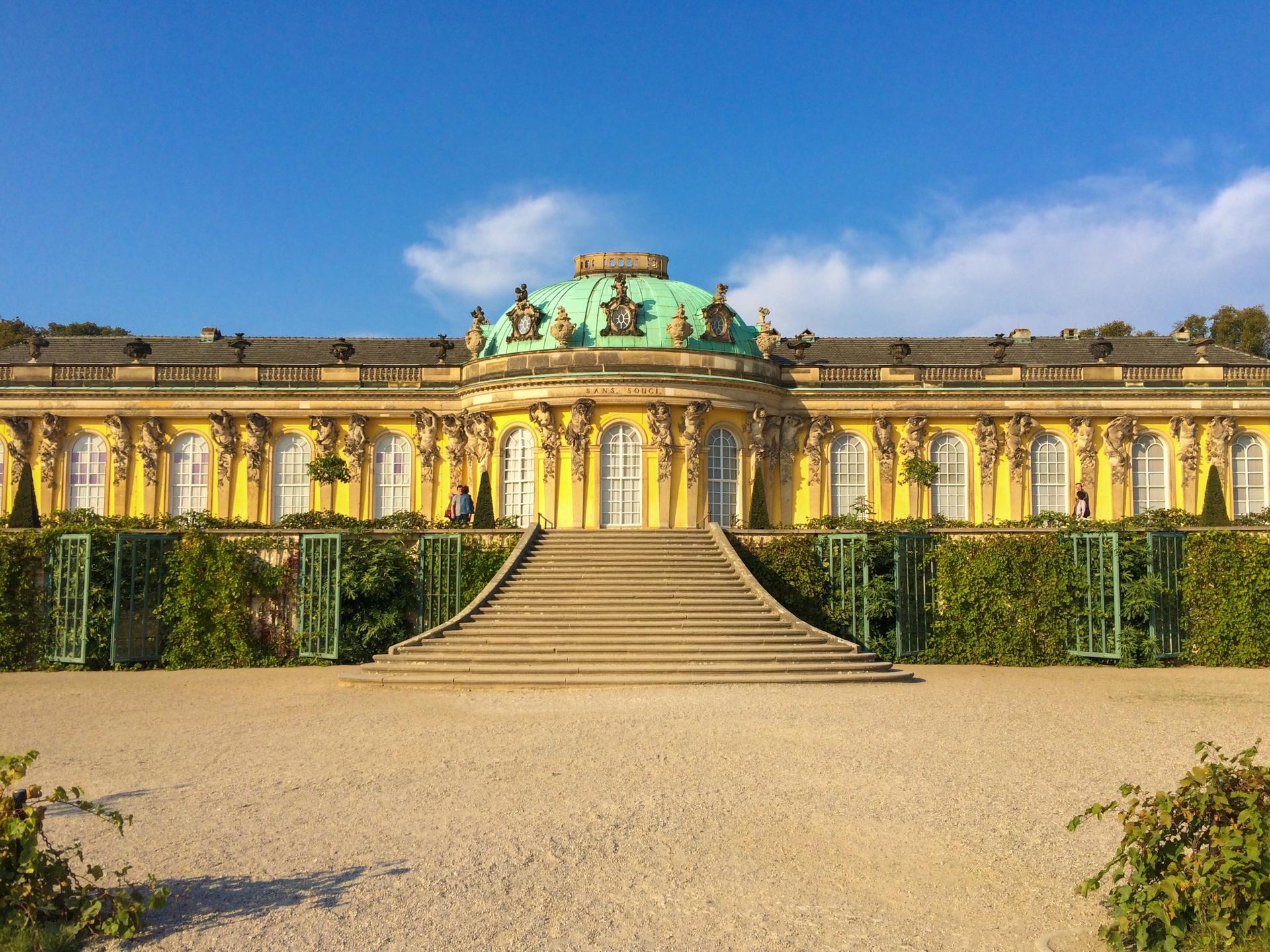
Looking beyond Bastion Brandenburg? Discover Brandenburg for broader travel guides, local hot-spots, and regional highlights.
Explore Brandenburg
Discover the vibrant atmosphere of Breitscheidplatz in Berlin, where history meets modern life in a bustling town square filled with culture and charm.
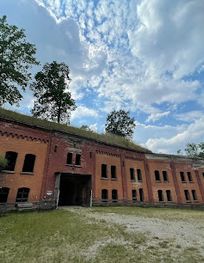
Explore Fort Hahneberg, a historic fortress in Berlin's Spandau district, offering rich military history and stunning views for every visitor.
