Soviet War Memorial Tiergarten Travel Guide
Free Guide: Explore the Soviet War Memorial in Tiergarten, a poignant tribute to Soviet soldiers and a powerful reminder of Berlin's complex history during World War II, offering a space for reflection and remembrance.


A brief summary of Soviet War Memorial Tiergarten
Explore the Soviet War Memorial in Tiergarten, a poignant tribute to Soviet soldiers and a powerful reminder of Berlin's complex history during World War II, offering a space for reflection and remembrance.
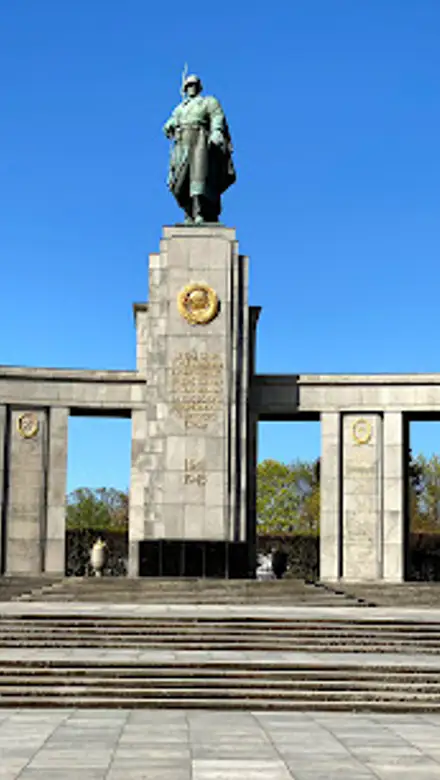
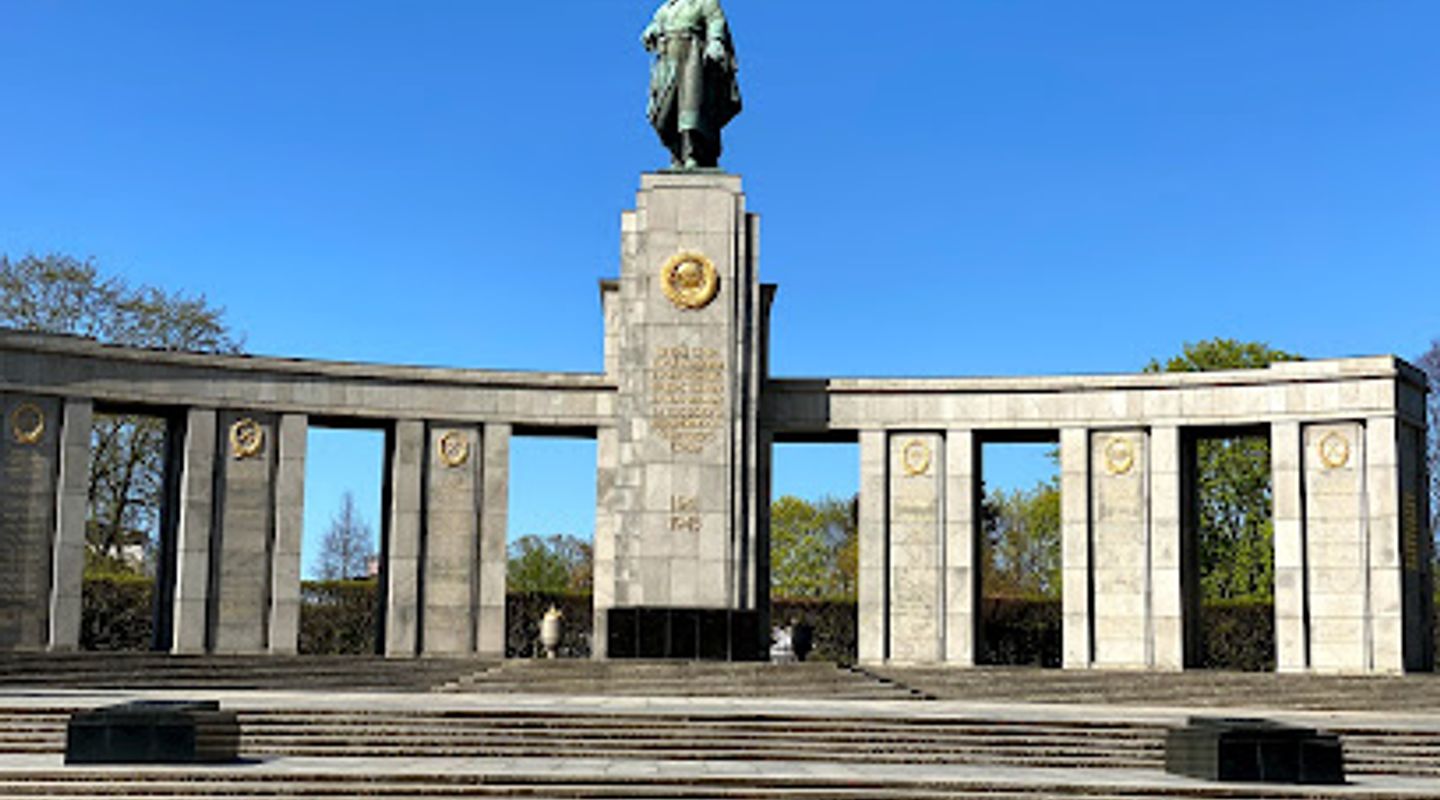
The Soviet War Memorial in Tiergarten, Berlin, stands as a poignant reminder of World War II and the Soviet soldiers who perished in the conflict. Located a short distance from the Brandenburg Gate, this memorial offers a unique glimpse into the Soviet perspective on the war and its aftermath. More than just a monument, it's a place of reflection, inviting visitors to contemplate the immense human cost of war and the complex history of Berlin. The memorial's imposing structure, complete with tanks and artillery, contrasts sharply with the surrounding parkland, creating a powerful visual statement. Open to the public and free to visit, the memorial provides a somber yet essential experience for anyone seeking to understand Berlin's multifaceted past. It serves as a reminder of the city's division and the sacrifices made during the war, urging visitors to reflect on the importance of peace and reconciliation. The site is easily accessible and offers a moment of quiet contemplation amidst the bustling city.
Opening hours
- Every dayOpen 24 hours
Opening hours as listed on the venue’s Google Business Profile. Hours can change for services and special events, so check with the venue before you go.
- Address
- Str. des 17. Juni 4, 10557 Berlin
- Website
Getting there
Walking
Public Transport
Taxi/Ride-Share
Discover more about Soviet War Memorial Tiergarten
Overview
The Soviet War Memorial in Tiergarten is more than just a monument; it's a powerful symbol of remembrance and a stark reminder of the devastating impact of World War II. Situated in the heart of Berlin, a short walk from the iconic Brandenburg Gate, this memorial offers a unique perspective on the war, honoring the Soviet soldiers who lost their lives in the battle for Berlin. Its presence in the Tiergarten, a sprawling urban park, creates a striking contrast between the serenity of nature and the imposing nature of the memorial, prompting reflection on the cost of conflict. Erected shortly after the end of the war in 1945, the memorial served not only as a tribute to the fallen but also as a demonstration of Soviet power in the occupied city. The design is distinctly Soviet, featuring a grand colonnade topped with a large bronze statue of a soldier. Flanking the central structure are two T-34 tanks and artillery pieces, all of which were reportedly used in the Battle of Berlin. These military vehicles serve as a visceral reminder of the intense fighting that took place in the city's streets. The memorial's location within the British sector of post-war Berlin is particularly noteworthy. Its construction was permitted by the Western Allies as a gesture of respect for the Soviet war effort. Even during the Cold War, when tensions between East and West were at their peak, the memorial remained a significant site, guarded by Soviet soldiers. This unique arrangement underscored the complex political landscape of divided Berlin. Visiting the Soviet War Memorial is a deeply moving experience. The sheer scale of the monument is impressive, and the presence of the tanks and artillery evokes a sense of the war's intensity. The names of the fallen soldiers are inscribed on the rear of the colonnade, a poignant reminder of the individual lives lost. The memorial is meticulously maintained, with fresh flowers often placed at the base of the statue, demonstrating the enduring respect for the Soviet soldiers. Beyond its historical significance, the memorial also offers a tranquil space for contemplation. The surrounding parkland provides a peaceful setting, allowing visitors to reflect on the broader themes of war, peace, and reconciliation. The memorial's central location makes it easily accessible to both tourists and locals, and it is often included as a stop on guided tours of Berlin. The Soviet War Memorial in Tiergarten is not without its controversies. Some view it as a symbol of Soviet occupation and a reminder of the oppressive communist regime in East Germany. Others argue that it is an important historical monument that should be preserved as a testament to the sacrifices made during the war. Regardless of one's perspective, the memorial undoubtedly sparks dialogue and encourages critical engagement with the past. In recent years, there have been debates about the memorial's future. Some have called for its removal or relocation, while others have advocated for its preservation as a historical landmark. The Berlin Senate has taken the position that the memorial should remain in its current location as a reminder of the city's complex history. Efforts have been made to provide more context and information about the memorial's significance, including the installation of interpretive panels that offer different perspectives on its meaning. The Soviet War Memorial in Tiergarten stands as a powerful symbol of remembrance, reconciliation, and the enduring impact of World War II on Berlin. Its imposing structure, historical context, and tranquil setting make it a must-see destination for anyone seeking to understand the city's multifaceted past. Whether you are a history buff, a student of political science, or simply a traveler seeking a meaningful experience, the memorial offers a unique opportunity to reflect on the human cost of war and the importance of peace. To fully appreciate the significance of the Soviet War Memorial, it is helpful to understand the broader historical context of the Battle of Berlin. In the spring of 1945, as the war in Europe drew to a close, Soviet forces launched a massive offensive to capture the German capital. The battle was one of the bloodiest and most destructive of the entire war, with fierce fighting taking place in the streets of Berlin. The Soviet victory marked the end of Nazi Germany and the beginning of a new era in European history. The Soviet War Memorial in Tiergarten serves as a reminder of the immense sacrifices made by the Soviet soldiers who fought in the Battle of Berlin. It also stands as a testament to the resilience of the city and its people, who have overcome immense challenges to rebuild and create a vibrant, multicultural metropolis. The memorial is a place of remembrance, reconciliation, and reflection, inviting visitors to contemplate the lessons of the past and the importance of working towards a more peaceful future. Visiting the memorial is free and open to the public. It is easily accessible by public transportation, and there are several nearby attractions, including the Brandenburg Gate, the Reichstag Building, and the Memorial to the Murdered Jews of Europe. A visit to the Soviet War Memorial is an essential part of any trip to Berlin, offering a unique and moving perspective on the city's history and its enduring commitment to peace. The memorial's design incorporates several symbolic elements. The two T-34 tanks represent the Soviet military might that played a crucial role in defeating Nazi Germany. The artillery pieces symbolize the firepower that was unleashed during the Battle of Berlin. The bronze statue of the Soviet soldier is a tribute to the courage and sacrifice of the individual soldiers who fought in the war. The names of the fallen soldiers inscribed on the colonnade serve as a poignant reminder of the human cost of conflict. The Soviet War Memorial in Tiergarten is a complex and multifaceted monument that evokes a range of emotions and interpretations. It is a place of remembrance, reconciliation, and reflection, inviting visitors to engage with the past and to consider the challenges of the present. Whether you view it as a symbol of Soviet power, a tribute to fallen soldiers, or a reminder of the horrors of war, the memorial is an essential part of Berlin's historical landscape. In conclusion, the Soviet War Memorial in Tiergarten is a powerful and moving monument that offers a unique perspective on World War II and its aftermath. Its historical significance, tranquil setting, and symbolic design make it a must-see destination for anyone visiting Berlin. The memorial serves as a reminder of the human cost of war and the importance of working towards a more peaceful future. It is a place of remembrance, reconciliation, and reflection, inviting visitors to engage with the past and to consider the challenges of the present.
Evendo Review Centre
 Google
Guest reviews
Explore Soviet War Memorial Tiergarten on the map
A handpicked selection of must-see spots near Soviet War Memorial Tiergarten, mapped for you.
Get your free copy of our complete guide to Soviet War Memorial Tiergarten, delivered straight to you.
Everything on this page, from opening hours and how to get there to Eve’s tips and the best time to go, in one PDF you can read offline, print or share.
Already have an account? Sign in
Your Soviet War Memorial Tiergarten guide is ready.
We'll send it to · Not you? Sign out

Getting your guide ready…
We are putting together a fresh copy of the Soviet War Memorial Tiergarten guide. This can take up to a minute.
This can take a few moments. If your browser asks, choose Allow so the download can start. You'll find the guide in your Downloads folder.
Nothing happened? Download it again
Sorry, the guide is taking longer than usual. Please try again in a minute, or get it by email instead.
Unlock the best of Soviet War Memorial Tiergarten
Skip-the-line tickets, guided tours with entry, and walking tours of the area, booked in a few clicks.


 Tour
TourBerlin World War II and Cold War Self Guided Tour via Mobile App
from $6.64 Tour
TourMemorials and Monuments: A Self-Guided Audio Tour in Berlin
from $14.24 Tour
TourBest Berlin Private Custom Tour in a Minivan, East and West
from $79.94 Tour
TourRomantic Berlin Rickshaw City and Photo Tour - incl. pick-up
from $165.22
Other nearby places you may find interesting
The closest places of the same kind, if this one is not quite what you had in mind.
-
-
-
-
-


Swipe for more places
More to explore near Soviet War Memorial Tiergarten
-
 Best experiences near Soviet War Memorial Tiergarten
-
 Best hotels near Soviet War Memorial Tiergarten
-
 Best landmarks near Soviet War Memorial Tiergarten
-
 Best attractions near Soviet War Memorial Tiergarten
-
 Best shops near Soviet War Memorial Tiergarten
-
 Best restaurants near Soviet War Memorial Tiergarten
-
 Best bars near Soviet War Memorial Tiergarten


Do you manage this location?
Take control to get all the benefits, like improved information, better appearance, and stronger visibility across AI-powered discovery.
Explore more

Explore more of Brandenburg
Discover Brandenburg: Explore a region rich in history, culture, and natural beauty, featuring stunning landscapes, historic sites, and vibrant cultural experiences.
Explore Brandenburg
Explore more of Germany
Experience Germany: where history meets innovation, and urban energy blends with natural beauty. Discover diverse cultures, delicious cuisine, and stunning landscapes.
Explore Germany