Römischer Abwasserkanal: A Glimpse into Ancient Cologne
Explore Cologne's Roman past with a fascinating descent into the Römischer Abwasserkanal, revealing ancient engineering and urban life beneath the city streets.
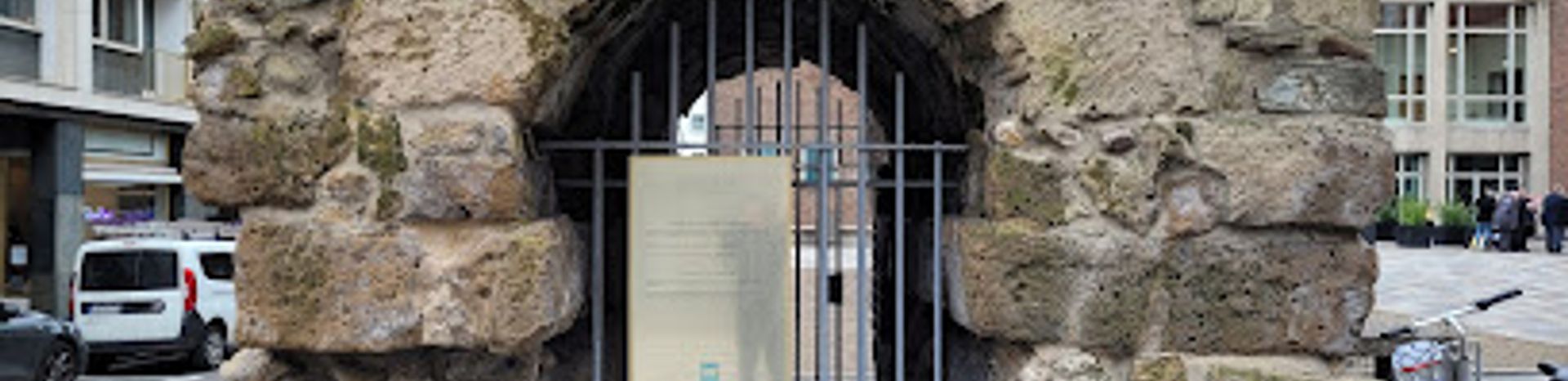
Descend beneath the bustling streets of Cologne and step back in time at the Römischer Abwasserkanal, a remarkably preserved section of the Roman sewer system. Constructed over 2,000 years ago, this feat of engineering offers a fascinating glimpse into the daily life and urban planning of Roman Cologne (Colonia Claudia Ara Agrippinensium). Explore the underground tunnels, marvel at the intricate stonework, and imagine the bustling city above that relied on this essential infrastructure. The accessible section of the culvert showcases Roman entrance shafts used for cleaning and repairs, along with remnants of later additions. The Römischer Abwasserkanal provides a unique perspective on the city's history, highlighting the advanced sanitation and water management systems that were crucial to the development and maintenance of a thriving Roman metropolis. A visit here offers a tangible connection to Cologne's ancient past, revealing the ingenuity and sophistication of Roman civilization.
A brief summary to Römischer Abwasserkanal
- Kleine Budengasse 3, Cologne, Innenstadt, 50667, DE
- +4922122124438
- Visit website
Local tips
- Combine your visit with a tour of the Praetorium, the Roman governor's palace, for a comprehensive understanding of Roman Cologne.
- Wear comfortable shoes as the underground tunnels can be uneven and require some walking.
- Check for any special events or guided tours that may offer additional insights into the history and significance of the sewer system.

Getting There
-
Walking
From Cologne Central Station (Köln Hauptbahnhof), exit towards the Domplatte (the area in front of the Cologne Cathedral). Walk past the Cathedral, heading south towards the city center. Continue along Unter Goldschmied, then turn right onto Kleine Budengasse. The Römischer Abwasserkanal is located at Kleine Budengasse 3, a short walk from the main square. The walk is approximately 10 minutes.
-
Public Transport
From Cologne Central Station (Köln Hauptbahnhof), take tram line 1, 7, or 9 to the 'Heumarkt' stop. From Heumarkt, walk north towards the city center, turning left onto Mühlenstraße, then right onto Kleine Budengasse. The Römischer Abwasserkanal will be on your left at Kleine Budengasse 3. A single ticket for a short trip (Kurzstrecke) costs approximately €2.00.
-
Taxi/Ride-Share
A taxi or ride-share from Cologne Central Station (Köln Hauptbahnhof) to Kleine Budengasse 3 will take approximately 5-10 minutes, depending on traffic. The estimated cost is between €8 and €12.
-
Parking
Parking near the Römischer Abwasserkanal is limited. The closest parking garages are located around the city center, such as the Domgarage or the Tiefgarage Laurenzplatz. Hourly rates typically range from €3 to €5, with daily rates around €20 to €25. Consider parking further out and taking public transport to avoid congestion.
Discover more about Römischer Abwasserkanal
Iconic landmarks you can’t miss

Historisches Rathaus der Stadt Köln
0.1 km
Discover Cologne's Historisches Rathaus: A captivating journey through centuries of history, architecture, and civic pride in the heart of the city's vibrant Innenstadt.
Der goldene Kupferstern
0.1 km
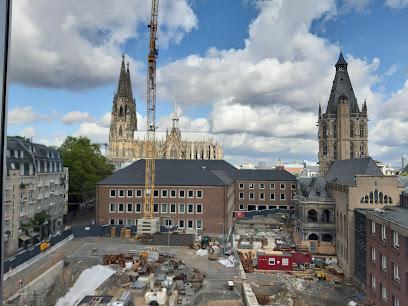
Experience Cologne's vibrant heart at Roncalliplatz, surrounded by iconic landmarks, bustling events, and the city's rich history and culture, offering an unforgettable adventure.
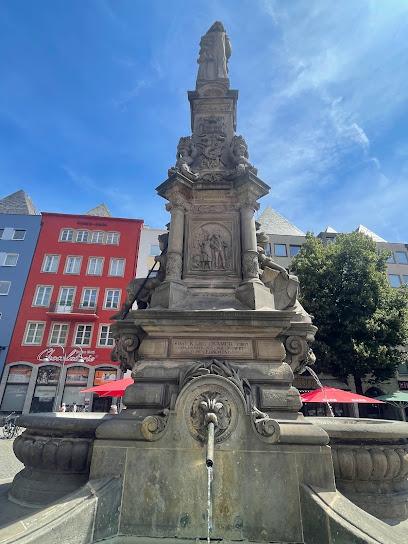
Jan von Werth-Brunnen, Köln
0.1 km
Discover Cologne's heart at the Jan von Werth Fountain, a historic landmark in Alter Markt, where local legends and vibrant city life intertwine, offering a glimpse into the city's soul.
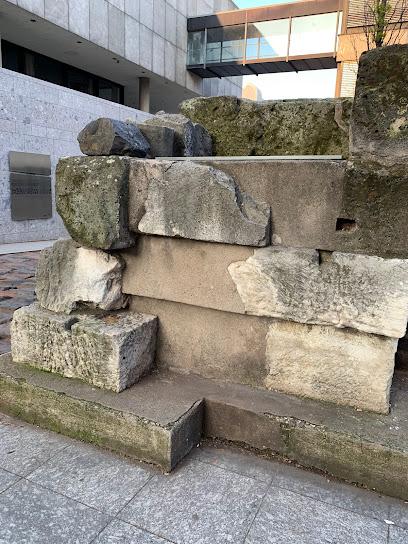
Ancient Roman Harbor Street
0.1 km
Explore Cologne's Ancient Roman Harbor Street: A captivating historical landmark offering a glimpse into the city's Roman past, showcasing its significance as a vital trading hub.
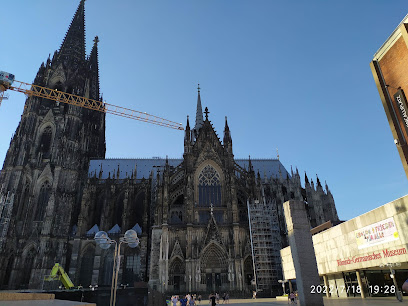
Guided Tours at the Cathedral
0.2 km
Experience the awe-inspiring grandeur of Cologne Cathedral, a UNESCO World Heritage site and Germany's most visited landmark, showcasing Gothic architecture and religious significance.
Am Hof 1
0.2 km
Discover Am Hof in Cologne: A historical square where Roman roots meet medieval charm and modern vibrancy, offering a captivating glimpse into the city's rich heritage.
Roncalliplatz
0.2 km
Experience the heart of Cologne at Roncalliplatz, a vibrant plaza steeped in history, framed by the iconic Cologne Cathedral, and alive with cultural events year-round.
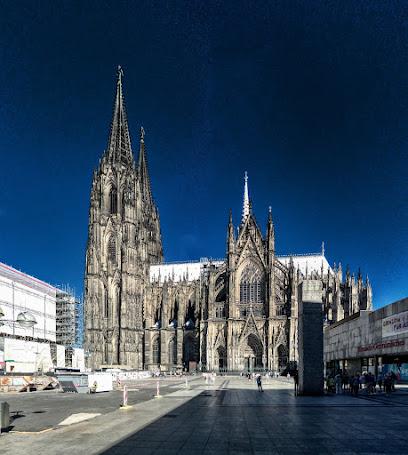
Roncallipl.
0.2 km
Experience the heart of Cologne at Roncalliplatz: where history meets vibrant culture, overlooked by the majestic Cathedral, and alive with year-round events.
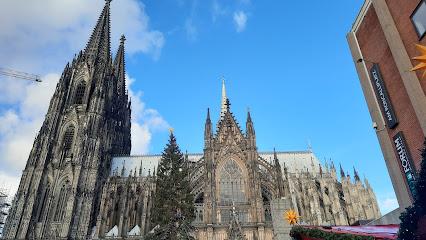
Cologne
0.2 km
Discover Cologne: A vibrant German city where ancient Roman history meets stunning Gothic architecture, world-class museums, and the lively spirit of the Rhineland.
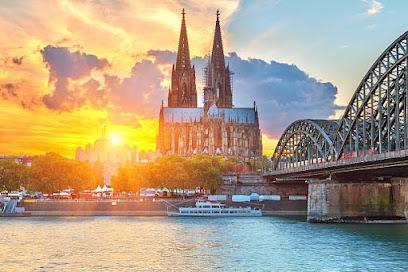
Old St. Alban
0.2 km
Explore the haunting ruins of Old St. Alban in Cologne, a powerful memorial to wartime suffering and a symbol of the city's enduring resilience in the heart of the Old Town.
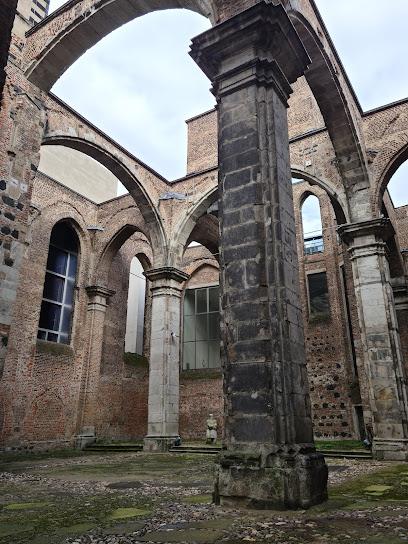
Heinrich-Böll-Platz
0.3 km
Experience Cologne's vibrant cultural heart at Heinrich-Böll-Platz, a dynamic square connecting the iconic Cathedral, Museum Ludwig, and Philharmonie, offering art, music, and stunning views.
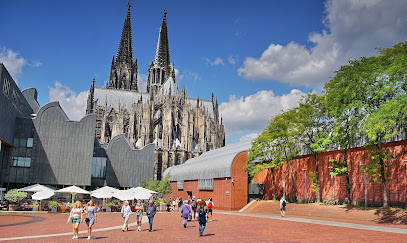
Kardinal-Höffner-Platz 1
0.3 km
Experience the heart of Cologne at Kardinal-Höffner-Platz, the vibrant square offering a gateway to the iconic Cathedral and a blend of history, culture, and modern city life.
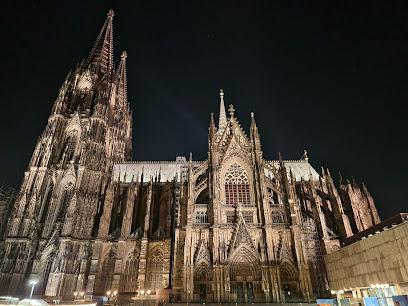
Dom Treasury
0.3 km
Discover over a millennium of sacred art and history at the Cologne Cathedral Treasury, home to Europe's most significant collection of ecclesiastical treasures and artifacts.
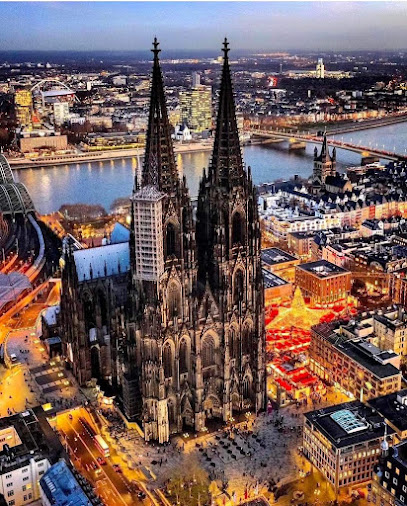
Kardinal-Höffner-Platz
0.3 km
Experience Cologne's vibrant heart at Kardinal-Höffner-Platz: where history meets modern life, surrounded by iconic landmarks, cultural attractions, and a lively atmosphere, creating unforgettable memories.
Heumarkt
0.3 km
Experience Cologne's vibrant heart at Heumarkt, a historic square offering a blend of culture, cuisine, and festive events, all within easy reach of iconic landmarks.
Unmissable attractions to see

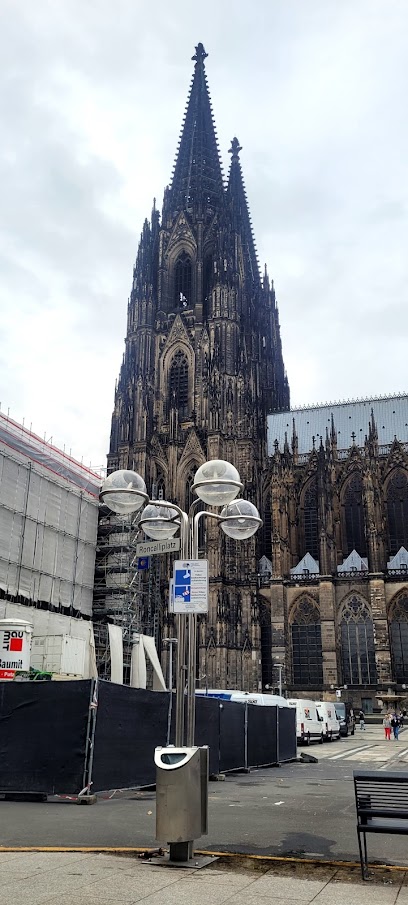
The Praetorium, the Roman Governor's Palace of Upper Germania, Cologne
0.0 km
Explore The Praetorium, Cologne's Roman Governor's Palace, an archaeological gem revealing the grandeur of ancient Germania.
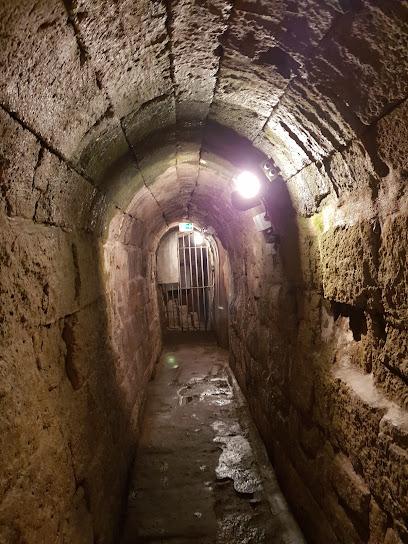
Heinzelmännchenbrunnen, Köln - Edmund Renard
0.1 km
Explore the enchanting Heinzelmännchenbrunnen in Cologne, a captivating fountain that brings local folklore to life amidst the city's vibrant atmosphere.
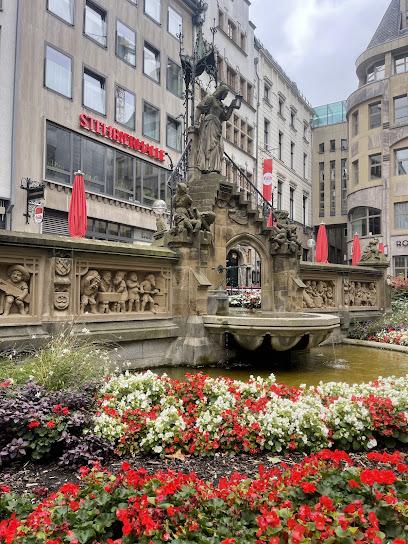
Old Market
0.1 km
Experience the vibrant culture and rich history at Cologne's Old Market, a historical square filled with culinary delights and stunning architecture.
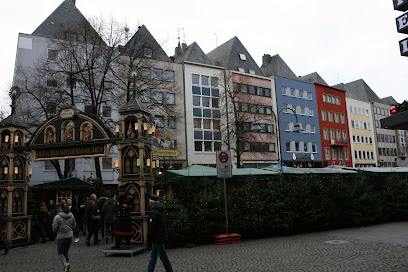
Jupp-Schmitz-Denkmal
0.1 km
Discover the charm of Jupp-Schmitz-Denkmal in Cologne, a delightful tribute to humor and local heritage, perfect for cultural exploration.
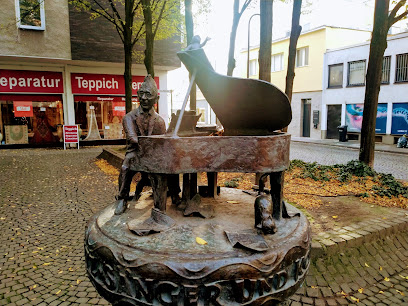
Alter Markt
0.1 km
Experience the vibrant culture and rich history of Cologne at Alter Markt, a lively square filled with cafes, shops, and stunning architecture.
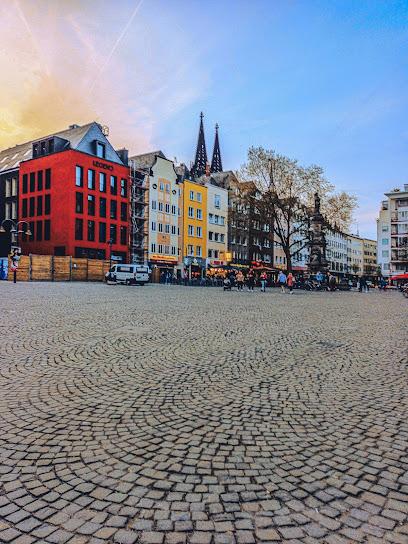
Duftmuseum im Farina Haus
0.2 km
Explore Cologne’s rich perfume heritage at the Duftmuseum im Farina Haus, where history and fragrance blend seamlessly for an aromatic experience.
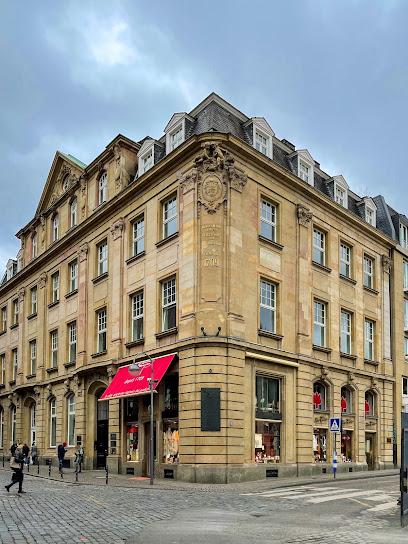
Time Ride
0.2 km
Experience Cologne's rich history like never before at Time Ride, where virtual reality meets captivating storytelling in a fascinating museum setting.
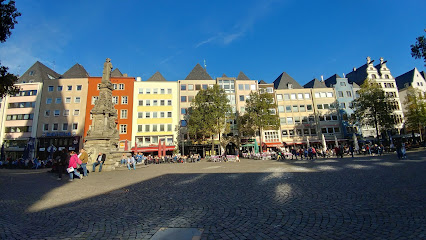
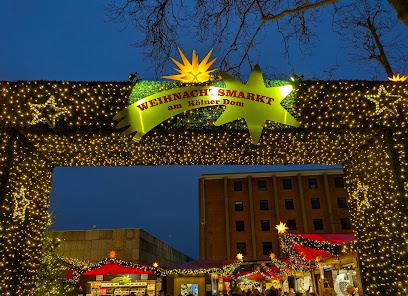
Christmas market at Cologne Cathedral
0.2 km
Discover the enchanting Christmas market at Cologne Cathedral, a festive wonderland filled with handcrafted gifts and delicious seasonal treats.
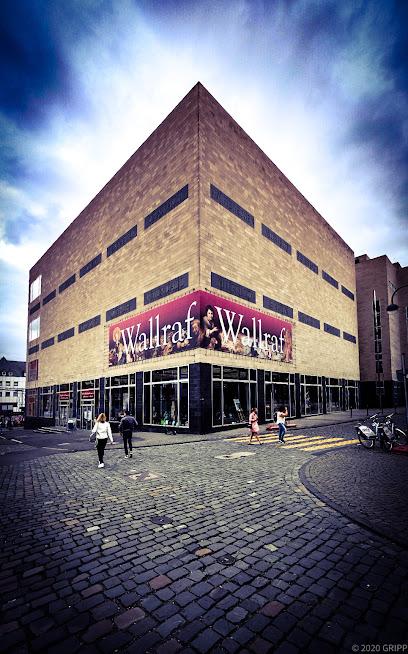
Wallraf-Richartz-Museum & Fondation Corboud
0.2 km
Explore the Wallraf-Richartz-Museum in Cologne for an unforgettable journey through European art history from the Middle Ages to the 19th century.
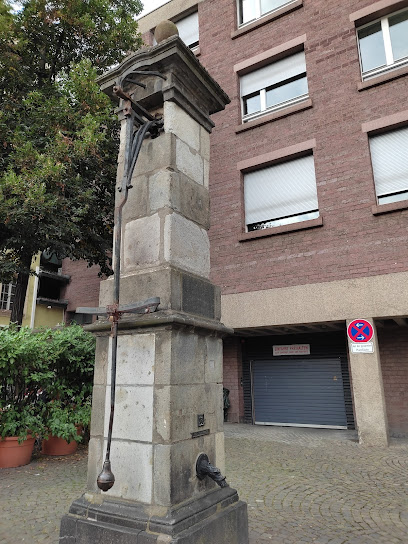
Brunnen Marsplatz
0.2 km
Discover the charm of Brunnen Marsplatz, Cologne's historical square filled with culture, stunning architecture, and vibrant local life.
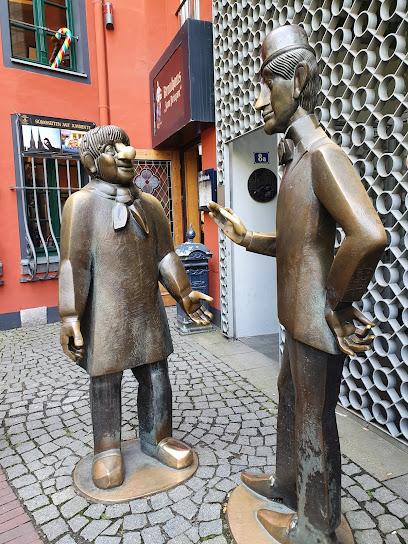
Tünnes und Schäl
0.2 km
Explore Tünnes und Schäl, a whimsical sculpture in Cologne that embodies local folklore and the city's vibrant cultural heritage.
Schmitz Column
0.2 km
Discover the iconic Schmitz Column in Cologne's Alter Markt, a historical landmark that captures the essence of the city's rich heritage.
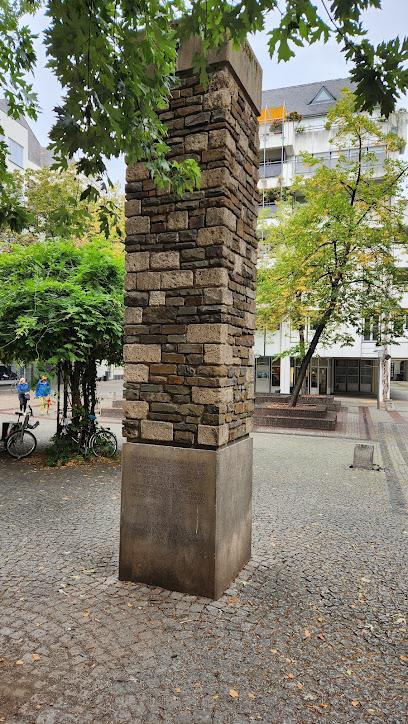
Petrusbrunnen
0.2 km
Discover the breathtaking Petrusbrunnen in Cologne, a historical fountain that enchants visitors with its artistry and significance near the iconic Kölner Dom.
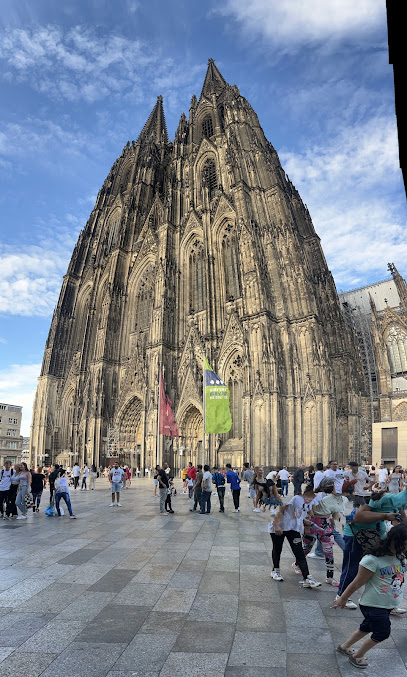
Turmbesteigung
0.2 km
Experience breathtaking views and history at the Turmbesteigung of the Cologne Cathedral, a must-visit landmark in Germany's vibrant city.
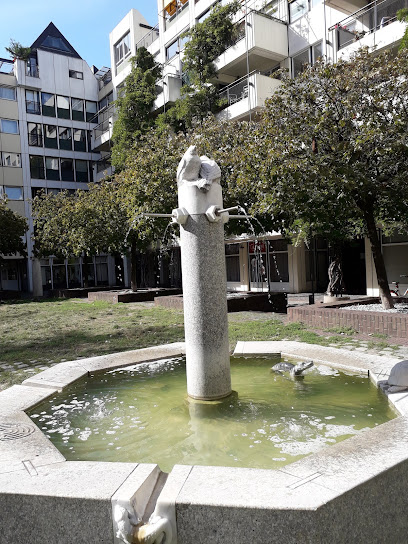
Tierbrunnen, Köln - Theo Heiermann & Elmar Hillebrand (1980)
0.2 km
Explore the artistic charm of Tierbrunnen, a stunning fountain in Cologne that captures the essence of the city's vibrant cultural heritage.
Essential places to dine

Oma's Küche
0.1 km
Experience authentic German cuisine at Oma's Küche in Cologne - where tradition meets taste in every dish.
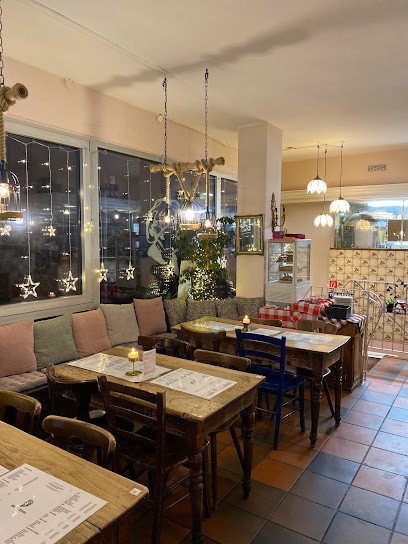
Brauhaus FRÜH am Dom
0.1 km
Discover Brauhaus FRÜH am Dom: Cologne's iconic beer hall serving traditional German cuisine and local brews in a vibrant atmosphere.
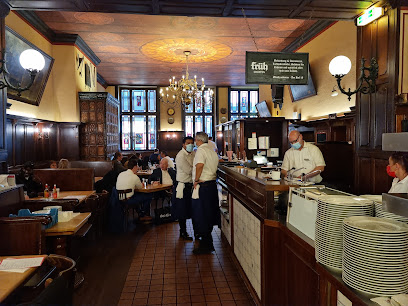
Peters Brauhaus
0.2 km
Discover Peters Brauhaus in Cologne - A lively brewpub serving authentic German cuisine and craft beers in an inviting atmosphere.
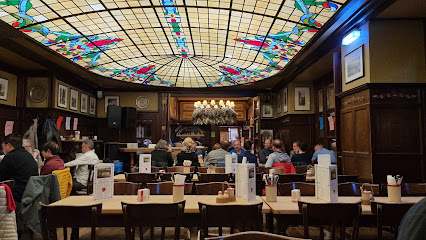
Servus Colonia Alpina
0.2 km
Discover the heart of Bavarian cuisine at Servus Colonia Alpina in Cologne – where tradition meets taste in every dish.
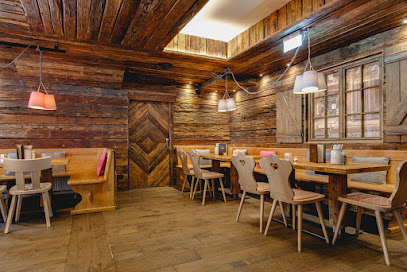
HACIENDA
0.2 km
Experience the vibrant flavors of Argentinian cuisine at Hacienda in Cologne - a perfect blend of tradition and innovation.
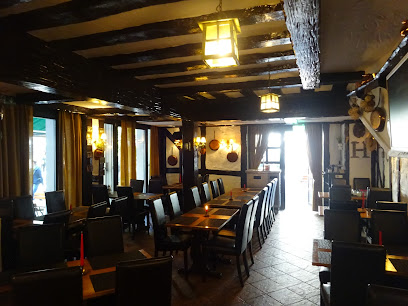
Funkhaus Cafe-Bar-Restaurant
0.2 km
Discover Funkhaus Cafe-Bar-Restaurant: A culinary gem in Cologne offering delicious food, refreshing drinks, and an inviting atmosphere.
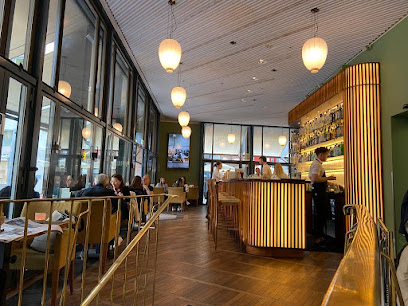
Lederer
0.2 km
Discover Lederer: Cologne's culinary treasure blending local flavors with international flair in a vibrant setting.
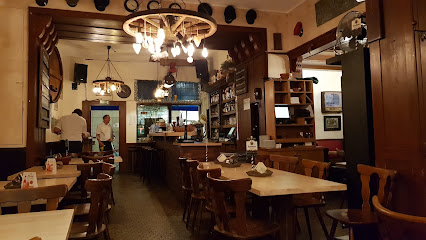
Gilden im Zims “Heimat kölscher Helden”
0.2 km
Discover authentic German flavors at Gilden im Zims, a lively beer hall in the heart of Cologne offering delicious cuisine and local Kölsch.
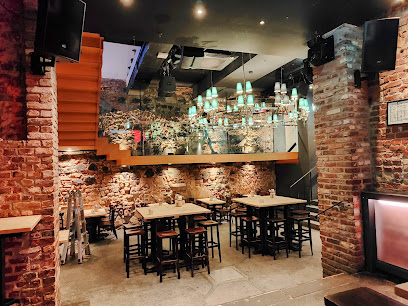
The Small Steakhouse
0.2 km
Experience top-quality steaks at The Small Steakhouse in Cologne - where flavor meets warmth in every bite.
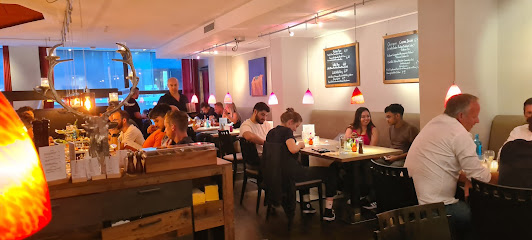
RheinZeit
0.2 km
Experience authentic German cuisine at RheinZeit in Cologne, where tradition meets modern dining in a vibrant atmosphere.
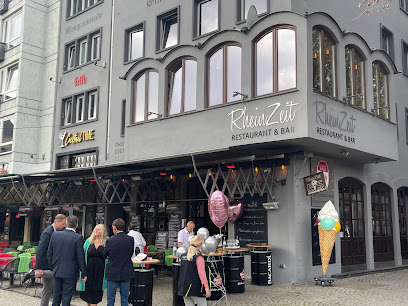
Ludwig im Museum Restaurant & Café
0.3 km
Experience culinary excellence at Ludwig im Museum Restaurant & Café in Cologne - where art meets flavor in a vibrant setting.
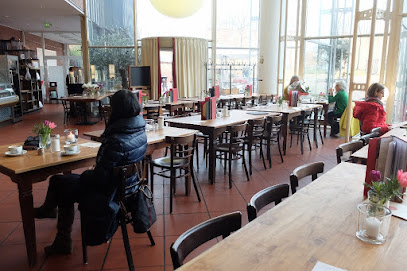
Em Krützche
0.3 km
Savor traditional German flavors at Em Krützche, a charming inn and restaurant in the heart of Cologne's Innenstadt district.
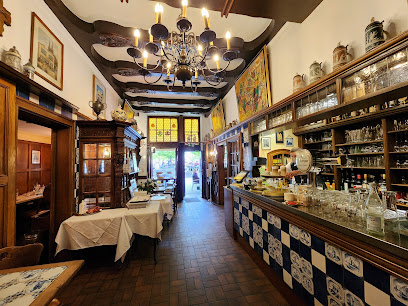
Keule
0.3 km
Experience authentic German flavors at Keule in Cologne - where tradition meets modern culinary artistry.
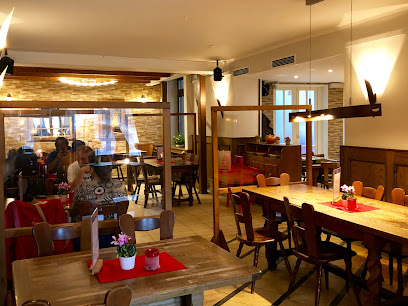
Restaurant maiBeck
0.3 km
Experience innovative bistro cuisine in Cologne at Restaurant maiBeck - where local flavors meet culinary creativity.
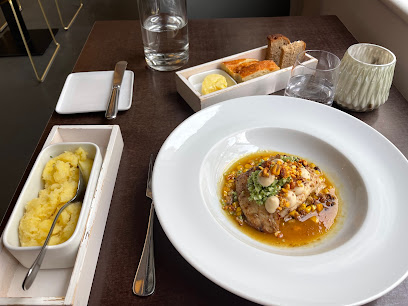
Hänneschen und die Pfeffermühle
0.3 km
Discover authentic German cuisine at Hänneschen und die Pfeffermühle in Cologne—where tradition meets taste.
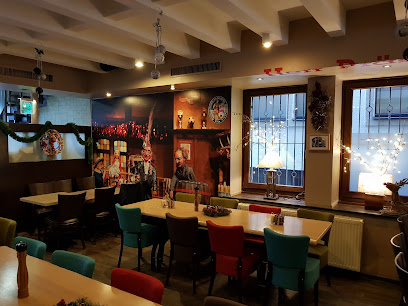
Markets, malls and hidden boutiques

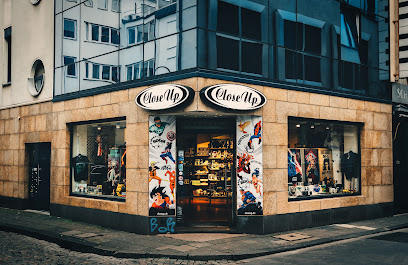
Close Up GmbH
0.1 km
Explore Close Up GmbH: Cologne's premier gift shop for unique posters and artistic treasures in the heart of the city.
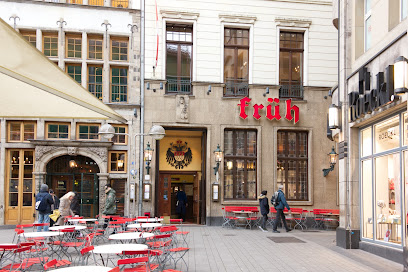
Früh Shoppen
0.1 km
Explore Früh Shoppen in Cologne for a delightful shopping experience filled with local treasures and unique finds.
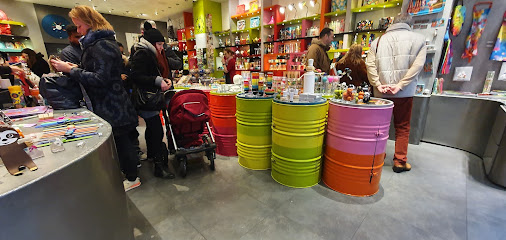
Pylones
0.1 km
Explore Pylones in Cologne for unique gifts and home goods, filled with creativity and playful designs to brighten your day.
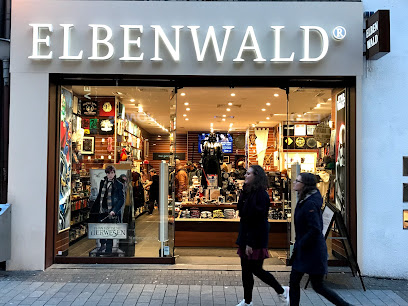
Elbenwald
0.1 km
Explore the enchanting Elbenwald gift shop in Cologne, where fantasy meets shopping with clothing, toys, and unique gifts for all ages.
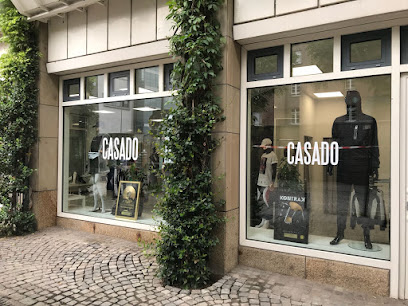
Casado Store
0.2 km
Discover the heart of Cologne's fashion at Casado Store, where style meets elegance and every piece is a statement.
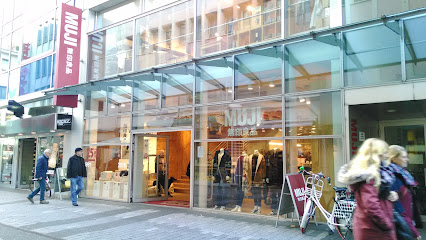
MUJI Cologne Store
0.2 km
Explore the MUJI Cologne Store for a unique selection of minimalist products that blend functionality with style, right in the heart of the city.
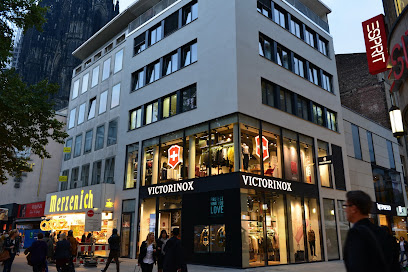
Victorinox Store Köln
0.2 km
Discover Swiss quality at the Victorinox Store in Cologne, featuring iconic knives, stylish luggage, and exclusive apparel in a modern shopping atmosphere.
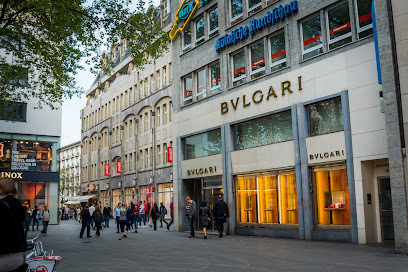
BVLGARI
0.2 km
Explore BVLGARI in Cologne for an exquisite range of luxury jewelry, fashion accessories, and timeless leather goods in a sophisticated setting.
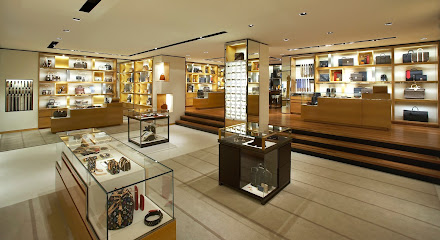
LOUIS VUITTON Cologne Store
0.2 km
Explore the luxury of Louis Vuitton in Cologne, featuring exquisite leather goods and fashion accessories in a stunning retail environment.
Domkloster 4 GmbH
0.2 km
Explore the heart of Cologne at Domkloster 4 GmbH, your go-to gift shop for unique souvenirs and local crafts that embody the city's spirit.
4711 Shop am Dom
0.2 km
Explore the iconic 4711 Shop am Dom in Cologne, where history meets modern fragrance in a delightful gift shopping experience.
Montblanc Boutique
0.2 km
Discover timeless luxury at Montblanc Boutique in Cologne, home to exquisite writing instruments and elegant leather goods.
BOGNER Köln
0.3 km
Explore BOGNER Köln - where luxury fashion meets contemporary style in the heart of Cologne.
Manufactum Warenhaus
0.3 km
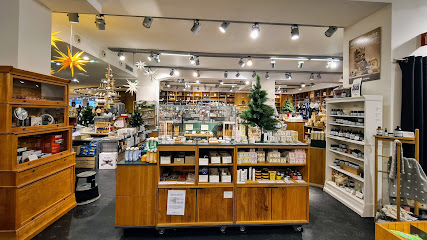
Explore the charm of Cologne at Manufactum Warenhaus, where quality gifts, clothing, and home goods await every discerning traveler.
UNIQLO Köln
0.3 km
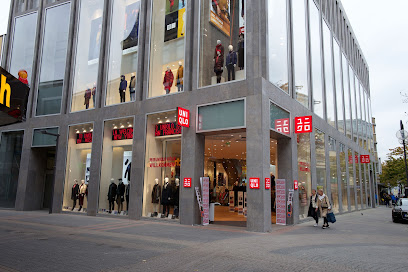
Explore stylish and affordable fashion at UNIQLO Köln, where contemporary design meets comfort in the heart of Cologne.
Essential bars & hidden hideouts

Bierbaum
0.0 km
Discover the lively Bierbaum bar in Cologne, where great drinks and a welcoming atmosphere blend seamlessly for an unforgettable night out.
Barney Vallely's
0.0 km
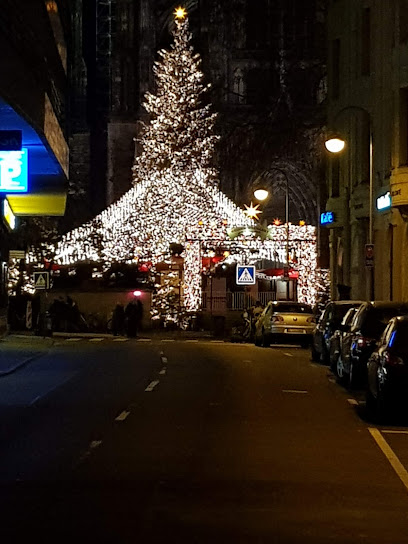
Discover the essence of Ireland at Barney Vallely's, a lively pub in Cologne with authentic food, drinks, and vibrant entertainment.
The Corkonian Irish pub
0.1 km
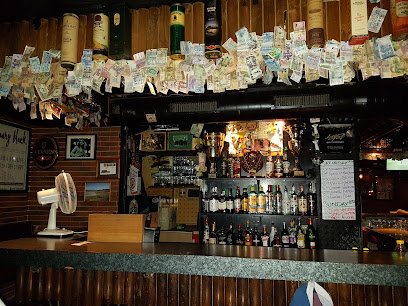
Experience the heart of Ireland at The Corkonian Irish Pub in Cologne, where traditional food, drinks, and live music create unforgettable memories.
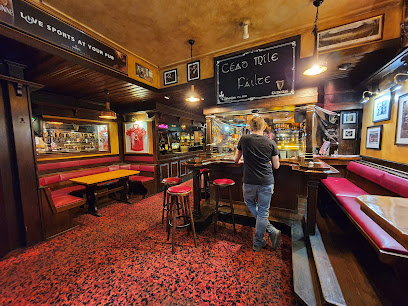
Papa Joe's Biersalon
0.1 km
Experience the vibrant pub culture of Cologne at Papa Joe's Biersalon, where great beer and hearty meals await in a lively atmosphere.
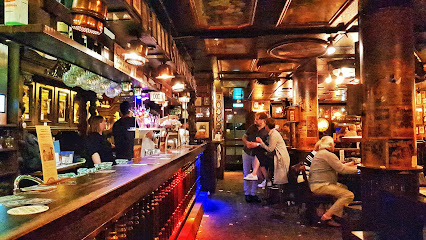
Sonderbar - Köln
0.3 km
Experience the best local brews and a vibrant atmosphere at Sonderbar, a must-visit bar in the heart of Cologne.
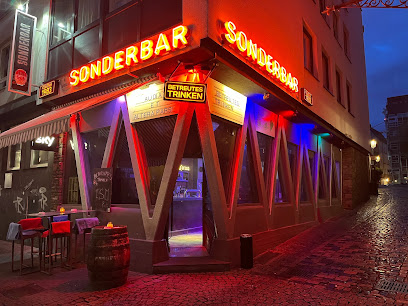
The Copper Pot - Köln
0.3 km
Experience Irish hospitality at The Copper Pot in Cologne, where lively ambiance, delicious cocktails, and live music await every visitor.
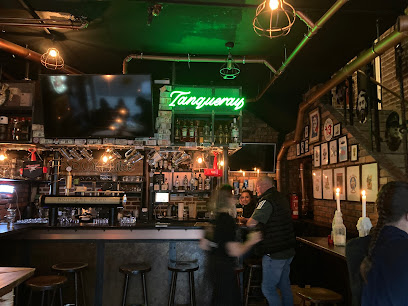
die kunstbar
0.3 km
Discover Die Kunstbar in Cologne: A vibrant bar blending art, music, and delicious drinks in the heart of the city’s nightlife.
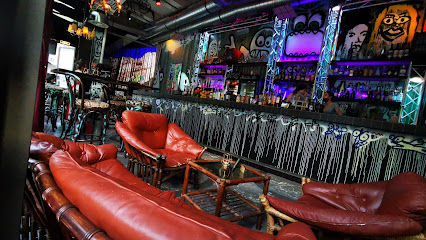
Piano Bar
0.5 km
Discover the enchanting Piano Bar in Cologne, where signature cocktails, live music, and a chic atmosphere create a perfect nightlife experience.
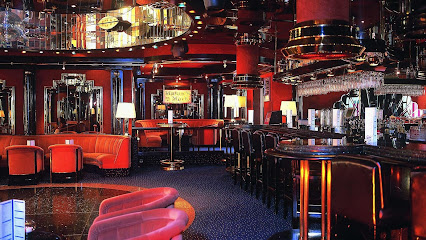
Plüsch Bar & Lounge (im Köln Marriott Hotel)
0.7 km
Experience luxury and relaxation at Plüsch Bar & Lounge in Cologne, where exquisite cocktails and elegant ambiance await you.
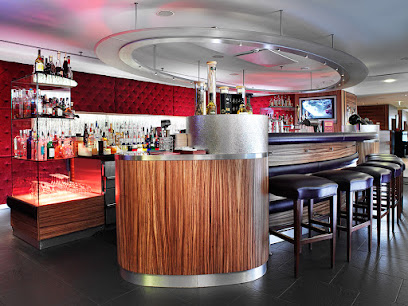
Legends Bar & Terrasse
0.8 km
Experience the ultimate cocktail bar in Cologne with stunning Rhine views, sophisticated atmosphere, and expertly crafted drinks at Legends Bar & Terrasse.
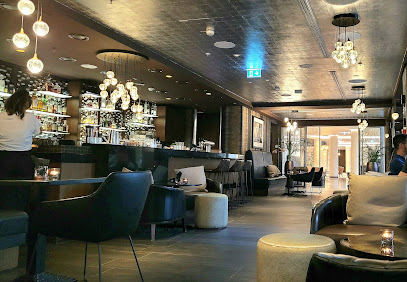
Papa Rudis - Köln
0.9 km
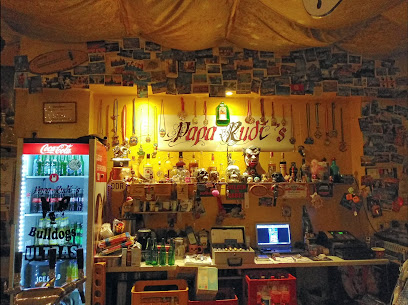
Discover the lively atmosphere and local brews at Papa Rudis, Cologne's must-visit pub for a memorable night out.
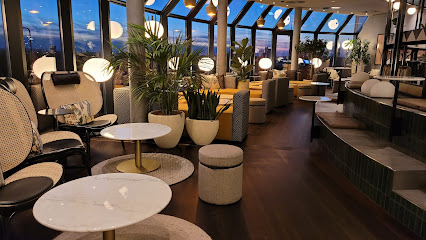
BAR BOTANIK
1.0 km
Discover BAR BOTANIK in Cologne, where lush botanical decor meets expertly crafted cocktails for an unforgettable nightlife experience.
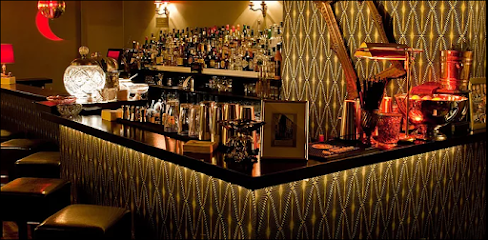
FRIESEN Bar - Cocktailbar Köln
1.0 km
Discover the exciting nightlife at FRIESEN Bar in Cologne - a cocktail haven with signature drinks and a vibrant atmosphere.
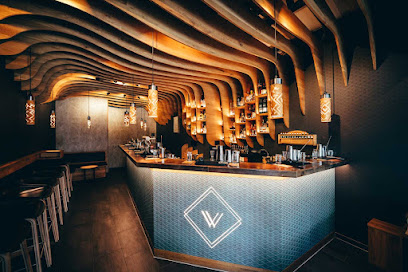
Woods
1.1 km
Experience the vibrant nightlife at Woods in Cologne, where expertly crafted cocktails and a cozy atmosphere await.
Monkey Bar
1.1 km
Discover the energetic vibe at Monkey Bar, Cologne's premier bar offering stunning views, creative cocktails, and a lively atmosphere for all to enjoy.
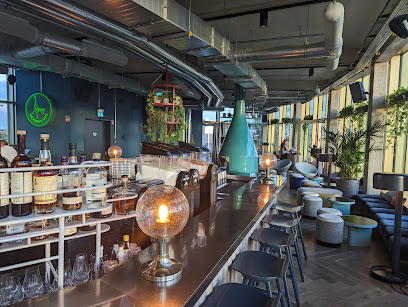
Nightclubs & after hour spots

Élite Club
0.2 km
Discover the pulse of Cologne's nightlife at Élite Club, where electrifying music and vibrant ambiance create unforgettable memories.
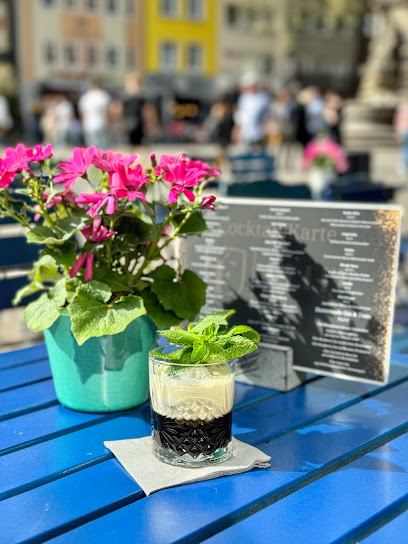
Wiener Steffie
0.2 km
Experience the vibrant nightlife of Cologne at Wiener Steffie, a premier disco club and bar where music and fun collide!
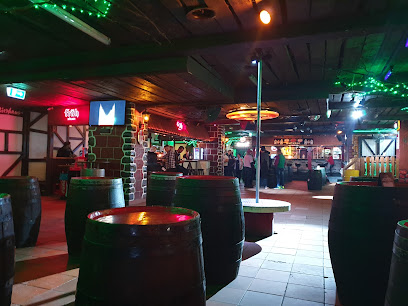
QUATER 1
0.3 km
Discover the heart of Cologne's nightlife at QUATER 1, where electrifying music and vibrant crowds create unforgettable experiences.
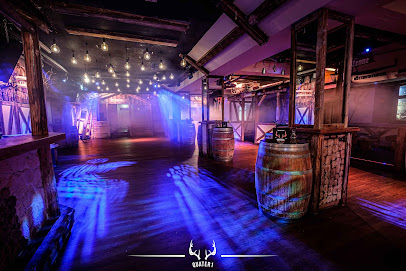
Kokett Bar - Köln
0.6 km
Experience the vibrant nightlife at Kokett Bar in Cologne, where stylish ambiance meets delicious cocktails and unforgettable fun.
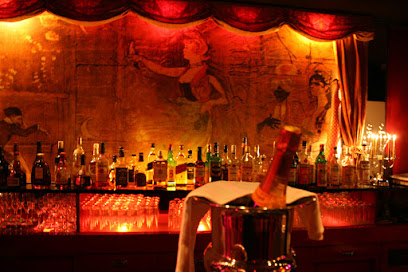
Triple A - Köln
1.0 km
Dive into Cologne's nightlife at Triple A Nightclub, where music and dancing create unforgettable memories in a vibrant atmosphere.
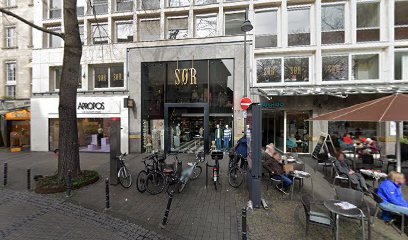
Birthday Club Cologne
1.0 km
Experience the vibrant nightlife at Birthday Club Cologne – where music, dance, and celebration come together in the heart of the city.
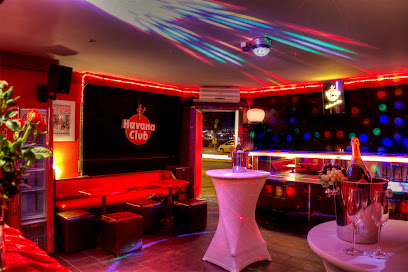
Goldfinger Club Cologne - Köln
1.1 km
Discover the electrifying nightlife of Cologne at Goldfinger Club, where unforgettable dance nights and vibrant music await.
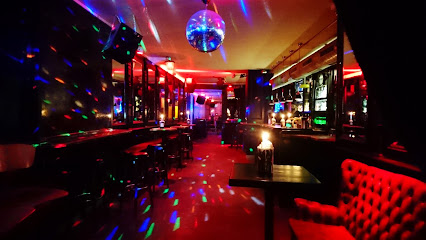
Flamingo Royal
1.2 km
Experience the vibrant nightlife at Flamingo Royal, Cologne's top destination for unforgettable parties and electrifying music.
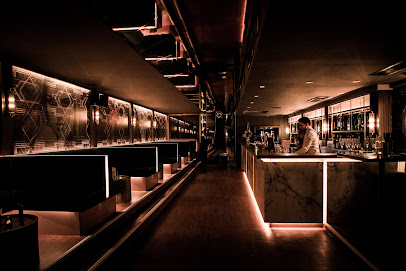
Masquerade Club - Köln
1.3 km
Discover the electrifying nightlife of Masquerade Club in Cologne, where vibrant music and unforgettable experiences await every weekend.
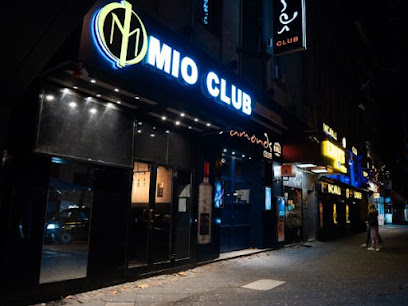
MIO CLUB
1.3 km
Discover the pulse of Cologne's nightlife at MIO CLUB, where great cocktails meet unforgettable dance experiences.
Petit Prince Club - Köln
1.3 km
Discover the heart of Cologne's nightlife at Petit Prince Club, where music, dance, and vibrant energy create unforgettable nights.

Diamonds Club
1.3 km
Immerse yourself in the electrifying atmosphere of Diamonds Club, Cologne's premier disco and night club for an unforgettable nightlife experience.
Club Nachtflug Köln
1.3 km
Unleash your nightlife spirit at Club Nachtflug, Cologne's premier night club for unforgettable music and dancing experiences.
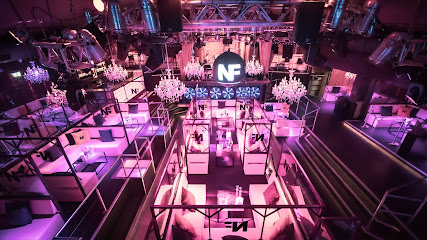
Club Einundfünfzig
1.3 km
Discover the energetic atmosphere and live music of Club Einundfünfzig, a premier night club in Cologne for unforgettable nightlife experiences.
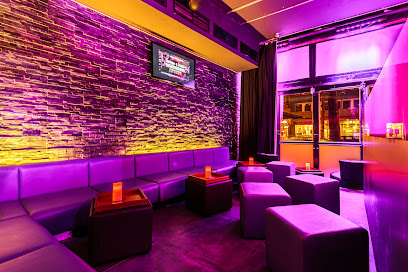
Klapsmühle
1.3 km
Discover the electrifying nightlife at Klapsmühle, Cologne's top disco club offering a vibrant atmosphere and unforgettable dance experiences.