Basilica of St. Cunibert: A Romanesque Masterpiece
Discover the Basilica of St. Cunibert in Cologne, a Romanesque masterpiece with stunning architecture, rich history, and significant religious artifacts, nestled in the heart of the Old Town.
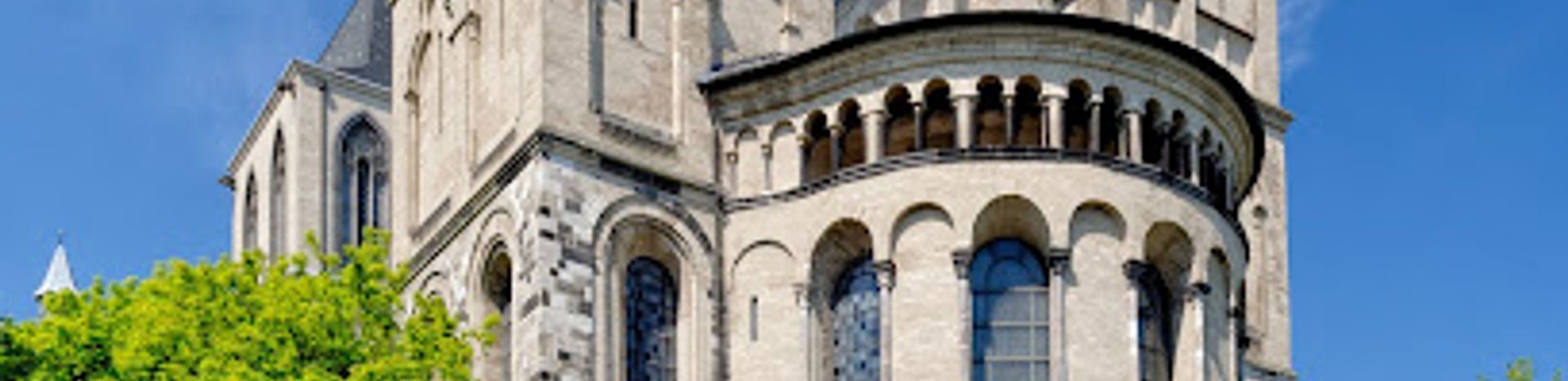
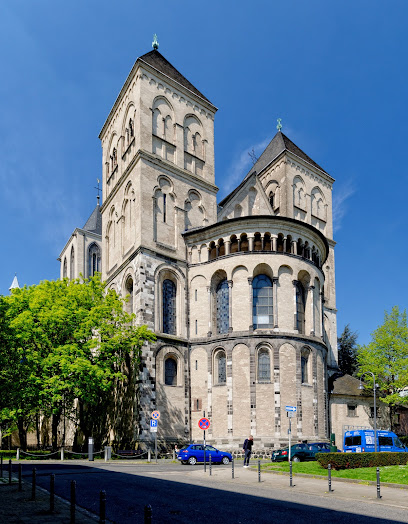
The Basilica of St. Cunibert, or St. Kunibert as it's known locally, stands as a majestic testament to Cologne's rich Romanesque heritage. Consecrated in 1247, just before the construction of the city's iconic Gothic cathedral, it is the youngest of Cologne's twelve Romanesque churches. Located near the Rhine in the northern part of the Old Town, its striking silhouette with three towers and strong walls defines the cityscape. While the exterior might seem austere, the interior welcomes visitors with a bright and inviting atmosphere, showcasing rich decorations spanning many centuries. The basilica is not only an architectural marvel but also a repository of significant religious artifacts and relics, making it an essential stop for anyone exploring Cologne's historical and cultural treasures.
A brief summary to Basilica of St. Cunibert
- Kunibertsklostergasse 2, Cologne, Innenstadt, 50668, DE
- +49221121214
- Visit website
Local tips
- Visit during the week to avoid large crowds and have a more intimate experience with the basilica's art and architecture.
- Take a guided tour to learn about the basilica's history, architectural features, and the significance of its religious artifacts.
- Attend a service or concert to experience the basilica's acoustics and the beauty of its organ.
- Explore the surrounding Kunibertsviertel district, known for its charming streets, local shops, and traditional restaurants.
- Check the basilica's website for information on special events, exhibitions, and holiday hours.

Getting There
-
Walking
From Cologne Central Station (Köln Hauptbahnhof), exit towards Breslauer Platz. Walk north on Johannisstraße for approximately 700 meters. Basilica of St. Cunibert will be on your left, located at Kunibertsklostergasse 2. The walk is straightforward and takes about 10 minutes, offering a glimpse of the northern part of Cologne's Old Town.
-
Public Transport
While there are no direct public transport connections right to the Basilica, several bus and tram stops are within a short walking distance. From Cologne Central Station (Köln Hbf), take tram lines 16 or 18 to Ebertplatz. From Ebertplatz, walk along Ebertplatz/Riehler Straße, then turn onto Kunibertsklostergasse. The basilica will be on your right. A single tram fare is approximately €3.00.
-
Taxi/Ride-Share
From Cologne Central Station (Köln Hbf), a taxi or ride-share to Basilica of St. Cunibert will take approximately 5-10 minutes, depending on traffic. The estimated fare is between €8-€12. Specify 'Kunibertsklostergasse 2' as your destination.
Discover more about Basilica of St. Cunibert
Iconic landmarks you can’t miss

Basilica of St. Cunibert
0.0 km
Explore the stunning Basilica of St. Cunibert in Cologne, where Romanesque architecture meets rich history and serene spirituality.
Freewalk Cologne UG
0.5 km
Uncover the hidden gems of Cologne with expert-guided walking tours that bring the city's history and culture to life.
Hohenzollern Bridge
0.6 km
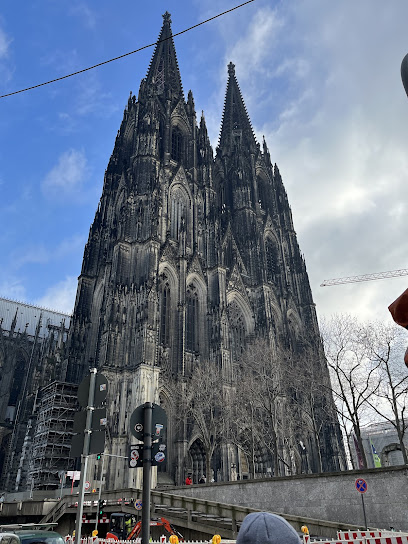
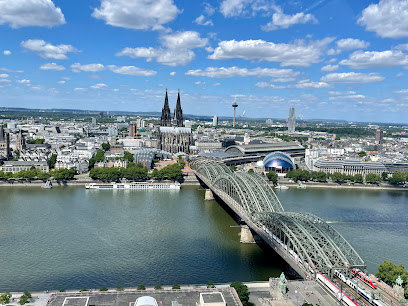
Walk across Cologne's iconic Hohenzollern Bridge, a symbol of love adorned with thousands of locks, offering stunning views of the Rhine and the Cologne Cathedral.
Equestrian Statue of Kaiser Wilhelm II
0.6 km
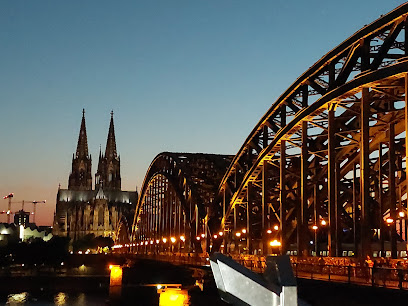
Discover the majestic Equestrian Statue of Kaiser Wilhelm II, a historical landmark on the Rhine in Cologne, celebrating Germany's imperial legacy.
Church of St. Ursula
0.6 km
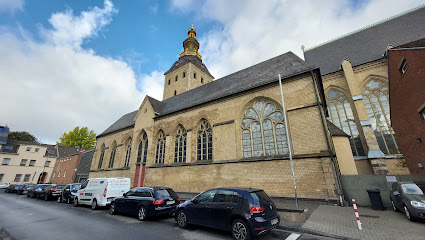
Experience the awe-inspiring Church of St. Ursula, a Gothic masterpiece in Cologne, featuring a unique skeletal chamber and rich spiritual heritage.
MA'ALOT
0.6 km
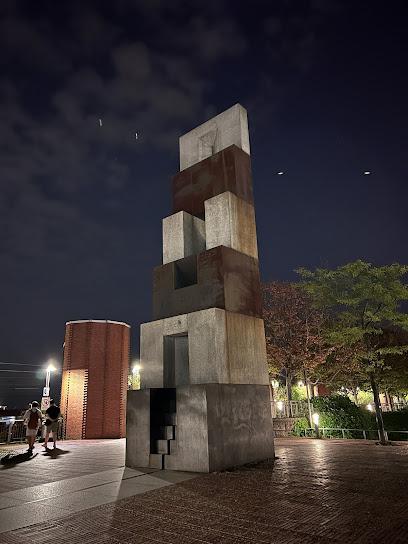
Explore MA'ALOT, a captivating outdoor sculpture in Cologne's cultural heart, blending art, history, and urban space on Heinrich-Böll-Platz near the iconic Cologne Cathedral.
Dom Treasury
0.6 km
Discover over a millennium of sacred art and history at the Cologne Cathedral Treasury, home to Europe's most significant collection of ecclesiastical treasures and artifacts.
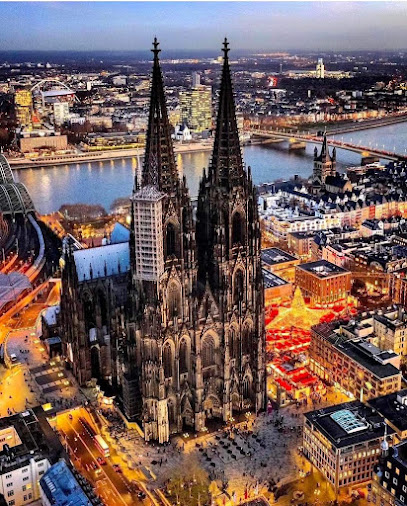
Heinrich-Böll-Platz
0.7 km
Experience Cologne's vibrant cultural heart at Heinrich-Böll-Platz, a dynamic square connecting the iconic Cathedral, Museum Ludwig, and Philharmonie, offering art, music, and stunning views.
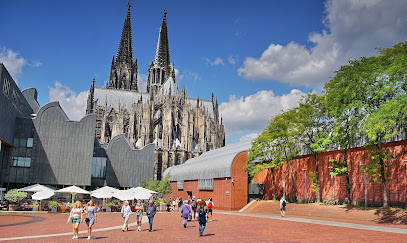
Paolozzibrunnen – Eduardo Paolozzi (1986)
0.7 km
Discover the Paolozzi Fountain in Cologne: a captivating blend of modern art, historical remnants, and playful interaction in the heart of the scenic Rheingarten park, a short walk from Cologne Central Station.
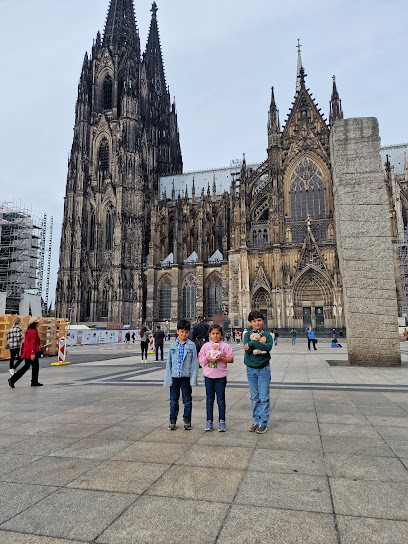
Roncallipl.
0.7 km
Experience the heart of Cologne at Roncalliplatz: where history meets vibrant culture, overlooked by the majestic Cathedral, and alive with year-round events.
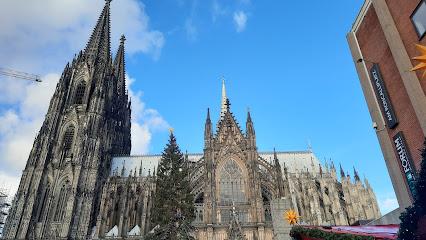
Kardinal-Höffner-Platz
0.7 km
Experience Cologne's vibrant heart at Kardinal-Höffner-Platz: where history meets modern life, surrounded by iconic landmarks, cultural attractions, and a lively atmosphere, creating unforgettable memories.
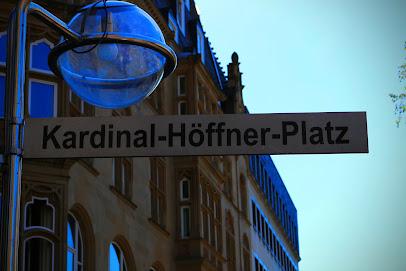
Kardinal-Höffner-Platz 1
0.7 km
Experience the heart of Cologne at Kardinal-Höffner-Platz, the vibrant square offering a gateway to the iconic Cathedral and a blend of history, culture, and modern city life.
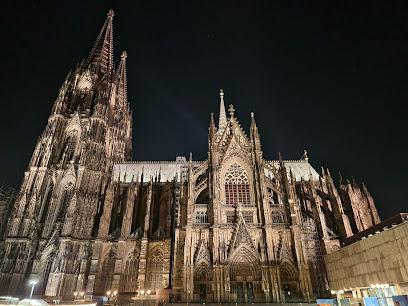
Roncalliplatz
0.8 km
Experience the heart of Cologne at Roncalliplatz, a vibrant plaza steeped in history, framed by the iconic Cologne Cathedral, and alive with cultural events year-round.
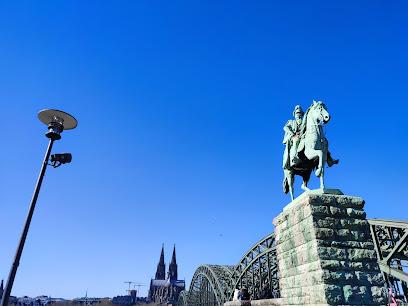
Equestrian Statue of Kaiser Wilhelm I
0.8 km
Explore the majestic Equestrian Statue of Kaiser Wilhelm I in Cologne, a stunning monument offering history, beauty, and breathtaking views along the Rhine.
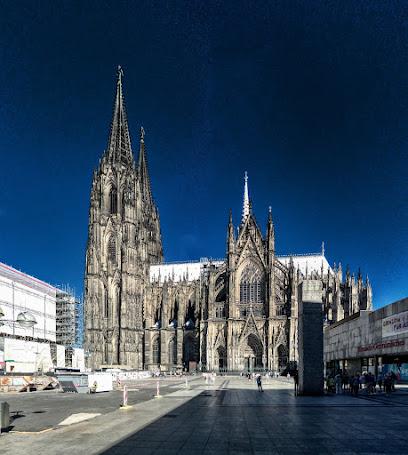
Guided Tours at the Cathedral
0.8 km
Experience the awe-inspiring grandeur of Cologne Cathedral, a UNESCO World Heritage site and Germany's most visited landmark, showcasing Gothic architecture and religious significance.
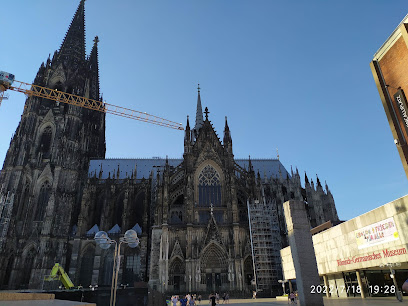
Unmissable attractions to see

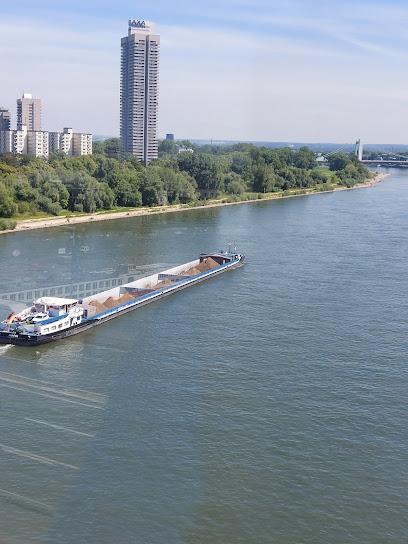
Bastei Köln
0.5 km
Experience breathtaking views of Cologne from the Bastei, a scenic riverside attraction perfect for leisurely strolls and memorable photography.
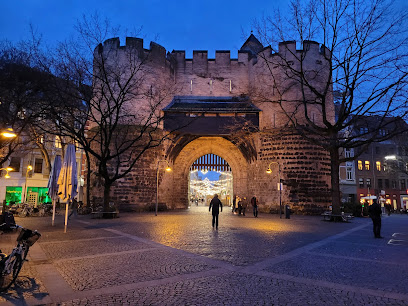
Eigelstein-Torburg
0.5 km
Explore the historic Eigelstein-Torburg in Cologne - a stunning medieval gate and vibrant cultural hub with local cafes and events.
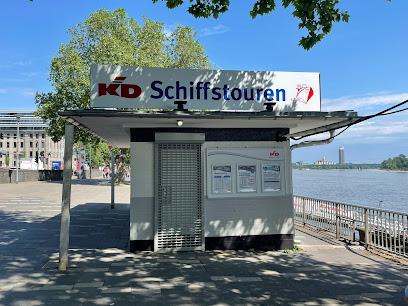
KD/DSC Ticket Office Köln
0.5 km
Explore the Rhine River from the KD/DSC Ticket Office in Cologne, your premier starting point for unforgettable boat tours and stunning city views.
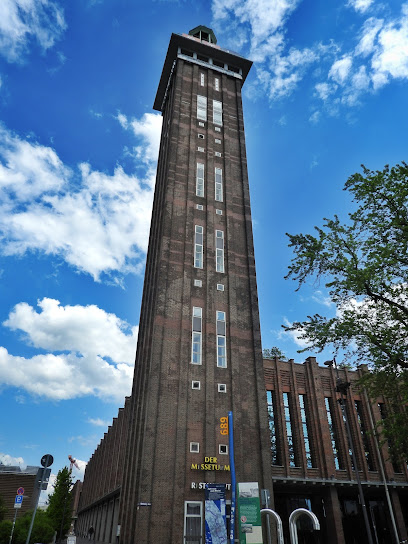
Exhibition Tower
0.6 km
Explore the iconic Exhibition Tower in Cologne, a marvel of modern architecture offering panoramic views and a glimpse into the city's vibrant culture.
Colonia Aktiv Bike Tours
0.6 km
Discover Cologne's charm on two wheels with Colonia Aktiv Bike Tours, offering guided tours through the city's historical sites and vibrant neighborhoods.
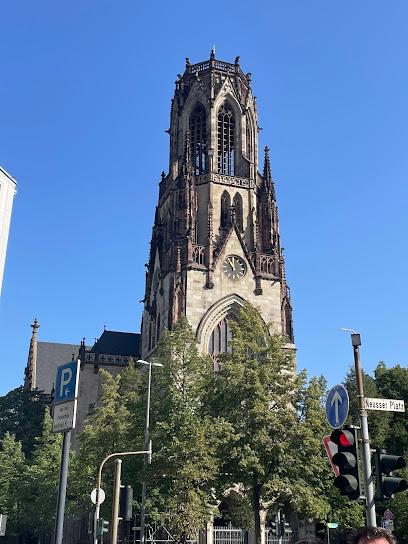
St. Mariä Himmelfahrt
0.6 km
Discover the serene beauty of St. Mariä Himmelfahrt, a stunning Catholic church in Cologne, rich in history and architectural wonder.
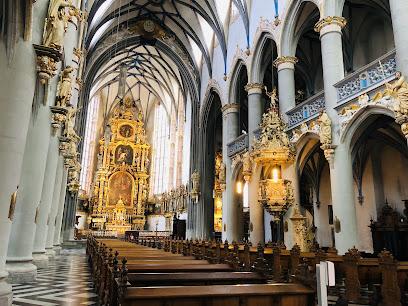
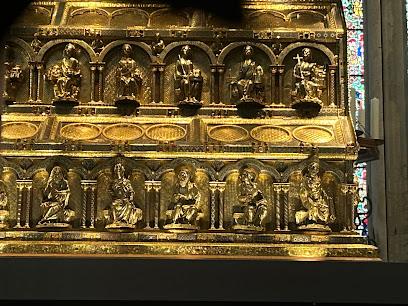
Shrine of the Three Kings
0.7 km
Explore Cologne Cathedral, a UNESCO World Heritage site and Gothic masterpiece, home to the Shrine of the Three Kings and breathtaking architecture.
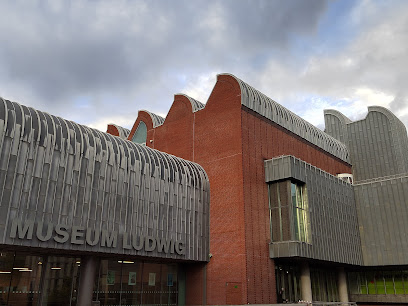
Museum Ludwig
0.7 km
Discover contemporary creativity at Museum Ludwig, Cologne's premier destination for modern art enthusiasts and cultural explorers.
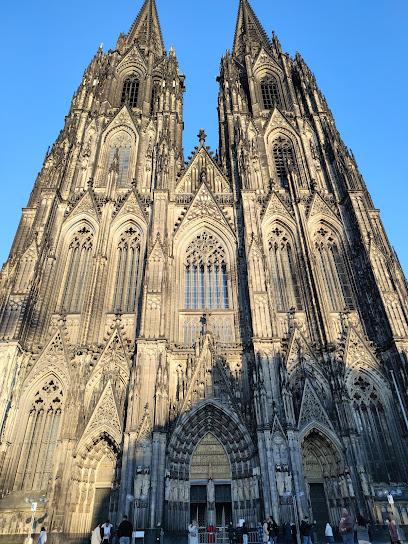
Cologne Cathedral
0.7 km
Discover the stunning Gothic architecture and rich history of Cologne Cathedral, a UNESCO World Heritage site in the heart of Cologne, Germany.
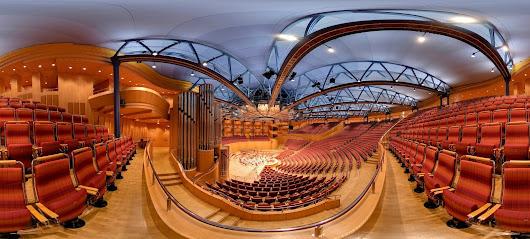
Cologne Philharmonie
0.7 km
Discover the cultural heart of Cologne at the Philharmonie, where world-class performances and stunning architecture create unforgettable musical experiences.
Romans' Northern Gate
0.7 km
Discover the Romans' Northern Gate in Cologne – an iconic historical landmark that showcases the city's rich Roman heritage and architectural brilliance.
Petrusbrunnen
0.7 km
Discover the breathtaking Petrusbrunnen in Cologne, a historical fountain that enchants visitors with its artistry and significance near the iconic Kölner Dom.
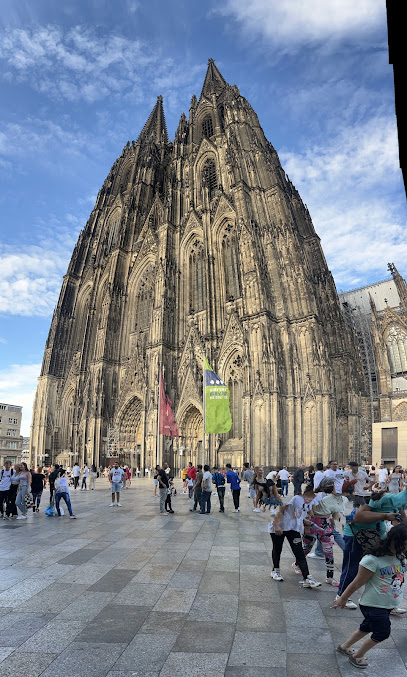
Turmbesteigung
0.7 km
Experience breathtaking views and history at the Turmbesteigung of the Cologne Cathedral, a must-visit landmark in Germany's vibrant city.
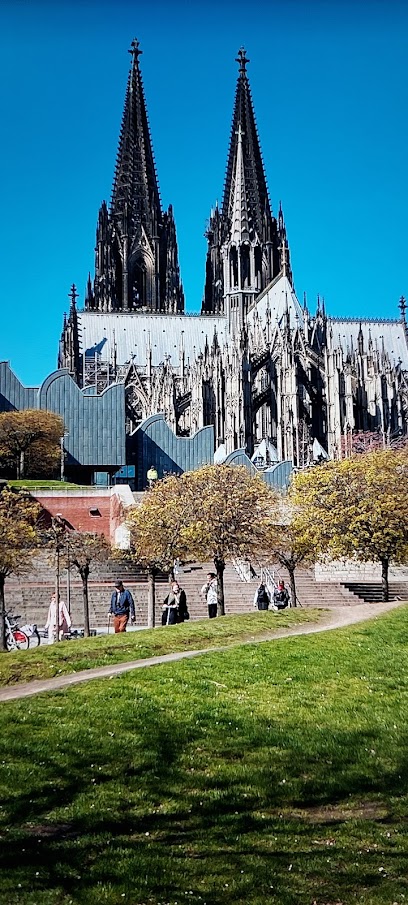
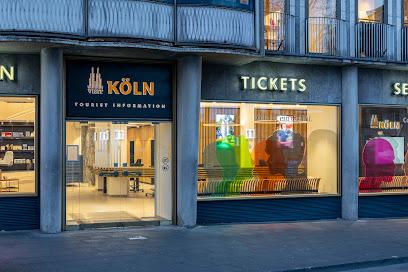
KölnTourismus GmbH | VisitKöln
0.7 km
Explore Cologne with confidence from KölnTourismus GmbH, your go-to tourist information center for events, attractions, and local insights.
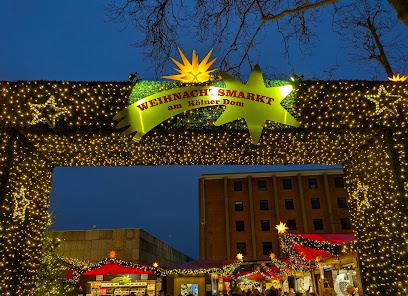
Christmas market at Cologne Cathedral
0.8 km
Discover the enchanting Christmas market at Cologne Cathedral, a festive wonderland filled with handcrafted gifts and delicious seasonal treats.
Essential places to dine

Restaurant Brücken
0.1 km
Experience authentic German flavors at Restaurant Brücken in the heart of Cologne - where tradition meets culinary innovation.
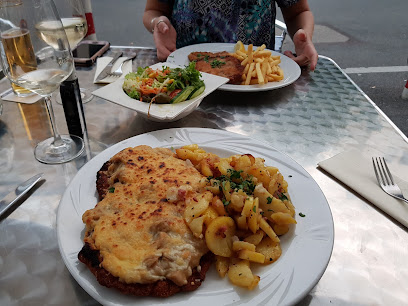
Max Stark
0.3 km
Discover Max Stark: A lively gastropub in Cologne serving authentic German cuisine amidst a vibrant atmosphere.
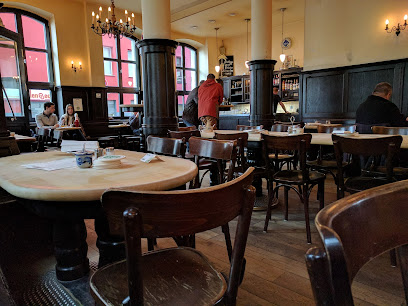
Rheinterrassen Köln
0.5 km
Discover Rheinterrassen Köln – where exquisite cuisine meets stunning riverside views in Cologne's charming atmosphere.
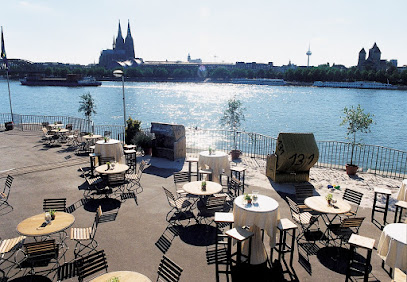
konrad Restaurant
0.6 km
Savor the essence of German cuisine at Konrad Restaurant, where tradition meets innovation in every bite.
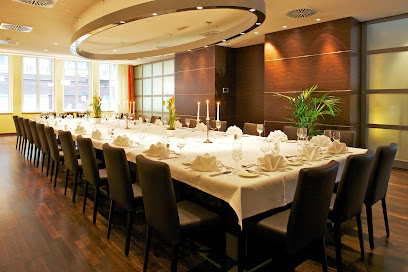
Ludwig im Museum Restaurant & Café
0.7 km
Experience culinary excellence at Ludwig im Museum Restaurant & Café in Cologne - where art meets flavor in a vibrant setting.
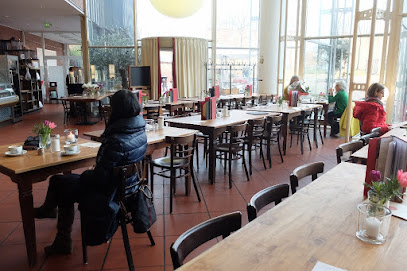
Hanse Stube
0.7 km
Experience exquisite French cuisine at Hanse Stube in Cologne – where culinary artistry meets charming ambiance.
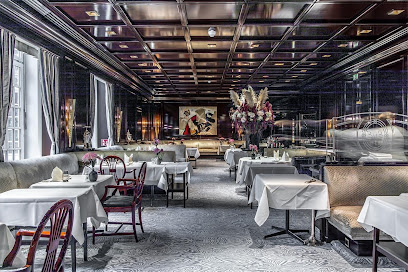
taku
0.7 km
Experience exquisite Asian fine dining at Taku in Cologne – where tradition meets innovation in every dish.
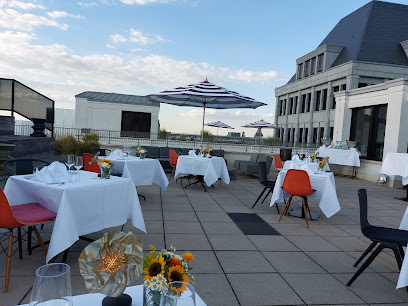
Restaurant maiBeck
0.7 km
Experience innovative bistro cuisine in Cologne at Restaurant maiBeck - where local flavors meet culinary creativity.
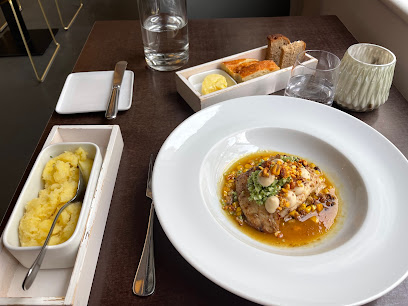
Em Krützche
0.7 km
Savor traditional German flavors at Em Krützche, a charming inn and restaurant in the heart of Cologne's Innenstadt district.
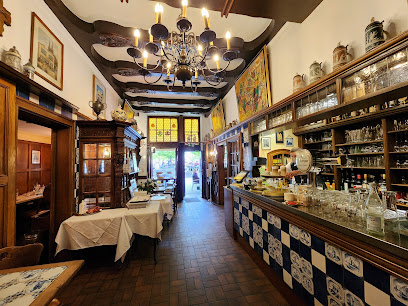
Gruber's
0.8 km
Discover authentic Austrian cuisine at Gruber's in Cologne - where tradition meets elegance for an unforgettable dining experience.
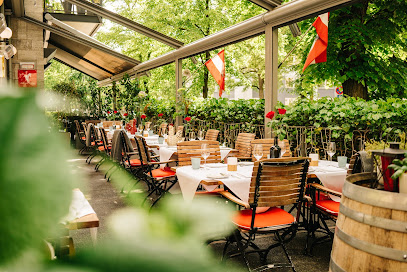
RheinZeit
0.8 km
Experience authentic German cuisine at RheinZeit in Cologne, where tradition meets modern dining in a vibrant atmosphere.
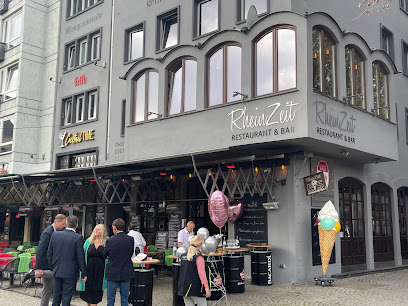
Grissini Restaurant & Terrasse
0.8 km
Experience the taste of Italy with stunning river views at Grissini Restaurant & Terrasse in Cologne.
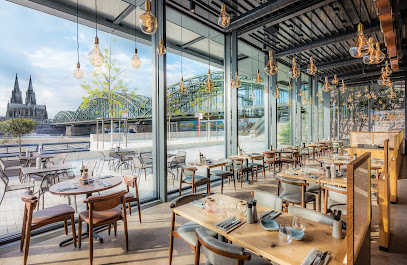
Lederer
0.8 km
Discover Lederer: Cologne's culinary treasure blending local flavors with international flair in a vibrant setting.
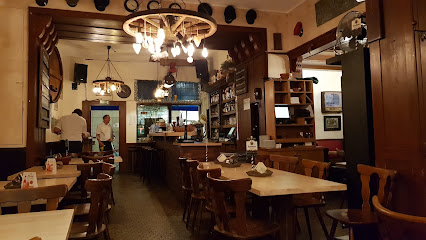
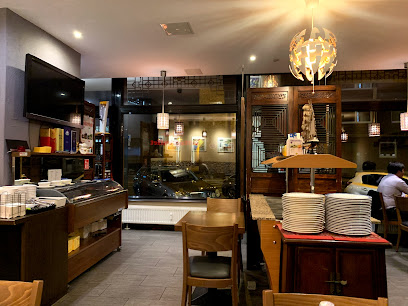
Great Wall
0.8 km
Experience authentic Chinese cuisine at Great Wall in Cologne - where tradition meets modern dining.
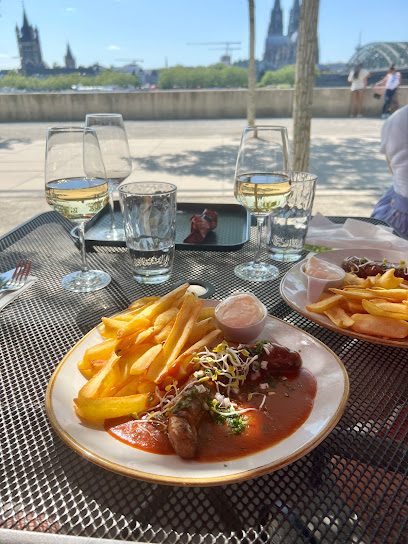
Sticky Fingers Restaurant & Terrasse
0.8 km
Experience delicious American cuisine at Sticky Fingers Restaurant & Terrasse in Cologne – perfect for families and friends overlooking the Rhine River.
Markets, malls and hidden boutiques

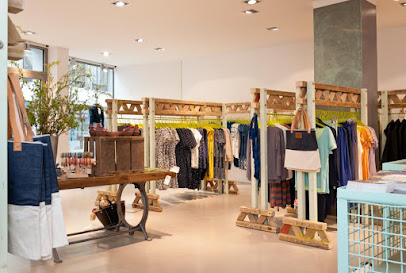
kiss the inuit Ethical Fashion for all of you
0.7 km
Explore sustainable style at Kiss the Inuit, Cologne's premier ethical fashion boutique offering eco-friendly clothing.
Domkloster 4 GmbH
0.7 km
Explore the heart of Cologne at Domkloster 4 GmbH, your go-to gift shop for unique souvenirs and local crafts that embody the city's spirit.
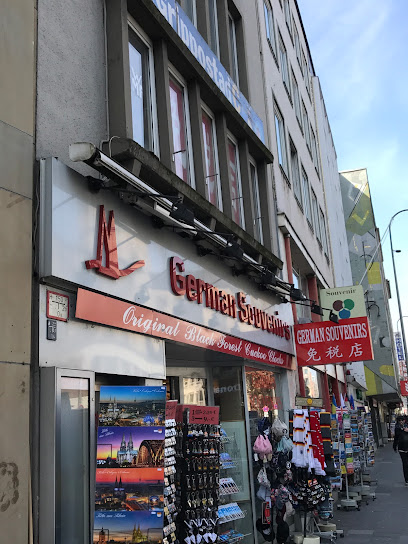
German Souvenirs
0.7 km
Explore authentic German gifts and souvenirs in Cologne's charming gift shop, perfect for tourists seeking unique mementos.
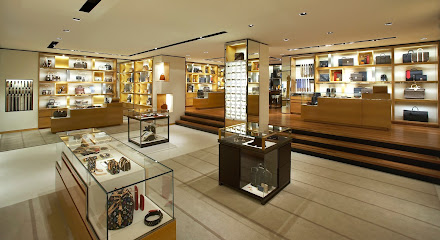
LOUIS VUITTON Cologne Store
0.8 km
Explore the luxury of Louis Vuitton in Cologne, featuring exquisite leather goods and fashion accessories in a stunning retail environment.
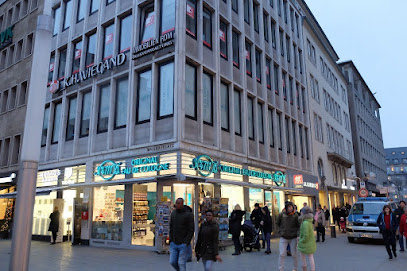
4711 Shop am Dom
0.8 km
Explore the iconic 4711 Shop am Dom in Cologne, where history meets modern fragrance in a delightful gift shopping experience.
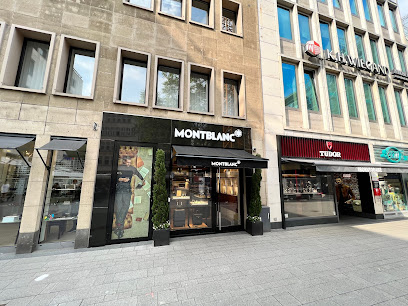
Montblanc Boutique
0.8 km
Discover timeless luxury at Montblanc Boutique in Cologne, home to exquisite writing instruments and elegant leather goods.
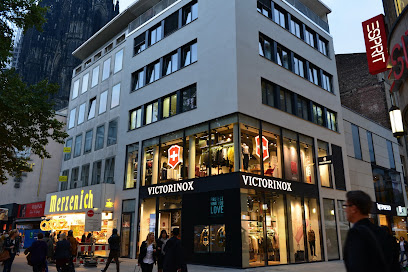
Victorinox Store Köln
0.8 km
Discover Swiss quality at the Victorinox Store in Cologne, featuring iconic knives, stylish luggage, and exclusive apparel in a modern shopping atmosphere.
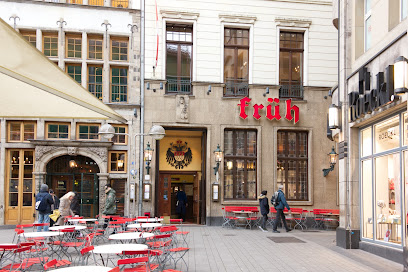
Früh Shoppen
0.8 km
Explore Früh Shoppen in Cologne for a delightful shopping experience filled with local treasures and unique finds.
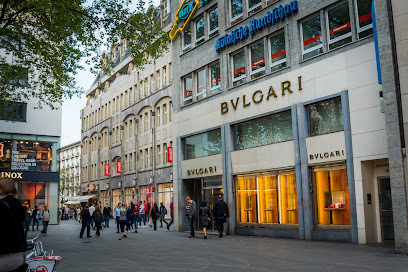
BVLGARI
0.9 km
Explore BVLGARI in Cologne for an exquisite range of luxury jewelry, fashion accessories, and timeless leather goods in a sophisticated setting.
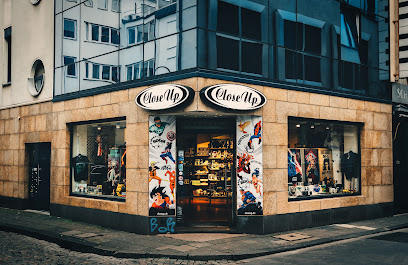
Close Up GmbH
0.9 km
Explore Close Up GmbH: Cologne's premier gift shop for unique posters and artistic treasures in the heart of the city.
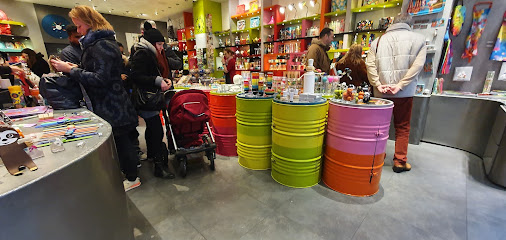
Pylones
0.9 km
Explore Pylones in Cologne for unique gifts and home goods, filled with creativity and playful designs to brighten your day.
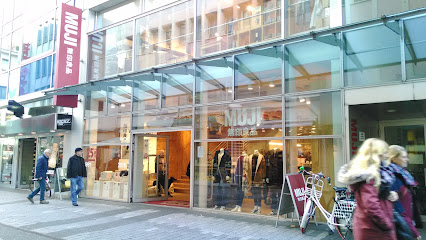
MUJI Cologne Store
1.0 km
Explore the MUJI Cologne Store for a unique selection of minimalist products that blend functionality with style, right in the heart of the city.
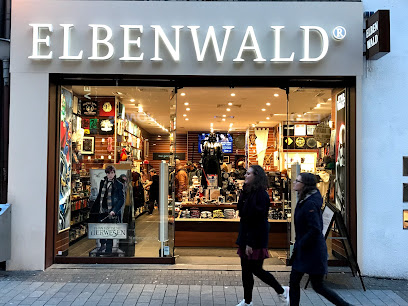
Elbenwald
1.0 km
Explore the enchanting Elbenwald gift shop in Cologne, where fantasy meets shopping with clothing, toys, and unique gifts for all ages.
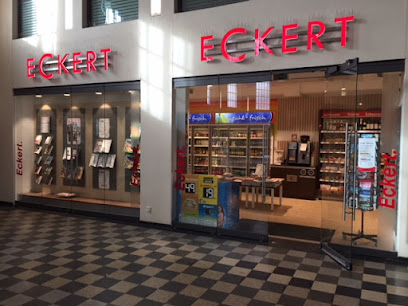
Eckert
1.1 km
Explore Eckert, Cologne's vibrant hypermarket offering everything from fresh bakery items to books, perfect for tourists seeking convenience and local flavor.
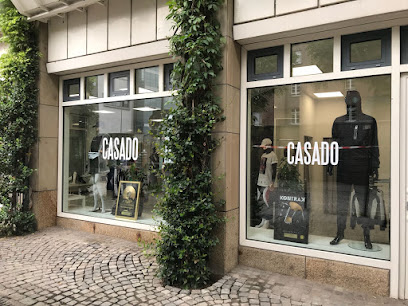
Casado Store
1.1 km
Discover the heart of Cologne's fashion at Casado Store, where style meets elegance and every piece is a statement.
Essential bars & hidden hideouts

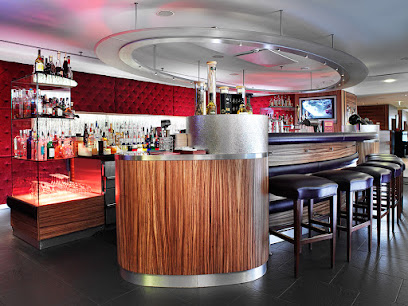
Plüsch Bar & Lounge (im Köln Marriott Hotel)
0.2 km
Experience luxury and relaxation at Plüsch Bar & Lounge in Cologne, where exquisite cocktails and elegant ambiance await you.
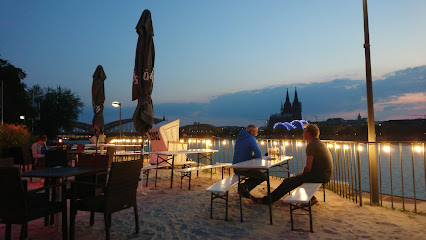
km 689 Cologne Beach Club
0.6 km
Discover km 689 Cologne Beach Club, where vibrant beach vibes meet lively nightlife on the banks of the Rhine.
die kunstbar
0.6 km
Discover Die Kunstbar in Cologne: A vibrant bar blending art, music, and delicious drinks in the heart of the city’s nightlife.
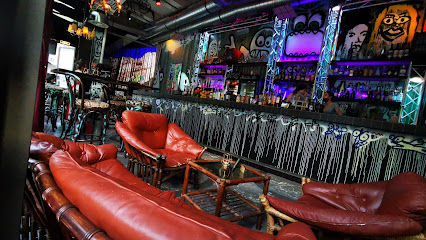
Toddy Tapper - Köln
0.7 km
Indulge in unique cocktails at Toddy Tapper, a top cocktail bar in Cologne, renowned for its fresh ingredients and vibrant atmosphere.
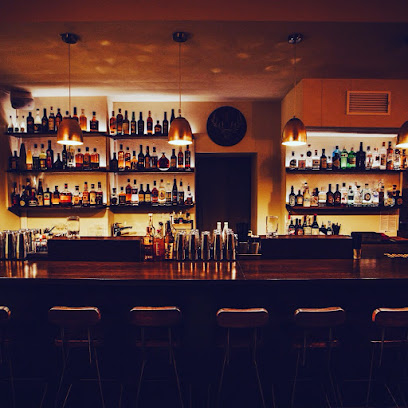
Legends Bar & Terrasse
0.8 km
Experience the ultimate cocktail bar in Cologne with stunning Rhine views, sophisticated atmosphere, and expertly crafted drinks at Legends Bar & Terrasse.
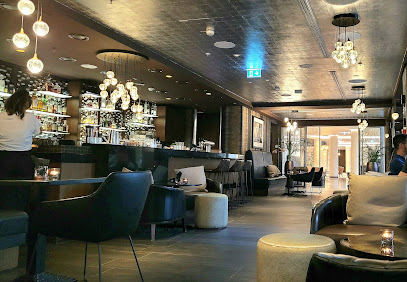
Suderman
0.8 km
Experience the finest cocktails in Cologne at Suderman, where innovative mixology meets a vibrant atmosphere in the heart of the city.
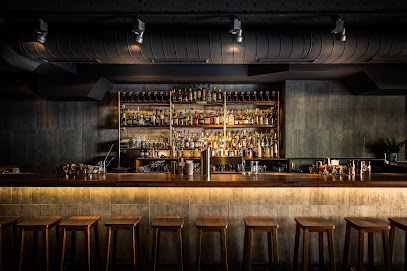
Bierbaum
0.9 km
Discover the lively Bierbaum bar in Cologne, where great drinks and a welcoming atmosphere blend seamlessly for an unforgettable night out.
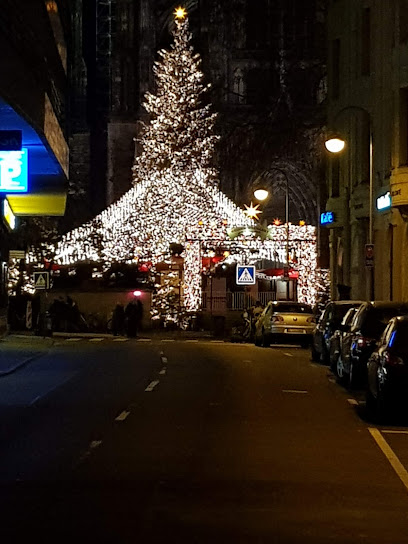
Barney Vallely's
0.9 km
Discover the essence of Ireland at Barney Vallely's, a lively pub in Cologne with authentic food, drinks, and vibrant entertainment.
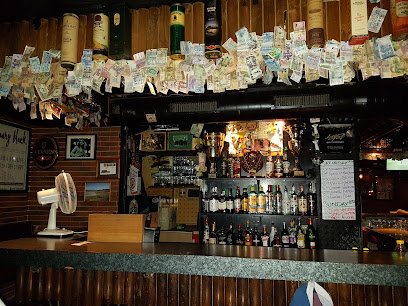
The Corkonian Irish pub
0.9 km
Experience the heart of Ireland at The Corkonian Irish Pub in Cologne, where traditional food, drinks, and live music create unforgettable memories.
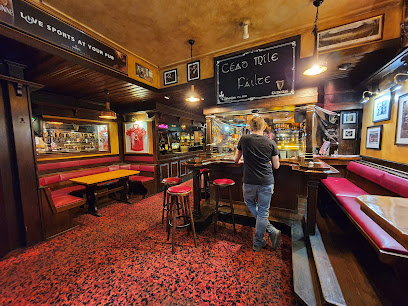
Papa Joe's Biersalon
0.9 km
Experience the vibrant pub culture of Cologne at Papa Joe's Biersalon, where great beer and hearty meals await in a lively atmosphere.
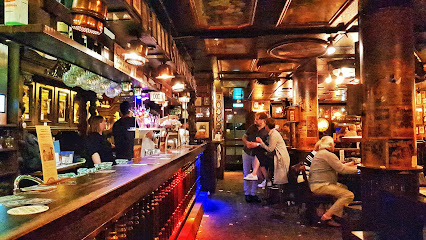
Sonderbar - Köln
1.0 km
Experience the best local brews and a vibrant atmosphere at Sonderbar, a must-visit bar in the heart of Cologne.
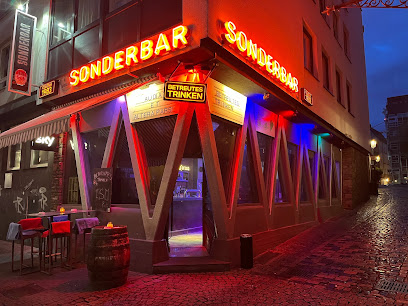
other side - bar'n'kitchen
1.1 km
Experience the best of Australian cuisine and local drinks at other side - bar'n'kitchen in Cologne's lively Innenstadt.
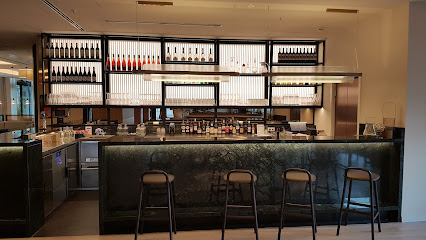
The Copper Pot - Köln
1.1 km
Experience Irish hospitality at The Copper Pot in Cologne, where lively ambiance, delicious cocktails, and live music await every visitor.
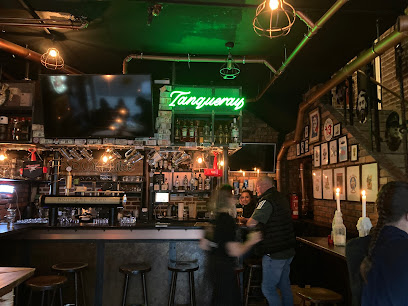
McLennon Cocktailbar Restaurant
1.2 km
Experience the vibrant nightlife of Cologne at McLennon Cocktailbar Restaurant, where handcrafted cocktails and culinary delights await.
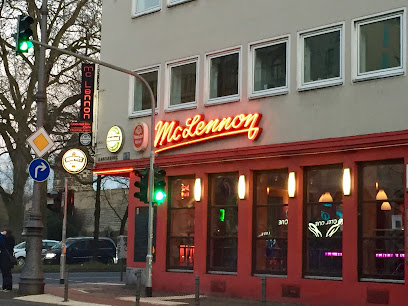
CAFE ESPECIAL Köln
1.2 km
Experience authentic Mexican flavors at Café Especial in Cologne, where vibrant dishes and a lively atmosphere create unforgettable dining moments.
Nightclubs & after hour spots

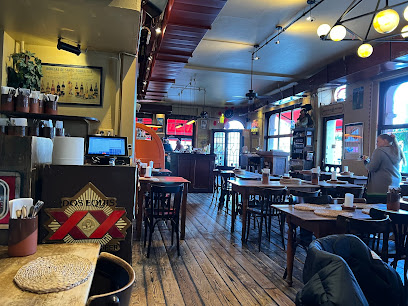
Kokett Bar - Köln
0.3 km
Experience the vibrant nightlife at Kokett Bar in Cologne, where stylish ambiance meets delicious cocktails and unforgettable fun.
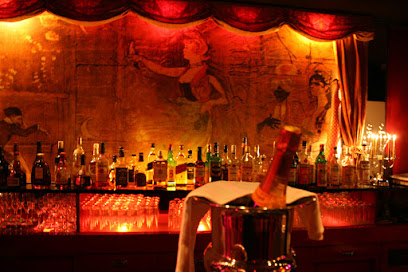
Élite Club
0.9 km
Discover the pulse of Cologne's nightlife at Élite Club, where electrifying music and vibrant ambiance create unforgettable memories.
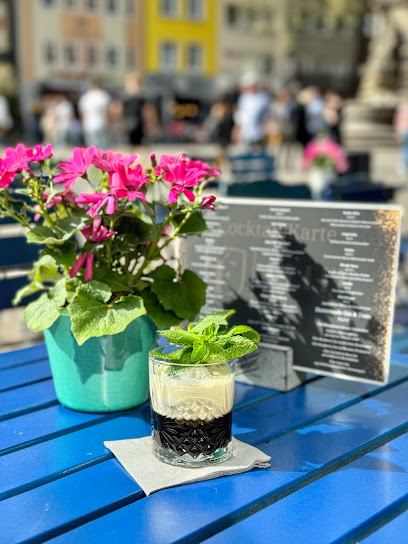
Wiener Steffie
1.2 km
Experience the vibrant nightlife of Cologne at Wiener Steffie, a premier disco club and bar where music and fun collide!
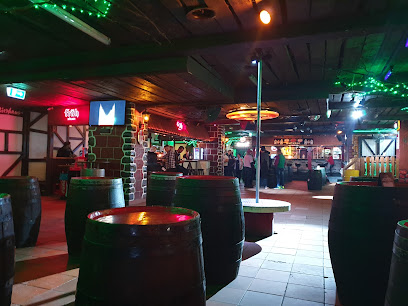
QUATER 1
1.2 km
Discover the heart of Cologne's nightlife at QUATER 1, where electrifying music and vibrant crowds create unforgettable experiences.
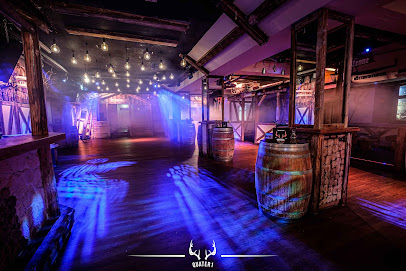
Bootshaus
1.5 km
Experience the electrifying nightlife at Bootshaus, Cologne’s premier nightclub with world-class DJs and an unforgettable party atmosphere.
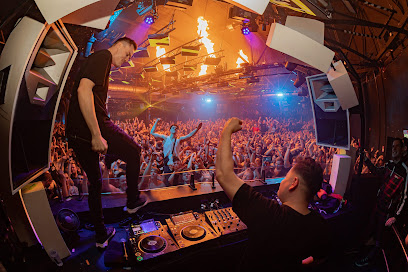
Birthday Club Cologne
1.5 km
Experience the vibrant nightlife at Birthday Club Cologne – where music, dance, and celebration come together in the heart of the city.
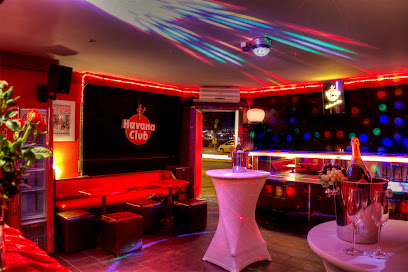
Goldfinger Club Cologne - Köln
1.6 km
Discover the electrifying nightlife of Cologne at Goldfinger Club, where unforgettable dance nights and vibrant music await.
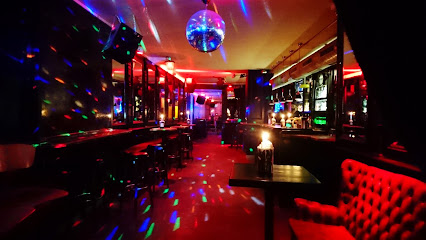
Masquerade Club - Köln
1.6 km
Discover the electrifying nightlife of Masquerade Club in Cologne, where vibrant music and unforgettable experiences await every weekend.
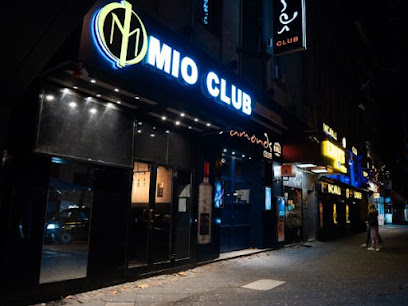
MIO CLUB
1.6 km
Discover the pulse of Cologne's nightlife at MIO CLUB, where great cocktails meet unforgettable dance experiences.
Petit Prince Club - Köln
1.6 km
Discover the heart of Cologne's nightlife at Petit Prince Club, where music, dance, and vibrant energy create unforgettable nights.

Diamonds Club
1.6 km
Immerse yourself in the electrifying atmosphere of Diamonds Club, Cologne's premier disco and night club for an unforgettable nightlife experience.
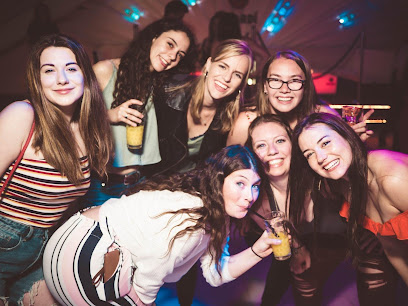
Club Nachtflug Köln
1.7 km
Unleash your nightlife spirit at Club Nachtflug, Cologne's premier night club for unforgettable music and dancing experiences.
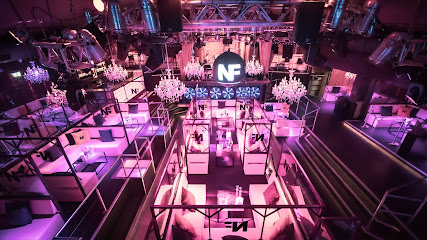
Triple A - Köln
1.7 km
Dive into Cologne's nightlife at Triple A Nightclub, where music and dancing create unforgettable memories in a vibrant atmosphere.
Flamingo Royal
1.7 km
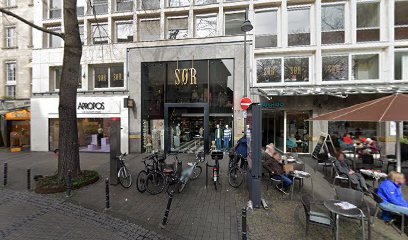
Experience the vibrant nightlife at Flamingo Royal, Cologne's top destination for unforgettable parties and electrifying music.
Club Einundfünfzig
1.8 km
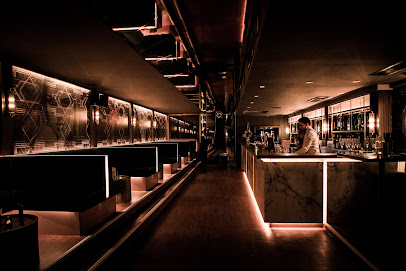
Discover the energetic atmosphere and live music of Club Einundfünfzig, a premier night club in Cologne for unforgettable nightlife experiences.