Hohenzollern Bridge: Cologne's Iconic River Crossing
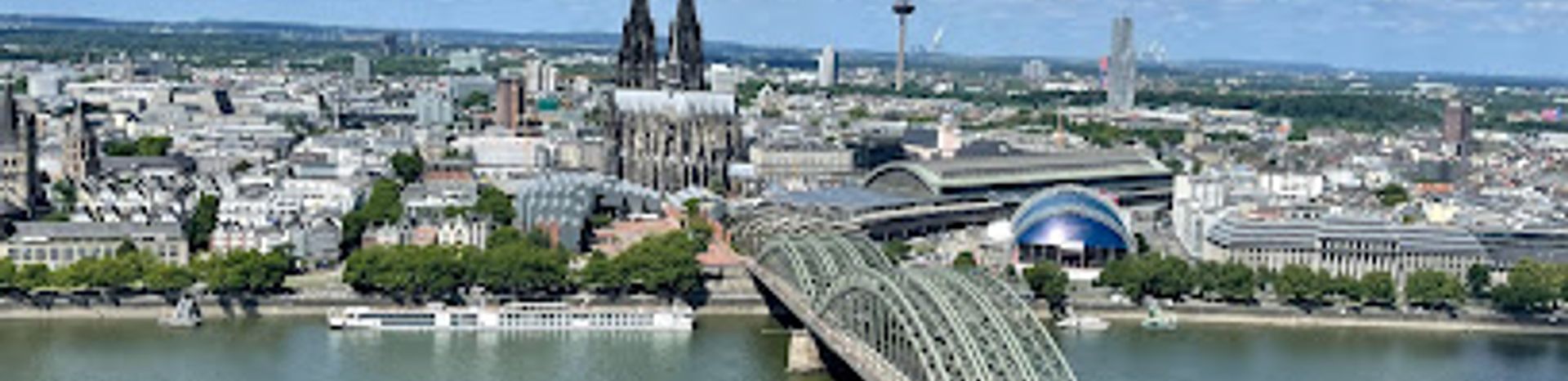
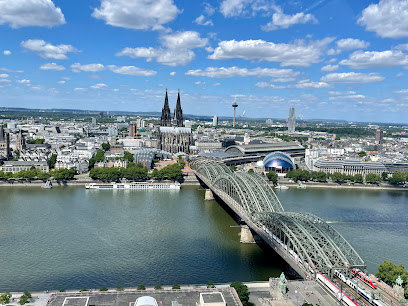
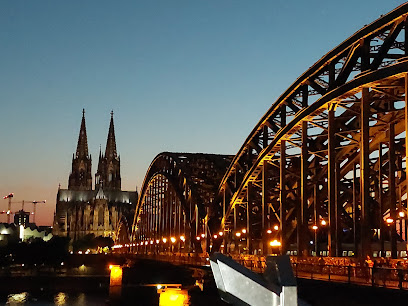
Walk across Cologne's iconic Hohenzollern Bridge, a symbol of love adorned with thousands of locks, offering stunning views of the Rhine and the Cologne Cathedral.
The Hohenzollern Bridge, spanning the Rhine River in Cologne, is more than just a crossing; it's a symbol of the city's resilience and a testament to enduring love. Originally built in the early 20th century to replace the Cathedral Bridge, it suffered significant damage during World War II but was reconstructed to become a vital railway and pedestrian link. Today, it stands as Germany's most heavily used railway bridge, accommodating over 1,200 trains daily. Beyond its functional importance, the bridge has become famous for the thousands of 'love locks' attached to its railings by couples, creating a unique and colorful display of affection. Walking across the Hohenzollern Bridge offers stunning panoramic views of Cologne, including the iconic Cologne Cathedral, making it a must-visit for any traveler seeking a blend of history, romance, and breathtaking scenery.
A brief summary to Hohenzollern Bridge
- Hohenzollern Bridge, Cologne, Innenstadt, 50679, DE
- +492212210
- Visit website
Local tips
- Visit during sunset for a particularly romantic experience, as the city lights begin to illuminate and reflect on the Rhine.
- Take your time to stroll across the bridge and read some of the inscriptions on the love locks – some are funny, some are heartfelt, and all tell a story.
- The bridge can be crowded during peak hours, especially on weekends. Visit early in the morning or later in the evening for a more peaceful experience.
- Consider taking a guided walking tour of Cologne that includes the Hohenzollern Bridge to learn more about its history and significance.
- Be mindful of cyclists and pedestrians while walking on the bridge, as it is a shared space.

Getting There
-
Walking
From Cologne Central Station (Hauptbahnhof) or Cologne Cathedral, the Hohenzollern Bridge is easily accessible on foot. Exit the station towards the Cathedral and follow the path behind the Cathedral, crossing Heinrich-Böll-Platz. The footpath leading onto the bridge is clearly marked and only a few minutes away. There are no costs involved in accessing the bridge on foot.
-
Public Transport
If arriving at Cologne Deutz Messe station, the Hohenzollern Bridge is a short walk (approximately 450m). Exit the station and follow the signs towards the bridge. Alternatively, from other parts of Cologne, take the U-Bahn to Dom/Hauptbahnhof station. From there, follow the walking directions. A single ticket within Cologne (Preisstufe 1b) costs approximately €3.00.
-
Taxi/Ride-Share
A taxi or ride-share from Cologne city center to the Hohenzollern Bridge will take only a few minutes, depending on traffic. Expect to pay around €9-€11 for a short trip within the city center.
Discover more about Hohenzollern Bridge
Iconic landmarks you can’t miss

Hohenzollern Bridge
0.0 km
Walk across Cologne's iconic Hohenzollern Bridge, a symbol of love adorned with thousands of locks, offering stunning views of the Rhine and the Cologne Cathedral.
Equestrian Statue of Kaiser Wilhelm I
0.2 km
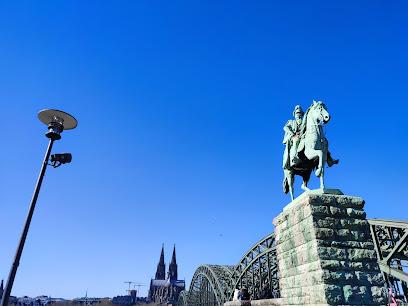
Explore the majestic Equestrian Statue of Kaiser Wilhelm I in Cologne, a stunning monument offering history, beauty, and breathtaking views along the Rhine.
Equestrian Statue of Kaiser Wilhelm II
0.2 km
Discover the majestic Equestrian Statue of Kaiser Wilhelm II, a historical landmark on the Rhine in Cologne, celebrating Germany's imperial legacy.
Paolozzibrunnen – Eduardo Paolozzi (1986)
0.3 km
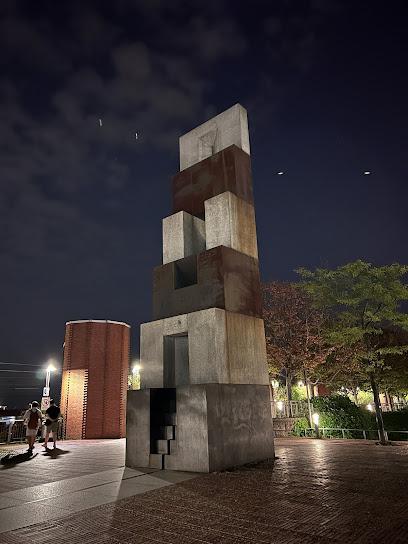
Discover the Paolozzi Fountain in Cologne: a captivating blend of modern art, historical remnants, and playful interaction in the heart of the scenic Rheingarten park, a short walk from Cologne Central Station.
MA'ALOT
0.3 km
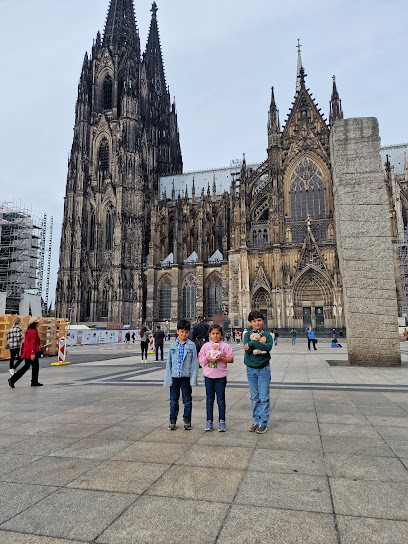
Explore MA'ALOT, a captivating outdoor sculpture in Cologne's cultural heart, blending art, history, and urban space on Heinrich-Böll-Platz near the iconic Cologne Cathedral.
Heinrich-Böll-Platz
0.4 km
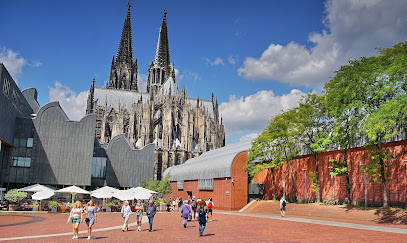
Experience Cologne's vibrant cultural heart at Heinrich-Böll-Platz, a dynamic square connecting the iconic Cathedral, Museum Ludwig, and Philharmonie, offering art, music, and stunning views.
Cologne View
0.4 km
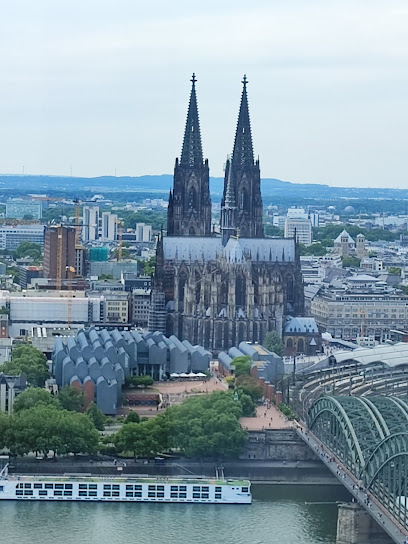
Experience Cologne from Above: Unparalleled 360° Views Await at KölnTriangle's Observation Deck, Offering a Breathtaking Perspective of the City's Iconic Landmarks and Architectural Marvels.
Deutz Abbey
0.5 km
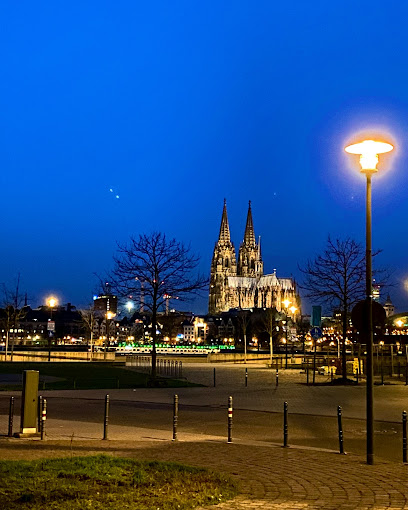
Discover Deutz Abbey in Cologne: A historic Benedictine monastery offering a serene escape, Romanesque architecture, and a glimpse into the city's rich monastic past and cultural heritage.
Römisches Kastell Deutz
0.5 km
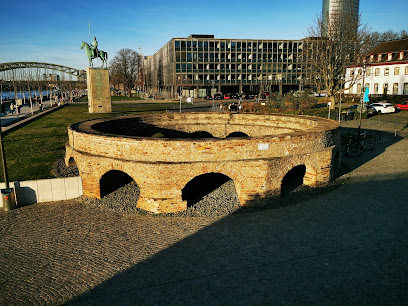
Explore the remnants of Cologne's Roman fort, Divitia, a strategic outpost on the Rhine, offering a glimpse into the city's ancient past and the Roman Empire's influence.
Ancient Roman Harbor Street
0.5 km
Explore Cologne's Ancient Roman Harbor Street: A captivating historical landmark offering a glimpse into the city's Roman past, showcasing its significance as a vital trading hub.
Kastell Deutz - Osttor
0.5 km
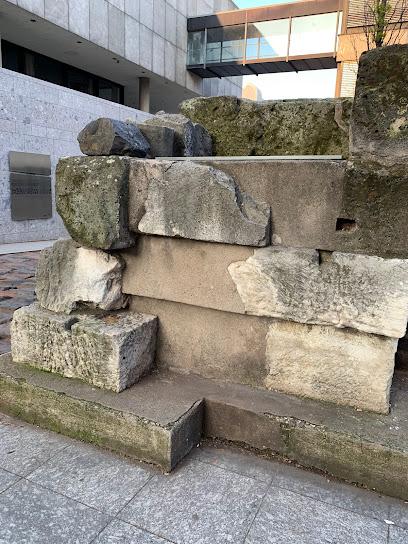
Explore the remnants of a Roman fort in Cologne-Deutz, offering a glimpse into the city's ancient past and strategic importance on the Rhine River, part of the UNESCO World Heritage Roman Limes.
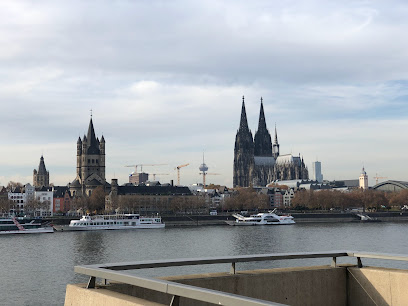
Dom Treasury
0.5 km
Discover over a millennium of sacred art and history at the Cologne Cathedral Treasury, home to Europe's most significant collection of ecclesiastical treasures and artifacts.
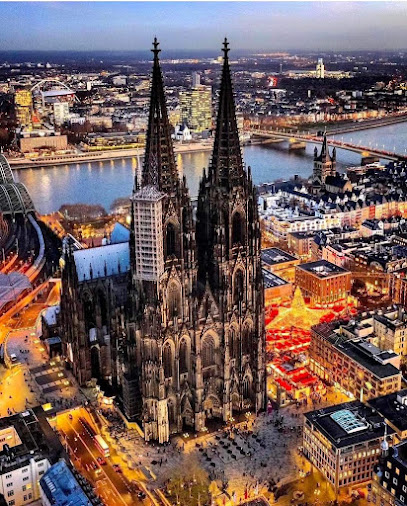
Jan von Werth-Brunnen, Köln
0.5 km
Discover Cologne's heart at the Jan von Werth Fountain, a historic landmark in Alter Markt, where local legends and vibrant city life intertwine, offering a glimpse into the city's soul.
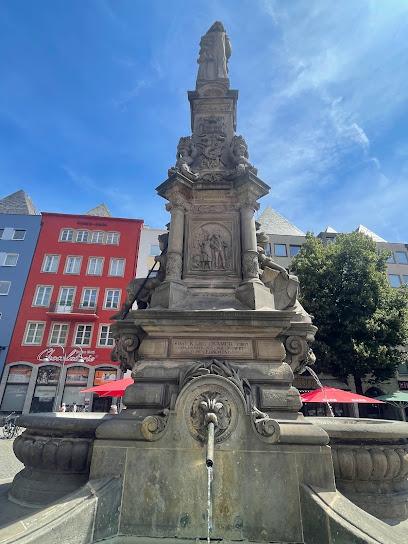
Der goldene Kupferstern
0.5 km
Experience Cologne's vibrant heart at Roncalliplatz, surrounded by iconic landmarks, bustling events, and the city's rich history and culture, offering an unforgettable adventure.
Roncallipl.
0.5 km
Experience the heart of Cologne at Roncalliplatz: where history meets vibrant culture, overlooked by the majestic Cathedral, and alive with year-round events.
Unmissable attractions to see

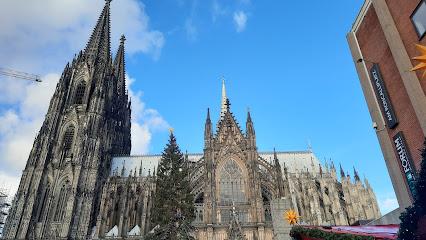
Rheinpromenade Köln-Deutz
0.3 km
Discover the enchanting Rheinpromenade in Köln-Deutz, where scenic views, cultural vibrancy, and culinary delights await every traveler.
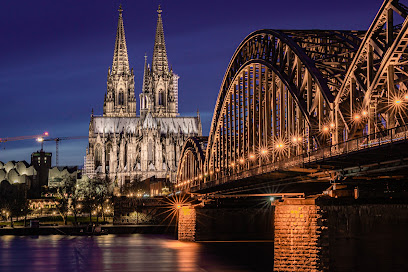
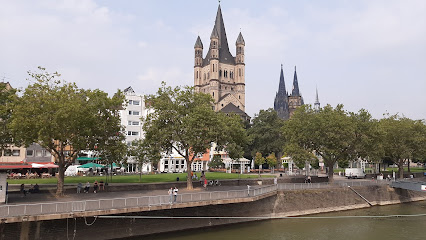
Rheingarten
0.3 km
Discover the beauty of Rheingarten, a tranquil park along the Rhine River in Cologne, perfect for relaxation, recreation, and unforgettable views.
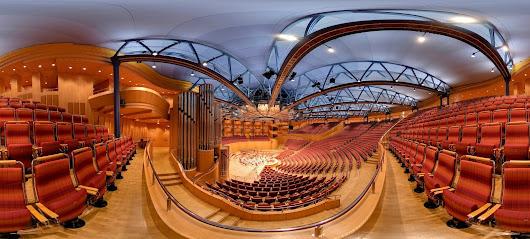
Cologne Philharmonie
0.4 km
Discover the cultural heart of Cologne at the Philharmonie, where world-class performances and stunning architecture create unforgettable musical experiences.
KD Deutsche Rheinschiffahrt GmbH
0.4 km
Explore Cologne's breathtaking skyline and historic landmarks on a scenic river cruise with KD Deutsche Rheinschiffahrt GmbH.
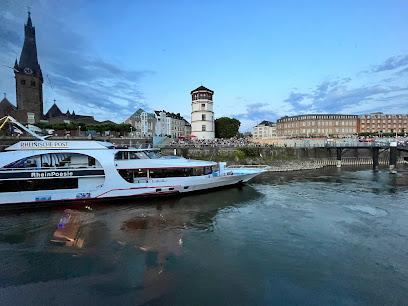
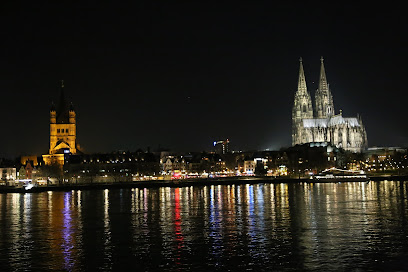
Rheinboulevard
0.4 km
Experience breathtaking views and vibrant atmosphere at Rheinboulevard, a must-visit scenic promenade along the Rhine River in Cologne.
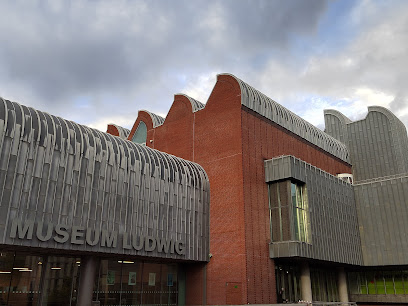
Museum Ludwig
0.4 km
Discover contemporary creativity at Museum Ludwig, Cologne's premier destination for modern art enthusiasts and cultural explorers.
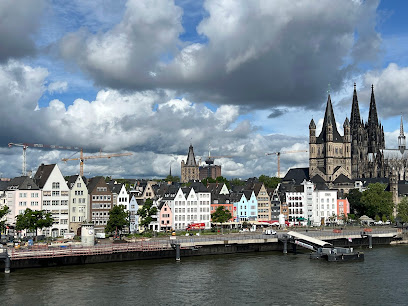
Frankenwerft
0.4 km
Experience the picturesque charm of Frankenwerft in Cologne, where stunning riverside views meet rich history and vibrant local culture.
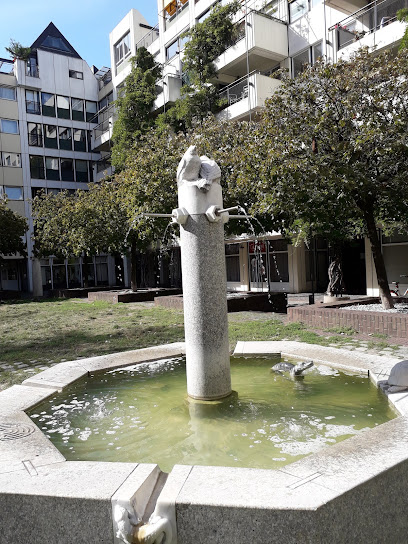
Tierbrunnen, Köln - Theo Heiermann & Elmar Hillebrand (1980)
0.4 km
Explore the artistic charm of Tierbrunnen, a stunning fountain in Cologne that captures the essence of the city's vibrant cultural heritage.
Fish Market
0.4 km
Explore the bustling Cologne Fish Market, where fresh seafood, local delicacies, and vibrant culture come together along the Rhine River.
Cologne Triangle
0.4 km
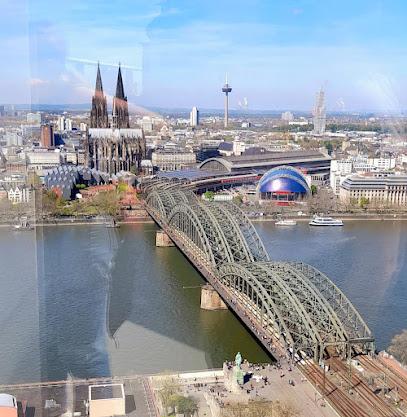
Discover breathtaking views of Cologne from the Cologne Triangle, the city's premier observation deck, revealing the beauty of its skyline and landmarks.
Great St. Martin Church
0.4 km
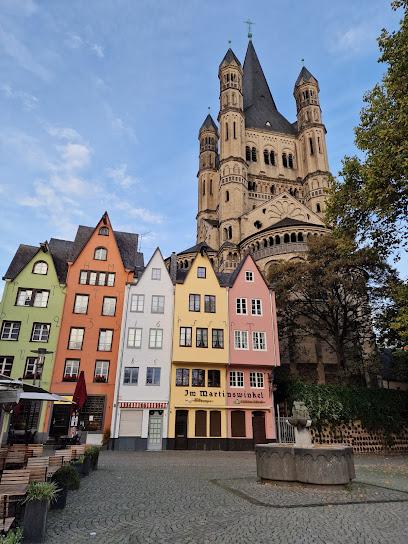
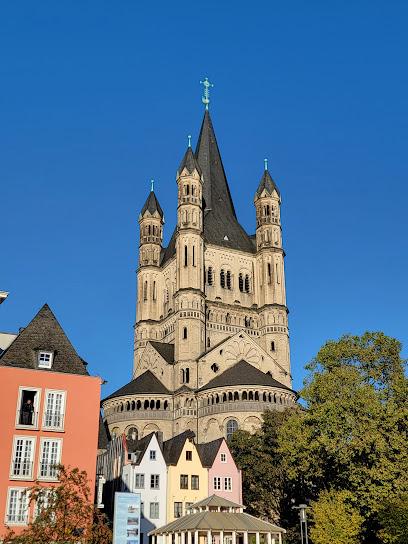
Discover the rich history and stunning architecture of Great St. Martin Church, a must-visit landmark in Cologne, Germany.
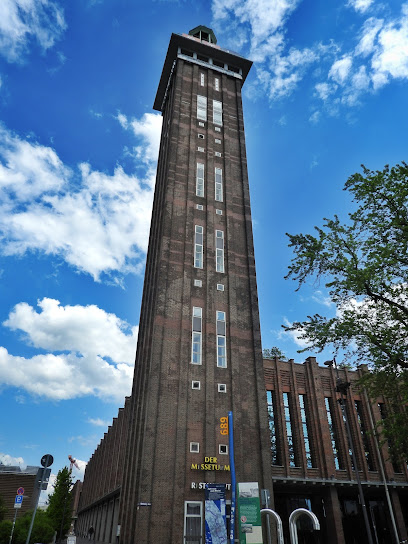
Exhibition Tower
0.4 km
Explore the iconic Exhibition Tower in Cologne, a marvel of modern architecture offering panoramic views and a glimpse into the city's vibrant culture.
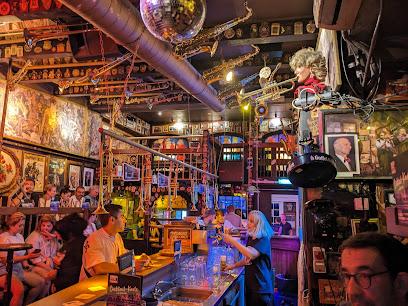
Papa Joe's Jazz Bar
0.5 km
Discover the heart of Cologne’s jazz scene at Papa Joe's Jazz Bar, where live music, great food, and vibrant ambiance await.
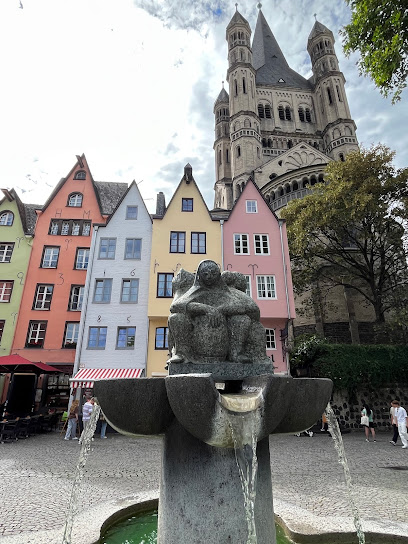
Buttermarkt
0.5 km
Experience the vibrant atmosphere and rich history of Buttermarkt, a must-visit square in the heart of Cologne perfect for relaxation and exploration.
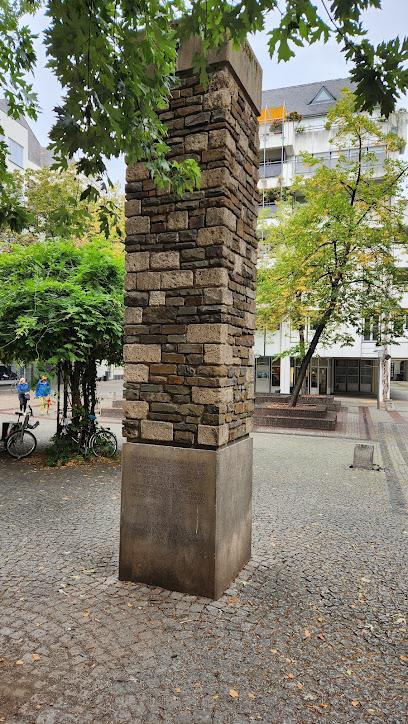
Schmitz Column
0.5 km
Discover the iconic Schmitz Column in Cologne's Alter Markt, a historical landmark that captures the essence of the city's rich heritage.
Essential places to dine

Grissini Restaurant & Terrasse
0.2 km
Experience the taste of Italy with stunning river views at Grissini Restaurant & Terrasse in Cologne.
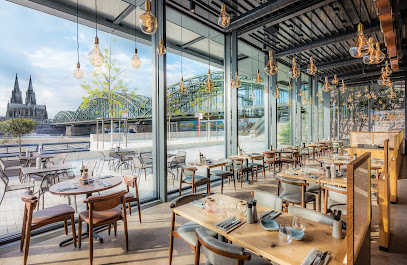
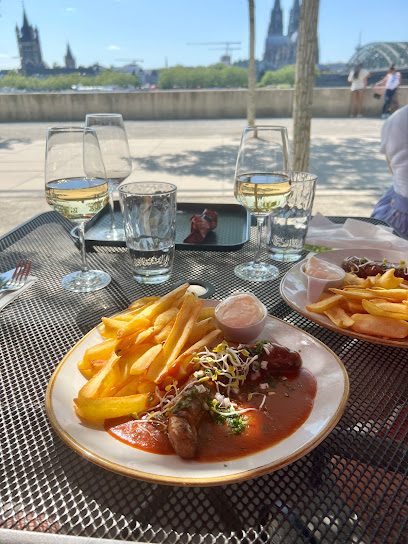
Sticky Fingers Restaurant & Terrasse
0.3 km
Experience delicious American cuisine at Sticky Fingers Restaurant & Terrasse in Cologne – perfect for families and friends overlooking the Rhine River.
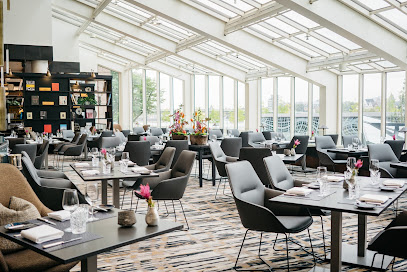
Glashaus Restaurant
0.3 km
Experience exquisite dining at Glashaus Restaurant, where contemporary design meets exceptional cuisine along the scenic Rhine River in Cologne.
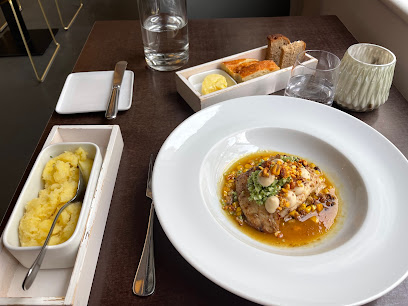
Restaurant maiBeck
0.3 km
Experience innovative bistro cuisine in Cologne at Restaurant maiBeck - where local flavors meet culinary creativity.
Em Krützche
0.3 km
Savor traditional German flavors at Em Krützche, a charming inn and restaurant in the heart of Cologne's Innenstadt district.
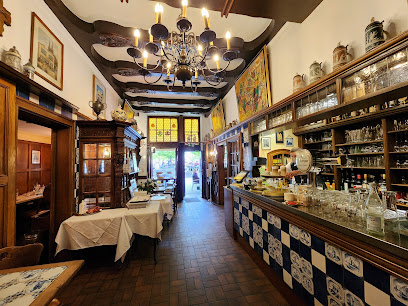
RheinZeit
0.3 km
Experience authentic German cuisine at RheinZeit in Cologne, where tradition meets modern dining in a vibrant atmosphere.
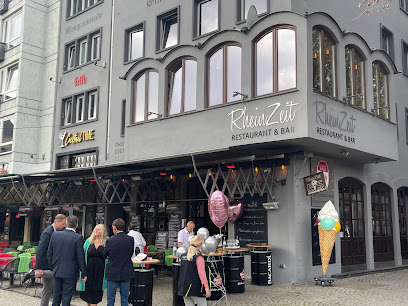
Ludwig im Museum Restaurant & Café
0.4 km
Experience culinary excellence at Ludwig im Museum Restaurant & Café in Cologne - where art meets flavor in a vibrant setting.
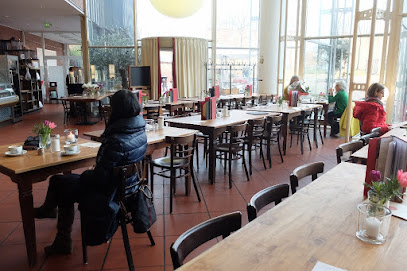
Peters Brauhaus
0.4 km
Discover Peters Brauhaus in Cologne - A lively brewpub serving authentic German cuisine and craft beers in an inviting atmosphere.
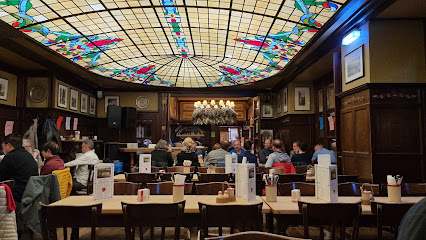
Restaurant Mama Leone
0.5 km
Savor authentic Italian flavors at Restaurant Mama Leone in Cologne – where every meal is a celebration of taste and tradition.
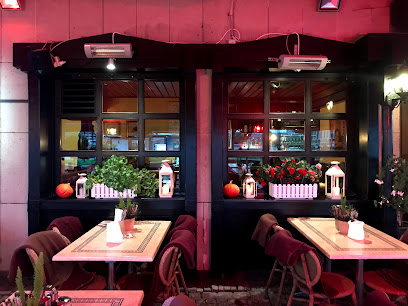
Mongo's Restaurant Köln - Deutz
0.5 km
Experience authentic Mongolian barbecue and Asian flavors at Mongo's Restaurant Köln - Deutz; perfect for food lovers seeking diverse cuisine.
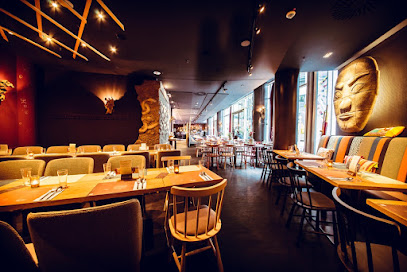
Haxenhaus
0.5 km
Experience authentic German flavors at Haxenhaus in Cologne – where tradition meets taste by the Rhine River.
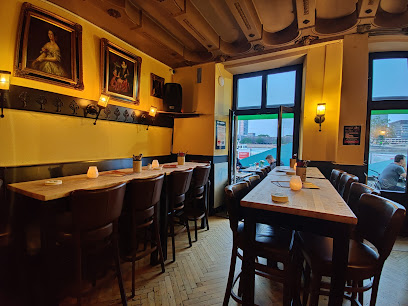
Brauhaus Sünner im Walfisch
0.5 km
Experience Cologne's brewing tradition at Brauhaus Sünner im Walfisch – where authentic flavors meet local charm.
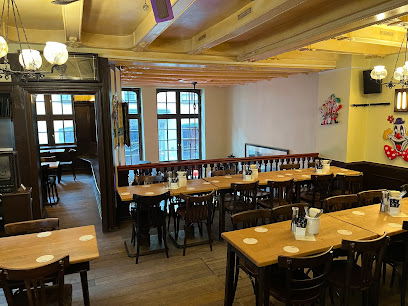
Kaiser Konstantin - Kölsches Brauhaus
0.5 km
Discover authentic Kölsch beer and traditional German cuisine at Kaiser Konstantin - Kölsches Brauhaus along the beautiful Rhine River in Cologne.
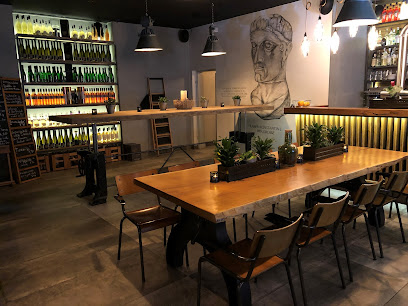
HACIENDA
0.5 km
Experience the vibrant flavors of Argentinian cuisine at Hacienda in Cologne - a perfect blend of tradition and innovation.
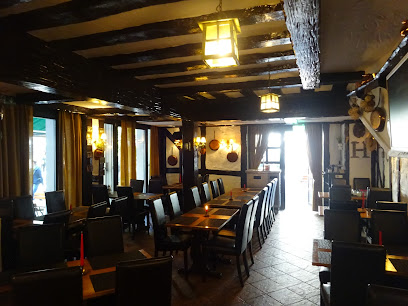
Keule
0.5 km
Experience authentic German flavors at Keule in Cologne - where tradition meets modern culinary artistry.
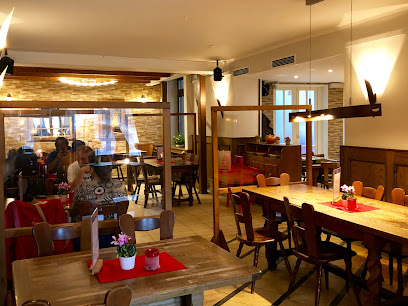
Markets, malls and hidden boutiques

Domkloster 4 GmbH
0.6 km
Explore the heart of Cologne at Domkloster 4 GmbH, your go-to gift shop for unique souvenirs and local crafts that embody the city's spirit.
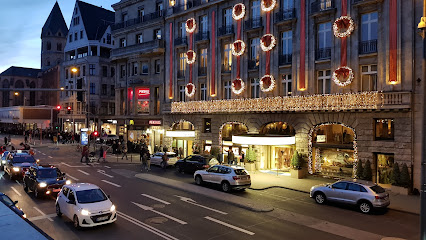
Grow Shop Cologne plant breeding
0.6 km
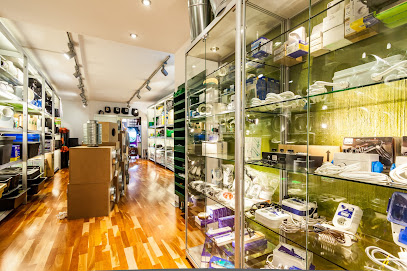
Explore a lush paradise at Grow Shop Cologne, your go-to destination for plants, gardening supplies, and expert advice in the heart of the city.
Eckert
0.6 km
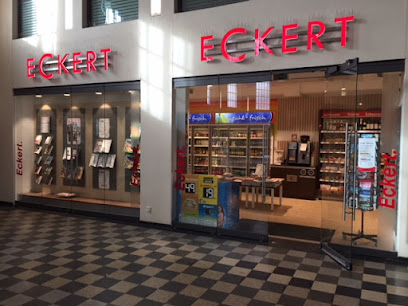
Explore Eckert, Cologne's vibrant hypermarket offering everything from fresh bakery items to books, perfect for tourists seeking convenience and local flavor.
Früh Shoppen
0.6 km
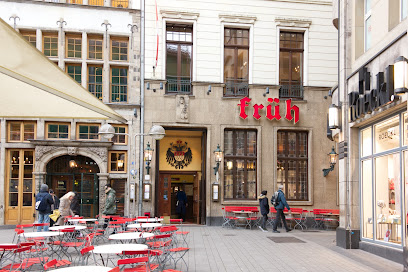
Explore Früh Shoppen in Cologne for a delightful shopping experience filled with local treasures and unique finds.
Einkaufsbahnhof Köln Messe-Deutz
0.6 km
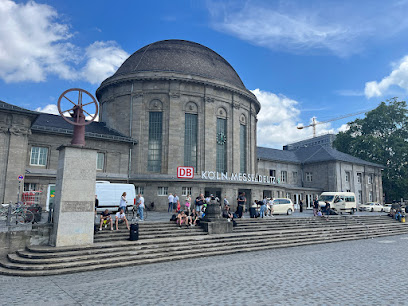
Discover a vibrant shopping experience at Einkaufsbahnhof Köln Messe/Deutz, where fashion meets food in the heart of Cologne.
LOUIS VUITTON Cologne Store
0.6 km
Explore the luxury of Louis Vuitton in Cologne, featuring exquisite leather goods and fashion accessories in a stunning retail environment.
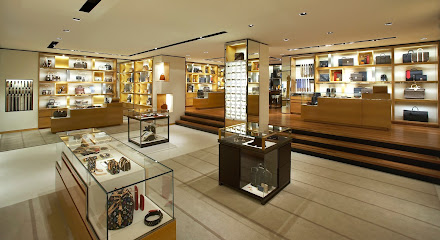
Victorinox Store Köln
0.7 km
Discover Swiss quality at the Victorinox Store in Cologne, featuring iconic knives, stylish luggage, and exclusive apparel in a modern shopping atmosphere.
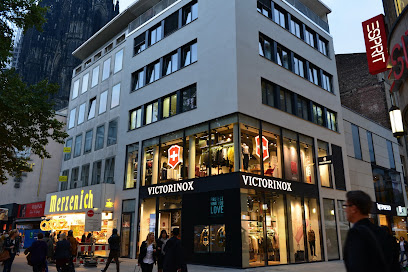
4711 Shop am Dom
0.7 km
Explore the iconic 4711 Shop am Dom in Cologne, where history meets modern fragrance in a delightful gift shopping experience.
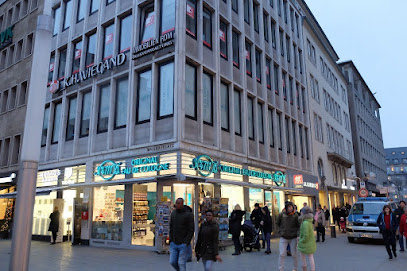
Close Up GmbH
0.7 km
Explore Close Up GmbH: Cologne's premier gift shop for unique posters and artistic treasures in the heart of the city.
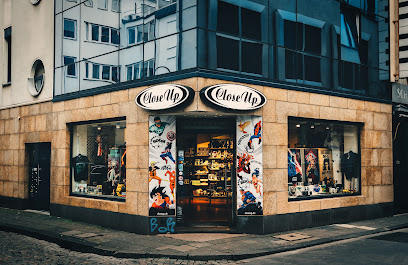
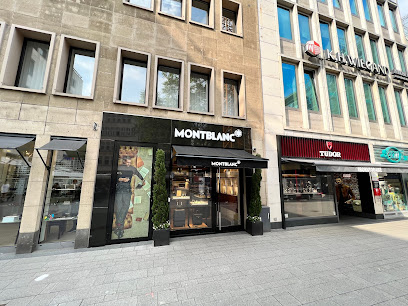
Montblanc Boutique
0.7 km
Discover timeless luxury at Montblanc Boutique in Cologne, home to exquisite writing instruments and elegant leather goods.
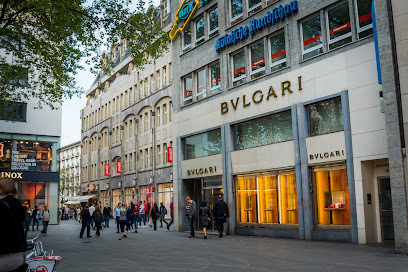
BVLGARI
0.7 km
Explore BVLGARI in Cologne for an exquisite range of luxury jewelry, fashion accessories, and timeless leather goods in a sophisticated setting.
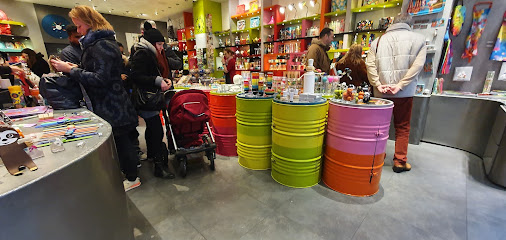
Pylones
0.7 km
Explore Pylones in Cologne for unique gifts and home goods, filled with creativity and playful designs to brighten your day.
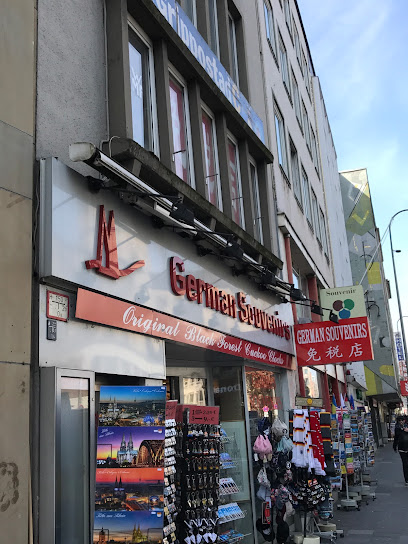
German Souvenirs
0.7 km
Explore authentic German gifts and souvenirs in Cologne's charming gift shop, perfect for tourists seeking unique mementos.
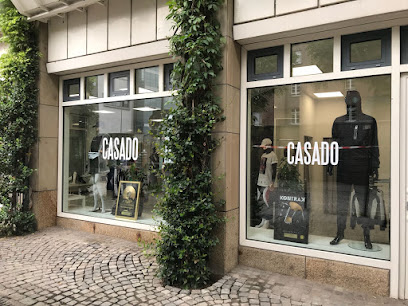
Casado Store
0.7 km
Discover the heart of Cologne's fashion at Casado Store, where style meets elegance and every piece is a statement.
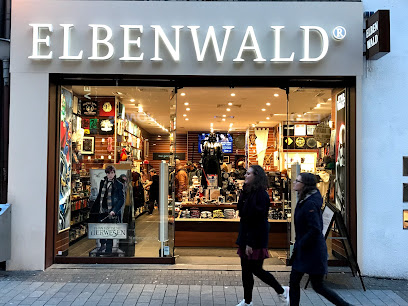
Elbenwald
0.7 km
Explore the enchanting Elbenwald gift shop in Cologne, where fantasy meets shopping with clothing, toys, and unique gifts for all ages.
Essential bars & hidden hideouts

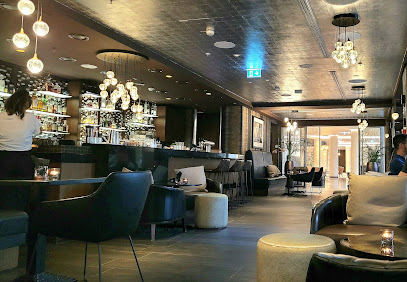
Legends Bar & Terrasse
0.2 km
Experience the ultimate cocktail bar in Cologne with stunning Rhine views, sophisticated atmosphere, and expertly crafted drinks at Legends Bar & Terrasse.
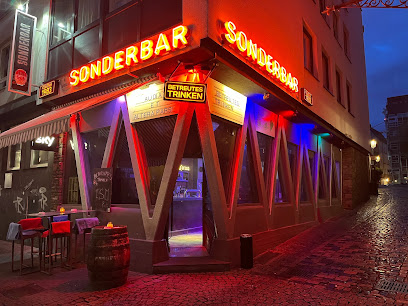
Sonderbar - Köln
0.5 km
Experience the best local brews and a vibrant atmosphere at Sonderbar, a must-visit bar in the heart of Cologne.
Papa Joe's Biersalon
0.5 km
Experience the vibrant pub culture of Cologne at Papa Joe's Biersalon, where great beer and hearty meals await in a lively atmosphere.
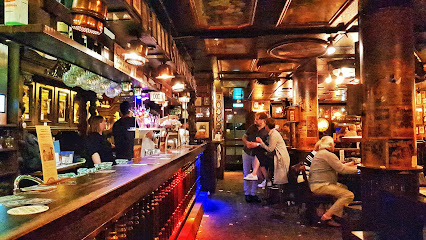
die kunstbar
0.5 km
Discover Die Kunstbar in Cologne: A vibrant bar blending art, music, and delicious drinks in the heart of the city’s nightlife.
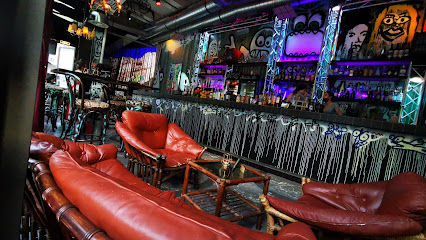
The Corkonian Irish pub
0.5 km
Experience the heart of Ireland at The Corkonian Irish Pub in Cologne, where traditional food, drinks, and live music create unforgettable memories.
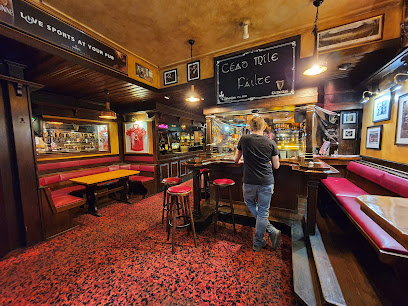
Plüsch Bar & Lounge (im Köln Marriott Hotel)
0.5 km
Experience luxury and relaxation at Plüsch Bar & Lounge in Cologne, where exquisite cocktails and elegant ambiance await you.
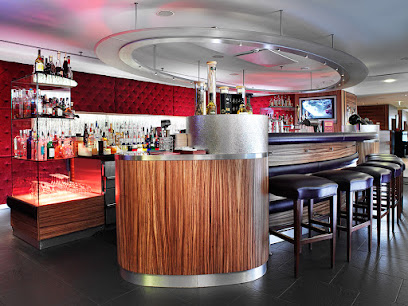
Barney Vallely's
0.5 km
Discover the essence of Ireland at Barney Vallely's, a lively pub in Cologne with authentic food, drinks, and vibrant entertainment.
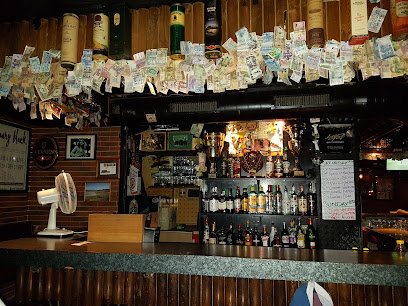
Bierbaum
0.5 km
Discover the lively Bierbaum bar in Cologne, where great drinks and a welcoming atmosphere blend seamlessly for an unforgettable night out.
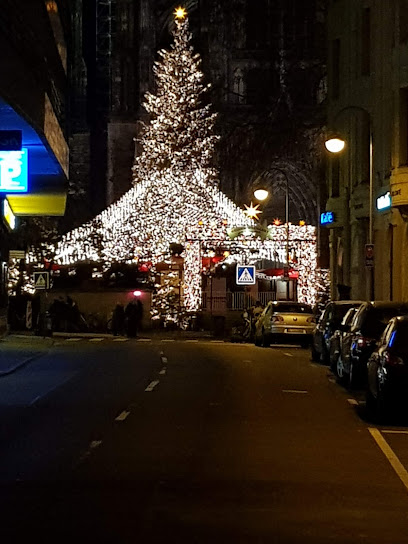
The Copper Pot - Köln
0.7 km
Experience Irish hospitality at The Copper Pot in Cologne, where lively ambiance, delicious cocktails, and live music await every visitor.
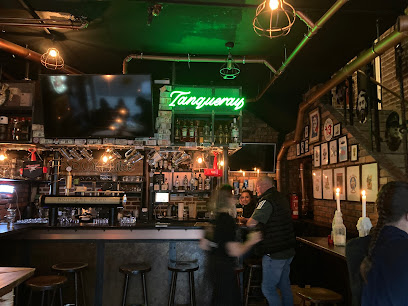
km 689 Cologne Beach Club
0.7 km
Discover km 689 Cologne Beach Club, where vibrant beach vibes meet lively nightlife on the banks of the Rhine.
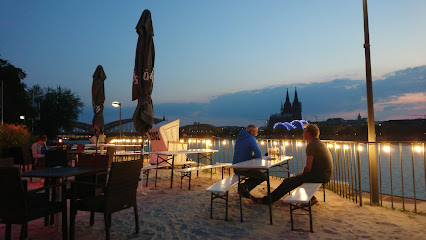
CAFE ESPECIAL Köln
0.7 km
Experience authentic Mexican flavors at Café Especial in Cologne, where vibrant dishes and a lively atmosphere create unforgettable dining moments.
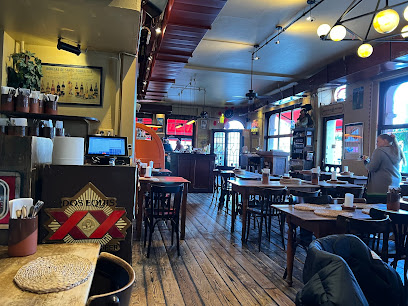
Piano Bar
0.7 km
Discover the enchanting Piano Bar in Cologne, where signature cocktails, live music, and a chic atmosphere create a perfect nightlife experience.
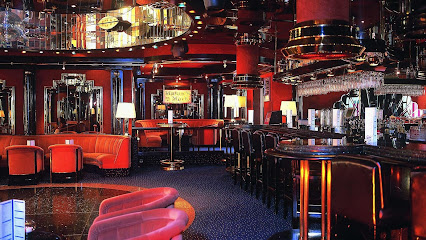
Constantin Pub
0.7 km
Discover the vibrant atmosphere and local charm of Constantin Pub, a must-visit destination for drinks and socializing in Cologne.
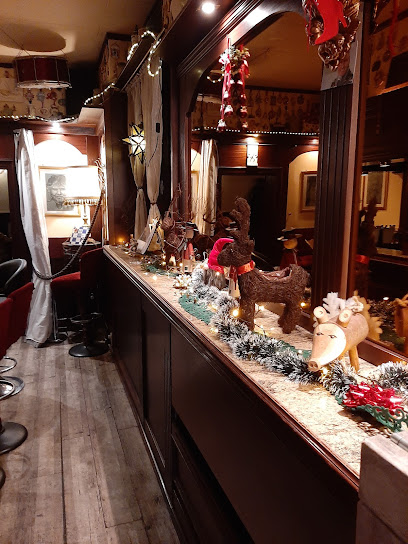
other side - bar'n'kitchen
0.7 km
Experience the best of Australian cuisine and local drinks at other side - bar'n'kitchen in Cologne's lively Innenstadt.
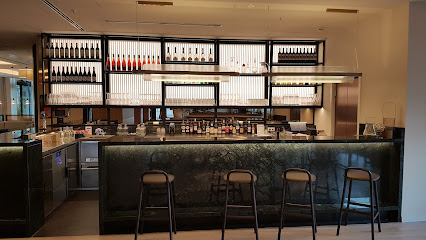
Latino Cubana
0.8 km
Discover the authentic tastes of Cuba at Latino Cubana, Cologne's premier Cuban restaurant and cocktail bar, where every bite is a celebration of flavor.
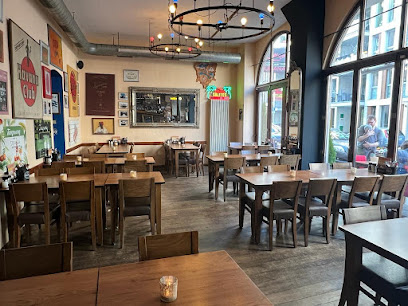
Nightclubs & after hour spots

Élite Club
0.5 km
Discover the pulse of Cologne's nightlife at Élite Club, where electrifying music and vibrant ambiance create unforgettable memories.
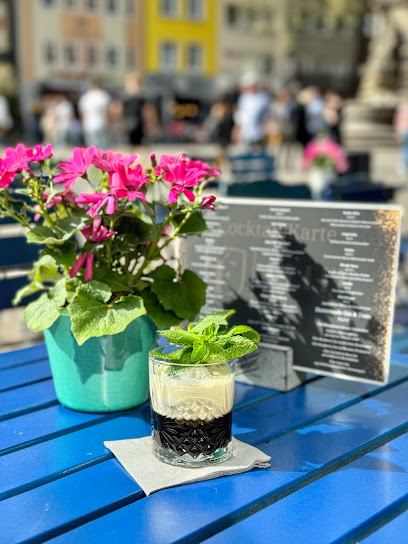
Kokett Bar - Köln
0.6 km
Experience the vibrant nightlife at Kokett Bar in Cologne, where stylish ambiance meets delicious cocktails and unforgettable fun.
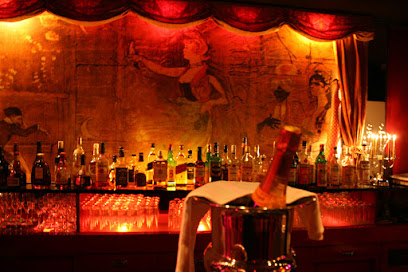
QUATER 1
0.8 km
Discover the heart of Cologne's nightlife at QUATER 1, where electrifying music and vibrant crowds create unforgettable experiences.
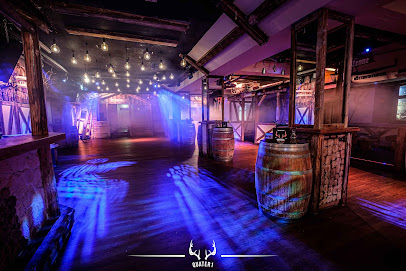
Wiener Steffie
0.8 km
Experience the vibrant nightlife of Cologne at Wiener Steffie, a premier disco club and bar where music and fun collide!
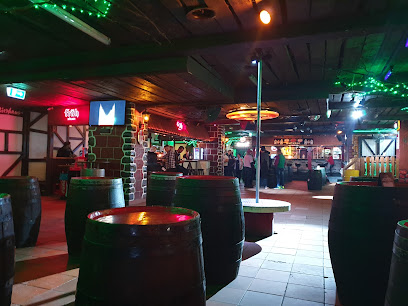
Birthday Club Cologne
0.9 km
Experience the vibrant nightlife at Birthday Club Cologne – where music, dance, and celebration come together in the heart of the city.
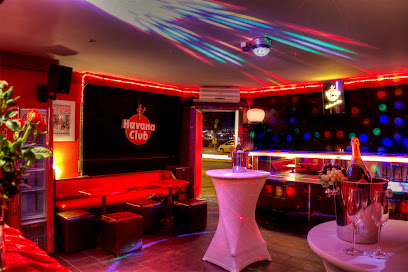
Triple A - Köln
1.6 km
Dive into Cologne's nightlife at Triple A Nightclub, where music and dancing create unforgettable memories in a vibrant atmosphere.
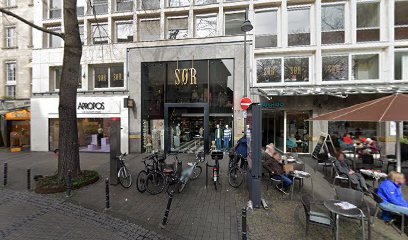
Bootshaus
1.6 km
Experience the electrifying nightlife at Bootshaus, Cologne’s premier nightclub with world-class DJs and an unforgettable party atmosphere.
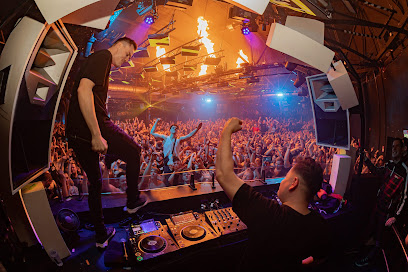
Goldfinger Club Cologne - Köln
1.7 km
Discover the electrifying nightlife of Cologne at Goldfinger Club, where unforgettable dance nights and vibrant music await.
Flamingo Royal
1.7 km
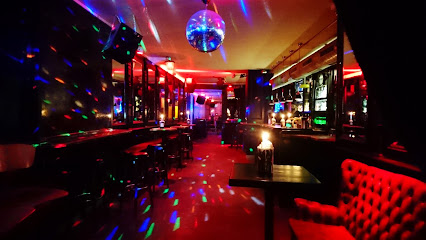
Experience the vibrant nightlife at Flamingo Royal, Cologne's top destination for unforgettable parties and electrifying music.
Masquerade Club - Köln
1.7 km
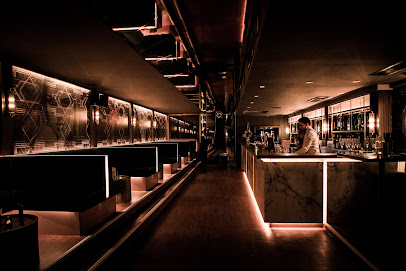
Discover the electrifying nightlife of Masquerade Club in Cologne, where vibrant music and unforgettable experiences await every weekend.
MIO CLUB
1.8 km
Discover the pulse of Cologne's nightlife at MIO CLUB, where great cocktails meet unforgettable dance experiences.
Petit Prince Club - Köln
1.8 km
Discover the heart of Cologne's nightlife at Petit Prince Club, where music, dance, and vibrant energy create unforgettable nights.

Diamonds Club
1.8 km
Immerse yourself in the electrifying atmosphere of Diamonds Club, Cologne's premier disco and night club for an unforgettable nightlife experience.
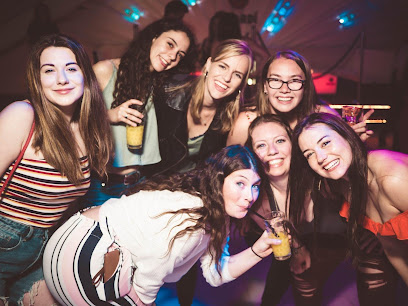
Club Nachtflug Köln
1.8 km
Unleash your nightlife spirit at Club Nachtflug, Cologne's premier night club for unforgettable music and dancing experiences.
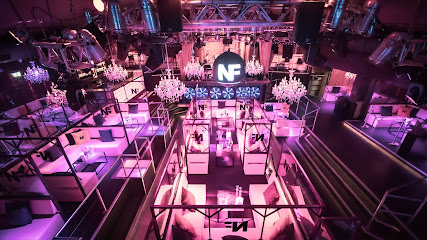
Club Einundfünfzig
1.9 km
Discover the energetic atmosphere and live music of Club Einundfünfzig, a premier night club in Cologne for unforgettable nightlife experiences.