Brühl's Terrace, Dresden Travel Guide
Discover Dresden's 'Balcony of Europe': Brühl's Terrace, a historic promenade offering stunning Elbe River views, architectural marvels, and a rich cultural experience for every traveler.
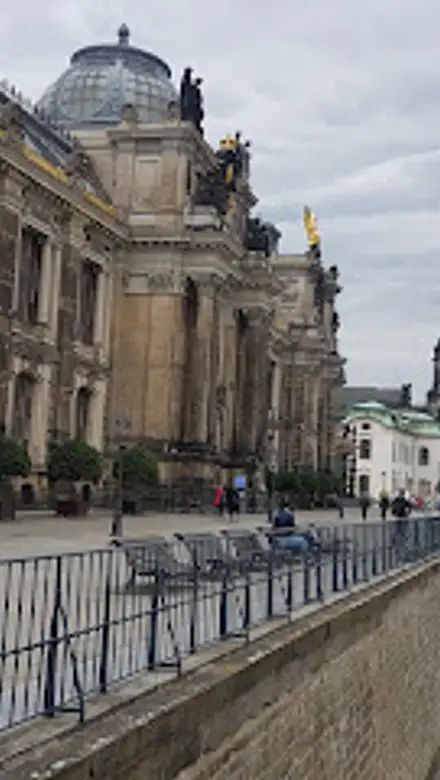
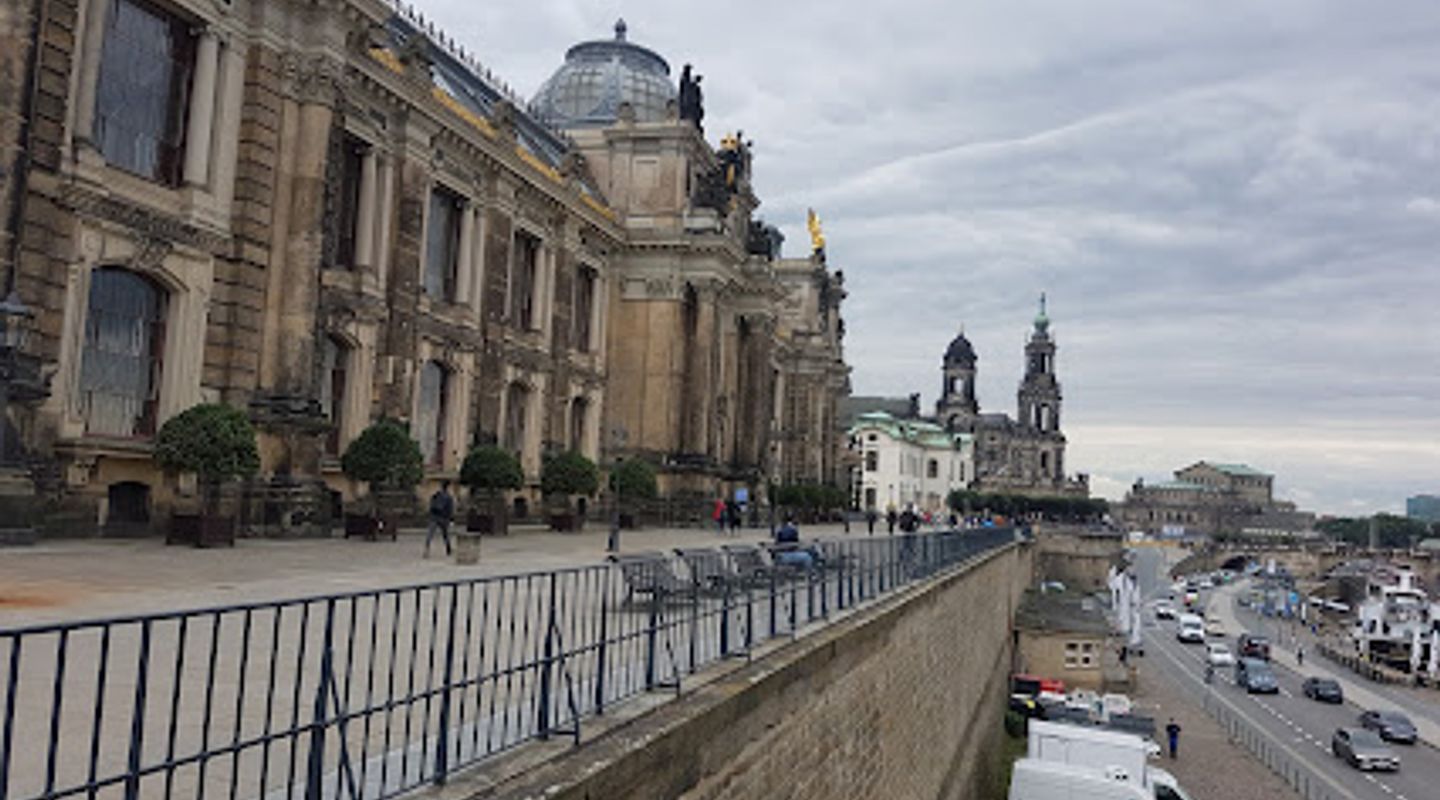
Brühl's Terrace, affectionately known as the 'Balcony of Europe,' is a historic promenade in Dresden offering breathtaking views of the Elbe River and the city skyline. Originally part of Dresden's fortifications in the 16th century, it was transformed into a lavish garden by Count Heinrich von Brühl in the 18th century. Today, it's a must-visit destination for tourists and locals alike, offering a blend of history, architecture, and stunning scenery. Stroll along the terrace, admire the Baroque buildings, and soak in the atmosphere that has inspired artists and poets for centuries. The terrace is easily accessible and free to enter, making it an ideal spot for a leisurely walk and enjoying the beauty of Dresden. Don't miss the chance to experience this iconic landmark and capture unforgettable memories.
A brief summary to Brühl's Terrace
- Georg-Treu-Platz 1, Dresden, Altstadt, 01067, DE
- Click to display
- Click to display

Know before you go
Hi, I'm Eve. Here are a few practical things to know before exploring Brühl's Terrace.
- Visit during sunset for breathtaking views of the Elbe River and Dresden's skyline bathed in golden light.
- Explore the Dresden Fortress beneath the terrace to discover the city's military history and the origins of European porcelain.
- Look for the fingerprint in the guard rail near the Bärenzwinger, a quirky reminder of August the Strong's legendary strength.
- Take advantage of the free access and enjoy a leisurely stroll along the promenade, soaking in the atmosphere and admiring the architecture.
- Purchase a Dresden Card for unlimited travel on public transport and discounts on various attractions near Brühl's Terrace.
Do you manage this location?
Take control to get all the benefits, like improved information, better appearance, and stronger visibility across AI-powered discovery. Learn more about listing your business on Evendo
Activate your presenceOther nearby places you may find interesting
The closest places of the same kind, if this one is not quite what you had in mind.


Explore Brühl's Terrace on the Map
A handpicked selection of must-see spots near Brühl's Terrace, mapped for you.
Unlock the Best of Brühl's Terrace
Buy tickets
-
No tickets available
Book tours with entry


Getting There
-
Walking
From the Frauenkirche or Neumarkt Square, Brühl's Terrace is a short, easy walk north towards the Elbe River. Follow the signs towards the riverfront and the staircase leading up to the terrace. The Albertinum museum serves as a prominent landmark on the western end of the terrace.
-
Public Transport
Take tram lines 3, 7, or 8 to the 'Synagoge' stop. From there, walk north for a few minutes towards the Elbe River. Alternatively, tram lines 4, 8, or 9 stop at 'Theaterplatz,' a slightly longer but scenic walk along the river to the terrace. A single tram fare costs approximately €2.50.
-
Taxi/Ride-Share
A taxi or ride-share from Dresden Hauptbahnhof (main train station) to Brühl's Terrace takes about 5-10 minutes, costing approximately €12-€15. Ask the driver to drop you off near the Schlossplatz for easy access to the terrace.
-
Driving
If driving, parking is available in the underground car park on Neumarkt (access via Wilsdruffer Straße or Schießgasse). Parking fees typically range from €2-€3 per hour. From the car park, take the elevator or stairs up to Neumarkt Square and walk towards the Elbe River to reach Brühl's Terrace.
Discover more about Brühl's Terrace













Your all‑in‑one travel companion app
Explore expert travel guides, compare and book tours, experiences, hotels, and more—all from the palm of your hand. Download now for seamless trip planning wherever your wanderlust takes you.


Explore More of Dresden
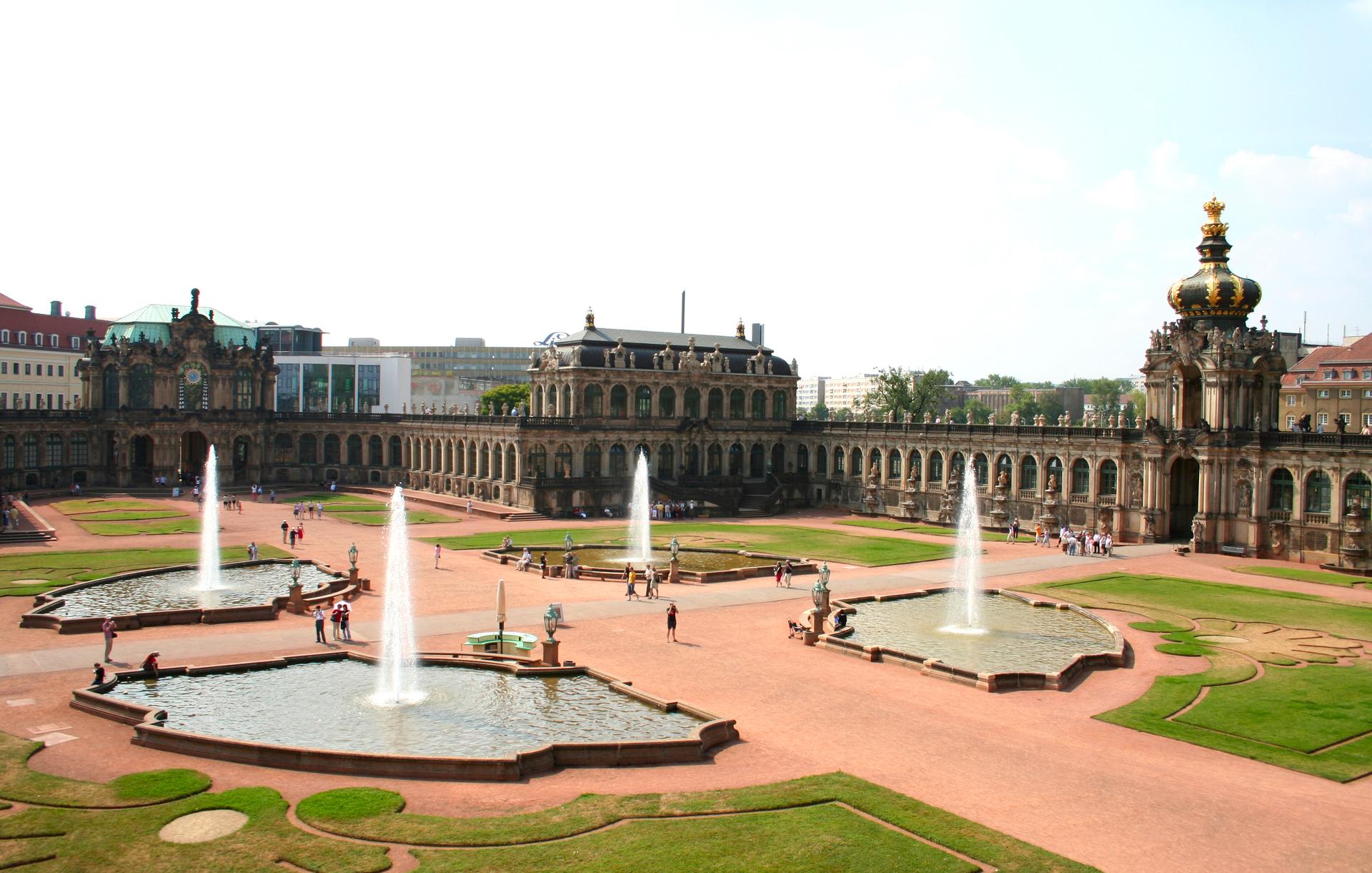
Looking beyond Brühl's Terrace? Discover Dresden for broader travel guides, local hot-spots, and regional highlights.
Explore Dresden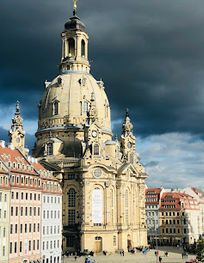
Experience the grandeur of Baroque Dresden at the meticulously reconstructed Dinglinger House, a testament to the city's rich history and architectural brilliance, located in the heart of the Neumarkt.
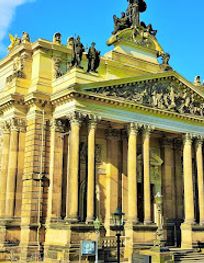
Unearth Dresden's hidden past at Festung Xperience: an immersive journey through 450 years of history within the city's ancient fortress walls, featuring 360° projections and 3D sound.